(soft instrumental music) – [Amanda] Hey Psych2Go
family, and welcome back. If you’re new to this channel and by the end of the video
you enjoy our content, do consider subscribing and
joining the Psych2Go fam. Now, let’s begin. Narcissistic victim syndrome is a term that collectively
describes specific and often severe side effects
of narcissistic abuse. Many experts acknowledge
narcissistic abuse can have a serious long-lasting
impact on emotional health, although it is not recognized
as a mental health condition. As a result of chronic abuse, victims may struggle with
symptoms of PTSD or complex PTSD. If they had additional trauma such as being abused by
narcissistic parents. (beeping) (upbeat music) With that in mind, here are
10 signs that might suggest you have narcissistic victim syndrome. Number one, you felt like you
had a perfect relationship with that person in the beginning.
When you’re in a romantic relationship, this type of abuse usually begins slowly and it creeps up on you
after you’ve fallen hard and are in love with your partner. In the early stages of the relationship, this is when the love
bombing usually occurs. They may shower you with
gifts and affection and it can feel very intense. Then slowly, manipulative tactics start to invade the relationship and will replace the love bombing. In the case of narcissistic parents, they might also offer
love, adoration, praise, and financial support, until you do something to displease them and lose their favor. They use tactics such as
gaslighting and silent treatment which can leave you
questioning your sanity. And this is something that sticks with you even after you’ve cut
ties with that person. Number two, you feel like
you’re walking on eggshells. A common symptom of trauma
is avoiding anything that might make you relive
that particular trauma. Whether it be people,
places, or activities that pose a threat to you, you may feel like you’re
constantly worrying and being careful about what
you say or do around people because that is how you used to behave when you were around your abuser.
You may present as
anxious and introverted, especially when in the
presence of other people, though you’re simply
acting out of extreme fear. Number three, you may have
experienced smear campaigns once the relationship ended. When breakups happen, it’s
common for people to take sides. This is no different when it
comes to a narcissistic abuser. They will twist your words and tell their version
of the story to others to try and get them to
feel sorry for them. They can often drum up
support from your loved ones by insisting that they only
have the best interest at heart. Then when you try to talk
about the abuse that happened, your loved ones might side
with the abuser over you. This can drop barriers between you and the people
in your support network and leave you feeling isolated. Number four, you feel
isolated and vulnerable.
When no one will listen
to you or your concerns, this can leave you
feeling very much alone. When you feel alone, you’re vulnerable to further
manipulation from your abuser. They may pull you back
in with fake apologies, a hand of kindness, or by brushing their past
abuse under the rock. This tactic, which is called hovering, is the perfect time to pounce when you’re lacking in support since you are more likely
to doubt your perceptions of the abuse when you can’t
talk to anyone about it.
Number five, you’ve developed
a pervasive sense of mistrust. Are you hypervigilant? Do you worry and get anxious
over other people’s intentions? The gaslighting techniques
used by the narcissistic abuser may have contributed to
how you view the world. And you may find that you have
a hard time trusting anyone, including yourself. Number six, you may
engage in self-sabotaging and self-destructive behavior. Victims often find themselves
ruminating over the abuse. This can enhance the frequency
of negative self-talk and the tendency towards self-sabotage. Malignant narcissists
will try and program you, conditioning you for self-destruction. This could potentially lead you to engage in risky
behaviors such as self-harm or even suicidal ideation. You might’ve developed a
knack for punishing yourself because of the toxic shame you carry, put there by the hypercriticism and verbal abuse of your abuser. If you feel like you’re
lacking any motivation to pursue your dreams and goals, then this could be a result
of narcissistic abuse. Number seven, you may experience unexplained physical symptoms.
Narcissistic abuse can trigger
anxious and nervous feelings that can trigger physical symptoms. The stress of chronic abuse may send your stress
levels into overdrive. As a result, your immune
system may take a severe hit leaving you vulnerable to
physical ailments and disease. You may notice symptoms such
as appetite changes, nausea, stomach pain, muscle aches and
pains, insomnia, and fatigue. Number eight, you may have
issues setting boundaries. The experience of narcissistic abuse can often leave you with
little respect for boundaries. This may be because when you tried to set
boundaries in the past, you may have been met with
challenges from the abuser who gave you the silent treatment until you did what they wanted. Once you end the relationship or gain distance from
a narcissistic parent, you promise yourself that
you won’t answer their calls or physically see them at all.
However, even if you’ve tried to cut ties, your abuser is confident that they will eventually wear you down because you’ve set aside
your boundaries with them so many times before. If you’ve experienced narcissistic abuse, you might also have trouble
setting healthy boundaries in your relationships
with others in the future. Nine, you may be questioning
your own identity. When facing abuse, many people
adjust their self-identity to accommodate an abusive partner. You may have stopped
doing things you enjoy or spending time with friends and family to better appease your abuser. These changes can often
lead to a loss of identity during and after the abuse. It’s not uncommon for
victims of narcissistic abuse to experience dissociation and attachment from the physical world.
Dr. van der Kolk writes
in his book titled, “The Body Keeps The Score” that dissociation is the essence of trauma. The overwhelming experience
is split off and fragmented so that the emotions,
sounds, images, thoughts, and physical sensations
take on a life of their own. Oof! Number 10, you may find
it hard to make decisions. When there has been a negative pattern of devaluation and criticism in your life, you might have very little self-esteem and confidence in yourself. Narcissistic abusers can make statements that imply that you are
unable to make good decisions.
Abusive partners may have called
you stupid, or ignorant, or they might’ve insulted you with a false and affectionate tone. They can manipulate you into believing you
imagine parts of reality making it seem less important
than it is. This type of controlling and deceitfulness can affect the way you
make future decisions. So, did you relate to any of the signs? Let us know in the comments below. I wanted to take a second
to say that I… Um, sorry. Hi, it’s Amanda, the voiceover voice. I’m reading the script for the first time and I related to it.
So I wanted to add a point that, in taking the time to learn about narcissistic
victim syndrome, you’re empowering yourself. Once you know you can grow. Acknowledging the effects of being in a narcissistic relationship is the first step to healing from one. As we close out, we want to say that not all
abuse is linked to narcissism, and not all people with a diagnosis of narcissistic
personality disorder will engage in abusive behavior. However, if you feel you might be a victim of this type of abuse, we encourage you to reach out for help. Talk to someone you can trust, like a good friend, a family
member, or a therapist. It’s not easy to leave
an abusive relationship, but with the right support,
you can move on with your life and start to heal from your past hurts. Like and share this video if it helped you and you think it could
help someone else too. The studies and references used are listed in the description below. Don’t forget to hit the Subscribe button for more Psych2Go videos, and thank you for watching. We’ll see you in the next one.
As found on YouTube
15 Modules Of Intimate Video Training With Dr. Joe Vitale – You’re getting simple and proven steps to unlock the Awakened Millionaire Mindset: giving you a path to MORE money, …
“Exercise Stress and Watercress” If oxidizing glucose to produce
energy for our bodies is so messy, creating free radicals the
way cars burn their fuel produces combustion by-products
out the exhaust, even if we’re just idling,
living our day-to-day lives, what if we rev up our lives and start
exercising, really start burning fuel? Then we create more free radicals,
more oxidative stress and so need to eat even more
antioxidant-rich foods. Why do we care about
oxidative stress? Well, it’s “implicated in virtually
every known human disease” “and there is an increasing body of evidence linking
free radical production to the process of aging”. Why? Because free radicals
can damage DNA, our very genetic code. Well if free radicals damage DNA, and exercise produces free radicals, does physical activity induce DNA damage if we don’t have enough antioxidants
in our system to douse the radicals? Yes, in fact, ultra-marathoners
show evidence of DNA damage in about 10% of their cells
tested during a race, which may last for up to
two weeks after a marathon.
But what about just
short bouts of exercise? We didn’t know until recently. After just 5 minutes of
moderate or intense cycling, you can get an uptick in DNA damage. We think it’s the oxidative stress, but “regardless of the mechanism
of exercise-induced DNA damage” “the fact that a very short
bout of high-intensity exercise” “can cause an increase
in damage to DNA” “is a cause for concern.” But we can block oxidative damage with antioxidant-rich foods. Of course when drug and supplement
companies hear antioxidant-rich foods they think, pills! You can’t make billions on broccoli, so “Pharmacological antioxidant
vitamins have been investigated” “for a prophylactic effect against
exercise-induced oxidative stress.” However, large doses
are often required and in pill form may ironically
lead to a state of pro-oxidation and even more oxidative damage.
For example, guys doing arm curls
taking 500 mg of vitamin C appeared to have more muscle damage, inflammation, and oxidative stress. So, instead of vitamin supplementation, how about supplementation with watercress, the badass of the broccoli family? What if two hours before exercise
you eat a serving of raw watercress, then get thrown on a treadmill whose slope gets cranked up higher
and higher until you basically collapse? In the control group, without
the watercress preload, which I imagine would
describe most athletes, here’s the amount of free radicals
in their bloodstream at rest and after exhaustive exercise, which is what you’d expect. So, if you eat a super-healthy
antioxidant-packed plant food like watercress before you exercise
can you blunt this effect? Even better. You end up
better than you started! At rest after the watercress, you may
start out with fewer free radicals, but only when you stress
your body to exhaustion can you see the watercress really
flex its antioxidant muscle. So, what happens to DNA damage? Well in a test tube, you take
some human blood cells bathed in free radicals you can
reduce the DNA damage it causes by 70% within minutes of dripping
some watercress on them.
But does that happen within the human body if you just eat it? We didn’t know until recently. If you exercise without
watercress in your system, DNA damage shoots up, but if you’ve been eating a single
serving a day for two months your body’s so juiced up
on green leafy goodness no significant damage after punishing yourself
on the treadmill. So, a healthy diet can
you can get all the benefits of strenuous exercise
without the potential risks? We know regular physical exercise — a key component of a healthy lifestyle, but it can elicit oxidative stress. To reduce that stress
some have suggested pills to improve one’s
antioxidant defense system, but “those eating more plant-based
diets may naturally” “have an enhanced antioxidant defense system” without pills to counter
exercise-induced oxidative stress due to the increased
quantities of plants.
Remember plant foods’ average
64 times more antioxidants than meat, fish, eggs, and dairy. And on top of that the
animal protein itself can have a pro-oxidant effect. But look, anyone eating sufficient
quantities of whole healthy plant foods could plausibly reach
an antioxidant status similar to those eating vegetarians. It’s not just about what
you’re eating less of, saturated fat and cholesterol, but what you’re eating more of,
the phytonutrients. Whether it’s about training longer or living longer, we’ve got to eat more plants.
As found on YouTube
15 Modules Of Intimate Video Training With Dr. Joe Vitale – You’re getting simple and proven steps to unlock the Awakened Millionaire Mindset: giving you a path to MORE money, …
Hello, I’m Charlie, and welcome to Authentic Mental Health the channel that offers advice and friendly support within our like-minded community with videos on mental health self-help and South improvement So if you’re new here, make sure you’re subscribed to a new turn the Bell Notification button on so you never miss our helpful videos that are going to help you Today’s helpful video is on generalized anxiety disorder and it’s coming up right after this Ostracized from across society just to suffer from a little anxiety.
Please. Stop me Life is stressful for the majority of us and it’s normal to feel anxious from time to time However, worrying excessively being anxious most of the time, and struggling to control that worry or anxiety Could be a sign of generalized anxiety disorder anxiety Disorder is also known and referred to as GAD Anyone in the world can suffer from generalized anxiety disorder it can affect children teenagers adults men and Women research has shown that women are twice as likely to be affected by generalized anxiety disorder Than men people who suffer from generalized anxiety disorder Tend to always expect something bad to happen to them or a loved one. They will constantly Worry about their health money family school or work their worry is often out of proportion with the situation that they are worrying about or it’s unrealistic or unlikely to happen or occur generalized anxiety disorder Involves a lot of what if thoughts what if I embarrass myself at the party that I go to on Friday night What if something happens to the pilot on the plane that I’m on? What if I break my leg playing football? What if my parents become seriously ill in the future? what if what if what if These what-if thoughts stop a lot of people from doing things that they want in their lives Because of the what-if fears I will give you an example of this I have personally been diagnosed with generalized anxiety disorder and I constantly worry all the time What if when I’m in public or a social situation? I fall over and throw up in front of everybody and they turn around point at me and start laughing at me and because of those what-if thoughts and the constantly worrying that those what if thoughts might become true I try to avoid social situations or public settings because of it I know that it’s unlikely to happen and it’s unrealistic But I still worry about it living with generalized anxiety Disorder is living in a constant state of fear dread and worry this anxiety fear dread and worry Eventually takes over somebody’s life to the point where it interferes with their day-to-day routine including school work social life and Relationships not everybody who suffers from generalized anxiety disorder has exactly the same symptoms Everybody will experience different symptoms when it comes to generalized anxiety disorder generalized anxiety disorder symptoms are broken down into three types emotional behavioral and physical emotional symptoms of generalized anxiety disorder include Constant feelings of worry dread or apprehension intrusive thoughts about things that make you anxious You try and stop thinking about them, but you can’t overthinking everything And inability to control your feelings of anxiety or worry behavioral symptoms of generalized anxiety disorder include inability to relax Difficulty concentrating and feeling like your mind is going blank Putting things off because of how you’re feeling and avoiding places people or situations That make you feel anxious or worried physical symptoms of generalized anxiety disorder include difficulty falling asleep or staying asleep because your mind is racing feeling tense having body aches or muscle tightness headaches stomach problems such as diarrhea or nausea feeling constantly tired and Sweating way more than usual You should see a doctor or a mental health professional if you feel like you’re worrying too much.
It’s Interfering with your life or you cannot control your worry or anxiety Anymore the earlier you seek help the easier It may be to treat your generalized anxiety Disorder if you need help or you think you’re suffering with generalized anxiety disorder There’s a link in the description box down below where you can speak to someone Immediately and begin to get the help you need and deserve the link is in the description box down below I would highly recommend you go there at the end of this video the causes of generalized anxiety disorder Could be because of biological and environmental factors which may include genetics differences in brain chemistry and function development and Personality or differences in the way threats are perceived generalized anxiety disorder also often occurs with other mental health conditions Which can include phobias panic disorder post-traumatic stress disorder obsessive compulsive disorder and depression Please do not self-diagnose yourself from this video If you have some of the symptoms we have gone over together in this video or you think you are suffering from generalized anxiety disorder Please seek professional help immediately You can see a doctor and to health professional or click the link in the description box down below Where you can speak to someone immediately who can help you? Please do not self-diagnose yourself from this video I now want you to guess how many times I said Generalized anxiety disorder in this video and comment in the comment section down below Your answer or your guess the winner will win an authentic mental health t-shirt I will reveal the winner on Twitter on December the 10th So make sure you’re following us on Twitter so I can contact the winner.
Good luck I said generalized anxiety disorder a lot in this video Have you ever been diagnosed with generalized anxiety disorder before? What symptoms do you experience? And how does it affect your life? Let me and others know in the comment section down below. If you’ve enjoyed this video found it useful and helpful Please give this video a like and let other people know they are not alone going through this and they are not alone Suffering from generalized anxiety disorder. Take care guys and girls. I’ll see you all again in another video.
As found on YouTubeAnxiety disorders, phobias, and chronic panic attacks affect millions of people all over the world. Often, treatment consists of medications used to reduce anxiety, but these medications don’t work for everyone. Many people are too afraid to explore the real reason why they have anxiety or they’re too embarrassed to seek medical attention. Instead, they suffer for years struggling to learn how to cope with this condition, alone. More often than not this results in the person avoiding many of the places and activities they once loved because they’re so afraid they’ll have a panic attack in public. If you’re tired of trying new medications that don’t work or you’re looking for an all-natural approach to anxiety treatment, the 60 Second Panic Solution program can help.
toddlers have diaper issues adolescents have hormonal issues middle-aged people have crisis voltage sold Pharmaceuticals there are many dimensions to this all these things will work against you your own intelligence will work against you and Adolescence means they are malting literally from one stage to another one simple thing is this for the adolescents this has to be brought forth [Music] adolescence means Springtime of life if you’re having trouble with spring I can imagine how you’ll handle your Winters hello [Music] huh it’s a spring time of life when everything is high energy your body that you’re at its best if you’re having trouble dealing with that part of your life I can imagine the rest of your life how you will handle this is not any one age maybe studies are being done on specific people but toddlers have diaper issues now this adolescents have hormonal issues middle-aged people have crisis voltage soul to Pharmaceuticals when you are young you bought drugs off the back street when you’re older it’s over the counter [Applause] nothing much has changed it’s just become legal everything is becoming legal you know hello a lot of things which were not legal are becoming legal isn’t it so this is not to make a joke out of somebody’s suffering but you need to understand what’s happening there are many many dimensions to this I don’t think I can cover all of them in this few minutes but to just put some perspective to you see there are five sources of receptivity for you from the outside world there are five openings your vision your hearing your smell your taste and your touch the simplest aspect of life is this essentially your eyes are designed to take 12 hours of light 12 hours of Darkness Starlight Moonlight okay now literally every waking moment of your life light is penetrating no room sounds just imagine suppose you lived in the same place it is still here like this if you stay in the ashram it’s still quiet if you lived here once in a way once in a way Some Noise happened otherwise generally quiet little bit of insects making noise this that that’s about it now 24 hours something is going on Autumn Mills are going on in United States everywhere there is some machine buzzing all the time it’s like you know if I travel here for six weeks eight weeks it becomes like boom something is going on in any building you sit something is going on when I go back to ashram in India if I sit there it’s still like that absolutely still the impact that it has on your system is tremendous but this buzzing that’s going on see what’s going on even here I am still holding my ground I don’t know without telling me they might have already installed I said no air conditioners in the ashram in the Cottages why I am saying this is you come to a Yoga Center because you want to bring your system to a certain level of stability balance because without balance doesn’t matter what talents you have what intelligence you have what capabilities you have without balance you are no good all these things will work against you your own intelligence will work against you so all the time there is sound and vibrations going on as if that’s not enough people are wearing headphones and all the time Dang Dang Dang Dang they call it music but the musician doesn’t even bother to play it it’s just a machine banging in your ears all the time well maybe that’s maybe better than listening to people around you maybe you think it’s better than the automobile noises that surround you but Non-Stop impact of sound non-stop impact of light non-stop impact of various other inputs this affects everybody and Adolescence means they are malting literally from one stage to another quickly this is the time when there should have been a very stable atmosphere most people don’t have such a stable atmosphere uh one thing is because of various things that I already mentioned family situations are not stable parents are also screaming hello yes they are because every movie every television show everything is showing in the house if you’re angry you must shout you must punch the door if not somebody at least you must punch something you must break something this is becoming the normal everybody thinks that’s a way to handle your emotion hello it is examples are being said people think that’s the way to handle your emotion no if your emotion going out of control shut up close your eyes and just sit on in one position yes that’s a way to handle your emotion if your emotion is going out of control just shut your mouth close your eyes sit down in one place don’t mess with the rest of the world hello [Music] foreign this much responsibility you must have when you are messed up you don’t mess the world keep it to yourself your mess that much you must have isn’t it Now everywhere people are demonstrating that if you are emotional you have to kick something you have to break something you have to throw something at somebody or at least at the wall so all this and tell me Suppose there was no television and there was no Cinema how many times in your life would you have witnessed somebody being shot but now that you’re watching your Cinema and television how many shootings have you seen hundreds thousands probably isn’t it you think it has no impact not only that from the age of five all the learning shooting maybe just on the screen but sometimes they have to come off the screen and do the real thing yes or no and now like this I can go on endless number of things we are doing in the name of so-called Modern Life which is a way of messing life every life is messed not just adolescence because adolescents are still on your hands you’re complaining parents are complaining because they’re still on their hands once they go out their husbands and wives are complaining nobody listens to them [Music] hello the same brats have gone out and married and made children and everything hello you should know maybe with age if they become less little less energetic or at least in the evening they drink on they’re in hibernation either they’re out somewhere earning their living when they come home they’re in hibernation that way everybody’s safe it’s not the way to conduct life even if you’re exuberantly alive you should not be damaging to any life around you that’s life hello the only way to see that you are not dangerous is that you’re sedated that’s not a good life hello now this is a face of life when changes are happening so rapidly all the impacts which are on every life on the planet not just human life every life on the planet maybe place up a little more in the Adolescent or maybe it’s just the same as you it is just that you thought that your little Sweetie Pie’s now they are showing genetic qualities thank you if a smaller version of you is like that you must look one simple thing is this if every human being knows simply how to sit still just a few minutes a day no great spiritual sadhana nothing simply sitting still if this can happen world will change in many ways but still we have to handle these inputs these inputs are too many in your homes you can do this where I live most of the time I will never turn on the lights unless I want to read something or whatever you will see your eyes will adjust and you are able to move out everything is fine or if you need something a couple of lamps will take care of that little bit of light that you need to move around all the time bright lights on it is telling on your system the input is too much for your eyes for your ears you must bring down the input now many may see if you had to see colors you have to wait for the sunset sit there and wait then one spectacular color arose but if you’re looking at your phone it went away [Music] going on and on and on endlessly all this has immense impact light sound color if you lower the input into your life and your child’s life one way or the other do whatever you have to do you will see they will grow up in a much more balanced way it’s the simple thing you can do for The Adolescents this has to be brought forth little bit of yoga most of them will go through this phase of their life effortlessly foreign [Applause] [Music] [Music] everything [Music]
As found on YouTubeAnxiety disorders, phobias, and chronic panic attacks affect millions of people all over the world. Often, treatment consists of medications used to reduce anxiety, but these medications don’t work for everyone. Many people are too afraid to explore the real reason why they have anxiety or they’re too embarrassed to seek medical attention. Instead, they suffer for years struggling to learn how to cope with this condition, alone. More often than not this results in the person avoiding many of the places and activities they once loved because they’re so afraid they’ll have a panic attack in public. If you’re tired of trying new medications that don’t work or you’re looking for an all-natural approach to anxiety treatment, the 60 Second Panic Solution program can help.
(gentle music) – [Narrator] Hey, Psych2Goers, and welcome back to another video. Your love and support have enabled us to send your way another
wealth of everyday psychology. So, let’s explore. Have you heard of borderline
personality disorder or BPD before? It’s a personality disorder that affects about one to three
percent of the population. So, what is BPD? People with BPD struggle with self-image and self-perception. Their behavior and view
of others change quickly as they battle waves of
sadness, anger, or anxiety. It’s linked to traumatic events, brain chemistry, and family history. However, these factors aren’t always present in people with the disorder. Hidden BPD is a type in which the symptoms of the
disorder are internalized. They’re not displayed outwardly, making its diagnosis difficult.
This leads your friends,
partner, or family members to misunderstand your actions as having a toxic personality or a different mental
disorder like anxiety rather than borderline
personality disorder. Before we begin, we would like to remind you that the purpose of this video
is to create awareness and should in no case be
used to self-diagnose. If you find you can relate to these signs, please reach out to a
professional for help. With that being said, here are seven hidden signs of borderline personality disorder. One, self-hatred, self-harm. Do you often see the world in extremes and struggle to maintain
a sense of identity? One hidden sign of borderline
personality disorder is drastically low self-esteem or self-hatred.
This creates internal conflict
like constant self-criticism, negative self-image, and feeling
like you’re a bad person. Self-harm is another sign of borderline personality disorder. And this can escalate to suicidal thoughts or attempts at suicide. Two, difficulty regulating emotions. You cycle between periods
of intense emotions like emptiness, sadness,
anger, and anxiety. People with BPD struggle
to feel in control of their emotional
responses to situations. This is called effective instability and it’s more intense and longer lasting than hormonal mood swings. Because people with hidden BPD tend to internalize their feelings, their mood swings likely won’t
be as noticeable to others. It’s important to note, however, that intense mood swings can also be a sign of mood disorders which is why it’s so
important to get diagnosed by a mental health professional. In some cases, a person may be diagnosed with both a borderline personality disorder and a mood disorder such as bipolar. Three, internalized anger. Intense anger can also be a sign of BPD. Some people verbally or physically lash out at others brought on by BPD.
But in the case of hidden BPD, this anger is turned
inwards against the self and in the form of self-hatred or is suppressed which
is even more lethal. Such anger can also manifest as repeated frustration
or extreme irritation when faced with interpersonal stressors that people without BPD or
other personality disorders can handle without getting upset. Fourth, fear of rejection. Would you agree that
rejection is hard to stomach even in the best of times? For those with BPD, fear of rejection is
yet another hidden sign.
This could manifest in an irrational fear that loved ones will
leave you, social anxiety, or a desire to please everyone around you to try and prevent them
from rejecting you. The fact that people
with BPD often struggle to maintain relationships
only adds to this fear. Five, unstable relationships. Do you face difficulty maintaining interpersonal relationships like friendships, sibling bonds,
or romantic relationships? It can be difficult for people with BPD to preserve relationships because they often idealize
or think very highly of and then romanticize someone for a while and then devalue distrust
or become disgusted with them. A 2016 study suggests
that some people with BPD react to relationship
stressors with impulsivity which generates instability
in relations as well. Six, impulsive decisions. While cycles of impulsive
decisions commonly occur in those with bipolar disorder
and other mood disorders, they’re also a sign of BPD. Examples of impulsive decisions
someone with BPD might make are substance abuse,
spending or gambling sprees, skipping work or
appointments, unprotected sex, binge eating, or reckless driving.
Impulsive decisions are
a hidden sign of BPD because others may think this impulsivity comes from low impulse control or another mental disorder instead of BPD. And seven, disassociation. Finally, people with
borderline personality disorder may disassociate more frequently and for longer periods than typical functioning people. Disassociation is when thoughts or emotions enter your mind and you find yourself incapable
of focusing on your actions, instead operating on autopilot or watching yourself do things without feeling connected to your body. Disassociation is a hidden symptom of BPD because others may assume
someone who is disassociating is just tired or distracted. Disassociation can also
be a symptom of PTSD or dissociative identity
disorder, also known as DID.
But if it occurs alongside
the other things, it’s likely a hidden sign of BPD. It’s important to remember that mental disorders
affect everyone differently. Not everyone experiences all the symptoms. You might also experience
symptoms not listed here. That’s why it’s so important to seek help from a licensed mental health professional with experience in personality disorders if you think you or someone
you love might have BPD. Have you or someone, you
know, been diagnosed with BPD? Are you now better equipped to look out for its hidden symptoms? Let us know in the comments below. If you found this video helpful, be sure to hit the like
button and subscribe. And share it with someone
who might benefit from it. Thanks for watching
and we’ll see you soon..
As found on YouTube
I thought my anxiety disorder was for life… $49.⁰⁰ But I Discovered How Hundreds Of Former Anxiety Sufferers Melted Away Their Anxiety And Now Live Relaxed, Happy Lives – With No Trace Of Anxiety Or Depression At All!
http://flywait.anxiety4.hop.clickbank.net
We’ve seen so many people go anxiety-free that we have no hesitation in guaranteeing this program. So… If at any time within 60 days of you purchasing ‘Overthrowing Anxiety’, your anxiety hasn’t completely evaporated then you can have all your money back. No questions asked! You can do this for yourself today. You can start making a difference in your life right now. Click on the button below and you’ll receive your copy of Overthrowing Anxiety in just a few minutes. It’ll be one of the best decisions you’ve ever made – guaranteed!
http://flywait.anxiety4.hop.clickbank.net
Benefits of Rosemary for Brain Function in Hamlet, Act, 4, Scene, 5, Ophelia notes that rosemary is for remembrance, an idea that goes back at least a few thousand years to the ancient Greeks who claimed that rosemary comforts. The brain sharpens understanding, restores lost memory and awakens the mind. After all, plants can be considered little chemical factories that manufacture all sorts of compounds that could have neuroprotective benefits.
So let’s cut down on processed foods and eat lots of phytonutrient-rich whole plant foods, including perhaps a variety of herbs.
Even the smell of certain herbs may affect how our brain works.
Unfortunately, I’ve found much of the aromatherapy literature scientifically unsatisfying, like there’d, be studies like this, offering subjective impressions and so fine sure sniffing.
An herbal sachet is indeed easy, inexpensive, and safe, but is it effective? They didn’t compare tests, scores, or anything Even when there was a control group where researchers had people do a battery of tests in a room that smelled like rosemary, lavender, or nothing, and even when they did compare test results.
The lavender appeared to slow them down, and impair their performance, whereas the rosemary group seemed to do better, But maybe that’s just because of the mood effects.
Maybe the rosemary group did better just because the aroma kind of pepped them up And not necessarily in a good way, maybe kind of overstimulating.
In some circumstances, there have been studies that measured people’s brain waves and were able to correlate the EEG findings with the changes in mood and performance, along with objective changes in stress hormone levels.
But is this all just because pleasant smells improve people? S moods Like if you created some synthetic rosemary fragrance with a bunch of chemicals that had nothing to do with the rosemary plant.
Would it still have the same effect We didn’t know until now that aromatic herbs do have volatile compounds that theoretically could enter the bloodstream by way of the lining of the nose or lungs and then potentially cross into the brain and have direct effects? But this was the first study to put it to the test.
They had.
People do math in a cubicle infused with rosemary aroma, and so yes, they got that same boost in performance, but for the first time showed how much better they did correlate with the amount of a rosemary compound that made it into their bloodstream.
Just from being in the room, and so not only did this show that it gets absorbed, but that such natural aromatic plant compounds may be playing a direct effect on changes in brain function.
If that’s just what smelling it can do? What about eating rosemary? We have studies on alertness and cognition and reduced stress hormone levels, by inhaling rosemary.
However, there were no clinical studies on cognitive performance following ingestion of rosemary.
Until now, Older adults, average age 75 were given two cups of tomato juice, with either nothing or a half.
A teaspoon of powdered rosemary, which is what one might use in a typical recipe, or a full teaspoon, two teaspoons, or over a tablespoon of rosemary powder, and they even gave them some placebo pills to go with it to even further eliminate any placebo effects.
Speed of memory is a potentially useful predictor of cognitive function during aging, and what they found is that the lowest dose had a beneficial effect, accelerating their processing speed, but the highest dose impaired their processing speed, maybe because the half-teaspoon dose improved alertness, while the 4 Teaspoon dose decreased alertness, So rosemary powder at the dose nearest to normal, culinary consumption demonstrated positive effects on speed of memory.
The implicit take-home message being more isn’t necessarily better. Take high doses of herbal supplements extracts tinctures, just cooking with spices is sufficient.
A conclusion, no doubt pleasing to the spice company that sponsored the study.
No side effects were reported, but that doesn’t mean you can eat the whole bush.
This poor guy swallowed a rosemary twig which punctured through the stomach into his liver, causing an abscess from which 2 cups of pus and a 2-inch twig were removed, so explore herbs and spices in your cooking Branch out.
Just leave the branches out.
As found on YouTubeNatural Synergy $47.⁰⁰ New Non-Invasive Alternative. To Electro-Acupuncture, Producing Astounding Results… Self-Application Is Easy, Rapid Response. You’re about to discover how both chronic and acute pain, skin conditions, migraines, and hundreds of ailments all stem from the same root cause ꆛ Yin Yang Ailments🗯 such as➯➱ ➫ ➪➬ Chronic pain⇝Low immunity⇝Chronic acid reflux⇝High blood pressure⇝Addictions⇝Fibromyalgia⇝Allergies⇝Osteoarthritis⇝Headaches⇝Low back⇝pain Asthma⇝Headaches⇝Depression and anxiety⇝Urinary problems… to name just a few…
Soft music Instructor, Hey Psych2goers, and welcome back to another video. Before we start, we would like to give you a big thanks for all the support that you’ve given us.
Psych2Gos mission is to make psychology and mental health more accessible to everyone.
Now let’s begin.
Are you extremely afraid of being judged by others? Are you very self-conscious in everyday social situations? Do you avoid meeting new people? These are all trademark signs of social anxiety, which affects approximately 15 million people in the United States alone.
Social anxiety disorder is classified as a significant amount of fear, embarrassment, or humiliation in social or performance-based situations.
It goes far deeper than mere shyness, where shyness is more of a personality.
Trait social anxiety disorder can cause significant disruption of your daily life.
Before we begin, we would like to mention that this video is created for educational purposes only and is not intended to substitute a professional diagnosis.
If you suspect you may have social anxiety, disorder, or any mental health condition, we highly advise you to seek help from a qualified mental health.
Professional With that said here are nine things that social anxiety makes us do One repeatedly double checking the location and time. Do you find yourself repeatedly checking your phone to make sure you’re in the right place? It can be terrifying for those with social anxiety to arrive late or walk into the wrong room.
So double or even triple-checking information is necessary.
Even if you know you’ve got the details right.
It can bring you peace of mind just to make sure it may be the difference between walking in with confidence or hesitation and two rehearsing conversations in your head ahead of time.
While this may be a subconscious practice at first many people who face social anxiety rehearse things they’re going to say before they have the actual conversation.
This often begins as imagining future conversations or running through a list of important points to discuss.
Some people find it more helpful to physically practice having a conversation as well.
That being said, not everyone who rehearses their conversations beforehand necessarily has social anxiety, Memorization and practice are both common tools to aid.
You feel nervous whether you’re anxious about public speaking talking to a specific person or being social in general Number three avoiding phone calls, even though it’s become a bit of a joke among millennials and Gen Zer, who prefer to text avoid phone Calls is actually a fairly common behavior for people with social anxiety.
Psychologist Lindsay Sharfstein told Headspace. Anxiety is typical for all of us.
It’s a universal emotion that we can all relate to.
For the most part.
We know that individuals are not afraid of phones.
They have phones in their office backpack purse.
What they’re typically afraid of is the evaluation or judgment that may happen when they’re on a phone.
This may be why some people prefer to text instead of talk on the phone.
The more one can put between themselves and the other person the more comfortable they generally feel interacting Four faking phone calls Have you ever pretended to be in the middle of a call just to avoid talking to someone or worn headphones to discourage others from approaching you, Although it’s safe to assume that phone calls are not something that people with social anxiety look forward to faking, a call can come in handy.
It can be a lot easier to act busy rather than face the awkwardness of an unwanted conversation.
So, this can become a habit of avoidance. If you have social anxiety, five constantly worrying about how everyone sees you.
According to the Anxiety and Depression Association of America, those with a social anxiety disorder are increasingly concerned about how they are perceived by others.
The last thing they want is to come off as awkward, fumbling, or boring.
You’ve likely felt this way at some point throughout your life, whether it’s the desire to fit in with friends or make a good impression on a potential employer with social anxiety.
However, this pressure to perform feels constantly heavy and can lead to full-blown panic attacks when in social or performance-based situations Number six is feeling lonely.
Even when you’re surrounded by people, People with social anxiety can share this feeling with those who battle, depression and other mental illnesses as well.
So, unfortunately, a lot of people can relate to this isolating feeling When social anxiety keeps you from being your true self.
It can be difficult to feel included at all. It’s frustrating to be close to others, but not be able to connect with them in a comfortable way.
If you’re struggling to effectively communicate and are extremely hesitant to even start a conversation that adds to your feelings of loneliness, even when you’re, surrounded by others, Number seven clenching your teeth and other physical discomforts, you feel shaky or lightheaded when faced with A social situation: Does your heart rate speed up or do your hands tremble? The stress that comes with social anxiety can manifest through physical symptoms.
Many of the symptoms are signs of nervousness such as sweating, flushing, and feeling shaky According to Mayo Clinic. You might also be dealing with muscle tension, feeling that your mind has gone blank, or having trouble catching your breath.
Number eight obsessing over how you look When you’re, constantly worried about how others perceive you.
You’re likely to be concerned with how you look as well.
You might have a distorted body image and think that you’re less physically attractive.
Your thoughts can flit from your hair to your clothes or flaws in your skin.
Thinking that it’s just all wrong In an attempt to feel comfortable in your own skin, you might spend an inappropriate amount of time and money on fixing your appearance, such as shopping for better clothes, getting high-end beauty products, or going on diets.
If you think you’re overweight and number nine, you feel more like yourself around the people.
You’re comfortable with Yourself, think you’re picky about who you spend time with, and triumph over shyness by conquering social anxiety disorder, Dr. Marie B. Stein and John R. Walker discusses behavior in children called selective mutism.
This is when a child speaks and acts normally around select individuals but is completely silent around everyone else or when placed in certain situations.
This is a more extreme example, but it shows how those with social anxiety are more likely to relax and open up around people. They already know and trust, do you or anyone you know resonate with any of these points mentioned in this video?
If you’re concerned about social anxiety disorder, we encourage you to speak with a mental health professional.
They can help you overcome any fears or debilitating problems you might have If you enjoyed watching this video, give us a thumbs up and share it with someone who might find it helpful as well.
The studies and references used in this video are listed in the description below Don’t forget to hit the subscribe button for more Psych2go videos and as always thanks for watching and we’ll see you next time.
As found on YouTubeNatural Synergy $47.⁰⁰ New Non-Invasive Alternative. To Electro-Acupuncture, Producing Astounding Results… Self-Application Is Easy, Rapid Response. You’re about to discover how both chronic and acute pain, skin conditions, migraines, and hundreds of ailments all stem from the same root cause ꆛ Yin Yang Ailments🗯 such as➯➱ ➫ ➪➬ Chronic pain⇝Low immunity⇝Chronic acid reflux⇝High blood pressure⇝Addictions⇝Fibromyalgia⇝Allergies⇝Osteoarthritis⇝Headaches⇝Low back⇝pain Asthma⇝Headaches⇝Depression and anxiety⇝Urinary problems… to name just a few…
According to the American Psychological Association People with anxiety have a future-oriented fear which leads them to avoid anything that could potentially trigger a stress response. In 2017, the National Institute of Mental Health reported that approximately forty million people worldwide suffer from anxiety disorders that are highly treatable but recent surveys show that only 36.9% of those suffering from it seek treatment This might be because most people with anxiety worry about the judgment of others and how the stigma against mental illness might negatively affect their lives. Does this sound familiar to you? Do you worry you might be suffering from anxiety and just don’t realize it? Here are ten tell-tale signs of hidden anxiety to look out for. 1. You don’t like talking to people face to face. You can easily keep a conversation going for hours when you’re texting or chatting online with a friend but talking to someone in person… No… That’s an entirely different story. Even if you already know them well or have talked to them online you still get tense and nervous talking to them in person You have trouble making eye contact or finding the words to respond and you want to end face-to-face conversations as soon as they begin to 2.
You’re always self-conscious. Do you walk into a room and immediately feel like everyone is staring at you, listening to you, and judging your every move? Or perhaps you’re overly conscious of the way you walk, the way you eat, the way you sit, the sound of your voice when you talk and so on This could be a sign that you have hidden anxiety 3. You’re easily upset or irritated. Has anyone ever told you you’re too sensitive? Do you find your feelings getting hurt easily? Are you quick to get angry or upset with others over the littlest things? This kind of emotional volatility may be a sign that you have high-functioning anxiety. As anxiety can often make us easily overwhelmed and emotionally imbalanced, frequent mood swings, temper tantrums, and irritability can be expected when you’re overly anxious four.
You’re panicky and easily startled. Anxiety makes you want to be as in control and vigilant as possible. An unexpected phone call, a random knock on the door, an email with no subject, or a forgotten task you can easily finish. Anything is enough to send you reeling with panic. You go into a tailspin whenever something catches you off-guard and you find it hard to relax even when the smallest things don’t go exactly as planned. 5. You’re indecisive. Do you have trouble making even the simplest of choices? Are you afraid of making up your mind about something because you’re so sure that whatever decision you make is going to be the wrong one? Oftentimes, anxiety can manifest as perfectionist tendencies, fear of failure, or distrust in oneself. If you can’t make your own choices without thinking about it for hours and hours first or consulting with all your friends and family, you might be harboring some hidden anxiety.
6. You overthink past conversations. You have a tendency to get hung up on past conversations no matter how much time has passed since then. You analyze the other person’s body language, facial expressions, choices of words, and even the tone of their voice. You can’t help but think about what you should have done or said instead, and it drives you crazy and keeps you on edge every time you remember it seven. You’re always making yourself busy It’s common for people with anxiety to have a strong need to keep themselves busy They’d like to occupy themselves with simple tasks and do as many things as possible in a day because sitting still and doing nothing for a long time can make them feel restless and on edge 8. You talk yourself down all the time.
Life isn’t always kind to us, and self-love and a balanced lifestyle don’t come easily. Living with anxiety, especially if it’s hidden or suppressed, can make it hard for us to feel good about ourselves and let ourselves feel happy. It makes us believe that we don’t deserve it and traps us in a vicious cycle of negative self-talk and constant pressure to be perfect. 9. You have a lot of negative thoughts. Are you a pessimist who is quick to find the downsides in every situation? Do you find yourself getting upset or stressed out over even the most minor inconveniences? Is every day a constant battle with yourself against the spiral of panicked and rational thoughts you have? In 1997, famed psychologist and cognitive therapist, Aaron Beck, termed this kind of thought pattern as catastrophic thinking, which he often observed in his patients who suffered from anxiety. And 10. You experience physical symptoms. Sometimes anxiety can be entirely physical because while your conscious mind may not always be aware of your anxiety it will definitely make itself known to your body.
Things like erratic heartbeats, chest palpitations, muscle tension, a clenched jaw, shaky hands up sweating are all indicative of anxiety. Your body may be trying to let your mind know that you’re feeling anxious and stop it before it gets any worse. Do you relate to any of the problems listed here? Or do you do your best to seem ok? And hide your symptoms because you feel embarrassed about your anxiety? The truth is: you’re not alone and having mental health issues is nothing to be ashamed of.
What do you plan to do next? Let us know in the comments below! Don’t forget to like this video and subscribe to Psych2Go for more psychology content. Thanks for reading and we’ll see you soon…
As found on YouTubeNatural Synergy $47.⁰⁰ New Non-Invasive Alternative. To Electro-Acupuncture, Producing Astounding Results… Self-Application Is Easy, Rapid Response. You’re about to discover how both chronic and acute pain, skin conditions, migraines, and hundreds of ailments all stem from the same root cause ꆛ Yin Yang Ailments🗯 such as➯➱ ➫ ➪➬ Chronic pain⇝Low immunity⇝Chronic acid reflux⇝High blood pressure⇝Addictions⇝Fibromyalgia⇝Allergies⇝Osteoarthritis⇝Headaches⇝Low back⇝pain Asthma⇝Headaches⇝Depression and anxiety⇝Urinary problems… to name just a few…
“Yoga Put to the Test for Headaches,
Diabetes, Osteoarthritis, and the Elderly” Yoga is an ancient mind-body
discipline which originated in India thousands of years ago, and that’s where most yoga
studies are done to this day. This has raised concerns
that national pride might incline Indian researchers
to quietly shelve any negative results and just publish studies
showing yoga works. This fear is not without precedent. For example, research conducted in
China, Japan, Hong Kong, and Taiwan were found to be uniformly
favorable to acupuncture; all trials, without exception,
were positive.
Now, one possible explanation
for this finding is that acupuncture is just
more effective in countries where it is traditionally practiced,
but it’s a little suspicious. So, are Indian yoga trials
more likely to be positive than those from other countries? They looked at hundreds of
Randomized controlled trials of yoga, both done in India and
done in other countries, and trials on yoga conducted in India
had about twenty-five times the odds of reaching positive conclusions
as those conducted elsewhere. Again, yes, yoga might be more
effective in India than elsewhere, but it is a little suspicious. So, for example, if you’re interested
in whether yoga is helpful for treating headaches,
and you read that yoga appears to be helpful
For those suffering from tension-type headaches,
but then you find out that nearly all such studies were
conducted in India, what do you do
with that information? Also, notably, none
of the control groups had any sort of exercise component,
though this may be less critical for tension headaches, since
neither aerobic exercise training…
Nor does strength training
appear to help them. So, if we’re to believe
the Indian study conclusions, yoga may indeed help
with tension headaches, but even they found
no effect for migraines. What may help migraines,
though, are other types of exercise, specifically aerobic exercise,
decreasing migraine pain intensity, frequency, and duration,
at least in the short term. What about the benefits
of yoga practice compared to physical exercise
in the management of type 2 diabetes? A significant reduction
in both short-term and longer-term blood sugar control
was noted in the yoga groups compared to other
exercise control groups.
However, the findings may need
to be interpreted with caution, since nearly half of the studies
didn’t define and adhere to a well-planned exercise regimen
in the control group. Furthermore, an exercise intervention
comparable in intensity to yoga was followed only in three
out of the eight studies included. And, for what it’s worth,
The majority of the studies, six out of eight, were from India. When yoga was carefully
compared to sham yoga, which consisted of chair exercises,
standing exercises, and slow walking to match
the yoga session, the relative yoga
benefits evaporated.
Both yoga and sham yoga had identical effects
on blood sugar status. Hence, further well-controlled
Randomized trials are required prior to drawing conclusions
about the benefits of yoga in comparison to physical exercise
in patients with diabetes. Similar tentative conclusions were
reached for yoga for osteoarthritis. Put all the studies together
and yoga may indeed be effective for improving pain, function,
and stiffness in individuals with osteoarthritis of the knee,
compared not only to doing nothing but compared
to other kinds of exercise. They had some issues with
the quality of some of the studies, and so only a weak recommendation
for the use of yoga for osteoarthritis, but hey, if you like yoga or if yoga
is the only kind of exercise you’re willing to do, then
It’s probably better than nothing. Finally, in this video,
Let’s look at the effects of yoga compared to active and inactive
controls meaning like compared to other exercise regimens
or just like doing nothing on physical function and
health-related quality of life in adults aged 60 and older. Compared to doing nothing,
They found clear evidence that yoga improves physical function
and psychological well-being in older adults, so it definitely
better than nothing.
What about compared
to other exercises? Yoga pulled ahead for lower limb
strength and lower body flexibility, but for improving balance,
mobility, and walking speed, yoga appeared comparable. Psychologically, yoga appeared
to beat out other exercises for alleviating depression
in older adults, but not anxiety or perceived
mental health in general.
As found on YouTubeNatural Synergy $47.⁰⁰ New Non-Invasive Alternative. To Electro-Acupuncture, Producing Astounding Results… Self-Application Is Easy, Rapid Response. You’re about to discover how both chronic and acute pain, skin conditions, migraines, and hundreds of ailments all stem from the same root cause ꆛ Yin Yang Ailments🗯 such as➯➱ ➫ ➪➬ Chronic pain⇝Low immunity⇝Chronic acid reflux⇝High blood pressure⇝Addictions⇝Fibromyalgia⇝Allergies⇝Osteoarthritis⇝Headaches⇝Low back⇝pain Asthma⇝Headaches⇝Depression and anxiety⇝Urinary problems… to name just a few…
CEUs are available for this presentation at AllCEUs.com/CBT-CEU Hi everybody and welcome to today’s
presentation on cognitive behavioral therapy skills. Like the other
The presentation we did on assert not assertive community treatment acceptance
and commitment therapy, which is also based on providing information
about skills that can be used not providing an evidence-based practice
We couldn’t cover that in a full hour or just an hour so over the
next hour we’re going to define cognitive behavioral therapy and its
basic principles a lot of us are familiar with this but it’s going to be
a good review and it also may highlight some nuances that you didn’t know about
will identify factors impacting people’s choice of behaviors explore causes and
impact of thinking errors and identify common thinking errors and their
relationships to cognitive distortions so why do we care well as therapists we
want to help people figure out the best way to live a happy healthy meaningful
goals-driven life for some people that’s going to mean using some cognitive
behavioral interventions that can be in addition to mindfulness that can be in
addition to a lot of other things but it’s important to help people understand
that the way we believe things to be the way we interpret things is going to
affect our reactions so for example think about a situation you know you’ve
walked into and maybe you walked into it with a small child and it was a
different situation it was a new situation but you know it was no big
deal you walked in it was not a threatening situation to you because you
were like hey I got this the little kid walks in and goes oh wow there are a lot
of people walking around here, this is really scary same situation as two
different perceptions you probably didn’t have much of a stress reaction
going on whereas the little child probably had this fight-or-flight thing
going on grabbing onto your hand like please don’t let go
Atlanta Airport is a perfect example if you’ve ever
taken a little kid through Atlanta Airport it gives you an idea about how
People can perceive things differently and when you enact that fight-or-flight
reaction you’re going to have all those stress hormones you’re going to have all
either anxiety or anger or whatever that goes with it it may serve to
exhaust the person and leave them feeling hopeless and helpless so what we
want to do is help people see that but we also want to help them see that when
They’re depressed when they’re tired when they’re sick things are going to
seem a lot worse a lot of times because they don’t have the energy to perceive
it differently I mean when you’re sick it’s overwhelming to think of going
through Atlanta Airport so this is what we want to help people start
understanding is it’s two sides of the same coin they interact if one is you
know kind of going wonky is going to affect the other one the good thing is
If one’s going really well the other one’s going to go well if you’re
Having positive thoughts you’re probably going to feel pretty good
there’s an activity and I think we’re going to talk about it later it’s called
the coin flip activity and I asked client clients to flip a coin in the
morning and in the morning if it turns heads then they have to be the most
positive Pollyanna all day long look for the silver lining and everything smile
walk with their head up hold those nonverbals up and see how they feel at
the end of the day besides a little sore because there are muscles they’re using
they haven’t been used in a while if it lands on tails they can just be their normal
selves which generally if they’re seeing me means that they are depressed anxious
stressed out angry about something in the negative realm then we
Talk about how things seemed different on the days when you were feeling better
when you were walking taller when you were smiling even our nonverbals it
doesn’t even have to be sickness it can be our nonverbals that can make us feel
or make our body feel heavy and tired and make it seem like it’s a whole lot
harder to deal with life as a person who perceives the world
generally good and believe they can deal with challenges as
they arise that good old self-efficacy will be able to allow their stress
response system to function normally so if they’re like you know what I can deal
with whatever life throws at me I’ve got it and maybe I need help with it maybe
I’ll need to ask for support but I’ve got it it’s not going to completely
overwhelm me with people who see the world as hostile unsafe and unpredictable You
know for a variety of reasons whatever happened to make their scheme as such
that they don’t believe that people or the world is trustworthy are predictable
They are always on guard they’re always kind of like a hamster in a cage that has
Have you ever had a hamster hamsters doesn’t recognize you and goes Hey that’s my own
Or human contact score hamsters go run under their little house
And you just kind of open the cage and stick your hand in there and flip over
their house and you’re like come here and give me cuddles and you’re like you
know 200 times bigger than they are so the little hamster is like freaking
out this is what it’s like for people and obviously, I’m exaggerating but this
is what it’s like for people who have a negative perspective a negative view or
a hostile view of the world so kind of keep that little hamster in your mind cognitive behavioral therapy we have
core beliefs those things that are in our hearts when I talk with my clients
about honesty step one and that’s what they’ve got to do to start recovery is
get honest with themselves first and then other people we talk about head
heart and gut honesty do you think it’s right does it seem like the right thing
to do does it feel right in your heart you know does it make you happy it
doesn’t make you feel good and then the Spidey senses is your gut saying and or
Is your gut fine if one of those is saying this might not be the right
choice and we need to think about what’s going on so we have those core beliefs
and I put them in the heart just because that’s the middle of the head heart and
gut but you have core beliefs about yourself whether you’re good with
You’re bad whether you’re effective at certain things yadda
You have core beliefs about other people same thing good bad effective
predictable and you have core beliefs about the future and a lot of that goes
with locus of control but also your past experiences if the world in the past is
seemed unfriendly and uncontrollable and you’ve perceived it that way then you’re
going to expect the future to be uncontrollable so what we want to do is
help people look at their schemas and their core beliefs about themselves
others in the future and figure out kind of what they want it to look like these
schemas are going to affect your behavior your thoughts and your
feelings and you know you can pick wherever you want to start it doesn’t
matter because all three interfaces with one another so if you haven’t let’s
Start with negative thoughts If you have negative thoughts then you might feel
anxious angry stressed dysphoric which will affect the behavior you’re going
to do different things than if you have positive thoughts about something you
feel excited and energized you’re going to have different behavior the best
thing example I can give you is if you’ve ever done public speaking or had
to present something Some people detest public speaking it’s just
terrifying for them to get up in front of a group of people so their thoughts
are I’m going to trip up I’m going to forget what I’m going to say I’m going
to make a fool of myself I’m going to you know it can go on forever that when
you get on a roll you can get on a negative roll and go on forever or
positive hopefully get on that roll with those thoughts you start holding onto
Those thoughts remember as we talked about in a CT the other day when you
hold those thoughts and you kind of mush them around in your mind and you come to
believe them that you’re going to make a fool of yourself and it’s going to be
awful you’re going to start feeling terrified which is going to
likely affect your behavior if you go out on the stage and you’re terrified
You’re going to probably stutter you’re probably going to get foggy-headed
You’re going to have that fight-or-flight reaction so there’s an
adrenaline rush and you start sweating and you can’t focus and you can’t
concentrate you want to away as opposed to somebody like me who
loves public speaking and I’m just like cool I get to go out there and try to
engage however many people are in the audience it’s a game for me because when
I can see your faces I enjoy trying to figure out and make eye
contact with people and figure out what it is that they’re there for what is it
that’s going to make them tick what resonates with them so my behavior as
You can kind of see right now when I go out there I’m excited and I want to
engage people and it’s a fun experience for me again just like the airport the
same experience for two different people and two very different interpretations
and reactions to it so what effects I don’t like the term rational but when
We’re talking about CBT irrationally comes up a lot I like to replace it with
helpful because every behavior in its weird sort of way is or probably was
rational at one time that being said we’re going to get back to that stress
affects our behavioral choices if we’re under stress we can have negative
emotions negative emotions will affect our thoughts if we’re feeling sad we’re
probably going to look at the dark side if we feel sad we’re going to look at
the bottom falling out if we’re happy we’re probably going to look for that
silver lining physical factors if you’re in pain sick sleep-deprived poorly
nourished so your body can’t produce the neurotransmitters it needs to or heaven
forbid intoxicated you’re probably not going to make the same decisions as you
would if you were comfortable healthy well-rested nourished and not
Intoxicated any of those things can impact how you perceive a
situation or how you react in a situation, especially the intoxication
whereas in your intoxicated State in your sober state, you may think that you
want to do something but then you’ve got that filter that does not
not a good idea in an intoxicated State or even in a manic state if you’re you
know if you have somebody with bipolar that filter kind of goes away so the
behaviors that someone may normally not do because they have a rational filter
That goes you know punching this guy out is probably not the best idea right
Now the filter goes away when you’re sleep-deprived you’re less generally
People are less patient generally people don’t have as much of a filter thing
about watching your children if you have children or your grandchildren or even
yourself I know myself when I’m sleepy I am giddy as all get-out and things I
wouldn’t normally say because they’re you know stupid I’ll just come out and
say anyway and my kids just roll their eyes or the mom you’re overtired could
go to bed, uh but that’s okay You know I’m okay with that
In that situation now if I acted that way at work it would be a worse thing
environmentally if you’re introduced to a new or unique situation and you
perceive it as stressful because the unknown we know can be stressful then
you may not make as rational of a choice or as helpful of a choice because you
Maybe trying to escape the same thing as exposure to UNPROFOR bellowing for a
word here but UNPROFOR ball is the best I could come up with we all prefer
certain situations some people like I said would rather do just about anything
then get up in front of a lecture hall of a hundred and fifty people and talk
but if they have to do it then they’re going to be under stress which may
affect how they do things so we want people to understand that their
perception and their feelings are affected by a lot of other things not
Just you know an emotion here or a particular memory there’s a lot that
goes into it and social if peers your family convey
irrational thoughts as necessary very standards for social acceptance
people may tend to cling more to it to those unhelpful thoughts and unhelpful
behaviors you know in CBT they say irrational because quote nobody wants to
associate with those people you know who are those people and why can’t we
associate with them there are a lot of things if you think back think high
School you know high school is pretty rough if we’re going to talk about
having irrational thoughts and cognitions if you have to be part of
this particular group to be accepted you have to do this you have to
do that but do you do you do those kinds of all-or-nothing statements
are cognitive distortions and while they may have served a purpose in some way
shape or form in the past we need to encourage our clients to take a look at
them now and go are they still helpful ways of thinking is it still helpful for
me to think that I am only successful if I live in a million-dollar house in a
gated community and do this that and the other or can I be can I define success as a
different way or do I define success differently and lack supportive
peers to buffer stress so we had those peers who caused stress by talking
about the half dues and categorizing and lots of attributions but then there’s
Also not having somebody to go you know does this make any sense
because sometimes we are our own worst enemies and if we go to a friend and we
go you know this is what I’m thinking and I think I have to do this in order
to be acceptable to be loved or you know whatever the case may be
Most people are not going to use those exact phrases A good friend is probably
going to listen and go yeah you’re right or no that’s way off so supportive
peers are essential to reminding us to consciously regularly check in with our
cognitions to make sure that they are hopeful and rational so a note about
irrationality and this is mine this is not from CBT the origins of most beliefs
for rational and helpful given the information the person had at the time
and their cognitive development their ability to process that information so
concepts schemas and core beliefs that people formed when they were five
are probably going to be very egocentric you know the person is going to feel
like everybody sees it my way because this is how I see it you know just like
A five-year-old does A five-year-old doesn’t think Well you know let me take
Johnny’s perspective is no he assumes that Johnny sees it the same way so it’s
going to be egocentric It’s probably going to be focused on only one aspect
of the situation because small children can’t focus on multiple aspects and it’s
probably going to be dichotomous it’s all-or-nothing
Mommy loves me mommy hates me and it could be personalized you know
Everything a lot of kids think that everything has
to do with them so if something happens something bad happens many times
Children will take it personally or be afraid it’s going to happen to them
Again you know if Hurricane Katrina hurricane
Andrew those sorts of things you know we saw a lot of trauma in children and they
developed very real fears about thunderstorms and hurricane season
And if you’ve watched Florida hasn’t had a notable hurricane in years now but
There’s a lot of stuff that goes into that but young people
During some of those really bad hurricane seasons perceive those
situations differently okay so we need to help people understand that if we
especially if we use the term irrational those thoughts you form when you are
knee-high to a grasshopper and they made perfect sense to you back then but now
that you’re an adult you’ve got more experience and you’re
able to take different perspectives your brain is more developed
Let’s take a look at it and see if you can look at different perspectives and
Come up with something a little more helpful maybe a different way of
perceiving this situation the irrational irrationality or unhelpful Nosov Fox
comes when those beliefs are perpetuated without examination so something a
the belief that you formed when you’re five you’re still holding when you’re 35 and
you’ve never questioned it you’ve never gone you know does this make sense is
This is helpful to getting me toward where I want to be Most of us don’t know
We form these attitudes and beliefs when we’re you know growing up when we’re in
elementary school middle school high school from watching TV to being
around our peers from being around our family in our community and we get all
This input of the way things should be and a lot of times people don’t stop to
question and go and go Well does this make me happy Is this really what
I want and they can be irrational if they continue to be held despite causing
harm to the person so the person continues to hold this belief even
though it is causing them general emotional cognitive harm is making them
miserable we need to look at what’s motivating them to hold on to that
belief why is that belief so important and how can we make it so they can live
a happy values-driven life with an emphasis on the harness and how can we make it less
harmful sometimes it’s more productive for clients to think of these thoughts
as unhelpful or helpful instead of irrational sometimes when I say
irrational to clients and you know I’m the same way if somebody says you’re
being irrational I’m like oh I’m not it elicits this instantaneous defensive
reaction it’s like when you tell them they’re being resistant they’re like I
am NOT resistant so helpful or unhelpful and then we talk about why it
is unhelpful in getting them toward their goals
basic principles of cognitive behavioral therapy we teach or help clients learn
to distinguish between thoughts and feelings I can think something is scary
I’ll probably feel it but if I have an automatic you know feeling I walk into
Atlanta Airport and I see yeah I went to an airport in New York I can’t even
remember which one it was because my plane was diverted and I got off and I
walked out there and I have never seen so many people packed in his place like
sardines before in my life I was just completely overwhelmed that was kind of
an automatic feeling now that was a feeling based on you know who knows it
was overwhelming to be surrounded by that many people so then I had to
separate the thoughts and go Okay what am I thinking that’s making me feel so
overwhelmed and at that point you know I didn’t know how to get to my gate and
all that other sort of stuff with traveling I don’t travel well but
encouraging clients to stop and go okay why am I feeling this way what are my
What thoughts am I having that are contributing to these dysphoric feelings
CBT helps people become aware of how thoughts can influence
feelings in ways that are sometimes not helpful
We have hecklers in our gallery the automatic tapes that we plaything
memories that we have whatever you want to call them when you try something
When you are just going through daily life you hear these voices in the back
of your head and not real voices but that is saying you’re never
going to make this or if you would have just blah blah blah then you’d be a
better person helping clients become aware of those thoughts and how they’re
Negatively influencing their feelings and keeping them kind of stuck is a huge
part of CBT we help them learn about thoughts that seem to occur
automatically without even realizing how they may affect emotions again those
thoughts from the they’re saying you’re not good enough
You’re not smart enough and nobody’s going to like you Where did that come from
and do you believe it you know maybe it came from somebody
When you were in high school so was that a valid was that a valid source Maybe it
came from somebody yesterday on Facebook was that a valid source taking in those
thoughts and then figuring out is something I’m going to hold because it
makes me happy or is this something that I’ve got to deal with because I’m having
a negative reaction constructively evaluate whether these automatic
thoughts and assumptions are accurate or perhaps biased the other thing to
remember is a lot of our clients not all of them but a lot of them hold
themselves to a standard there’s like up here and they hold everybody else to a
standard that’s down here so they are a failure if they don’t achieve this but
Everybody else is successful as long as they achieve this so encouraging them to
take a look at how accurate and biased or unbiased are the thoughts and like I
said they may be their thoughts they may be telling themselves these things
evaluate whether the current reactions are helpful and a good use of energy or
unhelpful and a waste of energy that could be used to move toward those
people and things important not impotent important to the person road-rage you’re
In the car you’re driving somebody cuts you off Okay natural reaction fight or
flight reaction you’re just like slam on the brakes and do whatever you got to do
aversive maneuvers you’re good so you could let it go at that point ago got
Lucky on that one and keep driving most people not all but most found that
80% of drivers have reported incidences of road rage which is a
high number but most people will start getting all fired up and irritated
and grumpy and we and just rageful and so my question
would be I hear that and I hear that it made you angry
In retrospect did screaming at the person as you pass them at sixty miles
An hour in your car with the windows rolled up does any good Did it Did
any good at all what else could you have done with that energy if you wouldn’t
have expended it all yesterday we had to wait for the vet to come by and my
daughter just completely wore herself out worrying about when the vet was
going to get there what he was going to say about her donkeys and was beside
herself so by the time it got to evening and it was time for her to go to her
martial arts class she didn’t have the energy to go she’s like um wiped out I
just want to go to bed in retrospect we’re looking back and saying okay now
Tell me what it was that you were so stressed out about and let’s talk about
whether that was a realistic and helpful line of thought to perseverate on all
day long and what could you have done differently because she didn’t bother to
mention any of that to me yesterday and then developed the skills to notice
interrupt and correct these biased thoughts independently causes of these
thinking errors information processing shortcuts when we form schemas and we
encounter a situation that reminds us of something in the past like when I go to
my grandmother’s house I have a schema I have a belief system I have you know
stuff that I know about my grandmother’s house so when I go to my grandmother’s
house it’s kind of a shortcut to knowing what to expect when I walk in and how to
behave how to do different things and it helps me plan and predict if you’re
Using outdated or dichotomous all-or-nothing schemas may cause
thinking errors because you may be now incorrectly processing current events
mental noise some of us have it a lot of us have it
Not everybody thinks about trying to focus and study for a final exam in the
middle of a really busy sports bar okay this is a cause of thinking or you’re
going to miss important things you’re not going to be able to focus you’re not
going to necessarily attend to the correct things because there’s just so
much else going on your attention is drawn in 17 different directions and or
the brain’s limited information processing capacity due to age we talked
about that before young kids think all or nothing they think dichotomously
egocentric ly middle school-aged kids and older start developing the ability
for abstract thinking, by the time we get older, you know as adults theoretically
We’re able to you know think pretty well and think pretty clinically about different
events but if we’re in crisis when someone is in crisis it could be
like what we think of clinically as a crisis or it could be they’re just
completely overwhelmed and burned out and have been burning the candle at both
ends for three months they’re not going to process information quite as well
They’re not going to take in all this stuff because they’re just like
shell-shocked have you ever seen teachers in the hallway of like an
elementary school Oh at the end of the second nine weeks they just kind of
stand there with this blank look on their face they’re not processing as
much as they were the first day of school and you know God loved them they
have a lot to deal with but we need to help our clients
understand that there are some times that they are going to have to really
stop and focus write things down so they can remember or they can make decisions
A little more my guess is most of us have times in our lives when we’ve
been able to think through complex problems but then there are other times
where you just can’t keep it all in your head and you’ve got to put it on a
Whiteboard maybe that’s just me but we want clients
to understand that they are not broken they’re not faulty they’re doing the
best they can with the tools they have and the knowledge they have and our job
is to help them see where some of this might have gone a little awry other
causes of thinking errors and emotional motivations I feel bad therefore
whatever I’m thinking must be bad if I’m scared that means whatever it’s coming
on the other end of the phone is bad news moral motivations I did it because
it was the right thing to do and that can be an excuse for doing wrong
behaviors as well it can also be you know you can argue on
The moral one social influence well everyone else is doing it so it must not
be bad set that again a lot of times and this is where the frames approaching the
Motivational interviewing is helpful It stands for feedback
about the reality of what’s going on is everybody doing it let’s look at
statistics you know not subjective information let’s look at objective
information so the impact of these thinking errors makes people want to
fight or flee when they get upset and we use upset as a kind of this
all-encompassing garbage term emotionally they get depressed or
anxious we don’t want to feel that way Anxiety and anger are flee or fight
fight or flee it’s our body saying there’s a threat you got to do something
depression is your body going I give up I just don’t I don’t even have the
energy to do it anymore behaviorally some people withdraw because they
Shut down We all know people get frustrated when they get overwhelmed
When they start feeling hopeless or helpless they just kind of withdraw from
Everything and everyone’s addictions numb that out so they don’t have to feel
the dysphoria sleeping problem and changes when we start being on that
constant fight-or-flight hyper-vigilant sort of thing going on in the body is
always sort of turned on which means you’re not going to sleep as well then
The circadian rhythms get messed up which starts causing exhaustion and
lethargy and then everything seems harder because you’re sleep-deprived and
then you start thinking more negatively and more hopelessly you see where this
is going it’s a downward spiral and eating changes some people eat a lot
more because they’re eating comfort foods some people eat a lot less because
Their stomach is so torn up from the stress they can’t even think about
holding anything down physical stress-related illnesses fibromyalgia
gastrointestinal problems headaches neck aches backaches you know the whole
the gamut of it when you start feeling bad when you start hurting generally it gets
frustrating after a while and that frustration makes it kind of raises the
bar brings you up a little bit so you’re
That thatch closer to kind of just kind of being overwhelmed as you do You have as much
of a cushion as you would if you were happy healthy well nourished not in pain
and socially a lot of times we will get irritable or impatient with other people
or withdrawal when we’re having these negative cognitions these thinking
errors that are keeping us in a dysphoric state these effects of
thinking errors contribute to fatigue a sense of hopelessness and
helplessness which intensifies thinking errors This is an important concept that
I want my clients to understand and I want to drive home in this presentation
so thinking errors what are they emotional reasoning feelings are not
facts and we want to help people learn to identify feelings
and separate them from facts so if somebody says I’m terrified
okay that is a feeling what are the facts supporting that feeling why are
you are terrified what is the evidence that you are in some sort of danger
Right now you know that danger may not be the right word for your client at that
a particular point in time but what’s the evidence that there’s a threat in what
ways is this similar to other situations maybe it’s triggering something from the
past that was scary or you know you were too little to be able to
handle it but you can handle it now and how if you dealt with similar situations
Like in the past, we wanted people to just step back and get some
distance between their feelings and their thoughts and try to figure out you
know which thoughts are helpful and productive and even if a sought makes
people anxious or angry it can be helpful it may be telling them hey dude
you need to get your butt up and get out of there if it’s helpful it means it’s
moving them toward where they want to be happy healthy safe and values-driven
life so happy and helpful developed a stress tolerance skills when people use
emotional reasoning they feel emotions which then they start attributing
finding the facts to support those emotions instead of looking at all the
facts we want to help them learn to tolerate their distress so they can kind
of let that subside for a second they can accept their feeling they can name
them They say I’m scared I’m stressed I’m angry and whatever but they don’t
have to act on it right then they can tolerate the distress for a minute
without having to try to make it go away and emotional regulation skills they can
feel a feeling without having to make it go from zero to 120
You know if they feel sad they go I feel kind of sad instead of grabbing onto it
and going I wonder what I feel sad about I must feel sad about all these sad
things now I’m going to be sad and devastated so we want to
help people learn how to regulate their emotions identify them accept them
Whatever word you want to use tolerate them because feelings are
there for a reason they’re there to tell you your brain thinks something’s going
now thankfully we have that higher-order cognition stuff going on so
We can contradict our brain and we can go you know maybe that’s not true in
this situation cognitive bias negativity mental filter whatever you want to call
it people who focus on the negative they walk in they get up in the morning and
They look outside and it’s partly cloudy They get to work and they say instead
of saying there was it was very light traffic they said there was a fair
amount of traffic everything is always the flip side of
what somebody who’s optimistic would say so asking them what’s the
benefit to focusing on the negative in what ways is this helpful to you
know some people say Well it keeps me from getting disappointed because I know
It’s going to end up negative anyway so we can trap challenges that know that
whatever it is they think they know and see if there have been exceptions when
It hasn’t turned out that way What are the positives to this situation
I give the example a lot of you know I wash my car or it rains and maybe I
wanted to go out on a run that day but I can perceive it I can look at the
positives you know the rain washed my car for me so I don’t have to do it now
score it watered my garden all the better it knocked down some of the
pollen out of there even better I can find and I can encourage people to find
positives in a situation yes there are negatives there are negatives to every
situation if you want to find them you’re going to find them but if you
want to find the positives you can too which takes us down to what are all the
facts there’s the positive and the negative and the neutral I told you
Earlier about the coin toss activity having people toss a coin on the
heads days they act like it is just the greatest day to be alive and see how
Things are different when they do their journal because you know I have my
clients do I’m sort of a mindfulness check-in in
the morning and in the evening and preferably at lunchtime how are they
feeling what’s their emotional state what’s their energy level on the happy
days a lot of times it can be less and sometimes they need a little coaching
throughout because some of those old patterns kick in but I want them to
start challenging some of their automatic thoughts that we’re going to
talk about in a minute disqualifying or minimizing the positive most of us can
probably say we’ve had a bunch of clients that do this they are more than
happy to tell you about all the things that they mess up but then when they do
something right they minimize it encouraging people to hold themselves to
the same standard they would hold everyone else to and I know I talked
about that earlier ask them things like would it minimum would you minimize this.
If it was your best friend’s experience your best friend came to you and said I
just got into such-and-such college would you say awesome or would you say
anybody can get in there how would that go ask them what is scary about
accepting these positive things that you might have had an
accomplishment for some people it means that it might mean other people expect
more of them for other people they just don’t know how to accept the positive
They don’t know how to accept compliments they don’t know how to be
the center of attention and they don’t like it and then we want to look at why
that is sometimes we disqualify the positive because it fails to meet
someone else’s standards so as people might that be true here you know I know
When I was growing up and going through college and going through school and
everything got my doctorate but I will always not being not
a real doctor because a Ph.D. is not an MD and I’m like really
So is it somebody else’s standards or can I feel good about having a Ph.D. egocentrism My perspective is the only
perspective I’ll being egocentric but it doesn’t work
most of the time so encouraging people to take alternate perspectives
Maybe you’re texting with someone and they say something that is not what you
interpret as not the nicest thing and this happens in text messages a lot and
they get upset now an egocentric thinking error would say that purse is
just grumpy today Someone who’s taking other perspectives would stop and go
back and read the text and go I wonder if maybe this could have been taken some
other another you know obvious reaction is not what I intended
So egocentrism if you hold on to that I don’t understand anybody else because
You know I don’t see a problem with anything personalizing and mind-reading This is when you assume that everybody’s
frowning because of something you did your boss walks down the hallway
and looks at you and grimaces and continues to walk on oh I must have done
something wrong No maybe he just got out of his senior management meeting that
was five hours long and he’s got to go to the bathroom you know there could be
a hundred different explanations for why that happened so encourage clients to
ask themselves what some alternate explanations for this event that are
doesn’t involve me you know why this might have happened if they hold
on to that, I must have done something wrong but as soon as their boss calls
them up and goes hey can you come to my office for a second you know where their
thoughts are going to go I’m getting fired I’m going to get laid off I don’t
know what it was that I did wrong but he walked by me two weeks ago in the
hallway and grimaced and I’m just I’m the worst person in the whole world
But where did that come from so encouraging people to not necessarily
assume they know what’s going on in someone else’s mind and not
automatically attributing every person’s negative behavior to something they did
How often and then ask them how often has it been about you
now think about the last 10 times you’ve taken something personally how many of
Those 10 times has it been about something you did versus something with
the other person then the availability heuristic remembering what’s most
prominent in your mind so asking clients what the facts ah the most obvious
One that we talk about is plane crashes You know it is very dangerous to fly on a
plane because you hear about all those plane crashes well yeah you hear about
the airlines crashes but don’t hear about the 20,000 every day that land
safely so you remember it and it seems more dangerous because that’s what is in
your mind that’s what is available to you that’s what you’ve based your
thought processes on because maybe you didn’t know that 20,000 planes or more
fly and land just perfectly every day this can also be true with people
remembering what’s most prominent in your mind sometimes and this can be very
very true in domestically violent relationships if somebody falls in love
with someone and that person is just the greatest person since sliced bread for
the first four months and then the cycle starts and there’s this little tiny
a sliver of the honeymoon period after the battering cycle and the person’s like
That’s the person I fell in love with that’s what I remember and they try to
focus on that that’s most prominent in their mind and they ignore the rest of
the stuff so we need to encourage people to look objectively at the facts magnifying high and
low probability outcomes what are the chances that this is going to happen how
Many clients have worked with have gone to the doctor and gotten into a
physical or get a test run and then the doctor had to call them back and
This could be true for you too and the doctor had to call them back two or
Three days later when the tests came back from the lab and that whole three
days they were just in a panic because they
were afraid they were going to get some terminal diagnosis so thinking about
high and low probability outcomes another instance or example of
magnification is somebody that thinks this is the end of the world whatever it
I think I’ve told you before my little story about um tripping when I
was walking down the hall at work and falling and yeah it was embarrassing my
folders went everywhere and yeah but in that big scheme of things will it matter
That much from now you know are people going to think Oh she is such a clutch she
must be a ditz too no I mean they may have thought that at that time I don’t
know but you know in six months nobody’s going to remember and then ask them in
the past when something like this has happened when you’ve had to get a test
done and you’ve had to wait on results or if you’ve done something that was
embarrassing and you didn’t think you thought everybody was going to remember
it forever how did you tolerate it how did you learn to deal with it building
on those strengths that they already have all-or-nothing thinking errors
These are things like love versus hate I love them or I hate them it’s all or
Nothing she does this all the time or she never does it if I’m going to do it
I’m going to do it perfectly or I’m not going to do it at all thank you all good
intentions or all bad intentions you know sometimes we do things with good
intentions that have some bad repercussions so did we do it with all
Bad intentions are all good intentions and the answer is neither most of the
time life is kind of in that middle-ground gray area encouraging clients to
Look and find examples where something hasn’t been one of the polls when have
they done something that they’re proud of that wasn’t perfect or when again
When has somebody else done something that they were proud of that wasn’t
perfect remembering that with availability
heuristic remembering how often something happens and how long it’s
been since you’ve seen that behavior and remember that sometimes good times are
amazing but how frequent are they compared with the bad times another thinking error is a belief in a
just world or a fallacy of fairness I just asked clients to identify for good
people you know who’ve had bad things happen and in in reality we all have bad
things happen good people do bad people do in between people do attributional
errors and this is a pet of mine you know labeling yourself is not a behavior so
global versus specific and I am stupid versus I’m stupid at math I don’t have
good math skills it’s not about me it’s about the skills I can change skills
stable I am and I always will be versus it’s something I can change it’s
something I can learn internally It’s about me as a person versus it’s about a
skill deficit or something I could learn or change and there’s you know lots of
information on attributions out there on the internet if you need a refresher on
it but we find that a lot of people who have dysphoria have negative global
stable internal attributions so questions for clients remember the
beliefs equal thoughts and facts plus personal interpretation another way of
saying it is reality is 10% perception is 10% reality and 90% interpretation so
what are the facts for and against my belief is the belief based on facts or
Feelings Does the belief focus on one aspect or the whole situation Does the
belief seem to use any thinking errors what are alternate explanations what
Would you tell your child or best friend if they had this belief how would you
want someone to tell what would you want someone to tell you about this belief so
If you’re telling somebody about this what are you hoping they’re going to say
in return and finally, how is this belief moving you toward what and who is
important to you or moving you away from what or who is important to you now they
can do a worksheet and have all of these or you can pick one or two of these
questions that are most salient for your clients but they can have kind of at
their fingertips so as they’re going through the day and something happens
They can ask themselves ok what’s an alternate explanation Or you know
Whatever it is this salient for that client’s irrational thoughts how do these
thoughts impact the client’s emotions health relationships and perceptions of
the world you know this is what we want to ask them How is this thought
impacting you globally how may this thought have been helpful in the past
Where did it come from How does it make sense from when you formed it in the
past when you’re dealing with it ask the person if the thought is bringing you
closer to those that are important Are there any examples of this thought or
belief not being true and how can the statement be made less global less
all-encompassing so it’s about a specific incident a specific situation
less stable which means you can change it and less internal which means it’s
not about who you are as a person but maybe something that you do or a skill
that you have so we’re going to go through some of these thoughts real
Quickly here mistakes are never acceptable and if I make one it means
that I’m incompetent well never is kind of stable and I am incompetent is kind
of global, that’s also that extreme all-or-nothing thinking so you can see
where these cognitive distortions end up leading to unhelpful beliefs
When somebody disagrees with me it’s a personal attack Well there’s
Personalization If I ever heard it before maybe it’s not about you may be
They’re having a bad day and you just happen to be the unlucky target or maybe
they’re disagreeing with you because they have a different point of view and
It’s not a personal attack it’s just their point of view If someone
criticizes or rejects me there must be something wrong with me
personalization all-or-nothing thinking global stable and internal something
wrong with me as a person to feel good about myself others must approve of me
Now this is one we’ve talked about external validation before and we can’t
control other people to feel good about yourself how can you do that
Besides necessarily requiring other people to approve of you to be
content in life I must be liked by all people Wow I’ve never met anybody who’s
liked by all people I’ve never even met anybody who’s been hated by all people
but it’s important to help clients see how this is dramatic to say all
people and for them to be content everybody has to like them
I mean I like to be liked but if everybody doesn’t like me you know
That’s pretty understandable My true value as an individual depends on what
others think of me I would challenge this one this is all you know
Also very personally I would challenge people to look at and say it
so your child’s value as an individual depends on what other people think of
Most people would say no but the perspective thing nothing ever turns
out the way you want it to okay all-or-nothing thinking and probably
availability heuristic if something bad just happened then they may be focusing
on that which causes them to focus on all the other bad things in the past
that have happened not to focus on that is okay you know bad thing
happen but look at all these good things I won’t try anything new unless I will
be good at it this fear of failure fear of rejection
It just really paralyzes a lot of people when they get stuck with that thinking
the area that they have to be perfect I am in total control of anything bad that
happens is my fault well that’s egocentric and personal if
They think they’re in total control that’s their perception of how the world
Do they think if they’ve got everybody on marionette strings anything
bad in the world that happens is their fault how powerful are they
I feel happy about uh if I feel happy about life something will go wrong
It happens sometimes but let’s look at times when you’ve been happy that
something hasn’t gone wrong you know let’s get rid of that all-or-nothing
thinking it’s not my fault my life didn’t go the way I wanted could be true
but it seems like that’s making you unhappy so what do we do about that if
I’m not in an intimate relationship I’m alone
No, again that’s pretty extreme I’m either in an intimate relationship or I
am alone and a loner and you know it’s just me and my 17 cats which follows
with there’s no gray area so encouraging people to look at what these
beliefs are saying important thoughts impact behaviors and emotional and
Physical reactions emotional and physical reactions impact thoughts and
interpretations of events so if you do something and it’s pleasurable
and you have a great physical reaction you know let’s take bungee jumping or
Skydiving if you go out there and it’s scary but you do it and you’re just like
Whoa what a rush Your interpretation of that is probably going to be good which
means you’ll probably do it again if you go out there and it’s just the most
horrible experience you’ve ever had you’re probably not going to do it again
and your interpretation of it is going to be not good which is going to make it
hard to understand why other people would do it irrational
thinking patterns are often caused by cognitive distortions so let’s just look
back at some of those because there are a lot fewer cognitive distortions or
general ways of thinking about the world then there are thinking errors because
There are lots and lots of thinking errors Cognitive distortions are often schemas
which were formed based on faulty inaccurate or immature knowledge or
understanding and by identifying the thoughts of the hecklers you know the
automatic tapes that maintain our unhappiness the person can choose
whether to accept those thoughts or change them.
As found on YouTubeNatural Synergy $47.⁰⁰ New Non-Invasive Alternative. To Electro-Acupuncture, Producing Astounding Results… Self-Application Is Easy, Rapid Response. You’re about to discover how both chronic and acute pain, skin conditions, migraines, and hundreds of ailments all stem from the same root cause ꆛ Yin Yang Ailments🗯 such as➯➱ ➫ ➪➬ Chronic pain immunity⇝Chronic acid reflux⇝High blood pressure⇝Addictions⇝Fibromyalgia⇝Allergies⇝Osteoarthritis⇝Headaches⇝Low back⇝pain Asthma⇝Headaches⇝Depression and anxiety⇝Urinary problems… to name just a few…

 Narcissistic abuse can trigger
anxious and nervous feelings that can trigger physical symptoms. The stress of chronic abuse may send your stress
levels into overdrive. As a result, your immune
system may take a severe hit leaving you vulnerable to
physical ailments and disease. You may notice symptoms such
as appetite changes, nausea, stomach pain, muscle aches and
pains, insomnia, and fatigue. Number eight, you may have
issues setting boundaries. The experience of narcissistic abuse can often leave you with
little respect for boundaries. This may be because when you tried to set
boundaries in the past, you may have been met with
challenges from the abuser who gave you the silent treatment until you did what they wanted. Once you end the relationship or gain distance from
a narcissistic parent, you promise yourself that
you won’t answer their calls or physically see them at all.
However, even if you’ve tried to cut ties, your abuser is confident that they will eventually wear you down because you’ve set aside
your boundaries with them so many times before. If you’ve experienced narcissistic abuse, you might also have trouble
setting healthy boundaries in your relationships
with others in the future. Nine, you may be questioning
your own identity. When facing abuse, many people
adjust their self-identity to accommodate an abusive partner. You may have stopped
doing things you enjoy or spending time with friends and family to better appease your abuser. These changes can often
lead to a loss of identity during and after the abuse. It’s not uncommon for
victims of narcissistic abuse to experience dissociation and attachment from the physical world.
Dr. van der Kolk writes
in his book titled, “The Body Keeps The Score” that dissociation is the essence of trauma. The overwhelming experience
is split off and fragmented so that the emotions,
sounds, images, thoughts, and physical sensations
take on a life of their own. Oof! Number 10, you may find
it hard to make decisions. When there has been a negative pattern of devaluation and criticism in your life, you might have very little self-esteem and confidence in yourself. Narcissistic abusers can make statements that imply that you are
unable to make good decisions.
Abusive partners may have called
you stupid, or ignorant, or they might’ve insulted you with a false and affectionate tone. They can manipulate you into believing you
imagine parts of reality making it seem less important
than it is. This type of controlling and deceitfulness can affect the way you
make future decisions. So, did you relate to any of the signs? Let us know in the comments below. I wanted to take a second
to say that I… Um, sorry. Hi, it’s Amanda, the voiceover voice. I’m reading the script for the first time and I related to it.
So I wanted to add a point that, in taking the time to learn about narcissistic
victim syndrome, you’re empowering yourself. Once you know you can grow. Acknowledging the effects of being in a narcissistic relationship is the first step to healing from one. As we close out, we want to say that not all
abuse is linked to narcissism, and not all people with a diagnosis of narcissistic
personality disorder will engage in abusive behavior. However, if you feel you might be a victim of this type of abuse, we encourage you to reach out for help. Talk to someone you can trust, like a good friend, a family
member, or a therapist. It’s not easy to leave
an abusive relationship, but with the right support,
you can move on with your life and start to heal from your past hurts. Like and share this video if it helped you and you think it could
help someone else too. The studies and references used are listed in the description below. Don’t forget to hit the Subscribe button for more Psych2Go videos, and thank you for watching. We’ll see you in the next one.
As found on YouTube
15 Modules Of Intimate Video Training With Dr. Joe Vitale – You’re getting simple and proven steps to unlock the Awakened Millionaire Mindset: giving you a path to MORE money, …
Narcissistic abuse can trigger
anxious and nervous feelings that can trigger physical symptoms. The stress of chronic abuse may send your stress
levels into overdrive. As a result, your immune
system may take a severe hit leaving you vulnerable to
physical ailments and disease. You may notice symptoms such
as appetite changes, nausea, stomach pain, muscle aches and
pains, insomnia, and fatigue. Number eight, you may have
issues setting boundaries. The experience of narcissistic abuse can often leave you with
little respect for boundaries. This may be because when you tried to set
boundaries in the past, you may have been met with
challenges from the abuser who gave you the silent treatment until you did what they wanted. Once you end the relationship or gain distance from
a narcissistic parent, you promise yourself that
you won’t answer their calls or physically see them at all.
However, even if you’ve tried to cut ties, your abuser is confident that they will eventually wear you down because you’ve set aside
your boundaries with them so many times before. If you’ve experienced narcissistic abuse, you might also have trouble
setting healthy boundaries in your relationships
with others in the future. Nine, you may be questioning
your own identity. When facing abuse, many people
adjust their self-identity to accommodate an abusive partner. You may have stopped
doing things you enjoy or spending time with friends and family to better appease your abuser. These changes can often
lead to a loss of identity during and after the abuse. It’s not uncommon for
victims of narcissistic abuse to experience dissociation and attachment from the physical world.
Dr. van der Kolk writes
in his book titled, “The Body Keeps The Score” that dissociation is the essence of trauma. The overwhelming experience
is split off and fragmented so that the emotions,
sounds, images, thoughts, and physical sensations
take on a life of their own. Oof! Number 10, you may find
it hard to make decisions. When there has been a negative pattern of devaluation and criticism in your life, you might have very little self-esteem and confidence in yourself. Narcissistic abusers can make statements that imply that you are
unable to make good decisions.
Abusive partners may have called
you stupid, or ignorant, or they might’ve insulted you with a false and affectionate tone. They can manipulate you into believing you
imagine parts of reality making it seem less important
than it is. This type of controlling and deceitfulness can affect the way you
make future decisions. So, did you relate to any of the signs? Let us know in the comments below. I wanted to take a second
to say that I… Um, sorry. Hi, it’s Amanda, the voiceover voice. I’m reading the script for the first time and I related to it.
So I wanted to add a point that, in taking the time to learn about narcissistic
victim syndrome, you’re empowering yourself. Once you know you can grow. Acknowledging the effects of being in a narcissistic relationship is the first step to healing from one. As we close out, we want to say that not all
abuse is linked to narcissism, and not all people with a diagnosis of narcissistic
personality disorder will engage in abusive behavior. However, if you feel you might be a victim of this type of abuse, we encourage you to reach out for help. Talk to someone you can trust, like a good friend, a family
member, or a therapist. It’s not easy to leave
an abusive relationship, but with the right support,
you can move on with your life and start to heal from your past hurts. Like and share this video if it helped you and you think it could
help someone else too. The studies and references used are listed in the description below. Don’t forget to hit the Subscribe button for more Psych2Go videos, and thank you for watching. We’ll see you in the next one.
As found on YouTube
15 Modules Of Intimate Video Training With Dr. Joe Vitale – You’re getting simple and proven steps to unlock the Awakened Millionaire Mindset: giving you a path to MORE money, …


 But does that happen within the human body if you just eat it? We didn’t know until recently. If you exercise without
watercress in your system, DNA damage shoots up, but if you’ve been eating a single
serving a day for two months your body’s so juiced up
on green leafy goodness no significant damage after punishing yourself
on the treadmill. So, a healthy diet can
you can get all the benefits of strenuous exercise
without the potential risks? We know regular physical exercise — a key component of a healthy lifestyle, but it can elicit oxidative stress. To reduce that stress
some have suggested pills to improve one’s
antioxidant defense system, but “those eating more plant-based
diets may naturally” “have an enhanced antioxidant defense system” without pills to counter
exercise-induced oxidative stress due to the increased
quantities of plants.
Remember plant foods’ average
64 times more antioxidants than meat, fish, eggs, and dairy. And on top of that the
animal protein itself can have a pro-oxidant effect. But look, anyone eating sufficient
quantities of whole healthy plant foods could plausibly reach
an antioxidant status similar to those eating vegetarians. It’s not just about what
you’re eating less of, saturated fat and cholesterol, but what you’re eating more of,
the phytonutrients. Whether it’s about training longer or living longer, we’ve got to eat more plants.
But does that happen within the human body if you just eat it? We didn’t know until recently. If you exercise without
watercress in your system, DNA damage shoots up, but if you’ve been eating a single
serving a day for two months your body’s so juiced up
on green leafy goodness no significant damage after punishing yourself
on the treadmill. So, a healthy diet can
you can get all the benefits of strenuous exercise
without the potential risks? We know regular physical exercise — a key component of a healthy lifestyle, but it can elicit oxidative stress. To reduce that stress
some have suggested pills to improve one’s
antioxidant defense system, but “those eating more plant-based
diets may naturally” “have an enhanced antioxidant defense system” without pills to counter
exercise-induced oxidative stress due to the increased
quantities of plants.
Remember plant foods’ average
64 times more antioxidants than meat, fish, eggs, and dairy. And on top of that the
animal protein itself can have a pro-oxidant effect. But look, anyone eating sufficient
quantities of whole healthy plant foods could plausibly reach
an antioxidant status similar to those eating vegetarians. It’s not just about what
you’re eating less of, saturated fat and cholesterol, but what you’re eating more of,
the phytonutrients. Whether it’s about training longer or living longer, we’ve got to eat more plants.



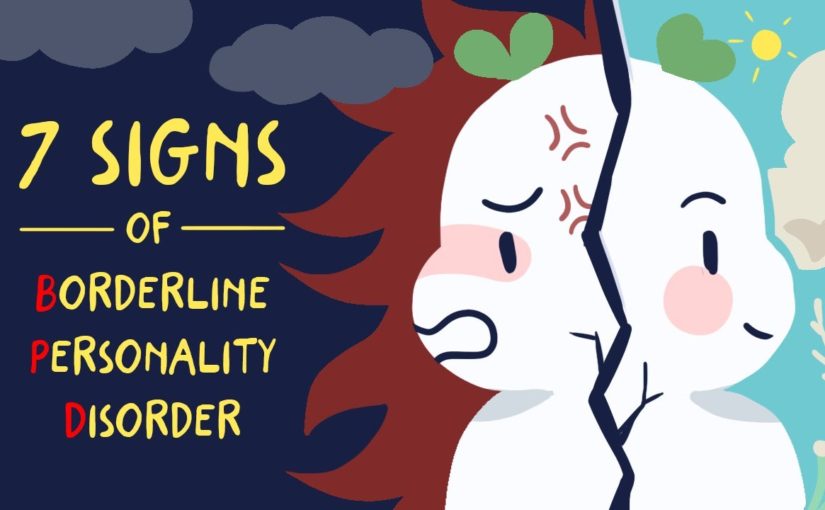
 This could manifest in an irrational fear that loved ones will
leave you, social anxiety, or a desire to please everyone around you to try and prevent them
from rejecting you. The fact that people
with BPD often struggle to maintain relationships
only adds to this fear. Five, unstable relationships. Do you face difficulty maintaining interpersonal relationships like friendships, sibling bonds,
or romantic relationships? It can be difficult for people with BPD to preserve relationships because they often idealize
or think very highly of and then romanticize someone for a while and then devalue distrust
or become disgusted with them. A 2016 study suggests
that some people with BPD react to relationship
stressors with impulsivity which generates instability
in relations as well. Six, impulsive decisions. While cycles of impulsive
decisions commonly occur in those with bipolar disorder
and other mood disorders, they’re also a sign of BPD. Examples of impulsive decisions
someone with BPD might make are substance abuse,
spending or gambling sprees, skipping work or
appointments, unprotected sex, binge eating, or reckless driving.
Impulsive decisions are
a hidden sign of BPD because others may think this impulsivity comes from low impulse control or another mental disorder instead of BPD. And seven, disassociation. Finally, people with
borderline personality disorder may disassociate more frequently and for longer periods than typical functioning people. Disassociation is when thoughts or emotions enter your mind and you find yourself incapable
of focusing on your actions, instead operating on autopilot or watching yourself do things without feeling connected to your body. Disassociation is a hidden symptom of BPD because others may assume
someone who is disassociating is just tired or distracted. Disassociation can also
be a symptom of PTSD or dissociative identity
disorder, also known as DID.
But if it occurs alongside
the other things, it’s likely a hidden sign of BPD. It’s important to remember that mental disorders
affect everyone differently. Not everyone experiences all the symptoms. You might also experience
symptoms not listed here. That’s why it’s so important to seek help from a licensed mental health professional with experience in personality disorders if you think you or someone
you love might have BPD. Have you or someone, you
know, been diagnosed with BPD? Are you now better equipped to look out for its hidden symptoms? Let us know in the comments below. If you found this video helpful, be sure to hit the like
button and subscribe. And share it with someone
who might benefit from it. Thanks for watching
and we’ll see you soon..
This could manifest in an irrational fear that loved ones will
leave you, social anxiety, or a desire to please everyone around you to try and prevent them
from rejecting you. The fact that people
with BPD often struggle to maintain relationships
only adds to this fear. Five, unstable relationships. Do you face difficulty maintaining interpersonal relationships like friendships, sibling bonds,
or romantic relationships? It can be difficult for people with BPD to preserve relationships because they often idealize
or think very highly of and then romanticize someone for a while and then devalue distrust
or become disgusted with them. A 2016 study suggests
that some people with BPD react to relationship
stressors with impulsivity which generates instability
in relations as well. Six, impulsive decisions. While cycles of impulsive
decisions commonly occur in those with bipolar disorder
and other mood disorders, they’re also a sign of BPD. Examples of impulsive decisions
someone with BPD might make are substance abuse,
spending or gambling sprees, skipping work or
appointments, unprotected sex, binge eating, or reckless driving.
Impulsive decisions are
a hidden sign of BPD because others may think this impulsivity comes from low impulse control or another mental disorder instead of BPD. And seven, disassociation. Finally, people with
borderline personality disorder may disassociate more frequently and for longer periods than typical functioning people. Disassociation is when thoughts or emotions enter your mind and you find yourself incapable
of focusing on your actions, instead operating on autopilot or watching yourself do things without feeling connected to your body. Disassociation is a hidden symptom of BPD because others may assume
someone who is disassociating is just tired or distracted. Disassociation can also
be a symptom of PTSD or dissociative identity
disorder, also known as DID.
But if it occurs alongside
the other things, it’s likely a hidden sign of BPD. It’s important to remember that mental disorders
affect everyone differently. Not everyone experiences all the symptoms. You might also experience
symptoms not listed here. That’s why it’s so important to seek help from a licensed mental health professional with experience in personality disorders if you think you or someone
you love might have BPD. Have you or someone, you
know, been diagnosed with BPD? Are you now better equipped to look out for its hidden symptoms? Let us know in the comments below. If you found this video helpful, be sure to hit the like
button and subscribe. And share it with someone
who might benefit from it. Thanks for watching
and we’ll see you soon..

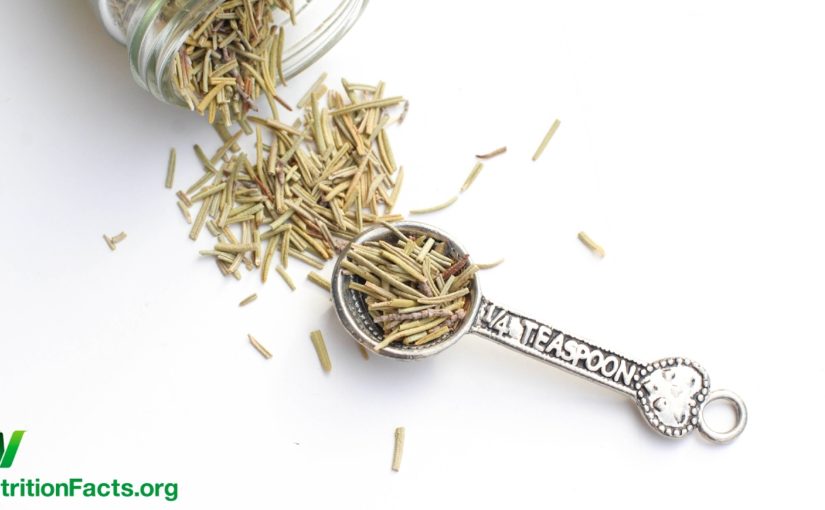
 If that’s just what smelling it can do? What about eating rosemary? We have studies on alertness and cognition and reduced stress hormone levels, by inhaling rosemary.
However, there were no clinical studies on cognitive performance following ingestion of rosemary.
Until now, Older adults, average age 75 were given two cups of tomato juice, with either nothing or a half.
A teaspoon of powdered rosemary, which is what one might use in a typical recipe, or a full teaspoon, two teaspoons, or over a tablespoon of rosemary powder, and they even gave them some placebo pills to go with it to even further eliminate any placebo effects.
Speed of memory is a potentially useful predictor of cognitive function during aging, and what they found is that the lowest dose had a beneficial effect, accelerating their processing speed, but the highest dose impaired their processing speed, maybe because the half-teaspoon dose improved alertness, while the 4 Teaspoon dose decreased alertness, So rosemary powder at the dose nearest to normal, culinary consumption demonstrated positive effects on speed of memory.
The implicit take-home message being more isn’t necessarily better. Take high doses of herbal supplements extracts tinctures, just cooking with spices is sufficient.
A conclusion, no doubt pleasing to the spice company that sponsored the study.
No side effects were reported, but that doesn’t mean you can eat the whole bush.
This poor guy swallowed a rosemary twig which punctured through the stomach into his liver, causing an abscess from which 2 cups of pus and a 2-inch twig were removed, so explore herbs and spices in your cooking Branch out.
Just leave the branches out.
If that’s just what smelling it can do? What about eating rosemary? We have studies on alertness and cognition and reduced stress hormone levels, by inhaling rosemary.
However, there were no clinical studies on cognitive performance following ingestion of rosemary.
Until now, Older adults, average age 75 were given two cups of tomato juice, with either nothing or a half.
A teaspoon of powdered rosemary, which is what one might use in a typical recipe, or a full teaspoon, two teaspoons, or over a tablespoon of rosemary powder, and they even gave them some placebo pills to go with it to even further eliminate any placebo effects.
Speed of memory is a potentially useful predictor of cognitive function during aging, and what they found is that the lowest dose had a beneficial effect, accelerating their processing speed, but the highest dose impaired their processing speed, maybe because the half-teaspoon dose improved alertness, while the 4 Teaspoon dose decreased alertness, So rosemary powder at the dose nearest to normal, culinary consumption demonstrated positive effects on speed of memory.
The implicit take-home message being more isn’t necessarily better. Take high doses of herbal supplements extracts tinctures, just cooking with spices is sufficient.
A conclusion, no doubt pleasing to the spice company that sponsored the study.
No side effects were reported, but that doesn’t mean you can eat the whole bush.
This poor guy swallowed a rosemary twig which punctured through the stomach into his liver, causing an abscess from which 2 cups of pus and a 2-inch twig were removed, so explore herbs and spices in your cooking Branch out.
Just leave the branches out.

 It can be a lot easier to act busy rather than face the awkwardness of an unwanted conversation.
So, this can become a habit of avoidance. If you have social anxiety, five constantly worrying about how everyone sees you.
According to the Anxiety and Depression Association of America, those with a social anxiety disorder are increasingly concerned about how they are perceived by others.
The last thing they want is to come off as awkward, fumbling, or boring.
You’ve likely felt this way at some point throughout your life, whether it’s the desire to fit in with friends or make a good impression on a potential employer with social anxiety.
However, this pressure to perform feels constantly heavy and can lead to full-blown panic attacks when in social or performance-based situations Number six is feeling lonely.
Even when you’re surrounded by people, People with social anxiety can share this feeling with those who battle, depression and other mental illnesses as well.
So, unfortunately, a lot of people can relate to this isolating feeling When social anxiety keeps you from being your true self.
It can be difficult to feel included at all. It’s frustrating to be close to others, but not be able to connect with them in a comfortable way.
If you’re struggling to effectively communicate and are extremely hesitant to even start a conversation that adds to your feelings of loneliness, even when you’re, surrounded by others, Number seven clenching your teeth and other physical discomforts, you feel shaky or lightheaded when faced with A social situation: Does your heart rate speed up or do your hands tremble? The stress that comes with social anxiety can manifest through physical symptoms.
Many of the symptoms are signs of nervousness such as sweating, flushing, and feeling shaky According to Mayo Clinic. You might also be dealing with muscle tension, feeling that your mind has gone blank, or having trouble catching your breath.
Number eight obsessing over how you look When you’re, constantly worried about how others perceive you.
You’re likely to be concerned with how you look as well.
You might have a distorted body image and think that you’re less physically attractive.
Your thoughts can flit from your hair to your clothes or flaws in your skin.
Thinking that it’s just all wrong In an attempt to feel comfortable in your own skin, you might spend an inappropriate amount of time and money on fixing your appearance, such as shopping for better clothes, getting high-end beauty products, or going on diets.
If you think you’re overweight and number nine, you feel more like yourself around the people.
You’re comfortable with Yourself, think you’re picky about who you spend time with, and triumph over shyness by conquering social anxiety disorder, Dr. Marie B. Stein and John R. Walker discusses behavior in children called selective mutism.
This is when a child speaks and acts normally around select individuals but is completely silent around everyone else or when placed in certain situations.
This is a more extreme example, but it shows how those with social anxiety are more likely to relax and open up around people. They already know and trust, do you or anyone you know resonate with any of these points mentioned in this video?
If you’re concerned about social anxiety disorder, we encourage you to speak with a mental health professional.
They can help you overcome any fears or debilitating problems you might have If you enjoyed watching this video, give us a thumbs up and share it with someone who might find it helpful as well.
The studies and references used in this video are listed in the description below Don’t forget to hit the subscribe button for more Psych2go videos and as always thanks for watching and we’ll see you next time.
It can be a lot easier to act busy rather than face the awkwardness of an unwanted conversation.
So, this can become a habit of avoidance. If you have social anxiety, five constantly worrying about how everyone sees you.
According to the Anxiety and Depression Association of America, those with a social anxiety disorder are increasingly concerned about how they are perceived by others.
The last thing they want is to come off as awkward, fumbling, or boring.
You’ve likely felt this way at some point throughout your life, whether it’s the desire to fit in with friends or make a good impression on a potential employer with social anxiety.
However, this pressure to perform feels constantly heavy and can lead to full-blown panic attacks when in social or performance-based situations Number six is feeling lonely.
Even when you’re surrounded by people, People with social anxiety can share this feeling with those who battle, depression and other mental illnesses as well.
So, unfortunately, a lot of people can relate to this isolating feeling When social anxiety keeps you from being your true self.
It can be difficult to feel included at all. It’s frustrating to be close to others, but not be able to connect with them in a comfortable way.
If you’re struggling to effectively communicate and are extremely hesitant to even start a conversation that adds to your feelings of loneliness, even when you’re, surrounded by others, Number seven clenching your teeth and other physical discomforts, you feel shaky or lightheaded when faced with A social situation: Does your heart rate speed up or do your hands tremble? The stress that comes with social anxiety can manifest through physical symptoms.
Many of the symptoms are signs of nervousness such as sweating, flushing, and feeling shaky According to Mayo Clinic. You might also be dealing with muscle tension, feeling that your mind has gone blank, or having trouble catching your breath.
Number eight obsessing over how you look When you’re, constantly worried about how others perceive you.
You’re likely to be concerned with how you look as well.
You might have a distorted body image and think that you’re less physically attractive.
Your thoughts can flit from your hair to your clothes or flaws in your skin.
Thinking that it’s just all wrong In an attempt to feel comfortable in your own skin, you might spend an inappropriate amount of time and money on fixing your appearance, such as shopping for better clothes, getting high-end beauty products, or going on diets.
If you think you’re overweight and number nine, you feel more like yourself around the people.
You’re comfortable with Yourself, think you’re picky about who you spend time with, and triumph over shyness by conquering social anxiety disorder, Dr. Marie B. Stein and John R. Walker discusses behavior in children called selective mutism.
This is when a child speaks and acts normally around select individuals but is completely silent around everyone else or when placed in certain situations.
This is a more extreme example, but it shows how those with social anxiety are more likely to relax and open up around people. They already know and trust, do you or anyone you know resonate with any of these points mentioned in this video?
If you’re concerned about social anxiety disorder, we encourage you to speak with a mental health professional.
They can help you overcome any fears or debilitating problems you might have If you enjoyed watching this video, give us a thumbs up and share it with someone who might find it helpful as well.
The studies and references used in this video are listed in the description below Don’t forget to hit the subscribe button for more Psych2go videos and as always thanks for watching and we’ll see you next time.
 Life isn’t always kind to us, and self-love and a balanced lifestyle don’t come easily. Living with anxiety, especially if it’s hidden or suppressed, can make it hard for us to feel good about ourselves and let ourselves feel happy. It makes us believe that we don’t deserve it and traps us in a vicious cycle of negative self-talk and constant pressure to be perfect. 9. You have a lot of negative thoughts. Are you a pessimist who is quick to find the downsides in every situation? Do you find yourself getting upset or stressed out over even the most minor inconveniences? Is every day a constant battle with yourself against the spiral of panicked and rational thoughts you have? In 1997, famed psychologist and cognitive therapist, Aaron Beck, termed this kind of thought pattern as catastrophic thinking, which he often observed in his patients who suffered from anxiety. And 10. You experience physical symptoms. Sometimes anxiety can be entirely physical because while your conscious mind may not always be aware of your anxiety it will definitely make itself known to your body.
Things like erratic heartbeats, chest palpitations, muscle tension, a clenched jaw, shaky hands up sweating are all indicative of anxiety. Your body may be trying to let your mind know that you’re feeling anxious and stop it before it gets any worse. Do you relate to any of the problems listed here? Or do you do your best to seem ok? And hide your symptoms because you feel embarrassed about your anxiety? The truth is: you’re not alone and having mental health issues is nothing to be ashamed of.
What do you plan to do next? Let us know in the comments below! Don’t forget to like this video and subscribe to Psych2Go for more psychology content. Thanks for reading and we’ll see you soon…
Life isn’t always kind to us, and self-love and a balanced lifestyle don’t come easily. Living with anxiety, especially if it’s hidden or suppressed, can make it hard for us to feel good about ourselves and let ourselves feel happy. It makes us believe that we don’t deserve it and traps us in a vicious cycle of negative self-talk and constant pressure to be perfect. 9. You have a lot of negative thoughts. Are you a pessimist who is quick to find the downsides in every situation? Do you find yourself getting upset or stressed out over even the most minor inconveniences? Is every day a constant battle with yourself against the spiral of panicked and rational thoughts you have? In 1997, famed psychologist and cognitive therapist, Aaron Beck, termed this kind of thought pattern as catastrophic thinking, which he often observed in his patients who suffered from anxiety. And 10. You experience physical symptoms. Sometimes anxiety can be entirely physical because while your conscious mind may not always be aware of your anxiety it will definitely make itself known to your body.
Things like erratic heartbeats, chest palpitations, muscle tension, a clenched jaw, shaky hands up sweating are all indicative of anxiety. Your body may be trying to let your mind know that you’re feeling anxious and stop it before it gets any worse. Do you relate to any of the problems listed here? Or do you do your best to seem ok? And hide your symptoms because you feel embarrassed about your anxiety? The truth is: you’re not alone and having mental health issues is nothing to be ashamed of.
What do you plan to do next? Let us know in the comments below! Don’t forget to like this video and subscribe to Psych2Go for more psychology content. Thanks for reading and we’ll see you soon…

 However, the findings may need
to be interpreted with caution, since nearly half of the studies
didn’t define and adhere to a well-planned exercise regimen
in the control group. Furthermore, an exercise intervention
comparable in intensity to yoga was followed only in three
out of the eight studies included. And, for what it’s worth,
The majority of the studies, six out of eight, were from India. When yoga was carefully
compared to sham yoga, which consisted of chair exercises,
standing exercises, and slow walking to match
the yoga session, the relative yoga
benefits evaporated.
Both yoga and sham yoga had identical effects
on blood sugar status. Hence, further well-controlled
Randomized trials are required prior to drawing conclusions
about the benefits of yoga in comparison to physical exercise
in patients with diabetes. Similar tentative conclusions were
reached for yoga for osteoarthritis. Put all the studies together
and yoga may indeed be effective for improving pain, function,
and stiffness in individuals with osteoarthritis of the knee,
compared not only to doing nothing but compared
to other kinds of exercise. They had some issues with
the quality of some of the studies, and so only a weak recommendation
for the use of yoga for osteoarthritis, but hey, if you like yoga or if yoga
is the only kind of exercise you’re willing to do, then
It’s probably better than nothing. Finally, in this video,
Let’s look at the effects of yoga compared to active and inactive
controls meaning like compared to other exercise regimens
or just like doing nothing on physical function and
health-related quality of life in adults aged 60 and older. Compared to doing nothing,
They found clear evidence that yoga improves physical function
and psychological well-being in older adults, so it definitely
better than nothing.
What about compared
to other exercises? Yoga pulled ahead for lower limb
strength and lower body flexibility, but for improving balance,
mobility, and walking speed, yoga appeared comparable. Psychologically, yoga appeared
to beat out other exercises for alleviating depression
in older adults, but not anxiety or perceived
mental health in general.
However, the findings may need
to be interpreted with caution, since nearly half of the studies
didn’t define and adhere to a well-planned exercise regimen
in the control group. Furthermore, an exercise intervention
comparable in intensity to yoga was followed only in three
out of the eight studies included. And, for what it’s worth,
The majority of the studies, six out of eight, were from India. When yoga was carefully
compared to sham yoga, which consisted of chair exercises,
standing exercises, and slow walking to match
the yoga session, the relative yoga
benefits evaporated.
Both yoga and sham yoga had identical effects
on blood sugar status. Hence, further well-controlled
Randomized trials are required prior to drawing conclusions
about the benefits of yoga in comparison to physical exercise
in patients with diabetes. Similar tentative conclusions were
reached for yoga for osteoarthritis. Put all the studies together
and yoga may indeed be effective for improving pain, function,
and stiffness in individuals with osteoarthritis of the knee,
compared not only to doing nothing but compared
to other kinds of exercise. They had some issues with
the quality of some of the studies, and so only a weak recommendation
for the use of yoga for osteoarthritis, but hey, if you like yoga or if yoga
is the only kind of exercise you’re willing to do, then
It’s probably better than nothing. Finally, in this video,
Let’s look at the effects of yoga compared to active and inactive
controls meaning like compared to other exercise regimens
or just like doing nothing on physical function and
health-related quality of life in adults aged 60 and older. Compared to doing nothing,
They found clear evidence that yoga improves physical function
and psychological well-being in older adults, so it definitely
better than nothing.
What about compared
to other exercises? Yoga pulled ahead for lower limb
strength and lower body flexibility, but for improving balance,
mobility, and walking speed, yoga appeared comparable. Psychologically, yoga appeared
to beat out other exercises for alleviating depression
in older adults, but not anxiety or perceived
mental health in general.

 If it was your best friend’s experience your best friend came to you and said I
just got into such-and-such college would you say awesome or would you say
anybody can get in there how would that go ask them what is scary about
accepting these positive things that you might have had an
accomplishment for some people it means that it might mean other people expect
more of them for other people they just don’t know how to accept the positive
They don’t know how to accept compliments they don’t know how to be
the center of attention and they don’t like it and then we want to look at why
that is sometimes we disqualify the positive because it fails to meet
someone else’s standards so as people might that be true here you know I know
When I was growing up and going through college and going through school and
everything got my doctorate but I will always not being not
a real doctor because a Ph.D. is not an MD and I’m like really
So is it somebody else’s standards or can I feel good about having a Ph.D. egocentrism My perspective is the only
perspective I’ll being egocentric but it doesn’t work
most of the time so encouraging people to take alternate perspectives
Maybe you’re texting with someone and they say something that is not what you
interpret as not the nicest thing and this happens in text messages a lot and
they get upset now an egocentric thinking error would say that purse is
just grumpy today Someone who’s taking other perspectives would stop and go
back and read the text and go I wonder if maybe this could have been taken some
other another you know obvious reaction is not what I intended
So egocentrism if you hold on to that I don’t understand anybody else because
You know I don’t see a problem with anything personalizing and mind-reading This is when you assume that everybody’s
frowning because of something you did your boss walks down the hallway
and looks at you and grimaces and continues to walk on oh I must have done
something wrong No maybe he just got out of his senior management meeting that
was five hours long and he’s got to go to the bathroom you know there could be
a hundred different explanations for why that happened so encourage clients to
ask themselves what some alternate explanations for this event that are
doesn’t involve me you know why this might have happened if they hold
on to that, I must have done something wrong but as soon as their boss calls
them up and goes hey can you come to my office for a second you know where their
thoughts are going to go I’m getting fired I’m going to get laid off I don’t
know what it was that I did wrong but he walked by me two weeks ago in the
hallway and grimaced and I’m just I’m the worst person in the whole world
But where did that come from so encouraging people to not necessarily
assume they know what’s going on in someone else’s mind and not
automatically attributing every person’s negative behavior to something they did
How often and then ask them how often has it been about you
now think about the last 10 times you’ve taken something personally how many of
Those 10 times has it been about something you did versus something with
the other person then the availability heuristic remembering what’s most
prominent in your mind so asking clients what the facts ah the most obvious
One that we talk about is plane crashes You know it is very dangerous to fly on a
plane because you hear about all those plane crashes well yeah you hear about
the airlines crashes but don’t hear about the 20,000 every day that land
safely so you remember it and it seems more dangerous because that’s what is in
your mind that’s what is available to you that’s what you’ve based your
thought processes on because maybe you didn’t know that 20,000 planes or more
fly and land just perfectly every day this can also be true with people
remembering what’s most prominent in your mind sometimes and this can be very
very true in domestically violent relationships if somebody falls in love
with someone and that person is just the greatest person since sliced bread for
the first four months and then the cycle starts and there’s this little tiny
a sliver of the honeymoon period after the battering cycle and the person’s like
That’s the person I fell in love with that’s what I remember and they try to
focus on that that’s most prominent in their mind and they ignore the rest of
the stuff so we need to encourage people to look objectively at the facts magnifying high and
low probability outcomes what are the chances that this is going to happen how
Many clients have worked with have gone to the doctor and gotten into a
physical or get a test run and then the doctor had to call them back and
This could be true for you too and the doctor had to call them back two or
Three days later when the tests came back from the lab and that whole three
days they were just in a panic because they
were afraid they were going to get some terminal diagnosis so thinking about
high and low probability outcomes another instance or example of
magnification is somebody that thinks this is the end of the world whatever it
I think I’ve told you before my little story about um tripping when I
was walking down the hall at work and falling and yeah it was embarrassing my
folders went everywhere and yeah but in that big scheme of things will it matter
That much from now you know are people going to think Oh she is such a clutch she
must be a ditz too no I mean they may have thought that at that time I don’t
know but you know in six months nobody’s going to remember and then ask them in
the past when something like this has happened when you’ve had to get a test
done and you’ve had to wait on results or if you’ve done something that was
embarrassing and you didn’t think you thought everybody was going to remember
it forever how did you tolerate it how did you learn to deal with it building
on those strengths that they already have all-or-nothing thinking errors
These are things like love versus hate I love them or I hate them it’s all or
Nothing she does this all the time or she never does it if I’m going to do it
I’m going to do it perfectly or I’m not going to do it at all thank you all good
intentions or all bad intentions you know sometimes we do things with good
intentions that have some bad repercussions so did we do it with all
Bad intentions are all good intentions and the answer is neither most of the
time life is kind of in that middle-ground gray area encouraging clients to
Look and find examples where something hasn’t been one of the polls when have
they done something that they’re proud of that wasn’t perfect or when again
When has somebody else done something that they were proud of that wasn’t
perfect remembering that with availability
heuristic remembering how often something happens and how long it’s
been since you’ve seen that behavior and remember that sometimes good times are
amazing but how frequent are they compared with the bad times another thinking error is a belief in a
just world or a fallacy of fairness I just asked clients to identify for good
people you know who’ve had bad things happen and in in reality we all have bad
things happen good people do bad people do in between people do attributional
errors and this is a pet of mine you know labeling yourself is not a behavior so
global versus specific and I am stupid versus I’m stupid at math I don’t have
good math skills it’s not about me it’s about the skills I can change skills
stable I am and I always will be versus it’s something I can change it’s
something I can learn internally It’s about me as a person versus it’s about a
skill deficit or something I could learn or change and there’s you know lots of
information on attributions out there on the internet if you need a refresher on
it but we find that a lot of people who have dysphoria have negative global
stable internal attributions so questions for clients remember the
beliefs equal thoughts and facts plus personal interpretation another way of
saying it is reality is 10% perception is 10% reality and 90% interpretation so
what are the facts for and against my belief is the belief based on facts or
Feelings Does the belief focus on one aspect or the whole situation Does the
belief seem to use any thinking errors what are alternate explanations what
Would you tell your child or best friend if they had this belief how would you
want someone to tell what would you want someone to tell you about this belief so
If you’re telling somebody about this what are you hoping they’re going to say
in return and finally, how is this belief moving you toward what and who is
important to you or moving you away from what or who is important to you now they
can do a worksheet and have all of these or you can pick one or two of these
questions that are most salient for your clients but they can have kind of at
their fingertips so as they’re going through the day and something happens
They can ask themselves ok what’s an alternate explanation Or you know
Whatever it is this salient for that client’s irrational thoughts how do these
thoughts impact the client’s emotions health relationships and perceptions of
the world you know this is what we want to ask them How is this thought
impacting you globally how may this thought have been helpful in the past
Where did it come from How does it make sense from when you formed it in the
past when you’re dealing with it ask the person if the thought is bringing you
closer to those that are important Are there any examples of this thought or
belief not being true and how can the statement be made less global less
all-encompassing so it’s about a specific incident a specific situation
less stable which means you can change it and less internal which means it’s
not about who you are as a person but maybe something that you do or a skill
that you have so we’re going to go through some of these thoughts real
Quickly here mistakes are never acceptable and if I make one it means
that I’m incompetent well never is kind of stable and I am incompetent is kind
of global, that’s also that extreme all-or-nothing thinking so you can see
where these cognitive distortions end up leading to unhelpful beliefs
When somebody disagrees with me it’s a personal attack Well there’s
Personalization If I ever heard it before maybe it’s not about you may be
They’re having a bad day and you just happen to be the unlucky target or maybe
they’re disagreeing with you because they have a different point of view and
It’s not a personal attack it’s just their point of view If someone
criticizes or rejects me there must be something wrong with me
personalization all-or-nothing thinking global stable and internal something
wrong with me as a person to feel good about myself others must approve of me
Now this is one we’ve talked about external validation before and we can’t
control other people to feel good about yourself how can you do that
Besides necessarily requiring other people to approve of you to be
content in life I must be liked by all people Wow I’ve never met anybody who’s
liked by all people I’ve never even met anybody who’s been hated by all people
but it’s important to help clients see how this is dramatic to say all
people and for them to be content everybody has to like them
I mean I like to be liked but if everybody doesn’t like me you know
That’s pretty understandable My true value as an individual depends on what
others think of me I would challenge this one this is all you know
Also very personally I would challenge people to look at and say it
so your child’s value as an individual depends on what other people think of
Most people would say no but the perspective thing nothing ever turns
out the way you want it to okay all-or-nothing thinking and probably
availability heuristic if something bad just happened then they may be focusing
on that which causes them to focus on all the other bad things in the past
that have happened not to focus on that is okay you know bad thing
happen but look at all these good things I won’t try anything new unless I will
be good at it this fear of failure fear of rejection
It just really paralyzes a lot of people when they get stuck with that thinking
the area that they have to be perfect I am in total control of anything bad that
happens is my fault well that’s egocentric and personal if
They think they’re in total control that’s their perception of how the world
Do they think if they’ve got everybody on marionette strings anything
bad in the world that happens is their fault how powerful are they
I feel happy about uh if I feel happy about life something will go wrong
It happens sometimes but let’s look at times when you’ve been happy that
something hasn’t gone wrong you know let’s get rid of that all-or-nothing
thinking it’s not my fault my life didn’t go the way I wanted could be true
but it seems like that’s making you unhappy so what do we do about that if
I’m not in an intimate relationship I’m alone
No, again that’s pretty extreme I’m either in an intimate relationship or I
am alone and a loner and you know it’s just me and my 17 cats which follows
with there’s no gray area so encouraging people to look at what these
beliefs are saying important thoughts impact behaviors and emotional and
Physical reactions emotional and physical reactions impact thoughts and
interpretations of events so if you do something and it’s pleasurable
and you have a great physical reaction you know let’s take bungee jumping or
Skydiving if you go out there and it’s scary but you do it and you’re just like
Whoa what a rush Your interpretation of that is probably going to be good which
means you’ll probably do it again if you go out there and it’s just the most
horrible experience you’ve ever had you’re probably not going to do it again
and your interpretation of it is going to be not good which is going to make it
hard to understand why other people would do it irrational
thinking patterns are often caused by cognitive distortions so let’s just look
back at some of those because there are a lot fewer cognitive distortions or
general ways of thinking about the world then there are thinking errors because
There are lots and lots of thinking errors Cognitive distortions are often schemas
which were formed based on faulty inaccurate or immature knowledge or
understanding and by identifying the thoughts of the hecklers you know the
automatic tapes that maintain our unhappiness the person can choose
whether to accept those thoughts or change them.
If it was your best friend’s experience your best friend came to you and said I
just got into such-and-such college would you say awesome or would you say
anybody can get in there how would that go ask them what is scary about
accepting these positive things that you might have had an
accomplishment for some people it means that it might mean other people expect
more of them for other people they just don’t know how to accept the positive
They don’t know how to accept compliments they don’t know how to be
the center of attention and they don’t like it and then we want to look at why
that is sometimes we disqualify the positive because it fails to meet
someone else’s standards so as people might that be true here you know I know
When I was growing up and going through college and going through school and
everything got my doctorate but I will always not being not
a real doctor because a Ph.D. is not an MD and I’m like really
So is it somebody else’s standards or can I feel good about having a Ph.D. egocentrism My perspective is the only
perspective I’ll being egocentric but it doesn’t work
most of the time so encouraging people to take alternate perspectives
Maybe you’re texting with someone and they say something that is not what you
interpret as not the nicest thing and this happens in text messages a lot and
they get upset now an egocentric thinking error would say that purse is
just grumpy today Someone who’s taking other perspectives would stop and go
back and read the text and go I wonder if maybe this could have been taken some
other another you know obvious reaction is not what I intended
So egocentrism if you hold on to that I don’t understand anybody else because
You know I don’t see a problem with anything personalizing and mind-reading This is when you assume that everybody’s
frowning because of something you did your boss walks down the hallway
and looks at you and grimaces and continues to walk on oh I must have done
something wrong No maybe he just got out of his senior management meeting that
was five hours long and he’s got to go to the bathroom you know there could be
a hundred different explanations for why that happened so encourage clients to
ask themselves what some alternate explanations for this event that are
doesn’t involve me you know why this might have happened if they hold
on to that, I must have done something wrong but as soon as their boss calls
them up and goes hey can you come to my office for a second you know where their
thoughts are going to go I’m getting fired I’m going to get laid off I don’t
know what it was that I did wrong but he walked by me two weeks ago in the
hallway and grimaced and I’m just I’m the worst person in the whole world
But where did that come from so encouraging people to not necessarily
assume they know what’s going on in someone else’s mind and not
automatically attributing every person’s negative behavior to something they did
How often and then ask them how often has it been about you
now think about the last 10 times you’ve taken something personally how many of
Those 10 times has it been about something you did versus something with
the other person then the availability heuristic remembering what’s most
prominent in your mind so asking clients what the facts ah the most obvious
One that we talk about is plane crashes You know it is very dangerous to fly on a
plane because you hear about all those plane crashes well yeah you hear about
the airlines crashes but don’t hear about the 20,000 every day that land
safely so you remember it and it seems more dangerous because that’s what is in
your mind that’s what is available to you that’s what you’ve based your
thought processes on because maybe you didn’t know that 20,000 planes or more
fly and land just perfectly every day this can also be true with people
remembering what’s most prominent in your mind sometimes and this can be very
very true in domestically violent relationships if somebody falls in love
with someone and that person is just the greatest person since sliced bread for
the first four months and then the cycle starts and there’s this little tiny
a sliver of the honeymoon period after the battering cycle and the person’s like
That’s the person I fell in love with that’s what I remember and they try to
focus on that that’s most prominent in their mind and they ignore the rest of
the stuff so we need to encourage people to look objectively at the facts magnifying high and
low probability outcomes what are the chances that this is going to happen how
Many clients have worked with have gone to the doctor and gotten into a
physical or get a test run and then the doctor had to call them back and
This could be true for you too and the doctor had to call them back two or
Three days later when the tests came back from the lab and that whole three
days they were just in a panic because they
were afraid they were going to get some terminal diagnosis so thinking about
high and low probability outcomes another instance or example of
magnification is somebody that thinks this is the end of the world whatever it
I think I’ve told you before my little story about um tripping when I
was walking down the hall at work and falling and yeah it was embarrassing my
folders went everywhere and yeah but in that big scheme of things will it matter
That much from now you know are people going to think Oh she is such a clutch she
must be a ditz too no I mean they may have thought that at that time I don’t
know but you know in six months nobody’s going to remember and then ask them in
the past when something like this has happened when you’ve had to get a test
done and you’ve had to wait on results or if you’ve done something that was
embarrassing and you didn’t think you thought everybody was going to remember
it forever how did you tolerate it how did you learn to deal with it building
on those strengths that they already have all-or-nothing thinking errors
These are things like love versus hate I love them or I hate them it’s all or
Nothing she does this all the time or she never does it if I’m going to do it
I’m going to do it perfectly or I’m not going to do it at all thank you all good
intentions or all bad intentions you know sometimes we do things with good
intentions that have some bad repercussions so did we do it with all
Bad intentions are all good intentions and the answer is neither most of the
time life is kind of in that middle-ground gray area encouraging clients to
Look and find examples where something hasn’t been one of the polls when have
they done something that they’re proud of that wasn’t perfect or when again
When has somebody else done something that they were proud of that wasn’t
perfect remembering that with availability
heuristic remembering how often something happens and how long it’s
been since you’ve seen that behavior and remember that sometimes good times are
amazing but how frequent are they compared with the bad times another thinking error is a belief in a
just world or a fallacy of fairness I just asked clients to identify for good
people you know who’ve had bad things happen and in in reality we all have bad
things happen good people do bad people do in between people do attributional
errors and this is a pet of mine you know labeling yourself is not a behavior so
global versus specific and I am stupid versus I’m stupid at math I don’t have
good math skills it’s not about me it’s about the skills I can change skills
stable I am and I always will be versus it’s something I can change it’s
something I can learn internally It’s about me as a person versus it’s about a
skill deficit or something I could learn or change and there’s you know lots of
information on attributions out there on the internet if you need a refresher on
it but we find that a lot of people who have dysphoria have negative global
stable internal attributions so questions for clients remember the
beliefs equal thoughts and facts plus personal interpretation another way of
saying it is reality is 10% perception is 10% reality and 90% interpretation so
what are the facts for and against my belief is the belief based on facts or
Feelings Does the belief focus on one aspect or the whole situation Does the
belief seem to use any thinking errors what are alternate explanations what
Would you tell your child or best friend if they had this belief how would you
want someone to tell what would you want someone to tell you about this belief so
If you’re telling somebody about this what are you hoping they’re going to say
in return and finally, how is this belief moving you toward what and who is
important to you or moving you away from what or who is important to you now they
can do a worksheet and have all of these or you can pick one or two of these
questions that are most salient for your clients but they can have kind of at
their fingertips so as they’re going through the day and something happens
They can ask themselves ok what’s an alternate explanation Or you know
Whatever it is this salient for that client’s irrational thoughts how do these
thoughts impact the client’s emotions health relationships and perceptions of
the world you know this is what we want to ask them How is this thought
impacting you globally how may this thought have been helpful in the past
Where did it come from How does it make sense from when you formed it in the
past when you’re dealing with it ask the person if the thought is bringing you
closer to those that are important Are there any examples of this thought or
belief not being true and how can the statement be made less global less
all-encompassing so it’s about a specific incident a specific situation
less stable which means you can change it and less internal which means it’s
not about who you are as a person but maybe something that you do or a skill
that you have so we’re going to go through some of these thoughts real
Quickly here mistakes are never acceptable and if I make one it means
that I’m incompetent well never is kind of stable and I am incompetent is kind
of global, that’s also that extreme all-or-nothing thinking so you can see
where these cognitive distortions end up leading to unhelpful beliefs
When somebody disagrees with me it’s a personal attack Well there’s
Personalization If I ever heard it before maybe it’s not about you may be
They’re having a bad day and you just happen to be the unlucky target or maybe
they’re disagreeing with you because they have a different point of view and
It’s not a personal attack it’s just their point of view If someone
criticizes or rejects me there must be something wrong with me
personalization all-or-nothing thinking global stable and internal something
wrong with me as a person to feel good about myself others must approve of me
Now this is one we’ve talked about external validation before and we can’t
control other people to feel good about yourself how can you do that
Besides necessarily requiring other people to approve of you to be
content in life I must be liked by all people Wow I’ve never met anybody who’s
liked by all people I’ve never even met anybody who’s been hated by all people
but it’s important to help clients see how this is dramatic to say all
people and for them to be content everybody has to like them
I mean I like to be liked but if everybody doesn’t like me you know
That’s pretty understandable My true value as an individual depends on what
others think of me I would challenge this one this is all you know
Also very personally I would challenge people to look at and say it
so your child’s value as an individual depends on what other people think of
Most people would say no but the perspective thing nothing ever turns
out the way you want it to okay all-or-nothing thinking and probably
availability heuristic if something bad just happened then they may be focusing
on that which causes them to focus on all the other bad things in the past
that have happened not to focus on that is okay you know bad thing
happen but look at all these good things I won’t try anything new unless I will
be good at it this fear of failure fear of rejection
It just really paralyzes a lot of people when they get stuck with that thinking
the area that they have to be perfect I am in total control of anything bad that
happens is my fault well that’s egocentric and personal if
They think they’re in total control that’s their perception of how the world
Do they think if they’ve got everybody on marionette strings anything
bad in the world that happens is their fault how powerful are they
I feel happy about uh if I feel happy about life something will go wrong
It happens sometimes but let’s look at times when you’ve been happy that
something hasn’t gone wrong you know let’s get rid of that all-or-nothing
thinking it’s not my fault my life didn’t go the way I wanted could be true
but it seems like that’s making you unhappy so what do we do about that if
I’m not in an intimate relationship I’m alone
No, again that’s pretty extreme I’m either in an intimate relationship or I
am alone and a loner and you know it’s just me and my 17 cats which follows
with there’s no gray area so encouraging people to look at what these
beliefs are saying important thoughts impact behaviors and emotional and
Physical reactions emotional and physical reactions impact thoughts and
interpretations of events so if you do something and it’s pleasurable
and you have a great physical reaction you know let’s take bungee jumping or
Skydiving if you go out there and it’s scary but you do it and you’re just like
Whoa what a rush Your interpretation of that is probably going to be good which
means you’ll probably do it again if you go out there and it’s just the most
horrible experience you’ve ever had you’re probably not going to do it again
and your interpretation of it is going to be not good which is going to make it
hard to understand why other people would do it irrational
thinking patterns are often caused by cognitive distortions so let’s just look
back at some of those because there are a lot fewer cognitive distortions or
general ways of thinking about the world then there are thinking errors because
There are lots and lots of thinking errors Cognitive distortions are often schemas
which were formed based on faulty inaccurate or immature knowledge or
understanding and by identifying the thoughts of the hecklers you know the
automatic tapes that maintain our unhappiness the person can choose
whether to accept those thoughts or change them.