
A Declassified Guide to Anxiety
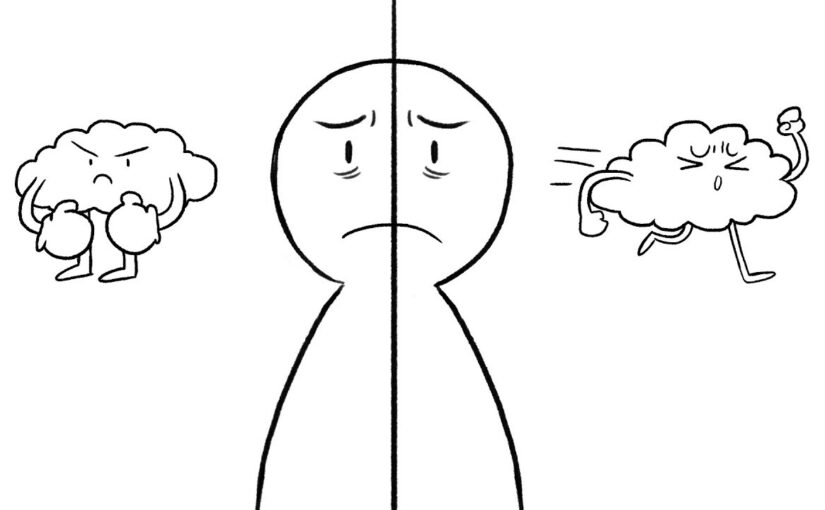
People, with generalized anxiety disorder or, GAD are characterized by constant stress or excessive anxiety When something stressful happens. The brain releases cortisol and adrenaline. This causes the muscles to prepare to fight off the stressor or run away from it, This is otherwise known as a sympathetic nervous system response or the fight or flight reflex. People with GAD have fight or flight constantly running on the back burner. Each of the following points is a result of that reflex, Restlessness and fidgeting. This is more the flight than the fight response. The muscles and brain are ready to go, but there’s nothing to run from. This is why doctors say that regular exercise alleviates symptoms of anxiety because people are using all their pent-up go hormones in their bodies to go. Some people find it helpful to have a small object to occupy their hands like a scrap of paper to fold and tear This way. The hands are kept busy and prevented from harmful fidgeting habits like chewing or picking at their fingers. Lack of energy or rapid fatigue. The flip side of your body constantly being ready to run or fight is that it’s truly exhausting. For example, if you were to tense every muscle possible in your body right now and hold it for the rest of forever, you’d get exhausted. Pretty quick When all your energy is going toward something that could require an immediate response, then everyday tasks like getting up to turn off the lights seem much more: tiring, Irritable, bowels, acid, reflux, nausea, or other stomach ailments. The first thought is probably 39, but if you think about it, this makes a lot of sense. People can’t run long distances or perform heavy workouts with a full stomach or that leads to cramps. So this is your body attempting to rush the job of digestion so that it can allow for a fight and make your body lighter and more aerodynamic, which makes fleeing easier Trouble, falling asleep, or staying asleep. This one is pretty simple: If you’re in one place for too long, the danger could catch up to you, Your body, however, doesn’t realize that there isn’t any danger. So if you stay awake or only sleep short periods, it’s safer. Unfortunately, this system is a nasty cycle. You get anxious, so you can’t sleep, which leads to even more stress on your mind and body which makes it even harder to sleep, and so on. In Hyperventilation Muscle processing, more energy requires more oxygen to keep up the exertion, So breathing quickly would help to maximize oxygen intake. The challenge occurs when we overexert this response and the lungs don’t have time to pull the oxygen out of the air we breathe before. We exhale That’s when oxygen intake decreases and results in that dizzy sensation. Many people experience during a panic attack, Heart palpitations, Similar to the hyperventilation symptom heart palpitations happen because the body uses blood to carry oxygen to the muscles To carry the most oxygen fastest to hardworking muscles. The heart has to pump it faster, resulting in palpitations, Clenched jaw, or teeth grinding. Your body is ready for action. However, the challenge with anxiety disorders is not knowing what action. So your body responds with tensed muscles like a clenched jaw and teeth grinding Other common muscles. Tension responses could be clenched, fists, curled toes tension, headache or chronic migrained neck, or shoulder pain Shaking hands. This is another sign that adrenaline is sending your body signals to go in a situation when you don’t want to go anywhere. This can also be a by-product of tension due to overexertion of the muscles Sweating. Sweat is our body’s way of cooling off during intense energy. Exertion Muscles are burning energy being tensed and ready to go to work which is generating heat. So the body moderates its temperature by sweating, even when you feel cold, Hot, and cold sensations. The fight or flight response excites the body which causes increased energy flows and creates heat. If the heat generated is intense enough, the body’s parasympathetic nervous system is triggered, which creates a relaxation response. However, the body also sweats to cool itself. When heat is generated, Coupled with the sudden relaxation courtesy of the parasympathetic system, the body can experience chills because it cools too fast and is not used to the lower core temperature Anxiety is a state of constant fear due to stressors from your body. This fear was a logical response for a prehistoric human who needed to run or scare away predators when in danger, but it can be distracting in today,’ fast-paced world. The silver lining, though, is that people with anxiety are the ones most prepared to survive the zombie apocalypse. Do you or someone around you suffer from these symptoms of anxiety? If so, do you have any helpful tips on how to deal with them Be sure to let us know in the comment section below If you enjoyed this video, please be sure to follow our social media for more psychology content, and don’t forget to subscribe. Thank you for watching and have a wonderful day.
Anxiety disorders are a group of mental disorders characterized by significant feelings of anxiety and fear. Anxiety is a worry about future events and fear is a reaction to current events. These feelings may cause physical symptoms, such as a fast heart rate and shakiness. 5 Exercise to understand your anxiety better: http://psych2go.net/psychology-exerci… Get a fidget cube here: https://www.introvertpalace.com/produ… These are high quality and have a good refund policy.
ᵛᶦᵈᵗᵒᵒⁿ™ ².¹ ᴏɴᴇ ᴛɪᴍᴇ ᴏꜰꜰᴇʀ – ᴛʜᴇ 2ᴅ ᴀᴍɪɴᴀᴛɪᴏɴ ᴠɪᴅᴇᴏ ᴍᴀᴋᴇʀ After The Massive Success Of VidToon™ 1.0
And More Than 10ᴋ Happy Customers…WE ARE BACK ON Popular Demand! Redefine Profitability With The World’s Easiest & Most Popular Video Animation Software It’s ʙɪɢɢᴇʀ. ʙᴇᴛᴛᴇʀ. ᴀɴᴅ ꜰᴀꜱᴛᴇʀ.




 Research also found connections
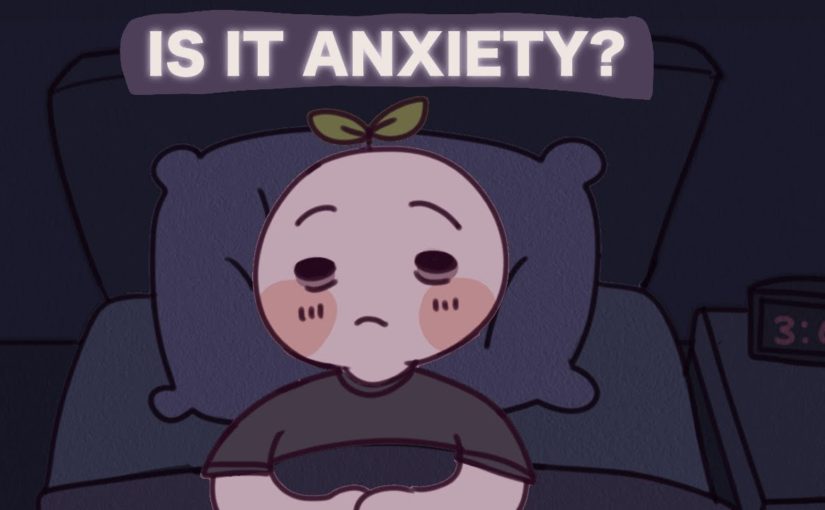
between anxiety disorders and changes in a person’s sleep cycles. When you’re anxious and
ruminate before sleep, this affects rapid eye
movement or REM sleep, which may induce more unsettling dreams and result in a higher likelihood
of sleeping disruptions. Having nightmares during sleep may also reinforce a negative association between dread and sleep. Number four. You use fear language. Do a lot of your sentences start with, “I’m concerned, I’m
afraid, or I’m worried?” According to a licensed
clinical psychologist, Alicia H. Clark, PsyD PLLC, “The regular use of such phrases “may indicate a deeper problem. “Even though it may sound normal, “sometimes this fear language
can be a sign of anxiety “that is most often brushed off.” Number five. You’re not able to sit still. Can you be still when you’re sitting down? Perhaps you can’t help but tap your foot or scrum around in your chair.
According to Dr. Clark, being restless and unable to sit still can be a subtle sign of anxiety. However, it’s important to note that being unable to sit still can also be a classic example of attention deficit
hyperactivity disorder, ADHD, since sitting down is an
under-stimulating task that is unrewarding to the brain. Number six. You apologize excessively. Do you say sorry a lot? Another sign of anxiety
is when a word of apology comes too often and easily, even when it’s not your fault or when it’s out of your control.
With anxiety, you may find yourself still over-apologizing for the situation. According to Dr. Juliana Breines, an Assistant Professor of Psychology at the University of Rhode Island, “If you’re always hard on yourself “and have a tendency to
beat yourself up for things, “then it’s likely “you’ll also tend to over-apologize.” And number seven, you
forget important details. Are you always told off for
overlooking small details and making small mistakes? Sometimes, when you have anxiety, you may feel overwhelmed with thoughts, such as about how things may go wrong that you end up not paying attention to the things happening around you. This can make you overlook crucial moments in detail that are important. So if you find yourself
missing important details or forgetting crucial
information a lotta the time, it may be a sign of anxiety. What do you do when you’re anxious? Let us know in the comments below.
If you found this video helpful, be sure to like, subscribe, and share this video with those
who might benefit from it, and don’t forget to hit
the notification bell icon to get notified whenever
Psych2Go posts a new video. The references and
studies used in this video are added in the description below. Thanks for watching and we’ll
see you in the next one. (lighthearted music).
Research also found connections
between anxiety disorders and changes in a person’s sleep cycles. When you’re anxious and
ruminate before sleep, this affects rapid eye
movement or REM sleep, which may induce more unsettling dreams and result in a higher likelihood
of sleeping disruptions. Having nightmares during sleep may also reinforce a negative association between dread and sleep. Number four. You use fear language. Do a lot of your sentences start with, “I’m concerned, I’m
afraid, or I’m worried?” According to a licensed
clinical psychologist, Alicia H. Clark, PsyD PLLC, “The regular use of such phrases “may indicate a deeper problem. “Even though it may sound normal, “sometimes this fear language
can be a sign of anxiety “that is most often brushed off.” Number five. You’re not able to sit still. Can you be still when you’re sitting down? Perhaps you can’t help but tap your foot or scrum around in your chair.
According to Dr. Clark, being restless and unable to sit still can be a subtle sign of anxiety. However, it’s important to note that being unable to sit still can also be a classic example of attention deficit
hyperactivity disorder, ADHD, since sitting down is an
under-stimulating task that is unrewarding to the brain. Number six. You apologize excessively. Do you say sorry a lot? Another sign of anxiety
is when a word of apology comes too often and easily, even when it’s not your fault or when it’s out of your control.
With anxiety, you may find yourself still over-apologizing for the situation. According to Dr. Juliana Breines, an Assistant Professor of Psychology at the University of Rhode Island, “If you’re always hard on yourself “and have a tendency to
beat yourself up for things, “then it’s likely “you’ll also tend to over-apologize.” And number seven, you
forget important details. Are you always told off for
overlooking small details and making small mistakes? Sometimes, when you have anxiety, you may feel overwhelmed with thoughts, such as about how things may go wrong that you end up not paying attention to the things happening around you. This can make you overlook crucial moments in detail that are important. So if you find yourself
missing important details or forgetting crucial
information a lotta the time, it may be a sign of anxiety. What do you do when you’re anxious? Let us know in the comments below.
If you found this video helpful, be sure to like, subscribe, and share this video with those
who might benefit from it, and don’t forget to hit
the notification bell icon to get notified whenever
Psych2Go posts a new video. The references and
studies used in this video are added in the description below. Thanks for watching and we’ll
see you in the next one. (lighthearted music).