 Someone with those CDs may check an email they’ve written over and over.
For any imperfections and fear, they may have written something wrong or will offend someone.
Could you imagine writing an email to your boss only to check it for minutes on end all due to fear, you may have written something that could come across as inappropriate and therefore lose your job.
As a result, We all generally need our jobs.
So while this fear may seem to derive from an irrational place, those checking their email for the hundredth time are often afraid of losing something important to them.
This is a common fear for those suffering from OCD, In the sense that they love or value something.
So much so that they will strongly feel the need to act out these compulsions to protect what they love And since what you, love and value can often change in your life.
Ocd will grab a hold of what it is.
You’re enjoying and valuing and trying to manipulate it. Inside of your mind, according to your fears, This is one of the many dark features of OCD Number three Contamination or Mental Contamination Among those with OCD.
There are generally two types of contamination obsessions.
One is simply labeled, as contamination Contamination is often characterized by the strong fear of being dirty or contracting germs from objects or people.
Someone may not like to shake hands, as they have an obsession with contracting a virus from someone else or someone may be excessively brushing their teeth or scrubbing their hands for minutes on end out of fear of not feeling clean enough or feeling just right.
A lot of physical damage can occur due to these compulsions.
Mental contamination is an area of OCD.
Researchers are just recently starting to get an understanding of this.
It can be evoked when someone feels as if they’ve been treated badly or if someone makes an abusive remark to them.
The person will engage in compulsions to wash away this bad feeling, such as showering or acting out other compulsions And number four Symmetry and Orderliness.
This type of OCD manifests in different ways such as organizing one’s, books or DVDs, making sure everything is neat, or clothes, folded perfectly and hanging the same way, While a lot of us may simply like symmetry, those with OCD focused on symmetry and order Are obsessed about it and did not gain any enjoyment out of organizing to ensure it feels just right, Remember what may look organized and clean to someone who doesn’t have OCD may feel wrong to someone with OCD because it’s about the feeling. Logically, they know their books are neatly stacked and their closet is fairly organized, but they can’t shake the strong feeling that it isn’t just right.
This feeling may even pester them throughout the entire day, which is why they so strongly feel the need to act out the compulsion With OCD.
The compulsion often only provides relief for literally a second.
The thoughts and obsessions play on a loop, leaving a repetitive cycle and compulsions are an urge to simply be free of fear and, if, for only just a second to feel right.
Fortunately, there is good news and hope in some of this.
Some therapists do understand and specialize in treating OCD.
Some of those affected by OCD have seen productive results through cognitive behavioral therapy from a therapist who does understand the condition.
If you suspect you or someone else may have OCD, we highly recommend you seek professional help.
So, do you now understand OCD a little bit more Thanks for watching and learning more about mental illness and psychology Psych2Goers. Did you learn something new about OCD? Are you or someone you know diagnosed with OCD Feel free to share with us in the comments and engage with others who may suffer from the same type as you. It can help to understand your mental illness more and make you feel less alone in the process, because you’re not alone, no matter what you’re, going through, A bit of support could be the first step into feeling just a little bit better.
If you found this video helpful, don’t forget to click the like button and share it with someone who might need it Subscribed to Psych2Go and hit the notification bell icon for more content like this, and as always, thanks for watching.
As found on YouTube
ꜱʟɪᴍᴄʀʏꜱᴛᴀʟ The World’s Only Slimming Crystal Water Bottles! The unique combination of crystals is so powerful that it has been used for decades by crystal healing experts to help thousands of men and women change their lives for the better ➯➱ ➫ ➪➬ ᴛʏᴘᴇ ᴏʀ ᴘᴀꜱᴛᴇ ʏᴏᴜʀ ᴄᴏɴᴛᴇɴᴛ ʜᴇʀᴇ [Official] ᵘᵖᵗᵒ ⁷⁰% ᵒᶠᶠ ᵗᵒᵈᵃʸ!
Someone with those CDs may check an email they’ve written over and over.
For any imperfections and fear, they may have written something wrong or will offend someone.
Could you imagine writing an email to your boss only to check it for minutes on end all due to fear, you may have written something that could come across as inappropriate and therefore lose your job.
As a result, We all generally need our jobs.
So while this fear may seem to derive from an irrational place, those checking their email for the hundredth time are often afraid of losing something important to them.
This is a common fear for those suffering from OCD, In the sense that they love or value something.
So much so that they will strongly feel the need to act out these compulsions to protect what they love And since what you, love and value can often change in your life.
Ocd will grab a hold of what it is.
You’re enjoying and valuing and trying to manipulate it. Inside of your mind, according to your fears, This is one of the many dark features of OCD Number three Contamination or Mental Contamination Among those with OCD.
There are generally two types of contamination obsessions.
One is simply labeled, as contamination Contamination is often characterized by the strong fear of being dirty or contracting germs from objects or people.
Someone may not like to shake hands, as they have an obsession with contracting a virus from someone else or someone may be excessively brushing their teeth or scrubbing their hands for minutes on end out of fear of not feeling clean enough or feeling just right.
A lot of physical damage can occur due to these compulsions.
Mental contamination is an area of OCD.
Researchers are just recently starting to get an understanding of this.
It can be evoked when someone feels as if they’ve been treated badly or if someone makes an abusive remark to them.
The person will engage in compulsions to wash away this bad feeling, such as showering or acting out other compulsions And number four Symmetry and Orderliness.
This type of OCD manifests in different ways such as organizing one’s, books or DVDs, making sure everything is neat, or clothes, folded perfectly and hanging the same way, While a lot of us may simply like symmetry, those with OCD focused on symmetry and order Are obsessed about it and did not gain any enjoyment out of organizing to ensure it feels just right, Remember what may look organized and clean to someone who doesn’t have OCD may feel wrong to someone with OCD because it’s about the feeling. Logically, they know their books are neatly stacked and their closet is fairly organized, but they can’t shake the strong feeling that it isn’t just right.
This feeling may even pester them throughout the entire day, which is why they so strongly feel the need to act out the compulsion With OCD.
The compulsion often only provides relief for literally a second.
The thoughts and obsessions play on a loop, leaving a repetitive cycle and compulsions are an urge to simply be free of fear and, if, for only just a second to feel right.
Fortunately, there is good news and hope in some of this.
Some therapists do understand and specialize in treating OCD.
Some of those affected by OCD have seen productive results through cognitive behavioral therapy from a therapist who does understand the condition.
If you suspect you or someone else may have OCD, we highly recommend you seek professional help.
So, do you now understand OCD a little bit more Thanks for watching and learning more about mental illness and psychology Psych2Goers. Did you learn something new about OCD? Are you or someone you know diagnosed with OCD Feel free to share with us in the comments and engage with others who may suffer from the same type as you. It can help to understand your mental illness more and make you feel less alone in the process, because you’re not alone, no matter what you’re, going through, A bit of support could be the first step into feeling just a little bit better.
If you found this video helpful, don’t forget to click the like button and share it with someone who might need it Subscribed to Psych2Go and hit the notification bell icon for more content like this, and as always, thanks for watching.
As found on YouTube
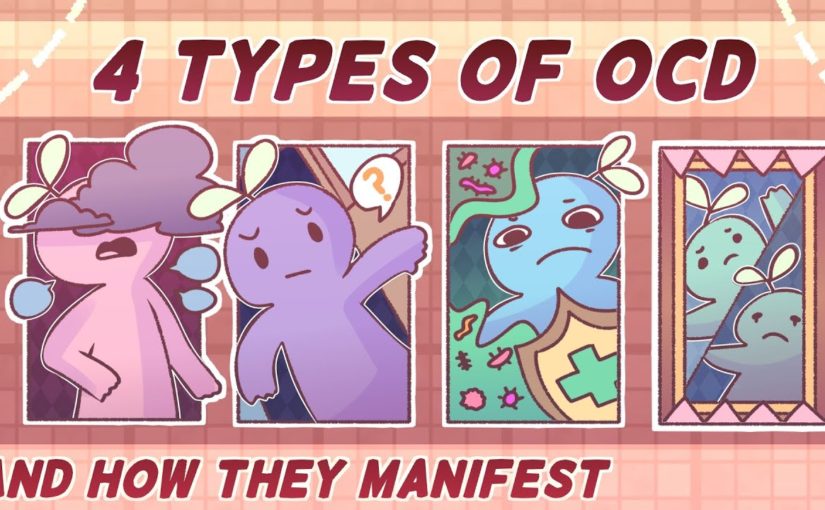
ꜱʟɪᴍᴄʀʏꜱᴛᴀʟ The World’s Only Slimming Crystal Water Bottles! The unique combination of crystals is so powerful that it has been used for decades by crystal healing experts to help thousands of men and women change their lives for the better ➯➱ ➫ ➪➬ ᴛʏᴘᴇ ᴏʀ ᴘᴀꜱᴛᴇ ʏᴏᴜʀ ᴄᴏɴᴛᴇɴᴛ ʜᴇʀᴇ [Official] ᵘᵖᵗᵒ ⁷⁰% ᵒᶠᶠ ᵗᵒᵈᵃʸ! 4 Types of OCD & How They Manifest
Upbeat music, Narrator, Hey Psych2Goers, Welcome back to our channel. We wanted to let you know that every one of your comments likes and shares helps support this channel and our goal to spread awareness about psychology and mental health.
You help us make psychology and mental health more accessible to everyone.
So thank you so much for your support.
Before we begin, we would also like to remind you that this video is for educational purposes only and is not intended to be used as a diagnosis.
So please do not self-diagnose If you suspect you or someone else might have OCD.
We advise you to seek professional help With that said, let’s continue.
Obsessive-compulsive disorder or OCD is a mental illness that is exhibited by repetitive, unwanted, or intrusive thoughts.
The obsessions are Often followed by an urge to do something repeatedly, The compulsions.
It is a very serious mental illness that causes a great deal of suffering to those who have it.
But did you know that there can be many different ways in which OCD manifests itself to help you get a better understanding of OCD? Here are four different types of OCD and how they manifest Number one Intrusive Thoughts and Ruminations. When someone with OCD suffers from intrusive thoughts, it’s, not the occasional, disturbing thought now and then it can be normal for people to have an intrusive thought as they go about their day, They may think of something worrisome or unpleasant and brush the thought.
Aside.
With OCD, it’s a different story When someone with OCD has intrusive thoughts, they’re repetitive and often constant.
They can obsess over the thought for minutes or even hours.
These thoughts can range in topic and be anything, but some common ones are violent.
Intrusive thoughts, which involve a fear of harming yourself or a loved one sexual intrusive thoughts, which can involve unwanted thoughts of causing sexual harm to someone or obsessively questioning one’s, sexuality, And others can involve obsessions with religion and the fear of sinning.
Analyzing.
One’s relationship excessively and magical thinking, intrusive thoughts, in which one fears that simply thinking about a thought can make it more likely to happen.
These thoughts are often followed by rituals or compulsion to make the bad thing not happen or to simply assure oneself that they don’t feel a certain way about it.
A negative thought. Ruminations in OCD are when one dwells upon a question or a theme that is unproductive and likely to lead nowhere, dwelled upon for an excessive amount of time more than your average philosopher.
These are often different from intrusive thoughts as they can be indulged in rather than resisted.
Someone with OCD may excessively ruminate about life after death, visualizing every scenario to the detail, leaving them detached and preoccupied from what is going on around them, as they’re attending.
To the thoughts in their mind, Number-checking OCD can present itself in the need to check on something This act, as compulsion Checking is often enacted out of a fear that something bad will happen, such as a fire, a burglary, or harm to loved ones.
This can display itself in a variety of ways.
Someone may check in with their family members to gain reassurance about their fears, or maybe they feel an unrelenting need to check the door repeatedly to make sure it’s locked out of fear of a burglary.
Someone with OCD may even try to recall memories to make sure they felt a certain way or didn’t cause someone harm.
For example, someone with OCD may be obsessing on their thoughts, questioning their sexuality When they know outside of obsessing, what their sexual preference is.
The individual may check or pay attention to their body for arousal, But because they’re focused on not wanting this response.
The body may automatically generate feelings of arousal. As research has shown, our bodies often react to what is actually relevant and not always what we desire and value Or another example.
Someone with those CDs may check an email they’ve written over and over.
For any imperfections and fear, they may have written something wrong or will offend someone.
Could you imagine writing an email to your boss only to check it for minutes on end all due to fear, you may have written something that could come across as inappropriate and therefore lose your job.
As a result, We all generally need our jobs.
So while this fear may seem to derive from an irrational place, those checking their email for the hundredth time are often afraid of losing something important to them.
This is a common fear for those suffering from OCD, In the sense that they love or value something.
So much so that they will strongly feel the need to act out these compulsions to protect what they love And since what you, love and value can often change in your life.
Ocd will grab a hold of what it is.
You’re enjoying and valuing and trying to manipulate it. Inside of your mind, according to your fears, This is one of the many dark features of OCD Number three Contamination or Mental Contamination Among those with OCD.
There are generally two types of contamination obsessions.
One is simply labeled, as contamination Contamination is often characterized by the strong fear of being dirty or contracting germs from objects or people.
Someone may not like to shake hands, as they have an obsession with contracting a virus from someone else or someone may be excessively brushing their teeth or scrubbing their hands for minutes on end out of fear of not feeling clean enough or feeling just right.
A lot of physical damage can occur due to these compulsions.
Mental contamination is an area of OCD.
Researchers are just recently starting to get an understanding of this.
It can be evoked when someone feels as if they’ve been treated badly or if someone makes an abusive remark to them.
The person will engage in compulsions to wash away this bad feeling, such as showering or acting out other compulsions And number four Symmetry and Orderliness.
This type of OCD manifests in different ways such as organizing one’s, books or DVDs, making sure everything is neat, or clothes, folded perfectly and hanging the same way, While a lot of us may simply like symmetry, those with OCD focused on symmetry and order Are obsessed about it and did not gain any enjoyment out of organizing to ensure it feels just right, Remember what may look organized and clean to someone who doesn’t have OCD may feel wrong to someone with OCD because it’s about the feeling. Logically, they know their books are neatly stacked and their closet is fairly organized, but they can’t shake the strong feeling that it isn’t just right.
This feeling may even pester them throughout the entire day, which is why they so strongly feel the need to act out the compulsion With OCD.
The compulsion often only provides relief for literally a second.
The thoughts and obsessions play on a loop, leaving a repetitive cycle and compulsions are an urge to simply be free of fear and, if, for only just a second to feel right.
Fortunately, there is good news and hope in some of this.
Some therapists do understand and specialize in treating OCD.
Some of those affected by OCD have seen productive results through cognitive behavioral therapy from a therapist who does understand the condition.
If you suspect you or someone else may have OCD, we highly recommend you seek professional help.
So, do you now understand OCD a little bit more Thanks for watching and learning more about mental illness and psychology Psych2Goers. Did you learn something new about OCD? Are you or someone you know diagnosed with OCD Feel free to share with us in the comments and engage with others who may suffer from the same type as you. It can help to understand your mental illness more and make you feel less alone in the process, because you’re not alone, no matter what you’re, going through, A bit of support could be the first step into feeling just a little bit better.
If you found this video helpful, don’t forget to click the like button and share it with someone who might need it Subscribed to Psych2Go and hit the notification bell icon for more content like this, and as always, thanks for watching.
As found on YouTube
ꜱʟɪᴍᴄʀʏꜱᴛᴀʟ The World’s Only Slimming Crystal Water Bottles! The unique combination of crystals is so powerful that it has been used for decades by crystal healing experts to help thousands of men and women change their lives for the better ➯➱ ➫ ➪➬ ᴛʏᴘᴇ ᴏʀ ᴘᴀꜱᴛᴇ ʏᴏᴜʀ ᴄᴏɴᴛᴇɴᴛ ʜᴇʀᴇ [Official] ᵘᵖᵗᵒ ⁷⁰% ᵒᶠᶠ ᵗᵒᵈᵃʸ!
Someone with those CDs may check an email they’ve written over and over.
For any imperfections and fear, they may have written something wrong or will offend someone.
Could you imagine writing an email to your boss only to check it for minutes on end all due to fear, you may have written something that could come across as inappropriate and therefore lose your job.
As a result, We all generally need our jobs.
So while this fear may seem to derive from an irrational place, those checking their email for the hundredth time are often afraid of losing something important to them.
This is a common fear for those suffering from OCD, In the sense that they love or value something.
So much so that they will strongly feel the need to act out these compulsions to protect what they love And since what you, love and value can often change in your life.
Ocd will grab a hold of what it is.
You’re enjoying and valuing and trying to manipulate it. Inside of your mind, according to your fears, This is one of the many dark features of OCD Number three Contamination or Mental Contamination Among those with OCD.
There are generally two types of contamination obsessions.
One is simply labeled, as contamination Contamination is often characterized by the strong fear of being dirty or contracting germs from objects or people.
Someone may not like to shake hands, as they have an obsession with contracting a virus from someone else or someone may be excessively brushing their teeth or scrubbing their hands for minutes on end out of fear of not feeling clean enough or feeling just right.
A lot of physical damage can occur due to these compulsions.
Mental contamination is an area of OCD.
Researchers are just recently starting to get an understanding of this.
It can be evoked when someone feels as if they’ve been treated badly or if someone makes an abusive remark to them.
The person will engage in compulsions to wash away this bad feeling, such as showering or acting out other compulsions And number four Symmetry and Orderliness.
This type of OCD manifests in different ways such as organizing one’s, books or DVDs, making sure everything is neat, or clothes, folded perfectly and hanging the same way, While a lot of us may simply like symmetry, those with OCD focused on symmetry and order Are obsessed about it and did not gain any enjoyment out of organizing to ensure it feels just right, Remember what may look organized and clean to someone who doesn’t have OCD may feel wrong to someone with OCD because it’s about the feeling. Logically, they know their books are neatly stacked and their closet is fairly organized, but they can’t shake the strong feeling that it isn’t just right.
This feeling may even pester them throughout the entire day, which is why they so strongly feel the need to act out the compulsion With OCD.
The compulsion often only provides relief for literally a second.
The thoughts and obsessions play on a loop, leaving a repetitive cycle and compulsions are an urge to simply be free of fear and, if, for only just a second to feel right.
Fortunately, there is good news and hope in some of this.
Some therapists do understand and specialize in treating OCD.
Some of those affected by OCD have seen productive results through cognitive behavioral therapy from a therapist who does understand the condition.
If you suspect you or someone else may have OCD, we highly recommend you seek professional help.
So, do you now understand OCD a little bit more Thanks for watching and learning more about mental illness and psychology Psych2Goers. Did you learn something new about OCD? Are you or someone you know diagnosed with OCD Feel free to share with us in the comments and engage with others who may suffer from the same type as you. It can help to understand your mental illness more and make you feel less alone in the process, because you’re not alone, no matter what you’re, going through, A bit of support could be the first step into feeling just a little bit better.
If you found this video helpful, don’t forget to click the like button and share it with someone who might need it Subscribed to Psych2Go and hit the notification bell icon for more content like this, and as always, thanks for watching.
As found on YouTube
ꜱʟɪᴍᴄʀʏꜱᴛᴀʟ The World’s Only Slimming Crystal Water Bottles! The unique combination of crystals is so powerful that it has been used for decades by crystal healing experts to help thousands of men and women change their lives for the better ➯➱ ➫ ➪➬ ᴛʏᴘᴇ ᴏʀ ᴘᴀꜱᴛᴇ ʏᴏᴜʀ ᴄᴏɴᴛᴇɴᴛ ʜᴇʀᴇ [Official] ᵘᵖᵗᵒ ⁷⁰% ᵒᶠᶠ ᵗᵒᵈᵃʸ! 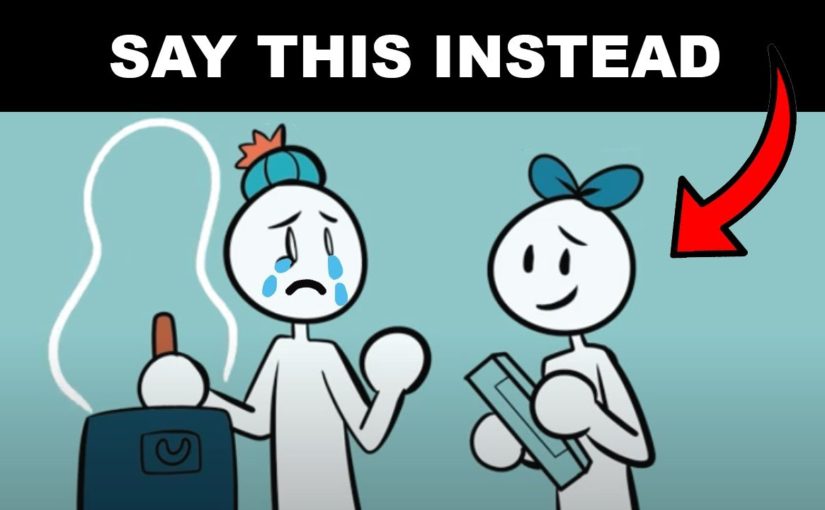
 They might need Number three hey. Let’s go for a walk, we can talk about it or we can just get some fresh air.
A change of environment is a choice tool for interrupting the cycle of anxiety.
It distracts the brain from its worries Focusing on the world around, helps, create distance between the person and their thoughts, which ultimately makes it easier to talk about and to let go If they don’t feel like talking at least they’ll have something else To occupy their mind with Number four: is it okay? If I hug you, Consent is key, Even when it comes to hugs hands, holding, and other innocent touches.
They can all be triggering to someone with anxiety.
Plus there are a lot of people who just don’t like to be touched, So it’s always important to ask first.
Sometimes a hug can be incredibly comforting during a difficult time like a physical reminder that you’re not alone.
During extreme anxiety, though, being touched, can make one feel trapped and claustrophobic, So it’s always appreciated when someone asks before going in for a hug, It reminds them that they’re in control of the conversation Number five, I’m here, for you, no matter what is happening If you’re, going to offer to be there for someone who battles anxiety, be honest about what you’re, able to do or be ready to be open to whatever comes your way, It’s nice to hear that someone is On their side, but it can’t help if the encouragement is conditional To promise support only to disappear when things get tough, can make it difficult to trust those who make this pledge.
It can make them wary of such promises in the future when they have ample evidence backing their hesitations.
Authentic support is especially reassuring when you’re able to give it unconditionally building their trust and self-esteem.
Number six would be advice, be helpful, or should I just listen Hugging joking, and advice, giving might be your first instinct when you see someone you love in distress, but people with anxiety sometimes feel overwhelmed and even intimidated by the constant fire of suggestions, And they can react Intensely when someone starts spouting out suggestions before they’ve even had a chance to finish talking, It might be hard, but you have to fight the urge to be a friend sometimes Instead, asking this question puts the person with anxiety in control of what happens next, Which in itself may relieve some of their anxious edge And number seven, I don’t know what to say, but I’m here, for you Honesty is always the best policy. Anxiety can be a difficult subject matter, So it’s.
Okay, if you don’t know what to say or how to react Honestly, sometimes even they don’t know what to say, but it’s refreshing and reassuring to be genuine.
During such a vulnerable conversation, Friends and family have admitted that they fear, saying the wrong thing or making situations worse, but that the important thing for them – isn, ‘t always what you say but to let them know that you’re there for them.
No matter what We hope, we were able to give you a little insight into some of the ways that you can show your support to those living with anxiety.
If you suffer from anxiety, how do you feel about the points mentioned in this video? Let us know in the comments below, If you found this video insightful, be sure to hit the like and subscribe button and share it with someone who might benefit from it too.
As always thanks so much for watching and we’ll see you soon.
They might need Number three hey. Let’s go for a walk, we can talk about it or we can just get some fresh air.
A change of environment is a choice tool for interrupting the cycle of anxiety.
It distracts the brain from its worries Focusing on the world around, helps, create distance between the person and their thoughts, which ultimately makes it easier to talk about and to let go If they don’t feel like talking at least they’ll have something else To occupy their mind with Number four: is it okay? If I hug you, Consent is key, Even when it comes to hugs hands, holding, and other innocent touches.
They can all be triggering to someone with anxiety.
Plus there are a lot of people who just don’t like to be touched, So it’s always important to ask first.
Sometimes a hug can be incredibly comforting during a difficult time like a physical reminder that you’re not alone.
During extreme anxiety, though, being touched, can make one feel trapped and claustrophobic, So it’s always appreciated when someone asks before going in for a hug, It reminds them that they’re in control of the conversation Number five, I’m here, for you, no matter what is happening If you’re, going to offer to be there for someone who battles anxiety, be honest about what you’re, able to do or be ready to be open to whatever comes your way, It’s nice to hear that someone is On their side, but it can’t help if the encouragement is conditional To promise support only to disappear when things get tough, can make it difficult to trust those who make this pledge.
It can make them wary of such promises in the future when they have ample evidence backing their hesitations.
Authentic support is especially reassuring when you’re able to give it unconditionally building their trust and self-esteem.
Number six would be advice, be helpful, or should I just listen Hugging joking, and advice, giving might be your first instinct when you see someone you love in distress, but people with anxiety sometimes feel overwhelmed and even intimidated by the constant fire of suggestions, And they can react Intensely when someone starts spouting out suggestions before they’ve even had a chance to finish talking, It might be hard, but you have to fight the urge to be a friend sometimes Instead, asking this question puts the person with anxiety in control of what happens next, Which in itself may relieve some of their anxious edge And number seven, I don’t know what to say, but I’m here, for you Honesty is always the best policy. Anxiety can be a difficult subject matter, So it’s.
Okay, if you don’t know what to say or how to react Honestly, sometimes even they don’t know what to say, but it’s refreshing and reassuring to be genuine.
During such a vulnerable conversation, Friends and family have admitted that they fear, saying the wrong thing or making situations worse, but that the important thing for them – isn, ‘t always what you say but to let them know that you’re there for them.
No matter what We hope, we were able to give you a little insight into some of the ways that you can show your support to those living with anxiety.
If you suffer from anxiety, how do you feel about the points mentioned in this video? Let us know in the comments below, If you found this video insightful, be sure to hit the like and subscribe button and share it with someone who might benefit from it too.
As always thanks so much for watching and we’ll see you soon.
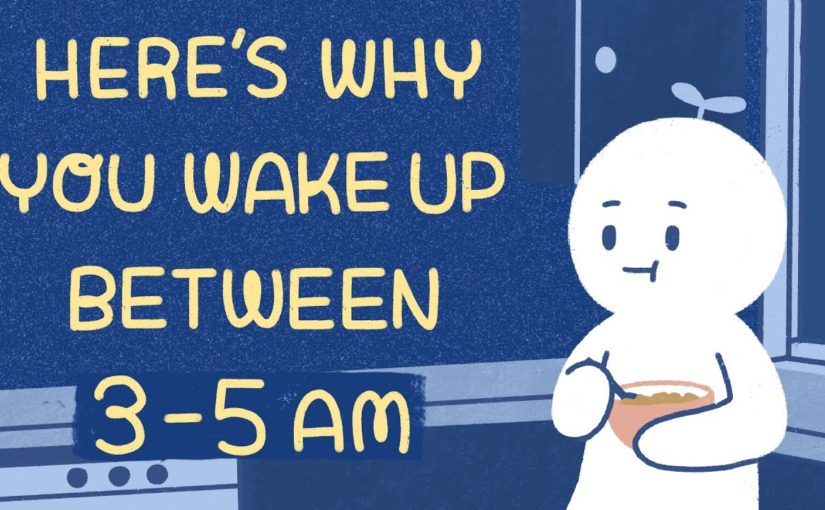
 Number three, low blood sugar. Did you know that low
blood sugar can cause your brain to wake you up
in the middle of the night? Your brain is very active during the night as it regenerates, repairs, and converts your short-term memories into long-term memories while you sleep. However, since it’s so
active during the night, it also uses up a lot
of your energy reserves. If you suffer from low blood sugar levels, your brain will consume
most of your energy reserves and think that you’ve run out of fuel. As a result, your brain
will release cortisol to make you hungry and wake you up so you can go get something to eat. If you find yourself routinely waking up and going to the kitchen to root around for a midnight snack, you may have low blood sugar levels and this might be the cause
of your sleep disturbances.
If you’re having trouble
sleeping through the night and waking up at odd hours do you now have a better sense of why this is happening to you? What are other reasons
you think could be waking you up at 3:00 am and 5:00 am? Share your thoughts with
us in the comments below. Please like and share this
video if it helped you and you think it could
help someone else too.
The studies and references used are listed in the description below. Don’t forget to hit the subscribe button for more Psych2go videos
and thank you for watching. We’ll see you next time.
Number three, low blood sugar. Did you know that low
blood sugar can cause your brain to wake you up
in the middle of the night? Your brain is very active during the night as it regenerates, repairs, and converts your short-term memories into long-term memories while you sleep. However, since it’s so
active during the night, it also uses up a lot
of your energy reserves. If you suffer from low blood sugar levels, your brain will consume
most of your energy reserves and think that you’ve run out of fuel. As a result, your brain
will release cortisol to make you hungry and wake you up so you can go get something to eat. If you find yourself routinely waking up and going to the kitchen to root around for a midnight snack, you may have low blood sugar levels and this might be the cause
of your sleep disturbances.
If you’re having trouble
sleeping through the night and waking up at odd hours do you now have a better sense of why this is happening to you? What are other reasons
you think could be waking you up at 3:00 am and 5:00 am? Share your thoughts with
us in the comments below. Please like and share this
video if it helped you and you think it could
help someone else too.
The studies and references used are listed in the description below. Don’t forget to hit the subscribe button for more Psych2go videos
and thank you for watching. We’ll see you next time.
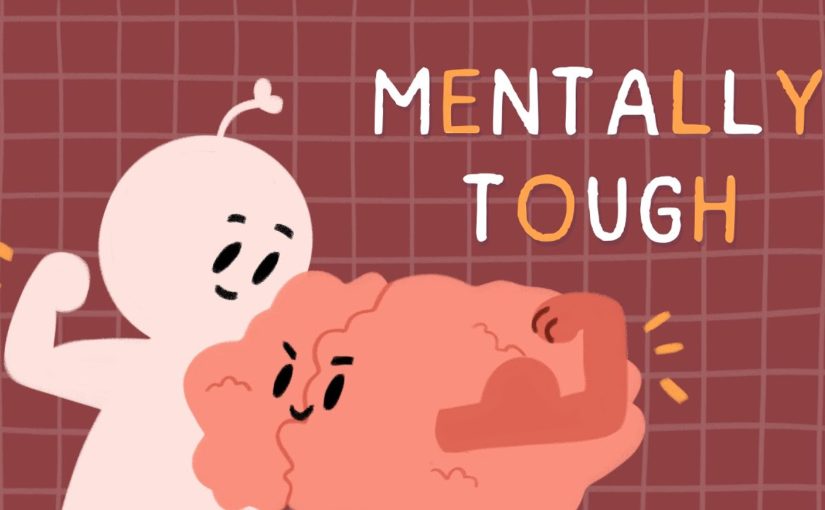
 Everyone, at some point, has run away from something difficult. It’s perfectly normal to want to run away when things get harder for you. It can feel overwhelming and impossible, like climbing over a mountain. But sometimes, to move forward, we have to figure out how to get through those difficult times. You certainly don’t have to do it alone. Find a support group that’ll be able to provide comfort, support, and strength for you. Some people can walk with you through this difficult time and help you to safely reach the other side of the mountain. Number four is exercise. Even though physical exercise is mostly for your physical benefit, it has mental benefits too. Physical exercise helps
you establish discipline. The discipline of the mind is necessary for developing your mental toughness because that helps you build consistency.
When you’re steadfastly committed to building up your mental fortitude, negativity has a harder
time tripping you up. Regular exercise gives you a sense of routine, and consistency, and the added benefit of providing a healthy outlet for
your emotions and stress. Number five, learn how to lose gracefully. Despite how unpleasant it might be, failure can be the ultimate teacher. When you’re dealing with failure, sometimes the resulting anxiety and stress can weigh you down. This keeps you from
learning from your mistakes, whatever the lesson might be. Take the time to sit with your thoughts and work through the feelings
that you’re experiencing. Ask yourself, “What is the lesson here “and how do I move forward?” Once you’re able to take
accountability for yourself, it’s easier to move forward and not make those same
mistakes a second time. Number six, practice gratitude, even when you’re going
through a difficult season. Does it feel hard to be grateful, especially when you’re going through a difficult season in life? Sometimes it can be easier to focus on the negative
things around you. Practicing gratitude increases your overall
happiness, reduces depression, and helps you override
negative thought patterns.
When you focus on what to be thankful for, you’ll find happiness and lightness take hold within your heart. Being grateful and having an open heart helps you to focus on
your goals and dreams so you can go forth and achieve them. And number seven, let go of
things you cannot control. Do you find it hard to let things go? Do you always want to fix everything and feel like you’re the
only one who can do it? It is tempting to want to
control everything yourself, especially when things
start going downhill. But, eventually, something has to give. When things go wrong, ask yourself, “Is this something I can solve? “And if so, how?” What is your role in the
process of achieving a solution? Learning to let go of things that are out of your control will make you feel less stressed and help you have a clear mind. How do you feel about these secrets that we’ve just shared? It’s not a secret anymore.
What are some other ways that you like to build your mental fortitude? Let us know in the comments below. Please like and share this
video if it helped you, and you think it could
help someone else too. The studies and references used are listed in the description below. Don’t forget to hit the subscribe button for more Psych2Go videos. And thank you for watching, we’ll see you next time.
Everyone, at some point, has run away from something difficult. It’s perfectly normal to want to run away when things get harder for you. It can feel overwhelming and impossible, like climbing over a mountain. But sometimes, to move forward, we have to figure out how to get through those difficult times. You certainly don’t have to do it alone. Find a support group that’ll be able to provide comfort, support, and strength for you. Some people can walk with you through this difficult time and help you to safely reach the other side of the mountain. Number four is exercise. Even though physical exercise is mostly for your physical benefit, it has mental benefits too. Physical exercise helps
you establish discipline. The discipline of the mind is necessary for developing your mental toughness because that helps you build consistency.
When you’re steadfastly committed to building up your mental fortitude, negativity has a harder
time tripping you up. Regular exercise gives you a sense of routine, and consistency, and the added benefit of providing a healthy outlet for
your emotions and stress. Number five, learn how to lose gracefully. Despite how unpleasant it might be, failure can be the ultimate teacher. When you’re dealing with failure, sometimes the resulting anxiety and stress can weigh you down. This keeps you from
learning from your mistakes, whatever the lesson might be. Take the time to sit with your thoughts and work through the feelings
that you’re experiencing. Ask yourself, “What is the lesson here “and how do I move forward?” Once you’re able to take
accountability for yourself, it’s easier to move forward and not make those same
mistakes a second time. Number six, practice gratitude, even when you’re going
through a difficult season. Does it feel hard to be grateful, especially when you’re going through a difficult season in life? Sometimes it can be easier to focus on the negative
things around you. Practicing gratitude increases your overall
happiness, reduces depression, and helps you override
negative thought patterns.
When you focus on what to be thankful for, you’ll find happiness and lightness take hold within your heart. Being grateful and having an open heart helps you to focus on
your goals and dreams so you can go forth and achieve them. And number seven, let go of
things you cannot control. Do you find it hard to let things go? Do you always want to fix everything and feel like you’re the
only one who can do it? It is tempting to want to
control everything yourself, especially when things
start going downhill. But, eventually, something has to give. When things go wrong, ask yourself, “Is this something I can solve? “And if so, how?” What is your role in the
process of achieving a solution? Learning to let go of things that are out of your control will make you feel less stressed and help you have a clear mind. How do you feel about these secrets that we’ve just shared? It’s not a secret anymore.
What are some other ways that you like to build your mental fortitude? Let us know in the comments below. Please like and share this
video if it helped you, and you think it could
help someone else too. The studies and references used are listed in the description below. Don’t forget to hit the subscribe button for more Psych2Go videos. And thank you for watching, we’ll see you next time.
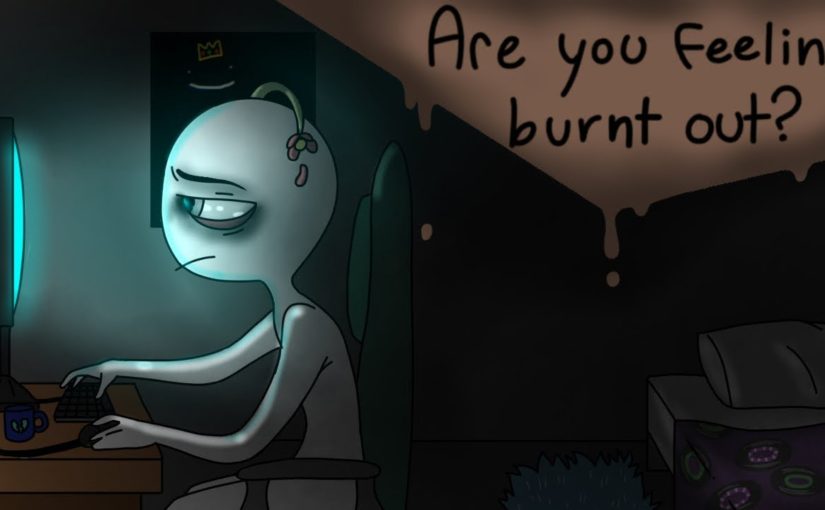
 Lazy people on the other hand
are a stark contrast to this, because they’re often
very relaxed, laid back, placid, and unaffected by things. Number five, you’ve
neglected your self-care. One of the most distressing warning signs that someone may be emotionally
and physically burnt out is if you start neglecting yourself and socially withdraw from others. There are concerning
changes in your eating and/or sleeping patterns. You stop making an effort to
groom yourself or look good, and you tend to spend most of your time by yourself doing nothing because you’re so easily exhausted by even the simplest of tasks. The difference between
being burnt out and laziness is starkly in the fact that
you weren’t always this way.
And number six, these
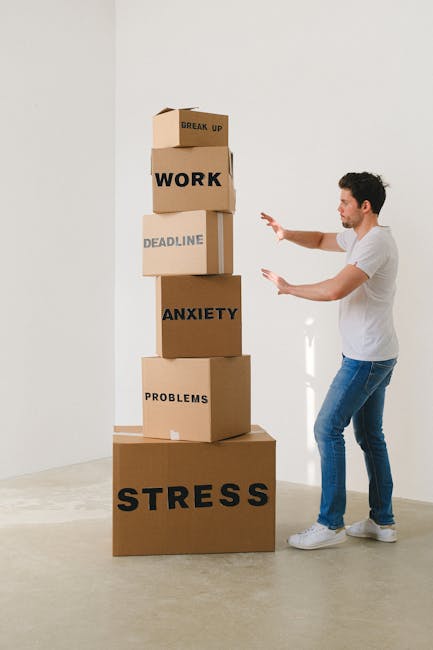
changes happened gradually. Finally, but perhaps most importantly, something you should know about burnout is that it develops in stages. So all of the points mentioned before; losing interest and motivation, especially in things we used to love, feeling detached from yourself and disconnected from
everything around you, socially withdrawing, and
neglecting your self-care, won’t just happen overnight. Studies show that there are five major stages of burnout, each with increasing degrees of severity. The honeymoon phase is the onset of stress, chronic stress, burnout, and habitual burnout. Many people begin to experience symptoms as early as the second phase, when there is still a
moderate amount of stress, but optimism, interest,
motivation, and performance, may already start declining. And by the time you reach
the fifth and final stage, burnout has already become
so embedded in your life that the persistent mental
and physical fatigue becomes more intense and harder to treat; making you more vulnerable to developing depression and anxiety. Spotting the signs of burnout early makes it all the
easier for you to get help and recover from it. That’s why it’s so
important to raise awareness about burnout instead of simply
dismissing it as laziness like most people tend to do.
So if you or anyone
you know maybe suffering from mental or emotional burnout, please don’t hesitate to reach out to a mental health care professional today and talk to them about it. If you find this video helpful, be sure to hit the like button, feel free to leave a comment
down below with your thoughts, experiences, and suggestions, and share it with those out there battling the haze of burnout. Don’t forget to subscribe, just go and hit the notification
bell from one new video. And as always, thanks for watching. (upbeat music).
Lazy people on the other hand
are a stark contrast to this, because they’re often
very relaxed, laid back, placid, and unaffected by things. Number five, you’ve
neglected your self-care. One of the most distressing warning signs that someone may be emotionally
and physically burnt out is if you start neglecting yourself and socially withdraw from others. There are concerning
changes in your eating and/or sleeping patterns. You stop making an effort to
groom yourself or look good, and you tend to spend most of your time by yourself doing nothing because you’re so easily exhausted by even the simplest of tasks. The difference between
being burnt out and laziness is starkly in the fact that
you weren’t always this way.
And number six, these
changes happened gradually. Finally, but perhaps most importantly, something you should know about burnout is that it develops in stages. So all of the points mentioned before; losing interest and motivation, especially in things we used to love, feeling detached from yourself and disconnected from
everything around you, socially withdrawing, and
neglecting your self-care, won’t just happen overnight. Studies show that there are five major stages of burnout, each with increasing degrees of severity. The honeymoon phase is the onset of stress, chronic stress, burnout, and habitual burnout. Many people begin to experience symptoms as early as the second phase, when there is still a
moderate amount of stress, but optimism, interest,
motivation, and performance, may already start declining. And by the time you reach
the fifth and final stage, burnout has already become
so embedded in your life that the persistent mental
and physical fatigue becomes more intense and harder to treat; making you more vulnerable to developing depression and anxiety. Spotting the signs of burnout early makes it all the
easier for you to get help and recover from it. That’s why it’s so
important to raise awareness about burnout instead of simply
dismissing it as laziness like most people tend to do.
So if you or anyone
you know maybe suffering from mental or emotional burnout, please don’t hesitate to reach out to a mental health care professional today and talk to them about it. If you find this video helpful, be sure to hit the like button, feel free to leave a comment
down below with your thoughts, experiences, and suggestions, and share it with those out there battling the haze of burnout. Don’t forget to subscribe, just go and hit the notification
bell from one new video. And as always, thanks for watching. (upbeat music).
 The difference between
being burnt out and laziness is starkly in the fact that
you weren’t always this way. And number six, these
changes happened gradually. Finally, but perhaps most importantly, something you should know about burnout is that it develops in stages. So all of the points mentioned before; losing interest and motivation, especially in things we used to love, feeling detached from yourself and disconnected from
everything around you, socially withdrawing, and
neglecting your self-care, won’t just happen overnight.
Studies show that there are five major stages of burnout, each with increasing degrees of severity. The honeymoon phase is the onset of stress, chronic stress, burnout, and habitual burnout. Many people begin to experience symptoms as early as the second phase,when there is still a
moderate amount of stress, but optimism, interest,
motivation, and performance, may already start declining. And by the time you reach
the fifth and final stage, burnout has already become
so embedded in your life that the persistent mental
and physical fatigue becomes more intense and harder to treat; making you more vulnerable to developing depression and anxiety.
Spotting the signs of burnout early makes it all the
easier for you to get help and recover from it. That’s why it’s so
important to raise awareness about burnout instead of simply
dismissing it as laziness like most people tend to do. So if you or anyone
you know may be suffering from mental or emotional burnout, please don’t hesitate to reach out to a mental health care professional today and talk to them about it. If you find this video helpful, be sure to hit the like button, feel free to leave a comment
down below with your thoughts, experiences, and suggestions, and share it with those out there battling the haze of burnout.
Don’t forget to subscribe, just go and hit the notification
bell from one new video. And as always, thanks for watching. (upbeat music).
The difference between
being burnt out and laziness is starkly in the fact that
you weren’t always this way. And number six, these
changes happened gradually. Finally, but perhaps most importantly, something you should know about burnout is that it develops in stages. So all of the points mentioned before; losing interest and motivation, especially in things we used to love, feeling detached from yourself and disconnected from
everything around you, socially withdrawing, and
neglecting your self-care, won’t just happen overnight.
Studies show that there are five major stages of burnout, each with increasing degrees of severity. The honeymoon phase is the onset of stress, chronic stress, burnout, and habitual burnout. Many people begin to experience symptoms as early as the second phase,when there is still a
moderate amount of stress, but optimism, interest,
motivation, and performance, may already start declining. And by the time you reach
the fifth and final stage, burnout has already become
so embedded in your life that the persistent mental
and physical fatigue becomes more intense and harder to treat; making you more vulnerable to developing depression and anxiety.
Spotting the signs of burnout early makes it all the
easier for you to get help and recover from it. That’s why it’s so
important to raise awareness about burnout instead of simply
dismissing it as laziness like most people tend to do. So if you or anyone
you know may be suffering from mental or emotional burnout, please don’t hesitate to reach out to a mental health care professional today and talk to them about it. If you find this video helpful, be sure to hit the like button, feel free to leave a comment
down below with your thoughts, experiences, and suggestions, and share it with those out there battling the haze of burnout.
Don’t forget to subscribe, just go and hit the notification
bell from one new video. And as always, thanks for watching. (upbeat music).
 Number six, you use your emotions to get people to do what you want. Have you intentionally
made someone feel guilty just to get your way? Expressing your emotions can be great for your mental health. Appropriate self-expression facilitates open communication and prevents many resentments. However, unleashing your
emotions becomes destructive when you use it to
manipulate another person. This may include impulsive
shouting or screaming, using threats or ultimatums, blaming them for fights you started, or using information they’ve told you in confidence against them to maintain control and power. Number seven, you use silence as a weapon. Are you the type who deals with conflict by shutting down and running in the other direction? Have you ever used the
silent treatment on others to get what you want? Emotional withholding, a form of emotional abuse that involves using affection,
validation, love, and praise, against someone is a
form of emotional abuse that includes what you might know as the silent treatment. Although it’s normal for any relationship to go through periods of silence, it may become abusive
when you start to use it as a way to punish,
control, or manipulate.
Withholding affection or positive emotion through silent treatment is a toxic way to gain the upper hand in any relationship. This also includes talking to everyone about the issue, except the other person involved or wanting the other person to feel bad or guilty. Do you relate to any of
the signs mentioned here? If so, what do you plan to do next? Tell us in the comments below. If you find this video insightful, please like and share it with others who may benefit from it.
Don’t forget to subscribe to Psych2Go and hit the notification bell icon for more psychology content. All the references used are also added in the
description box below. Thank you for watching and we’ll see you in our next video..
Number six, you use your emotions to get people to do what you want. Have you intentionally
made someone feel guilty just to get your way? Expressing your emotions can be great for your mental health. Appropriate self-expression facilitates open communication and prevents many resentments. However, unleashing your
emotions becomes destructive when you use it to
manipulate another person. This may include impulsive
shouting or screaming, using threats or ultimatums, blaming them for fights you started, or using information they’ve told you in confidence against them to maintain control and power. Number seven, you use silence as a weapon. Are you the type who deals with conflict by shutting down and running in the other direction? Have you ever used the
silent treatment on others to get what you want? Emotional withholding, a form of emotional abuse that involves using affection,
validation, love, and praise, against someone is a
form of emotional abuse that includes what you might know as the silent treatment. Although it’s normal for any relationship to go through periods of silence, it may become abusive
when you start to use it as a way to punish,
control, or manipulate.
Withholding affection or positive emotion through silent treatment is a toxic way to gain the upper hand in any relationship. This also includes talking to everyone about the issue, except the other person involved or wanting the other person to feel bad or guilty. Do you relate to any of
the signs mentioned here? If so, what do you plan to do next? Tell us in the comments below. If you find this video insightful, please like and share it with others who may benefit from it.
Don’t forget to subscribe to Psych2Go and hit the notification bell icon for more psychology content. All the references used are also added in the
description box below. Thank you for watching and we’ll see you in our next video..

 Research also found connections
between anxiety disorders and changes in a person’s sleep cycles. When you’re anxious and
ruminate before sleep, this affects rapid eye
movement or REM sleep, which may induce more unsettling dreams and result in a higher likelihood
of sleeping disruptions. Having nightmares during sleep may also reinforce a negative association between dread and sleep. Number four. You use fear language. Do a lot of your sentences start with, “I’m concerned, I’m
afraid, or I’m worried?” According to a licensed
clinical psychologist, Alicia H. Clark, PsyD PLLC, “The regular use of such phrases “may indicate a deeper problem. “Even though it may sound normal, “sometimes this fear language
can be a sign of anxiety “that is most often brushed off.” Number five. You’re not able to sit still. Can you be still when you’re sitting down? Perhaps you can’t help but tap your foot or scrum around in your chair.
According to Dr. Clark, being restless and unable to sit still can be a subtle sign of anxiety. However, it’s important to note that being unable to sit still can also be a classic example of attention deficit
hyperactivity disorder, ADHD, since sitting down is an
under-stimulating task that is unrewarding to the brain. Number six. You apologize excessively. Do you say sorry a lot? Another sign of anxiety
is when a word of apology comes too often and easily, even when it’s not your fault or when it’s out of your control.
With anxiety, you may find yourself still over-apologizing for the situation. According to Dr. Juliana Breines, an Assistant Professor of Psychology at the University of Rhode Island, “If you’re always hard on yourself “and have a tendency to
beat yourself up for things, “then it’s likely “you’ll also tend to over-apologize.” And number seven, you
forget important details. Are you always told off for
overlooking small details and making small mistakes? Sometimes, when you have anxiety, you may feel overwhelmed with thoughts, such as about how things may go wrong that you end up not paying attention to the things happening around you. This can make you overlook crucial moments in detail that are important. So if you find yourself
missing important details or forgetting crucial
information a lotta the time, it may be a sign of anxiety. What do you do when you’re anxious? Let us know in the comments below.
If you found this video helpful, be sure to like, subscribe, and share this video with those
who might benefit from it, and don’t forget to hit
the notification bell icon to get notified whenever
Psych2Go posts a new video. The references and
studies used in this video are added in the description below. Thanks for watching and we’ll
see you in the next one. (lighthearted music).
Research also found connections
between anxiety disorders and changes in a person’s sleep cycles. When you’re anxious and
ruminate before sleep, this affects rapid eye
movement or REM sleep, which may induce more unsettling dreams and result in a higher likelihood
of sleeping disruptions. Having nightmares during sleep may also reinforce a negative association between dread and sleep. Number four. You use fear language. Do a lot of your sentences start with, “I’m concerned, I’m
afraid, or I’m worried?” According to a licensed
clinical psychologist, Alicia H. Clark, PsyD PLLC, “The regular use of such phrases “may indicate a deeper problem. “Even though it may sound normal, “sometimes this fear language
can be a sign of anxiety “that is most often brushed off.” Number five. You’re not able to sit still. Can you be still when you’re sitting down? Perhaps you can’t help but tap your foot or scrum around in your chair.
According to Dr. Clark, being restless and unable to sit still can be a subtle sign of anxiety. However, it’s important to note that being unable to sit still can also be a classic example of attention deficit
hyperactivity disorder, ADHD, since sitting down is an
under-stimulating task that is unrewarding to the brain. Number six. You apologize excessively. Do you say sorry a lot? Another sign of anxiety
is when a word of apology comes too often and easily, even when it’s not your fault or when it’s out of your control.
With anxiety, you may find yourself still over-apologizing for the situation. According to Dr. Juliana Breines, an Assistant Professor of Psychology at the University of Rhode Island, “If you’re always hard on yourself “and have a tendency to
beat yourself up for things, “then it’s likely “you’ll also tend to over-apologize.” And number seven, you
forget important details. Are you always told off for
overlooking small details and making small mistakes? Sometimes, when you have anxiety, you may feel overwhelmed with thoughts, such as about how things may go wrong that you end up not paying attention to the things happening around you. This can make you overlook crucial moments in detail that are important. So if you find yourself
missing important details or forgetting crucial
information a lotta the time, it may be a sign of anxiety. What do you do when you’re anxious? Let us know in the comments below.
If you found this video helpful, be sure to like, subscribe, and share this video with those
who might benefit from it, and don’t forget to hit
the notification bell icon to get notified whenever
Psych2Go posts a new video. The references and
studies used in this video are added in the description below. Thanks for watching and we’ll
see you in the next one. (lighthearted music).


 Narcissistic abuse can trigger
anxious and nervous feelings that can trigger physical symptoms. The stress of chronic abuse may send your stress
levels into overdrive. As a result, your immune
system may take a severe hit leaving you vulnerable to
physical ailments and disease. You may notice symptoms such
as appetite changes, nausea, stomach pain, muscle aches and
pains, insomnia, and fatigue. Number eight, you may have
issues setting boundaries. The experience of narcissistic abuse can often leave you with
little respect for boundaries. This may be because when you tried to set
boundaries in the past, you may have been met with
challenges from the abuser who gave you the silent treatment until you did what they wanted. Once you end the relationship or gain distance from
a narcissistic parent, you promise yourself that
you won’t answer their calls or physically see them at all.
However, even if you’ve tried to cut ties, your abuser is confident that they will eventually wear you down because you’ve set aside
your boundaries with them so many times before. If you’ve experienced narcissistic abuse, you might also have trouble
setting healthy boundaries in your relationships
with others in the future. Nine, you may be questioning
your own identity. When facing abuse, many people
adjust their self-identity to accommodate an abusive partner. You may have stopped
doing things you enjoy or spending time with friends and family to better appease your abuser. These changes can often
lead to a loss of identity during and after the abuse. It’s not uncommon for
victims of narcissistic abuse to experience dissociation and attachment from the physical world.
Dr. van der Kolk writes
in his book titled, “The Body Keeps The Score” that dissociation is the essence of trauma. The overwhelming experience
is split off and fragmented so that the emotions,
sounds, images, thoughts, and physical sensations
take on a life of their own. Oof! Number 10, you may find
it hard to make decisions. When there has been a negative pattern of devaluation and criticism in your life, you might have very little self-esteem and confidence in yourself. Narcissistic abusers can make statements that imply that you are
unable to make good decisions.
Abusive partners may have called
you stupid, or ignorant, or they might’ve insulted you with a false and affectionate tone. They can manipulate you into believing you
imagine parts of reality making it seem less important
than it is. This type of controlling and deceitfulness can affect the way you
make future decisions. So, did you relate to any of the signs? Let us know in the comments below. I wanted to take a second
to say that I… Um, sorry. Hi, it’s Amanda, the voiceover voice. I’m reading the script for the first time and I related to it.
So I wanted to add a point that, in taking the time to learn about narcissistic
victim syndrome, you’re empowering yourself. Once you know you can grow. Acknowledging the effects of being in a narcissistic relationship is the first step to healing from one. As we close out, we want to say that not all
abuse is linked to narcissism, and not all people with a diagnosis of narcissistic
personality disorder will engage in abusive behavior. However, if you feel you might be a victim of this type of abuse, we encourage you to reach out for help. Talk to someone you can trust, like a good friend, a family
member, or a therapist. It’s not easy to leave
an abusive relationship, but with the right support,
you can move on with your life and start to heal from your past hurts. Like and share this video if it helped you and you think it could
help someone else too. The studies and references used are listed in the description below. Don’t forget to hit the Subscribe button for more Psych2Go videos, and thank you for watching. We’ll see you in the next one.
Narcissistic abuse can trigger
anxious and nervous feelings that can trigger physical symptoms. The stress of chronic abuse may send your stress
levels into overdrive. As a result, your immune
system may take a severe hit leaving you vulnerable to
physical ailments and disease. You may notice symptoms such
as appetite changes, nausea, stomach pain, muscle aches and
pains, insomnia, and fatigue. Number eight, you may have
issues setting boundaries. The experience of narcissistic abuse can often leave you with
little respect for boundaries. This may be because when you tried to set
boundaries in the past, you may have been met with
challenges from the abuser who gave you the silent treatment until you did what they wanted. Once you end the relationship or gain distance from
a narcissistic parent, you promise yourself that
you won’t answer their calls or physically see them at all.
However, even if you’ve tried to cut ties, your abuser is confident that they will eventually wear you down because you’ve set aside
your boundaries with them so many times before. If you’ve experienced narcissistic abuse, you might also have trouble
setting healthy boundaries in your relationships
with others in the future. Nine, you may be questioning
your own identity. When facing abuse, many people
adjust their self-identity to accommodate an abusive partner. You may have stopped
doing things you enjoy or spending time with friends and family to better appease your abuser. These changes can often
lead to a loss of identity during and after the abuse. It’s not uncommon for
victims of narcissistic abuse to experience dissociation and attachment from the physical world.
Dr. van der Kolk writes
in his book titled, “The Body Keeps The Score” that dissociation is the essence of trauma. The overwhelming experience
is split off and fragmented so that the emotions,
sounds, images, thoughts, and physical sensations
take on a life of their own. Oof! Number 10, you may find
it hard to make decisions. When there has been a negative pattern of devaluation and criticism in your life, you might have very little self-esteem and confidence in yourself. Narcissistic abusers can make statements that imply that you are
unable to make good decisions.
Abusive partners may have called
you stupid, or ignorant, or they might’ve insulted you with a false and affectionate tone. They can manipulate you into believing you
imagine parts of reality making it seem less important
than it is. This type of controlling and deceitfulness can affect the way you
make future decisions. So, did you relate to any of the signs? Let us know in the comments below. I wanted to take a second
to say that I… Um, sorry. Hi, it’s Amanda, the voiceover voice. I’m reading the script for the first time and I related to it.
So I wanted to add a point that, in taking the time to learn about narcissistic
victim syndrome, you’re empowering yourself. Once you know you can grow. Acknowledging the effects of being in a narcissistic relationship is the first step to healing from one. As we close out, we want to say that not all
abuse is linked to narcissism, and not all people with a diagnosis of narcissistic
personality disorder will engage in abusive behavior. However, if you feel you might be a victim of this type of abuse, we encourage you to reach out for help. Talk to someone you can trust, like a good friend, a family
member, or a therapist. It’s not easy to leave
an abusive relationship, but with the right support,
you can move on with your life and start to heal from your past hurts. Like and share this video if it helped you and you think it could
help someone else too. The studies and references used are listed in the description below. Don’t forget to hit the Subscribe button for more Psych2Go videos, and thank you for watching. We’ll see you in the next one.
