this episode was pre-recorded
as part of a live continuing education webinar on-demand CEUs are
still available for this presentation through all CEUs register at allceus.com/counselortoolbox hi everybody and welcome to today’s presentation
on emotional eating making peace with food during the next hour so we’re going to define emotional
eating and differentiate it really from eating when to celebrate and when it’s a problem and
also differentiate differentiating it from eating disorders will explore emotional eating in
terms of its beneficial functions and rewards and discuss why restrictive diets don’t resolve
emotional eating a lot of times people will say you know I have been on this diet forever
and it doesn’t seem to be working or I can’t seem to stick to any diet that I try and we’re going
to look at different reasons why this might be what is emotional eating and it’s exactly what it
sounds like it’s eating in response to emotions and feelings other than hunger so if you’re eating
because you’re bored if you’re eating at someone and sometimes, especially if you are angry
at someone or disappointed in someone you may eat and sort of be eating and thinking you made
I do this so eating at someone eating to forget or distract myself from eating to feel better because
when you eat regardless of what you’re eating but especially if you eat high-sugar high-fat foods
you’re going to release serotonin and dopamine eating out of boredom you know hand-to-mouth bang
eating out of habit and like I said a few minutes ago not all emotional eaters have an eating
disorder um and we want to differentiate that it means that their eating is not problematic
to them no not at all if they’re telling you it’s a problem then it’s a problem they may not
meet the criteria for binge eating disorder or bulimia but it’s important to address it because
they understand that they’re eating for a reason other than hunger and they want to stop because
they want to eat for hunger but not otherwise and for us as clinicians the first thing we need to
do is understand why is it that they’re eating is it boredom is it a habit so they need to keep a food
log or a food journal over a week or two weeks and sometimes when people come in for an
assessment especially if that’s one of their main presenting issues I’ll start just doing
a retrospective of the last three days to get an idea of what may be triggering some of their
eating episodes and then we can look at some of the habits or bad habits may be that they’ve gotten
into and start talking about ways to address those remember that Rome wasn’t built in a day
this isn’t going to go away overnight but a lot of times if you give people some tips tricks and
tools to think about implementing when they walk out of your office after the assessment before the
first official session it provides them some hope and gets the momentum going and again you don’t
have to binge to be an emotional eater some people graze all day long some people will eat and it’s
not what would be considered technically a binge but it’s more than they had anticipated maybe they
go back for second helpings or third helpings when they weren’t hungry but it was good so why
is eating so soothing there are a lot of reasons now there’s obvious it tastes good so that’s
you know the big obvious bonus but thinking about the function the eating serves we have to eat in
order to survive when you were an infant it eating involved a closeness with your parental unit
which could release oxytocin I say parental unit because even if it was dad feeding the baby
a bottle there was that connection there was that contact which caused the infant and the parent to
release oxytocin this is our bonding chemical so eating was associated early on with bonding food
may also have been associated with sleep if the infant or child was given a bottle every night to
go to sleep then they may start thinking or they may be in the habit of eating to wind
down or calm down and we need to help them figure out different ways to do that as a toddler what an
eating means to think about when you went from well we probably don’t remember that but think about
when your kids went from eating you know food out of a jar to even their first Cheerios that
was huge figuring out how to pick up that little cheerio and get it in their mouth and it involved
exploration and mastery they were discovering all different types of textures and tastes and
figuring out what smell went with what taste and it was a cool and exciting time for kids
and I mean think about it they’re like a year old so it doesn’t take much to amuse them but this was
the rewarding reward equals dopamine equals let’s do that again it involved power and control of the child
at this point was starting to be able to feed him or herself was starting to be able to be somewhat
independent from the parent when it came to the basic physiological function of eating so eating
itself had its rewards and it was self-esteem building because the child started learning you
know how to feed himself and how to ask for what he or she wanted at least in terms of food there
are formations of memories around foods even as early as toddlerhood you know we have celebrations
we have birthdays we have different things and most children have certain foods that they really
like and it could be because the first time that ate that food was a really happy experience
or it could be just that’s their favorite food and that’s all they want to eat but they remember
that food and they remember when they ate it they felt good they felt happy so as an adult there’s a
part of their brain going chicken nuggets make me happy now that’s how the toddler
thought as an adult we can understand that chicken nuggets themselves aren’t making you happy but you
see the connections that we’re making here there’s been an association between happiness and chicken
nuggets unhealthy foods especially for children when as adults we’re still able to control what
they eat your sugary foods your unhealthy foods are usually reserved for treats or rewards so
when you’re feeling like you need to be rewarded when you’re feeling like you want to feel good
sometimes you’ll resort to those things when you were a kid that made you feel good like chocolate
chip cookies or Haagen-Dazs or whatever it was for you we’ve talked in the past about associations
and conditioning and this is all coming back kind of full circle now because we need to understand
that our brain has associated pleasure and reward with food for a lot of different reasons not just
because of nourishment looking at the reasons why your patient eats is going to help you understand
what underlying issues you may need to address in treatment culturally we associate eating with
caring and celebrating think about birthdays and holidays what do we do we get together we have
buffets we have pot Luck’s when someone passes away what do you do you bring food over when
somebody’s sick what do you bring food over so in our culture there is a lot of emphases
put on eating and nourishing and that’s true of a lot of different cultures with low blood sugar
can cause feelings of depression and anxiety which are quelled by food so if somebody typically
doesn’t eat well during the day you know they go long periods without eating or if they have
blood sugar issues to begin with and then they eat they feel better so when they start feeling
not so good what do you think their first reaction is let me eat and see if that helps evolution
predisposes the human body to crave high sugar high-fat high calorie foods for quick energy and
to prepare for a famine our bodies are cool and frustrated at the same time because
you know your body takes in these foods and it says we’re gonna secrete the most amount of
dopamine and the most amount of reward for these high-calorie foods because we want to make
sure we’re prepared in case there’s a famine back you know in the day many many many years ago
hundreds of years ago we couldn’t guarantee we would have a meal every day let alone three
meals every day so the body prepared and it said alright we need to get whatever we can when
we can so we’re going to make this a higher fat higher calorie food more rewarding now I
said it’s also can be a blessing and a curse today there’s still a little part of our primordial
a brain that says if it thinks there’s a famine it will slow down your base metabolic rate which
causes people to gain weight we see this a lot in people with eating disorders who tend to not
take in very many calories or if they take them in they purge them so the body goes well I can’t
guarantee I’m gonna get enough food I’m gonna get enough energy to survive so I’m just gonna turn
down the thermostat a little bit to turn down the base metabolic rate which compounds the problem
for the person with an eating disorder so it’s important to understand that the brain is somewhat
active to what’s going on so I keep saying we need to figure out what’s behind or underlying
the craving first we need to rule out physical causes for some people it’s as simple as this if
they’ve got low blood sugar because they’re not eating too often and obviously as counselors we’re
not going to diagnose this their doctor or their nutritionist will but we can start exploring and
go it sounds like you might need to look at having your blood sugar checked or talk to your doctor
about how frequently you need to eat because some people and I know I’m very guilty of it if
I get into it into a groove doing something I’ll eat breakfast and then I’ll get into a groove and
before I know it it’s 3:00 in the afternoon and I haven’t eaten for like a whole bunch of hours I’m
not doing math today and my blood Sugar’s low and I’m starting to get foggy-headed and irritable
and tired so it’s a real simple fix there in our society we are so driven and we are so we get
so caught up in things because that’s such a fast pace that it’s easy to forget to eat or easy to
avoid eating so that’s the first thing we want to rule out are you eating in response to low blood
sugar which is making eating seem more rewarding and when you eat in response to low blood sugar
a lot of times people who do that end up eating more than they normally would because they start
eating fast it’s like I’m gonna shovel in as much as I can your brain doesn’t register
you’re eating for 20 minutes or so so before your brain even registers what’s gone on and gets
the blood sugar back up they’ve already eaten a whole ton of food why is this under emotional
eating well because generally when they go in to just start eating yes they’re hungry but
they’re also cranky and irritable and most of the time they’re not thinking about what I’m eating
for the nourishment it’s I’m eating feel better after lack of sleep and this is so true for shift workers as
well as you know new parents and college students and anybody who’s not getting enough sleep if we
are surviving on sugar and stimulants we’re going Peak and Lower Valley Peak and Lower Valley and
you just keep going up and down until you just crash because every time you crash you crash a
a little bit lower so if somebody’s on that roller coaster they’re going to feel worse between you
know eating episodes they’re going to feel tired they’re going to feel a flood of sluggish irritable
fatigued and to a certain extent maybe depressed and they may be missing attributing those feeling
those emotional feelings to emotions versus physical causes and likewise we also want to make
sure that you know we’re addressing the emotional causes because there’s probably stuff there
too but if they’re not getting enough sleep and they’re living on sugar and stimulants their
the body is kind of in a state of hyper-vigilance a lot of times it’s exhausted so they’re going
to be tired and cranky so those are a couple of things that we want to look at those are
relatively easy fixes or at least relatively easy things to point out and go let’s think about this
one of the things that I suggest for a lot of my clients is just to take a week and mindfully and it
is difficult but try to eat healthfully you know try to eat a few times a day you know try to eat
like three meals a day and getting enough water and trying to get enough sleep and try not to overdo
it on the stimulants at the beginning I’m not going to say cut out anything because that’s not
realistic and it’s not fair and they’re probably already struggling if they’re coming in to see me
so if I go hey let’s just turn your world upside down and guess what you’re not going to drink any
caffeine anymore it’s not going to create a happy person so I asked them to try to make some small
changes and see if that starts to help dehydration causes fogginess and symptoms of depression we
want to make sure that they rule that out and too many stimulants also causes dehydration so you
know we’re looking at some of the physical causes of irritability and fatigue and cravings because
again we’re going back to when I felt this way before not looking at why I felt this way but when
I felt irritable depressed cranky what has made me feel better and generally food and generally
it’s not good food for me it’s M&Ms I love my M&Ms, especially the ones with almonds but I digress
nutritional causes of cravings high carbohydrate and high starch foods caused a greater release
of serotonin and endorphins so if you’ve got somebody who’s depressed for whatever reason that
they may crave these kinds of foods to increase their serotonin level or increase the
endorphins in their energy levels chocolate people who crave chocolate may be low in magnesium it
also um the level of magnesium affects how much serotonin is available again just keep
saying this just for legal reasons we want to make sure their doctor or nutritionist goes in and
makes this diagnosis but if there are particular foods that they do crave it’s important for them
to bring that up with their medical provider if they’re craving fatty foods now again fatty foods
are just good I love fried foods but it also could mean that they’re not getting enough Omega threes
Americans typically don’t and interestingly if they crave soda they may be calcium deficient
who knew so these are things to take a look at to ask people you know if they’re craving soda
maybe cutting back on their soda a little bit and see what happens and or getting blood work done
once we’ve ruled out the obvious physical causes they’ve gone to the doctor gotten blood work done
everything I’m comes back happy they’re getting enough sleep but they’re still eating when they’re
not hungry we need to rule out habits is there a particular time or activity that makes you crave
this food when I was growing up I would go to the grocery store with my mother and on the way back
home from the grocery store she would always we would always get junk food and she would get a
bag of chips and put them in the front seat it was like a 20-minute drive from the grocery store
to our house and by the time we would get back to the house we would have put a good dent in those
potato chips that being said I got into the habit of whenever I went to the grocery store I would
get something out of the bag and put it in the front seat and eat on the way home now am I paying
attention to what I’m eating no likely am I eating because I was hungry probably not so we want
to look at habits a lot of people will eat when they are watching TV it’s a huge one so we want
to not do that or if you’re going to eat when you’re watching TV make sure you sit at the table
at least that makes you a little bit more mindful so think about their particular times
or activities that you eat and you’re just not hungry are their particular times that you
mindlessly eat like like I said when you’re driving or when you’re watching television those
are both habits and can be mindless because you’re not paying attention to how much is going on in your
the mouth you’re not probably paying attention to the taste and you’re not paying attention to whether
you’re full or not so if you’re mindlessly eating then there’s going to be a lot more calorie
consumption in addition to the fact that you’re not eating because you’re hungry you’re just
eating to eat are you going too long between meals than needing a sugar boost which leads to a
sugar crash so again that’s a physical cause but we want to rule out these bad habits that
we can tend to get into other things that can be construed as bad habits are eating without
putting food on a plate if you eat straight out of the bag you’re gonna eat more than if
you put it on a plate so put it on a plate sit down try not to watch TV all the things that your
grandmother would have told you so what do we do about it emotional eating interventions I talked
earlier about the food diary do a retrospective during the assessment if they want to get
a jumpstart on things but have them keep a food diary preferably for the duration of treatment
but at least for a week what time did they eat were they craving just any old food or something
that was salty sweet sour this will give you a general idea
and can give their medical provider a general idea if there are any nutritional imbalances or if
there are particular associations with what emotion or state were you in and I say state because being
exhausted is not necessarily really an emotion where you are happy sad mad glad exhausted drained
whatever state feels like it would work and then because of why were you feeling this way
it doesn’t have to be a dissertation it can be short and sweet but I encourage clients
to write down everything they eat before they eat it during the first week or you know like I
said preferably throughout the entire course of treatment why before they eat it because it’s a
stop remembering we’ve talked before about how we have an urge we have a craving we have an urge and
then we engage in the behavior oftentimes without stopping to mindfully think is this what we want
to do this provides that stop it says okay I’ve got it to write down the time and then I’ve got to
think about why I’m eating and honestly, a lot of clients notice a reduction and their habit of eating
when they have to do this just because they don’t want to record-keeping that up for the period of a
a month or two months helps break some of the habits eating that they might do like I said before when
they’re eating I encourage them to use a plate sit down don’t walk around don’t stand at the counter
eliminate distractions as much as possible and focus on the food you’re eating that goes with
mindfully eating what does it taste like is it good take small bites when my son was young and
I think I’ve shared this before he had gastric reflux and we would sit down at the table and
I would shovel in food as fast as I could get it in my mouth because he couldn’t be put down
for too long before he would start to get fussy at least until we figured out that he had gastric
reflux and Zantac was just a lifesaver I developed that habit when he was little and I kept it up
for a while, it took a while to learn for me to learn to go back to take you to know reasonable
bites and tasting my food and even today if I’m not paying attention too much I’ll eat my dinner
rest and then I’ll sit there and I’ll be like well yes I’ll taste that a little bit later
because I didn’t taste it when I ate it encouraging clients to be aware of their eating habits and try to
avoid setting up a binge by restricting certain foods now does that mean you have to have cakes
and candy and whatever your trigger foods are in your house all the time and in your face no I
would encourage people not to do that but to say you know I said for me M&Ms is one of my favorites
reward foods if you will I don’t keep them in the house but I will allow myself occasionally to buy
a small snack-size pack of M&Ms when I’m out or I will get a regular-size pack and I’ll share it
with my daughter so I’m not restricting it I’m not saying I can never M&Ms again I’m just
not making it available to myself when I might have some unrestricted time to try to avoid buying
a bunch of comfort foods and keeping them around the house and when you’ve got kids when you’ve got
family, it’s not entirely possible usually to not have some of that stuff around but try to avoid
having the things that you particularly used for comfort because if it’s not readily available
then you’ve got to focus on guess what dealing with the emotions instead of stuffing them with
food try not to go too long without eating as I said earlier if you go too long then by the
the time you get to the food your blood Sugar’s low and you’re just shoveling it as fast as you
can initially distract if you know that you’re getting you’re eating and you’re like I’m really
not hungry but I want to eat take a bath take a walk call a friend heaven forbid get on Facebook
whatever it is you can do to distract yourself for 10 or 15 minutes if after 10 or 15 minutes
you’re still going I rant whatever it is then you can decide what to do about it then
most of the time when people stop and go I’m not hungry let me distract myself they get
caught up in that distraction and before they know it they’ve forgotten about the craving to identify
the emotions if you know that you’re not hungry but you want to eat then say okay what’s going
on what’s going on with me it doesn’t mean that the person is never going to eat when they’re
upset because a lot of people do and is it the end of the world probably not necessary if they can
start reducing the frequency of times that they eat in response to emotional distress that’s what
we want to progress, not perfect if it’s depression that’s causing them to feel hopeless
or helpless right now if it’s stress anxiety or anger remember our big kind of lump together
stuff what are they stressing out about do they feel like they’re overwhelmed are they afraid of
failure rejection loss of control of the unknown we’ve gone through those things we want them to
identify what’s going on with them and then they can make better choices about how to deal with it
so general coping helps them develop alternate ways of coping with distress distract we’ve already
kind of go over that one I encourage people and you know it’s one of those DBT things that
a lot of therapists encourage their clients to keep a list of things they can do to distract
themselves because it’s not always practical to get up and go on a walk if you’re at work or it’s
you know two in the morning so what else can you do to distract yourself talk it out with a friend
with yourself with your dog sometimes you just got to get it out people who are more auditory will
prefer talking it out as opposed to journaling it now if they talk it out with themselves they
can record it if they want to or sometimes it’s just better to have a dialogue with themself if
it worked for Freud it can work for other people journaling if your clients are inclined to journal
encourage them to write it down sometimes just getting stuff out of their head and onto paper
will help the feelings dissipate a little bit so you’re not mulling them over and obsessing
on them and getting stuck in those thoughts and feelings additionally while you’re distracting
talking it out or journaling is also your break stop between the urge and the behavior
make a pro and con list of the de-stress, not the eating whatever it is that’s stressing you out
and how can you fix it or what are the pros of this situation and what are the downsides to
this situation encourages them to focus on the positive you know if something stressing you
out at work you know you’ve got a big meeting coming up or something you don’t want to do
or what it is you can get stuck on focusing on that or you can focus on the positive that you
do have a job that meeting only comes around once a month you can it’s time you don’t have to be
doing paperwork whatever the pros are for that person encourage them to focus on the positive
if you’re distressed because of some kind of a failure or perceived failure figure out what you
learned from it whether it was a relationship failure maybe you learned what not to do in a
relationship anymore maybe you learned things that you may have ignored maybe you learned what
you should have done instead but how can it be a learning opportunity instead of somewhere to stay
stuck and finally if something’s making you upset if something’s causing anxiety depression
hopelessness helplessness whatever the negative feeling figure out if it’s worth your energy
to get stuck here is it worth the turmoil is it worth you know having to pacify yourself with
food whatever it is a lot of times people say you know what now it’s just it’s not even worth
my effort is not worth moving me away from my goals because my goal is to stop emotional
eating my goal is to eat for hunger so I can go to dinner with people and feel comfortable
I can be at a party where there’s a buffet and not feel stressed out that I’m gonna go and eat
half the stuff on the buffet that’s my goal so is holding on to whatever this de-stress is getting
me closer to being able to do those things and generally, the answer’s no develop alternate ways
of coping with the stress the ABCs the a is the activating event that is stressing you out what’s
causing the de-stress C is the emotional reaction angry depressed stressed whatever we are your
behaviors what behaviors or B are your beliefs sorry what are the beliefs that are in there that
may need to be addressed what kind of things are you telling yourself and how can you counter
them cognitively eliminate your vulnerabilities you knew we couldn’t get through a presentation
without talking about vulnerabilities if someone is well-rested well-fed has a good social support
the network does not overstretch timewise then it will be easier to deal with stress or stressors when they
come your way you’ll have more energy to deal with it so there won’t be this overwhelming feeling
of I just want to bury my head in a jar of peanut butter be compassionate with yourself some days
are you know you’re just gonna feel anxious you’re gonna feel depressed you’re gonna get angry you
can beat yourself up over it and you know a lot of people do is that the best use of your energy
or can you be compassionate can you learn from it can you give yourself a break and go you know what
I’m having a bad day today and that’s okay I’m not gonna unpack and stay here but I’m not gonna
fight it either help clients learn how to urge surf helps them understand that just like a panic
the attack is just like a wave just like a lot of other things in life it will come it will crest and it
will go out again so they can sort of identify where they are on the energy of that urge
other tools people can use close the kitchen once I have the kitchen cleaned and you know all the
dishes are done and it looks pretty I hate going in there and finding dishes in the sink again now
I’ve got teenagers so we always have dishes in the sink but before I had children you know at
seven o’clock I finished all the dishes and closed the kitchen and that would be enough motivation
for me to not go in there and at least not use plates and stuff to eat so if we’re saying that
we’re going to only eat using utensils plates and sitting and all that stuff that we already talked
about then once you close the kitchen you’re not going back in there turn off the light that
also helps so you’re not being attracted to the pretty lights and you know all the
goodies that are in the kitchen brush your teeth this is something my grandmother used
to do and it works there’s some research behind it minty flavors reduce our appetite so
if you brush your teeth you get all the other flavors out of your mouth and it reduces your
urges to eat because it again it’s clean and fresh and do you want to brush your teeth
again meditate sometimes just getting in a space where you’re not obsessing about anything can
help people get past that urge to self-soothe with eating a CT for emotional eating what am I
feeling or thinking about what’s going on with me right now and what is important to me so if I am thinking
I want to eat I want to you know just dive into this jar of peanut butter and then I think about
what’s important to me is it important to me to get control of this is it important to me to you
know to be able to fit in my clothes in six months or not so what is in what way is controlling
my eating habits and eliminating emotional eating important to me and how does that get
me closer to other things that are important to me and what other things could I do that would
get me closer to my goals so if the goal is to have improved relationships and be able to feel more
Being comfortable around food reduces the stress around going out to eat and just around food in general
what else can you do when you are stressed out somebody also suggested adding a blue light
in the refrigerator decreases the appeal of foods which is interesting because yellow red and
orange and browns I think Pizza Hut are all foods that increase people’s hunger and desire to eat
but blue is just a completely different primary color and adding a blue hue seems like
that would be effective so cool thanks for that little tidbit their holiday help
and you know we’re coming into the holidays so I’ve got to bring that up at every single glass
choose lower-calorie foods if you tend to get stressed out or caught up or mindlessly eat when
you are at family gatherings, okay you know cut yourself a break know that that’s probably gonna
happen to fill up on the lower calorie foods the carrot sticks broccoli the white meat turkey
anything available that’s not like sweet potato pie or brownies keeps water or low calorie
beverage in your hand if you’ve got your hand full you can’t eat at the same time so you know if you
walk around with a cup in your hand it helps talk to people hopefully you don’t talk with your
mouth open or talk with food in your mouth so if you’re talking to people you’re not going to be as
inclined to go get something to eat because you’re wanting to stay engaged in that conversation stay
away from the buffet especially if you know that it could get stressful or maybe you know for me I
turn into a pumpkin at like 7:30 at night I get up at 4:00 but I turn into a pumpkin at 7:30 and a
a lot of times holiday parties and those sorts of things are at eight nine o’clock at night and you
know I’ve already turned into a pumpkin so I know that if I go to those I’m gonna be more
likely to eat just to kind of stay away because I’m tired and it’s a bad habit it’s not because
I’m hungry so I know I need to stay away from the buffet during those times we rehearse refusal
skills if somebody says oh you’ve got to try it by two this figure out how you’re going to address
that ahead of time because there’s generally probably a lot of really good foods and you may
want to taste some but sometimes people who emotionally eat know if they start eating if they
start eating high-fat high calorie foods they’re gonna want to eat everything so if I start with
one bite of a brownie I’m gonna want to eat every suite that’s on the table if they know that then
they may want to choose to not even go down that road at that juncture and encourage people to stay
mindful of their distress meter before they go back for another helping and ask themselves am i
hungry am I just wanting to taste what’s here and how do I feel about that or am I eating
just because I don’t want to be here and I’m bored and I want to fill the time have people
keep an index card with their coping mantra and two reasons they don’t want to emotionally
eat so I need to be here I can do this whatever the mantra is that’s gonna get them through the
night whatever they’re telling themselves that it’s gonna help them plow through and make the
right choices but also two reasons that they don’t want to eat or they’re going to get around
maybe they’ve got something at home that they can eat when they get home eating before they go
to the party may also help prevent some grazing holidays bring out a lot of emotions in people
some people struggle with depression anxiety jealousy grief anger you know the whole gamut
during this time and during this time there’s food everywhere I mean starting at Halloween when
your kids bring home the Halloween candy which usually lasts about a week in our house baby
Oh Halloween candy followed by getting ready for Thanksgiving followed by doing all the baking
or whatever you do and the holiday parties coming up on the December holiday season there’s just
food everywhere so it’s really easy to cope if you will with stress being overwhelmed by being
tired by not eating enough healthy food by binging on unhealthy and soothing food if you will so it’s
encouraged it’s important to encourage people to stay mindful of why they’re eating what they’re
eating when constantly bombarded with high-fat high carbohydrate foods people are tempted to eat
to feel calm yeah I challenge anybody to say that they’ve never eaten and go okay you know I’m just
focused on this right now I’m not thinking about everything out here and it feels good um I’m good
now goods are probably not the word I should use but it does help people distract themselves sometimes
when you eat especially those high-intensity foods you feel happier serotonins release dopamine
is released you’re like oh that’s good I want to do that again or you just feel numb you
can get into a zone where you’re just eating and not caring it’s not that you’re feeling calm
you’re just not feeling anything and a lot of times when people get into that zone they’re
not tasting the food either they’re just kind of on an autopilot emotional eating like most other
escape behaviors never address the underlying emotions and their causes so we need to look
at it are you feeling anxious are you feeling jittery are you feeling depressed because your
blood Sugar’s low because you’re nutritionally deficient because you’re not getting enough sleep
or because there’s something cognitive going on or all of the above emotional eating often results
in physical issues like weight gain poor sleep and reduced energy weight gain is you know in and
of itself, a few pounds here and they’re not a big deal but some people can start emotionally eating
to feel better they gained a lot of weight then they start feeling less energetic it starts being
harder to move around they get to the point where they are clinically obese then they’re going I’m
never going to take all this weight off they feel hopeless and helpless you see where this is going
so they eat some more can cause poor sleep apnea it’s hard to get it’s also hard to get
comfortable sometimes if you’ve eaten a whole bunch of food right before you go to bed you know
your bellies all full and little you wake up the next morning and your belly still awful which
means you probably didn’t sleep very well the night before and emotional eating often results
in reduced energy because the foods we binge on the foods we eat for self-soothing often end up
causing a sugar crash some people try to undo emotional eating by restricting other calories
which can lead to nutritional deficits and more cravings I had a girlfriend when I was in high
school and you know think back to I don’t know if they still do it but when we were in high school
there was always some kind of candy sale going on and she would always forgo all other food so she
could have two chocolate bars each day and you know we’re not going to get into the all the other
issues surrounding only eating two chocolate bars but the point I’m making it right now is the fact
she wasn’t getting protein she wasn’t getting you to know most of her vitamins and minerals and stuff
that her body needed to make the neurotransmitter so she could feel happy and she was contributing
to a sugar crash but I also know that it’s common around the holidays for people to do this they’ll
let go all day without eating because they know they’re going to a party tonight and there’s going
to be a lot of really good food doing that once in a while is not a big deal doing that 10 or 15 times
in a month could start to have problems emotional eaters need to first find a way to stop before
they eat so whether it’s writing in a journal or adding there are a lot of apps on your phone
that you can put your food in even if you’re not writing about your emotions and your cravings
and all that kind of stuff sometimes it’s enough to make people stop before they each
for the food or you know kind of an extreme way to go is to not keep pre-processed or prepackaged
foods in the house so anything that you’re going to eat you’ve got to make a second identity
the underlying reason for your eating figure out do I generally eat in response to and then
address the thoughts and emotions leading to the urges so if you figure out that the underlying
emotions for your eating or your depression then what thoughts are maintaining that depression
and how can you address it once you address the underlying issues of some of the emotional eating
will go away some of its habits we’re going to have to break that habits and over the course of
you know past couple of decades of working with people my experience has been the majority of the
time people don’t want to hear well once you deal with your emotional issues the emotional eating
will go away now they’re there because they want to stop that behavior right now so yes we need to
work on all the underlying issues but give them a tip or a trick or a tool whatever you want to
call it to use before they walk out of your office after every single session that way they have
something else they can put in their toolbox and feel more empowered to have control over what’s
going on with them and what’s coming their way knowing what and why is
80% of helping them get to the recovery point now if there’s co-occurring or if the
eating issues are more than just emotional eating if there’s the person meets the
criteria for binge eating disorder bulimia or anorexia there are a lot of
other underlying issues they’re gonna have to be dealt with so I don’t want
to trivialize that but I do want people to feel like they’ve got some hope over
what’s going on are there any questions if you enjoy this podcast please like and
subscribe either in your podcast player or on YouTube you can attend and participate
in our live webinars with doctor Snipes by subscribing at all CEUs comm slash
counselor toolbox this episode has been brought to you in part by all CEUs
com providing 24/7 multimedia continuing education and pre-certification training to
counselors therapists and nurses since 2006 used coupon code consular toolbox to get
a 20% discount on your order this month
As found on YouTubeHuman Synthesys Studio It’s Never Been Easier To Create Human Spokesperson Videos. No Learning Curve, So Easy To Use
Welcome to the Addiction Counselor Exam
Review. This presentation is part of the Addiction Counselor certification
training. Go to http://www.ALLCEUs.com/certificate-tracks to learn more about
our specialty certificates starting at 149 dollars Hi everybody and welcome to this
presentation of Documentation Principles and what you're supposed to do in
documentation. Over the course of the next hour or a little bit more yeah
buckle in guys it's going to be a while we're going to discuss the elements of
good documentation we're going to talk about different types of documentation
that you need to know how to do this is not a instructional manual or
presentation on how to write good treatment plans or good progress notes
this is really hitting the highlights so if you hit or you get to a place where
you hear about a type of documentation you don't feel comfortable with
especially treatment planning from what I've been told on the current
certification exams treatment planning plays a big role so you want to make
sure that you know how to identify effective interventions but that's a
different class today we're just going to hit the highlights of what you need
to know about documentation so documenting the treatment process the
client record is the most important tool to ensure continuity of care that's
going to help every person on the treatment team collaborate and
coordinate that's going to help you track progress remember what you did
last week and what you're doing in the future you know what your goals are it's
going to help the client visualize what's going to happen so documentation
is really important and remember if it doesn't get documented it didn't happen
and that's true in terms of billable services you know don't not document
something because you make a mistake because that'll still come back to bite
you but in terms of reimbursement and you know showing that you did what any
good therapist would do in order to prevent liability document document
document it's your best friend there are ways to shorten documentation there are
a lot of times that you can use check sheets and things create check sheets in
private practice to make it a little bit easier for
yourself but it is important to have that documentation documentation
contributes to service delivery by reducing the replication of services so
if I look and I see that jimbob's already been referred to a psychiatrist
well then I don't need to make a referral for Jim Bob to a psychiatrist
if I look and I see that he's already interacting with workforce development
services then I don't need to refer him there because it's already been done so
it saves some effort on everybody's part it presents a cohesive longitudinal
record of clinically meaningful information which is gibberish for
saying you can see the clients progress you can see what's worked you can see
what hasn't worked you can see incremental changes and more importantly
sometimes the client can see incremental changes so they can look back you know
six weeks and at what you were talking about back then and how they were
presenting and how they were feeling and then look at today and you can compare
and contrast so they can see that yeah everything may not be coming up roses
but there has been a significant improvement documentation helps ensure
reimbursement for services you don't ever want to say is going to ensure
because the people who are reimbursing have the right to not reimburse you know
they can deny claims so but you know you're not going to get paid if you
don't document so you have to document in order to have any hope of
reimbursement and good documentation will reduce the number of denials that
you get and it assists in guarding against malpractice because you're
documenting what was done by whom and if they were adequately credentialed you
know if you're referring somebody for a nutritional assessment to a dietitian a
registered dietitian you're going to note that in the record if you are
providing nutritional assessment and information yourself you're probably not
a registered dietitian which means you're not adequately credentialed so
you know you could see the difference but you're showing that you're referring
to other professionals and you're taking adequate precautions in the event that
somebody's in crisis or you know needs some other sorts of assistance clinical
documentation records professional services you do an intake we all know
what intakes are differential diagnosis it shows how you arrived at your
conclusion that this person has substance induced depression or or
whatever you're going to show how you ruled out some of the medical conditions
you're going to show how you ruled out underlying
mental health pathology placement criteria are used in decision making so
you have the a Sam generally sometimes it's the locus and you can use that to
show you know the powers-that-be if anybody ever comes and look at looks
at the record why you made the recommendation for residential or
outpatient or or whatever recommendation you made you can show your clinical
justification by the patient placement criteria which is really awesome now
sometimes the client is gonna say no you know you're recommending residential but
I'm not willing to do that and you're gonna document that in the chart what
your recommendation is and what the client chooses to do because they do
have the ability to choose but again you know you're showing that you made a good
honest effort to put them in what appears to be the best placement it
documents treatment and other services provided so we can see what's going on
if I'm looking at a record and of somebody and I'm hearing that they're on
medications but I have no record of any sort of a doctor and you know I've read
assessments before and it just drives me batty where they talk about a client
being on antidepressants for example but then the client never gets any sort of
mental health diagnosis and I'm like well what are they on the meds for if
the doc is prescribing meds the doc clearly thinks that they have some sort
of mental health issue so you want to identify what's going on what services
you're providing what refer you're making the response to any
interventions think about it this way you know if that client comes back for
another episode of care and we know in recovery oriented systems of care that
treatment is episodic and you may not be there the next time JimBob comes back
but the next therapist can go back and review the record and figure out what's
worked what didn't where the kind of where you left off and build upon that
instead of having to recreate the wheel which saves a lot of frustration a lot
of time and it enhances client engagement if they feel like they can go
in and kind of hit the ground running instead of having to you know start back
at square one it identifies referral services and the outcome not all
referrals are going to go swimmingly but generally they do and you want a
document that you're attending to the clients biopsychosocial needs if they
need housing you're referring to the appropriate agency that can help them
get housing if they need you know food stamps you're referring to the
appropriate agency where they can get that there's a little bit of case
management sort of stuff going on here because a lot of times you don't have a
case manager but it's important because a client who is homeless hungry in pain
and sick is not going to do really well on dealing with their depression or
their self-esteem because they're not getting their basic needs met so you
want to show that you're you know taking everything into account
it shows the clinical course the record can help you identify and look back
retrospectively and see you know what things may trigger an episode what
things may trigger a relapse what things tend to mitigate it and help it you know
not become so severe what sorts of interventions worked and looking at the
course you can see when it started and whether it's continuing to get worse or
whether it's starting to get a little bit better and instead of having long
relapse periods you have shorter episodes maybe of lapses and it shows
reassessment and treatment plan reviews people change you know as they get
better that's awesome they're changing and the treatment plan will need to be
updated to reflect their current needs and wants we want to do reassessments at
least every 90 days but preferably every 30 days a lot of insurance companies and
if you look at the level of care guidelines it's really important because
they can deny payment if you're not doing a treatment plan review every
single week for people who are in intensive outpatient partial
hospitalization or residential that's not true of every insurance provider but
it is true of a lot of them so you need to know how frequently you need to do
these things in order to prevent denial of payment records compliance with state
accreditation and payer requirements so you know clinical documentation helps
you you know document exactly what's going on in Florida for example the
state tells you certain services that have to be provided at the IOP level and
at the residential level and you need to be able to document that if you're
getting state funding you need to be able to document certain things if
you're accredited by Jayco are you're gonna have to be able to show in the
record that your treatment is you know in line with their guidelines you know
they're going to look around at what's going on now but they also want to look
at the charts to see you know how you actually follow through an entire course
of care and it helps you maintain payer compliance
I can't state this enough and we are in it to help people don't get me wrong and
I hate to harp on dumb reimbursement however if you don't get reimbursed you
don't keep your doors open so it's important to know what each payor
requires in terms of you know how quickly does the intake need to be done
how quickly does the treatment plan need to be done some payers say three days
some payers say a week how frequently does the treatment plan need to be
updated does the person have to see a psychiatrist within a certain period
of time for your high levels of care the answer is yes so all this stuff is in
what's called the level of care guidelines and each independent
insurance provider has their own level of care guidelines so my recommendation
and what I do in my practice is identify all of the providers that I accept and
then I take the most stringent requirements for everything from all the
different providers so I'm going above and beyond for some but I'm at least
meaning every single providers minimum requirements and it takes a little while
to do the crosswalk but it is well worth it because it helps you have a clinical
record that applies whether it's Blue Cross and Blue Shield or Aetna or United
or you know whomever documentation eases the transition to other programs and to
referral sources if you call up a referral source and say you know maybe
you're working with a client who has trauma issues and you're referring to an
EMDR therapist and you call them up and say hey I got this person coming over
and who's gonna need EMDR services sending them your way well that doesn't
give them anything to work on so instead of again having them rip open that wound
and go through you know a bunch of stuff that they've already talked about with
you that was painful and distressing the clinical record can help ease that
transition so the receiving therapist the EMDR therapist can review it and
kind of know what they're dealing with and then start a little bit ahead of the
game and it prevents duplication of information gathering when possible you
know everybody seems to have to get demographic information well if there's
a centralized clinical record that has the demographic information then
everybody can add to that instead of having to get the same demographic
information from clients every single time it facilitates quality assurance it
documents the appropriateness clinical necessity and effectiveness of treatment
when you are writing your integrated summary
you are going to identify things in the intake that you did that support your
diagnosis and support your intervention so you're gonna identify I'm doing this
because in order to meet this need we're going to use this intervention so it
identifies the clinical necessity you'll talk about appropriateness and that's in
terms of diagnosis that's in terms of treatment setting and that's also in
terms of age and culture so you're gonna if you use different interventions maybe
use cognitive behavioral for some things and you use experiential for something
else or maybe you refer to IOP for one thing for one client and you refer
another client to outpatient or residential the appropriateness can be
defended with your integrated summary and your patient placement criteria and
then the effectiveness of treatment is going to be seen in your progress notes
and your reassessments so you're going to be identifying okay we accomplish
this goal accomplished that goal accomplished the next goal and you're
gonna hopefully be marking them off and if you're not marking them off you're
you're going to have addendums where you did you know an adjustment to the
treatment plan in order to help the client start making progress towards
that sometimes you're gonna scrap a goal because something else comes up that's
more important I worked with one client who was just an amazing woman but she
found out when she was in treatment with us that she had breast cancer well you
know getting housing and getting a job those kind of goals kind of went out the
door when that came up and the one of the main focuses of treatment for awhile
became remaining clean and sober managing her anxiety and managing her
feelings and you know recovery from the breast cancer and she went into
significant chemotherapy and we were blessed enough to be able to keep her on
our unit while she was going through chemo because she didn't have any family
but you can see how sometimes you know there's a great treatment plan but then
life happens and you got a drop back in punt
and the treatment plan is going to show and the reassessment is going to show
why you changed gears or changed directions so nobody goes well what in
the world happened there you know I thought she was gonna discharge and then
three months later she's still on the unit what's going on well you know we
can we were able to justify why that was important
it substantiates the need for further assessment and testing if you have a
client who comes in who may have fetal alcohol spectrum issues you know because
we know that alcoholism runs in families it's not uncommon for clients to have a
mother who was an alcoholic now you know I'm not saying that every mother's an
alcoholic and every person who has an addiction has a parent a mother who's an
alcoholic but I'm saying the likelihood is higher if you're working with
somebody with an addiction that their mother and for fetal alcohol spectrum
disorders this has to be the mother because it's taint damage to the fetus
that's done in utero so you know dad doesn't have anything to do with that so
if you think the person has FASD or an F ASD you can refer because you need to
get neurocognitive testing and all kinds of other things done but that will help
them get set up for higher level services and reimbursement on multiple
levels through SSI potentially if they have significant impairment its
documentation supports termination or transfer of services if they've reached
maximal gains at this level of care it's going to show or and kind of along the
same thing if something happens and they can't participate in this level of care
right now they need to be transferred to a crisis stabilization unit
documentation will show why they were discharged from one place and sent to
another it identifies problems with service delivery by providing data to
support corrective actions when I worked at the facility I worked out we had
multiple programs we had case management and outpatient residential and detox and
crisis stabilization and yada yada yada and sometimes there would be too
cooks in the kitchen so referrals wouldn't go off as planned or one person
would think they were running the master treatment plan while another program
would think they were running the master treatment plan and then reimbursement
would get messed up so we were better able to figure out who was the single
point of contact for this client and what the treatment plan was adding two
methods to improve and assure quality of care so if we figure out that yeah this
is working really well but you know we have this great intensive outpatient
program but our aftercare program is really non-existent and it's it's
imperative to have an aftercare program let's look at how we can do this in
order to help people stay clean and sober it provides information that's
used in policy development program planning and research another example
that we used during the time that I was working at the at that clinic we
realized that there was a need for a mother baby unit there wasn't one in our
13 County region so we wrote a grant and we created a unit that reached out to
mothers who were still pregnant ideally didn't have to be but ideally
still pregnant we helped them stay clean and sober until they delivered and then
they stayed with us for another six months so we identified a gap in
services you know because pregnant and postpartum women were really not getting
a lot of services and we met that need and documentation provides data for use
in planning professional development activities it helps you see what might
be a need if you've suddenly got a lot of people coming in who have trauma
issues then staff maybe need to be trained on trauma focused cognitive
behavioral or cognitive processing therapy in order to better serve that
particular population or you may have an influx of clients from a different
culture you know right now in Florida there are a lot of people that have come
into Florida from Puerto Rico after the hurricane so there's a need for services
that are truly sensitive to people from Puerto
Rico so it helps you identify who's coming through our doors what are their
needs and what kind of training would benefit our staff so they can serve them
more effectively and it fosters communication and collaboration between
multidisciplinary team members a lot of times I would never see the doctor or
the psychiatrist when they would come to see the clients that were on residential
but I knew that they were reading my notes and they knew I was reading their
notes because we had to initial so it made sure that all of the people in the
team are at least communicating via the chart if not a team meeting unfortunately when you get into
documentation you also get into big sticky issues with confidentiality and
with substance abuse you need to be really aware of the Code of Federal
Regulations 42 part 2 or CFR 42 part 2 and this handles the confidentiality of
alcohol and drug abuse page patient records 42 CFR part 2 applies to all
records relating to the identity diagnosis prognosis or treatment of any
patient in a substance abuse program in the u.s.
So this is in addition to HIPAA
and hi-tech and all of those substance abuse clients have additional
protections there's a prohibition data that would identify a patient as
suffering from a substance use disorder or as undergoing substance use disorder
treatment you can't identify that information unless you have a specific
release of information so if you're seeing somebody for mental health issues
but they've also got you know a substance use disorder
you can't divulge that that's separate information and their record is extra
protected 42 CFR part 2 allows for disclosure where the state mandates
child abuse and neglect recording sometimes the child abuse and neglect is
directly related to the substance use or you're the only provider and you're in a
substance abuse treatment program and you have to make a mandated report
yeah it's allowed it allows for disclosure when cause of death is being
reported so if you have a client in your program who dies and you have to report
the cause of death you can disclose at that point or if the
client passes away when they're on your on your facility and unfortunately it
happens sometimes then you know obviously people are going to know where
that person died because the everybody's going to come pick them up and do the
investigation and you can disclose when there's an existence of a valid court
order sometimes the courts will say this is
important to know and that's varies by jurisdiction so in order to release
information you have to have a written release and a written consent requires
10 elements and this is so important because so often I see releases of
information that don't contain all ten elements number one do not ever have a
client sign a blank release of information you know saying you know
just in case we need it just sign it so I haven't know that's a big big big big
no-no so anyway the release of information to be valid and if it's not
valid then technically you can't release the information so it has to have all
ten of these elements the names of the program's making the disclosure the name
of the individual or organization that will receive the disclosure the name of
the patient who is the subject of the disclosure you know that's all pretty
standard the specific purpose or need for disclosure that gets a little bit
you know why are you making this disclosure because the client requested
it because of a court order in order to coordinate care what's the need a
description of how much and what kind of information will be disclosed generally
it's not everything you need a special release of information according to
HIPAA in order to release progress notes as opposed to release other information
so you know on ours we have we'll check boxes so you can identify
whether its assessment attendance drug trip drug testing results etc you have
to have a patient's right to revoke the consent in writing and the exceptions so
there has to be a paragraph somewhere that lets the patient know that they
have the right to revoke consent in writing you know at any time unless and
there are a few exceptions but there they're few and far between and your
legal department will handle that some agencies say clients can revoke consent
verbally however the requirement is only that it
has to be done in writing so if a client wants to revoke consent they need to
write it down and give it to you showing that they want the consent revoked and
then you know if they're there you cross through the the consent form you write
void you date it you put your initials on it and they put their initials on it
that's the ideal situation they can mail in a letter revoking consent as well you
have to have the date or condition when the consent expires if not previously
revoked now my program we always did a standard one year or 90 days depending
on the program unless the client revoked consent however your program may be
different or the client may choose the wind' the timeframe the signature of the
patient and/or other authorized persons so if the patient is a minor or is not
able to sign for themselves and they have an authorized representative
you know you need those signatures your signature and the date on which the
consent is signed so generally you have a witness there and you have the date
that the witness and the person signed it so it has to have all ten of these
things when used in the criminal justice setting expiration of the consent may be
conditioned upon the completion or termination from a program so when Jim
Bob gets released from jail this consent expires is can happen
information can be shared within an agency on a need-to-know basis only with
people on the treatment team only so it need to know you know if you're not on
the treatment team then you don't need to know so we used to have this big
medical records room and you would walk into it and there were literally
thousands of files could I have pulled a file off the off-the-rack and looked at
it and read it yeah I could have but that's not okay that is a violation of
HIPAA as well as a bunch of others because I have no need to know about any
random patient that is being seen so it's important to make sure that you've
got good control over who can access records information sharing can be done
with the release it can be done to the client you don't have to have a release
to give the information to the client or under specific circumstances and that
goes into confidentiality we'll talk about a little bit later agencies
generally have policies for who is allowed to release information so the
lady at the front desk probably can't release information it probably has to
come from the therapist or from the risk manager clients have the right to review
and amend their records if they request to view or amend the record is denied
then we must provide a written explanation to the client so you know
generally write your notes and write your everything assuming the client is
going to read it use objective information don't be you know derogatory
in any sort of way explain your findings and you know keep the client involved if
they request to amend the record and and the agency denies it for some reason it
says no you can't see your record or no you can't amend it there has to be a
really really good reason we had some circumstances where the client wanted to
amend the record and our executives decided that the amendment they were
going to make was not didn't seem to really have a good grounding in reality
the client was allowed to submit their amend
in their handwriting and it was added to the case file and noted that this was a
client amendment to the case file so your agency may handle it multiple ways
but unless you provide them really good reason they have the right to review and
amend the record now that doesn't mean take out something that you put in there
because once something's in the record it's in the record henceforth and
forevermore but they can add an addendum and so can you all right HIPAA and
hi-tech these protect insurance coverage of workers when they're when they change
or lose their job this is the idea what it was supposed to be for its safeguards
the privacy of their information so if you're changing jobs or whatever you
know nobody can really access your information to find out anything about
you before they hire you etc it combats waste in healthcare delivery because it
insures or hope hopefully ensures that we're communicating and the portability
part of HIPAA means clients can take their record from one place to the other
so you don't have to duplicate the intake and all a bunch of the other
stuff necessarily and it simplifies administration of health insurance
those were the that was the hope of HIPAA it kind of ballooned out of that
so what do we need to know about HIPAA medical records are legal documents all
states have policies regarding record retention medical records of adults are
retained for seven years medical records of minors may be retained for longer so
you need to know what your state requirements are agencies and solo
practitioners should have policies identifying retention and storage
policies so how long do you store it how do you store it how do you keep it safe
who has access to it yada yada yada back to CFR 42 all
records must remove patient identifying information and sanitize software
printer ribbons FAQs hard drives and printer hard drives when you're talking
about disposing of files you need to dispose
of them in a way that removes patient identifying information and if you use
hard copy still if you have software and this includes the hard drive in your
copier a lot of people forget that one that has to be wiped and printer ribbons
have to be destroyed fax hard drives have to be destroyed and
printer hard drives have to be wiped and I guess wiping is really what we're
calling it you don't have to actually physically destroy it but it has to be
completely wiped don't just delete the file if you delete the file it goes in
bits and pieces into your computer's never-never-land so to speak but people
can put those pieces back together that's actually what my husband does for
his you know career is find those pieces that have had been lost or somebody
tried to delete something and he gets it back all client records and identifying
information must be kept out of sight of unauthorized personnel well we know that
so we keep our records behind to close to closed and locked doors okay that's
great we have passwords in order to get into
computer systems that's great but there are other things like lists and rosters
you know sign-in sheets technically are supposed to be kept out of sight and
people aren't supposed to be identifying information attendance records you don't
want have want to have clients coming up and signing their own attendance record
where they can see who and their groups been there for the past five days and
who hasn't appointment schedules you don't want to be a client a client to be
able to see what your schedule is for the week and who's coming in to see you
computerized information must be on an encrypted hard drive full encryption of
the whole hard drive not just that one folder client records need to be kept
you know secure and phone messages you don't want to have the secretary
sitting there with 17 phone messages across her desk while other people are
coming in and checking in and then looking and going oh I didn't know Bob
Jones was the client here so you need to make sure that phone messages are kept
you know if they have the little message sheets keep them in a like a cigar box
or a pencil box and then disseminate them to the therapists as appropriate
therapists do the same thing don't have receipt books or phone messages just out
where any client can see them if you discontinue your program you decide to
close your practice or your practice gets bought by somebody else it must you
must remove patient identifying information from your records or destroy
your records including sanitizing any associated hard copies or electronic
media to render the patient identifying information non retrievable in a manner
consistent with the policies and procedures established under CFR 42 part
2 unless the patient gives written consent to transfer the records to the
acquiring program so if somebody buys your program your your practice you have
to keep those files for that 7 year period or whatever but and you're not
going to transfer those unless you have written release from the client or if
there's a legal requirement that records be kept for a period specified by law
which doesn't expire until after the discontinuation or acquisition of the
program so again if you haven't met your 7-year requirement that's generally a
legal requirement you still have to hold on to those records but you're not going
to pass them on and definitely not pass them on with
patient identifying information to the new program unless you have a written
release records which are paper must be sealed in envelopes or other containers
and labeled as follows records of insert name of program required to be
maintained under insert the statute or regulation until a date no later than
insert the appropriate date so basically it says I have to hold on
everything in this box or in this envelope that is sealed until XYZ date
and time at which time it will be destroyed all hardcopy media from which
the paper records were produced also need to be sanitized in order to render
the data non retrievable records which are electronic must be transferred to a
portable electronic device with implemented encryption so a hard drive
that has that is encrypted so there's a low probability of assigning meaning
without the use of confidential processes or key so you know what's on
that hard drive it's encrypted so nobody else can access it even if you know they
were to put it into a computer but you still have the client information there
the electronic records must be transferred along with a backup copy to
separate electronic media so that both records and the backup have implemented
encryption so you don't want to just have one hard drive because hard drives
can fail you need to have backups in order to say you're securely sir
securely saving the data within one year of the discontinuation or acquisition of
the program all electronic media on which the patient records or patient
identifying information resided prior to being transferred must be sanitized so
again you want to check with your legal department to see where the seven year
rule falls but if it's outside of that seven year rule then definitely within a
year after that the information needs to be destroyed portable electronic vise
device or the original backup electronic media must be sealed in a container
along with any equipment needed to read or access the information this is
important because technology moves quickly and you know back when I started
working on computers we had those you know five and a quarter floppy disks you
can't find a computer now that can read those most computers don't even have CD
drives in them anymore everything has to be on a thumb drive so you need to make
sure that not only is the information there
but it will be readable in the future and then there's a special thing records
of this program required to be maintained under this legal authority
until a date not later than duh so you want to label everything so you know
what it is when it's to be destroyed okay so many agencies govern the content
scope and quality of documentation the single state authority or SSA in your
state has state service and licensing rules so it's important to communicate
with your SSA and that's generally also the agency that does your licensing so
when you get licensed as an independent provider you'll know what the
regulations are the SSA may set forth time frames for documentation completion
and who needs to sign and credential the documents so if you're a registered
intern or you're not certified yet who has to co-sign on your documentation
accreditation bodies also put their two cents in about documentation and they
addressed quality from an organizational leadership and client care perspective
so generally accreditation bodies are looking at quality of care and quality
of documentation so good quality documentation will hopefully show good
quality care many agencies govern the content scope and quality of
documentation including third-party payers who set the guidelines through
their level of care guidelines and other provider agencies so if you are when I
worked with the Department of Corrections for example they had certain
very specific requirements for the documentation of my clients so what
types of documentation are there there's lots screening is the first type of
documentation and good screening identifies the referral source the
presenting problems background biopsychosocial information and this
isn't going to be an in-depth everything but it's going to get a general idea
about what's going on so we can rule out or rule in physical issues social
relationship interpersonal issues as well as psychological issues is going to
note the person's emotional and mental status at that time it will note their
strengths and preferences for treatment for recovery for interventions and it
will make a recommendation for assessment or other referral as needed
so sometimes screenings just happen like it workplace affairs the screening
happens and it's like yep you seem to be fine
no further action needed by the bank and that chart is closed for others you may
determine that the person may need a physical to rule out you know things
like hyperthyroid that may be causing symptoms that look like hypomanic
symptoms or look like stimulant intoxication you may need to refer to
detox you may there are a lot of referrals that may need to be made but a
screening is not a diagnostic interview it's when you identify whether there's a
likelihood that the person may have a problem that needs further assessment
intervention documentation so intervention is like your entry level
services intervention documentation includes client identifying information
the source of the referral client placement information you know why were
they put into your program when were they put in how long are they going to
be there the screening information that got them to that point informed consent
for services including any drug testing that may be required and drug testing
has its own form that needs to be signed dated credentialed by the client and
counselor and witnessed and if you've done drug tests you know all this but
it's important to get that informed consent for intervention services
there's a release of information that has all the ten necessary components as
needed so if you need to talk to a referral source get a release of
information signed the intervention plan which is a lot broader or whatever you
want to say than a treatment plan is signed dated and credentialed by the
client and counselor and witness so you know
you know this with your documentation you've probably done this already you
know with intakes and everything else the client signs it you sign it you both
date it and you have to make sure your credentials are on it if you're not
already certified or licensed then you have to have somebody who is certified
or licensed cosign on it most of the time intervention documentation also
includes copies of correspondence or reports with referral sources and a
transfer or discharge summary at the end of the intervention service
administrative documentation in general this is going to be the stuff that's
used for billing it's not the clinical it needs to be accurate concise include
recommendations referrals case consultations legal reports family
sessions and discharge summaries what you're like well that's kind of clinical
isn't it a little bit but in order to get reimbursed the administrative side
of things we have to have good documentation in all of those areas
administrative documentation is conducted at admission and specified
intervals throughout care so your administrative documentation is going to
be a reassessment it's going to be your treatment plan updates it's going to be
all of those things so types of administrative documentation your client
identifying and demographic information referral source name and address
financial information assigned client rights document assigned informed
consent for treatment document any releases of information that you need
assigned orientation to the program indicating that the client did receive
orientation outcome measures that help identify whether your program is being
successful and when you know when JimBob meets these criteria he or she is going
to be ready for discharge and client placement information that goes back to
your a sam or your locus medical documentation which is often in another
section of the file includes the medical history the nursing assessment the
physical exam the lab tests which almost always have to include
a TB and pre-admission physical records of medical prescriptions and changes in
medications that occurred you know what prescriptions were the person on when
they got there and what what did they take while they were in your program
even if you're not residential you need to know what meds they're on and any
changes that their doc may make or your doc and what are they discharged with
your medication administration records so if you're in residential then the
client is probably going to or may receive medication while he or she is
there so the medication administration records need to become part of the chart
to show you know when Jim Bob took his medication who administered it and
yadda-yadda and nursing notes so any notes that your staff nurse makes
regarding the client's progress now clinical documentation is the stuff that
we enjoy doing screening assessment treatment planning progress notes and
your discharge summary so we're going to get into those in the
in a few minutes I do want to mention electronic health records really quickly
because you know you have all this administrative medical and clinical
documentation a lot of times now it's going into an electronic health record
health information technology is the secure management of health information
on computerized systems it helps track data over time track progress of those
who leave treatment and monitor quality care within practice just like
documentation does but when it's on a computer it's a whole lot easier to run
a program and get pretty little charts spit out behavioral health lags in
adoption of these electronic health records because of cost technical
limitations you know there's a lot of different players who want different
things so creating a standardized electronic health record for behavioral
health has been really difficult lack of standardization of data elements lack of
interoperability of systems between you know doctors and therapists and whatever
you know you have to have if your doctor has a system made by X Y Z and you have
a system made by Acme they still have to be able to talk it's kind of like
getting an apple or a Mac computer and a Windows computer to talk doesn't always
happen so we need to make sure that the different electronic health records out
there can communicate with one another attitudinal constraints we don't like
change an organizational lack of expertise in health information
technology management most programs don't have a technology director
especially smaller programs so integrating this is really overwhelming
and it can be really costly if everybody has to have a computer in order to put
in there their client information general elements of clinical
documentation whether it's administrative clinical or medical must
be clear concise accurate written in ink time stamped or dated so you have to
have all that information in there if you write
I've had some staff members their handwriting was atrocious you could not
read their notes or their assessments to save their life that is not good
clinical documentation because it doesn't help anybody documentation is an
ongoing responsibility for all professionals and should be completed as
soon as possible after the contact don't wait until Friday to do all your notes
for the week ethically you need to do it as soon as possible and I'll give you a
little hint when I do groups oftentimes I will have a sheet that I pass out at
the end of group has the client identify three things they got out of group and
then you know a couple other questions about you know how they're feeling if
they feel like they need a treatment plan reassessment and just a few other
things to give me information then I have something in the clients
handwriting to put in the chart but I also have the brunt of the progress note
kind of done already and if you use soap notes or DAP notes you can kind of put
that on there and have the client fill out what they think they would put for
their notes that's helpful in group for individual individual sessions are
generally supposed to be 45 to 50 minutes so I end right about 45 minutes
maybe a little longer tend to run late and the client and I create the progress
note together that way they review what we talked about they review the progress
they've made they review what they're supposed to be doing in the upcoming
week and they know what's going in the chart so it's not mystical and magical
you know they are an active participant and I have the note done before the end
of the hour so it's kind of a win-win-win all around
okay documentation of sure's accountability the responsibility for
accurately representing the client situation rests with the counselor and
the clinical record not the client so like I'm saying we can get all of this
input from the client but making sure that it's accurate when we put it in
there and you know pulling it all together is incumbent upon us
good clinical documentation spares the client from repeating painful details so
we're not going to have them you know if you're talking with a client about a
trauma situation you're gonna put enough in your clinical record that you don't
have to have them remind you you know remind me again about what happened when
your house burned down or what no that's rude um so you want to have enough
documentation that gives you an overview or the next counselor sort of an
overview of what happened and then if they need to delve into details later
they can language language must be objective but descriptive so if you're
saying that the client is decompensating well that doesn't tell me anything
in what way as evidenced by you know the client is I diagnosed with the client
with depression because they have these symptoms as evidenced by that is your
best friend phrase as evidenced by documentation must identify persons
places direct quotations and sources of information so if the client says you
know I'm really feeling off my game you can put that in there so we know kind of
where the clients coming from we want to use direct quotes from collateral
sources that we get and identify who gave us this information clinical
documentation is a legal record and the clinicians signature and credentialing
indicates the truthfulness of it so if you sign it then it happened the
treatment plan good treatment plans are hard to come by they're really easy to
write if you don't overthink it but I find that most people overthink it so
there's a hole that's actually a couple of classes on treatment planning because
it is so important not only to guide treatment but to help clients learn how
to set goals and achieve them treatment plans are a contract between the client
counselor and treatment team each being responsible for its development and
implementation the clinician needs to recognize that treatment occurs in
different settings over time so you know treatment may be happening but you know
counseling is only part of what going on there also in maybe case
management or vocational rehabilitation or you know so treatment occurs medical
in different settings and we need to be able to integrate all that into the
treatment plan much of the recovery process occurs outside of or immediately
following formal treatment when people do their homework assignments and they
have their aha moments when they generalize their progress when they
create that support system on the outside treatment is often divided into
phases engagement stabilization primary treatment and
continuing care treatment planning plots out a roadmap for the treatment process
treatment plans are completed once a diagnosis is made a level of care is
determined and the client is admitted to the program now after the initial
assessment there's usually an initial treatment plan done but the real
treatment plan generally needs to be completed within three to five days
after admission once the clinician has finished the assessment paperwork and
everything level of care is determined based on diagnosis and the clients
strengths and assets so if you're familiar with the a Sam for example
recovery environment is one of those dimensions that we look at and if
they've got a really strong recovery environment then the option may be or
decision may be made to refer the person to eiope instead of residential whereas
if they have a really poor recovery environment then we may opt to refer the
person to residential so they have a better chance in the first 30 to 60 days
of you know getting a handle on things treatment plans address all
biopsychosocial needs not just mental health they establish what changes are
expected through achievable goals clarifies what interventions and
counseling methods will be used to help the patient achieve those goals sets the
measures that will be used to gauge success and that's where we go with as
evidenced by again so if the client says you know instead of saying I'm going to
quit using drugs they may say I'm going to develop a healthier life
so how do we know when the client has developed what he or she defines as a
healthier lifestyle well as evidenced by I'm going to develop a healthier
lifestyle as evidenced by getting eight to nine hours of sleep a night eating a
relatively nutritious diet as decided upon but between myself and the
dietitian developing healthy support systems yada yada
you see what I'm getting at so you're going to be able to go through and
anybody would be able to go through and Mark off and say either yes or no
achieved it achieved it achieved it achieve the goal so it's kind of a yes
or no thing treatment planning incorporates the clients strengths needs
abilities and preferences and I'm big on this you all probably know that if you
took our addiction counselor certification training course
temperament is huge extroverts and introverts have different needs judgers
and perceivers have different needs auditory and visual learners have
different needs and people in general based on their culture and just their
cognitive aptitudes are going to have different strengths and needs so we want
to form the treatment plan around the clients strengths and build off what's
already there what already works referrals are made to other agencies as
needed when referrals are made collaboration is essential to keep
clients from falling through the cracks so treatment planning is going to
identify you know client will get enrolled for Medicaid well you're
probably not going to do that so you're going to identify who the client is
going to see at whatever office they've got to go to in order to get enrolled in
Medicaid but that's going to be part of the treatment plan treatment planning
information even within the agency is restricted to need-to-know and treatment
plans may have to be co-signed by a clinician who is already certified or
licensed the function of the treatment plan well treatment planning is an
action-oriented process that lays out logical goal directed strategies for
making positive changes just like if you're going to make
lasagna from scratch and you're gonna follow a recipe same sort of thing here
and based on your preferences you know when I make my marinara sauce I use roma
tomatoes that is my preference I know other people who use different kinds of
tomatoes so different preferences I know that I want to do it in a shorter period
of time so I'm not going to make the the noodles from scratch that's a need that
I have because I don't have the time to make noodles from scratch so my recipe
is going to be slightly different than my stepfather's recipe but that's okay
and treatment planning is the same way just think of it very very
simplistically like a recipe don't get too overwhelmed and tried trying to make
it too complex because clients aren't going to be able to make complex
treatment plans and treatment planning establishes a collaboration between you
and the client so you can mutually prioritize agreeable goals you figure
out what do you want I've worked with clients who were involuntary and you
know they didn't really want to quit using however they were on probation and
they wanted to get off probation well I wanted them to get off probation but I
wanted him to quit using in order to get off probation they had to be clean
during the time they were in treatment so that became our goal because that was
mutually agreeable you know it's like well your goal is to get off probation
in order to do that you got to stay clean so let's work together to make
that happen during the next 16 weeks and generally it worked that way achievable
goals are selected by assessing and prioritizing client needs and taking
into account their level of impairment if you've got a client who is
significantly impaired they've got major clinical depression they're detoxing
from five years of stimulant abuse they're not going to be going out and
getting a job next week that's you know well down the road so the goals we're
looking at now are more like stabilization and engagement you want to
take into account motivation what does the client want to achieve because
they're not going to be real motivated to achieve what you want
to achieve unless they want to get out they want to get discharged from the
program successfully and in order to do that they've got to meet your goals but
ideally help them identify goals that are meaningful to them and you're going
to look at the real world influences on needs so if they're going to be
discharged in 30 days even though they may not be quite ready to start looking
for housing if they need to have housing when they get out in 30 days then that's
probably going to be a high priority treatment plan goal because you don't
want them being discharged to the street treatment plants consider client needs
readiness preferences and prior treatment history looking at what did
and didn't work because there's no sense repeating something that you've done
four times that hasn't worked yet we're going to look at their personal goals
and then we'll look at obstacles like transportation and childcare and those
sorts of things that might preclude someone from going into residential or
make it difficult for them to get the evening IOP for example treatment plans
have SMART goals specific measurable achievable realistic and time limited
these goals are broken down into smaller objectives so you know think about it
like you want to climb a staircase well that's great that's your goal you want
to climb a staircase in the next 45 days wonderful you're gonna be taking a
little while at each step but each step is an objective so your end goal is the
top of the staircase what is the first thing you need to do to start moving
towards the top of that staircase what's your first step all right once you get
that done what's the next thing you got to do again think of the recipe first
thing you've got to do is find the recipe then you've got to figure out
what you've got on hand then you've got to figure out you know what you need
from the store then you've got to go shopping you know one step at a time
don't make it too complex treatment plans anticipate the type duration and
frequency of services so you know a lot of times we may say if they're in IOP
there's going to be three hours a day five days
week for the first month and then once they accomplish certain goals then they
can step down to three hours a day three days a week
etc treatment plans identify who's responsible for what so if the client
has to go do something it's going to be clearly indicated that the client needs
to make the appointment with social services to get enrolled in programming
versus the counselor will make the appointment for the client to go to
Social Services you know whoever supposed to do it it needs to be noted
and there has to be a timetable you know this needs to be accomplished by X date
if it doesn't get accomplished by X date it's not the end of the world however
you need to do a reassessment and go okay why didn't this happen
what do we need to adjust it incorporates client input and
participation in development it helps the client prioritize presenting issues
so I mean they come in and generally there's a whole litany of stuff that
they need to work on and it can feel really overwhelming
but I liken it to a woven blanket for clients that woven blanket is over your
head right now you can't breathe you can't see it's miserable it's hot any
string you pull on is gonna start making air holes in that blanket and making it
lighter and eventually you will unravel the whole blanket so let's figure out
you know of the issues that you've got going on right now which are most you
think are most important to work on and which are you most motivated to work on
what string are you willing to pull first you get input from client on their
goals and objectives so what is there as evidenced by look like you know if I am
happier as opposed to being depressed what is that going to look like if I am
healthier as opposed to unhealthy what is that going to look like how am I
going to know when I'm living a healthier lifestyle and both the
counselor and client sign the plan the clinician may also facilitate and manage
referrals because oftentimes we don't have case management that we can rely on
at minimum the plan is a flexible document that uses a stage match process
to address identified substance use disorders
so stage match process if you think back to the stages of readiness for change
pre contemplation contemplation preparation action and maintenance each
stage requires different interventions so that's tip 35 from Samsa if you need
to refresh it looks at the recovery support environment
it addresses potential potential mental health conditions you know based on
readiness for change for that issue you know somebody may be in the action stage
of readiness for change on their substance use but not you know ready to
do a lot about their anxiety it's usually the opposite but whatever so you
need to make sure that you stage match by issue because the person is not just
going to be globally in the action stage of change there are going to be some
things that they're not really that ready to work on yet you want to
identify potential medical issues employment education spiritual issues
social needs and legal needs and there are other things like childcare and
other wraparound services that can go into this too but these are the big ones
initial treatment plans are done an admission or within 24 hours based on
information from the assessment and screening and serves as the initial
roadmap they include presenting problems preliminary goals type frequency and
duration of service and the signature and date of the client and counselor
with counselor credentials so again this is the initial treatment plan as you get
into treatment and start to know the client a little bit better you're going
to formulate a more in-depth treatment plan this one has to be done either at
admission or within 24 hours an individualized treatment plan has the
problem and a problem description that answers the question why are you here
that's the problem not the goal I'm here because I have a substance use disorder
what's my goal to not have a substance use disorder it identifies the clients
strengths you know we are going to build on strengths so client will build on his
to stay clean and sober yada yada it has concrete measurable goals concrete means
you can observe them you can see them you can either say yes it was done or no
it wasn't not yeah it was probably accomplished it's yes or not the
objectives are there so that big goal is broken down into those smaller steps
it has strategies for achieving those smaller steps so you know if the first
step is to start building a recovery support network well that's wonderful
how are you going to do that strategies answer how you start going to a a
meetings you know start going back to church call up your five closest friends
that are healthy supports whatever the treatment plan includes the diagnosis
usually that's up at the top the signature of the client and counselor
and the signature of the clinical supervisor if required ongoing
assessment and collaboration is used to regularly regularly review the treatment
plan and make necessary modifications many IOP and residential programs have
to review the treatment plan once a week with the client and get the client to
sign off sometimes you get a 30-day reprieve but you need to know what your
payers and your state requires review should be completed at minimum at major
or key points in the client's treatment course including admission obviously
you're going to develop it readmission you know maybe they discharged and they
were out for three months and then they relapsed and they're back well you may
be able to look at their treatment plan and see where they're supposed to be
because they were in an IO P program and work with that but you're gonna need to
reassess it at readmission at transfer at discharge if there's a major change
in their condition such as you know they'd have a manic episode or they're
admitted to the crisis stabilization unit for suicidal ideation you're gonna
do a reassessment and after 12 months regardless of what's going on after 12
months progress notes document the clients progress in relationship
treatment plan goals and objectives each progress note should have the problem
name and number because most clients will have like three treatment plan
problems and then multiple like say eight objectives underneath it so maybe
substance abuse recovery is the first treatment plan problem okay so that's
problem number one and goal number a if you will the first goal is to start
developing a recovery support system so in the treatment plan if I talk with the
client about developing that recovery support system then I'm going to
identify that we talked about problem 1a and what we what we addressed the
progress note identifies what the client says and does generally I mean you're
not going to do it verbatim it puts in counselor observations and assessments
if the client seems to be doing really well as evidenced by and the clients
observations and assessments I always put those in there too how do they think
they're doing and what's their evidence as evidenced by and continued plans to
address the presenting problem you also may need to document any new information
if they get into a new relationship get a new job breakup
whatever that will go in the progress notes the format for most people is the
soap format the first part is the specific objective information and the
last part is the assessment the interpretations and the plan for how to
proceed you want to document the clients progress progress notes are based on
what the client says and it does what the clinician observes the clients
attitude demeanor nonverbals you know how compliant they are with treatment
the counselors knowledge and experience so counselors are going to be able to
differentiate between a lapse and a relapse for example they're going to be
able to differentially diagnose if the client starts presenting with some
symptoms of depression for example the clinician is going to rule out
the use of depressant substances they're going to rule out detoxification from
stimulants they're going to rule out hopefully medical conditions and they
may rule in mood disorders or something so differential diagnosis is important
to look at the physical and other potential causes for symptoms and danger
to self or others I encourage my staff at every single treatment meeting to
identify whether the client had any suicidal or homicidal ideation espoused
I mean if they said I'm suicidal or I wish I could end it all that needs to be
documented and to identify if the client had future plans was oriented to place
and time you know just a general Mini Mental Status exam at every contact is
really good to protect you and even in group I mean you're looking at people
and are they bright and are they oriented and are they talking about
future things or they withdrawn and sad and tearful and talk about how you know
there doesn't seem any point in being there well you know if you hear that you
probably need to pull them aside and talk to them more in depth so you know
get a some documentation that you had good contact with the client and you
have a good kind of idea about the pulse of things progress notes are not a
verbatim transcript but a cohesive summary so one page you know don't write
a dissertation the discharge summary discharge planning begins at admission
discharge planning begins at admission okay I know I said it twice because it's
that important you see client Jim Bob and you know your things are going well
but then client Jim Bob goes out and relapses and never comes back
well he's discharged at that point you don't know when the client is going to
discharge necessarily so if you begin discharge planning at admission which
actually is required by most insurance companies then you have a plan and you
and Jim Bob have made a plan for this is how you're going to progress
these are the options and resources available to you so Jim Bob has
something to work off of in case he never returns you want to
summarize in your discharge summary the service is delivered you know the
discharge summary is done when Jim Bob is actually discharging discharge
planning begins at admission so the discharge summary summarizes any
services you did deliver how well the client accomplished goals and objectives
and any discharge recommendations including referrals continuing care etc
the elements of the discharge plan include the referral source you know
because this is going to go back to the referral source saying Jim Bob
discharged this is the summary of what happened presenting problems and the
reason for services treatment goals methods and outcomes outcomes generally
pertain to the person's ability to attain recovery build resistance and
work learn live and fully participate in the community of choice so discharge
summary is basically a big summary of the entire treatment episode it's going
to indicate the condition of the client at discharge your prognosis and you know
that's a little subjective but we got to make it follow up recommendations
including continuing care and the aftercare plan and the counselors
signature date and credentials you want to include the reasons for discharge on
the discharge summary but reasons for discharge can be varied treatment
completion that's the idea they may lead leave AMA or against medical advice
that's not so ideal but it happens treatment non-compliance they're just
not getting with the program or they're showing up and they're under the
influence or you know a variety of reasons that it's therapeutically
indicated to discharge them or treatment was just incomplete you know again they
left before treatment finished they just it wasn't some what treatment incomplete
is a lot like AMA but those are the four main reasons for discharge identified
for the review exam organization of documentation is gonna
vary a little bit between each agency but each page has to have the clients
name and some sort of identifying number all entries must be signed if you make
an error in documentation you line through it once you don't scratch it out
you line through it once initial it date it and write error above it notes of any
sort should never be removed from a file if you have late entries or Corrections
they're put in as a separate document and noted as an addendum to you know
progress note from to one of 18 or whatever so clinical document character
at documentation characteristics need to be written knowing that others will read
it it needs to be objective you know stay away from vague terms like client
is doing well if you use a vague term then explain it as evidenced by uses
descriptive behavioral terms client is oriented to person place and time not
client seems to be with it today you know you want to use descriptive
behavioral kind of clinical terms it avoids jargon so you don't want to
overuse clinical clinical terms and it keep it simple again remember the client
may read this it's concise and it's positive you know these are the steps
the client is making this is the progress the client is making yes the
client has had a setback but hey he returned for treatment and you know
we're picking up and figuring out what we did wrong you don't want to be
doomsaying and talking about how the client is non-compliant and resistant
and just doesn't seem to want to be here and you want to keep it as positive as
possible focusing on the strengths and the progress and making lemonade
whenever you your client gives you lemons all right well that was a lot
that we covered and I know documentation is not the most interesting thing but
that kind of hits the highlights of what you need to know for
your addiction counselor certification exam if you need more training we have
lots of training at all CEUs calm and we have a full addiction counselor
certification track that is a little over 400 hours and of multimedia
information and that's for one hundred and forty nine dollars alright thanks
for participating today or listening today and I will talk to you again soon
this episode was pre-recorded as part
of a live continuing education webinar on-demand CEUs are still available
for this presentation through all CEUs register at allceus.com/counselortoolbox I’d like to welcome everybody to today’s
presentation of addiction and co-occurring disorders part two the physiology of addiction and mental
health issues over the next hour we’re going to discuss somewhat generally because there’s a
a lot of stuff to go over neurotransmitters which we’ve talked about some before but then we’re also
going to talk a little bit more today than we’ve talked in the past about sex hormones thyroid
hormones and stress hormones and how all of those interact in the body to increase or decrease the
availability of certain neurotransmitters we’re going to go on from learning about the different
hormones and neurotransmitters to discussing the physics all the physiology of emotion and
motivation and again we’ve kind of covered that but we’re going to go over it real quick again
we’ll talk about the physiology of sleep what happens during sleep and what happens to those
hormones or neurotransmitters when you don’t get enough sleep what happens when you eat why
is eating sometimes rewarding what happens when people take stimulants whether it’s caffeine or
methamphetamine what happens when we turn up the system and how does that affect the availability
of certain neurotransmitters and then we’ll talk about the physiology of depressants so we’re
looking in general at what these things do as far as the physiology of addiction we’re going
to talk generally about that right at the very end so your inhibitory neurotransmitters are
those brain chemicals turn down the system so instead of being hyped up and awake
and yadda-yadda your calm you are relaxed you are maybe even sleepy too drowsy so your inhibitory
neurotransmitters are the ones that kick in or counteract the excitatory ones serotonin
is your primary inhibitory neurotransmitter it’s broken down to make melatonin and help you sleep
okay so we know that it’s also responsible for a lot of our bowel function angle and also
for not it’s implicated in nausea and motion sickness and they found that there are a lot fewer
side effects to serotonin antagonists than there are to dopamine antagonists when we’re talking
about helping people who have motion sickness and nausea so anyway just a little aside there but
serotonin is 80 percent of it is actually in your GI tract and it is implicated in bowel function
so when we’re thinking about clients who may have an imbalance in serotonin and who may have greater
pain sensitivity we want to start thinking about you know how is their GI working and is are some
of their problems with you know stomach problems pain irritable bowel that kind of stuff is that
caused by a serotonin imbalance or is that causing a serotonin imbalance or maybe serotonin is not
implicated at all and it’s something completely different serotonin is also implicated in anxiety
and aggression if you don’t have enough of it you tend to be more anxious and aggressive because
you’re not having the turn down if you will low serotonin has also been implicated in poor impulse
control so we like serotonin but we found and we’re gonna talk about that throughout
this class of serotonin has often been given the go-ahead or been implicated for a whole lot of
things and we’ve said okay if this happens then it’s low serotonin if this happens then it’s low
serotonin and as it goes but no the research is finding that that’s rarely true that
most of our problems whether it be GI problems or mental health problems or addictive issues
don’t necessarily involve serotonin at all there is a subset of people for whom it does but the
majority of people which is why antidepressants are ineffective for about 70 percent of the
population for them shortie of the people it’s not serotonin so we do want to keep that in the back
of our mind yes serotonin is everywhere throughout the body 80% of it is in our gut and our gut is
not necessarily going to communicate directly with our brain we cannot measure neurotransmitter
levels effectively in a live human being just not how it works right now there are tests out there
that say they can measure your neurotransmitter levels and that’s true but it’s not telling you
how much of that neurotransmitter is in your gut or your muscles or wherever versus in your
brain so those tests for our purposes as mental health clinicians and people who come to us who
may want to know well what antidepressant should I be on they’re not all that effective
okay so depression has been debunked as being linked to serotonin in the majority of
cases serotonin is implicated as one of those neurotransmitters involved in pain control in people
with lower serotonin tend to have a lower pain threshold so it hurts more and that doesn’t mean
that they’re sissies or anything like that it just means that they are more reactive or they
feel more pain because they don’t have the same level of serotonin and maybe endogenous opioids
kind of coursing through their system serotonin is also like I said involved in sleep an interesting
fact is that alcohol impairs the body’s ability to convert tryptophan which is an amino acid
to serotonin so when you have somebody who’s an alcoholic let’s think about how this works
if they are drinking and maybe they’re eating a perfectly healthy diet and they just happen to
drink a lot if their body can’t convert tryptophan to serotonin then all of these problems up here
that may be implicated by low serotonin can start to rear their ugly head because the body can’t
To make serotonin out of anything else it has to make it from tryptophan and if it can’t make serotonin
then it can’t make melatonin which is involved in sleep and you’re gonna see how important all that
is later so the take-home message with that is that alcohol is something to be considered
for moderation especially if we have a client who is struggling with depression maybe they’re not an
alcoholic but they need to consider the long-term impact if they want to feel better is preventing
their body from making using the building blocks to make the neurotransmitters that they may need
is it worth that drink remember that serotonin has been found in research to be
implicated in low serotonin is implicated in people with generalized anxiety disorders so
it hasn’t been completely just been debunked for everything but researchers and clinicians
finally are starting to realize that there are a multitude of reasons that somebody could have
a mood issue that somebody could have even low serotonin okay if the person has low serotonin
alright that’s fine let’s address it but what is causing the low serotonin we’ll look at
that more in the next few slides GABA is your other major inhibitory neurotransmitter it has
sedative depressive and anti-anxiety properties to them the really interesting thing it’s and when
I say depressive I mean it slows down everything it’s not that it makes people depressed but it’s
your anti-anti-anxiety natural anti-anxiety neurotransmitter helps improve concentration by
filtering out background noise so you’re able to focus a little bit better when you’ve got normal
levels of gaba help with impulse control think about when you’re anxious when you’re a
little bit revved up when you’re stressed out and somebody scares you maybe you’re a little bit
more jumpy well think about if you have GABA at the right levels in your system and you’re not
stressed out and somebody scares you are you as jumpy are you as impulsive a lot of our impulses
are associated with wanting to make a threat or a pain go away so if you’re not perceiving as
many threats you’re probably not going to be as impulsive another little interesting side thing is
that glucose you know sugar is necessary for the formation of GABA so people with hypoglycemia
can have a reduction in GABA and an increase in anxiety so think about if your blood sugar
gets low even if you are not hypoglycemic but you know you got to work back-to-back patients
you didn’t take time for lunch yet back-to-back patients you’re on the drive home from the office
your blood Sugar’s low you are you more likely to respond with some anxiety or irritability to
things that happen versus when you are well nourished and your blood sugar is kind of stable
for most people, they’re gonna say yeah I tend to be a little bit cranky err when my blood sugar
is low and shake gear alright so those are our two inhibitory neurotransmitters glutamate is
generally acknowledged to be the most important neurotransmitter for brain functioning and
it’s excitatory it gets you up it gets you going it gives you energy and it’s responsible
for helping us learn and remember things so if you’ve got low levels of glutamate you know you
might have difficulty concentrating and learning now the interesting thing is that glutamine
which is an amino acid you eat glutamine is converted into glutamate all right well that
makes sense so you eat something it is turned into this neurotransmitter that’s excitatory the
interesting thing is gaba is made by the breakdown of glutamate so you have if you have glutamate
then you can have Gaba if you don’t have enough glutamate then you’re not going to have enough
GABA so it’s a balance like taking a warm bath and you know this is important to remember
simply because we want to know what’s rubbing us up and what’s slowing us down norepinephrine or
noradrenaline depending on where you are is what they call a catecholamine it increases arousal and
alertness promotes vigilance and focuses attention so you’re hearing a theme here about attention
and memory it enhances the formation and retrieval of memories so in your norepinephrine that’s your
motivation chemical is secreted it encourages you to pay attention to remember and to be able to go
and file things away and access them easily it can also promote restlessness and anxiety if
you have too much so it’s all about moderation when I talk about too much or too little of a
neurotransmitter everything is always about all of the other neurotransmitters and hormones
so we can’t just necessarily get a measurement and go well you’ve got too much of this well we have
to know what the levels of everything else are it would be kind of like making a marinara sauce and
saying you a teaspoon of garlic is how much you need but that teaspoon would be enough if you
were making maybe two quarts of marinara sauce but if you are making 4 gallons all of the
other spices and everything would be in much larger proportions so what a teaspoon be enough
so we need to know what proportions all the other chemicals are at in order to know how much we need
and since we can’t measure them we’re just kind of left guessing dopamine is another catecholamine
and it’s broken down to make norepinephrine now normally we think of dopamine as our pleasure
reward chemical which it is don’t get me wrong it’s that’s what is there for and it tells us
I want to do that again but it’s broken down to make our focus concentration motivation chemical
interesting so we need dopamine to make norepinephrine we need norepinephrine to want to
get up and go so if we are draining our dopamine system through addictive behaviors or some other
reason guess what we’re not going to be able to make enough nor epinephrine or those receptors
that usually receive the norepinephrine and the dopamine are going to be basically unresponsive
and you’re going to knock on the door and nobody’s going to open so dopamine is broken down to make
norepinephrine which is your motivation chemical high levels of dopamine in the brain generally
enhance mood and increase body movement too much dopamine may produce nervousness irritability
aggressiveness and paranoia so think about cocaine if somebody takes a whole lot of really good
cocaine this is probably what we’re going to see because the levels of dopamine in their brain
just skyrocketed and everything else didn’t catch up there was no signal to all the other chemicals
to go okay we’re gonna have a surge here so we have all of those neurotransmitters that are
responsible for helping us feel happy serotonin helps us feel theoretically calm and content
and focused gaba is an anti-anxiety medication or not medication but a neurotransmitter and then
dopamine glutamate and norepinephrine are all of our excitatory ones they’re the ones that get
us guess what excited happy excited mad excited whatever the excited is they Rev us up and that’s
what we label with our emotional feeling states so what is this HPA axis thing that I talk about
every once in a while in response to stress the level of various hormones change and reactions to
stress is associated with an enhanced secretion of several hormones including your gluta Co
corticoids which is cortisol your catecholamines to increase mobilization of energy sources
which is blah blah blah blah blah you get stressed your body sends out the message that
we need some energy we need some fuel for this fight-or-flight response cortisol is activated and
it’s a glue to co corticoid which tells your body we need to prepare we need to get some glucose
going so got energy for this fight-or-flight thing catecholamines adrenaline and dopamine are
released that’s your body going okay we have this energy now let’s get the team revved up the other
thing that happens though is jörgen a door opens are suppressed your body goes you know we don’t
really have time for sex right now so let’s not worry about it so your sex hormones tend to be
suppressed under high stress levels okay well who cares you’re gonna find out in a little while
but that’s kind of a big deal because there is a strong relationship between the amount of and the
balance of our sex hormones and the availability of serotonin-norepinephrine and dopamine in our
bodies oh well sweet this here we are androgen or testosterone what we want to look at is what does
it do it helps helps us with concentration mood and not enough of it can result in an increase in
belly fat they found that in men depending on the research that you look at somewhere between 30
and 40 years of age they start losing somewhere between 1% and 1.5 percent of their testosterone
each year and so you’re thinking well you know that’s not that much but you’ve also got to
remember that everything’s in a balance so they’re losing their testosterone but what else is
not decreasing estrogen so some articles have kind of termed it manopause if you will the increase
in estrogen can increase irritability difficulty concentrating and belly fat as well as Gyna
mastika or the development of excess fat in the breast area so something interesting to look
at if you’re dealing with patients male patients who are over the age of 40 who are having suddenly
if you will depression or anxiety issues or are talking about their midlife crisis that those
all of those things could be precipitated by in their neurochemistry because of a drop
in testosterone not necessarily but it’s one positive or one possible reason estrogen believe
it or not is a neuro stimulant estrogen revs us up receptors for estrogen are very abundant
in the emotional center of the brain called the amygdala and the hypothalamus which is involved
in what we just talked about the HPA axis which tells us to fight flea or freeze estrogen
increases serotonin receptor responsive ‘it increases the number of serotonin receptors
in the body and enhances serotonin transport and uptake so we might hypothesize and we don’t
know any of this for sure that if someone’s mood disorder started or fluctuates in response to
fluctuations in their estrogen then there might be a serotonin component to this mood disorder
because estrogen is so intimately connected with serotonin availability high levels of estrogen are
associated with anxiety one thing that they found in American culture and industrialized nations
but especially American culture is we have a lot of chemicals and stuff that we eat that tend
to and habits that we do that tend to increase our levels of estrogen creating something called
estrogen dominance but high levels of estrogen are associated with anxiety so one thing clients
may want to do especially female clients but you know if you have a male who is feeling like
estrogen may be increasing too much I have them look at what they’re doing as far as lifestyle
factors to see if there’s anything that might be increasing their estrogen levels low levels of
estrogen are associated with depression because there’s not enough serotonin going around but also
because estrogen is a neuro stimulant and if it’s not there then there’s no stimulation so alright
so now looking at first we started implicating just neurotransmitters and going well if you don’t
have enough of this or too much of this then you might be depressed well now we’ve added to the
mix and said well guess what these imbalances over here in the neurotransmitters may be caused
by something completely different such as sex hormones progesterone is another sex hormone an
imbalance in the ratio with estrogen is implicated in mood disorders so progesterone kind of calms
down estrogen they’re yin & yang if you will kind of like GABA and glutamate it’s referred to as the
relaxation hormone the interesting thing here is synthetic progesterone which is present in a lot
of birth control is associated with depression whereas naturally occurring progesterone levels
haven’t had that same associate association drawn in the research literature so another thing to
look at with our female clients is possibly to ask them have they and if they’re presenting with
depressive symptoms have they changed their birth control regimen or have they recently gotten
pregnant or had a baby or stopped nursing and that was one I learned you know when I stopped
nursing my first child was your body actually maintains different levels of hormones and makes
sense maintains different levels of hormones when you’re nursing so you’re producing milk and stuff
and then when you stop nursing there’s a whole different hormonal cascade that happens so there
are multiple different times that estrogen can change and progesterone levels can change ganado
trope ins hormones synthesized and released by the anterior pituitary promote the production of
sex hormones so remember earlier I said that when we’re under stress our body releases cortisol
and cortisol tells our body you know what we don’t need to produce those sex hormones right now
so let’s connect it all if you’re under a lot of stress you may not be producing enough estrogen
which is why a lot of women when they’re under a lot of stress tend to have more erratic cycles but
even in men when your sex hormones are not being produced because your body’s focused on fight
or flee it makes the availability of serotonin and norepinephrine and dopamine less available
so chronic stress can alter the availability of sex hormones which alter the availability of
neurotransmitters okay you wanted some good news we got some good news oxytocin is our bonding
hormone and they found that it can counteract cortisol and vice-versa it’s not just getting a
hug though so I mean hugs are great don’t get me wrong but a lot of research has indicated that
people who have companion animals and pet their companion animal it can be a horse it can be a
dog it can be a cat a bunny rabbit whatever it is that does it for you where you feel that
sensation of bonding 15 minutes of petting that animal raises oxytocin levels and which
counteracts cortisol sweet thyroid hormones yet a whole nother category so we’re moving off
of the sex hormones onto our thyroid you have two types of thyroid hormones thyroxine and
the other one that I can’t pronounce t4 and t3 t4 is broken down to make t3 they are always
in a balance they’re always in a ratio too much thyroid hormone which typically is t3 speeds
things up and too little slows things down so think about somebody who’s hypothyroid they have
symptoms of depression one of the things we want to rule out early on with our patients who present
with the pressive symptoms is thyroid problems the patients with too much thyroid hormone may
present with anxiety symptoms so again we want to look and say is there a physiological cause to
the neurotransmitter imbalance the pituitary gland hypothermic hypothalamic-pituitary-adrenal axis
so this is the middle of that stress axis here the pituitary gland releases thyroid stimulating
hormones to get the thyroid to release t4 and t3 majority of the thyroid hormones produced by the
thyroid are t4 but t3 is the most usable form so it sends out t4 which is kind of you know it’s
just kind of there it’s not a real hard worker at all but along the way it gets converted to 3
t3 which is a workhorse this conversion is the critical element because a lot of times doctors
will test thyroid secreting hormone and t4 alone and they’ll say well you’re secreting enough and
there’s plenty of t4 to be broken down to t3 so I don’t know why you have hypothyroid symptoms but
the piece that they’re missing is they may not be we may not be adequately converting t4 to active
t3 so it’s important if you think you have thyroid issues going on to work with an endocrinologist
who’s going to do more than just a superficial test or if you go to a GP you have and they do
just a TS h t4 test comes back normal but you’re like no something’s not right there are more tests
that can be done to be more specific about what’s available because if we’ve got a client who goes
to the doctor and says doc you know I feel awful I can’t wake up I’ve got no energy they run these
tests they say well there’s nothing wrong with you that just disempowers the client the clients
going well nothing’s wrong with me I don’t know why I feel this way I have no hope for getting
better because I don’t know what’s wrong so I want to make sure that we educate them about all
the possible things that they might be able to look into I don’t dump all this on my clients at
first you know when I go through the assessment I start listening for things and then I encourage
them to get a full blood panel done and then we talk about all that when they come back and
then narrow it down to other things that they may want to look at further testing for if the
general assessment didn’t come back with anything overactive thyroid produces anxiety feelings of
nervousness butterflies heart racing trembling irritability and sleep difficulties under activity
depressive symptoms the other interesting thing and I don’t know what other word to use is
if it’s either overactive or underactive the person can have mood swings and have sleeping
difficulties so we don’t want to just say well you’re having mood swings it must be hyper
we don’t know so we want to look at maybe the thyroid gland is sputtering and giving a little
bit and then not enough and then a little bit and then not enough it’s just important for
them to understand what the thyroid hormone does other cognitive issues difficulties with
concentration short-term memory lapses and lack of interest and mental alertness are also common
in hypothyroid but they’re also common in a whole bunch of other things I mean most of these
sound like what the criteria for depression so we’re trying to sort through and figure out
what may be going on with that particular client hypothyroidism led to a significant decrease of
responsiveness of the serotonin system so again here’s something else if you don’t have enough
estrogen or if you don’t have enough thyroid the serotonin system may be implicated and we know
that serotonin insufficiency is implicated in generalized anxiety disorder so one of those
little paths to kind of be aware of optimal thyroid function may be necessary for optimal
response to antidepressants antidepressants mean the serotonin is still there but if estrogen
and thyroid are responsible for transporting it around and making sure it gets taken up in
the right places then if those two systems aren’t working no matter how much serotonin
is in the system of it’s not getting to the right places it’s not do the job hypothyroidism
generally increases enzyme activities and GABA levels now you may go well sweet we want more
gaba but we don’t too much gaba has too much of a depressive effect so the person may not be
motivated may feel apathetic about things they can’t get excited about anything so there is such
a thing as being too chill thyroid hormone plays a role in the output of dopamine the precursor to
norepinephrine our motivation chemical not enough thyroid hormone not enough excretion of dopamine
not enough get up and go and norepinephrine has also insufficient norepinephrine has also
been implicated in depression so you know serotonin is not even in there we’re talking
about thyroid dopamine and norepinephrine stress hormones so we’ve moved on cortisol
it’s released from that HPA axis cortisol triggers a decrease in leptin and an increase in
gralen which increases appetite and food intake cortisol is telling you there is a threat we
need energy we need to mobilize the sugars because it’s a glucocorticoid but we also need to
get more sugars in here so we have energy for the fight-or-flight as long as it goes on which is why
a lot of people who are chronically stressed also feel like they’re chronically hungry they’re just
like I’m famished all the time and it may not be that their body needs all that energy all those
calories right now their body may be hoarding it because they think they’re going to have to it’s
gonna have to fight or flight flee for a long time cortisol also affects the endocrine system
including thyroids insulin regulating blood sugar and your sex hormones all right well that’s not
good so when people are stressed they maintain higher levels of cortisol when they maintain
higher levels of cortisol basically every bodily system and all the neurotransmitters are impacted
adrenaline is another stress hormone you know we think about it when somebody gets really upset or
excited or whatever they have a rush of adrenaline alright sigh Roxon is also released from the
kidneys and are from the thyroid and helps you get fatty acids which are long term long term
energy fat has nine calories per gram sugar has four calories per gram so fat is a much denser
source of energy effective chronically elevated cortisol includes impaired cognitive performance
you’re not thinking as well dampen thyroid function yep eventually the body goes there’s no
point the stress is not going to go away there’s no point in continuing to fight so I’m going to
turn down the sensitivity of the symptom blood sugar imbalances sleep disruption elevated blood
pressure lowered immune function and increased abdominal fat so if a client starts talking about
how they’re stressed they’re hungry all the time and they keep suddenly gaining all this weight
in their belly we might start looking at chronic stress and interventions that we might use for
chronic stress including mindfulness meditation exercise you know anything that we can throw
their way in addition to having them get a full physical to make sure there’s nothing else going
on like you know actual hyper hypothyroid caused by a physiological problem low levels of cortisol
brain fog cloudy headedness mild depression low thyroid function again blood sugar imbalances
such as hypoglycemia and remember when you’ve got blood sugar imbalances and not enough sugar
then your body cannot produce enough gaba which means you’re not going to have enough naturally
relaxing chemicals fatigue especially morning and mid-afternoon sleep disruption low blood pressure
lowered immune function and inflammation so these are all things that we can produce to work
our clients to say cortisol it’s not public enemy number one but it’s pretty close to it so
let’s look at how your cortisol levels how you’re sustained chronic stress might be impacting
your mood your health and your sleep and think about different ways we can reduce that because
that’s more tangible and cortisol is measurable obviously the doctor has to do that but it is
measurable in general when we feel emotions a stimulus is received by our peripheral peripheral
nervous system the brain responds by triggering the amygdala which is our emotion center and
the hypothalamus assesses if you will the need for fight or flee it goes there’s a threat or
there’s no emotional memory that helps the brain determine the types of neurochemicals to secrete
and in what amounts if the hypothalamus goes yeah no big deal then you’re going to have more
inhibitory neurotransmitters then if you have your hypothalamus going that’s a problem what we need
to look at and this adds another layer is when there is too much of a chemical or hypersensitive
receptors so hypersensitive receptors are like the person that you know that jumps when you tap them
on the shoulder somebody who’s hyper vigilant when they are activated they go from 0 to 100 and
it’s just like in sensitive receptors on the other hand when they’re activated they may not do
anything at all so you may have enough chemical in the system but if the receptors are not receptive
then the chemical can’t do its job so if serotonin is sitting outside the receptors door just kind
of knocking on it going let me in and that door never gets opened then it doesn’t matter how much
serotonin is sitting in the synapse it’s not going to do any good so as I said before all every
time I talk about too much and too little it’s always relative to the proportions of the other
hormones and neurotransmitters for that person anxiety irritability and anger our fight-or-flight
response can be caused by dot dot dot too little serotonin where you have anxiety coming
on because serotonin is not there to help the person calm too little GABA again not enough
calming too much norepinephrine too much estrogen too much testosterone or too much thyroid so
any of these too much is going to cause one symptom either anxiety or irritability or anger
and too little will probably produce something more on the depressive continuum now happiness and
excitements an interesting one because happiness and excitement are excitatory neurotransmitters
they’re going to get your heart rate going they’re gonna get your blood blood flowing they’re gonna
get your breathing a little bit faster think about Christmas Christmas morning when you run down the
stairs in order to see what’s under the Christmas tree or something else that is really exciting
your body is secreting dopamine norepinephrine glutamate and maybe a little bit of serotonin
in there but these are the same chemicals that are going out during a stress response it’s how
the amygdala processes everything so we still need these excitatory neurotransmitters we can’t
just shut them down and go well that’s causing too much problem let’s turn it down well if we turn it
down we’re also turning down the body’s ability to Spahn to happy stimuli and like I said depression
can be caused by serotonin insufficiency or excess and why is it excess when you have too much
serotonin or too little serotonin you can have high levels of anxiety they found and high
levels and anxiety trigger the stress response system after a certain period of time the stress
response system goes you know what I can’t stay this hyped up for this long I’ve got to turn down
my sensitivity I’ve just got a you know let it all go which starts leading to feelings of apathy and
depression it can be caused by nor norepinephrine insufficiency dopamine insufficiency thyroid
insufficiency or gain too much or too little estrogen the good thing is I Roy dand sex
hormones can be measured so we can easily or somewhat easily help the person rule those in
and/or rule those out as can cortisol so if they have chronically elevated or chronically low
levels of cortisol they’re going to have some mood symptoms but we can figure out that that’s
going on and we can help educate the patient to why they’re having the symptoms they are it’s
not all in their head the New England Journal of Medicine on major depression said numerous
studies of norepinephrine and serotonin in plasma urine and cerebrospinal fluid as well as
post mortem Studies on the brains of patients with depression so we’re talking about humans
not just rats studies have yet to identify the purported deficiency reliably so while we’re
talking about depression being caused by if you will norepinephrine or serotonin deficiency
there’s no real research that can reliably say yes this is it 100% of the time or even 95% of the
time it’s more like yeah 15 percent of the time so yes deficiencies in norepinephrine and and or
serotonin does cause depression in some people but that is a small subset and they found that there
are 20 or 30 small subsets of different causative factors estrogen and progesterone modulates sleep
and too much estrogen can cause insomnia so again if you have too much estrogen well you may have
plenty of serotonin going on you also may not be able to sleep sleep deficiency promotes elevated
cortisol and further disrupts our feeding hormones now for cortisol is elevated we’re not going
to get good restful sleep sleep deficiency is related to a 30% reduction in thyroid hormone
levels so again remember that the body finally after chronic stress will start turning down
the thyroid it’s just like there’s no need to exert any more effort because this is a losing
proposition with sleep deficiency the thyroid hormone levels go down cortisol levels go up
which is your stress chemical so everything’s starting to get out of whack when people eat
serotonin suppresses appetite and increases with feeding so as we eat our serotonin levels go
up especially for eating carbohydrate-rich foods but anytime we’re eating so if there’s not enough
serotonin people’s appetite suppression may be off but that’s also one of the reasons that people eat
for comfort is because serotonin helps them feel a little bit better so when they’re eating serotonin
goes up dopamine is associated with safety ATP handy which is great but if you don’t have enough
dopamine then you may never feel satisfied as we talked about before cortisol increases appetite
and neurons involved in the regulation of feeding are located in the hypothalamus so when you’ve
got that hypothalamus pituitary adrenal axis all activated all the time the HPA axis you’re
feeding is going to be probably way up here because the hypothalamus is going there’s a threat
we need food we need we need energy and all of these chemicals are involved in stress response
stimulants stimulants set off the stress response system by causing the body to kind of dump if
you will sigh roid hormones stress hormones and suppress sex hormones you know that HPA axis it’s
activated excitatory neurotransmitters dopamine and norepinephrine gets secreted so if you’ve got
a lot of pleasure reward focus and concentration going on and you’re just like woohoo yeah you’re
probably gonna want to do that again but when that wears off when stimulants wear off they wear
off a whole lot faster than what our normal neuro chemicals would normally do so when they wear off
there’s a sudden lack of stimulation pleasure and reward and there’s an excess of gaba and other
other neurochemicals when people drink alcohol initially gaba goes way up when they drink the
alcohol and they feel relaxed and disinhibited and all that kind of stuff the alcohol wears off and
all of a sudden in proportion to everything else there’s way not enough gaba so anxiety goes way up
so what we want to remember is when we’re taking substances or engaging it well taking substances
specifically they are going to impact and wear off in a much different rate than what would happen
from our body normally excreting or causing those neurochemicals to be excreted depressant
increase gaba and may increase serotonin so they found that alcohol may increase serotonin it also
increases gaba but again when it wears off you got a problem what there are other depressants out
there besides alcohol though so it’s important to know what are your clients taking what are they
using recreationally not to be judgmental you know if you have a couple drinks in the evening it is
what it is what other things are you taking are you using including looking herbs like valerian
Valerians are pretty powerful depressant so it’s important to know what what they’re taking so
they know what impact is having on their body there are a variety of neurotransmitters that
are implicated in moods sex stress and thyroid hormones among others modulate the secretion and
absorption that is modulate the availability of these neurotransmitters so if there’s a lack
or an insufficiency proportionally speaking of norepinephrine what we want to ask is not how do
we increase it but what’s causing it why is there an imbalance in norepinephrine in this particular
patient dysphoria is about having an imbalance not necessarily too much or too little you may have
too much X in relation to Y too much glutamate in relation to GABA so talking with your clients
if they start taking medications talk with them about how they feel and whether it’s getting worse
you’re getting better to help understand you know are we targeting the right things here sleep
deprivation directly contributes alterations in hormone and neurotransmitter levels and
excessive eating may be caused by high cortisol levels because the brain thinks it needs to store
energy for the long fight sex hormones impact the availability of serotonin but oxytocin has been
shown to inhibit cortisol so pet a dog get a hug do something to promote bonding it will help
with stress levels dysphoric moods are caused by a neurotransmitter imbalance but what causes
that imbalance in each person berries greatly and they found it even berries greatly among
people with PTSD so just like depression PTSD does not have one simple cause a cascade effect
can happen when any one of these systems goes offline so if the thyroid system goes offline has
a dysfunction for some reason it may negatively impact all the other symptoms because it’s
going to change the balance and the ratios of all the other hormones and chemicals involved
in those feedback loops so final thoughts chronic stress impairs sleep which causes imbalances
and hormones and neurotransmitters involved in eating sleeping mood attention motivation
and sex disruptions in nutrition can fail to provide the building blocks for the hormones and
neurotransmitters so it could be something as simple as you know eating junk food every day
sleep impairment is associated with decreases in thyroid hormones and increases in cortisol and
dysregulation of eating so if somebody’s hungry all the time but they’ve got a low mood and you
know they present with depressive symptoms we may want to look at what’s going on and could
it is a factor contributing to this is sleep um but any of these things could also contribute
to problems with sleep estrogen and testosterone, imbalances can cause depression or anxiety like
symptoms and thyroid hormone imbalances can also cause depression and anxiety-like symptoms so the
the take-home message is this stuff is stinkin complicated but what we know is everything
is intimately interconnected so we don’t want to just start by saying well it sounds like
you’ve got this and try to pigeonhole everybody into one particular causation we need to
understand what’s going on with them and since we can’t measure brain neurochemicals to figure
out exactly which one’s out of whack that’s where the part art comes into psychology as part art
and part science okay so are there any questions you I think you’re all probably feeling like me when
after I wrote this I worked on research for about 20 hours and I was all but drooling at myself
by the end I was like really I tackled a pretty deep subject for an hour and you may need to
go back and look at the presentation to kind of make all the connections and connect the
dots as it applies to your clients but let’s see thinking about autism symptoms and these
issues and body functions and hormones yeah I mean certainly autism is correlated and I’m
pretty ignorant as to the neurophysiology of autism but I would think that there’s a strong
correlation with the neurotransmitters so I would look at other systems to see if there are
something that’s going offline that may be contributing to the neuro neurotransmitter
imbalance when symptoms are exacerbated which makes me think you know again
I don’t know as much I don’t know much about autism but when a client begins
stemming I’m wondering if those impulsive behaviors mean there’s high
levels of anxiety at that point so I’m wondering what’s happening with the stress
response system in the GABA feedback loop I would love after you guys kind of
digest this and stuff if you have any thoughts reactions connections I would
love to hear back from you I’ll put my email and other than that have a wonderful
amazing weekend and I will see you on Tuesday if you enjoy this podcast please like and
subscribe either in your podcast player or on YouTube you can attend and participate
in our live webinars with doctor Snipes by subscribing at all CEUs comm slash
counselor toolbox this episode has been brought to you in part by all CEUs
com providing 24/7 multimedia continuing education and pre-certification training to
counselors therapists and nurses since 2006 used coupon code consular toolbox to get
a 20% discount on your order this month
As found on YouTubeHuman Synthesys Studio It’s Never Been Easier To Create Human Spokesperson Videos. No Learning Curve, So Easy To Use
this episode was pre-recorded
as part of a live continuing education webinar on-demand CEUs are
still available for this presentation AllCEUs.com/Anxiety-CEU I’d like to welcome everybody to today’s
presentation on best practices for the treatment of anxiety I am your host, Dr. Dawn Elise Snipes now not too long ago we did
a presentation on strengths-based biopsychosocial approaches to addressing anxiety while
those are wonderful you know I thought maybe we ought to look at you know what’re some of the
current research so I went into PubMed which is I don’t know it’s a playground for me it’s where
you find a lot of journal articles and you can sort I sorted by articles that were
done and meta-analyses that were done within the past five years so that gives us an idea
about current research I mean there’s a lot of stuff that is still the same like some of
the medications that were known to work ten years ago are still known to be you know good
first-line treatments but there are also some newcomers that we’ll talk about and there are
also, some changes that we’re going to talk about so we’re going to explore some common causes
for anxiety symptoms to treat, we need to and of course, this does play into
the biopsychosocial aspect we need to understand kind of what causes it because anxiety
that’s caused by for example somebody having a racing heart may be different than anxiety that’s
caused for somebody who has abandonment issues so we’re gonna treat the two things differently so
we want to look at some of the common causes we’re gonna look at some common triggers for anxiety
Do you know what are some of these common themes that we see in practice I will ask you to share
some of the themes that you see that underline or underlie a lot of your client’s anxiety and
identify current best practices for anxiety management including counseling interventions
medications physical interventions and supportive treatments so we care because anxiety can
be debilitating and a lot of our clients have anxiety a lot of our clients have anxiety
comorbid with depression and they’re looking at us going how can I feel anxious and stressed out
and like I can’t sit still and be depressed at the same time you know when you’re depressed you’re
supposed to want to sleep well a lot of times people who have both issues want to
sleep but they can’t so I want to help clients understand that also sometimes anxiety when
people are anxious for long enough the body starts kind of holding on to the cortisol the body
recognizes at a certain point this is a losing battle I’m not going to put energy into
this anymore so it starts withdrawing some of its excitatory neurotransmitters so to speak and
people will start to feel depressed the brain has already said this is hopeless this is
you’re helpless to change the situation so then people start feeling hopeless and helpless
which is sort of the definition if you will of depression low-grade chronic stress and anxiety
arose energy and people’s ability to concentrate so if we’re going to help them become their uber
selves we need to help them figure out how to address anxiety not just generalized overwhelming
debilitating anxiety but also panic social anxiety and those minor anxiety triggers that come along
that may not meet the threshold for diagnosis anxiety is a major trigger for addiction relapse
if you have a client who is self-medicated before or had an addiction for some reason anxiety is a
major trigger increased physical pain when anxiety goes up people tend to tense their muscles when
they tense their muscles they tend to feel more pain I mean think about when you’re stressed you
tend to have more pain like in your neck your back and things that already hurt may hurt more
why because serotonin which is one of our major anti-anxiety neurotransmitters is also one of our
major pain modulators so when serotonin levels are too low because anxiety is high then our pain
perception is going to be more acute and people can have sleep problems if they’re stressed out
your body thinks there’s a threat you’re not going to be able to get into that deep restful
sleep you may have you may sleep a lot but it’s probably not quality sleep which
means your neurotransmitters may get out of whack your hormones make it out of whack and your body
is going to start perceiving yourself in a persistent state of stress when you’re exhausted
the body knows that we may be the weakest link in the herd so it continues to secrete cortisol
to keep you on alert a little bit so you may again you may be resting kind of like when
you have a new baby at home those first couple of months that my children were home from the
the hospital I slept but I didn’t sleep well I mean the slightest little noise and I was awake and I
was looking around and you know I felt it I felt exhausted and a lot of new parents do so triggers
for anxiety abandonment and rejection and we’re going to talk about ways we might want to deal
with these things but some of the underlying themes that I’ve seen in a lot of clients and when
I do the research and a lot of what themes that come out include low self-esteem if someone has
low self-esteem they’re looking to be externally validated oftentimes they’re looking for somebody
else to tell them you’re lovable you’re okay so that can lead to anxiety about not having
people to tell them you’re okay which makes their relationships tenuous and can make them
dysfunctional irrational thoughts and cognitive distortions may lead people to believe that if I’m
not perfect for example I am not lovable so we’re going to look at some irrational thoughts and
cognitive distortions unhealthy social supports and relationships when you’re in a relationship
it takes two to tango and even if your client is relatively mentally and physically healthy if they
are in a dysfunctional relationship they can fear abandonment and rejection if that other person
is always saying if you don’t do X I’m going to leave you or if that other person is always
cheating on them or whatever so relationships can trigger abandonment anxiety and ineffective
interpersonal skills can lead to relationship turmoil and social exile if our clients are in
relationships even if they’re not completely dysfunctional if our clients are not able to ask
for what they need and set appropriate boundaries and manage conflict effectively because conflict
happens in every relationship then they may start to argue more which may lead to fearing may lead
to relationships ending in the past and them going well every relationship I get into ends which
means I must not be lovable so they start fearing abandonment and rejection these are four areas
that we can look at one more assessing clients another issue is the unknown and loss of control
a lot of times negative self-talk and cognitive distortions can contribute to that if I don’t have
control of everything then it’s all going to be a disaster negative others when clients hang out
or when people hang out with negative people it kind of wears on you after a while you notice
that people who tend to be more negative pessimistic conspiracy-minded tend to hang out
with people who are also negatively pessimistic and conspiracy-minded so if you’re hanging out with
somebody who tends to be anxious then the anxiety can be palpable and it can kind of permeate
physical complaints can lead people to be anxious because they don’t know what’s causing it
like I said earlier sometimes if your heart starts to race if you don’t know what’s causing it for you
can start thinking I’m having a heart attack or I’m gonna die when people have panic attacks for
the example they truly think they’re having a heart attack and it’s I’ve had them they are very
very unpleasant experiences but when people start having physical complaints and it can be you
know they have a weird rash that they can’t get to go away or whatever but when they don’t know
what it is and they can’t control it they can’t make it go away they start thinking about all
the worst-case scenarios and going online and getting on WebMD which usually gives you all the
worst-case scenarios um so physical complaints are important we need to normalize the fact that
nobody’s pain-free all the time and you know the fact that you may have an ache or a pain or a lump
or a bump or you know a cough most likely you know when we look at probability the probability of it
being something significant is pretty small now do you want to get it checked out probably but
you know the probability that is anything to be worried about is relatively small and a sense
of powerlessness can trigger fear of the unknown and loss of control for somebody who doesn’t
feel like they have any agency in their life if they have an external locus of control or
if they felt victimized all of their life then they may fear not being in control they may be
holding on and saying okay this is the one area of my life I can control when I grew up you know
I grew up in a very chaotic environment I had no control I was bounced around in the foster system
yadda yadda yadda now that I’m an adult you know I can control these things and I am going to hold
on with white knuckles and if I can’t control everything then that terrifies me to death and
loss are other triggers for anxiety and it can be people or pets and pets are important I don’t
want to minimize pets because you know they are little parts of a lot of our families so making
sure we check that my daughter’s dog for example is it’s getting old she’s getting older she’s 14
now I think and you know she’s in decent health we took her to the vet and the vet said yeah she’s
got a little heart murmur but that’s expected for a 14-year-old dog and but when she goes out if she
doesn’t come back when I call her I have this rush of anxiety for a second oh my gosh I hope this
wasn’t the day so anxious around losing people and you know if she when she crosses the bridge
she will and you know I’m okay with that I’m I have a harder time dealing with my daughter’s
emotional turmoil when that happens and because she’s grown up with this dog so you know those
are the types of things that we want to talk about with our clients what things are weighing on you
that you may not even be thinking about because I know in the back of my mind there’s always that
worry about one of our donkeys and her dog jobs and promotions can trigger anxiety if people are
afraid they’re gonna lose their job if they’re always afraid that you know they’re gonna walk in
and get a pink slip or get fired you know we want to help them look at how realistic they are
you doing what you need to do to achieve and keep your job and sometimes it’s not easy to
the answer I mean the first thought that a lot of us have is well you know if you’re doing the right
a thing so just do it but there are those bosses out there and I’ve had some amazing bosses
a lot of them and I’ve had two horrendous bosses and those two bosses I could never I
never felt like I was able to do anything right and so going to those jobs there was always this
anxiety about what I’m what am I going to get in trouble for today so you want to talk with people
about does your job cause anxiety what can you do to moderate that anxiety the same thing with
promotions people may get anxious about whether they’re going to get promoted to safety and security
you know when you lose safety and security you can feel anxious so if there’s a break-in at
the house next door or shooting down the road or you start watching the news you can feel very
unsafe and insecure quickly so we want to help people figure out how safe and secure are you
really and a lot of it goes back to looking at facts when people lose their dreams and hopes
or fear that they’re going to lose their dreams and hopes they can start to get anxious you know
they have this dream that they’re going to be a doctor or I just finished the presentation on
helping high school students transition to college and a lot of high school students for example
start college with these wide eyes and hopes to save the world and they want to be doctors
and engineers and this and that and they get into it and they realize that it’s a lot harder
then they thought or they realize that you know what I don’t like this but I’ve already
committed to it so what do I do I want to help people but I can’t I can’t cut it doing this you
know for me I figured out in my second year that I wasn’t going to medical school because I wasn’t
going to pass calculus and that caused a lot of anxiety it was like okay what am I gonna do now
Do you know what career should I choose to help people figure out do they have dreams that have
maybe kind of crashed and burned and you have to find new ones you know okay that one we’ve got to
accept it figure out that it’s not going to be and what can you do now people may also have dreams
about relationships they get into relationships and see themselves with this person forever
and then this relationship ends and or starts to get rocky and they’re like but that’s my dream
what happens if that’s got to happen because it’s my dream I don’t know how to function if
that goes away we want to help people be able to rewrite their narrative and then sickness spiders
and other phobias kind of go in with death a lot of times when people get sick they start getting
anxious that oh my gosh what if this is terminal oh my gosh what if this is you know incurable
if I get bit by a spider it’s gonna kill me and which is rare you know there are very few spiders
that is actually that poisonous same thing with snakes going over bridges I’ve shared with you all
that is not one of my irrational fears you know I am just terrified that you know something’s going
to happen and I’m going to get pushed off the side of the bridge which is completely irrational but
we need to help people look at those and identify the thoughts that they’re telling themself about
those phobias and dealing with that anxiety failure is another –trigger for anxiety especially in
this culture our culture American culture is large part puts a high premium on success
and perfectionism so when people realize that they’re not perfect they may start to get anxious
because they feel like if I’m not perfect then I’m a failure you know those cognitive distortions of
all-or-nothing thinking and they start with that negative self-talk you know you can’t do anything
right so those are some of the issues that you know we often see in counseling sessions so what
do we do you know somebody comes in and is like I can’t live this way doc anxiety depression and
substance disorders as well as a range of physical disorders are often comorbid so this is the first
the thing we need to realize is that we’re very rarely dealing with a very simple
the diagnosis you know when somebody comes in we need to figure out you know if they come in and they’re
presenting with depression all right let’s talk about that and then we start realizing that there
depression started to occur after a long period of being anxious okay so we need
to deal with that but we also need to help them with their sense of hopelessness and helplessness
we need to develop that sense of empowerment and then substance disorders we know that substance
use is often a way of self-medicating but we also know that it monkeys with the neurochemicals
in the brain and can contribute to anxiety and depression the same thing to physical issues pain
from physical disorders anxiety about having physical disorders medications you’re taking for
physical disorders can all contribute to anxiety so we need to look at the person as a whole and go
what are all the things that are contributing to the anxiety and what are all the things that the
anxiety is contributing to so we have started having this big list of stuff that needs to be
addressed and then we can start figuring out okay where we start so knowing that these things
are comorbid helps researchers explore pathways to mental disorders so they can start figuring
out you know what little string can we pull to unravel this blanket of anxiety so it doesn’t
suffocate somebody and for us, as clinicians, it provides us key opportunities to intervene in you
know sometimes clients will come in and start talking about their
anxiety and their physical issues you know maybe their anxieties about you know heart
palpitations and because that’s a common one we may want to encourage them to go see the doctor to
get that ruled out you know rule out anything that has to do with hormone imbalances or you know
heart conditions or anything else that might be contributing to it which can help them address
it and if they do have physical disorders let’s go with hormone imbalances that are contributing
to the heart palpitations then they can start to treat that if they don’t start to treat that then
no amount of talk therapy we do is going to get them to the quality of life that they’re looking
for because they’re still gonna feel those so we want to make sure that we’re addressing them
holistically anxiety disorders should be treated with psychological therapy pharmacy therapy or a
combination of both and what they found and this is no surprise this is kind of old news is that
counseling Plus pharmacotherapy tends to have the best outcomes but separating the two have
similar outcomes in many cases but that’s just looking at and I hate to call it simple anxiety
but we’re just looking at anxiety symptoms here we’re not looking at the full quality of life and we
want to make sure that we’re also including any medical issues behavioral therapy is regarded
as the psychotherapy with the highest level of evidence, there are a variety of cognitive
behavioral approaches ranging from acceptance and commitment therapy to dialectical behavior
therapy to CBT to debt you know any of those that deal with the thoughts and the cognitions that fall in
that realm and it is effective in the current conceptualization of the etiology
of anxiety disorders includes an interaction of psychosocial factors such as childhood adversity
or stressful events and a genetic vulnerability so the psychosocial factors and these are other
things when we do our assessment we want to pay attention to because our approach to treatment
is going to be different for people for example who have trauma-related brain changes maybe
then for somebody who doesn’t so, we want to look at childhood adversity and stressful events
that it may have caused basically what I tell clients is like rewiring of the brain there
are trauma-related brain changes in soldiers and especially in children or in people who’ve been
exposed to extreme trauma that is designed to protect them but it also can cause complications
kind of later on in dealing with anxiety coping skills that were learned that are ineffective you
know sometimes people grow up in a household or an environment or a situation where they don’t learn
effective coping skills so we need to kind of help them unlearn those and learn new ones build on
their strengths and trauma issues that may still need to be dealt with such as domestic violence
you know if they grew up a lot around a lot of domestic violence they may think you know I’m
out of that situation it’s over I don’t want to think about it it’s not bothering me anymore or a
parental absence and I put absence because it can be death it can be a parent that just packed up
and left it could be a child that got put up for adoption whatever put the child in a position of
feeling like they were rejected by a parent can be very traumatic and bullying among other things
but there are a lot of trauma issues that people once they’re out of that situation often say you
know I’m out of it it’s not a big deal I dealt with it let’s move on and they don’t realize the
full ramifications and how that’s contributing to their current anxiety and their current self-talk
and cognitions of current stressors if somebody has a lot of current stressors that are also going to
impact whether they develop generalized anxiety you know we’re kind of stacking the deck here and
the current availability of social support if they don’t have effective current social support then
they’re gonna have difficulty bearing the weight of everything on their shoulders so we want
to look at all these psychosocial factors when we do our assessment now going back to the trauma
issues if you’ve taken the trauma courses at all CEUs you know that some people are not ready
to acknowledge that the trauma is still bothering them or work on the trauma and that’s okay we
can educate them that it might be an issue and then let them choose how to address it but
we want to bear in mind the fact that you know this could be sort of an underlying force
motivating some of the current cognitions and genetic vulnerability so you take any three
people and you put them or 300 people and you put them through roughly the same psychosocial
situations they’re all probably going to react a little bit differently based on their prior
experiences but also because of their genetic makeup there are certain permutations and they
found four we’ll talk about later that make the brain more or less responsive to stress and
more or less responsive to serotonin which is your calming chemical so brains that are less
responsive to serotonin isn’t going to you know send out as much or send out serotonin as easily
so people can stay kind of tensed and wired that’s an oversimplified explanation but that’s
all you need for right now so genetic vulnerability impacts people’s susceptibility
to the effects and development of dependence on certain substances which can increase anxiety
when people are detoxing from alcohol when they’re detoxing from benzos when they’re detoxing from
opiates they can feel high levels of anxiety when they take opiates some people find that opiates
have wonderful anti-anxiety properties not that I am advocating for the use of opiates I’m
just client experiences have shown that that can be true so some people are going to be
more susceptible to the anti-anxiety effects of certain substances and some people are going
to be Cerrone to become dependent on substances where others may not and that part of that is
genetic vulnerability and they estimate about 30% the predictability of the development
of anxiety disorders is genetic and genetics also impact which medications are effective
if you have genetic makeup then SSRIs might be helpful if you have genetic makeup be then
atypical antipsychotics may be more effective and SSRIs might not do anything which is why
a lot of our clients get so frustrated because they know there’s no way to figure out exactly what I
guess there is now that there’s genetic testing out there but up until then it was harder to
figure out which medications to start with and most physicians matter of fact I don’t know of
a single physician that starts by saying well let’s do a genetic profile to see
what med to start you out with most we’ll start with events as with an SSRI or some other
anti-anxiety medication some sort of benzo that’s been my experience so we may want
to encourage clients to consider genetic testing if they’re having difficulty finding a
medication regime that works for them and they are feeling like they have to have medication
genetic vulnerability also affects what’s going to make somebody more vulnerable now than all of you
in class today you know thinking about sleep you know sleep may not be a big deal for some of you
I know people who can go days or weeks with four or five hours of sleep and they feel fine it’s
not a big deal, not me I need eight or nine hours of sleep so genetically for whatever reason I am
programmed to need a lot of sleep so when I don’t get that much sleep I tend to be it tends to be
harder for me to deal with life on life’s terms and I know that that makes me more vulnerable to
being irritable so genetic vulnerability affects who can become addicted and affects what medications
work best and affects what situations are going to tend to make somebody more vulnerable to
anxiety so our medications and I know the type on here is small but we’re going to go through
the first-line drugs are the SSRIs selective serotonin reuptake inhibitors and SNRs is
selective norepinephrine reuptake inhibitors now the names are a little bit deceptive because
selective norepinephrine reuptake inhibitors also increase available serotonin but the mechanism
of action is different the mechanism of action for each SSRI is a little bit different as well
which is why you can put somebody on Prozac and they have an awful experience and you can put them
on Zoloft and they have a much better experience like I said earlier a lot of the research pre
five years ago had been done on medications and Zoloft Paxil luvox Lexapro Celexa and their
generics have all been found to be effective at treating anxiety in certain people no one
the medication works for everybody in the last five years Effexor has come on the radar and it has
been found effective according to the hamilton rating scale for anxiety so that’s another one to
consider if clients are not successful or getting the treatment effect that they need for on some
of the other medications obviously, none of us probably are prescribers but we do need to educate
clients about why the first drug or even the third drug that the doc tries may not work so they
don’t start feeling helpless and hopeless like I said earlier there are at least four different
genetic variations which are correlated with the development of generalized anxiety disorder and
different medications are more or less effective depending on the genetic makeup of the person
there’s a high mortality rate moving on to two benzos the recommendation has switched
to back off from the use of benzos now for some doctors will prescribe an SSRI and for the
first four weeks while the SSRI is building up in the system they will also prescribe a benzo
to be taken as needed to moderate the anxiety and you know you could argue on either side
of that, if somebody has a history of substance use or substance dependence benzos are really
a bad idea because they do have a high rate of dependence but the other reasons that they are now
cautioning against the use of benzodiazepines is that there’s a higher mortality rate among benzo
users compared with non-users there’s an increased risk for dependence with use for more than six
months and that’s a long time to be using benzo and when we’re talking about dependence and six
months we’re talking about somebody who uses it like every four hours or every eight hours
depending on your benzo every single day not a PRN user if somebody’s using it at night to
help them go to sleep or you know three or four times a week when the anxiety gets high
the risk of dependence is relatively low but a lot of people with anxiety because if they find
the right benzo makes them feel so much better they may not want to be off of it and for a lot of
people when that benzo reaches its half-life and starts getting out of the system even more their
anxiety spikes you know they have rebound anxiety which they want to medicate with more benzos
that’s gonna be an issue for them to discuss with their doctor there’s also an increased risk
of dementia identified in long-term benzodiazepine users again this is for the people who use you
know throughout the day every day for six months or relatively every day for six months or more
and it doesn’t matter if it’s you know we’re talking about somebody who’s 65 or somebody
who’s 35 who’s been using benzos for you know six months a year two years the risk of later
life dementia is greatly increased according to the research benzodiazepines also don’t treat
depression okay so if you’ve got somebody who has concurrent anxiety and depression there’s a much
higher suicide risk if they’re on benzodiazepines so being aware and generally that suicide risk
comes from overdosing on benzodiazepines but not always other treatment options you know if the
benzos aren’t something that people want to touch you know they scare the living daylights out of
me and SSRIs and SNRIs don’t seem to be working then tricyclic antidepressants can be tried on those
your older generation antidepressant Seroquel is used a lot and there are some there’s some
research that shows it can be effective with anxiety like some of the antidepressants and
depending on the person the benzos Seroquel can make people very very very sleepy so you know
it may not be the side effects of the Seroquel the weight gain and the fatigue and you know
sleepiness may be an unacceptable side effect for some clients and boosts perón is the third option
boost Barone works more like an anti-depressive serotonin reuptake inhibitor and that it takes
you know four weeks or so to kind of build up in the system studies have shown that there’s really
no long-term benefit to taking it but after six months to eighteen months of use it has been shown to
be effective in talking with clients a lot of clients report that boost bar when they take it
doesn’t necessarily help them stop being anxious like a benzodiazepine does but it helps them not
go from zero to 200 in 2.3 seconds it kind of you know keeps them from having this gush of a freak
out reaction every time something goes wrong which a lot of clients report helps because they feel
more stable throughout the day after remission medication should be continued for six to twelve
months and during that last six months first six months keep it as is last six months you know
they say that tapering is best it’s best not to stop somebody cold turkey on any of these but
it’s important for people once they’re in remission to not just suddenly go okay I feel
better I don’t need any of this anymore they need to work into it and make sure they’ve developed
the skills and tools that they need to deal with some of the anxiety that is going to
happen in life so physical signs and symptoms of anxiety may include fatigue irritability muscle
tension or muscle aches try laying feeling twitchy being easily startled trouble sleeping nausea
diarrhea irritable bowel syndrome headaches so the first thing we want to do with clients when we’re
talking to them well second thing first thing is to say get a physical to let’s rule out physiological
causes of this but we can also help clients look at you know what might be causing these
things that you can do to mitigate it what might be contributing to your fatigue what might be
contributing to your irritability and your muscle tension or your muscle aches I mean let’s look at
economics did you recently get a new bed or do you need to get a new bed what about your desk chair I
know you know I get more muscle tension and muscle achy when I do a lot of mousing because I have
deplorable posture being becoming aware of that helps and then I’m like okay well I know it caused
unfortunately, it’s unpleasant but it’s not a big deal trembling or feeling twitchy you know
that can be caused by low blood sugar that can be caused anxiety that can also be caused
by early onset Parkinson’s symptoms you know there’s you know it can be worst case scenario
or it can be something benign so we want to have people figure out you know when you start
trembling or feeling twitchy is there something that it’s related to you know I know when my
son gets excited he’s he just sits there and you can see him almost shake because he’s so
excited about something so we want to have people prevent misidentification we don’t want them
to jump to that worst-case scenario we don’t want them to go onto WebMD and go oh my gosh I’ve
got cancer I’ve got this debilitating disease and I’m going to die in six months probabilistic Lee
speaking it’s not gonna happen yes get a doctor’s opinion I’m certainly not going to tell them it’s
all in your head I want them to get an evaluation but I do want to in the meantime
help them think about how likely is this and other things for headaches and this is
one another one of those that can be frustrating as we get older our eyesight starts to go and
you know there was a period there I did fine and then after I hit 45 my eyesight just started
to like steadily and kind of rapidly in my mind decline so I have to get my eyeglass prescription
changed every couple of years and that can cause headaches so instead of starting to worry
about oh my gosh I’ve got a headache all the time maybe I’ve got a brain tumor you know I know that
it’s probably my glasses or I’m grinding my teeth so other biological interventions that
have been evaluated there’s something called the floatation rest system that reduced environmental
stimulation therapy reduces sensory input into the nervous system through the act of floating
supine which is on your back in a pool of water saturated with Epsom salt you know I’m looking at
this going sounds good and you can’t quite get the same experience in a bathtub because
you’re not floating you’ve got pressure points and you’re still hearing stuff clients can sort of
simulate it with you know earplugs or whatever but it’s if they can access this it’s been shown
to be effective the float experience is calibrated so that sensory signals from visual
auditory olfactory gustatory thermal tactile or tactile vestibular gravitational and preceptive
channels are minimized which means you don’t see here taste touch smell feel nothing as is most
movement and speech so you want people to lay just like completely motionless and not talk which can
be hard for some people with anxiety in the study the study I looked at fifty participants
reported significant reductions in stress muscle tension pain depression and negative effects and it
was accompanied by significant improvement in mood characterized by increases in relaxation happiness
and well-being I read the study I’m like where can I sign up you know it sounds in looking at some of
the research this was more effective for addressing anxiety than something like a massage
Tai Chi also produced significant reductions in anxiety there was approximately a 20% treatment
effect 25% treatment effect in patients with anxiety and fibromyalgia who practiced twice a
week for a year now you know we want to look at the confounding things here is it the Tai Chi
itself or is it learning to control the muscles and becoming more in tune with your body and
learning to control your breathing helps people reduce their anxiety either way you know
Tai Chi helps people do that and it was shown that after a year after the first six months, there was
a significant treatment effect but after a year you know it kept growing and after a year it was
about 25% so Tai Chi can be effective acupuncture at the HT 7 median Meridian can
attenuate anxiety-like behavior induced by withdrawal from chronic morphine treatment through
the meditation of the GABA receptor system what does that mean that means if you if the
acupuncture is done in very certain places the anxiety behavior the GABA a receptor
system GABA is your main calming relaxation neurochemical that is triggered and causes your
body to sort of flood that receptor system and this research was done on people who were detoxing
from morphine treatment but we can look at generalizing the results and I would be interested
to see further studies on it pain other things we need to do to help people with anxiety when people
are in chronic pain they often have anxiety that oh my gosh this is getting worse or it’s never
gonna get better or I just can’t take this pain anymore or they may get anxious that they’re going
to be rejected because they can’t do some of the things they used to do because they’re in so much
pain so there’s a lot of guilt and anxiety that can kind of revolve around pain what can we do
to help clients guided imagery is generally very helpful if we can help them imagine you know if
that pain in their shoulder imagine the pain is like the color red flowing out of their arm
or other focus mindfulness so you know when you think about something you know when you get a shot
if I don’t think about it it doesn’t hurt near as much as if the nurse says okay now one two three
and you know she’s counting down and I’m getting prepared and I’m focused on it I had
another nurse one time who she was just talking to me and you know put the alcohol on my arm
and just kept on talking and didn’t tell me she was getting ready to give me a shot and before I knew
it she had given me a shot and she was like okay we’re done I’m like you didn’t give me a shot yet
she said yes I did it’s like oh so not focusing on it and next time you have an itch for example
if you’ve ever been driving on the interstate and you can reach on your foot I get those on
the bottom of my foot sometimes and I’m like okay I’m not going to pull over to each my foot if you
focus on something besides the itch eventually it goes away I’m not saying the pain is gonna completely
go away but the more people focus on it the more it hurts physical therapy can help so encourage
them to get a referral and encourage them to do a self-evaluation if nothing else of ergonomics in
their car at work where they watch TV and spend most of their time at home and they’re sleeping
so those are the four places that they spend most of their time what do their ergonomics look like
and that can help a lot of people mitigate a lot of pain hormones are another thing that
we need to look at imbalances of estrogen and testosterone can contribute to anxiety symptoms
heart palpitations fatigue irritability having people get a physical we can’t as clinicians do
anything about it but doctors can rapid heart weight rate sweating palpitations are not uncommon
in women in perimenopause or menopause so a lot of women start feeling like they’re developing
generalized anxiety and/or something’s going wrong when they start reaching that mid-40s to mid-50s
area and they start having some of these symptoms again we’re not going to diagnose it but we do
want them to recognize that it may not be anything you know is catastrophic this is something that a
a lot of women experience and help them figure out how to deal with that supportive care biologically
now you know this isn’t gonna treat anything but we can help them minimize their vulnerabilities
help them create a sleep routine so their brain and body can rebalance this can help repair any
adrenal issues that may be going on and improve energy levels people with anxiety don’t sleep well
so helping them figure out how to get some quality sleep is important nutrition minimizing caffeine
and other stimulants are going to be a big help because those make people feel anxious and encourage
them to work with a nutritionist to try to prevent spikes and drops in blood sugar which can trigger
the stress response when your blood sugar goes way up or way down you can start getting kind of shaky
and feel weird and that can cause people anxiety because they might think oh my gosh I’m having a
stroke or a heart attack or you know I don’t know what these tremors are so it’s important that
they don’t miss identify symptoms and encourage them to drink enough water dehydration can lead
to toxic Ardea which is increased heart rate sunlight vitamin D deficiency is implicated
in both depression and anxiety mood issues vitamin D has been found in those main areas where
serotonin receptors are found vitamin D receptors are found so we know the serotonin and vitamin D
have something going on sunlight prompts the skin to tell the brain to produce neurotransmitters and
set circadian rhythms which impact the release of serotonin your calming neurochemical melatonin
which is made from breaking down serotonin and helps you sleep and GABA so sunlight actually
helps increase the release of GABA when it’s time to start calming down and going to sleep
exercise studies have shown that exercise can have a relaxing effect and encourage clients to start
slowly there’s not a whole lot of new research on exercise and anxiety aromatherapy has been
used a lot, especially in other countries in the treatment of people with anxiety people with
hospital anxiety people women who are giving birth and they have some birth anxiety there they’ve
been found to be effective in a lot of those studies essential oils for anxiety include
lavender rose Bedevere ylang ylang bergamot chamomile frankincense and Clary sage encourage
clients to just go to a health food store and you know sniff some of these and see if it makes them
feel happy and calm and content the aromatherapy molecules enter the nasal membranes and they
will start triggering neurochemical reactions and so you don’t need to apply it you don’t need
to ingest it all you need to do is so encourage clients if they’re open to it to think about this
because aromatherapy can be integrated into their bedroom for example with an atomizer or a Mr.
It
can be incorporated in a lot of different places again where they’re not applying it or ingesting
it in any way all they’re doing is smelling it they’ve used it in defusing aromatherapy in
hospital emergency rooms and they found that it reduces stress and irritability the people in
emergency rooms and I’ve been to enough emergency rooms over the years to know that
people who are in ers typically are not in the best mood so if it can help those people then
it’s probably going to have some sort of an effect so psychologically helping clients realize
that their body thinks there’s a threat for some reason that’s why it triggered the threat response
a system which is what they call anxiety so they need to figure out why is there a threat
you know sometimes it’s like the fire alarm going off in my house it just means that the windows are
open and there’s a strong breeze there is no fire there is no problem there’s just a malfunction
it’s a false alarm a lot of times clients get this threat reaction they get this stress
reaction and it’s not a big deal right now so they can start modifying what their brain responds to
and again those basic fears that a lot of people worry about failure rejection loss of control the
unknown and death and loss distress tolerance is one of those cognitive interventions that have
taken center stage in anxiety research and it isn’t about controlling your anxiety you know
helping people recognize their anxiety acknowledge it and say okay I’m anxious it is what it is
how can I improve the next moment instead of saying I’m anxious I shouldn’t be anxious I hate
being anxious and slang with that anxiety let it go just accept it is what it is have the client
learn to start saying I am feeling anxious okay so distract don’t react because I explain to them
the whole notion of feelings comes in the crest and goes out in about 20 minutes it’s like a wave so once they
acknowledge their feeling if they can distract themselves for twenty or thirty minutes you know
they figured out there was no real threat if they can distract themselves for twenty or
thirty minutes those emotions can go down and then they can deal with it in their wise mind and encourage
them to use distancing techniques instead of saying I am anxious or I am terrified or whatever
have them say I am having the thought that this is the worst thing in the world I am having the
thought that I cannot handle this because thoughts come and go and that comes from acceptance and
commitment therapy functional analysis makes it possible to specify where and when with what frequency
with what intensity and under what circumstances the anxious response is triggered so it’s
important that we help clients develop the ability to do functional analyses on their own so
when they start feeling anxious they can stop and say okay where am I what’s going on how intense
is it what are the circumstances and they start trying to figure out what causes this for
them so they can identify any common themes from their psychoeducation about cognitive distortions
and techniques to prevent those circumstances or mitigate them can be provided so if the client
knows that they get anxious before they go into a meeting with their boss and it’s usually a high
the intensity of anxiety okay so we can educate them and help them identify what fears may be related
to techniques to slow their breathing and calm their stress reaction and help them figure out
times in the past when they’ve handled going in and talking to their boss and it wasn’t
the end of the world you know there’s lots of different things we can do there for them there
but the first key and it gives them a lot of a huge sense of empowerment to start becoming
detectives in their own life and going okay now under what situations does this happen positive
writing this was another cool study each day for 30 days the experimental group and this
was high school-aged youth in China but you know the experimental group engaged in 20 minutes of
writing about positive emotions they felt that day so they’re writing about anything positive
that make them happy that made them enthusiastic gave them hope whatever long-term expressive
writing positive emotions so after 30 days it appeared to help reduce test anxiety by helping
they develop insight and use positive emotional words so it got them out of the habit of using
the destruction and doom words and encouraged them to get in the habit of looking at the positive
things and being more optimistic it’s a cool activity that clients can try it’s not gonna
hurt anything if you have them journal each day for 30 days mindfulness also came up in the
research and was shown to be effective in a meta-analysis of six articles about mindfulness
based stress reduction four about mindfulness-based cognitive therapy and three about fear of
negative appraisal and emotion regulation was reviewed all of these showed that mindfulness
was an effective strategy for the treatment of mood and anxiety disorders and is an effective
in therapy protocols with different structures including virtual modalities so you know if you’re
doing it via teleconference mindfulness can still be helpful mindfulness helps people start learning
how to observe what’s going on and become aware of what’s going on more aware of those circumstances
which will help them complete their functional analysis but it also helps them become aware of
vulnerabilities and head off things in the past and if they’re taking better care of themselves
that they’re living more mindfully then they may not experience as many situations that trigger
their anxiety mindfulness also encourages clients to learn acceptance that radical acceptance of
it is what it is I’m not gonna fight it I’m angry right now I am anxious right now however I’m
feeling right now is how I feel and that’s okay it’s hard for clients to get to that but once
they get a hold of that and they truly believe it and they can say all right it’s fine I’m not gonna
feel this way forever I’m gonna do something else until the feeling passes it helps and that’s where
the labeling and letting go comes in mindfulness can also help them identify trigger thoughts
what thought were you having right before you started feeling anxious if people are mindful or
let’s start back when people are not mindful they often notice or don’t notice that they’re getting
anxious until they’re like super anxious when people are mindful they become more aware of
subtle cues address unhelpful thoughts when they say or believe it’s a dire necessity for adults
to be loved by significant others for almost everything they do always running gonna happen
why is it a necessity what we can encourage them to do is concentrate on their self-respect
on winning approval for practical purposes you know for promotions or whatever but it’s not about
me being lovable it’s about me getting a promotion and making more money and focusing on loving
rather than being loved because when we give love we generally get love back with unhelpful thought
number two people feel they aren’t able to stand it if things are not the way they want them to be
or are not in their control so encourage clients to focus on the parts that are in their control
and other things in life which are going well and to which they’re committed number three misery
is invariably externally caused and is forced on us by outside people and events just by reading
that makes me feel disempowered so encouraging clients to focus on the fact that reactions such
as misery or happiness are largely caused by the view that people take of the conditions so if
you see it as a tragedy and devastating then it’s probably going to produce misery if you
see it as an opportunity and a challenge it’s probably going to produce a different emotional
reaction, if something is or may be dangerous or fearsome people, should be upset and
endlessly upset about obsessing about it a lot of people with anxiety get stuck on this you know
if I feel like it’s fearsome I need to worry about it getting on a plane for example if I fear that
that’s dangerous that I need to think about it and worry about it that’s not going to do any
good so encourage clients to figure out how to face it and render it harmless if possible and
when that’s not possible accept the inevitable so looking at airplanes you know facing it means
researching to figure out how dangerous is it really and realizing that it’s not
that dangerous so that helps render it a little bit harmless in their mind it proves to them
that it’s not as dangerous as it could be and when it’s not possible accepting the inevitable you
know you got a fly so getting on there figuring out how you’re gonna get through it hurricanes
are the same way people especially in places like Texas Louisiana Florida may obsess as soon
as it starts coming to hurricane season or if a hurricane is spotted out in the Atlantic somewhere
they start checking the weather every hour or more wondering what the path is going to be and you
know what there’s you can’t change the path of the hurricane so all you can do is board up your house
evacuate if necessary and deal with the fallout child driving is just another example I’ll give
you know my children are learning how to drive and that’s kind of scary and fearsome you know what’s
gonna happen when they’re out there you know you see crashes all the time well render it harmless
by making sure they’ve got good training on how to drive make sure they’re good drivers and then
accepting that some things are just not within my control it’s easier to avoid than face life
difficulties and responsibilities well running from fear is usually much harder in the long run
so encourage clients to look back at times when they’ve avoided difficulties and responsibilities
and the eventual outcome you know what happened there people believe they should be thoroughly
competent in achieving in all possible respects or they will be isolated rejected and failures we
need to encourage clients to accept themselves as imperfect with human limitations and flaws and
focus on what makes them loveable human being what qualities like courage and intelligence and
creativity and those things that can’t be taken away what inherent qualities do they have that
make them awesome people because something once strongly affected people’s lives they should
indefinitely fear it if you got lost you know when little kids get lost it’s terrifying when
you’re grown up if you get lost you turn on the GPS and you figure out your way but some people
still, you know freaked out about getting lost if they got lost once so we want to help people look
back at past episodes that may be contributing to the current anxiety and compare the situation’s
you know are you the same person or is this not a big deal now that you’re older wiser stronger
encourage them to learn from past experiences but not be overly attached to or prejudiced by
them yeah you could have maybe got lost in the past and it was a horrible experience well you
were six I can see where that would be terrifying and a horrible experience but it doesn’t have to
continue to impact you that way now when you’re you know 26 getting lost you know could be an
opportunity to try a new restaurant or something people must have complete control over things
well this doesn’t happen so encourage clients to remember that the past and the future are
uncontrollable we can’t change the past it is what it is we can learn from it so it doesn’t repeat
but we can’t change it and the future is largely uncontrollable I mean there are a lot of things I
can do to stay moving toward a rich and meaningful life but life is going to throw me curveballs
sometimes and there’s nothing I can do to plan for or control that we can control our actions in the
present to stay on our preferred path and general develop general skills to deal with adversity
should it arise so we want to help clients develop those general problem-solving skills and
the general support system so when they are thrown a curveball you know it doesn’t knock them upside
the head people have virtually no control over their emotions and cannot help feeling disturbed
by things well encourage them to think about the fact that they have real control over destructive
emotions if they choose to work at improving the next moment and changing inaccurate thoughts then
they’re not going to experience the destructive emotions as intensely or as frequently when you
feel an emotion you feel how you feel but again you don’t have to wrestle with it fight it and
nurture it you can say this is how I feel how do I improve the next moment when it comes to
cognitive distortions encourage them to find alternatives when they start to personalize things
if somebody laughs when you walk out of the room then the and the person starts getting anxious
thinking oh they were making fun of me I wonder what they thought I wonder if I had something
stuck to the back of my dress and they start getting all panicked about it that doesn’t do
any good encouraging them to think you know what our three alternate explanations that hadn’t but
had nothing to do with you for why they laughed magnification of the worst thing you know taking
something and saying if this happens then it’s going to be a catastrophe and minimization going
along with that a lot of times when people magnify and see a catastrophe they minimize not only
their strengths and resources but all the other stuff that they’ve got going for them all
they’re seeing is this catastrophe so encouraging them to focus on the facts of what is actually
happening and what is the high probability event and encourage them to get information
and look at the broader picture you know yes you got into a car crash and your car is totaled and
that is unfortunate you know it sucks but you know that is not going to cause you to lose
your job and then become homeless and penniless and yadda-yadda it might cause your insurance to
go up but okay so you don’t have a car but what are the resources that you have who can who do
you work with that might be able to give you a ride to work you know let’s look at the resources
you have and work around so problem-solving helps with magnification and also focusing on you know
let’s be grateful for what didn’t happen you know you could have been killed but you weren’t the
car was totaled it’s replaceable all or nothing thinking again have them think about what else
could have been happening like Brittney suggested finding the exceptions instead of saying she
always does this look for exceptions when has she not done that what else has she done instead
of this selective abstraction and filtering is when people look for the good the bad and the
ugly a selective abstraction means you kind of see what you expect to see so if you expect
something to be devastating you see only the devastating aspects of it which kind of goes with
the magnification and minimization you filter out the stuff a lot of times when people are in a bad
mood or are anxious they see the negative because that’s the state of mind they’re in so encouraging
people to complete the picture alright there’s all this bad stuff now what’s the good stuff you
know to encourage them to look at the good the bad and the ugly so they get a wide view of exactly
what’s going on and encourage them to remember that hindsight is twenty-twenty when people have
something embarrassing happens or they get anxious about something that happened they look back
and they go I should have or I could have or oh I wish I wouldn’t have when you were in that
the situation you did what you did and you know maybe you may have had a reason for it or you know
you may have not had other options or it may have just been a bonehead thing to do but okay so you
made one mistake hindsight is 2020 that’s gonna that mistake is gonna stand out just like the
great big letter on the eye chart because you’re thinking back and you’re looking at it and that’s
all you see but encouraging clients to remember that other people are too busy worrying about
themselves to remember what they did jumping to conclusions encourages clients to remember to
get all the data if your significant other male significant other comes home and is smelling like
perfume don’t just jump to the conclusion that he was cheating on you maybe he went to the
mall to get a new tie and walked through the perfume area and got spritzed or bought you some
perfume or who knows maybe the person sitting next to him at work sprayed her perfume on the desk
and some of it filtered on there are all different reasons that that might happen so encourage people
to get all the data mind reading we can’t do it you know you can’t read somebody’s mind you don’t
know what they’re thinking so ask them what you think about this don’t assume anything and
emotional reasoning encourages people to step back from a situation and ask themselves am I feeling
anxious about this because I’m feeling anxious and I’m looking for reasons that it should be scary
or am I feeling anxious about this because it’s really scary for some reason there are facts
support my anxiety a lot of times when we go into new situations we may feel anxious because it’s
a new situation but when we step back we say you know what there’s nothing to be worried
about here you know no big deal I got this and move on so instead of rolling with it and trying
to figure out okay I feel anxious so there must be a reason not necessarily very likely a false
alarm other psychological interventions relaxation skills encourage people to learn how to relax
not only physically but mentally diaphragmatic breathing helps encourage them to breathe
through their stomach and put their hand on their belly and feel their belly expand and contract
slows breathing down which triggers the rest and digestion reaction in the brain which is calming
meditation can be helpful for some people some people find trying to quiet their minds too
frustrating because they’ve got too much monkey mind going on that can be later or maybe
never for some people, we don’t want to increase their anxiety with interventions cute progressive
muscular relaxation also has a lot of research support and remembers with cute progressive
muscular relaxation we’re Sakura get them to attach a cue AK you word like relax or breathe
with the relaxation response so they tense their muscles and then relax their muscles and as
they relax their muscles they say their “quack”-word like relaxed and they work from head to toe or
from toe to head tensing and relaxing different muscle groups so they become more aware of what a
tense muscle feels like versus a reactive relaxed muscle there are great scripts that are online
that people have already recorded that can walk people walk clients through CPM are I highly
encourage it because once they get used to it then they can just think that cue they can think
relax and as they exhale they will start to feel their entire body kind of relaxing because it’s
trained when it hears that just like when you hear the word pop quiz when you were in high school
you had a stress reaction well we want to use it in reverse and train the body so that when
it hears a cue word relaxes helps them develop self-esteem because fear of failure and rejection
a lot of times come from needing other people’s approval to help them develop a rational idea of
their real self develops compassion self-talk instead of saying I’m an idiot or I’m stupid or
I’ll never measure up to anything encourage them to talk to themself like they would talk to their
child or hopefully their best friend and encourage them to spotlight strengths whenever they feel
like they’ve got an imperfection to identify these three strengths that they have so they’re you know
balancing out the imperfections and the strengths of cognitive restructuring reframes challenges in
terms of current strengths, not past weaknesses so if you’re going to give a presentation in front
of 60 people and you hate public speaking instead of thinking about you know this is terrifying
because the last time I went up in front of people I forgot everything I was going to say and drop
my note cards well that’s a past weakness what is your current strength you’re prepared to know
the material you ‘yoyo’ so encourage people to look at all the strengths and resources they
currently, have them develop an attitude of gratitude and optimism because as I said with
that the positive writing exercise when people are in a grateful optimistic frame of mind they
tend to see more of the good stuff they see the bad stuff too but they can also see more of the
good stuff and some of the bad stuff they see opportunistically instead of as a devastation
acceptance and commitment therapy says that some of the reasons that we’re miserable are
fear we get fused with our thoughts we think I am terrified well if I am terrified then I can’t
I mean if I am I can’t get rid of anything I am if I’m having the thought that I’m terrified
well I can get rid of a thought I can forget things easily encourage people to evaluate their
experience and empower them to look at things as challenges and opportunities instead of hardships
encourage them not to avoid their experiences so things that are scary gradual exposure and
finding exceptions like for me bridges you know I love public speaking so that’s not a
thing but when I go to a bridge you know when I Drive to the bridge you know when I’m on the
bridge somebody else is driving I get used to doing that when I Drive over a bridge than when
I Drive over one of those bridges that open up I hate those bridges um I know y’all are just like
oh my gosh yeah it’s an irrational fear I realize that but instead of going straight for the bridge
that opens up going for the little bridges first and then thinking back over times that I’ve gone
over bridges and there’s been no problem you know there are exceptions nothing happened it wasn’t a
big deal sometimes I didn’t even notice it until somebody pointed out hey look down there at that
pretty water and I’m like oh we’re on a bridge so encourage people to not avoid their experiences
get used to them embrace them and learn that they have the power to deal with them and stop reason
giving for the behavior you know use the challenging questions if something is fearsome let’s look for
at the evidence for and against it instead of you know making excuses for social interventions
improve their relationship with their self which goes with self-esteem improvement people are going
to feel less anxious about getting their needs and wants to be met if they know what their needs and wants
are so part of that is becoming mindful cuz a lot of our clients don’t know what they need and want
they just want to feel better but they don’t know how they don’t know what they need to feel
better so helping them identify their needs and wants and encouraging them to be their own best friend
you know when they get a promotion take themselves out to dinner pat themselves on the back whatever
it is don’t rely on other people to do it because other people it’s not that they don’t care but
other people are often very involved in thinking about their stuff and they may not notice
encourage them to develop a method of internal validation so they can feel like they are all
that ‘no bag of chips and they realize why they are lovable human beings and they accept the
the fact that everybody is not going to like them and nobody is gonna like them all the time and
that’s okay you know my kids don’t like me all the time my husband doesn’t like me all the time
I’m okay with that I know I can be challenging but you know most of the time you know they like me
and that’s okay and there are some people you know who don’t like me at all and okay there’s
nothing I can do about that helping our clients develop an okayness with that helps relieve a lot
of anxiety because a lot of people feel like they have to be liked by everybody and if somebody
doesn’t like them it’s like what did I do wrong oh my gosh encourage them to develop healthily
supportive relationships with good boundaries develop assertiveness skills so they can ask for
help when they need it anxiety a lot of times you know that’s the body saying there’s a threat well
if there’s a threat maybe you need some help you know dealing with it so people need to be willing
and able to ask for help and not feel like that’s going to lead them to be rejected and allow them a
certify this will allow them to say no to requests again without feeling like that’s going to result
in them being fully rejected describe the ideal healthy supportive relationship and encourage
them to separate the ideals from the reals you know let’s look at if you had the best relationship
what would it look like okay you know warden June Cleaver we got that now how realistic is that
you know let’s look at you know rephrasing this a little bit so it’s less extreme you know warden
June Cleaver never fought their kids were perfect you know all those extreme words let’s look at
what’s real what happens in real relationships encourages people to identify who would be
a good partner in supportive relationships I’m not meaning necessarily romantic I’m meaning
friends and where they can be found you know where would you find people that you could be friends
with and encourage them to play through what it means when gaming cuz a lot of times again this
goes with my reading you know what it means when your friend doesn’t return your text right
away what does it mean when your friend cancels dinner on Friday night what does it mean when
you see where I’m going with this and a lot of times clients with anxiety and rejection issues
and low self-esteem will go to the worst-case scenario so encourage them to go back to finding
the exceptions what else could have been happening what else could it be that caused this and it’s
not about you so anxiety is a natural emotion that serves a survival function excessive anxiety can
develop from lack of sleep nutritional problems neurochemical imbalances failure to develop
adequate coping skills cognitive distortions low self-esteem and a variety of another stuff recovery
Ambala involves improving health behaviors making sure your body’s functioning and making the
neurotransmitters it needs and you know release them as needed to identify and build on current
coping strategies address cognitive distortions and develop a healthy supportive relationship with
self and others if you enjoy this podcast please like and subscribe either in your podcast player
or on YouTube, you can attend and participate in our live webinars with dr.
Snipes by subscribing
at all CEUs comm slash counselor toolbox, this episode has been brought to you in part by all
CEUs calmly provide 24/7 multimedia continuing education and pre-certification training to
counselors therapists and nurses since 2006 have used coupon code consular toolbox to get
a 20% discount on your order this month.
As found on YouTubeAnimated Video Maker – Create Amazing Explainer Videos | VidToon™ #1 Top Video Animation Software To Make Explainer, Marketing, Animated Videos Online It’s EASIER, PRODUCTIVE, FASTER Get Commercial Rights INCLUDED when you act NOW Get Vidtoon™
CEUs are available at AllCEUs.com this episode was pre-recorded
as part of a live continuing education webinar on-demand, CEUs are still available for this presentation at AllCEUs.com/counselortoolbox I’d like to welcome everybody to today’s
presentation of dialectical behavior therapy techniques emotion regulation we are going to
start by reviewing the basic premises of DBT and the reason we’re doing that we’re only
going to do it in this one because emotion regulation we’re starting kind of at
the beginning but we want to go over what is the theory underlying a lot of what we’re going
to talk about we’ll learn about the HPA axis and this isn’t something that Linehan talks about
in DBT but it is important for understanding our physiological stress reactions will define
emotion regulation identify why emotion regulation is important and how it can help clients ourselves
staff yay and we will finally explore some emotion regulation techniques there are things
besides just preventing vulnerabilities that we can provide to clients to help them regulate
their emotions before moving into that distress tolerance realm of skills and activities so basic
DBT premises everything is interconnected when you get up in the morning if you’re having a bad
the day you know you didn’t sleep well your back hurts you’re cranky you got a lot of stuff to do
it’s raining outside you know yay you’re noticing all the negatives your thoughts
maybe more negative you may be more likely to notice the negative you may be more likely to have
what we call commonly call a bad attitude if you start to have a better attitude what happens to
what you observe and we’ll talk about that in a little while the reality is not static what is true
right now in the present may not be true which is you know was the future from what
the present was half a second ago so reality changes when we look at a situation when we look
at an event, we’re looking at how am i reacting and what is my feeling about the situation right now
you know we can learn to change where we’re at but with the information, I have right now what’s
going on and a constantly evolving truth can be found by synthesizing different points of view
because most of the time as humans it’s just kind of part and parcel of being humans we don’t have
the whole picture and I did the best I could with these little graphics here think back if you will
to some of PJ’s experiments when he was trying to demonstrate egocentrism when we’re looking at
this yin and yang sort of model the girl’s stick figure what does she see if you ask her what
color is this orb she would probably say black because we’re assuming she sees the black side
if we ask this little thick figure model over here what color is the orb she’s seeing the white
side so he’d say white now if we asked a little confused guy who is standing kind of on the third
side or the south side he sees both of them so he hears the stick figure girl say it’s black he
sees a stick figure boy say it’s white and he’s going well it’s kind of both you can synthesize
both perspectives and figure out that this is an orb that has multiple colors even though she
can’t necessarily see those colors and he can’t necessarily see those colors so BBT says let’s try
to take a look and see if there are blind spots see if there are things we’re not seeing or things
we didn’t observe the basic assumptions of DBT and well people do their best if we didn’t think
that we probably wouldn’t be in this profession so people are doing their best with the tools they
have and the knowledge they have at any given time and I added that extra part people
want to get better and be happy most people don’t want to be miserable if it seems like they don’t
want to get better then we need to ask ourselves what is the benefit to staying miserable why is
it is scarier more threatening more awful to look at getting better or being happy and that’s one of
those motivational things we’re not going to go there today but in general people are going to
choose the most rewarding option when prevents presented with multiple options okay now this
one area in that I kind of diverge from the official statement is clients need to work harder and be
more motivated to make changes in their lives I’ve had a lot of clients who have been working their
butt off but they may not have the right tools it’s like trying to unscrew something that is
Phillips head with a butter knife they’re working hard but it’s not going anywhere because
they can’t get any traction so I crossed out the work harder and I tend to replace it with work
smarter clients need to work smarter they need to have more tools they need to have more effective
tools and some of the tools they have may be awesome if we just tuned them up a little
bit sharpen their oil and grease them whatever you need to do and be more motivated to make changes
in their life and you’re saying well they’re in therapy they’re coming here for whatever reason
there why aren’t they motivated to make changes well again let’s look back at motivation and what’s
the most rewarding choice is if they tried to make changes before and it hasn’t worked out and
they’ve been told that it was their fault they were being resistant or you know they were blamed
in some way or they just felt disempowered what’s going to make them motivated to try to do that
again please let me run the gauntlet most people don’t want to do that so we need to help
clients work smarter and understand that they are working hard and they need to continue to do so
and we’re going to help them get more effective tools and we need to help them get more motivated
we need to help them see that this time it’s going to be different maybe a little bit different
but this time we’re trying something new it may be different even if people didn’t create their
problems they still must solve yep you know if you grew up in a dysfunctional household you
didn’t create that problem but it is negatively impacting you today so you’re going to have to fix
it if you want to be happy which is the whole goal of the lives of suicidal or addicted
people are unbearable and when we’re talking about DBT we’re generally talking about people
who are highly emotionally reactive and suicidal self-harm those behaviors are away at this point
that they’re trying to figure out how to tolerate what seems like an unbearable situation in their
head addiction is much the same way it provides some relief from something they feel they have no
control over people need to learn how to skillful live skillfully in all areas of their life well
yeah because every area is interconnected if you’re stressed out at work do you just
leave work go home and you have not stressed out anymore no that’s not the way it works it would
be great if it did but it’s just not even if you don’t take all your stresses of work home with you
it has taken a toll on your energy level so when you get home you’re more vulnerable to emotional
upset or just fallen asleep on the couch at 6:00 p.m.
Whatever it is so we need to help people
learn how to live skillfully in each area so the exhaustion or negativity or whatever it is
from one area doesn’t bleed over into the other area so we need to learn how to juggle stresses
in all of our areas to prevent vulnerabilities and people cannot fail in treatment when someone
relapses when someone you know backslides whatever word you want to use I look at it as a learning
the opportunity I say okay you made a different choice than we wanted you to make a different choice than
you were hoping you would make so let’s learn from and figure out why that was the most rewarding
choice than what was on your treatment plan the goal that you’re working toward why what
happened what were you more vulnerable so you didn’t choose the newer behaviors because they
weren’t as readily available let’s use this as a learning opportunity to figure out what’s going
on it’s not a failure it’s a learning moment or a teachable moment so what is emotion regulation
emotional dysregulation will start there results from a combination of high emotional
vulnerability so you’ve got somebody who is kind of reactive and extended time needed to return to
baseline so that when they get upset it takes them longer to de-escalate and get back to baseline
and an inability to regulate or modulate one’s own emotions so I want you to think about some
the time that you’ve been driving on the interstate and you’re just driving along cruising along and
heaven forbid if this has happened I hope not but if it did you’re probably just late a semi comes
along and runs you off the road onto the shoulder and oh my gosh you get onto the shoulder your legs
just to go in like this you can’t even press the gas pedal because you are so stressed out you’re
gripping your knuckles are white from gripping the steering wheel so tight your heart racing you’re
breathing fast you’re in full-out fight-or-flight mode so you went from a1 on the stress meter
you know kind of cruising along aware of the fact that you need to be cognizant of dangers to
a5 of oh crap that could have been bad alright so you take a couple of deep breaths you
your breathing goes down a little bit you get to the point where you can press the gas
pedal and you pull back out onto the highway now are you returning to baseline and just like
la-dee-da cutting around like you were before most likely not you’re a little bit more
on edge and you’re checking your bat rearview mirror more often you’re looking back making
sure nothing’s in your blood spot more awesome so you’re not returning to that same level of less
stress Tunis if you will you stay a little bit elevated because your brain is gone you know I
thought it was kind of a safe situation but I’m realizing now that not so much so I’m going to
keep you on higher alert and it’s going to take longer for you to return to baseline because
you’re looking for those threats now you’re much more aware that it could happen to people who
come from invalidating environment people who are regularly chronically stressed they’re constantly
looking around for anything else that is going to threaten them anything else that’s going to stress
them out so they’re not going from a 1 to a 5 back down to a 1 again they’re going from a 1 to a 5
back down to a 2 and then back up to a 5 and then now we’re only going down to a 3 it’s that
stress is ramping up so we need to figure out how to help people deescalate get back down to that
one and realize okay I got this that was an unpleasant situation but I got this now emotional
vulnerability refers to the situation in which an individual is more emotionally sensitive or
reactive than others or then they normally would be you know some people this is kind of and when
we’re talking about personality disorders this is pervasive when we’re talking about someone who
has been under a bunch of stress for six months this may be a situational sort of thing that we
need to help them figure out how to get out of but it may not be something that is completely
and utterly pervasive in any event when you are stressed you know you’re already kind of on edge
and something happens do you react the normal way that you normally would if you were just like
sitting there and going off oh well okay let’s figure out how to handle this or does it throw
you up sort of into the stratosphere and for a lot of people with emotional dysregulation when
they’re their relaxation is on the brink of chaos so they’re standing there teetering
and they’re going okay I cannot take one more wind or it’s going to push me over and then they
call them damp they get upset and they’re kind of on freefall for a while they get their balance
again but then they’re still right there on that precipice they never come down so what
we want to look at is what’s going on with these people that’s making them more reactive that’s
making them more alert and more hyper-vigilant to stresses and stressors some of these may be
because of differences in the HPA axis which play a role in making people more vulnerable or
reactive and we’re going to talk about the HPA axis in a minute environment of people who are
more emotionally reactive or often invalidating and what does that mean well pick Jane Jane
has had a heck of two years you know there’s just been death after death a job loss
she lost her home she’s living in an apartment right now but she’s not happy and you know yeah
you can just pile stuff on okay so James struggling right now she’s holding on and really
trying to do the next right thing she’s trying to make ends meet trying to do what’s right
by our kids just feeling stressed out and then something happens something that most of us
would react with it to you know it’s annoying but it wouldn’t throw us into utter chaos well James
on that precipice Jane’s already at a four maybe a four and a half depending on the day so when
this happened just that too puts her on a scale of one to five puts her at a
six-and-a-half which is in freefall but people may not understand that they may not understand
what’s going on in Jane’s life and they’re like this is not that big of a deal why are you just
overreacting which makes Jane feel guilty Phil is self-conscious and feels misunderstood so
then she feels isolated and rejected and we’ve talked about basic fears being rejection isolation
failure loss of control and the unknown well James kind of experiencing all of those right now and
the people around her instead of being validating and going okay you were already stressed out I
can see how this was just the straw that broke the camel’s back they’re going what is your
the problem so she doesn’t feel like she’s got social support she’s out there on an island unto
herself so we want to help Jane with emotional regulation because we know she’s up here and we
know she doesn’t like going into that freefall but how do we help her emotional regulation is the
ability to control or influence which emotions you have when you have them and how you experience or
express them and that’s a quote straight out of Linda hands book so emotion regulation prevents
unwanted emotions by reducing vulnerabilities so you can go through life you can go through
the day you can experience stress but instead of feeling overwhelmed or enraged you might feel
mildly irritated for a second and then choose to move on emotion regulation helps people learn how
to change painful emotions once they start so you don’t get stuck nurturing that emotion or feeding
into it and being angry with yourself because you got angry about something you have no control over
it teaches that emotions in and of themselves are not good or bad they just are it’s your brains
hardwired way of responding based on waiting for it the information that it has at this particular
point in time spiders if you’re afraid of spiders that is your brain’s way you see a spider and you
feel fear it’s your brain’s way of going threat spiders can be a poisonous big threat so you want
to get away from it that’s your body’s way your brain’s way of going let’s survive we want to do
this now you can figure out you can learn more about spiders so in the future when you encounter
then you realize that they’re not you know 99% of them are not threatening to humans but right now
at this moment your brain is saying warning getaway you probably want to do that so it teaches
that emotions internet themselves are just prompting us to do something they are survival
responses and suppressing them makes things worse telling yourself I shouldn’t feel afraid does that
do any good if your kid comes to you and tells you that you know I’m having a crappy day or I
hate this does it usually do any good to tell them well you shouldn’t feel that way feel better you
know just be happy does that work I’ve never had an experience where that worked now it may work
for some people but so we want to help people identify their emotions and not get consumed
by the emotions are effective when acting on the emotion is in your best interest so sometimes
it’s in your best interest expressing your emotion gets you closer to your ultimate goals sometimes
expressing your emotion gets you closer to your short-term goals like making the pain stop
and true pain is unpleasant however in the big scheme of things 15 minutes from now 3 hours
from now is that getting you closer to the goals that you want to achieve or was it just a
stopgap expressing your emotions will influence others in ways that will help you so if you want
to influence others in ways that are positive and will help you then emotions can be very kinder
that can be very helpful emotions are sending you an important message and we already talked about
that so I’m thinking the devil’s advocate amigos well I can think of a client that goes you rage
is a great emotion to express is it in my best interest yeah gets people to leave me the heck
alone does it get me closer to my ultimate goals yeah it reduces my stress by getting people to
leave me the heck alone will it influence others in ways that will help you, yeah it make them
go away and are these emotions sending you an important message yet rage is telling me that
these people like everybody are a threat to me so in the short term when you look at it that
way it can be tricky to see but we want to help people get outside of this immediate threat and
say where you want to be what happiness looks like to you or however you want to define
that ultimate goal and then once you get into distress tolerance was your Thursday talk about
how do you endure unpleasant emotions so you don’t take the stopgap route now on to our favorite
HPA axis the hypothalamic-pituitary-adrenal axis is our central stress response system and doesn’t
get too caught up and all the psychobiology of this I think it’s good to be cognizant of but
we’re not prescribing hypothalamus place in the brain release is a compound
called corticotropin-releasing factor or CRF which triggers the release of adrenocorticotropic
hormone from the pituitary gland which triggers the adrenal glands to release stress hormones
particularly cortisol and adrenaline now your adrenal glands are actually on your
kidneys and why is that important what I want you to see or understand is there are a lot of systems
involved there are a lot of hormones involved there’s a lot of stuff involved it’s not just box
you know you’re releasing a bunch of chemicals in your body that are altering the neurochemicals
and the other hormones to prepare you for spiders the adrenals control chemical reactions over large
parts of your body including the fight-or-flight response and produce even more hormones than
the pituitary gland so you’ve got these adrenals this is kind of your stress area if you will it
produces steroid hormones like cortisol which is a gluteal corticoid which means it makes your
body release glucose what we know is that glucose is blood sugar energy all right so it increases the
availability of glucose and fats for the long-term fight-or-flight reaction it also produces sex
hormones like DHEA and estrogen okay why is that important because we know that when estrogen
goes up serotonin availability goes up so if there are the adrenals are busy doing something
else it may cause other hormonal imbalances and it also produces stress hormones like adrenaline
that is going to ramp you up they’re going to increase your respiration increase your heart rate
all that kind of stuff so once you have that whole reaction we talked about and the perceived threat
passes cortisol levels return to normal great this is what happens in the ideal situation but what if
the threat never passes what if we’re working with a client who is constantly fearing rejection
and isolation they need external validation because they don’t feel good enough as they are
they don’t have social support because their emotional reactivity kind of pushes everybody
away so they’re constantly feeling this threat of rejection isolation failures loss of control
and the unknown they’re holding on just like you were holding on to the steering wheel after you
ran off the road and you got back on you know you kept chugging because you wanted to get to
your destination but you were scared witless okay so you’re chugging along what’s going
on what’s going on in that body the amygdala and the hippocampus are intertwined with the
stress response the amygdala modulates anger fear or fighter flight and the hippocampus helps
to develop and store memories when you’re under stress and think about a time when you are under
a lot of stress were you effective at learning and paying attention to the good things and the bad
things or were you just trying to make the pain stop and make the threat go away from the brain of the
child or adolescent is particularly vulnerable because of its high state of plasticity which is
why do we see people who tend to have personality disorders much of their trauma and stuff really
started early in their development and which is why it’s pervasive in every area or many areas
of their life, bad things are learned emotional upset prevent learning new positive things to
counterbalance it if you’re in a bad mood if you’re scared if you’re threatened you know if
you’re hungry homeless put whatever stuff is there are you paying attention to the
bluebirds that are flying around and singing pretty songs or are you paying attention
to the fact that you got an a on a test maybe not so, we need to understand this person who lives
in a chronically stressful environment may also have an overactive HPA axis so they’re already
they’ve already got some adrenaline and cortisol going on they live kind of in this state
of hyper-vigilance and then something happens and they’re just like through the roof kind of like
when you scare a cat what happens to the brain one is a chronic threat to its safety and a constant
the underlay of anxiety is constant undercurrent as it learns your brain forces synaptic connections
from experience and pruned away connections that aren’t utilized by people who feel a lack of control
over their environment are particularly vulnerable to excessive stimulation of the stress response
now it’s not just children abuse and neglected children pop right up there but abuse and
neglected adults think about a client you’ve worked with who’s been in an abusive relationship
for years does she have all the happy connections or is she pretty much terrified exhausted and
stressed out most of the time adults with anxiety or depressive disorders it doesn’t even
have to be an abusive or neglectful situation if you have someone that forever whatever reason has
clinical anxiety or depressive symptoms they are in this state of constant threat and constant of
people if you will so they’re not seeing they’re not able to learn and take in as much of the
good stuff so there’s more bad stuff coming in they’re paying attention to more of the bad stuff
or unpleasant stuff the synaptic connections that form the foundation of people’s schema of
themselves in the world become skewed towards the traumatic event at the expense of a synaptic
Network-based on positive experiences and healthy relationships so we had this client here and these
are her negative experiences she has a lot of them and she’s got these going through her head a lot
and it’s not they don’t just go away whenever she meets somebody and she’s like well they’re going
to leave me whenever something happened she feels isolated and alone she may fear so she’s got
really strong connections to those memories and past experiences and when you’re in the midst
of all this, there’s not a lot of happy stuff and even when she appears happy a lot of times she’s
faking it she’s not seeing and remembering all the happy stuff she just wants to avoid the pain
another example I could give you is thinking about a city planner now a city planner only has a
the certain budget just like we only have a certain amount of energy the city planner looks and says
what roads and what connections between cities get the most traffic and let’s devote our resources
and strengthen those connections because we know we’ve got all kinds of traffic going over there
and those roads that don’t travel those back roads we don’t need to pay much attention to
them right now because we need to make sure that those roads that are used the most are strong
but that’s the best analogy I can give without putting out strings and everything else but so
the hyper-vigilant state active IDEs activated by the stress response that disrupts our ability
to focus and learn you know we’re just trying to not die we’re trying to not be consumed by pain
it impairs the ability to form new memories and recall information due to the physiologic changes
in the hippocampus, it’s not time to learn and process and do all that kind of stuff have you
ever tried to study for a test when you had 16 other things going on that you are stressed about
how well did you remember this stuff over here sometimes people relate things to prior experience
well most of the time so maybe they’ve had a lot of dysfunctional relationships and they start to
get in a relationship which side is going to be triggered the negative memories are the positive
memories and then you have somebody who may be attached to some positive relationships they start to
get into a relationship and they remember some of the positives because there have been some really
good relationships but you know they may remember the negative too but most likely they’re going
to remember more strongly the positive so what’s their reaction going to be if we’re trying to help
our clients develop a healthy support system we need to help them address some of those highways
that are going towards the negative memories emotion regulation is transdiagnostic or useful
with many disorders it helps people increase their present focused emotion awareness it says right
now right here right now what are your feelings what are your physical sensations what are your
thoughts and what are your urges it helps people increase cognitive flexibility because it helps
the kind of step back and take a look and say okay what are my options let me step back from
being intertwined with this feeling and go okay I feel angry got it what are my options here what
do I usually do what I want to do when I’m on autopilot what are some other options I could
do that might help me move toward where I want to go identifying and preventing patterns of emotion
avoidance and emotion-driven behaviors we don’t want to get into the situation of constantly trying
to avoid unpleasant emotions by lashing out by hurting ourselves or by doing things reactively
when I feel this way I must smoke a cigarette I must cut myself I must fill in the blank we want
to help people find alternate ways and be able to step back and say that is an option is it the
option I want to choose today increasing awareness and tolerance of emotion-related physical
sensations sometimes these physical sensations are just so powerful and so overwhelming and
sometimes the rush of adrenaline and that foggy wibbly-wobbly feeling you get in your head when
you have just adrenaline coursing through your veins is so overwhelming that people don’t know
what to do with it and are afraid it won’t stop so let’s help them increase their awareness and
tolerance of this helped them understand that it passes and use emotion-focused exposure procedures
when they get upset help them think about things in the group sessions that get them a little bit
revved up you know we don’t want to precipitate a full-scale crisis or talk about something that
happened last week that got them upset and let’s apply these procedures emotional behavior is
functional to change the behavior it’s necessary to identify the functions and reinforcers of the
behavior so when they did it you know let’s talk about cutting because you know that is one of
those behaviors that we see are self-injury it’s what is the function of that behavior cutting
or self-injury is a way of inflicting physical pain where the person has control and they focus
on that and they feel a sense of mastery when the stuff going on in their head feels completely
uncontrollable and intolerable it diverts their attention and it also is something that they
they can control how much pain they’re in so that’s how it’s functioning now is the best
the response we want no but we can see why somebody might engage in that behavior and what reinforces that
behavior well when they do that not only do they get a reprieve from this emotional turmoil that
they don’t feel like they can touch or control or do anything with but their body also releases
endorphins release natural painkillers to kill that physical pain which makes them feel a little
a bit better so they’ve got kind of a double whammy on reinforcers there so we understand that
now we need to find something else that they can do and help them figure out how to tolerate
the turmoil emotions function to communicate to others and influence and control their behaviors
and serve as an alert or an alarm to motivate one’s behaviors so let’s talk about the first
one communicate to others so I’m communicating to a rat around me the people around me through my
emotions what’s going on if I’m angry I’m lashing out I’m going to influence people’s behavior and
they’re probably going to back off if I am sad or crying or scared that might bring them closer
and in a more supportive sort of thing you know again you’ve got to look at some of the behavior
self-injury can elicit a caretaking response but these emotions before somebody start
acting out the behaviors the emotions serve as a cue that okay Sally is getting ready to go in
free fall so they can start reacting sooner and it serves as an alert or an alarm to the person to
motivate their behaviors if they know you’re on the precipice if you know you’re right on the
edge of being vulnerable cranky being irritable that day can motivate your own
behaviors to figure out how to reduce some of your vulnerabilities and identify obstacles to
changing emotions now we can’t just say be happy and all of a sudden somebody’s like oh I
don’t know why I didn’t think of that I’m just going to go ahead and be happy that’s just not
how it works we want to look at organic factors do they have an organic long-standing chemical
imbalance of some sort and it may not be neurochemical it may be hormonal they may have too
much estrogen too much testosterone too little estrogen too little testosterone whatever let’s
figure out you know have them go see their doctor and figure out if there is something fibroids
or moans whatever that might be affecting their mood okay once we identify anything that we can
tweak there we can’t measure neurotransmitters we’re out of luck there because they’re found
in so many places in the body that there’s no way to isolate how much serotonin is actually
in the brain can’t do it yes we want to look at other factors that are biological imbalances
neurochemical imbalances that are caused by chronic stress that cause addiction to sleep
deprivation and nutritional problems so what sort of chemical imbalances are we precipitating
by keeping the stress going and keeping the adrenaline going keeping your body revved up
all the time we want to look at obstacles well let me stay with biological factors here real
quick the organic things if we can refer to the physician and we can figure out ways to address
those that give the person one step forward so they’re not feeling as depressed or they’re not
feeling as reactive people with hyperthyroid you know when their thyroid is overactive may have
some anxiety issues or some other mood issues that can be addressed with medication then we
Looking at situationally caused things is the ways we can help them reduce their chronic stress
sometimes there are some easy right-now sort of solutions other times but chronic stress comes
from issues that are so long-standing it’s going to take a while it’s not that we can’t do it but
it’s going to be a process so we move on and we say okay addiction we know that when people use
stimulants rev them up and then they crash and it makes them more than emotional yo-yo caused
by the substances or the addictive behaviors also makes them more vulnerable to emotional
reactivity sleep deprivation is all kinds of hormones out of whack and tends to make people more
irritable that’s one almost everybody can look at addressing right now and nutritional problems
if they’re not eating well not eating at all encourage them to see a nutritionist to
make sure they’re getting something balanced that they will adhere to not something that
they look at and go yeah that looks great but no way I’m eating nuts skill factors what can we help
they with we can identify cognitive responses that are obstacles which as I can’t do that
I won’t do that resistance in some way my response to that obstacle is set to look at it and weigh
the positives and the negatives do a decisional balance exercise to address the cognitive
responses and figure out why is the dysfunctional or unhelpful reaction more rewarding why is it
more rewarding to be angry or scared than to look at doing things and thinking of things that will
help you feel happier what’s the disconnect generally, it comes back to prior failures and fear of
failure because they’ve been down that road before and it’s such a letdown when they’re feeling
good for like three weeks and then they crash behavioral responses that are obstacles to
changing emotions if somebody lashes out when they get upset they lash out and throw things
and then they feel guilty so this behavioral response may lead to having more difficulty
changing emotions because we’ve got to help them figure out how to pause before the behavioral
the response so they don’t compound the situation with more negative emotions and environmental factors
people places and things being in environments where you’re surrounded by people who either agon
negativity or who bring out you know they’re there with you they’re talking about conspiracy theories
they’re just negative about everything or they’re critical of you or remind you of situations where
you’ve been criticized before so first, we want to help people identify and label emotions a lot
of our clients are relatively Alex Simon you know they have a small repertoire if any of
noting their emotions they just generally go from situation to reaction and label what they
felt is kind of a mystery so we want to help them and doing it retrospectively is fine at first
because that’s probably all you’re going to be able to get the event profiting the emotion what
were your thoughts your physical sensations and your urges help me describe this in enough detail
that if we were going to give it to an actor or an actress they could recreate the situation what
expressive behaviors were associated with that emotion you know did you cry did you throw
things did you hit the wall what were your interpretations of that event at the moment not
retrospectively but at the moment what were your interpretations of what was going on
what history before the event increases your vulnerability to emotional dysregulation lots
of big words what happened before that that already stressed you out or had you on edge
and you know we go through a whole bunch of different things and this is you know behavior
chaining we’re looking at kind of what led up to the event what made you more vulnerable and what
were you feeling at that time and then what were the after-effects of the emotion or the reaction
on your other types of functioning so after this event and you went into freefall and you got angry
and you lashed out and you screamed and you threw things how did that affect your work how did that
affect your relationships with your family how did that affect your mood and just generally your
sense of being in yourself for the rest of the day changing unwanted emotions okay so we started
labeling them we figure out what we’re feeling we figure out that yeah when we feel that way
we act in ways that you know make us feel worse afterward what do we do about it let’s change
All alright we already talked about the obstacles and we’re trying to address those but in a moment
check for facts ask yourself what are the facts for and against your belief if you believe that
someone did something to be antagonistic towards you okay what was their motivation what is the
facts for and against that also ask yourself is this emotional or factual reasoning am I making
a decision based on how I felt I felt attacked therefore I must have been being attacked or
facts you know I felt attacked yes but that was because this person said ABCDE and all of those
were very attacking and I felt like I needed to defend myself so those are to check the facts sort
of steps or you can go with problem-solving so let’s change the situation that’s called cause
any unpleasant emotion like I said with spiders at the moment you may not have enough information
to not feel scared but maybe your spouse loves hiking and camping and you want to go but
you’re afraid of those aren’t spiders so how can you change the situation so spiders don’t
trigger that same reaction increase knowledge increase exposure there are a lot of different
ways but problem-solving says ok what can I do so my reaction my correct reaction is not one of
threat or anger but it is one of at least mild acceptance prevent vulnerabilities which helps
reduce reactivity if you are a hundred percent you know you get up and you’re like this is going
to be a good day to day things that come your way are probably going to roll more like water off a
duck’s back then smack you upside the face like a mud pie so we want to prevent vulnerabilities from the turn
down the stress response because when you’re not when you’re not up here already then you know
you can fluctuate a little bit more and they help the person be aware of and able to learn and
remember positive experiences so if you turn down that vulnerability and somebody’s in a good place
or a better place than they were at least they’re going to be able to notice and we’re going to
want to encourage them to notice the positive experiences you know instead of thinking that all
people are threatening all people are going to hurt me all people are going to leave they might
notice that you know there’s Sally over here who’s worked here for 15 years with me and you know
she’s there she sometimes calls in sick but then she comes back she’s generally in a good mood
you know she’s not such a bad person and you start noticing some of the things that are
not self-fulfilling processes building mastery through activities that build self-efficacy
self-control and competence smuggle we don’t want to say you don’t want to set a goal
where somebody needs to go an entire week without having an emotionally reactive response let’s
say go for hours or maybe even a whole day that would be wonderful but first, we’ve got to talk
about how to reduce those vulnerabilities so we set the person up for success what things can you
do and well and we’re going to get down here in a minute what can you do if you wake up and you’re
feeling vulnerable you know the creepy crowds are going around they cancel school
for the entire week for school the county school system kids are off for an entire week
because of illness right now but you wake up in the morning and you’ve got a fever and a sore
the throat you’re like I don’t want to go to work and get out of bed today what can you do
to prevent being grumpy and overly reactive throughout the day’s mental rehearsal and this can
go for if you’re getting ready to do something scary or threatening seeing yourself do that and
do it successfully and this can even be during the day just envisioning yourself getting up and eating
your breakfast driving to work going through your day seeing that one person at the office that
always has some sort of snarky comment to say or whatever irritates you laughing at it or dealing
with it just fine going through everything in your day as you would like to see it happen envision it
see see what you can do rehearse it rehearse how to handle negativity you know if you know you’re
going to have to go in for your annual evaluation with your boss okay so mentally rehearse how it’s
going to go how are you going to react what’s going to happen so you’re prepared for it you have
your responses and it takes some of the unknown out of the situation physical body mind care pain
and illness treatment and the acronym for this is please I changed one of them to laughter
it used to be physical illness and that was both PNL but I like laughter anyway we’ll get there
when you’re in pain or when you’re sick you’re vulnerable to being a little bit cranky you know
that’s just because your body is already saying you are weak you know back in the day when you had to
defend yourself against predators the sick ones and the ones that were in pain were the ones
that usually got taken out first as a part of our brain that still remembers that for whatever
the reason so when we’re in pain or when we’re sick our body keeps that cortisol keeps our cortisol
levels higher and the stress response a little bit higher so we want to deal with those things but
know if we wake up and we’re in that situation moment that was a little bit more vulnerable
so we need to handle it with care and laughter you can’t be miserable and happy at the same time laughter
releases endorphins laughter helps people feel a little bit better and find something to laugh at
and have on my phone I keep comedy skits every once in a while I’ll just pop one in even if
I’m not having a bad day pop it in because I like to laugh eat two-sport mental and physical
health avoid addictive or mood-altering drugs or behaviors that are going to put you on that
the up-and-down roller coaster that goes up and it goes even further down than you were when you
started to get adequate quality sleep and exercise also helps increase serotonin and release
endorphins which help people be in a better mood mindfulness is a judgemental observation and
description of the current emotions we’re not going to go deep into this right now
another class on mindfulness and you can also google it remembering that primary emotions
are often adaptive and appropriate I know I said that like six times much emotional distress
is a result of your secondary responses shame over having it I shouldn’t feel this way anxiety
about being wrong you know maybe this is the wrong way to respond or you know what if
I’m wrong about this or rage doing due to feeling judged for feeling that way I feel this way
and you’re telling me I shouldn’t how dare you so mindfulness is kind of an exposure technique
because it helps people identify that yes I feel that way but it helps them learn to step back and
figure out how to not judge that and just go okay I feel that way better or worse whatever that’s how I
feel exposure to intense emotions without negative consequences that non-judgmental acceptance just
going all right is what extinguishes the secondary emotional responses of feeling guilty
about it or feeling ashamed or angry at yourself for being angry so think of it this way if you
can’t see this one’s the best Bruce Lee picture I could come up with scenario one is an unpleasant
experience the person has an unpleasant emotion and then feels guilt shame or anger for feeling that
an emotion so instead of having to deal with one emotion one-on-one now you’re having to fight for
different unpleasant emotions and you start acting to try to stop the avalanche of negativity in the
absence of adequate skills now Bruce Lee he was able to take out four or five at a time but most
of us you know we would be beaten because all of these adversaries would be coming at us and
we would be building on them in scenario two and this is where we want people to get they have an
unpleasant experience which is part of life they identify unpleasant emotions again part of
life is sucky but part but they can deal with one emotion they’re like okay I’m
angry what do I do about it instead of I’m angry what do I do about it and I’m guilty and you
see how you know she’s got this she can take that one emotion so what we’re helping people do is
uncomplicated this regulation is common to many disorders people with dysregulated emotions
have a stronger and longer-lasting response to stimuli yes they’re already kind of stressed
out they’re already hyper-vigilant if you want to say they’re already wound up a little bit and
then something happens and it amps for months now we have a scale of 1 to 5 if they’re already on
a 4 and it amps them up 2 points they’ve fallen off the scale they’re in freefall so we need to
understand that what we perceive as an excessive emotional reaction they may not have been starting
from the same place that we were, we’re starting from a 1 if they’re starting from a 4 you know
then their reaction to the same thing you seemed pretty reasonable emotional dysregulation is often
punished or invalidated and increases hopelessness and isolation emotional regulation means we help
people use mindfulness to be aware of and reduce their vulnerabilities so we help them take it so
they’re not at a 4 there may be a 2 you know they’re in therapy for a reason we’re going to
help them work on the other stuff and get them down to a 1 but right now let’s help them figure
out ways, they can take down their stress response take down their just underlying anxiety, and stuff
identify the function and reinforcers for current emotions when they happen was understand where
they came from because they’re functional do that chaining worksheet check for facts ok now that
I know how I feel I know what my reactions are I know what my thoughts are I know what my urges
are let’s check the facts in the situation for and against that forces people to kind of step
back which lets the urge sail out some and then problem-solves what can I do right now to improve
the situation and what can I do in the future so I don’t necessarily experience this exact
the same situation again how can I break that mold okay so emotion regulation doesn’t provide us
with a whole lot of distress tolerance skills, emotion regulation is really about preventing
vulnerabilities and helping people figure out okay here’s where I’m at how do I pause so then
I can choose from my disgust distress tolerance problem-solving or interpersonal effectiveness
skills but it’s a big step how awesome would it be if you could eliminate some of your
vulnerabilities and think about it just for a minute or two what vulnerabilities you’ve
got going on in you right now and how many of those you know could you potentially over
the next week or two kinds of address sleeping and eating maybe you have 16 things going on
and you could pare it down to eight there are a lot of different things that you might
be able to kind of pull out of the rabbit hat if you will and what kind of a difference
would it make if you’re talking to your staff and looked around at your organizational environment
what vulnerabilities are there environmental vulnerabilities physical vulnerabilities my best
friend’s working somewhere right now where pretty much everybody is required to work doubles because
they are so short-staffed they’re going to start getting vulnerable pretty soon so look around
what can you do to moderate that so they can model effective emotional regulation but they
can also not be emotionally dysregulated by a client who has emotional dysregulation issues all
right so that concludes our discussion today if you have any questions I would love to hear them
if you want to discuss that’s awesome if you want to get on to your next client you know I totally
understand that I want to wish everybody a happy Valentine’s Day for me I don’t particularly pay
a lot of attention to Valentine’s Day but it is the eve before half-price chocolates
and that is my kind of my kind a day you you you you if you enjoyed this podcast please like and
subscribe either in your podcast player or on YouTube you can attend and participate
in our live webinars with dr.
Schneider I subscribing at all CEUs comm slash counselor
toolbox this episode has been brought to you in part by all CEUs calm providing 24/7
multimedia continuing education and pre-certification training for counselors
therapists and nurses since 2006 have used coupon code consular toolbox to get a
20% discount on your order this month.
As found on YouTubeHi, My name is James Gordon 👻🗯 I’m going to share with you the system I used to permanently cure the depression that I struggled with for over 20 years. My approach is going to teach you how to get to the root of your struggle with depression, with NO drugs and NO expensive and endless therapy sessions. If you’re ready to get on the path to finally overcome your depression, I invite you to keep reading…
This episode was pre-recorded as part of a live continuing education webinar on demand. Ceus are still available for this presentation through all CEUs registered at all, CEUs comm slash counselor toolbox.
I’d like to welcome everybody to group therapy, which is a product of treatment improvement.
Protocol 41.
Today we’re going to be going over chapters 1 and 2 tips 41.
They did make it into an in-service, which is what I loosely based.
The next set of presentations on and we’re, going to talk about some of the different ways you can use group and make it beneficial and hopefully easier than some other ways of approaching treatment.
So, in the first part of today’s presentation, the goal is to provide an overview of group therapy which is used in substance, abuse, and mental health treatment, and, as I said, I’m, loosely basing it on it, but a lot of times the groups That we’re doing in substance abuse are the same ones.
We’re doing in mental health.
We’re going to discuss the uses of group therapy in treatment, define five therapy models, explain the advantages of group therapy and modify group therapy to treat and address substance abuse issues.
So group therapy is awesome because it supports members in times of pain and trouble. It’s something that we can make available to the community mental health center that I worked at before and if you’ve worked in community mental health or even private mental health.
Maybe a lot of times.
There are waiting lists to get into IOP to get into PHP to get into residential to get into detox.
So one of the things that we started instituting was an intervention-level psycho-educational group, so we were able to sort of keep a tab on people who are on our waiting list.
They got on the waiting list and they started coming to these groups that provided them with tools provided them skills.
We weren’t treating any particular issue.
We were focusing more on life skills, distress, tolerance, emotion, regulation, and all that other DPP kind of stuff.
Helping them get through, was also enabling us to provide them with some hope and keep their motivation going.
Group therapy can enrich members with insight and guidance.
I found, and one of the reasons I love doing group so much is because you can ask a question to a group of 10 people and get 8 or 10 different answers to it, and the cool thing about that is that each person has their blind spots, so what they might not have thought about before might still be germane to them, and somebody else puts it out there. So when you start putting asking questions and putting the answers on the board or using the flip chart papers and having stations around the room that people go and contribute to the group process, you start getting a lot more feedback from individuals and they’re going To come up with ideas and suggestions and thoughts that not only each other had never had so they’re going to enrich each other’s lives, but they teach me something every single time.
So I loved doing and still do love doing group and it’s.
A natural ally with addiction, treatment or treatment in general group therapy enables us to provide a basic framework of information to people in a cost, effective manner.
You know there are a lot of things like emotion, regulation, distress, tolerance, self, esteem, skills, effective interpersonal communication relationship skills, and self-esteem.
I may have already said that we give to all of our clients whether it’s substance, abuse or mental health, and everybody who’s coming through the program.
Has this curriculum? If you will go through now, it’s going to apply a little bit differently to each one and they’re going to take the stuff they get from those groups and they’re going to be able to take it back to their Therapists and say this is what I learned in group.
If it is just a group process, then they’re going to be able to talk among each other and come up with their ideas, but IOP, PHP, and residential all have individual accounts.
One component, if you’re doing an intervention level group 0 05 on the ACM.
If you will, you may not have that individual therapy component.
So you want to make sure that when you provide members with information – and you help them start gaining insight you tie it up in a nice little bow at the end and help them apply it. So what did you get out of today?’s group that could have been helpful last week and how could you have used it then go back around the room and say from whatever you got from today:’s group or what’s a morsel you got from today,’s, group that You’re going to use next week, and how do you expect to do that? So I encourage them to take one or two morsels and figure out how they can use that in their particular life.
A little bit of a slide track here.
In support groups, if somebody is going to celebrate recovery or 12 step group, or even a depression or anxiety management group, I encourage them when they walk out of the group to be able to answer the question.
What was in that group for me? What can I take away from that now? It may be, I know what I don’t want to do, or it may be.
That was a great idea that so and so had, but I want them to answer that question every time, not just walk out of a group and go well.
That was a good group.
Why? Why was it a good group? What did you get out of it? Group therapy, as opposed to self-help groups and support groups, if you will have trained leaders, so you do have a lot more ability to facilitate what’s going on and kind of point people in directions that you want them to go.
Where support groups may have facilitators, but they don’t have the training that clinicians do and group therapy produces healing and recovery from substance abuse and mental health issues.
You see a lot of people gain.
Hope you see a lot of people gain optimism. You see a lot of people learn tools from one another and nobody can comic con.
If you will – and I had to figure out a way to say that a little bit nicer than the way I usually do.
But when people are in recovery and you can even think about it with your teenagers, if you’ve been around known more if you have them, teenagers hear what their parents say and they’re like yeah, okay, whatever old, fuddy-duddy, but when their Parents or when their peers say it, it carries a lot more weight, so sometimes the hope and faith and tools and stuff that they hear from their cohort has more impact than what we say.
If we’ve created a good supportive, healthy, nurturing environment, group therapy has a lot of power to it because it’s basically like having a bunch of code therapists and the ability to control it a little bit more than in group therapy.
You can address factors associated with addiction or these factors by themselves, such as depression, anxiety, anger, shame, temporary cognitive impairment, character, pathology, ie, personality disorders, medication management, and pain management.
So let’s go through these a little bit.
Depression groups are wonderful.
Now we’re going to talk about different types of groups and there’s everything from the traditional therapy group where people are sitting in a circle and or however, usually in a circle and sharing what’s going on in their particular situation.
To psycho-educational and skills groups, where we’re, providing them the tools to understand what’s going on and the tools to deal with what they’re experiencing, and you know with depression.
One of the groups I’m, going to do is depression. Well, any of these is to talk about what is it. What causes it? Where did it come from? How is it impacting you to have people start figuring out what that means to them, then we’re going to start talking, probably in the next group, about what are some ways we can start addressing this and what has worked for you. What what has worked in the past and what things might you want to do? Try? Temporary cognitive impairment can be addressed in the group in the sense that we can provide some life skills coaching.
We can provide for early recovery and substance abuse.
For example, a lot of people come to our groups, or at least where I used to work.
They would get out of detox and they weren’t fully detoxed.
Yet they had two days under them and the drug was out of their system.
For the most part, you know, except for like marijuana or benzos, but they were still not on their game so getting them to just get there on time, be prepared, pay attention, and process what’s going on was huge.
We didn’t expect to make huge therapeutic gains, but what I wanted was somebody to be able to dress up and show up.
If you will character, pathology can be addressed in groups, one of the basic reasons that Marsha Linehan created dialectically.
Behavior therapy was to address borderline personality disorder and DBT is very strong in skills groups.
Now it has individual components and coaching components as well, but she uses the skills groups to help people with character, pathologies, and borderline personality disorder, among other things, start learning about what are these symptoms. What do they mean? What does it look like and how can I deal with them and then they personalize it in their sessions? Medication management is huge for me, whether it’s, somebody who’s on antidepressants or somebody who’s on methadone. I don’t care, but I think it’s really important for people when they start taking medication, especially psychotropic medication, whether it’s, addiction or mental depression, or anxiety to be able to go into a group and talk with others who’ve Been on similar medications understand the side effects understand that gets better understand what they’ve done, that helped them deal with the side effects.
For example, a lot of my clients used to be on Seroquel and Seroquel is extremely sedating, so a lot of them found that they needed to take it at night.
But I had a small group of people who, when they took it at night, you know they would go to sleep at like 11, 00 get up at 6 30 and they were still groggy.
As I’ll get out from the Seroquel and among themselves, they started talking about okay, so I need to take it at 7, 00 every night for it to be out of my system.
So I can function the next morning they worked it out by talking about how long before it starts sedating you and how long the sedating effects last, but it helped clients stay more compliant with their medication because a lot of times and not knock Psychiatrists or doctors, but the ones that I’ve had experience with.
For the most part, I’ve had a couple of awesome: attendings they don’t have the patients they don’t have time in their schedule to hear all of the issues and help the client brainstorm, and a lot of times they don’t think to share with the patient.
These are the most common side effects that people tell me they experience.
Yes, they get the handout from the pharmacist.
There are like six pages, long and in eight-point font of all the potential side effects.
But what do people feel like when they start taking it? This Zoloft is another one. You know that’s, what one is commonly prescribed and a lot of patients feel kind of like they’ve got the flu.
They feel dizzy for the first two-to-three days and then that wears off, if they understand that, if they have a place where they can go and talk about the side effects and talk about how to deal with some of the side effects, it helps.
And this is also a place where they can talk about things like weight, gain and fatigue, and lethargy.
And how do you deal with this when you’re on this Giller medication, it doesn’t have to be facilitated by a nurse or a doctor.
That’s more helpful if it’s facilitated by a clinician.
What we want to do is encourage patients to become aware of what their potential obstacles are to be maintained to remain med, compliant, and identify some ways to address them.
Some intervention that might be effective and then go talk to their doctor, so they are armed with knowledge when they go see their psychiatrist and say I’m having these problems, it also gives them a chance to talk to other people and understand what it looks like if the medication is working for them and gives them hope if they have to change two three four times to find the right medication, so medication management obviously, is a group that I think is important.
If you’ve got clients that are medicated on pain, management,’s, pain can cause depression and anxiety.
Your body perceives pain as a stressor, so anybody who has pain may experience negative affect, especially if it goes on for a while, so helping them figure out ways to deal with the pain and ways to deal with breakthrough pain.
If you’re dealing with somebody who’s in recovery, then you’re also dealing with the issue of pain management without narcotics, so pain management groups can help teach stress management skills, progressive muscular relaxation, and sharing nonpharmacological interventions that they can discuss with their doctor, such as massage physical therapy, acupuncture yay, it also is a place that people get hope again. This is going to keep coming up with group therapy hope because they hear other people’s stories and yeah.
I hear that after John’s accident, he was in agony for six months and he was able to get through it, so they can share and support one another.
Another group provides positive peer support for abstinence from substances or addictive behaviors.
Remember we want to check our clients, and assess our clients to make sure they’re, not engaging in addictive behaviors like internet gaming, pornography, gambling, food-ish food, and eating addiction.
Anything like that, but it also provides positive peer support for positive action in any direction.
So if it’s growth goals, if it’s depression goals, the group is there to cheer you on.
They’re also there to notice when you’re starting to lose your motivation and point it out and help you increase that motivation groups reduce isolation.
So if you’re dealing with someone who’s got empty nest syndrome, someone who’s got depression, someone who’s got it up an addiction.
It helps them understand that they’re, not the only one dealing with that and they can share and support, enabling the members to witness the recovery or transformation of their fellow group members and see how other people deal with similar problems, because we all I mean There’s what twelve people in class today.
So if I throw out any problem, I’m probably going to get at least eight or nine different suggestions for how to deal with it and that’s cool, but that’s. The awesome part about group two because they can share.
What do you do when you can’t get to sleep at night? What do you do when the anxiety is so oppressive that you feel like you can’t breathe, rich, and provide information to clients who are new to the recovery process? So they know what to expect they’re not going to be giddy as all get out.
Twenty-four hours, seven days a week, 365 days a year, probably ever that’s not reality, but it helps them learn what the recovery trajectory looks like helps.
They accept the fact that they’re going to be bad days and it helps them see how they can be empowered in the process.
It provides feedback on group members, values, and abilities.
They’re going to hone in on their values, and you know I encourage them in my groups and obviously from a multicultural perspective.
I think it’s vital that we encourage members to explore their values and accept or reject them as they are and do not meet them.
For me to say whether your values are right or wrong, I want you to know what your values are and make sure that they’re.
Yours, not something that came from the media or something that just kind of popped into your head.
You don’t know where it came from that you, don’t agree with, and sometimes that will come up, especially as it pertains to medication, use or controlled drinking, or anything like that. But it also provides feedback on their abilities, and this is where I focus more than values.
What is it that you have done already? What are your strengths if you went three hours yesterday without being depressed and crying that is awesome? What did you do? How did you do it? How are you able to do that, I want to highlight that ability, so we can build on it. We want to highlight the exceptions to the problems and offer the sort of family-like experience where people get a sense of belonging and support when groups are run well, even if their skills are psycho-educational groups when a group member leaves drops out relapses, whatever happens, They just if they suddenly leave.
It affects the entire group.
When you’ve got a well-run group and a group member graduates or completes treatment, there’s still a whole process and sort of a grieving process, as that person leaves the family and launches out of the nest.
Whatever you want to say, we the way I’ve always run groups and what the way I was taught was.
We always celebrate that at the end of somebody,’s treatment, or experience after the last group that that person attends we have a little bit of a little pizza party or something to celebrate.
Let people say their goodbyes and have a good sense of closure.
A lot of our clients did not have good family experiences, so we want them to have the experience of being supported, being able to have different opinions and disagree with others, but being respected and being able to care about groups encouraged coach support and reinforce What they’re doing? Well, we don’t have to focus on what they’re doing wrong.
You know, we can talk about that.
An individual – or you know it may become germane to the group, but what we want to do is reinforce what they’re doing. Right from a management perspective groups allows a single treatment professional to help several clients.
At the same time, as I said, there are a core set of groups – educational modules, if you will that, I think all clients need to be exposed to so group is a great way to do it instead of saying the same thing six times a day to Each one of your clients having a group available with the advent of media and Internet, just like we’re doing right now.
Web chat web groups.
You can do some skills-based groups, you know if they’re, not treatment.
You don’t have as many issues with confidentiality, but you can also have videos online that you have them watch, learn from complete a worksheet and then come and participate in a one-hour group, instead of maybe having to sit through the whole lesson, which is An hour or so and then participate in the group, so there are a lot of different things that you can do using group techniques to reach a bunch of people in with one treatment provider.
In the same hour.
Groups add needed structure and discipline because, generally the group leader has a certain goal for the group or has a certain style of managing the group, so it can help sort of add a rhythm.
If you will to the group process.
Now we’re talking about traditional therapy groups.
You’re going to be sort of like the parent that controls the rhythm of the family. If you’re talking skills or psycho, read groups, you’re going to be setting more of a tone like a teacher and creating a learning experience, but it adds structure, so people feel safe.
They know what they can share, what they’re.
What’s too much sharing or what’s inappropriate sharing and it helps people also learn to bite their tongue, wait their turn all those other things that can be helpful in life.
They instill hope in a sense that, if that person can make it so can I so they see people doing a little bit better yeah.
They also see some people doing a little bit worse, sometimes, but that’s an opportunity for them to be able to reach out and provide support, and that helps the person providing support as much as it helps the person receiving it.
I truly believe that most people get a sense of contentment if you will, by being able and being able to reach out and help someone that they are concerned about, it provides support and encouragement to one another outside the group setting now this gets a little dicey Depending on your groups and your agency philosophy in reality, in substance abuse groups, the people that are in your group are probably going to be going to the same support group meetings so telling them not to ever contact each other outside of the group is unrealistic.
They’re going to see each other in the community, so it’s important to help them understand how to set boundaries and what’s? Okay, behavior, and what’s? Not okay, behavior between group members, other groups, other facilities are less stringent on that and encourage the clients to reach out to one another outside of the group setting.
So, depending on the group, the issue, your agency, all that kind of stuff there’s going to be more or less sharing.
What I want to see, especially, is, if you have, for example, in IOPS three hours here and have three groups with breaks.
I want to see people talking outside a group. I want to see people sharing, not just all sitting in there going when do we get out of here?
I want them to develop relationships and learn how to effectively communicate so group therapy is not individual therapy done with an audience.
It is not a mutual support group.
It’s designed to help people develop and practice knowledge and skills in a microcosm.
You’re, creating a mini family or a mini-community.
It aids patients in learning how to develop healthy, supportive relationships and also how to terminate relationships, because sometimes when people graduate they move on it, which doesn’t necessarily mean that they’re going to continue to interact with the clients in the group.
Alright.
So the second half of this class, we’re, going to look at the group therapy models used in treatment, explain the stages of change, and discuss three specialized group therapy modules that may be used for the stages of change.
I’ve gone over this before for new people.
I’ll go over it again, real quick think about getting into a pool in the summer. It’s hot it’s like 90 degrees.
You are sweating bullets, pre-contemplation, and you’re still laying on the lawn chair going.
I ain’t hot.
Yet no, I’m not anywhere near hot enough to go near that pool contemplation you’re starting to get hot and sweaty, and you’re looking at the pool going.
You know that might be a nice change in preparation.
You move to the side of the pool and you’re dangling your feet in the water trying to figure out.
If you’re ready to take the plunge because it’s cold, I mean compared to the 90 92 5 degrees C is outside and you know your 98 6 body temperature water is cold, so you’re preparing action is when you jump in you. ‘re, like I, can’t take it anymore.
I’m too hot to jump in the pool.
Now, if that pool is too cold, if it’s too painful to stay in there because you’re just like a ho ho, you may jump back out again and back into preparation or further back.
If you get in there and get moving – and you know, get your body temperature back up that’s – sort of basically like treatment – and you’re getting the swing of things, then you just want to maintain. So you don’t get cold again and recurrence is when you get out you get hot again and go through this process again so pre-contemplation, I ain’t got a problem.
Contemplation yeah, I’m a little uncomfortable, but I’m not ready to do anything yet preparation.
I’m starting to get ready to make a change because this is uncomfortable, but I’m not very it action I’m on it, and maintenance is keeping your gains and maintaining a steady state, so variable factors for groups, the group leader group or Leader of focus, so if you’re focusing on a part of it, is your training.
You know if you are more Rogerian client-centered in your training versus cognitive, behavioral versus DBT versus AC T, whatever your theoretical underpinnings are and what you choose to focus on.
In that particular group, there’s a lot of stuff.
We can focus on whether it’s cognitive, physical, or emotional.
We want to another thing that affects it is the specificity of the group agenda.
If you’re going to have a group and it’s on self-esteem, well that’s not specific, so we could go sixteen different ways till Sunday if you’re looking at self-esteem and disarming the internal critic.
Now that’s much more specific for that group, so that’s going to affect what that group looks like for that session or that says sessions how similar or different your group members are.
If they have a lot of different experiences, you’re going to have a different experience as a group leader. Then, if you have a lot of people who have the same experiences, open, ended or determinant duration of treatment, if you’ve got a group that somebody can join and if they want to stay for 104 weeks, they can stay for 104 weeks.
That’s up to them versus a group that is 16 weeks long that’s also going to affect how your group goes.
What do you cover, how connected do group members become? I use 104 weeks just to sort of overemphasize.
I hope nobody stays in the group for 104 weeks, but the level of leader activity is.
I have seen groups where its leaders will throw out a discussion and are like okay topic for today is what do you think about it, and let the group facilitator with a little bit of nudging here and there versus other groups where the leader is very involved In goes around goes okay, Sam.
What do you think about this sally? What do you think about it and that affect how people react and what they expect it? Doesn’t necessarily affect what they get out of it, but these are variables that could affect how someone meshes with the group.
Not everybody is going to like a real open, ended, a loosey-goosey group I don’t.
You know I’m structured.
So I prefer to be in groups where I know what the agenda is, and what we’re going to do.
In my groups, start with a review from the last group that’s the first five minutes, and check in with everybody. Next, in five minutes we do a 15 to 20-minute psycho, ed piece, and then the last.
You know 30 minutes of group.
I spend going around the room and having people tell me, what is it that you got out of this? What do you think you could use this next week etc and apply it to what they know that’s how my groups go, so they’re, really very structured.
You’ve got to be able to drop back and punt.
If a client is in crisis or something strikes a nerve with them, you know you might have to change up a little bit.
But overall you’re sort of setting the tone for what’s going to happen in the group, the duration of treatment, and the length of each session.
You’re going to cover a lot more in a 3 hour of IOP session.
That and treatment is five days.
A week for 12 weeks, then you’re going to cover in a treatment program that’s one hour a week for eight weeks, just knowing what you’re going to try to cover will affect the depth or the breadth of what you go through.
The arrangement of the room also affects how the people interact. If you have them set up in theatre, style, or classroom style.
People interact differently than if they’re all sitting around in a circle, and if you ever want to experiment with that, it is interesting to notice how much differently people interact and how much more they seem to participate when they’re sitting sort of in A circle versus when they’re in theater style and I feel like they can hide and the characteristics of the individuals.
Sometimes you’re, going to have people who are enthusiastic and chatting.
Sometimes you’re going to have people who are not, and it could be for a whole host of reasons.
It could be a bad fit, it could be their involuntary, or it could be they just got out of detox.
It could be that they’re.
All are just at that level of clinical depression that they’re having a hard time staying with the group and it’s up to us to adjust to try to meet the needs of as many people in a group as possible.
Now, while I’m saying this, they didn’t say to size of the group.
Here, the recommended size of the group is 8 to 12 people.
If you’re dealing with adolescents or people with severe and assistant Mental Illness, it’s more along the lines of 812. For your average group 15 for psycho-educational and skills groups any more than 15.
You’re doing a class and not a group.
Psycho-egg groups assist individuals in every stage of change, pre-contemplation contemplation, yay.
It helps clients, learn about their disorders, their treatment or intervention options, and other resources that might be available to them, such as assistance with prescriptions or physical therapy, or whatever other wraparound services.
We often call it might be available.
They can also be used to provide family members with an understanding of the person in recovery, so family egg groups can be awesome because then you get to understand and hear what the family thinks is going on and expects is going to happen in treatment and What they’re seeing and hearing, and you can normalize for them what’s going on with the client, so somebody recovering from clinical depression or somebody with bipolar disorder.
You know this is what recovery looks like this is what living with the disorder looks like.
This is what being on this medication looks like, I, ‘ve had a lot of patients because I deal with mainly co-occurring.
I’ve had a lot of patients who have bipolar disorder, and you know some sort of substance abuse issue.
They start taking. Seroquel, because that seemed to be the drug of choice for our prescribing at that particular time and they would start acting all groggy and family would freak out going you’re using again, and so Family Education groups were a great time for us to educate.
Not only about the disorder but also about treatment, medication, side effects, and how to interact with the loved one to be as most supportive as possible.
So ad groups educate about a disorder or teach a skill or tool and work to engage the clients in the discussion.
I don’t want to stand up there in the lecture.
I want them to be able to throw out ideas.
So if I say you know what is it that you do when you’re struggling with somebody, because they just great on your every last nerve, what are some things you do to solve that problem or to deal with it? I don’t want to just tell them everything I want to do something more Socratic and encourage them to tell me how they work with it, and if they come up with something that’s, not quite on point.
As far as being the most effective or healthiest approach, then we’ll talk about it and we’ll say well.
I’m sure that’s worked for you.
I’m wondering you know if there’s a kinder gentler way to do it, or you know you kind of massage it a little bit to morph it into something useful.
We want to prompt clients to relate what they learn to their issues, including their disorders. You know how you, how this relates to your depression, but also your goals, your challenges, and your successes?
Psycho-ed groups are highly structured and follow a manual or curriculum, and it doesn’t have to be a manualized curriculum that you buy from somewhere.
You can create your curriculum, but you teach the same thing and it’s sequential and it follows a teach, apply practice method.
So you teach a skill, you have them talk about how they would apply it, how that might apply to them, and then you have them practice it in role plays or imagine how they might use it.
Next week, basic teaching skills are required for psycho-ed groups, though, which requires that you understand the basic components of learning, and I call these the three C’s capture, which is how you get the knowledge I mean you got to get it into your brain.
Somehow I am a visual kinesthetic learner.
I learned virtually nothing from sitting in lecture classes.
I’m off in la la land in about 30 seconds.
I know this about myself, so I need to have material that I and see, which is why I do powerpoints here some of y’all may not might not even be looking at the screen.
You may be often doing something else and listening to me more power to you. However, you get the information in your brain is great.
Global and sequential.
Some people are global.
They need the big picture when they’re doing a puzzle.
They want to see the box first to do the frame and then fit all the pieces in sequential people.
Don’t want the box that’s cheating they look for pieces and put them together and then try to figure out how all the pieces go together to make a hole and then their wall out as a whole.
To appeal to both of those at the beginning of the group give an overview of what you’re going to cover in the group, and if you can sort of a written agenda it’s, not always practical.
I always tried to put it up on the whiteboard.
We always had issues with how many copies we were allowed to make and stuff.
So in the interest of saving trees, try to give them some sort of an agenda, so they know what the progress is or what they can expect from group talk about it, so people can hear it and apply it through role plays having them apply it to themselves. Make them manipulate that information in their mind and provide visual representations like bullet points of what you’re going over. If you can’t, if copies again are an issue, have them bring a notebook and write on a whiteboard, so they can see it.
So you’re presenting information in as many ways as possible.
Conceptualization is relating the information to building blocks.
So if you’re teaching a unit on cognitive distortions, then you’re going to talk about maybe using extreme words or nothing talk.
So I might say tell me about a time that you’ve said something like you always do this and then what we’re going to talk about, how to change that and how you know.
Thinking about things that way might be contributing to some of their distress and then caring.
This is the biggest one which is again why I have clients when they leave a group, ask themselves: what could I get out of that? Why was that important to me if they’re not motivated to remember it, they’re not going to think back to high school biology or college humanities archaeology?
101.
For me, I learned what I needed to learn for as long as I need to learn.
It’s to pass the test, and then I forgot it all because I didn’t care about it, so we want them to care or they’re not going to remember so get it in their heads and help them relate it to something they know and make Them care about it, make them figure out why it’s important to them, foster an environment, to support participation, encourage participants to take responsibility for their learning, use a variety of learning methods that require sensory experiences, which means talking about it. You know talking about it listening to it and maybe drawing art therapy try to incorporate as many senses as possible.
I always find that role plays are a big hit.
You can also break up concepts and have to break up your group into smaller groups and have each of the smaller groups reteach a concept to make sure that they understand it and be mindful of cognitive impairments.
So if you’ve got someone who is impaired in some way, make sure that you have some sort of method to ensure that that person is keeping up with the rest of the group.
If it’s a diverse group skills development cultivates the necessary skills to prevent a relapse, depression, anxiety, and addiction and achieve an acceptable quality of life.
Part of the skills groups assumes that the clients lack needed skills such as coping skills, interpersonal skills, and communication skills, hence the term skills group.
So we want to allow clients to practice skills in groups.
Psycho-ed groups provide the knowledge and, if you remember basic treatment, planning, and knowledge skills and abilities, so you know it, you learn how to use the skill and then the ability is a put those skills into practice.
So we want them to be able to practice.
These skills in a safe microcosm, you want to focus on skills, directly related to recovery and those to thrive in general. Think about Maslow’s hierarchy.
They need to get those biological needs met, they need food, shelter, medication, pain management, health, safety and safety from themselves and love and belonging.
So we want to help them make sure they’re getting those not just focusing specifically on depression or anxiety skills development groups have a limited number of sessions and a limited number of participants.
So everybody can practice.
We don’t want a big auditorium.
We want that 8 to 15 number ideally, and there used to strengthen behavioral and cognitive resources.
Skills groups focus on developing an information base on which decisions can be made and actions can be taken.
So when they’re thinking when they practice the pause and they’re trying to decide okay, what is the best reaction to this current situation that’s when skills kick in and they’ve got a menu of skills to choose from cognitive, behavioral Groups, conceptualize dependence on substances as a learned, behavior that subjects to modifications through various interventions, which is a bunch of garbage garbled a for CBT groups, really look at using as a triggered behavior in response to pain.
You want the pain to go away and your drug of choice does that.
The same is true for self-injury or a variety of other symptoms that we see in our patients. So we want to look at what’s triggering those and how can we. What are they trying to meet? What need are they trying to meet with that behavior and how can we help them meet that? Otherwise, sorry, my nose is itchy today, work to change, my learned, behavior by changing my thinking, patterns, beliefs, and perceptions and include psychological elements like thoughts, beliefs, decisions, opinions, and assumptions.
Cbt groups develop social networks that support abstinence, so the person with dependence becomes aware of behaviors that may lead to relapse and develop strategies to continue in recovery.
Now that’s for addictions, groups for anxiety and depression, the same is true.
We want them to have social networks with other people who experience the same diagnosis.
If you will so, they can become aware of relapse.
Warning signs when are starting to become impatient.
They’re not sleeping as much, whatever their relapse warning signs are for their condition, disorder, whatever you want to call it, so they can develop.
Strategies to stay, happy and healthy educational devices are used in CBT groups including worksheets role plays, and videos that encompass a variety of proof, and approaches that focus on changing the way we think and the behavior that flows from it.
I cannot stand feeling this way can be changed too.
I don’t like feeling this way, but I know it will change. In the next moment.
Cbt techniques teach group members about self-destructive, behavior and thinking that lead to maladaptive behavior.
We look at those unhelpful, cognitions and their effects of them.
How does that impact you in your relationships? The way you perceive the world and your general sense of empowerment and happiness? They focus on problem-solving and short and long-term goal-setting which a lot of people don’t know how to do.
Imagine how much better people and more empowered people feel when they figure out hey.
I know how to do that.
I know how to see a problem, develop a plan and solve the problem and they help clients, monitor feelings and behavior, particularly those associated with their diagnosis.
Support groups are useful for apprehensive clients who are looking for a safe environment and they boast remembers efforts to develop and strengthen their ability to manage thinking and emotions and interpersonal skills support groups.
Don’t have a trained facilitator necessarily, so they’re.
Not necessarily. How do I want to say this? They’re only as effective as the effectiveness of the group leader and the health of the group leader, support groups, address pragmatic concerns, and generally improve members, self-esteem and self-confidence they’re.
Often open-ended with changing members, encourage discussion about members, current situations, and recent problems.
So we’re less focused on education and skill building and more focused on what’s going on with you today, and they provide peer feedback and require members are accountable to one.
Other support groups vary with group goals and member needs and include facilitating desilting discussion among members while maintaining appropriate group boundaries, which can be a little difficult, especially with untrained if there are no trained facilitators there.
These groups can help the group the whole group work through obstacles and conflicts.
So if you’ve got people that are arguing within the group remember, this is a microcosm.
This is a little family, whether it’s a support group or any other kind of group.
These people meet every week and there are going to be conflicts, so we want to help people work through these and develop acceptance and regard for one another support groups ensure that interpersonal struggles among group members do not hinder group development.
So if you’ve got a relationship budding between two people, not unheard of, or if you’ve, got a huge conflict, getting ready to happen between two people.
You want to make sure that doesn’t interfere with the group process, so you may need to handle that outside of the group, or you know, figure out how to address it. Interpersonal process groups recognized conflicting forces in the mind, some of which may be outside of one’s.
Awareness determines a person’s behavior, whether it’s helpful or unhelpful.
So interpersonal process groups help people identify the developmental influences and other things that have gotten them to where they are, that influence, how they act and react the way they do currently, and bring a lot of stuff into awareness.
Oh, that makes sense that I react that way because that’s how my mom used to react or when I did that when I was a kid I got in trouble for it whatever the case may be interpersonal process groups delve into major developmental issues.
Searching for patterns that contribute to the problem or interfere with recovery abandonment issues is one that comes up a lot looking at the family of origin and their coping skills.
We want to learn.
What did you learn when you were growing up that is? You are using now and how effective is that for you, these groups use psycho dynamics or the way people function psychologically to promote change and healing and rely on the here-and-now interactions of members.
So we’re focusing on all this stuff.
That made you who you are and gave you the tools that you have right now, how’s that working for you?
So there are multiple types of groups that are available to assist clients in achieving their goals. We view current coping skills as creative adaptations to what they’ve learned and ways to get their needs met.
They may not be the healthiest coping skills, but they are serving a purpose.
So we want to look at the way.
Clients are coping acting interacting.
Just look at their behaviors and ask ourselves what’s the benefit to that? What’s motivating is that, because we always choose the behavior.
That seems – and I emphasize the word seems to have the most reward to it, based on reward and effort groups, help strengthen the healthy skills, but they also help point out some of the unhealthy ones, and again a lot of times it has more to it.
If it comes from a peer, as opposed to, if it comes from a therapist skills required to facilitate groups, overlap significantly a lot of my psycho, groups are also kind of skills groups.
I kind of do a psycho, ed skills blend when I do groups that are, my style though, and the group facilitator needs to figure out his or her style because you’re going to set the tone for your group.
Not everybody is going to thrive in your group.
Just like not everybody is going to mesh with you as an individual therapist, knowing your style and being confident is one of the first steps to having a really strong group experience. Types of groups include psychoeducational, which provides your knowledge, and classroom-type format.
Skills development provides takes the information that knowledge and helps people translate it into skills.
Okay.
Now I know what an unhelpful thought or a cognitive distortion is.
What do I do about it? Skills group is the: what do I do about it and let’s practice it.
So when I have this thought, what can I do? Cognitive behavioral groups kind of integrate those but focus strongly on what’s going on with the individual and the thoughts if you think, of the ABCs, the automatic beliefs that may be perpetuating or maintaining the unpleasant consequences and support groups are those groups that Are not facilitated by a trained facilitator or by a clinical facilitator.
In some groups like smart recovery, the facilitators are trained, but they’re, not necessarily clinicians and group members are accountable to one another more so than accountable to a group leader who starts the group by telling people what they’re going to learn and do and why it’s useful to them make them care, give them that global perspective of what’s going to happen and then go through the information step by step or sequentially.
So all of your learners are getting as much as possible provide an overview of what you’re talking about have written material like I said, if copies are a big issue where you come from it’s, not unheard of, or if you just don’t like making lots of Xerox copies, write it on a whiteboard and encourage clients to bring a notebook and write it down.
Clients will remember things better if they have to write them down because they’re going.
To paraphrase it, which is a form of kinesthetic learning before they write it down most likely because they want to write down as little as possible, discuss the material and apply it ask for their input. How do you deal with this? What do you think about this option? How could you use this? How could you have used this last week and what do you think you might? How do you think you might use it next week and give me an example of what that would look like for you? Can also have them roleplay, maybe they’re having somebody in the group having a particular issue with a supervisor or roommate.
You may choose to roleplay that in a group and have them apply a skill that you’re talking about.
Have each group member close by identifying one thing they got at a group and how they are going to use it in their recovery plan. Again, it brings it back to caring, has the kind of tie it up into a neat bow, and is able to walk out with one tool.
Yep give them two too many tools in one group and they’re going to walk out, and none of them are going to get used.
You give them one tool and they walk out.
They may try to use it throughout the week and then next week in the group, you can ask them how’d it go.
If you enjoy this podcast, please like and subscribe either in your podcast player or on YouTube, you can attend and participate in our life.
Webinars with doctor Snipes by subscribing at all CEUs comm, slash counselor toolbox.
This episode has been brought to you in part by all CEUs com providing 24 7 multimedia, continuing education, and pre-certification; training to counselors therapists, and nurses, since 2006 use the coupon code consular toolbox to get a 20 discount off your order.
This month,
As found on YouTubeHi, My name is James Gordon 👻🗯 I’m going to share with you the system I used to permanently cure the depression that I struggled with for over 20 years. My approach is going to teach you how to get to the root of your struggle with depression, with NO drugs and NO expensive and endless therapy sessions. If you’re ready to get on the path to finally overcome your depression, I invite you to keep reading…
Welcome to happiness isn’t brain surgery
with Dr. Snipes. This podcast was created to provide you
the information and tools Doc Snipes gives her clients so that you too can
start living happier. Our website DocSnipes.com has even more resources
videos and handouts and even interactive sessions with Doc Snipes to help you
apply what you learn. Go to DocSnipes.com to learn more. Hey everybody and
Welcome to happiness isn’t brain surgery with Doc Snipes: Practical tools to
improve your mood and quality of life. Tonight we’re talking about 10 ways to
deal with social anxiety a lot of people have social anxiety and that’s basically
having unreasonable fears that you know are kind of excessive when it comes to
being in any kind of social situation some people have only social anxiety
when they’ve got to do things like perform or public speaking or something
like that other people have social anxiety when they have to go to work
when they have to be in crowds they don’t like going to the shopping center
or the mall where there are a lot of people around so depending on your level
of social anxiety, some of these things may be helpful to help you work through
and deal with your social anxiety the first is to minimize stimulants
stimulants Reb you up anxiety Rebs you up when you take stimulants if
you drink too much coffee you may feel anxious so if you’re drinking stimulants
before you go into an anxiety-provoking situation you may miss attributing your
anxiety about the social situation when in actuality it was the caffeine or the
nicotine the other thing that you want to do is pay attention when you’re at
some of these events that you’re minimizing your stimulants the other
thing and I’ll you know this is not stimulant alcohol is technically a
depressant but when alcohol starts to wear off about it 30 minutes after you
drink your drink it starts to wear off and there’s an anxiety rebound with
alcohol so if you have high anxiety if you have social anxiety drinking to
quell that anxiety is probably not your best
bet because in the end it’s gonna kind of backfire and bite you in the ass know
your temperament not everybody likes being around big groups of people
I draw energy from being around people so I love being around
groups but my daughter on the other hand is much more of an introvert and she
would prefer to be around you know two or three people at a time she gets
exhausted when she has to be in big groups of people it doesn’t mean
she’s got social anxiety so know what your preference is for being around
people so when you’re developing your self-confidence when you’re developing
your skills when you’re working through social anxiety you’re not putting
yourself in situations that would stress you out anyway so know your temperament
if you’re an introvert when you’re making your exposure hierarchy which
we’re going to talk about it in a minute you’re gonna start with something like
going out for coffee with a friend to Starbucks or maybe even having a friend
over for coffee in your house depending on how bad your social anxiety is and
then you’re gonna work up from there but if you are an introvert you’re never
gonna be relaxed in a group of a large group of people so I just
understanding the difference between being anxious and feeling like
you’re gonna crawl out of your skin and be uncomfortable or have it be very
draining to be in a large group of people who understand your temperament
that’s part of it so you can say you know this is normal I am not the type of
a person who likes to be in a large group of people so it’s going to take some
preparation and it’s going to take a lot of energy but I can do it knowing your
triggers different things trigger anxiety for different people some people
have anxiety when they feel like they’re going to be evaluated so if they’re
doing a presentation for their colleagues or their peers they’re more
likely to be more anxious than if they’re say hanging out with five other parents at a
kid’s play date or something some people have one of their triggers is
authority figures I know whenever I had to present in front of the CEO or in
front of my department chair or whoever gave me more anxiety than
presenting even in front of a class of a hundred and fifty students so it’s kind
of all about what your particular triggers are if the other trigger you
might want to consider the situation you know if you feel like you are on
stage if you feel like you are the center and everybody’s looking at you
that’s probably going to be a lot more anxiety-provoking than if you are mixing
and mingling with other people at a party so know what triggers your anxiety
so thinking about how your social anxiety impacts your life what kinds of
things can you not do or what kinds of things do you find are just terrifying
to keep a list of all of those things starting with the things that only make
you a little bit nervous about things that you would rather you know pull your
eyebrows out then do and start at the beginning start with the things that
only cause you a little bit of anxiety imagine them rehearsing and doing them
in your mind see yourself going through them successfully for example a job
interview or a first date imagine what it’s going to be like what the other
a person is going to say how you’re going to respond and how it’s all going to go
well just keep imagining that until you can imagine it or think about it and you
don’t feel stressed than when you go in to do it it’s going to be a lot easier
once you get past that first thing move on to the next thing that causes a
little bit more anxiety all right start at the beginning again imagine doing it
see yourself going all the way through maybe it’s doing a public speech see
yourself getting dressed for it getting ready for walking out on stage and
delivering the speech and seeing it go well you’re not going to see yourself
tripping and falling you’re not going to see yourself stuttering and stammering
or dropping all your note cards or anything those are the things the cat
strophic thoughts that you have that are likely not going to happen I want you to
imagine it going perfectly rehearse it in your mind until you can do it
literally with your eyes closed then when you go out to do it, it’s going to
be that much easier because you’ve already done it 20 times in your own
head and been successful at it so just do it like you practiced keep a rational
outlook a lot of times social anxiety is caused by catastrophic self-statements
things that you tell yourself people are judging me they’re laughing at me
people are gonna think I’m an idiot um whatever your thoughts are so keep a
list what those thoughts are and write counter thoughts to the people
are judging me well they may be but do you care so if people are judging me
that’s on them if people are laughing at me well at least they’re laughing but in
reality what other reasons could the people have had to be laughing what are
three other explanations for why they might be laughing besides laughing at
you so look at your catastrophic self
statements like I told you before imagining that you’re going to go
out on stage and you’re gonna walk out there you’re gonna trip over your own
two feet and you’re gonna wipe out on the way to do this presentation and
humiliate yourself well that’s pretty darn catastrophic so think about exactly
what is going to happen what are you going to do and how rational how
realistic how likely is it that all these things are gonna happen and you
know if that is one of your fears watch the movie Miss Congeniality because she
is going at as Miss America I think is who she’s trying to portray and she
falls flat on her face and she just picks herself right back up and walks on
and nobody thinks anything of it after that it’s not like a week later or 20
minutes later in the movie, people are still talking about her falling she
did she over it and you know move past it when
you make a big deal out of it when people start to think about it a little
bit more practice breathing when we get stressed we tend to breathe more
shallowly and more rapidly when you breathe slowly and deeply you’re
triggering the relaxation response in your body it doesn’t mean you have to
take those big giant deep breaths as you do at the doctor’s office or
anything that’s overly dramas is it but focus on your breathing if you start
feeling yourself getting an anxious breath in for a count of three hold for a count
of three and breathe out for a count of three and you know again it doesn’t have
to be noticeable that you’re doing it you can do it in a meeting and nobody
will even know but if you can slow your breathing you’ll slow your heart rate
and you’ll trigger the relaxation response to help you deal with your
anxiety sometimes we’ve just got to suck it up and go through things that create
a lot of anxiety for us I remember one place I worked once a month we would
have to get up in front of all of our colleagues and all of the executives and
give a report on how our department was doing I hated doing that I hated being
up there giving this report not because of the content of the report I just
hated being up there in front of everybody and it was no big deal
but it would cause me a little bit of anxiety if I had to do it
so distress tolerance techniques were always useful because it was an
eight-hour meeting so it might be four hours of me sitting there anticipating
going up and having to give my speech so what would I do during the four hours
while I was waiting I would do activities I would listen to what other
people were saying I would make notes I would sometimes go through clinical
charts and sign off on documentation and not pay attention but you know I digress
contributing so if you’re at a party you can’t do it in a meeting but if
you’re at a party for example and used feeling anxious get up maybe help the
hostess out or the host out in the kitchen go around pick up glasses pick
up trash throw things away do something to be helpful to contribute so you’re
not feeling like you’re having to sit there and be on the spot comparisons can
help too you can just kind of blend back into the wall a little bit and compare
how you’re doing to how other people are doing or how you’re doing to how you’ve
done in the past because you’re probably doing better now than you did then
trigger opposite emotions is another way of dealing with distress if you’re
feeling anxious you know bring out the opposite tell a joke find something
funny find a video or something that makes you laugh and share it with other
people because that’ll make you start laughing and feel more relaxed and
release endorphins you can also just push away some of those thoughts that
keep coming into your head I’m gonna make a mistake I’m gonna say something
stupid they’re judging me it’s gonna be awful just push those thoughts away and
Do you know what no I can do this and I’m going to push through the final
the thing you can do in this particular set of distress tolerance techniques is
sensations focus on sensations some people have a rubber band that they snap
on their wrists to kind of help them focus on something else
some people wring their hands I don’t recommend that because you know that
just kind of shows you’re anxious and keeps your anxiety going listening to
loud music you can go into the bathroom and splash cold water on your face
unless it’ll make your mascara run there are a variety of things you can do that you
can also find go and find some coffee because coffee is hot and that focus on
how the coffee feels in your hands when you’re holding the cup focus on the
taste of the coffee that hot sensation will kind of distract you from other
things that are going on so focus and we’re going to talk about one thing at a
time in a minute another set of distress tolerance techniques that can help our
imagery and we’ve talked about rehearsing it before you go to the party
imagine what you’re going to do before you go to the mixer or your in-laws
or wherever it is you’re going that’s potentially going to cause you anxiety
imagine going through it and doing it successfully to find meaning in what you’re
doing so sometimes you know maybe you’re going to your spouse’s holiday Christmas
party and it’s like the last thing you want to do because you don’t like big
crowds like that you don’t know anybody but find meaning in it why are you doing
this is because it’s helpful to your spouse you’re providing support and you know
maybe you can find somebody that has similar hobbies or something before you
go if you’re going to your spouse’s Christmas party for example try to find
out who might be at the party that shares similar hobbies and stuff I know
my husband works with people who do organic gardening and who are kind of
health-conscious I won’t say fanatical but health-conscious like I am and we
like to use a lot of lentils and beans and cook in health healthy ways so
identifying those people I can’t talk about what they do at work because
that’s just way out of my wheelhouse and over my head but I can talk with them
about these other things so I’m not just standing there looking around and feeling
like I’m out of place so find meaning in what you’re doing and try to find
connections and commonalities with other people before you go and then you know I
can have I would have my spouse introduce me to one of the people that
does organic gardening for example and then we could start talking once you get
more comfortable then you’re going to feel more at ease walking up to people
and going hey you know and striking up a conversation and finding out
commonalities if you’ve got children a lot of other people have children so
you can talk about your kids or if you’ve got pets you can talk about your
pets your dog’s people love their dog’s prayer can help sometimes you
just got to take a breath and say a prayer before you walk into that
situation to kind of get you through and get you going
practice relaxation if you’re feeling stressed just again don’t
have to get out of your chair you don’t have to go anywhere but practice tensing
and releasing your muscles clenching your fists and releasing your hands and feel
the difference between tense and released and then tense kind of your
whole upper body and you don’t have to do it like this because that’s obvious
but you can kind of tense up a little bit and relax and feel the difference
between stressed and relaxed and then when you do it one more time you tense
and when you relaxed you feel all the stress just draining out of your body
out of your fingertips so that’s a kind of guided relaxation to help you when
you’re kind of on the spot one thing at a time when you’re in a
the social situation there is a lot of input there is a lot of stimulus going around
a lot of people focus on one thing at a time if you start getting overwhelmed if
you’re at a party maybe you can go over and get something to eat and focus on
talking to one person at a time or focusing on what you’re eating or you know find
something that you can focus on so you’re not trying to keep up with
everything that’s going on takes a mental vacation or a physical vacation
sometimes you just got to excuse yourself and go to the bathroom and hide
out for five minutes and that’s okay you know sometimes you need to go somewhere
where you know nobody’s watching and you can take those good deep breaths and go
you know I got this it’s gonna be okay I’m doing fine give yourself a pep talk
look realistically over how the night’s gone and the majority of it has gone
okay yeah they’re probably going to be some hiccups and Pho paws here and there
and if there are that’s okay it happens to everybody nobody is perfect at their
social interactions all the time and that’s okay
but look over it realistically to realize that tonight is going
okay it may not be going the way you had hoped it would but it’s going okay
there’s nothing catastrophic ly wrong and remember that we are a lot more
important in our minds than we are in anybody else’s mind so when we make a
the mistake we will remember it for six months but other people probably forget
it’s about sixty minutes later it’s just you know even if it’s something like you
walked out of the bathroom and you had your dress tucked in the back your
panties did that before trusting me not something I want to repeat
but I would bet if I asked any of my staff now yes I did it at work about
that incident they’d look at me and go no I don’t remember that I remember it
because it was mortifying but nobody else cared they were passed it by
the next day nobody thought anything about it so remember that a lot
of stuff that seems huge and glaring to you is only because it happened to you
and other people are so involved in their own life they probably didn’t
notice or won’t remember that fear is an acronym standing for false
evidence appearing real so always examine the evidence if
something happens and you think it is the absolute worst thing in the world
and you’re just gonna die how likely is it that that’s true is it the worst
the thing in the world is people judging you so look at the evidence how do you
know this is going on for certain and what are other explanations for what
might be going on mentally rehearsing those stressful social situations get
ready for it the job interview the first date and for some people even going to
the doctor can be a stressful social situation because they get kind of a
white coat syndrome where they don’t they’re afraid to speak up to their
doctor, I found that if there is a certain set of things that you need to
say like if you’re going in to talk to your boss or you’re going in to talk to
your doctor sometimes it’s helpful to write down a list of the points that you
want to cover with them or the symptoms that you’re having
so you can go over it and make sure you get everything said and you don’t end up
kind of getting shut down when I used to go have supervision with my boss you
know I only got supervision for one hour once a week and that was if I was lucky
so I would go in with a whole laundry list of things and it could be the stuff
that I was upset about or having difficulty with and I could have a
laundry list and just go through it and mark it off so I would make sure that I
got everything said and I covered and we were on the same page by the end of the
the meeting finally practice mindfulness and focus on your surroundings to know how you
feel if you start feeling anxious a step back and ask yourself why am I anxious
what do I need right now to feel calmer try to do this periodically
so you don’t wait until your anxiety is off-the-charts focus on your
surroundings look around to find places and little niches that you might feel
comfortable maybe there’s somebody else sitting over in the corner and you can
go sit down with them and chat maybe there’s an empty seat somewhere that you
can just go sit down and take a breath or go out on if it’s a patio or a party
maybe you can go out on the patio for a few minutes oftentimes there’s somebody
sitting out on the patio trying to get a little peace so you
can find a situation that’s less anxiety-provoking two little bonus things I’m
going to tell you with social anxiety a lot of times people are afraid that
they’re going to offend someone and these days it is so easy to offend
people so what I tell my clients and my kids and what I try to remember myself
is before I speak or when I’m talking to people if what I’m saying is true
helpful important necessary and kind then you know
there’s probably a good chance I won’t offend them look on your social media
look at the comments people leave on other people’s posts and stuff and see
if they meet these criteria true helpful important necessary and kind 90% of the
time the answer is no well I won’t say that much about 50% of the time the
the answer is no there are a lot of times people will just say nasty stuff that
didn’t need to be said and that can be offensive but if you practice and
focus on making sure what you say is true helpful important necessary and
kind and if you’re following me that spells out think then the chances that you’re going to
offend somebody are greatly reduced if the person still gets offended it’s
probably more about them because you aren’t trying to offend them you weren’t
trying to be hurtful you are trying to be helpful and kind therefore it may be
more about their stuff whether they have an issue with you or they have an issue
with something else that’s going on and you just happen to be kind of in the way
it’s more about them you can’t control how they react to things it’s their
responsibility if you’re being nice and they take it the wrong way and they get
offended that’s their perception and they need to work on that the other
bonus that I’ll tell you to take away is something I got from dr.
Seuss and I
love something he says about the judgment of those whose minds don’t matter and those
who matter don’t mind so the people who matter in your life they’re going to be
people judge you all the time that’s just the way humans are but those who
mind what you do those who get offended those who judge you all the time they
don’t matter the people who matter to you don’t mind if you make a mistake
don’t mind if you’re not perfect they probably embrace all of your
imperfections so before you approach a social situation remember not
everybody’s gonna like you that’s just it’s not possible to have everybody like
you so remember the wise words of dr. Seuss those whose minds don’t matter and
those who matter don’t mind if you like this podcast subscribe to your favorite
spot on your favorite podcast app join our Facebook group at docs nights comm /
Facebook or join our community and access additional resources at Doc
Snipes com you thanks for tuning in – happiness isn’t
brain surgery with Doc’s knives our mission is to make practical tools for
living the happiest life affordable and accessible to everyone we record the
podcast during a Facebook live broadcast each week join us free at Doc’s 9.com
slash Facebook or subscribe to the podcast on your favorite podcast player
and remember Doc’s nights calm has even more resources Members Only videos
handouts and workbooks to help you apply what you learn if you like this podcast
and want to support the work we are doing for as little as 399 per month you
can become a supporter at Doc’s nights comm slash join again thank you for
joining us and let us know how we can help you
As found on YouTubeHi, My name is James Gordon 👻🗯 I’m going to share with you the system I used to permanently cure the depression that I struggled with for over 20 years. My approach is going to teach you how to get to the root of your struggle with depression, with NO drugs and NO expensive and endless therapy sessions. If you’re ready to get on the path to finally overcome your depression, I invite you to keep reading…
this episode was pre-recorded
as part of a live continuing education webinar on-demand, CEUs are
still available for this presentation through all CEUs register at allceus.com/counselortoolbox I’d like to welcome everybody to today’s
presentation on trauma-focused cognitive behavioral therapy part 1 treating trauma and
traumatic grief in children and adolescents in this first part we’re going to define
trauma-focused CBT and talk about what we’re dealing with here because trauma-focused
CBT is a best practice and it is a manualized best practice so you’re going to learn about it
today but you’re not going to have enough skills where you can say you are certified in TF
CBT however I will provide your resources should you want to go out and pursue those so we are
going to talk about TF CBT as a best practice and implementing fidelity but I’m going to
also take a few detours and as I always do and talk about how this might be able be
useful with adults who have a history of trauma in childhood we’ll explore the components
of trauma-focused CBT and their intended functions, we’re not going to get through all of
those today but we’re going to start and we’re going to explore ways to use TF CBT with adult
clients so TF CBT works for children who have experienced any trauma including multiple traumas
so what we’re talking about is children who come to your office who are presenting with
trauma-related issues it’s effective with children from diverse backgrounds and works
in as few as 12 treatment sessions so a lot can be accomplished in 12 sessions they’re not
necessarily weekly sessions they can be spaced out a little bit part of it depends on the age
level of the child how long ago the trauma was any concurrent developmental or mental health
issues that might be present yada yada yada so it may be a little bit longer it may be a little
a bit shorter in terms of calendar time but you can also extend the number of sessions because
some of these things for example when they start talking about cognitive coping differentiating
between thoughts and feelings, some children take a while to get the hang of the
the nuance between the difference between thoughts and feelings so you might have to do two or
three sessions helped them to identify feelings and use the feelings thermometer this
has been used successfully in clinics schools homes foster care residential treatment facilities
and inpatient settings so there’s not an environment in which it can’t be used provided
that there is a supportive caregiver that can be of assistance obviously if you’re working with
a 10 or 11-year-old or a little bit younger or an older adolescent but you know any child who may
need some support outside of session we don’t want to be creating a crisis and then leaving them
kind of defend for themselves between sessions without some sort of emotional and cognitive
support so there must be a relationship that there is a bond if you will a
the rapport between the clinician and the caregiver who may not be the biological parent or the caregiver
and the child it does work even if there is no parent or caregiver to participate in treatment
however again we need to be selective about how we’re using that so if you have a child and
you’re going to use this particular approach and there’s no parent or caregiver to participate
it may be safer to use it in a residential setting or an inpatient setting where there is a
clinician somewhere where they can get emotional support because as you’ll see when we get into
the trauma narrative gets intense TF CBT is intended for children with a trauma history
whose primary symptoms or behavioral reactions are related to the trauma so if you’ve got someone
who has an unfortunate childhood but you think their behaviors may be more related to the peer group
maybe more related to conducting disorder or FASD or something else that may not be appropriate
because what we’re going to look at with TF CBT is reducing the PTSD symptoms the hyper-vigilance
avoidance behaviors etc as well as improving social skills and helping the person identify and
communicate their feelings and needs traumatic stress reactions can be more than simply symptoms
of PTSD and also present as difficulties with affect regulation we’ve talked before about how
people who are experienced who have experienced trauma may develop a situation where they are more
likely to experience emotional dysregulation the HPA axis kind of tightens up and holds on to the
stress hormones hold on to the stress reaction but then when it does perceive a stressor it goes
from 0 to 250 there’s no I’m going to get a little bit upset it is either nothing or it is a huge
mountain there’s no mole hills there so there may be problems with affect regulation there may
be problems in relationships because of difficulty trusting other people because of difficulties with
their self-perception and systems of meaning which you know we’re getting to in a few minutes but
the way they conceptualize the world because all of a sudden their world was turned upside down
somatization feelings coming out as physical symptoms so headaches body aches more illnesses
more days where they just don’t feel well and you know sometimes they just really don’t feel well
however, is it because of a bacteria or a virus or is it because of a stress reaction that is
kicking off all kinds of imbalances in hormones and neurotransmitters so we want to look at what
the effect are these traumas having on this youth or person and if we address this trauma and if we
help help them come to some sort of resolution or acceptance of the trauma and integration into
their world view of why this trauma happened and making meaning from it will help improve
these areas will help them reduce their hyper-vigilance etc and for many clients the answer is
yes and I talked earlier about the fact that this may be useful now it was designed for children
and adolescents but many of the adults I’ve worked with are very Alex thymic they are very unable
to identify their emotions their very unable to express their feelings sometimes they don’t even
know where their fear is coming from they’re just sort of paralyzed with fear and don’t trust the
world and they’re angry at everybody and if it comes from a traumatic experience then helping
them explore how that trauma is impacting them in the present can be useful in their
recovery process so these issues that TF CBT may help improve aren’t just limited to children and
adolescents they can present in adults who were traumatized as children and who didn’t develop
the skill to effectively deal with the trauma components of CBT TF CBT psychoeducation we’re
going to start by teaching them what they need to know about the trauma we’re going to talk about in
depth about these so I’m not going to detail them very much here parenting skills and if you’re
dealing with an adult oftentimes I will provide what I call reap Aron ting skills if your parent
were here or if your parent would have responded how you would have wanted how would they have
responded how can you do that for yourself now because sometimes you don’t have a significant
other or a caregiver with an adult client either but we want to help them figure out how to self
nurture if needed relaxation and stress management skills because some of the stuff we’re fixing to
talk about is going to be extremely distressful so you have some wiggle room if you will in terms of
what skills do you teach here they prescribe some but as far as relaxation and stress management affect
expression and modulation DBT skills seem to fit well into this framework for helping
people tolerate the distress not act on their impulses understand where the emotions are coming
from and preventing vulnerabilities and all that other stuff that can help them function outside of
session and when they’re not doing their homework help them feel like they’re able to focus on
something besides the trauma because we’re just kind of ripping the band-aid off that wound
at a certain point and they may have difficulty focusing on anything else likewise some children
and adolescents will come to you when that trauma is still relatively present and all they can think
about is that trauma or it regularly comes up for them and so we can help them learn skills so
they can start living more of what they might consider a meaningful life that’s not dominated
by memories of this trauma while we’re working through the process we want to give them a little hope
that there’s relief in sight cognitive coping and processing are provided next and enhanced by
illustrating the relationships among thoughts feelings and behaviors so initially cognitive
coping skills are taught and then all of this is going to be applied later as soon as we
get into the trauma narration helping the youth work through narrating the trauma and cope
with the feelings and thoughts that come up in vivo mastery of trauma reminders so any of those
triggers that are triggering flashbacks that are kicking off hyper-vigilant situations we’re going
to address as they come up in the trauma narration we’re going to help the person identify what it
is about certain situations that bring up this particular memory and how we master how to do
we deal with it and then finally conjoint Parent Child sessions and these don’t come till the end
all along the parents or the caregivers are participating in the process assuming there is a
parent or caregiver and understand learning a little bit more about what’s going on but we’ll
talk about what the clinician does in the parent sessions as well as what the clinician does in
the child sessions as we go through each stage effects of TF CBT reduction in intrusive and
upsetting memory so that’s awesome and you know if you think about what’s the function of these
intrusive memories a lot of times it is because either they haven’t been integrated into the
person’s schema of the world and well-being and or they still feel unsafe they have some cognitions
that is telling them they need to be alert they need to be aware they’re not safe so helping them
identify any cognitions and triggers that may be causing intrusive and upsetting memories
and addressing those again in the in vivo desensitization avoidance helping people reduce
their avoidance of certain situations and certain activities so they don’t feel like they are
confined basically to their prison it helps reduce the emotional numbing of a lot of people when they
go through trauma it’s so overwhelming and they’re so afraid if they feel they won’t be able to stop
feeling so they numb emotionally it’s protective it makes sense and as they develop the skills to
handle this and as they learn they can tolerate the distress of the memories of the trauma it
empowers a lot of clients there’s a reduction in hyperarousal depression and anxiety behavior
problems when you’re dealing with adolescents or children, especially ones who don’t have the
ability to articulate their feelings and their thoughts that are underlying these
feelings and how they relate to the trauma I don’t know many adults that can do that so
children typically act out physically to either protect themselves or try to get some
sort of protection comfort attention so they feel more secure so it’ll help reduce some of
that as we empower the child to identify what’s going on and articulate their needs more effectively
communicate with their parent and also deal with some of the stuff that’s making them still feel
threatened or afraid reductions in sexualized behaviors trauma-related shame interpersonal
distrust and again social skills deficits if a youth has been dealing with this trauma issue
for a while, they may have avoided other people because they don’t trust other people they’re
afraid of other people haven’t made sense of it so they may not have developed the social skills
that other youth have developed because they have been avoidant situations that might trigger
the trauma memories so who is is inappropriate for if the primary issue is defiant or conduct
disordered it if you don’t believe from a clinical standpoint that this is coming from a
the root of trauma history and addressing trauma is probably not going to do it now do these
children who are oppositional defiant conduct disordered have traumas in their history sure
probably they do but are those traumas causing the behavior or are those traumas sort of
irrelevant and one thing that you’ll find is a lot of we’ll talk about it more in a minute
a lot of people have multiple traumas but they may have resolved certain ones and be okay with
they but others are still open wounds don’t use it if the child is suicidal homicidal or severely
depressed if a child is in that particular state we don’t want to start poking the bear
especially in an outpatient setting but even in residential and even residential with adults I
was always extraordinarily cautious and hesitant to do any sort of trauma work in the first 30 to
60 days I had a client in residential substance abuse treatment I mean the first 30 days they’re
still kind of sobering up there are a lot of impulse issues and in the next 30 days there’s usually a
a lot of mood issues so I want them to feel like they’ve got a handle on things before we start
ripping band-aids off open wounds if possible and if you’re obviously if you’re dealing with a
a child the safety and ethics would just tell you when this might not be appropriate additionally
when children remain in high-risk situations with a continuing possibility of harm such as in
many cases of physical abuse or exposure to domestic violence some aspects of TF CBT may
not be appropriate for example attempting to desensitize to trauma memories is contraindicated
when real danger is present I took that verbatim from the TF CBT training or one of them
that is cited in your booklet or your class it is important to understand that not all of
these children are coming or existing living in an environment that is healthy and you may
have a parent who is court-ordered or ordered by child welfare to bring the youth to counseling
to address trauma issues but that child is going back to a chaotic situation so again it’s going to
be an ethical decision on your part once you have all of the training and you’ve become
certified and TF CBT it would be an ethical decision at that point whether or not to implement
the program to fidelity and you know we want to make sure that the child is cognizant
of any real and present dangerous challenges, they always come up, especially when you’re dealing with
families if the carrot parent or caregiver does not agree that the trauma occurred and we’ve all
dealt with this whether you deal with adults who were traumatized as children and they say nobody
believed me when I was a child and I tried to get somebody to here or whether you’re dealing
with a child right now who is with a caregiver or removed from a caregiver it doesn’t matter
but the caregiver was present at the time and the caregiver doesn’t believe the trauma occurred
it can be a huge barrier because that caregiver is not going to be able to be as supportive if the
The caregiver agrees the trauma occurred but believes that it is not affecting the child significantly
or thinks that addressing it will make matters worse then we can do some education here we can
identify symptoms that are coming out that are present which may be caused by the trauma and we
can show the research of TF CBT as well as other methods if you choose not to use TF CBT but you
can show the caregiver how addressing this trauma can mediate or mitigate some of those symptoms if
the parent is overwhelmed or highly distressed by his or her emotional reactions and is not
able to attend to the child’s experience so if the parent feels guilty for what happened or you
know such as in the cases of domestic violence the parent is dealing with their trauma
because they are surviving domestic violence they may not be able to attend to the issues of the
child at that point and it’s not a judgment it’s just how much energy you have and if you’re
trying to survive yourself you’re probably not going to be able to devote your full attention to
jr.
Over here so we need to look at timing if the parent is suspicious distrustful or doesn’t
believe in the value of therapy again we can do some education here rapport building and go
slow if the client and I my experience has been this occurs when the client is court-ordered or
ordered by child welfare the parent does not trust the system and by the fact the system
referred them to you you’re part of the system so start low go slow try to be as compassionate
open and honest as possible I try with all of my clients but especially with my clients who are
involuntary I am very open about what’s in my records and what I write down because that could
go to the court which could you know potentially reflect upon them you know we talked about what’s
going in into the chart I don’t use subjective judgment everything’s objective unless we talk
about something and they say yeah I’ve made progress here or I feel like I’m backsliding here
and then we talk about how to how that’s going to be put in the notes I don’t lie I don’t cover-up
but I do want to make them feel more comfortable with what’s being written in that magic file that
gets stored away that nobody can see if the parent is facing many concrete problems such as housing
but consume a great deal of energy again if it’s a domestic violence issue and they’ve moved out
and they’re living in a homeless shelter or a domestic violence shelter the parents may be
exhausted and just not able to fully attend to the increased emotional and psychological demands
of the child during this therapy you know they’re going to be doing good to help junior through
the present crisis let alone anything else or if the parent is not willing or prepared to
change parenting practices even though this may be important for treatment to succeed and
there are few and far between situations where this may happen one of the situations would be
if you have a parent who is the biological parent and you have a boyfriend or girlfriend
who is abusing the child and you know that comes out and there needs to be some change in the
the way that children are introduced to new people or there may need to be some change in another
situation and how to indiscipline there are a lot of variations that may come up but ultimately
we need the parent’s full buy-in we need them to be willing to work with children on emotions
identification and cognitive coping and all this other stuff which ultimately ends up helping them
most of the time anyway because I don’t believe any of these skills can be harmful to a person at
At least the initial skills of the trauma narrative if it’s done inappropriately or incorrectly can be
very very harmful but we’ll get there specific strategies that can be undertaken through perseverance
in establishing the therapeutic alliance reach out to contact and try not to serve as the all-knowing
omniscient person but asking them what they need asking them what changed with jr.
Asking them for
feedback and suggestions about what helps when jr. gets like this and so you can brainstorm put
the parent in the expert role of being the parent imagines that explore past negative interactions
with social service agencies or therapy not that we can undo that but we can make sure not to
repeat it and if they start acting disengaged we can evaluate the situation and come back and
say is this reminding you of that prior situation or you know are you feeling disempowered again or
whatever the case may be being fully aware that n TF CBT you have two very distinct clients plus a
the third one is the family so you’ve got a lot of different things to juggle if you want to explore
the parent’s concerns that may make them feel as if they’re not being understood or accepted
the lead listens to or is respected and that gets a little dicey sometimes especially when we start
talking about cultural sensitivity about belief about why the trauma occurred or a
variety of other things that we’ll talk about it’s important to be able to hear the parent and
come from a culturally sensitive and culturally informed perspective it’s also important if
the parent feels guilty for some reason you know and sometimes they will be cognizant of
any nonverbals or any statements that you make that might make them feel that way and if it comes
out or if there’s no other way to say it you know talk about any feelings they may have that about
being not believed or not respected and how can you best facilitate making them feel respected
and accepted and all that stuff explore and help them to come overcome barriers to participating
in treatment, if it’s transportation if it’s a job if it’s something else there may be some
brainstorming that’s required and a little bit of case management and I recognize that most of us
when we work in private practice or agency work don’t get any credit for billable hours for
case management but it has to be done in the best interest of the client and emphasize the centrality
of the caregiver’s role in the child’s recovery making sure that they understand that this can’t
succeed without their help by using parent sessions to reduce parent caregiver distress and guide them
through structured activities that empower them in interactions with the child so you’re going to
bring them in each week and you’re going to talk to the parent independently about what’s going on
what you’re covering how juniors behaving how you can help them help jr.
Etc sometimes you need to
delay joint sessions until the parent or caregiver can offer the child support and sometimes that
means not even starting treatment really until the parent and caregiver parent or caregiver
can be on board now you can get started with psychoeducation emotions identification feelings
identification and stress management and coping skills you know there were not really
poking a bunch of bears so you can probably safely get started on that if it’s sometimes it’s
court-ordered and they have to start treatment by April 1st or something so there are things you can
do but you may need to delay the actual beginning of the trauma narrative until the parent is
able to be available to educate everybody on how therapy works and instill in everyone not just
the parent optima optimist that well optimism about the child’s potential for recovery you
know sometimes they’ve been dealing with this child’s acting out behaviors for so long they’re
just like you know we’ve already been to three other therapists I don’t know what’s going to
fix it or I’ve done everything I know how to do good luck so we can talk about you know a
different approach or we can talk about what they’ve done that’s worked for a short period
of time and build on those strengths to instill optimism and hope and empowerment so
initially, when we talk about psycho-education it’s important to provide accurate information
about the trauma when children are traumatized they can be confused and not completely understand
what happened they may blame themselves and they may hold on to myths because they’ve been misled
and/or deliberately given incorrect information so one of the best ways we can help is to correct
that information provides information about how often this happens and whether you know it’s okay
to do this that or the other psychoeducation clarifies inappropriate information children may
have obtained directly from the perpetrator or on their own so the perpetrator may have told them
that this is how I express love or this is how you need to be disciplined because you don’t learn
this is how I was disciplined whatever it is or they could have gotten it on their own they could
have gotten it from school from the internet or just come up with it in their little heads trying
to make sense of what happened psychoeducation also helps them identify safety issues the
difference between safe situations and dangerous situations and as we get through this I really
want you to get away from the notion that TF CBT and childhood trauma are only physical and sexual
abuse there are so many other traumas as evidenced by the adverse childhood experiences survey that
I want you to wrap your head around that and there are things they didn’t cover in the aces such as
bullying and natural disasters so we want to help children whatever the trauma is the trauma made
they feel unsafe so we want to identify safety issues if the trauma was a hurricane then we want
to talk about what hurricanes are how often they hit what to safety plan etc so every time a
the thunderstorm comes they don’t freak out and we want to use psychoeducation to provide another
way to target faulty or maladaptive beliefs by helping to normalize thoughts and feelings about
the traumatic experience you know it makes sense that that was scary and makes sense that
you’re angry it makes sense that you feel this way and we can talk about why that makes
sense and why it makes you feel that way through cycle education you’re getting the child to start
talking about the specific trauma that he or she experienced in a less anxiety-provoking way by
talking in Jen wrong about the type of trauma so you’re talking about natural disasters you’re
talking about plane crashes you’re talking about domestic violence so they start learning about
it and then eventually you’re going to move down to their experience with it so like I said there
are a ton of different traumas and the ACE study even acknowledges that these are just the ten most
common ones that they heard however there are many many many different traumas and types of trauma
some of the biggest ones are physical and sexual abuse physical neglect emotional abuse
and neglect and the Aces identified mother treated violently I would say anyone in the household
treated violently it’s not just the mother’s substance misuse within the household and that
can be by the parents or by siblings household mental illness parental separation or divorce and
an incarcerated household member so those were aces but then like I said there’s also bullying
the death of a parent or sibling is extremely traumatic hurricane tornado natural disaster and
then I put the fire out separately because sometimes fire can be man-made sometimes it can be a wiring
problem but sometimes it can be Jr was playing with matches now even if jr.
Accidentally started
the fire does that make it any less traumatic no it probably makes it more traumatic because then
there’s a whole sense of guilt and responsibility but it’s still a trauma that has to be dealt
with so I put a link to the adverse childhood experiences website if you want to go look more
about that but we’re going to move on psycho-education involves specific information about
the traumatic events the child has experienced not the child’s event we’re not going to go
into police records or something, we’re just going to talk about specific information about
domestic violence or whatever body awareness and sex education in cases of physical or sexual
maltreatment and there are caveats for getting parental consent and permission and all that other
stuff and Risk Reduction skills to decrease the risk of future traumatization now going back to
those other things it’s not just about physical or sexual abuse so we want to look at what was the
the risk created by you know how can you reduce your risk of being bullied how can you reduce your
risk of being traumatized in a tornado you know you can’t stop the tornado from coming
and they’re everywhere so what do you do and talk about a safety plan the same thing with fire
information needs to be tailored to fit a child’s particularly particular experiences and level
of knowledge obviously, you’re going to provide different information to a seven-year-old than
you are to a 17-year-old provide caregivers with handout materials to reinforce the information
discussed in session so this may help educate the parents about some of it but it lets them
know what you talked about and it gets us all on the literal same page you’re providing them a
handout of everything you went over with Junior and we want to encourage caregivers to discuss
this information at home reinforces accurate information about how safe or unsafe they
are and obviously, we’re going towards safe and reinforced accurate information and develop
a safety plan so they feel confident that at home they’re going to be taken care of when you
start psychoeducation you do want to get a sense of what the child already knows and you can use
a question-and-answer game format in which the child gets points for answering questions which I
love this suggestion so you can ask them if you know what is a hurricane or is a tornado and see
if they know and see if they know how much time and much-advanced warning we have for a tornado
versus a hurricane or you know whatever situation you’re talking about you see I did a lot of posts
Hurricane Katrina counseling in northern Florida so that’s one of those things that comes up for
I am talking with children about how likely is it that a category 5 hurricane is going to hit
again but encouraging them to give your aunt’s give answers and if they give the wrong answer you
know it’s great to try now you know try to coach them into a correct answer or provide them the correct
one but give them credit for at least making an effort sample questions might include what is
you know and put in the type of trauma what is bullying how often do you think bullying happens
and why does bullying happen you know those are some questions you can ask to just open a dialogue
about bullying, if this child has been a victim of bullying and is and is traumatized so cultural
considerations meet the child and family where they are by presenting information in a way which
they can relate it to their belief system and you may need to consult with their spiritual
guidance guides leaders whether it be a pastor or you know whatever to get some guidance
on how to handle certain aspects of whether it was the will of God and in the case of sexual abuse
how to handle the concept of virginity and how to handle the concept of bad things happening to bad
people and whatever else they think is coming from or their parents are instilling in them in a
belief system we want to make sure that we’re not necessarily contradicting it and going oh mom dad
and the church is wrong but we also want to help them try to integrate this in a way that can help
they have strong self-esteem so reaching out to those spiritual leaders and the family asking what
their belief system about certain things can be very helpful assess the general beliefs about
the trauma if something happened or when something happens ask the parent or the family that’s there
not necessarily the child but you want to get a sense of what the family stance is on why this
happened what it means how it’s going to impact life hence foreign henceforth and forever more
focus on the events they perceive as traumatic to the family but most especially the child if the
child’s going back to the Aces you know maybe the parents got divorced but the child doesn’t
see that as traumatic because there was domestic violence ahead of time the domestic violence was
traumatic the divorce was a relief so wherever the child is with each trauma we want to
be respectful of what they perceive is traumatic and tailor the information so the family can be
more receptive to it as supportive as possible and sometimes you need to make sure that the language
you know make sure the language is not jargony about general views of mental health and mental health
treatment should also be assessed and addressed in the psychoeducation piece not only with the child
but also with the family, if they are suspicious of it don’t understand it think that you’re just
going to magically fix Junior we want to demystify the process and talk about what is the purpose of
the assessment what is the purpose of each one of these activities and why am I doing this or why
are we doing this as a team and how can it help and then we also want to provide information to
D stigmatize and normalize mental health issues and seeking treatment some cultures are still
resistant to seeking treatment and I use the term cultures broadly because there’s
a stigma associated with it so normalizing for them how many people go to treatment how common
PTSD is or whatever the situation you’re dealing with it doesn’t mean they have to like it but at
At least it will give them a little bit of a nugget to understand that they’re not the only ones if
they are from a cultural group a minority cultural group of some sort you might want to provide
information about how common this particular issue is in their group I’ve done a lot of work
with law enforcement and emergency responders and they’re kind of their little group so
we talk about how common depression is among law enforcement and emergent emergency responders
specifically, because they face so much so many different stressors than you know Joe Schmo over
here so it D stigmatizes and normalizes a little bit now they still may not talk about it and
go well hey you know 37% of us have clinical depression no that’s probably not going to happen
but at least in the back of their mind, they can go you know what I’m looking around this room and
I can bet that at least one other person’s on antidepressants or something and feel a little
less unique and isolated in parent sessions you want to provide a rationale and overview of the
treatment model educates parents about the trauma and talks about the child’s trauma-related symptoms
so we’re going to go over what is hyper-vigilance what is the function it why people become
hypervigilant after trauma and what might it look like in a child because it presents very
differently for different children so we might want to give some ideas and say does this sound
like Johnny or does this sound like Johnny and help them understand why these behaviors may
be coming out we want to talk about how early treatment helps prevent long-term problems okay
maybe the trauma happened three years ago but still, it’s better than waiting ten more years and
you know Johnny’s still not having any Ellucian will want to talk about the importance of talking
directly about the trauma to help the children cope with their experiences and not hedging and
this will be on a case-by-case basis but the manual walks you through handling this discussion with
the parents about exactly how much detail do I go into if Johnny brings it up at home reassure
parents that children will first be taught skills to help them cope with their discomfort
and that talking about the trauma will be done slowly with a great deal of support so we’re not
just going to plop them down and go okay and tell me about the day that all this happened which
is what the child has experienced already if it was reported to law enforcement and/or the child
welfare they’ve probably had somebody sit down and say get right to the nitty-gritty at least
once or twice and it’s completely dehumanizing so we want to reassure parents that we’re not
going to do that to the child again will help the caregiver understand their role in the child’s
treatment since this modified since this model emphasizes working together as a team so I’m not
just going to be educating you it’s not going to be a parallel thing where I go in and I work with
Johnny and then I tell you what I did and then I work with Johnny I’m going to work with Johnny
and then we’re going to discuss what Johnny and I did in session and I’m going to get input from
you and we’re going to talk about how you feel about it and then I’m going to provide you with tools
so you can help Johnny outside of the session because you’re going to be with them for six-and-a-half
other days that I’m not and this can’t work if it’s just one hour once a week and we want to
elicit parent input questions and suggestions as much as possible because they’ve been living with
their kid for you know however many years so they probably have an idea about what works and what
doesn’t so we’ll start with both parents and children in their respective sessions helping
them understand what control breathing is and how it helps slow the heart rate and trigger the
wrist and digest sort of reaction in your body when your breathing slows your heart naturally
slows because the stress reaction tells your brain you’ve got to breathe fast and the heart
rates got to go fast well when you override that then you’re kind of overriding the whole system
and we’ll also talk about thought stopping and this is especially helpful if the trauma is recent
or and/or ever-present in the mind of the youth so they can say I am NOT going to talk about that right
now I’m not going to think about that right talk about distraction techniques go back to
your DBT stuff talks about improving the moment and accepts to help the child develop skills to
handle and work through when those thoughts pop up replace unthawed unwanted thoughts with
a pleasant one so talk about it in session when thoughts like that come up what would you
prefer to think about and then really get into the Nitty Gritty the five senses what do you see
smell hear taste you know help me get into that situation or that thought this teaches that
thoughts even unexpected and intrusive ones can be controlled so that gives them hope and again we’re
not exacerbating the thoughts right now we’re not bringing up their particular trauma and
having them get into detail we are just helping them deal with what’s happening normally on a
day-to-day basis so they feel like they have more control for the older kids you can have them
people log about when this technique is used what they were thinking about and how effective the
thought stopping was and then review it and help them tune it up if it’s not really effective and
give them praise for when they use it effectively relaxation training persons of Asian or Hispanic
origin tend to express stress in more somatic or physical terms so just be aware of that but that
doesn’t mean that Caucasians don’t relaxation training is good for anyone and the medical
school of South Carolina training recommended that relaxation is stress-free and
workbook by Davis Schulman and McKay so and it is still in publication when deciding how to
present relaxation techniques are creative have the child help you to integrate the elements
into the technique that makes it more relevant to them so, what are you thinking about when you
relax you know I know I like to go to the woods but maybe this kid likes to think about a video
game or play with their dog whatever it is but helps them make it relevant to them and then have
they identify other things they do to relax like drawing listening to music walking and making a
list of those things so they can refer to it when you’re teaching relaxation training especially if
you’re doing something like progressive muscular relaxation be sensitive to the child’s wishes if
they don’t wish to close their eyes or lie down which could trigger memories of the trauma we’re
not going there yet so if they feel vulnerable lying down or taking orders like that because
you can imagine how being told to lie down and close their eyes might be a trigger for certain
abuse survivors you know be cognizant of that and say you know get into a comfortable position
or how where would you like to sit while we talk about this like I said parents can often
benefit from the relaxation training as well so because they’re dealing with their issues
about the trauma but they’re also dealing with trying to figure out how to help Johnny and any
of them deal with any of Johnny’s misbehaviors or problematic behaviors then they move on to
feelings identification so it helps the therapist judge the child’s ability to articulate feelings
if you can tell me what makes you happy that’s great but if you can’t then you know we need to
work on figuring out what makes you happy you also want to help the child rate the intensity
of the emotion don’t let them stick with happy mad sad glad and afraid you know let’s talk about
different emotions and use the emotion chart with little faces on it or you can use the emotion
thermometer so is it a hot emotion or is it a cool emotion and helps the child
learn how to express feelings appropriately in different situations I mean sometimes they’re
going to be angry but it might not be appropriate to you know get up and stomp out of the room or
whatever however they communicate it so help them figure out how to articulate that so they can be
heard and supported some children have difficulty discussing or identifying their feelings so
you might try stepping back and discussing the feelings of other children or characters from
books or stories so you know think about Puff the Magic Dragon if they’ve read that you know
that dates me a little bit there but you know how did the little boy feel and talking about things
different characters and different stories where there are elements of anger and shame and loss and
all of that stuff helps children identify how they experience emotions if they seem detached
from the experience because sometimes they just they’ve shut it off it was just too overwhelming
so we want to talk about you know when you’re happy what does that feel like or when you’re
angry what happens what does your body feel like when you’re angry and they might be able
to tell you they hear their heartbeat in their ears or everything gets all fuzzy or whatever
but help them start tuning in to how they react and connecting that with an emotional word and then
after all, that’s done they can identify feelings they can identify feeling intensity now we want to
differentiate between thoughts and feelings many children describe thoughts when they’ve been
asked about a feeling so if you ask them how they feel they may say I want to run away so
you want to say okay well I hear that you want to run away so I’m wondering if you are bored and you
you’re bored and want to get away from it or if you’re scared can you tell me a little bit more
about what it means to you to want to run away during feelings identification the parent
sessions normalize what is going on with their child and help the parent understand that some
children may be seemingly in constant distress or detached from the trauma and that’s okay
we all react differently to traumas so again we’re going to share with the parents what we’re
Do let them know any specific difficulties if any juniors have encouraged the parent to praise
the child for appropriate management of difficult motions and I put in parenthesis successive
approximations because they’re not going to get it a hundred percent right every time so if they
try to effectively manage their emotions even a little bit let’s give them praise for that and
then help them figure out how to do it a little bit better the next time so instead of having a
complete meltdown maybe they got up and stomped out of the room well that’s an improvement so
then we want to talk about how to shape that behavior so it’s a more appropriate communication
if parents have difficulty identifying their own emotions provide them with examples so
continually ask them questions about how you feel when it’s a rainy day outside and how to do you
feel when somebody’s supposed to call you and they don’t how do you feel when and have about 15 or 20
examples and you can have them on a piece of paper and even give it to the parent to take home for
their homework if parents are overcome with their own emotions about the trauma validate
their feelings and explain how children need to see that their parents can handle talking
about the trauma so there the children need to see the strength and the parents which is what you’re
going to work on in parent sessions to make sure that the parents have the resolve and the skills
handle talking about this topic with junior TFC BT can be an effective intervention
for children or adolescents whose primary presenting issue is trauma-related emotional or
behavioral dysregulation TF CBT is not appropriate for clients who are actively suicidal and severely
depressed or currently abusing substances we want to make sure they’re clean
and sober as much as possible TF CBT starts with psychoeducation and then teaches stress
management and coping skills to aid in the management of distressing feelings psycho IDI
helps to clarify the inappropriate information children may have and start getting them a little
a bit more comfortable talking about the topic in general before we start going deeper and
feelings identification helps participants start effectively labeling and communicating their
feelings so they can receive the support and nurturance they need from their caregivers
and their support system if you enjoy this podcast please like and subscribe either in your
podcast player or on YouTube you can attend and participate in our live webinars with dr.
Snipes
by subscribing to all CEUs comm slash counselor toolbox this episode has been brought to you in
part by all CEUs calm providing 24/7 multimedia continuing education and pre-certification
training to counselors therapists and nurses since 2006 use coupon code consular toolbox to
get a 20% discount on your order this month.
As found on YouTubeAlzheimer’s Dementia Brain Health ➫➬ ꆛシ➫ I was losing my memory, focus – and mind! And then… I got it all back again. Case study: Brian Thompson There’s nothing more terrifying than watching your brain health fail. You can feel it… but you can’t stop it.
CEUs can be earned for this video at https://www.allceus.com/member/cart/index/product/id/629/c/ Director: Dawn-Elise Snipes
A direct link to the CEU course is in the podcast show notes. https://www.allceus.com/feed/podcast
AllCEUs provides #counseloreducation and CEUs for LPCs, LMHCs, LMFTs and LCSWs as well as #addiction counselor precertification training and continuing education.
Live, Interactive Webinars ($5): https://www.allceus.com/live-interactive-webinars/
Unlimited Counseling CEs for $59 https://www.allceus.com/
#AddictionCounselor and #RecoveryCoach https://www.allceus.com/certificate-tracks/
Pinterest: drsnipes
Podcast: https://www.allceus.com/counselortoolbox/
Nurses, addiction and #mentalhealth #counselors, #socialworkers and marriage and family#therapists can earn #CEUs for this and other presentations at AllCEUs.com
#AllCEUs courses are accepted in most states because we are approved as an education provider for NAADAC, the States of Florida and Texas Boards of Social Work and Mental Health/Professional Counseling, the California Consortium for Addiction Professionals and Professions.
This was recorded as part of a live #webinar
The ondemand continuing education course is available here https://www.allceus.com/member/cart/index/product/id/16/c/
AllCEUs provides #counseloreducation and CEUs for LPCs, LMHCs, LMFTs and LCSWs as well as #addiction counselor precertification training and continuing education.
Live, Interactive Webinars ($5): https://www.allceus.com/live-interactive-webinars/
Unlimited Counseling CEs for $59 https://www.allceus.com/
#AddictionCounselor and #RecoveryCoach https://www.allceus.com/certificate-tracks/
Pinterest: drsnipes
Podcast: https://www.allceus.com/counselortoolbox/
Nurses, addiction and #mentalhealth #counselors, #socialworkers and marriage and family#therapists can earn #CEUs for this and other presentations at AllCEUs.com
#AllCEUs courses are accepted in most states because we are approved as an education provider for NAADAC, the States of Florida and Texas Boards of Social Work and Mental Health/Professional Counseling, the California Consortium for Addiction Professionals and Professions.
This was recorded as part of a live #webinar

 other tools people can use close the kitchen once I have the kitchen cleaned and you know all the
dishes are done and it looks pretty I hate going in there and finding dishes in the sink again now
I’ve got teenagers so we always have dishes in the sink but before I had children you know at
seven o’clock I finished all the dishes and closed the kitchen and that would be enough motivation
for me to not go in there and at least not use plates and stuff to eat so if we’re saying that
we’re going to only eat using utensils plates and sitting and all that stuff that we already talked
about then once you close the kitchen you’re not going back in there turn off the light that
also helps so you’re not being attracted to the pretty lights and you know all the
goodies that are in the kitchen brush your teeth this is something my grandmother used
to do and it works there’s some research behind it minty flavors reduce our appetite so
if you brush your teeth you get all the other flavors out of your mouth and it reduces your
urges to eat because it again it’s clean and fresh and do you want to brush your teeth
again meditate sometimes just getting in a space where you’re not obsessing about anything can
help people get past that urge to self-soothe with eating a CT for emotional eating what am I
feeling or thinking about what’s going on with me right now and what is important to me so if I am thinking
I want to eat I want to you know just dive into this jar of peanut butter and then I think about
what’s important to me is it important to me to get control of this is it important to me to you
know to be able to fit in my clothes in six months or not so what is in what way is controlling
my eating habits and eliminating emotional eating important to me and how does that get
me closer to other things that are important to me and what other things could I do that would
get me closer to my goals so if the goal is to have improved relationships and be able to feel more
Being comfortable around food reduces the stress around going out to eat and just around food in general
what else can you do when you are stressed out somebody also suggested adding a blue light
in the refrigerator decreases the appeal of foods which is interesting because yellow red and
orange and browns I think Pizza Hut are all foods that increase people’s hunger and desire to eat
but blue is just a completely different primary color and adding a blue hue seems like
that would be effective so cool thanks for that little tidbit their holiday help
and you know we’re coming into the holidays so I’ve got to bring that up at every single glass
choose lower-calorie foods if you tend to get stressed out or caught up or mindlessly eat when
you are at family gatherings, okay you know cut yourself a break know that that’s probably gonna
happen to fill up on the lower calorie foods the carrot sticks broccoli the white meat turkey
anything available that’s not like sweet potato pie or brownies keeps water or low calorie
beverage in your hand if you’ve got your hand full you can’t eat at the same time so you know if you
walk around with a cup in your hand it helps talk to people hopefully you don’t talk with your
mouth open or talk with food in your mouth so if you’re talking to people you’re not going to be as
inclined to go get something to eat because you’re wanting to stay engaged in that conversation stay
away from the buffet especially if you know that it could get stressful or maybe you know for me I
turn into a pumpkin at like 7:30 at night I get up at 4:00 but I turn into a pumpkin at 7:30 and a
a lot of times holiday parties and those sorts of things are at eight nine o’clock at night and you
know I’ve already turned into a pumpkin so I know that if I go to those I’m gonna be more
likely to eat just to kind of stay away because I’m tired and it’s a bad habit it’s not because
I’m hungry so I know I need to stay away from the buffet during those times we rehearse refusal
skills if somebody says oh you’ve got to try it by two this figure out how you’re going to address
that ahead of time because there’s generally probably a lot of really good foods and you may
want to taste some but sometimes people who emotionally eat know if they start eating if they
start eating high-fat high calorie foods they’re gonna want to eat everything so if I start with
one bite of a brownie I’m gonna want to eat every suite that’s on the table if they know that then
they may want to choose to not even go down that road at that juncture and encourage people to stay
mindful of their distress meter before they go back for another helping and ask themselves am i
hungry am I just wanting to taste what’s here and how do I feel about that or am I eating
just because I don’t want to be here and I’m bored and I want to fill the time have people
keep an index card with their coping mantra and two reasons they don’t want to emotionally
eat so I need to be here I can do this whatever the mantra is that’s gonna get them through the
night whatever they’re telling themselves that it’s gonna help them plow through and make the
right choices but also two reasons that they don’t want to eat or they’re going to get around
maybe they’ve got something at home that they can eat when they get home eating before they go
to the party may also help prevent some grazing holidays bring out a lot of emotions in people
some people struggle with depression anxiety jealousy grief anger you know the whole gamut
during this time and during this time there’s food everywhere I mean starting at Halloween when
your kids bring home the Halloween candy which usually lasts about a week in our house baby
Oh Halloween candy followed by getting ready for Thanksgiving followed by doing all the baking
or whatever you do and the holiday parties coming up on the December holiday season there’s just
food everywhere so it’s really easy to cope if you will with stress being overwhelmed by being
tired by not eating enough healthy food by binging on unhealthy and soothing food if you will so it’s
encouraged it’s important to encourage people to stay mindful of why they’re eating what they’re
eating when constantly bombarded with high-fat high carbohydrate foods people are tempted to eat
to feel calm yeah I challenge anybody to say that they’ve never eaten and go okay you know I’m just
focused on this right now I’m not thinking about everything out here and it feels good um I’m good
now goods are probably not the word I should use but it does help people distract themselves sometimes
when you eat especially those high-intensity foods you feel happier serotonins release dopamine
is released you’re like oh that’s good I want to do that again or you just feel numb you
can get into a zone where you’re just eating and not caring it’s not that you’re feeling calm
you’re just not feeling anything and a lot of times when people get into that zone they’re
not tasting the food either they’re just kind of on an autopilot emotional eating like most other
escape behaviors never address the underlying emotions and their causes so we need to look
at it are you feeling anxious are you feeling jittery are you feeling depressed because your
blood Sugar’s low because you’re nutritionally deficient because you’re not getting enough sleep
or because there’s something cognitive going on or all of the above emotional eating often results
in physical issues like weight gain poor sleep and reduced energy weight gain is you know in and
of itself, a few pounds here and they’re not a big deal but some people can start emotionally eating
to feel better they gained a lot of weight then they start feeling less energetic it starts being
harder to move around they get to the point where they are clinically obese then they’re going I’m
never going to take all this weight off they feel hopeless and helpless you see where this is going
so they eat some more can cause poor sleep apnea it’s hard to get it’s also hard to get
comfortable sometimes if you’ve eaten a whole bunch of food right before you go to bed you know
your bellies all full and little you wake up the next morning and your belly still awful which
means you probably didn’t sleep very well the night before and emotional eating often results
in reduced energy because the foods we binge on the foods we eat for self-soothing often end up
causing a sugar crash some people try to undo emotional eating by restricting other calories
which can lead to nutritional deficits and more cravings I had a girlfriend when I was in high
school and you know think back to I don’t know if they still do it but when we were in high school
there was always some kind of candy sale going on and she would always forgo all other food so she
could have two chocolate bars each day and you know we’re not going to get into the all the other
issues surrounding only eating two chocolate bars but the point I’m making it right now is the fact
she wasn’t getting protein she wasn’t getting you to know most of her vitamins and minerals and stuff
that her body needed to make the neurotransmitter so she could feel happy and she was contributing
to a sugar crash but I also know that it’s common around the holidays for people to do this they’ll
let go all day without eating because they know they’re going to a party tonight and there’s going
to be a lot of really good food doing that once in a while is not a big deal doing that 10 or 15 times
in a month could start to have problems emotional eaters need to first find a way to stop before
they eat so whether it’s writing in a journal or adding there are a lot of apps on your phone
that you can put your food in even if you’re not writing about your emotions and your cravings
and all that kind of stuff sometimes it’s enough to make people stop before they each
for the food or you know kind of an extreme way to go is to not keep pre-processed or prepackaged
foods in the house so anything that you’re going to eat you’ve got to make a second identity
the underlying reason for your eating figure out do I generally eat in response to and then
address the thoughts and emotions leading to the urges so if you figure out that the underlying
emotions for your eating or your depression then what thoughts are maintaining that depression
and how can you address it once you address the underlying issues of some of the emotional eating
will go away some of its habits we’re going to have to break that habits and over the course of
you know past couple of decades of working with people my experience has been the majority of the
time people don’t want to hear well once you deal with your emotional issues the emotional eating
will go away now they’re there because they want to stop that behavior right now so yes we need to
work on all the underlying issues but give them a tip or a trick or a tool whatever you want to
call it to use before they walk out of your office after every single session that way they have
something else they can put in their toolbox and feel more empowered to have control over what’s
going on with them and what’s coming their way knowing what and why is
80% of helping them get to the recovery point now if there’s co-occurring or if the
eating issues are more than just emotional eating if there’s the person meets the
criteria for binge eating disorder bulimia or anorexia there are a lot of
other underlying issues they’re gonna have to be dealt with so I don’t want
to trivialize that but I do want people to feel like they’ve got some hope over
what’s going on are there any questions if you enjoy this podcast please like and
subscribe either in your podcast player or on YouTube you can attend and participate
in our live webinars with doctor Snipes by subscribing at all CEUs comm slash
counselor toolbox this episode has been brought to you in part by all CEUs
com providing 24/7 multimedia continuing education and pre-certification training to
counselors therapists and nurses since 2006 used coupon code consular toolbox to get
a 20% discount on your order this month
other tools people can use close the kitchen once I have the kitchen cleaned and you know all the
dishes are done and it looks pretty I hate going in there and finding dishes in the sink again now
I’ve got teenagers so we always have dishes in the sink but before I had children you know at
seven o’clock I finished all the dishes and closed the kitchen and that would be enough motivation
for me to not go in there and at least not use plates and stuff to eat so if we’re saying that
we’re going to only eat using utensils plates and sitting and all that stuff that we already talked
about then once you close the kitchen you’re not going back in there turn off the light that
also helps so you’re not being attracted to the pretty lights and you know all the
goodies that are in the kitchen brush your teeth this is something my grandmother used
to do and it works there’s some research behind it minty flavors reduce our appetite so
if you brush your teeth you get all the other flavors out of your mouth and it reduces your
urges to eat because it again it’s clean and fresh and do you want to brush your teeth
again meditate sometimes just getting in a space where you’re not obsessing about anything can
help people get past that urge to self-soothe with eating a CT for emotional eating what am I
feeling or thinking about what’s going on with me right now and what is important to me so if I am thinking
I want to eat I want to you know just dive into this jar of peanut butter and then I think about
what’s important to me is it important to me to get control of this is it important to me to you
know to be able to fit in my clothes in six months or not so what is in what way is controlling
my eating habits and eliminating emotional eating important to me and how does that get
me closer to other things that are important to me and what other things could I do that would
get me closer to my goals so if the goal is to have improved relationships and be able to feel more
Being comfortable around food reduces the stress around going out to eat and just around food in general
what else can you do when you are stressed out somebody also suggested adding a blue light
in the refrigerator decreases the appeal of foods which is interesting because yellow red and
orange and browns I think Pizza Hut are all foods that increase people’s hunger and desire to eat
but blue is just a completely different primary color and adding a blue hue seems like
that would be effective so cool thanks for that little tidbit their holiday help
and you know we’re coming into the holidays so I’ve got to bring that up at every single glass
choose lower-calorie foods if you tend to get stressed out or caught up or mindlessly eat when
you are at family gatherings, okay you know cut yourself a break know that that’s probably gonna
happen to fill up on the lower calorie foods the carrot sticks broccoli the white meat turkey
anything available that’s not like sweet potato pie or brownies keeps water or low calorie
beverage in your hand if you’ve got your hand full you can’t eat at the same time so you know if you
walk around with a cup in your hand it helps talk to people hopefully you don’t talk with your
mouth open or talk with food in your mouth so if you’re talking to people you’re not going to be as
inclined to go get something to eat because you’re wanting to stay engaged in that conversation stay
away from the buffet especially if you know that it could get stressful or maybe you know for me I
turn into a pumpkin at like 7:30 at night I get up at 4:00 but I turn into a pumpkin at 7:30 and a
a lot of times holiday parties and those sorts of things are at eight nine o’clock at night and you
know I’ve already turned into a pumpkin so I know that if I go to those I’m gonna be more
likely to eat just to kind of stay away because I’m tired and it’s a bad habit it’s not because
I’m hungry so I know I need to stay away from the buffet during those times we rehearse refusal
skills if somebody says oh you’ve got to try it by two this figure out how you’re going to address
that ahead of time because there’s generally probably a lot of really good foods and you may
want to taste some but sometimes people who emotionally eat know if they start eating if they
start eating high-fat high calorie foods they’re gonna want to eat everything so if I start with
one bite of a brownie I’m gonna want to eat every suite that’s on the table if they know that then
they may want to choose to not even go down that road at that juncture and encourage people to stay
mindful of their distress meter before they go back for another helping and ask themselves am i
hungry am I just wanting to taste what’s here and how do I feel about that or am I eating
just because I don’t want to be here and I’m bored and I want to fill the time have people
keep an index card with their coping mantra and two reasons they don’t want to emotionally
eat so I need to be here I can do this whatever the mantra is that’s gonna get them through the
night whatever they’re telling themselves that it’s gonna help them plow through and make the
right choices but also two reasons that they don’t want to eat or they’re going to get around
maybe they’ve got something at home that they can eat when they get home eating before they go
to the party may also help prevent some grazing holidays bring out a lot of emotions in people
some people struggle with depression anxiety jealousy grief anger you know the whole gamut
during this time and during this time there’s food everywhere I mean starting at Halloween when
your kids bring home the Halloween candy which usually lasts about a week in our house baby
Oh Halloween candy followed by getting ready for Thanksgiving followed by doing all the baking
or whatever you do and the holiday parties coming up on the December holiday season there’s just
food everywhere so it’s really easy to cope if you will with stress being overwhelmed by being
tired by not eating enough healthy food by binging on unhealthy and soothing food if you will so it’s
encouraged it’s important to encourage people to stay mindful of why they’re eating what they’re
eating when constantly bombarded with high-fat high carbohydrate foods people are tempted to eat
to feel calm yeah I challenge anybody to say that they’ve never eaten and go okay you know I’m just
focused on this right now I’m not thinking about everything out here and it feels good um I’m good
now goods are probably not the word I should use but it does help people distract themselves sometimes
when you eat especially those high-intensity foods you feel happier serotonins release dopamine
is released you’re like oh that’s good I want to do that again or you just feel numb you
can get into a zone where you’re just eating and not caring it’s not that you’re feeling calm
you’re just not feeling anything and a lot of times when people get into that zone they’re
not tasting the food either they’re just kind of on an autopilot emotional eating like most other
escape behaviors never address the underlying emotions and their causes so we need to look
at it are you feeling anxious are you feeling jittery are you feeling depressed because your
blood Sugar’s low because you’re nutritionally deficient because you’re not getting enough sleep
or because there’s something cognitive going on or all of the above emotional eating often results
in physical issues like weight gain poor sleep and reduced energy weight gain is you know in and
of itself, a few pounds here and they’re not a big deal but some people can start emotionally eating
to feel better they gained a lot of weight then they start feeling less energetic it starts being
harder to move around they get to the point where they are clinically obese then they’re going I’m
never going to take all this weight off they feel hopeless and helpless you see where this is going
so they eat some more can cause poor sleep apnea it’s hard to get it’s also hard to get
comfortable sometimes if you’ve eaten a whole bunch of food right before you go to bed you know
your bellies all full and little you wake up the next morning and your belly still awful which
means you probably didn’t sleep very well the night before and emotional eating often results
in reduced energy because the foods we binge on the foods we eat for self-soothing often end up
causing a sugar crash some people try to undo emotional eating by restricting other calories
which can lead to nutritional deficits and more cravings I had a girlfriend when I was in high
school and you know think back to I don’t know if they still do it but when we were in high school
there was always some kind of candy sale going on and she would always forgo all other food so she
could have two chocolate bars each day and you know we’re not going to get into the all the other
issues surrounding only eating two chocolate bars but the point I’m making it right now is the fact
she wasn’t getting protein she wasn’t getting you to know most of her vitamins and minerals and stuff
that her body needed to make the neurotransmitter so she could feel happy and she was contributing
to a sugar crash but I also know that it’s common around the holidays for people to do this they’ll
let go all day without eating because they know they’re going to a party tonight and there’s going
to be a lot of really good food doing that once in a while is not a big deal doing that 10 or 15 times
in a month could start to have problems emotional eaters need to first find a way to stop before
they eat so whether it’s writing in a journal or adding there are a lot of apps on your phone
that you can put your food in even if you’re not writing about your emotions and your cravings
and all that kind of stuff sometimes it’s enough to make people stop before they each
for the food or you know kind of an extreme way to go is to not keep pre-processed or prepackaged
foods in the house so anything that you’re going to eat you’ve got to make a second identity
the underlying reason for your eating figure out do I generally eat in response to and then
address the thoughts and emotions leading to the urges so if you figure out that the underlying
emotions for your eating or your depression then what thoughts are maintaining that depression
and how can you address it once you address the underlying issues of some of the emotional eating
will go away some of its habits we’re going to have to break that habits and over the course of
you know past couple of decades of working with people my experience has been the majority of the
time people don’t want to hear well once you deal with your emotional issues the emotional eating
will go away now they’re there because they want to stop that behavior right now so yes we need to
work on all the underlying issues but give them a tip or a trick or a tool whatever you want to
call it to use before they walk out of your office after every single session that way they have
something else they can put in their toolbox and feel more empowered to have control over what’s
going on with them and what’s coming their way knowing what and why is
80% of helping them get to the recovery point now if there’s co-occurring or if the
eating issues are more than just emotional eating if there’s the person meets the
criteria for binge eating disorder bulimia or anorexia there are a lot of
other underlying issues they’re gonna have to be dealt with so I don’t want
to trivialize that but I do want people to feel like they’ve got some hope over
what’s going on are there any questions if you enjoy this podcast please like and
subscribe either in your podcast player or on YouTube you can attend and participate
in our live webinars with doctor Snipes by subscribing at all CEUs comm slash
counselor toolbox this episode has been brought to you in part by all CEUs
com providing 24/7 multimedia continuing education and pre-certification training to
counselors therapists and nurses since 2006 used coupon code consular toolbox to get
a 20% discount on your order this month
 As found on YouTube
Human Synthesys Studio It’s Never Been Easier To Create Human Spokesperson Videos. No Learning Curve, So Easy To Use
As found on YouTube
Human Synthesys Studio It’s Never Been Easier To Create Human Spokesperson Videos. No Learning Curve, So Easy To Use 


 Snipes by subscribing
at all CEUs comm slash counselor toolbox, this episode has been brought to you in part by all
CEUs calmly provide 24/7 multimedia continuing education and pre-certification training to
counselors therapists and nurses since 2006 have used coupon code consular toolbox to get
a 20% discount on your order this month.
Snipes by subscribing
at all CEUs comm slash counselor toolbox, this episode has been brought to you in part by all
CEUs calmly provide 24/7 multimedia continuing education and pre-certification training to
counselors therapists and nurses since 2006 have used coupon code consular toolbox to get
a 20% discount on your order this month.


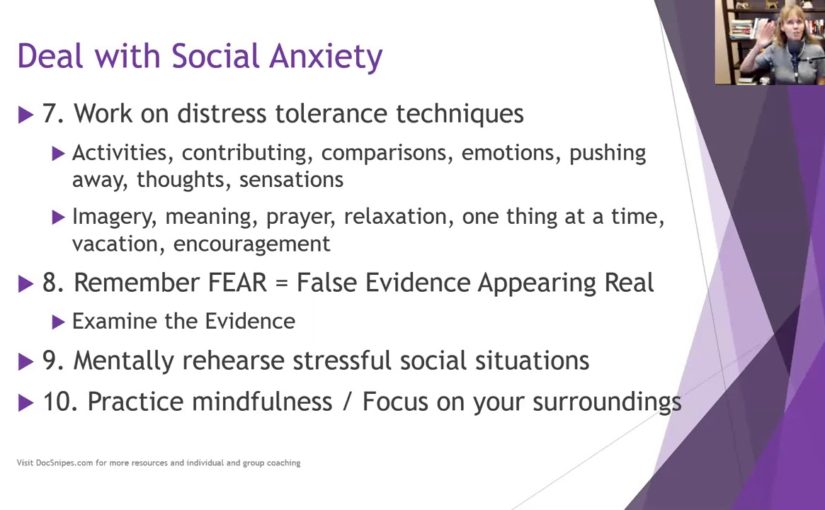

 Etc sometimes you need to
delay joint sessions until the parent or caregiver can offer the child support and sometimes that
means not even starting treatment really until the parent and caregiver parent or caregiver
can be on board now you can get started with psychoeducation emotions identification feelings
identification and stress management and coping skills you know there were not really
poking a bunch of bears so you can probably safely get started on that if it’s sometimes it’s
court-ordered and they have to start treatment by April 1st or something so there are things you can
do but you may need to delay the actual beginning of the trauma narrative until the parent is
able to be available to educate everybody on how therapy works and instill in everyone not just
the parent optima optimist that well optimism about the child’s potential for recovery you
know sometimes they’ve been dealing with this child’s acting out behaviors for so long they’re
just like you know we’ve already been to three other therapists I don’t know what’s going to
fix it or I’ve done everything I know how to do good luck so we can talk about you know a
different approach or we can talk about what they’ve done that’s worked for a short period
of time and build on those strengths to instill optimism and hope and empowerment so
initially, when we talk about psycho-education it’s important to provide accurate information
about the trauma when children are traumatized they can be confused and not completely understand
what happened they may blame themselves and they may hold on to myths because they’ve been misled
and/or deliberately given incorrect information so one of the best ways we can help is to correct
that information provides information about how often this happens and whether you know it’s okay
to do this that or the other psychoeducation clarifies inappropriate information children may
have obtained directly from the perpetrator or on their own so the perpetrator may have told them
that this is how I express love or this is how you need to be disciplined because you don’t learn
this is how I was disciplined whatever it is or they could have gotten it on their own they could
have gotten it from school from the internet or just come up with it in their little heads trying
to make sense of what happened psychoeducation also helps them identify safety issues the
difference between safe situations and dangerous situations and as we get through this I really
want you to get away from the notion that TF CBT and childhood trauma are only physical and sexual
abuse there are so many other traumas as evidenced by the adverse childhood experiences survey that
I want you to wrap your head around that and there are things they didn’t cover in the aces such as
bullying and natural disasters so we want to help children whatever the trauma is the trauma made
they feel unsafe so we want to identify safety issues if the trauma was a hurricane then we want
to talk about what hurricanes are how often they hit what to safety plan etc so every time a
the thunderstorm comes they don’t freak out and we want to use psychoeducation to provide another
way to target faulty or maladaptive beliefs by helping to normalize thoughts and feelings about
the traumatic experience you know it makes sense that that was scary and makes sense that
you’re angry it makes sense that you feel this way and we can talk about why that makes
sense and why it makes you feel that way through cycle education you’re getting the child to start
talking about the specific trauma that he or she experienced in a less anxiety-provoking way by
talking in Jen wrong about the type of trauma so you’re talking about natural disasters you’re
talking about plane crashes you’re talking about domestic violence so they start learning about
it and then eventually you’re going to move down to their experience with it so like I said there
are a ton of different traumas and the ACE study even acknowledges that these are just the ten most
common ones that they heard however there are many many many different traumas and types of trauma
some of the biggest ones are physical and sexual abuse physical neglect emotional abuse
and neglect and the Aces identified mother treated violently I would say anyone in the household
treated violently it’s not just the mother’s substance misuse within the household and that
can be by the parents or by siblings household mental illness parental separation or divorce and
an incarcerated household member so those were aces but then like I said there’s also bullying
the death of a parent or sibling is extremely traumatic hurricane tornado natural disaster and
then I put the fire out separately because sometimes fire can be man-made sometimes it can be a wiring
problem but sometimes it can be Jr was playing with matches now even if jr.
Accidentally started
the fire does that make it any less traumatic no it probably makes it more traumatic because then
there’s a whole sense of guilt and responsibility but it’s still a trauma that has to be dealt
with so I put a link to the adverse childhood experiences website if you want to go look more
about that but we’re going to move on psycho-education involves specific information about
the traumatic events the child has experienced not the child’s event we’re not going to go
into police records or something, we’re just going to talk about specific information about
domestic violence or whatever body awareness and sex education in cases of physical or sexual
maltreatment and there are caveats for getting parental consent and permission and all that other
stuff and Risk Reduction skills to decrease the risk of future traumatization now going back to
those other things it’s not just about physical or sexual abuse so we want to look at what was the
the risk created by you know how can you reduce your risk of being bullied how can you reduce your
risk of being traumatized in a tornado you know you can’t stop the tornado from coming
and they’re everywhere so what do you do and talk about a safety plan the same thing with fire
information needs to be tailored to fit a child’s particularly particular experiences and level
of knowledge obviously, you’re going to provide different information to a seven-year-old than
you are to a 17-year-old provide caregivers with handout materials to reinforce the information
discussed in session so this may help educate the parents about some of it but it lets them
know what you talked about and it gets us all on the literal same page you’re providing them a
handout of everything you went over with Junior and we want to encourage caregivers to discuss
this information at home reinforces accurate information about how safe or unsafe they
are and obviously, we’re going towards safe and reinforced accurate information and develop
a safety plan so they feel confident that at home they’re going to be taken care of when you
start psychoeducation you do want to get a sense of what the child already knows and you can use
a question-and-answer game format in which the child gets points for answering questions which I
love this suggestion so you can ask them if you know what is a hurricane or is a tornado and see
if they know and see if they know how much time and much-advanced warning we have for a tornado
versus a hurricane or you know whatever situation you’re talking about you see I did a lot of posts
Hurricane Katrina counseling in northern Florida so that’s one of those things that comes up for
I am talking with children about how likely is it that a category 5 hurricane is going to hit
again but encouraging them to give your aunt’s give answers and if they give the wrong answer you
know it’s great to try now you know try to coach them into a correct answer or provide them the correct
one but give them credit for at least making an effort sample questions might include what is
you know and put in the type of trauma what is bullying how often do you think bullying happens
and why does bullying happen you know those are some questions you can ask to just open a dialogue
about bullying, if this child has been a victim of bullying and is and is traumatized so cultural
considerations meet the child and family where they are by presenting information in a way which
they can relate it to their belief system and you may need to consult with their spiritual
guidance guides leaders whether it be a pastor or you know whatever to get some guidance
on how to handle certain aspects of whether it was the will of God and in the case of sexual abuse
how to handle the concept of virginity and how to handle the concept of bad things happening to bad
people and whatever else they think is coming from or their parents are instilling in them in a
belief system we want to make sure that we’re not necessarily contradicting it and going oh mom dad
and the church is wrong but we also want to help them try to integrate this in a way that can help
they have strong self-esteem so reaching out to those spiritual leaders and the family asking what
their belief system about certain things can be very helpful assess the general beliefs about
the trauma if something happened or when something happens ask the parent or the family that’s there
not necessarily the child but you want to get a sense of what the family stance is on why this
happened what it means how it’s going to impact life hence foreign henceforth and forever more
focus on the events they perceive as traumatic to the family but most especially the child if the
child’s going back to the Aces you know maybe the parents got divorced but the child doesn’t
see that as traumatic because there was domestic violence ahead of time the domestic violence was
traumatic the divorce was a relief so wherever the child is with each trauma we want to
be respectful of what they perceive is traumatic and tailor the information so the family can be
more receptive to it as supportive as possible and sometimes you need to make sure that the language
you know make sure the language is not jargony about general views of mental health and mental health
treatment should also be assessed and addressed in the psychoeducation piece not only with the child
but also with the family, if they are suspicious of it don’t understand it think that you’re just
going to magically fix Junior we want to demystify the process and talk about what is the purpose of
the assessment what is the purpose of each one of these activities and why am I doing this or why
are we doing this as a team and how can it help and then we also want to provide information to
D stigmatize and normalize mental health issues and seeking treatment some cultures are still
resistant to seeking treatment and I use the term cultures broadly because there’s
a stigma associated with it so normalizing for them how many people go to treatment how common
PTSD is or whatever the situation you’re dealing with it doesn’t mean they have to like it but at
At least it will give them a little bit of a nugget to understand that they’re not the only ones if
they are from a cultural group a minority cultural group of some sort you might want to provide
information about how common this particular issue is in their group I’ve done a lot of work
with law enforcement and emergency responders and they’re kind of their little group so
we talk about how common depression is among law enforcement and emergent emergency responders
specifically, because they face so much so many different stressors than you know Joe Schmo over
here so it D stigmatizes and normalizes a little bit now they still may not talk about it and
go well hey you know 37% of us have clinical depression no that’s probably not going to happen
but at least in the back of their mind, they can go you know what I’m looking around this room and
I can bet that at least one other person’s on antidepressants or something and feel a little
less unique and isolated in parent sessions you want to provide a rationale and overview of the
treatment model educates parents about the trauma and talks about the child’s trauma-related symptoms
so we’re going to go over what is hyper-vigilance what is the function it why people become
hypervigilant after trauma and what might it look like in a child because it presents very
differently for different children so we might want to give some ideas and say does this sound
like Johnny or does this sound like Johnny and help them understand why these behaviors may
be coming out we want to talk about how early treatment helps prevent long-term problems okay
maybe the trauma happened three years ago but still, it’s better than waiting ten more years and
you know Johnny’s still not having any Ellucian will want to talk about the importance of talking
directly about the trauma to help the children cope with their experiences and not hedging and
this will be on a case-by-case basis but the manual walks you through handling this discussion with
the parents about exactly how much detail do I go into if Johnny brings it up at home reassure
parents that children will first be taught skills to help them cope with their discomfort
and that talking about the trauma will be done slowly with a great deal of support so we’re not
just going to plop them down and go okay and tell me about the day that all this happened which
is what the child has experienced already if it was reported to law enforcement and/or the child
welfare they’ve probably had somebody sit down and say get right to the nitty-gritty at least
once or twice and it’s completely dehumanizing so we want to reassure parents that we’re not
going to do that to the child again will help the caregiver understand their role in the child’s
treatment since this modified since this model emphasizes working together as a team so I’m not
just going to be educating you it’s not going to be a parallel thing where I go in and I work with
Johnny and then I tell you what I did and then I work with Johnny I’m going to work with Johnny
and then we’re going to discuss what Johnny and I did in session and I’m going to get input from
you and we’re going to talk about how you feel about it and then I’m going to provide you with tools
so you can help Johnny outside of the session because you’re going to be with them for six-and-a-half
other days that I’m not and this can’t work if it’s just one hour once a week and we want to
elicit parent input questions and suggestions as much as possible because they’ve been living with
their kid for you know however many years so they probably have an idea about what works and what
doesn’t so we’ll start with both parents and children in their respective sessions helping
them understand what control breathing is and how it helps slow the heart rate and trigger the
wrist and digest sort of reaction in your body when your breathing slows your heart naturally
slows because the stress reaction tells your brain you’ve got to breathe fast and the heart
rates got to go fast well when you override that then you’re kind of overriding the whole system
and we’ll also talk about thought stopping and this is especially helpful if the trauma is recent
or and/or ever-present in the mind of the youth so they can say I am NOT going to talk about that right
now I’m not going to think about that right talk about distraction techniques go back to
your DBT stuff talks about improving the moment and accepts to help the child develop skills to
handle and work through when those thoughts pop up replace unthawed unwanted thoughts with
a pleasant one so talk about it in session when thoughts like that come up what would you
prefer to think about and then really get into the Nitty Gritty the five senses what do you see
smell hear taste you know help me get into that situation or that thought this teaches that
thoughts even unexpected and intrusive ones can be controlled so that gives them hope and again we’re
not exacerbating the thoughts right now we’re not bringing up their particular trauma and
having them get into detail we are just helping them deal with what’s happening normally on a
day-to-day basis so they feel like they have more control for the older kids you can have them
people log about when this technique is used what they were thinking about and how effective the
thought stopping was and then review it and help them tune it up if it’s not really effective and
give them praise for when they use it effectively relaxation training persons of Asian or Hispanic
origin tend to express stress in more somatic or physical terms so just be aware of that but that
doesn’t mean that Caucasians don’t relaxation training is good for anyone and the medical
school of South Carolina training recommended that relaxation is stress-free and
workbook by Davis Schulman and McKay so and it is still in publication when deciding how to
present relaxation techniques are creative have the child help you to integrate the elements
into the technique that makes it more relevant to them so, what are you thinking about when you
relax you know I know I like to go to the woods but maybe this kid likes to think about a video
game or play with their dog whatever it is but helps them make it relevant to them and then have
they identify other things they do to relax like drawing listening to music walking and making a
list of those things so they can refer to it when you’re teaching relaxation training especially if
you’re doing something like progressive muscular relaxation be sensitive to the child’s wishes if
they don’t wish to close their eyes or lie down which could trigger memories of the trauma we’re
not going there yet so if they feel vulnerable lying down or taking orders like that because
you can imagine how being told to lie down and close their eyes might be a trigger for certain
abuse survivors you know be cognizant of that and say you know get into a comfortable position
or how where would you like to sit while we talk about this like I said parents can often
benefit from the relaxation training as well so because they’re dealing with their issues
about the trauma but they’re also dealing with trying to figure out how to help Johnny and any
of them deal with any of Johnny’s misbehaviors or problematic behaviors then they move on to
feelings identification so it helps the therapist judge the child’s ability to articulate feelings
if you can tell me what makes you happy that’s great but if you can’t then you know we need to
work on figuring out what makes you happy you also want to help the child rate the intensity
of the emotion don’t let them stick with happy mad sad glad and afraid you know let’s talk about
different emotions and use the emotion chart with little faces on it or you can use the emotion
thermometer so is it a hot emotion or is it a cool emotion and helps the child
learn how to express feelings appropriately in different situations I mean sometimes they’re
going to be angry but it might not be appropriate to you know get up and stomp out of the room or
whatever however they communicate it so help them figure out how to articulate that so they can be
heard and supported some children have difficulty discussing or identifying their feelings so
you might try stepping back and discussing the feelings of other children or characters from
books or stories so you know think about Puff the Magic Dragon if they’ve read that you know
that dates me a little bit there but you know how did the little boy feel and talking about things
different characters and different stories where there are elements of anger and shame and loss and
all of that stuff helps children identify how they experience emotions if they seem detached
from the experience because sometimes they just they’ve shut it off it was just too overwhelming
so we want to talk about you know when you’re happy what does that feel like or when you’re
angry what happens what does your body feel like when you’re angry and they might be able
to tell you they hear their heartbeat in their ears or everything gets all fuzzy or whatever
but help them start tuning in to how they react and connecting that with an emotional word and then
after all, that’s done they can identify feelings they can identify feeling intensity now we want to
differentiate between thoughts and feelings many children describe thoughts when they’ve been
asked about a feeling so if you ask them how they feel they may say I want to run away so
you want to say okay well I hear that you want to run away so I’m wondering if you are bored and you
you’re bored and want to get away from it or if you’re scared can you tell me a little bit more
about what it means to you to want to run away during feelings identification the parent
sessions normalize what is going on with their child and help the parent understand that some
children may be seemingly in constant distress or detached from the trauma and that’s okay
we all react differently to traumas so again we’re going to share with the parents what we’re
Do let them know any specific difficulties if any juniors have encouraged the parent to praise
the child for appropriate management of difficult motions and I put in parenthesis successive
approximations because they’re not going to get it a hundred percent right every time so if they
try to effectively manage their emotions even a little bit let’s give them praise for that and
then help them figure out how to do it a little bit better the next time so instead of having a
complete meltdown maybe they got up and stomped out of the room well that’s an improvement so
then we want to talk about how to shape that behavior so it’s a more appropriate communication
if parents have difficulty identifying their own emotions provide them with examples so
continually ask them questions about how you feel when it’s a rainy day outside and how to do you
feel when somebody’s supposed to call you and they don’t how do you feel when and have about 15 or 20
examples and you can have them on a piece of paper and even give it to the parent to take home for
their homework if parents are overcome with their own emotions about the trauma validate
their feelings and explain how children need to see that their parents can handle talking
about the trauma so there the children need to see the strength and the parents which is what you’re
going to work on in parent sessions to make sure that the parents have the resolve and the skills
handle talking about this topic with junior TFC BT can be an effective intervention
for children or adolescents whose primary presenting issue is trauma-related emotional or
behavioral dysregulation TF CBT is not appropriate for clients who are actively suicidal and severely
depressed or currently abusing substances we want to make sure they’re clean
and sober as much as possible TF CBT starts with psychoeducation and then teaches stress
management and coping skills to aid in the management of distressing feelings psycho IDI
helps to clarify the inappropriate information children may have and start getting them a little
a bit more comfortable talking about the topic in general before we start going deeper and
feelings identification helps participants start effectively labeling and communicating their
feelings so they can receive the support and nurturance they need from their caregivers
and their support system if you enjoy this podcast please like and subscribe either in your
podcast player or on YouTube you can attend and participate in our live webinars with dr.
Snipes
by subscribing to all CEUs comm slash counselor toolbox this episode has been brought to you in
part by all CEUs calm providing 24/7 multimedia continuing education and pre-certification
training to counselors therapists and nurses since 2006 use coupon code consular toolbox to
get a 20% discount on your order this month.
Etc sometimes you need to
delay joint sessions until the parent or caregiver can offer the child support and sometimes that
means not even starting treatment really until the parent and caregiver parent or caregiver
can be on board now you can get started with psychoeducation emotions identification feelings
identification and stress management and coping skills you know there were not really
poking a bunch of bears so you can probably safely get started on that if it’s sometimes it’s
court-ordered and they have to start treatment by April 1st or something so there are things you can
do but you may need to delay the actual beginning of the trauma narrative until the parent is
able to be available to educate everybody on how therapy works and instill in everyone not just
the parent optima optimist that well optimism about the child’s potential for recovery you
know sometimes they’ve been dealing with this child’s acting out behaviors for so long they’re
just like you know we’ve already been to three other therapists I don’t know what’s going to
fix it or I’ve done everything I know how to do good luck so we can talk about you know a
different approach or we can talk about what they’ve done that’s worked for a short period
of time and build on those strengths to instill optimism and hope and empowerment so
initially, when we talk about psycho-education it’s important to provide accurate information
about the trauma when children are traumatized they can be confused and not completely understand
what happened they may blame themselves and they may hold on to myths because they’ve been misled
and/or deliberately given incorrect information so one of the best ways we can help is to correct
that information provides information about how often this happens and whether you know it’s okay
to do this that or the other psychoeducation clarifies inappropriate information children may
have obtained directly from the perpetrator or on their own so the perpetrator may have told them
that this is how I express love or this is how you need to be disciplined because you don’t learn
this is how I was disciplined whatever it is or they could have gotten it on their own they could
have gotten it from school from the internet or just come up with it in their little heads trying
to make sense of what happened psychoeducation also helps them identify safety issues the
difference between safe situations and dangerous situations and as we get through this I really
want you to get away from the notion that TF CBT and childhood trauma are only physical and sexual
abuse there are so many other traumas as evidenced by the adverse childhood experiences survey that
I want you to wrap your head around that and there are things they didn’t cover in the aces such as
bullying and natural disasters so we want to help children whatever the trauma is the trauma made
they feel unsafe so we want to identify safety issues if the trauma was a hurricane then we want
to talk about what hurricanes are how often they hit what to safety plan etc so every time a
the thunderstorm comes they don’t freak out and we want to use psychoeducation to provide another
way to target faulty or maladaptive beliefs by helping to normalize thoughts and feelings about
the traumatic experience you know it makes sense that that was scary and makes sense that
you’re angry it makes sense that you feel this way and we can talk about why that makes
sense and why it makes you feel that way through cycle education you’re getting the child to start
talking about the specific trauma that he or she experienced in a less anxiety-provoking way by
talking in Jen wrong about the type of trauma so you’re talking about natural disasters you’re
talking about plane crashes you’re talking about domestic violence so they start learning about
it and then eventually you’re going to move down to their experience with it so like I said there
are a ton of different traumas and the ACE study even acknowledges that these are just the ten most
common ones that they heard however there are many many many different traumas and types of trauma
some of the biggest ones are physical and sexual abuse physical neglect emotional abuse
and neglect and the Aces identified mother treated violently I would say anyone in the household
treated violently it’s not just the mother’s substance misuse within the household and that
can be by the parents or by siblings household mental illness parental separation or divorce and
an incarcerated household member so those were aces but then like I said there’s also bullying
the death of a parent or sibling is extremely traumatic hurricane tornado natural disaster and
then I put the fire out separately because sometimes fire can be man-made sometimes it can be a wiring
problem but sometimes it can be Jr was playing with matches now even if jr.
Accidentally started
the fire does that make it any less traumatic no it probably makes it more traumatic because then
there’s a whole sense of guilt and responsibility but it’s still a trauma that has to be dealt
with so I put a link to the adverse childhood experiences website if you want to go look more
about that but we’re going to move on psycho-education involves specific information about
the traumatic events the child has experienced not the child’s event we’re not going to go
into police records or something, we’re just going to talk about specific information about
domestic violence or whatever body awareness and sex education in cases of physical or sexual
maltreatment and there are caveats for getting parental consent and permission and all that other
stuff and Risk Reduction skills to decrease the risk of future traumatization now going back to
those other things it’s not just about physical or sexual abuse so we want to look at what was the
the risk created by you know how can you reduce your risk of being bullied how can you reduce your
risk of being traumatized in a tornado you know you can’t stop the tornado from coming
and they’re everywhere so what do you do and talk about a safety plan the same thing with fire
information needs to be tailored to fit a child’s particularly particular experiences and level
of knowledge obviously, you’re going to provide different information to a seven-year-old than
you are to a 17-year-old provide caregivers with handout materials to reinforce the information
discussed in session so this may help educate the parents about some of it but it lets them
know what you talked about and it gets us all on the literal same page you’re providing them a
handout of everything you went over with Junior and we want to encourage caregivers to discuss
this information at home reinforces accurate information about how safe or unsafe they
are and obviously, we’re going towards safe and reinforced accurate information and develop
a safety plan so they feel confident that at home they’re going to be taken care of when you
start psychoeducation you do want to get a sense of what the child already knows and you can use
a question-and-answer game format in which the child gets points for answering questions which I
love this suggestion so you can ask them if you know what is a hurricane or is a tornado and see
if they know and see if they know how much time and much-advanced warning we have for a tornado
versus a hurricane or you know whatever situation you’re talking about you see I did a lot of posts
Hurricane Katrina counseling in northern Florida so that’s one of those things that comes up for
I am talking with children about how likely is it that a category 5 hurricane is going to hit
again but encouraging them to give your aunt’s give answers and if they give the wrong answer you
know it’s great to try now you know try to coach them into a correct answer or provide them the correct
one but give them credit for at least making an effort sample questions might include what is
you know and put in the type of trauma what is bullying how often do you think bullying happens
and why does bullying happen you know those are some questions you can ask to just open a dialogue
about bullying, if this child has been a victim of bullying and is and is traumatized so cultural
considerations meet the child and family where they are by presenting information in a way which
they can relate it to their belief system and you may need to consult with their spiritual
guidance guides leaders whether it be a pastor or you know whatever to get some guidance
on how to handle certain aspects of whether it was the will of God and in the case of sexual abuse
how to handle the concept of virginity and how to handle the concept of bad things happening to bad
people and whatever else they think is coming from or their parents are instilling in them in a
belief system we want to make sure that we’re not necessarily contradicting it and going oh mom dad
and the church is wrong but we also want to help them try to integrate this in a way that can help
they have strong self-esteem so reaching out to those spiritual leaders and the family asking what
their belief system about certain things can be very helpful assess the general beliefs about
the trauma if something happened or when something happens ask the parent or the family that’s there
not necessarily the child but you want to get a sense of what the family stance is on why this
happened what it means how it’s going to impact life hence foreign henceforth and forever more
focus on the events they perceive as traumatic to the family but most especially the child if the
child’s going back to the Aces you know maybe the parents got divorced but the child doesn’t
see that as traumatic because there was domestic violence ahead of time the domestic violence was
traumatic the divorce was a relief so wherever the child is with each trauma we want to
be respectful of what they perceive is traumatic and tailor the information so the family can be
more receptive to it as supportive as possible and sometimes you need to make sure that the language
you know make sure the language is not jargony about general views of mental health and mental health
treatment should also be assessed and addressed in the psychoeducation piece not only with the child
but also with the family, if they are suspicious of it don’t understand it think that you’re just
going to magically fix Junior we want to demystify the process and talk about what is the purpose of
the assessment what is the purpose of each one of these activities and why am I doing this or why
are we doing this as a team and how can it help and then we also want to provide information to
D stigmatize and normalize mental health issues and seeking treatment some cultures are still
resistant to seeking treatment and I use the term cultures broadly because there’s
a stigma associated with it so normalizing for them how many people go to treatment how common
PTSD is or whatever the situation you’re dealing with it doesn’t mean they have to like it but at
At least it will give them a little bit of a nugget to understand that they’re not the only ones if
they are from a cultural group a minority cultural group of some sort you might want to provide
information about how common this particular issue is in their group I’ve done a lot of work
with law enforcement and emergency responders and they’re kind of their little group so
we talk about how common depression is among law enforcement and emergent emergency responders
specifically, because they face so much so many different stressors than you know Joe Schmo over
here so it D stigmatizes and normalizes a little bit now they still may not talk about it and
go well hey you know 37% of us have clinical depression no that’s probably not going to happen
but at least in the back of their mind, they can go you know what I’m looking around this room and
I can bet that at least one other person’s on antidepressants or something and feel a little
less unique and isolated in parent sessions you want to provide a rationale and overview of the
treatment model educates parents about the trauma and talks about the child’s trauma-related symptoms
so we’re going to go over what is hyper-vigilance what is the function it why people become
hypervigilant after trauma and what might it look like in a child because it presents very
differently for different children so we might want to give some ideas and say does this sound
like Johnny or does this sound like Johnny and help them understand why these behaviors may
be coming out we want to talk about how early treatment helps prevent long-term problems okay
maybe the trauma happened three years ago but still, it’s better than waiting ten more years and
you know Johnny’s still not having any Ellucian will want to talk about the importance of talking
directly about the trauma to help the children cope with their experiences and not hedging and
this will be on a case-by-case basis but the manual walks you through handling this discussion with
the parents about exactly how much detail do I go into if Johnny brings it up at home reassure
parents that children will first be taught skills to help them cope with their discomfort
and that talking about the trauma will be done slowly with a great deal of support so we’re not
just going to plop them down and go okay and tell me about the day that all this happened which
is what the child has experienced already if it was reported to law enforcement and/or the child
welfare they’ve probably had somebody sit down and say get right to the nitty-gritty at least
once or twice and it’s completely dehumanizing so we want to reassure parents that we’re not
going to do that to the child again will help the caregiver understand their role in the child’s
treatment since this modified since this model emphasizes working together as a team so I’m not
just going to be educating you it’s not going to be a parallel thing where I go in and I work with
Johnny and then I tell you what I did and then I work with Johnny I’m going to work with Johnny
and then we’re going to discuss what Johnny and I did in session and I’m going to get input from
you and we’re going to talk about how you feel about it and then I’m going to provide you with tools
so you can help Johnny outside of the session because you’re going to be with them for six-and-a-half
other days that I’m not and this can’t work if it’s just one hour once a week and we want to
elicit parent input questions and suggestions as much as possible because they’ve been living with
their kid for you know however many years so they probably have an idea about what works and what
doesn’t so we’ll start with both parents and children in their respective sessions helping
them understand what control breathing is and how it helps slow the heart rate and trigger the
wrist and digest sort of reaction in your body when your breathing slows your heart naturally
slows because the stress reaction tells your brain you’ve got to breathe fast and the heart
rates got to go fast well when you override that then you’re kind of overriding the whole system
and we’ll also talk about thought stopping and this is especially helpful if the trauma is recent
or and/or ever-present in the mind of the youth so they can say I am NOT going to talk about that right
now I’m not going to think about that right talk about distraction techniques go back to
your DBT stuff talks about improving the moment and accepts to help the child develop skills to
handle and work through when those thoughts pop up replace unthawed unwanted thoughts with
a pleasant one so talk about it in session when thoughts like that come up what would you
prefer to think about and then really get into the Nitty Gritty the five senses what do you see
smell hear taste you know help me get into that situation or that thought this teaches that
thoughts even unexpected and intrusive ones can be controlled so that gives them hope and again we’re
not exacerbating the thoughts right now we’re not bringing up their particular trauma and
having them get into detail we are just helping them deal with what’s happening normally on a
day-to-day basis so they feel like they have more control for the older kids you can have them
people log about when this technique is used what they were thinking about and how effective the
thought stopping was and then review it and help them tune it up if it’s not really effective and
give them praise for when they use it effectively relaxation training persons of Asian or Hispanic
origin tend to express stress in more somatic or physical terms so just be aware of that but that
doesn’t mean that Caucasians don’t relaxation training is good for anyone and the medical
school of South Carolina training recommended that relaxation is stress-free and
workbook by Davis Schulman and McKay so and it is still in publication when deciding how to
present relaxation techniques are creative have the child help you to integrate the elements
into the technique that makes it more relevant to them so, what are you thinking about when you
relax you know I know I like to go to the woods but maybe this kid likes to think about a video
game or play with their dog whatever it is but helps them make it relevant to them and then have
they identify other things they do to relax like drawing listening to music walking and making a
list of those things so they can refer to it when you’re teaching relaxation training especially if
you’re doing something like progressive muscular relaxation be sensitive to the child’s wishes if
they don’t wish to close their eyes or lie down which could trigger memories of the trauma we’re
not going there yet so if they feel vulnerable lying down or taking orders like that because
you can imagine how being told to lie down and close their eyes might be a trigger for certain
abuse survivors you know be cognizant of that and say you know get into a comfortable position
or how where would you like to sit while we talk about this like I said parents can often
benefit from the relaxation training as well so because they’re dealing with their issues
about the trauma but they’re also dealing with trying to figure out how to help Johnny and any
of them deal with any of Johnny’s misbehaviors or problematic behaviors then they move on to
feelings identification so it helps the therapist judge the child’s ability to articulate feelings
if you can tell me what makes you happy that’s great but if you can’t then you know we need to
work on figuring out what makes you happy you also want to help the child rate the intensity
of the emotion don’t let them stick with happy mad sad glad and afraid you know let’s talk about
different emotions and use the emotion chart with little faces on it or you can use the emotion
thermometer so is it a hot emotion or is it a cool emotion and helps the child
learn how to express feelings appropriately in different situations I mean sometimes they’re
going to be angry but it might not be appropriate to you know get up and stomp out of the room or
whatever however they communicate it so help them figure out how to articulate that so they can be
heard and supported some children have difficulty discussing or identifying their feelings so
you might try stepping back and discussing the feelings of other children or characters from
books or stories so you know think about Puff the Magic Dragon if they’ve read that you know
that dates me a little bit there but you know how did the little boy feel and talking about things
different characters and different stories where there are elements of anger and shame and loss and
all of that stuff helps children identify how they experience emotions if they seem detached
from the experience because sometimes they just they’ve shut it off it was just too overwhelming
so we want to talk about you know when you’re happy what does that feel like or when you’re
angry what happens what does your body feel like when you’re angry and they might be able
to tell you they hear their heartbeat in their ears or everything gets all fuzzy or whatever
but help them start tuning in to how they react and connecting that with an emotional word and then
after all, that’s done they can identify feelings they can identify feeling intensity now we want to
differentiate between thoughts and feelings many children describe thoughts when they’ve been
asked about a feeling so if you ask them how they feel they may say I want to run away so
you want to say okay well I hear that you want to run away so I’m wondering if you are bored and you
you’re bored and want to get away from it or if you’re scared can you tell me a little bit more
about what it means to you to want to run away during feelings identification the parent
sessions normalize what is going on with their child and help the parent understand that some
children may be seemingly in constant distress or detached from the trauma and that’s okay
we all react differently to traumas so again we’re going to share with the parents what we’re
Do let them know any specific difficulties if any juniors have encouraged the parent to praise
the child for appropriate management of difficult motions and I put in parenthesis successive
approximations because they’re not going to get it a hundred percent right every time so if they
try to effectively manage their emotions even a little bit let’s give them praise for that and
then help them figure out how to do it a little bit better the next time so instead of having a
complete meltdown maybe they got up and stomped out of the room well that’s an improvement so
then we want to talk about how to shape that behavior so it’s a more appropriate communication
if parents have difficulty identifying their own emotions provide them with examples so
continually ask them questions about how you feel when it’s a rainy day outside and how to do you
feel when somebody’s supposed to call you and they don’t how do you feel when and have about 15 or 20
examples and you can have them on a piece of paper and even give it to the parent to take home for
their homework if parents are overcome with their own emotions about the trauma validate
their feelings and explain how children need to see that their parents can handle talking
about the trauma so there the children need to see the strength and the parents which is what you’re
going to work on in parent sessions to make sure that the parents have the resolve and the skills
handle talking about this topic with junior TFC BT can be an effective intervention
for children or adolescents whose primary presenting issue is trauma-related emotional or
behavioral dysregulation TF CBT is not appropriate for clients who are actively suicidal and severely
depressed or currently abusing substances we want to make sure they’re clean
and sober as much as possible TF CBT starts with psychoeducation and then teaches stress
management and coping skills to aid in the management of distressing feelings psycho IDI
helps to clarify the inappropriate information children may have and start getting them a little
a bit more comfortable talking about the topic in general before we start going deeper and
feelings identification helps participants start effectively labeling and communicating their
feelings so they can receive the support and nurturance they need from their caregivers
and their support system if you enjoy this podcast please like and subscribe either in your
podcast player or on YouTube you can attend and participate in our live webinars with dr.
Snipes
by subscribing to all CEUs comm slash counselor toolbox this episode has been brought to you in
part by all CEUs calm providing 24/7 multimedia continuing education and pre-certification
training to counselors therapists and nurses since 2006 use coupon code consular toolbox to
get a 20% discount on your order this month.