This episode was pre-recorded as part of
a live continuing education webinar. On-demand CEUs are still available for this
presentation through ALLCEUs. Register at ALLCEUs.com/CounselorToolbox. I’d like to welcome you to today’s
presentation on the sociological approach to reducing risk and building
resilience. As I was putting together This presentation it was kind of like
right in the wake of when Harvey hit.
And then you know recently we’ve had the
shooting in Las Vegas, and some of the counselors, especially counselors in
training that can’t be practiced independently yet that are in some of my
social media groups and in my professional groups have been talking
about how frustrating it is and even some of us who are licensed but just
can’t wake up and go help the Red Cross right now about how frustrating it is
not to be able to help and how much we want to help so what I usually do
because you know I I’m generally not upwardly mobile where I can just drop
everything and go to a crisis what I did after 9/11 was look at what things
in that situation could I positively impact and how could I do it in a way
that made sense but you know for my life because I can’t you know at that point I
for 9/11 I had an infant at home and you know other stuff so we’re going to look
when we’re talking about addressing issues like the opiate epidemic or the
major problem of depression almost I guess anxiety almost one in four people
has anxiety issues and we’re gonna look at some of that and try to figure out
what can be done what can we do from where we are in a way that makes sense
because yes we can influence politics and advocacy but what can we do with
small chunks of time that are beneficial to helping the cause as well as you know
could help the clients we have currently so we’ll define the
socio-ecological not model which is Broth and Brenner’s model we’re going to
apply it to addiction and mental health issues and explore different variables
in this model and then discuss how this framework can be used in prevention and
treatment of co-occurring or independently occurring disorders so
we’re going to talk about how it may
sense to conceptualize not only the development of addiction but also the
development of things like eating disorders and mood disorders in terms of
a socio-ecological model and even some things like bipolar and
schizophrenia can be a person being genetically predisposed or whatever but
there could be certain environmental factors that could you know trigger that
first psychotic episodes so we want to look at what might be going on and how
can we help prevent or treat now prevention can take the form of
three different activities if you will prevent the problem so helping people
not get depressed at all ever so starting to provide those skills and
tools when people are knee-high to a grasshopper hopefully preventing
worsening of the problem so people don’t get severely clinically depressed where
they can’t get out of bed so the early intervention services and effective you
know frontline resources and preventing associated fallout okay the person gets
to press gets clinically depressed well let’s see if we can help them avoid
losing their job because they can’t get out of bed to go to work develop
additional health problems from being depressed or developing an addiction in
order to self-medicate that depression so we’ve there are three different
methods or avenues we can take in prevention and you know we want
to look at them all because when you’ve got somebody who’s becoming clinically
depressed you know they’re depressed you know situationally whatever something
happened and it started to turn into something more than just a couple of
days it’s going to start having associated fallout early and you know
it’s not going to be huge they’re not going to lose a job right off they’re
not going to start having major family problems right off but they are going to
start having little hiccups because that depression causes an imbalance in their
in their environment and we know environments like to maintain
homeostasis and you know the kids are gonna be like well Mom why aren’t you
getting up and doing these things and what’s going on and you know things are
going to start changing and the person will need to be able to deal with that
so the socio-ecological model explores and explains human behavior as the
interaction between the individual and environmental systems there’s
a fifth one that is more of your longitudinal but we’re going to
talk about the four main ones today the micro the meso the EXO and the macro
systems the microsystem involves well let’s start before that the individual
if you look at the model is sort of the bull’s eye here and the individual is
not considered a system but it involves all of the things about the
individual including biology and personal learning that make people who
they are okay so this person exists within a microsystem and that micro
system is their family peers School Church synagogue whatever and health
services things that they probably interface with regularly
work should also be on that but it’s for some reason it’s not on this diagram
anyway the mesosystem is the interconnection between microsystems so
how do family and peers interact I don’t know about you
thankfully my family might be very accepting of most of my peers but I know
other friends of mine who brought home peers who were not as well accepted by
their family so there was some conflict between the the family and the peers and
we know how much peer pressure and peer relationships are important in an
adolescents’ lives which creates conflict and consternation
how does the family interface with school how does Pierce how does
your peer group interact with school and do they see it
as a good thing to do they see it as worthwhile you know etc so when we’re
talking about the microsystem and the mesosystem we’re talking about
things that people interface with daily so I want you to think
about how the mesosystem and you can feel free to chime in on the chat
room if you want how does the mesosystem family peer
school church you know recreational activities health services impact the
development of mental health or illness now you notice I’m trying to kind of
switch ears for health because we want to promote health and we can look at the
opposite for mental illness but you know if you have positive family peer
interactions it’s probably going to support mental health it’s probably
going to support decision-making in the adolescent it’s probably going to I mean
and I’m thinking adults and adolescents here but family and friends you know if
you want to think about you know how do you get along with your significant
others peer groups and do they interface well or is it kind of like oil and water
how does the how does your family interface with your work how do they
deal with how many hours you have to work whether you’re getting called in at
night or getting emails or text messages at 8 p.m. or you know what
are their expectations and how does that influence if there’s a conflict you know
if the family doesn’t like what’s going on at work or the fact that you
know your boss is emailing you at 8 p.m. then it can create
conflict within the environment which can lead to increased anxiety and
depression and Yabadabadoo now how does mental health or illness impact the
mesosystem so again thinking about how if someone is clinically depressed how
does it impact their family how does it impact their peers and if you have a
family member who has you know clinical depression or generalized anxiety how
does it impact how your family interfaces with everything else because
you know you end up having somebody or somebody in the family who may be
caretaking for the person who has depression or anxiety or whatever the
mental health issue is who’s not able to do the stuff that they were able to do
so the rest of the families kind of pick slack so how does that affect how they
interface you know the rest of the family members interface with school and
work you know maybe they end up showing it
more exhausted so it’s important to look at the mesosystem
the exosystem involves links in a social setting in which the individual
does not have a direct active role so for example how would I impact my
spouse’s work and again if I am the identified patient and I’ve got clinical
depression and I’m calling my spouse to come home because I just can’t be alone
or my spouse is late to work or unproductive because he’s always
exhausted when he gets to work because he has so much to do since I am you know
not able to do as much right now then it could negatively impact his work and
so we want to look at how that impacts how the home environment impacts work
and how work impacts the home environment the macro system describes
the culture socioeconomic status poverty ethnicity etc so what we’re looking at
in the macro system is really the larger you know not just within your city maybe
or even closer to your neighborhood we’re looking at what you see in the media
what you see on national TV your your statewide elections your national
elections your state laws and culture and what’s being communicated if you
are a religious person what your religious culture communicates because
you know religion generally is not just in one little area it’s international or
national so what types of things does that communicate to to the person and
how does that influence the development or not development if you will of
depression anxiety or addiction so again think about how the exosystem of the
social setting in which the individual doesn’t have a directive or an active role
think about how much people were influenced after the elections I mean
yeah we had a role if you went out and voted you had a role but you don’t
decide the election so once that happens how do you know the exosystem
impact you know your your emotions your other
community events employment etc and how those things impact the family I know
you know there was a lot of consternation and concern among some of
my friends who are Jewish after the last election so their families experienced a
high ink or a great increase in anxiety development of mental health or mental
illness how does all this stuff that’s going on in the exosystem and
stuff that you don’t have direct control over how does it impact the development
of mental illness you know or mental health and we’re going to talk more
specifically in a couple of minutes and again likewise how does mental illness
or mental health impact the exosystem if you have a healthy workforce if you
have healthy people who are actively participating in work and going to community
activities voting to participate then you’re probably going to have a
healthier outcome than if you have people who are not able I mean they’re
so depressed they’re not able to even get out and participate so we want to
look at the reciprocal nature it’s not one way the community doesn’t just
affect us you know it may affect us but then how we react affects the community
how does the attitude of the culture impact the community if you’ve got a
a culture that is accepting of certain ideologies they’re accepting of LGBTQI
they’re accepting of people who are Muslim in their religion they’re
accepting of people who are Christian and their religion they’re accepting of
you know fill in the blank if the culture is accepting of that how does
that affect the community and those people within the community who might
you know otherwise not have been accepting does it kind of pressure them
in or does it cause anxiety and consternation in those people how
does the attitude of the culture for example about
premarital sex and marriage affect the family how does it affect the
development of and again we’re thinking about anxiety depression and addiction
so how does it affect the development of stress which may lead to mood disorders
or problems and how did the community families and individuals with mental
health or mental illness impacts the culture you know so we have an impact on
our culture we get together we see you know we have Generation X Generation Y
but the baby boomers all had their sort of or we all have our sort
of unique cultures and things that we bring to the table and things you know
that was given to us we said no we don’t want to thank you very much
so there is a give-and-take among the individuals within the
culture and that’s good because that means we can start small you know start
in our locale and create this positive mesosystem and then build from there if
If you have a positive community then that’s probably going to spread think
about when a company goes and dumps fertilizer for example into a waterway
it doesn’t just stay there over time that fertilizer bleeds out and
you start having algae blooms everywhere things don’t stay I mean in our society
things don’t stay in one place for very long they tend to move they tend to
migrate so positive will migrate that’s awesome
negative can also migrate so we want to look at how can we enhance the positive
migration and keep down the negative if you will so now let’s start talking
about what can we do and how can we operationalize all of this we realize
that if we affect the individual it’ll have a positive effect on the meso
system which can have a positive effect on the exosystem Yabadabadoo
so great we also realize that one of the only things we have a lot of
control over is the individual ourselves so a lot of people come to
counseling individually score so this is where we’re going to start
so what things contribute I start by listing risk factors for the
development of mood disorders and addictions and then we talk about capital you know what you have in order
to you need to have to prevent these things and then prevention
strategies so that’s kind of how we’re going to go it’s not going to stay
depressing individuals with chronic pain are at higher risk of mood disorders or
addiction addiction because of the pain management you know drugs that are out
there and you know once they start taking payment management drugs opiates
a lot of times the brain quits producing endogenous opioids the natural
painkillers so when they first come off the body doesn’t automatically pick up
so it takes a little while for the person’s pain tolerance to build back up
which keeps some people from wanting to get off the medication among other
things but chronic pain can also be debilitating it can make people lose
some abilities that they used to have or crush some dreams if you will you
no, I think I’ve told you before that I have a bad shoulder and carpal tunnel so I
can’t garden the way I used to you know I still go out and do it but I’ve got to
pay attention and only be out there for an hour too instead of spending six
hours out on the farm which is frustrating to me it was only mildly
frustrating but my grandfather when he started developing Parkinson’s couldn’t
make his miniatures anymore and he made gorgeous miniatures and I know that’s
not chronic pain but it’s kind of the same thing if you’ve got rheumatoid
arthritis he couldn’t make his miniatures and he became devastated and
became withdrawn so understanding that pain has multiple influences that can
cause depression that may trigger a grief reaction that we need to help
people address now the things I put in bold are things that we as clinicians
can easily help people prevent or/or address chronic pain we can help
For people with low self-esteem that’s a no-brainer
if people don’t feel good about themselves
and they’re looking for external validation they’re going to be at a higher
risk for anxiety fear of abandonment fear of not being good enough fear of
failure and depression a sense of hopelessness and helplessness substance
use especially early substance use can cause changes in the prefrontal cortex
leading to problems with impulse control and decision-making but it can also
disrupt the balance of neurochemicals leading to symptoms of depression and/or
anxiety so it’s important to understand that especially the earlier the
substance use starts the greater the chance that it’s going to cause some
sort of brain changes and we’ve also found that a lot of people, not the
majority but there is a percentage a significant percentage of people that
when they start using early they kind of quit developing coping skills after that
they find something that works they’re like oh I like this I think I’ll use
that from now on when we start talking about people who
started drinking or smoking marijuana when they were you know 9 10 11 12 you
might see more mood issues or addiction issues in those people than
people who didn’t start using mood-altering drugs as early as a history of
abuse can contribute to the development of PTSD but not everybody who
is abused develops PTSD but there can be episodes of anxiety and depression as
well as it increases the chances of the development of addiction genetic
vulnerability we know that mood disorders and addictions tend to run in
families and they’ve done studies that have shown that there is a genetic
component doesn’t mean it’s going to happen it just means you have this gene
there that could be triggered so we don’t want we want to make sure that
clients know that they are not just doomed you know they can prevent
triggering that but they need to be aware that they may be more vulnerable
inappropriate coping responses if we are not born with coping skills
so if somebody doesn’t know how to cope with life on life’s terms
because either because they’ve always been shielded or because they’ve never
had anybody helped them maybe they were kind of on their own from the
get-go so they learned to lash out and get angry or withdraw and get depressed
but they never really learned how to deal with the stuff they’re gonna be at
higher risk of mood and addictive disorders we can help people develop
coping responses are one of the things you want to look at when people are using
seemingly unhelpful behaviors is to remember to ask what is the cause of
this so we want to look at what is the root cause of what is prompting this
behavior and what is the benefit of the current behaviors and I’m going to keep
reminding you of that as we go through this violence and aggression you know
again what’s the cause of the violence and aggression did people do this person
learn that’s how you cope with distress in their family of origin is it a
protective mechanism because they’ve experienced situations where that has
helped them deal with conflict before what prompts this and what the benefit
to it when they act out when they’re violent and aggressive what is the
benefit it gives them power it pushes people away they just enjoy hurting
people hopefully that’s the minority but we want to ask that because we can’t
figure out an alternative until we know what the function is
same thing with risk-taking and impulsivity there are certain theories
that says some people need more stimulation than others they get bored
easily so they tend to be higher risk-takers and maybe more impulsive than you
want to ask if this person doing this you know I have a friend who is an
adrenaline junkie you know skydiving rock climbing you
name it he’s done it and you know more power to him I don’t see a purpose of
jumping out of a perfectly good airplane but he he thrives on that and when he
can’t get out and do those sorts of things he feels good so what is it about
this risk-taking and what kind of risk-taking it risk-taking as
in holding a balloon liquor store or is it risk-taking as
in doing something like skydiving which is theoretically safe and what’s the
benefit it makes gives them a rush makes
they feel good helps him you know escape or whatever great that’s fine
the rebellious nests you know again what is
and this is a key for adolescents especially but even if you’re a
supervisor working with employees if they’re being rebellious you want to
look and say what’s the point what’s the benefit to being rebellious what are
they holding on to and refusing to let go of that you want them to let go of or
what are they refusing to do that you want them to do and what’s the
benefit to it if they are being rebellious and they’re staying like
think again adolescents staying out all night OK well what’s a motivating factor
is it to get under their parent’s skin probably not is it to conform to peer
pressure you know oftentimes that’s maybe the case but you have to look at
the individual and say ok how can you do this in a way that helps you move
forward rejection of pro-social values if the people who espouse the
pro-social values are the people that the person rejects then they’re probably
going to reject those values so we want to look at you to know if you’re rejecting
those what values are you espousing and why are those important to you and
why are you rejecting these over here you know not saying it’s right or wrong
I’m just trying to understand where you’re coming from and you know that’s
something that we’ve got to be sensitive to and different people
are going to hold different values lack peer refusal skills to stay out late
to get into trouble to use drugs to have early sex whatever it is those things a
lot of times indicate poor communication skills and low self-esteem need to be
accepted you know all that stuff that’s challenging during during teen and early
adolescent years those are things we can help with being bullied you know that’s
a risk factor when people are bullied they tend to get depressed and when
they’re bullied they may turn to substances to try to make themselves
feel better to numb the pain they make self-injure there’s a lot of
different things might happen we can help people
develop skills to deal with being bullied since we don’t understand
a hundred percent why people bully we need to help the victims become
survivors we need to help them have the tools to be able to deal with it and
understand why it happens without letting it hurt them early and
persistent problem behaviors that’s just so broad but again look at why the
person’s child acting out an early sexual activity could be a history of sexual
abuse could be a dysfunctional family of origin and the child is trying to get
out I worked with a 14-year-old who once told me she was gonna get pregnant
as soon as she turned 15 because that’s when she could get into housing on her
own so she was intentionally going to get pregnant at 15 and there was a
reason for it she was very clear about her logic a lot of times it’s peer
pressure and acceptance but uh asking what is that what is the cause and is
this cause going to keep the person from developing healthy coping skills and
being happy is potentially going to lead to depression peer rejection you
know that hurts so helping people figure out how to navigate peer rejection
because you’re not going to be liked by everybody academic failure we can help
with now not necessarily as clinicians but we can advocate for the person we
can help them find tutors resources etc lack of information on positive health
behaviors put it out there most of the time youth these days have a pretty good
idea of what’s healthy and what’s not they just aren’t motivated for it
they’re motivated for something else when addictive behaviors are you used to
cope with stress or unpleasant feelings I said coping skills may fail to
develop or when they’re used to enhance self-confidence such as drinking before
going to a party then they may start to develop anxiety and self-consciousness
when they don’t have a drink on board so it may start
prompting the development of some mood disorders in addition to the fact that
repeated use especially in a young brain can cause some neurotransmitter
imbalances using addictive behaviors also to enhance other experiences ties
it to those experiences making them person more likely to use those and
similar situations desensitizing the brain’s pleasure centers so what am I
what do I mean I mean if you typically drink when you are watching football
then you’re going to be more likely to drink every time you watch football it’s
just one of those things you do when you watch football if you’re one of those
people who eat when they watch TV then when you watch TV you’re more likely to
eat when you go to the movies because that’s a similar situation you’re more
likely to want to have popcorn or eat so it’s important to understand that with
addictive behaviors if you have something that produces pleasure it can
be triggered you know the person can start thinking about it in a similar
situations using repeatedly can cause neurochemical imbalances in genetics you
know you can’t be born with a neurochemical imbalance not enough
serotonin too much whatever and poor health behaviors as I’ve talked about a
bunch of times not enough sleep quality poor nutrition and high stress
can also cause neurochemical imbalances so we can educate people about some of
the things that can cause depression and anxiety so they can prevent it we can
educate parents so they can start coaching their kids from the get-go so
personal recovery capital to develop what we need to be happy and healthy
human beings we have to have certain things to help us along the way we need
to have the things to enable us for physical health think about Maslow’s
pure hierarchy bottom level is all your health and biological needs we need to
have our physical health and that includes nutrition Slee
and you know not being in pain all the time sometimes you’re gonna feel pain
that’s being human that’s being alive but we need to have our health for the
the most part we need to have financial assets to get our basic needs met you
now get that food keep clothing on our back
transportation roof over our heads health insurance and access to medication and
there are two different things health insurance covers theoretically
going to the doctor and the mental health counselor etc access to
medication is not covered under a lot of insurance so remember that most
pharmaceutical companies have patient assistance programs that can help
clients access their medication if they can’t afford it because some medication
is a really expensive safe housing conduct that’s conducive to recovery and
that’s not just addictions if you’ve got somebody who is clinically depressed or
highly anxious living in a radically dysfunctional household where there’s
lots of yelling or arguing or other people who are similarly dysfunctional
it’s probably not going to prompt those positive cognitions and mindfulness and
everything that we’re trying to establish doesn’t mean they can move
unfortunately a lot of people can’t so we got to talk about how can you create
an area in your housing environment that’s safe people need to have adequate
clothing to stay warm to be able to dress for work and you know go
to their job and be dressed appropriately and transportation to get
their needs met most of us don’t live in a city where we can just walk but
walking I guess is a form of transportation we need to be able to
access the resources that are out there whether it be food or going to work so
we can pay our light bill or whatever it is
values awareness people need to know what’s important to them to
figure out what they need to do to be happy a sense of purpose helps people
keep going and we can help people with this I mean these are easy exercises
when you give them a values activity worksheet you know
what are your top five values when you look at the sense of purpose what is
your purpose in life and a lot of us don’t know but we know what we
want it to be or we can start theorizing about what is the purpose of what I do
as a job on a day-to-day basis, what is the purpose of this activity that I’m
doing so they can start to see some meaning in the stuff they do we can help
people develop hope and optimism and we’ve talked about that one people need
to have a perception of their past present and future they need to be able
to look over the past and it may suck or it may be great but they need to be able
to look back over it and go yep that’s it they need to be able to look at their
present and realistically assess what they’ve got and maybe what they don’t
have but realistically assess what they’ve got and look at their future and
go where do I want to go from here because you’re here and you don’t want
to stay here forever you can’t stay here forever because times gonna move on what
next people need to be able to see but understand that they’re not
necessarily controlled by their past or stuck in the present that they have the
ability to make choices every single moment to work toward what they want for
the future education training and job skills people need to be able to make a
living that’s just the way it is you need to be able to feed yourself and put
a roof over your head so we can make referrals to job training agencies we
can make referrals to social service agencies problem-solving skills
interpersonal skills and self-esteem are all things that we are super
skilled at teaching and we can teach these in chunks they don’t have to be
these long groups don’t have to be big drawn-out sessions we can provide
people snippets you can provide somebody with the concept of distressed tolerance and
the improve acronym in a handout and have them look at that or in an email
you know if you email your clients once each day or on your blog there are a lot
of different ways, you can just get that information out there and in front of
people so I can look at it I call I tell my
clients it’s bathroom reading you know I usually give them a handout or two and I
just put it on the back of the toilet and when you’re in there you know take a
look at it if it’s useful great if not bottle it up and throw it in the the
trashcan I’m good with that but there’s no
pressure and I’m not putting extra assignments on them I’m just providing
information about a skill and then if they want to pursue it further when they
come back to counseling we can talk about it so what can we do we can
promote positive health and wellness behaviors by educating people about why
they’re important and what to do and where to find more information you know
because some of these things like nutrition we can’t be prescriptive but
we can point people in the direction of where to get good advice and information and we can also model this you know in
our treatment plan at least in mind I try to make sure that people are putting
a print emphasizing getting enough
quality sleep eating well and maybe exercising at least moving around if
they don’t want to call it exercise but taking care of themselves and getting
some relaxation and recreation in their bonding to a pro-social culture is
difficult for us to do for people or do with people we can talk about what
are your hobbies what are things that you enjoy doing and encourage people to
try out volunteering or get involved in meetups to engage in activities
with other people but that’s something that they’re going to have to do
on their participation in extracurricular activities again kind of
the same thing we can point them in the right direction of volunteerism meetups
things through their through their church or their synagogue or their you
know whatever clubs that they’re involved in positive relationships with
adults now obviously this is more important if we’re working with children
or teenagers we want to help children and teenagers kind of see where adults
don’t have their head that far in the ground
but we also want to help adults learn how to more effectively communicate with
teenagers because a lot of adults lecture at and I know this and you’ll
you’ll understand when you’re older and you know lots of that kind of stuff
so things that we can do to enhance relationships with adults is to educate
people about you know how to effectively communicate with teenagers for
example who are trying to find their way and trying to assert independence and
resisting some rules how do you deal with that how do you communicate with
them in a way because a lot of parents have difficulty navigating that boundary
between friend and parent so we can help with that
active workshops in the community workshops you can do at churches at
libraries those are things you can do there you can put them on for like an
an hour once a month it’s good if you’re it’s free but it’s a good promotion for
your practice if you know you go out and do it and people come to learn something
from you, they’re like hey that might be helpful social competence it’s another
one of those things that we can do in little snippets we can provide tips and
tips and tools whether infographics on an Instagram page are really
useful for a lot of teenagers they want something that’s you know in a picture
and fast it’s a snapshot so social competence checklists are another
really good thing if you’re teaching different types of skills for
communication or how you’re supposed to use different forks I know the first
time I went to a formal dinner I was looking at all the silverware going I
have no idea what to do with this stuff the sense of well-being and
self-confidence we can help people develop this by encouraging them to
focus on what they do well we want to make sure they have plans
well that means goal setting and since a lot of people don’t know how to goal-set
they don’t have goals, so they’re just kind of floating out there not
looking at the future we want to help people look at the future and
figure out how they’re going to get there so they’re like wow this is
doable this is attainable this is another thing you can put work put
worksheets on your website you can do short workshops to help people
figure out how to look at how to define or learn how to define a rich and
meaningful life and figure out how they’re going to define their goals and
achieve their knowledge about risks associated with addictive
behaviors now a lot of kids you know think back to the old dare programs I
had a lot of clients tell me that those programs only taught me how to you
safely I was like well that’s not what they were intended for but we do want to
educate youth about you know still about the risks of some of those drugs and
even adults not just youth educate people about how dangerous or how
potentially addictive opiates for example can be after three to five days
your body has already started to build up a tolerance that’s kind of scary so
helping people understand that but also addictive behaviors like pornography a
lot of teens don’t think about it a lot of adults don’t think about
it until they’re stuck in it or online gambling you know those are some things
that can kind of catch people unawares because they didn’t think about it
wasn’t a substance we typically think of addictions as substances since it’s not
a substance they didn’t think about the effect that the pleasure from those
activities were going to have on our neurochemicals and create a
a situation where they didn’t feel okay they didn’t feel normal
they didn’t feel happy without having that in their life because their
dopamine receptors had been blunted individual prevention strategies
the big summary is we want to promote attitudes beliefs and behaviors
that ultimately provide the person with healthy coping skills whether it’s
through health class whether it’s through workshops I know at
organizations I’ve worked at before the Jaypee would come in and do periodic
workshops that’s a great way to connect with people and reduce utilization if
you do psycho-educational prevention group because an ounce of prevention is
worth a pound of cure we want to make sure that they’re aware of positive
health behaviors and how to access those resources in Gainesville I don’t know
about up here but I know in Gainesville the mall used to open at six o’clock in
the morning so people could walk inside in a safe place and you know be out of
the elements and yadda-yadda so just letting people know that that
existed was a big step because they were like well I don’t want to join a gym and
go to the mall with effective interpersonal skills we want to make sure people know
how to effectively communicate set boundaries all that stuff that we talked
about this can be taught it’s nice if your local news is willing to use you to
do you know wellness minute I find one of the best places to do that is
either right before or right after the weather because most everybody Tunes in
for the weather, I may not stick around for the animal of the day or whatever
well I always do but I’m always tuned in for the weather so if you get
either right before or right after that you tend to get higher viewership and
reach more people and a minute gives somebody a chunk of something that they
can use today-specific approaches may include education and life skills
training in schools you know is provided to the kids and have them share it
with their parents through the media and community center or library workshops
those are all great ways to get stuff out I encourage you if you want to get
into providing prevention and helping to help your community helping people to
prevent getting depressed or anxious or developing other problems to look at
doing some of these very time-limited things because you don’t want to
lose a lot of billable hours but we still want to be able to do more than
we’re doing at least that’s what a lot of a lot of us tend to feel
like the mesosystem so we’ve been talking about the individuals so far
because that’s where we can have the greatest effect the mesosystem examines
close relationships that may increase the risk of experimenting with high-risk
behaviors or developing mood disorders people’s closest circle of peers
partners and family members influence their behavior and contribute to their
range of experience if you’ve got a child that grows up in a household where
the parent or parents are clinically depressed they’re not able to
model effective coping skills where they model cognitive distortions guess what
jr.
Is gonna pick up if you are in a household where you know you’re in college and
you’ve got four other roommates and all of your your other roommates tend to be
negative and naysayers you’re either probably going to move or you may that
might start wearing off on you a little bit likewise if they are you know all
kinds of go-getters that can wear off on you too so you know there’s going to be
an impact risk factor is peer and family reinforcement of negative or unhealthy
norms and expectations so if your family says you know people suck they’re
always going to take advantage of you what are you going to take away from
that and is that going to contribute to you probably having difficulties with
trusting and maybe developing depression possibly so we want to look at what kind
of messages is the peer group or family sending to the individual that may
contribute to the development of mood or anxiety disorders early sexual activity
among peers could communicate that well this is the norm so everybody’s doing it
ties to deviant peers and gang involvement you know especially at that
particular group there’s a lot of pressure to conform or there’s a
negative consequences family members who don’t spend much time together and this
could be because parents work a lot this could be because everybody’s you know
involved in all kinds of other stuff but they found that
when families are disengaged the parents tend to miss out on subtle cues when
families are disengaged even if they don’t have children in the mix that
there tends to be a weakening of those bonds supportive bonds so people
are at higher risk for development of depression and anxiety because they
don’t have that you know everybody’s behind me sort of feeling parents who
have trouble keeping track of youth can indicate that the youth may be at risk
for developing substance or more mood disorders lack of clear rules and
consequences you think about even just being at work when there’s a lack of
clear rules and consequences you don’t exactly know what you’re supposed to do
I know for me that creates doodles of anxiety I like manuals and to date
pretty much every job I’ve ever taken I’ve walked in and there hasn’t been a
manual and I’ve been like okay there must be a manual written and that’s been
my first thing now I’m kind of on the structured side so I don’t expect
everybody is that way but most of us tend to experience a little bit of
anxiety about failure about acceptance if we don’t know what’s expected so it’s
important whether it’s a family or a job situation to make sure there’s clear
rules and consequences you know what’s expected and what’s going to happen if
you mess up or if you don’t meet this expectation there also needs to be
consistent expectations and limits you know when people especially children but
a lot of us tested our limits when we were kids and even as adults you know I
know you know going back to working in organizations I would have staff who
would test limits and see how long they could go without turning in a progress
note before I’d be knocking on their door going paperwork it’s natural for
people to kind of test limits especially with stuff they don’t want to do stuff
that’s not rewarding family conflict and abuse can cause a high risk of depression
and anxiety whether adults or children I mean if there’s a
a lot of conflict and chaos it’s exhausting and it can cause a lot of
dysphoric emotions and loss of employment that’s kind of
self-explanatory protective factors close family relationships so as
clinicians we can encourage people to identify who they consider their family
it may not be their blood relatives or their family who are there for them
who can they call it 2:00 in the morning and how can they nurture those
relationships encourage people to develop relationships with peers that
are involved in pro-social activities like hiking or volunteering in the
community consistency of parenting is important in terms of producing children
who are who are stronger healthier more resilient encouraging education and
parents who are actively involved can help prevent future depression because
they’re creating children who can join the workforce and have that
individual capital to prevent depression and anxiety and cope with stress
positively and this is a family protective factor and a peer for
protective factor why because we learn from observation so if our peers cope
with stress positively by prayer or exercise or whatever it is they do and
our family has other positive ways of coping with stress and we’re going to
have a greater venue of stuff to choose from supportive relationships with
caring for adults beyond the immediate family is encouraged so we want
children to grow up being able to interact with teachers coaches with
you know Scout leaders whomever and start seeing that people outside of the
nuclear family are trustworthy sharing and family responsibilities including
chores and decision making and that’s true for children teenagers and even
adults you know if you’re living in the same household it
important that everybody feels like they have a say in what’s happening
and participates in the upkeep of the family environment and family
members are nurturing and support each other and this is one where I tend to
stop and I do a love languages little mini class to help people remember that
we don’t always experience nurturance in the same way so understanding one
another’s love language is really important to be able to nurture in a
way that’s meaningful to that other person peer and family interventions are
designed to identify norms goals and expectations in the family foster family
problem-solving skills so there’s not just one person always fixing it develop
structure and consistency within the family unit promote healthy
relationships and engage peers and family of choice in the recovery process
so if somebody’s already depressed we need to be able to hopefully engage
everybody that’s involved in this person’s immediate environment in
helping them move towards recovery and you know preferably not dragging them
back down so we want to engage them and make sure that people have a supportive
others school and work risk factors lack of clear expectations both academic or
performance-wise and behavioral lack of commitment or sense of belonging at
school or at work if you just kind of go and you feel like a number you punch in
punch out that may not make you feel appreciated which can contribute
to depression and you know just bad feelings high numbers of students
failing academically at school and work translates to high amounts of
turnover if you never know who’s going to get laid off it increases stress and
anxiety and parents and community members who are not actively involved
in keeping kids in school and helping make sure that the workforce workforce
is strong but we want to make sure that people have access to how
when it’s needed we want to make sure that people have access to tutoring in
school if they need it to prevent failing school they have access to
transportation to get to work now those are things those are meta concepts that
are more on the community level but it’s important that as a community member you
know we look at different things that we may be able to participate in advocacy
and say you know it’s really important to get a bus system going I live out
about 30 miles east of Nashville and we must have the
the train that goes from my city out to Nashville so people have
access to more jobs so that was important for us to get past the City
Commission protective factors school and work positive attitudes gotta find a
reason why you’re doing this you know and sometimes it’s hard to find a reason
for algebra but we need to help kids find a reason for that we need to help
adults find a reason for why they’re going to work why are they doing what
they’re doing regular attendance shows you know it is associated with higher
mood less less risk of mood or addictive disorders because you’re able to get up
and do it and interface with people and get that social support hopefully from
your colleague’s high expectations are communicated effectively in setting
and positive social development is encouraged you know whether it’s at work
or at school, there are goals there are things you’ve got to accomplish there
are performance objectives but we also want to encourage morale and positive
social bonding whatever the setting having a positive instructional climate
again whether at work or school, I know we learn things when we’re on the
job we learn things and I don’t want people to feel like they’re having
difficulty like they’re stupid I want people to feel like anything that we
teach them as a challenge and something that may be beneficial down the road
leadership and decision-making opportunities are really important again
for students or employees to prevent burnout keep morale up reduce
anxiety and increase a sense of personal empower
and connection and active involvement for everybody is fostered and the school or
organization is responsive to the student’s needs making sure that in
school in the case of school they have access to tutoring resources it’s a safe
environment for them to be in and the children that are going to that school
have enough food in their bellies you know they can’t learn if they’re
hungry all the time workplace is a little bit different but we still need
to be responsive to people’s needs in terms of you know family requirements
whether they need to if they’re going back to school
shifting schedules a little bit we need to try to work with people instead of
being completely rigid and it’s my way or the highway when possible to
promote the best mental health characteristics of settings in which
relationships are often associated with the development of mood disorders and
addictive behaviors so we want to look at the characteristics of schools that are
they safe are they positive environments are they cheering squads or are they
places where people know they’re gonna go and get thrown under the bus
same thing with workplaces you know when you walk into a place you get most of
we get a sense and you’re either like oh this is a cool place to work or oh I
can’t wait til I can get out of here you know we want to go toward the
other end and neighborhoods when you go into a neighborhood – people take care
of their environment do they or do they have trash strewn all over their lawn
all of these things communicate how people feel about their environment and
generally how they feel about themselves and whether they have the energy to take
care of stuff or they just feel completely disenfranchised and don’t
care more about community risk factors no sense of
connection to the community neighborhood disorganization rapid changes high
unemployment a lack of strong social institutions lack of monitoring of youths
activities imbalanced media portrayals of safety health and appropriate
behavior misleading advertising and alcohol or drugs readily available
a lot of stuff we do we’re not going to be able to affect on the community level
so much but we’re gonna hit them real quick we want to improve the climate
process and policies within community schools and workplaces to make it safe and
promote positive health behaviors prevention strategies are designed to
reduce social isolation reduce and address stigma increase awareness of
local recovery models you know who’s out there that has recovered and can serve
as a role model improve economic and housing opportunities so people have a
house a safe roof over their head and they can you know earn money and feel
good about themselves increasing the accuracy and improving the positivity of
media messages and increasing physical and financial ability availability of
recovery so like I said I live in a little town so it’s nice that we have
a community mental health center here so people don’t have to rely on going into
Nashville but also making sure that services are financially available
whether you have a free clinic once a month or you know make sure you’ll you
take Medicaid but there are still a lot of people who have no insurance so where do
they go the socio-ecological model identifies
how the end the individual impacts and is impacted by not only his own
characteristics but also those of family peers community and culture prevention
takes the form of preventing the problem preventing the worsening of the problem and
preventing associated fallout like I said as clinicians a lot of what we’re
going to do is target the individual providing them with resiliency skills to deal
with some of this adversity that might be around them and to help them sort
through some of those media messages and go yeah
that’s not even true you know if I drink this vodka I’m not suddenly going to
have 14 supermodels hanging on me or whatever it is that’s being communicated
so encouraging people to be informed and Wylie consumers any change in the
the system will affect other parts of this system so if it’s a
positive change is probably going to have positive changes negative has
negative changes addressing addictive and mood disorder behaviors require a
the multi-pronged approach we need to look at the individual and you know provide
provide as many skills as possible there because that’s where we’re going to have
a lot of our impact especially in prevention but we also need to
realize that this person resides within a family you know whether they live
alone which sometimes is less problematic or they live in a household
with other people, we need to make sure that where they lay their heads at night
where they spend their non-working hours feel safe and is conducive to recovery
where they work or go to school also needs to feel safe and be conducive to
recovery and that’s part of the community so we need to kind of look at
these areas and if they aren’t safe or they don’t feel safe or aren’t conducive
to recovery, we need to help people how to figure out how they can fix that or
address it like I said they may not be able to move so what can you do to set
some boundaries to create as much safety as you can how can you do this and there
are a lot of different techniques that I’m sure you already have that you used
to help people but it’s important again not to just focus on the individual
because they don’t live in a bubble we need to look at everything right and are
Are there any questions now we have or I have added a Wednesday
class, so you don’t don’t have to come but if you have unlimited
membership same time same station Wednesday so Tuesday Wednesday and
Thursday we have a class from noon.
CST 1 p.m. EST 2 for an hour all righty I will talk to y’all maybe
tomorrow maybe on Thursday have a great day if you enjoy this podcast please like
and subscribe either in your podcast player or on YouTube you can attend and
participate in our live webinars with Doctor Snipes by subscribing at all CEUs
comm slash counselor toolbox this episode has been brought to you in part
by all CEUs com providing 24/7 multimedia continuing education and pre
certification training to counselors therapists and nurses since 2006 use
coupon code consular toolbox to get a 20% discount off your order this month.
As found on YouTube
I thought my anxiety disorder was for life… $49.⁰⁰ But I Discovered How Hundreds Of Former Anxiety Sufferers Melted Away Their Anxiety And Now Live Relaxed, Happy Lives – With No Trace Of Anxiety Or Depression At All!
http://flywait.anxiety4.hop.clickbank.net
We’ve seen so many people go anxiety-free that we have no hesitation in guaranteeing this program. So… If at any time within 60 days of you purchasing ‘Overthrowing Anxiety’, your anxiety hasn’t completely evaporated then you can have all your money back. No questions asked! You can do this for yourself today. You can start making a difference in your life right now. Click on the button below and you’ll receive your copy of Overthrowing Anxiety in just a few minutes. It’ll be one of the best decisions you’ve ever made – guaranteed!
http://flywait.anxiety4.hop.clickbank.net
This episode was pre-recorded
As part of a live continuing education webinar on-demand CEUs are
still available for this presentation through all CEUs registered at all
CEUs.com/counselor toolbox I’d like to welcome everybody to today’s
presentation we’re going to return to talking about vulnerabilities and this is a topic
We’ve covered it before, but you know I don’t seem to be able to say enough about it so we’re going to
talk some more about it we’re going to define what vulnerabilities are and you know I expand
the definition more than what occurred in dialectical behavior therapy because I think there
are a lot of other resources or vulnerabilities out there sorry I’m trying to read two things at
Once anyhow we’re going to identify some of the most common vulnerabilities as I define them so
We’re going to go beyond sleep in nutrition and we’re going to look at environmental vulnerabilities…
Dr. Dawn-Elise Snipes is a Licensed Professional Counselor and Qualified Clinical Supervisor. She received her PhD in Mental Health Counseling from the University of Florida in 2002. In addition to being a practicing clinician, she has provided training to counselors, social workers, nurses, and case managers internationally since 2006 through AllCEUs.com A direct link to the CEU course is https://www.allceus.com/member/cart/i…
Nurses, addiction and #mentalhealth#counselors, #socialworkers, and marriage and family therapists can earn #CEUs for this and other presentations at AllCEUs.com #AllCEUs courses are accepted in most states because we are approved as an education provider for NAADAC, the States of Florida and Texas Boards of Social Work and Mental Health/Professional Counseling, the California Consortium for Addiction Professionals and Professions.
As found on YouTube
AFFILIATE MASTERY BONUS: 6-Week LIVE Series Has Begun! FunnelMates $46.⁹⁵ Replays are Instantly Available. Want A Profitable Mailing List But Not Sure Where To Begin? We’ll Guide You, Equip You, and even PAY You Cash To Do It! ☃
in 5-10 Minutes A Day Using Automation Software and our Time-Tested Strategy See How Your New Site Can Be Live In Just 27 Seconds From Now!
This episode was pre-recorded as part of a live continuing education webinar on demand. Ceus are still available for this presentation through ALLCEUs Register at ALLCEUs com, CounselorToolbox, Hi everybody, and welcome to your review of the Process of Screening.
In this presentation, we’re going to review key skills for engagement, discuss factors impacting engagement, define screening explore how to do a screening, and identify types of screening instruments.
Now screening is one of those steps that a lot of people will do, especially as a job.
An entry-level job in mental health, if you’re working towards your hours for certification or licensure as an addiction counselor, you’re, probably going to be in a position at some point where you’re doing a fair amount of screening.
So let’s learn how to do that.
The first step in screening and assessment and even counseling is developing engagement and engagement means that you need to develop verbal and nonverbal skills to establish rapport and promote engagement.
So how do you establish rapport? How do you connect with somebody when they walk into the office? Do you sit down with a clipboard and start writing right away? No, you want to be able to be open to being warm to make eye contact to respond to them in a culturally appropriate and culturally sensitive way.
So you know you got to be aware of the people that you’re working with, whether you know how much eye contact is enough, how much is too much, etc.
You want to be able to talk to people, and you know a lot of people when they’re coming in for a screening.
You know, may not know what’s going on. You want to be able to put them at ease.
So hopefully you know those are the skills that you already have, which is one of the reasons that you’re getting involved in this field.
But screening means you know, first and foremost developing that relationship because the quality of the relationship with you is going to determine in many cases whether somebody goes on for the assessment and treatment if needed, you want to discuss with the clients the rationale, purpose, and procedures associated with screening an assessment so sit them down and say you know we’re going to do a screening for substance use, so we’re going to do a screening for depression.
This is why we do it.
You know because we know that whatever percentage of people in this area struggle with depression and that early intervention is a whole lot more effective than late intervention, so the earlier we can help people arrest the problem, then the better off they’re going to be, And this is what screening is going to, be you know, so they know if they’re going to get there, not going to get their blood drawn.
They know you’re just going to sit there.
You’re going to.
Ask them five or six questions, and they’re going to be done because they may be thinking that you know they need to lay on the couch and tell you their deepest darkest secrets and they’re not ready to do that.
Well, of course not they just met you, so let them know this is what screening is assess.
Client’s immediate needs, including detoxification. If you’re meeting with somebody – and you know you notice that they’re under the influence of substances, then they may need detoxification.
If you’re assessing them for substance, use or substance use disorders, and they admit that they have been using consistently or they’re under the influence, they may need detox, administer evidence-based screening and assessment instruments to determine clients, strengths, and needs, and we’re going to talk about some of those evidence-based instruments later, but you know you can use the cage you can use the Sassi.
You can use a variety of different instruments, and obtain a relevant history to establish eligibility and appropriateness of services.
Wherever you are, you know you probably accept some insurance.
Don’t accept others.
You may have private pay, or you may not.
We want to make sure that once we scream we can get the person into services that they may need.
You know.
So we need to determine: where can they go? You know if they’ve got Medicaid if their private pay if they’ve got private insurance.
You know where could where’s the best referral place for them, and to do that, we need to get that relevant history. Other things that affect eligibility appropriateness for certain treatment programs, some treatment programs will work with people who are on benzodiazepines, while others won’t.
Some treatment programs will work with people who have co-occurring mental health disorders.
There won’t.
So this history is important to figure out.
Does this person need a specialized program? Are they dealing with specialized issues like LGBTQ issues? Are they if they’re an adolescent? They’re going to need an adolescent program, so we need to get all of this stuff.
You know when we’re doing the screening we’re, going to get a little demographic data there and we’re going to do.
The screening screen for physical needs, medical conditions, and co-occurring mental health issues.
So, while a screening for substance use may be five questions, a full screening is probably going to take 20 or 30 minutes.
So we’re going to ask them a variety of questions.
We’re, not going to get super in-depth, but we are going to get sort of an overview of how this person is doing. That way.
We can look at it and say you know: maybe they’ve got medical conditions that are contributing.
If we’re screening for depression, maybe they’ve got medical conditions that are contributing to their depression.
If they have a substance, use disorder, you know: are their medical conditions being made worse by their substance use? And if so, what do we need to do so? We want to you, know, the screen we want to screen for co-occurring mental health issues.
It does not matter if the person had depression or anxiety or bipolar before they started using or they develop depression or anxiety after they started using right now they’re.
If they have depression or anxiety, it needs to be addressed, because you can’t, have somebody sober up and still feel miserable and expect to stay sober for long.
Likewise, you know you can’t just treat their mental health issue and expect substance use.
Just to go, oh so, if they, if you’re screening for one is really important to screen for the other substance, use will monkey with the neurotransmitters that can contribute to depression and anxiety.
So you know they’ve got substance.
Use we want to screen for that mental health issues. Sometimes people will self-medicate to try to numb the pain of mental health issues so again always screen for both of them because the likelihood is if one exists, the other exists at some level as well as interpret the results of the screening and assessment and integrate information to Formulate a diagnostic impression and determine the appropriate course of action, so you’re not doing a full diagnosis, but you’re going to go through and you’re going to look at the screening results and say yep.
You know, technically, this person meets the criteria for substance use disorder, so we need to send them on for an assessment to see what may need to be done and what our options are to help them deal with it.
If you’re screening for depression, the same things going to be true.
This person meets the criteria.
You know, we suspect that they may have a major depressive disorder.
So let’s refer them for an assessment.
So we can figure out what’s causing the depression and what options we have for helping the person deal with it.
We want to develop a written integrated summary to support our diagnostic impressions and you’re going to do more of that with assessment, but in the screening, you know the Assessors going to want to know.
Why did you send this person, you’re going to present a summary of the information that you gathered.
That told you that this person may need to be assessed for substance, abuse, or mental health issues. You know it.
Doesn’t have to be a dissertation, it can be a paragraph, but you do want to kind of put it all together in a nice little package.
So the Assessor doesn’t have to go back and read through everything and try to figure out what you saw establish, rapport and an effective working alliance in which the client feels heard and understood you know to be respectful, and make eye contact and smile.
You know don’t go directly to your paperwork and make them feel like a number, be punctual that’s important non judgmental if they’re talking about their substance, use don’t act shocked like oh, my gosh.
I can’t believe that you drank while you were pregnant or oh, my gosh.
I can’t believe that you’re using that much of that substance, or you did that to get your drugs, no, they did what they did to survive.
They did what they did to survive, and given the tools that they had then we weren’t in their shoes.
You know they’re by, but the grace of God goes so we want to remember that people did what they had to do and it got them here and it helped them survive until now, and we want to be attentive if we see that the Person starts moving around in their seat a little bit.
You know, ask them, you know, are you uncomfortable? Is there something I can do to make you comfortable? They may be uncomfortable about what you’re talking about.
They may be, you may be running late, and you know you’ve been in the session for 30 minutes and they need to go or they may need to go to the bathroom or they may be thirsty or cold. You know if you see them starting to become a little bit fidgety and not necessarily even agitated ask them.
You know it seems, like you’re, becoming a little bit anxious or something I’m wondering if there’s, something you need something I can do to help that will go a long way to helping them feel like you care about them, motivate and Engage the client and identified service needs, so if you determine that they need an assessment, you’re going to have to motivate them to go so help them see how going to an assessment could be beneficial to them.
How it help could help them meet their life goals.
Engagement puts the clinician in the best position to negotiate with the client about what to do and how to do it.
So assessment is usually done at whatever treatment center that you’re, hoping the person is going to be enrolled in.
So we want to talk with them during the screening about what is it. What type of Center do you want to go to? Is there a place that you have in mind? Are there particular characteristics of treatment that you’re, hoping to experience, or likewise not experiencing some people, who don’t want to be in a hospital-type environment or whatever so start talking with them about what their options are and negotiate with them. You know if you think they need an assessment and you’re likely going to need to go to residential.
You know you might want to start moving them toward the four or five options that offer that service and encourage them to go, and if they don’t think they have a problem, they may not be willing to go yet if they think they’ve Got a problem make sure that the handoff goes well to that agency.
If it’s not within your same agency, make sure that that referral goes really well and that they are received equally warmly by the Assessor at that agency.
Help them feel comfortable going to do this.
If you give them a referral and just say here, go to this place and they’ll take care of you. The person may be like I don’t know where it is.
I don’t know who this person is if you hand them this and say you know, go down to this place and do you know how to get there?
So let me draw you a map and that help them know how to get there and then you’re going to meet with Jane at this facility and she’s.
Going to do your assessment.
I’ve worked with Jane for years.
She’s, really awesome.
You know she’ll take her time listening to what you have to say and what your want.
Is she not going to force you into anything you don’t want?
That goes a whole further to motivating the client to go because they’re not apprehensive about what in the world am i walking into engaged clients are more likely to participate, willingly, be treated, be compliant, and complete treatment.
Now, engagement doesn’t stop when they leave the screening that’s just the beginning, but you are the face of the mental health system so to speak because you’re the first person that they interface with so you kind of set the tone for Their experience most of the time create a welcoming environment that’s pleasant and sensitive to age. If you’re working with kids, don’t have a sterile environment with only big people chairs, you know, have little people chairs and have you know books that are appropriate if it’s, have it be sensitive to gender? You know men, aren’t 39, t going to be wanting to sit in an office where everything is pink and frilly and whatever likewise adults, aren’t going to want to sit in a playroom to do counseling.
So you know make sure you’ve got age.
Appropriate stuff in the room that you’re working with, makes it sensitive to disobeying ability.
If people have hearing disabilities, you know make sure that you can talk loudly enough, that they can hear you make sure you minimize extraneous noise that may keep them from hearing you make sure the area is compliant with the Americans with Disabilities Act.
So people who are physically disabled can get through doorways and things like that.
The physical environment should be sensitive to sexual orientation, so have little clues around that you are accepting of the LGBTQ lifestyle, so a rainbow flag on your desk or something doesn’t have to be huge, you know just little things in the environment that say hey.
You know I’m cool with whoever you are cuz.
You’re an awesome person same thing with religion.
You know try to make sure the assessment environment is friendly and not necessarily oppressively religious.
You know, if you have you know across here or prayer there or something you know that’s, fine, that’s, your expression of who you are, but we want to make sure that people who are of a different religion or who are atheist. Don’t feel oppressed in that environment.
Likewise, people who’ve been traumatized potentially through their church in some way or another may be off-putting if they see that so be cognizant of the things that seem benign to you and what they may mean to the people who are coming in for Screenings and make sure your environment is sensitive to socioeconomic status, and what I mean by that is, you know, have a pleasant environment for everybody, but people who are from a higher socioeconomic status, for example, are probably going to affect.
Expect a plusher environment and a much different experience more concierge-type services than somebody who is of a middle class or lower socioeconomic status.
Now, does that mean you can just throw folding chairs out for other people? No, we want to make sure everybody is comfortable and they feel kind of like it,’s their living room.
You know we don’t want them to feel like it,’s, a stair-scary environment, but you do need to pay attention to it.
What is this person, or what are the people in my community expecting when they come in factors impacting engagement, can include stigma about the diagnosis or even about help seeking not everybody is cool with counseling some cultures say you know, counseling disgraces the family.
Some of you know older people like my grandmother,’s, age back then, and in the 1940s and 50s you didn’t tell other people your stuff, so be conscious of the fact that just being there may be overwhelming for people’s, expectations about The effectiveness of treatment can impact their engagement if they’ve been in treatment before or they’ve known.
Somebody who’s been in treatment before and it just never seems to work.
Then they may be there because they have to be for some reason, but they don’t expect you to be able to help them, so their engagement going to be low.
One of the things you can do with those people is to make sure you have some tools in your toolbox that are brief interventions that can help them start feeling better. Today, you know tomorrow, something like that.
So talk with them, sleep is one of the first and easiest things to start addressing.
You know talk with them about their sleep hygiene patterns.
You know, because people’s, inability to relax, can contribute to depression and anxiety and a whole bunch of other stuff, so learn about sleep hygiene and how to create a good sleep routine and encourage them to start doing that or encourage them to make a List of the people and things that are important to them, so they can figure out where they’re going from here, and they can figure out why they’re doing all this so find a couple of tools that you can give people, so they can Focus on the fact that yeah, this might help me and it might help me move towards my goals and, oh by the way I’m, starting to figure out what my goals are.
People may have expectations about their role or power in the treatment process, so we want to make sure that clients understand that they are in charge.
They are in charge of their treatment, make them.
You know unless I have to do an involuntary commitment, but that’s something a therapist or is going to do or psychiatrist, but 99 99 of the time you want to work with the client and they’re going to be the ones to tell you what 39, s worked in the past.
What hasn’t worked in the past? What’s working right now even a little bit, and you’re going to talk about ways to enhance that.
You know we’re not going to force them to do things that they don’t want to do, and they may have certain expectations about the treatment itself.
So we want to dispel any myths about what treatment is like. We want to help them know what our facility or the facility we’re, referring to can provide in terms of treatment, and we also want to just help them understand what to expect so.
They’re not apprehensive, and you’re likable nests.
I hate to say it, but you are likable enough sand.
They’re likable near in pact engagement.
If somebody comes into your office and you’re doing a screening and they are just, they have no social skills, they’re not attentive.
They’re not attractive, they’re, not happy, they’re just mean and cantankerous it’s, going to be hard to engage them and it’s going to take an extra effort on your part to try to hear where they’re.
Coming from and hearing what’s important to them and forming a bond, the client’s social skills will impact engagement.
If they don’t have great social skills.
You know you got to work with it and you know if they’re.
I had one client that bless his heart. He was in college and he would still pick his nose and eat it, and you know I had a hard time focusing when he was doing that.
So you know I got to the point where he would do it and as soon as he pick his nose, I pick up a tissue and hand it to him and go here.
You go looks like you need that, but those are things that you can run into when you are working with clients and you need to keep that from causing a barrier in your ability to engage with them if they’re, not attentive.
Ask them why you know or try to look for reasons why they’re, not attentive.
You know you seem to be kind of distracted.
Is there something I can do to make you more comfortable? And you know it’s just human nature that we tend to be more engaged with attractive people.
Not everybody’s attractive.
So you know focus on what the person has to say and what their heart has to say to engage, and you know likewise, you may not be written off the pages of Vogue either, but try to present yourself well, try to you know, dress appropriately Don’t show up all disheveled and smelly clothes like looking like you haven’t bathed in a week that that’s not helpful so make sure that you’re presenting your best face and you’re dealing with whatever face the client brings And still trying to build that engagement remember the way a client presents.
This tells us a lot about what’s contributing to their presenting issues: poor social skills, and ADHD pain.
You know there are a variety of things that can contribute to depression, anxiety, and substance use. So try to look at it from that way, even if it’s not your ideal client understand what’s causing this person to be negative and just argumentative and frustrating try to get under there and figure it out.
Why is this person so unhappy? What’s motivating is that first impressions impact engagement, so your professional presentation is promptly courteous and smooth handling paperwork.
If you walk in there with 15 sheets of paper – and you’re shuffling them around and it seems like you, don’t know what you’re doing.
You’re like just a second.
I know I had that form around here somewhere, they’re not going to feel very confident in anything.
You have to say so and put on a good first impression.
Put it together and make sure your paperwork is put together ahead of time.
If you have an electronic medical record, make sure you know how to use it because it’s disturbing to people, even though it happens when you’re, using an electronic medical health record to do a screening and you get stuck and you’ve got To call somebody else in to help you figure out how to get on the next screen make sure the environment is calm, clean and comfortable, not too formal or informal like we talked about it, avoids interruptions and provides the appropriate level of privacy.
You don’t want clients sitting in the waiting room being able to hear other clients that are in the therapy, rooms or screening rooms.
If you’re doing screenings, you may not even be in an office, you may be out at a festival or something so make sure that you’ve got. You know little pull-around screens or something, if appropriate, to give people privacy other people, shouldn’t be hearing their responses to what you are asking them, even if it’s, you know like I said, even if it’s at a Workplace festival or something other people should not hear their answers.
So how can you give them privacy if there’s, no way to do that where they can have auditory privacy put as much as possible on check sheets and forms that they can fill out? And then you can point to something and go so help me understand your answer to this right here.
Most of the time you want to try to do a screening in a private room.
In the initial interview you’re, developing trust and rapport so be empathetic.
They’re nervous, probably or they don’t want to be there or maybe they do want to be there and they’re, just hoping that you can help paraphrase that to them whatever vibe you’re getting off of them, paraphrase that and work With it convey warmth and respect and explores the clients, strengths, and skills, you know you’ve been dealing with this depression or this addiction for a long time.
I’m wondering how you’ve survived until now.
What has helped you deal with it? And keep on keeping on facilitating the clients, understanding the rationale, purpose, and procedures of the screening and assessment exploring the clients, problems, and expectations regarding treatment and recovery, and determining whether a further assessment is needed.
That’s your screening.
So the definition of screening is the process by which the counselor, client, and significant others, when possible, review the current situation, symptoms, and collateral information to determine the probability of a problem.
So we’re going to sit down and we’re going to go okay. What brings you here today? What makes you think you got a problem, you know, and then we’re going to start asking questions or using instruments to try to determine whether we think that there’s a probability that that problem exists screaming is used by all types of Human Service Personnel to determine eligibility and appropriateness of services and needed referrals, so it may be used by a physician by a nurse by a counselor by a caseworker to determine how can we best help this person achieve their goals and their maximum quality of life? It’s not unusual for caseworkers at the Department of Children and Families.
If people are coming in to get their food stamps or EBT that month, or they’re enrolling in the process to do a screening to determine how can we best help this person? You know be able to start earning more money, you know, maybe they just need a better job, or maybe they’re not able to maintain employment because their depression is so oppressive.
So you can see where screening may be used in a lot of different systems and situations to help people figure out how to help their customers.
Screening determines the immediacy of the need.
You know you could be doing a screening with somebody who’s like on the fence, or they don’t think they’ve got a problem and it you know there or their problem is minor, so the immediacy may not be great or you could Be screening somebody who is you know heavily intoxicated was just kicked out of his house is facing three DUIs.
You know they have a much more immediate need for their safety as well as, hopefully, they’re.
More motivated screening needs to be a trance process.
We don’t want to sit there with a clipboard and be asking questions and scribbling things down and going uh huh.
Well, I think you need to go for an assessment that’s not transparent.
The clients like, where did you come up with that I usually use screening instruments, and I talk with people when I’m writing things down. I tell them at the end.
If you want to see anything I wrote down, I would encourage you to know I don’t write well, and I’ve got poor penmanship, but I encourage you to read what I wrote and we’re going to talk about these instruments after you Take them so you know you know why were we asking these particular questions? What does it mean to me as a therapist doing your screening, so they understand how you’re arriving at your conclusions?
Screening does require informed consent.
You know it.
Doesn’t have to be a big thing, but it does have to happen before you start screening somebody you need to go.
You know I’d like to screen you for depression or anxiety, or this is a wellness screening that your agency is offered, but have them ideally have them sign a sheet acknowledging that they know that they’re being screened for whatever and screening identifies Early warning signs and helps provide early intervention, services and resources, so you know think about high blood pressure or diabetes or any of those physical things doctor screens for that regularly, and if they see that there might be a problem creeping in, they can do something right.
Then, to keep it from becoming a full-blown problem.
Mental health screening is the same.
We notice people are under a lot of stress.
We know that that’s probably going to wear them out after a while, and it might lead to depression. So we can start helping them, develop stress management skills, for example.
They may not need to go to treatment, maybe they need to go to psychoeducation and learn about stress management, or maybe you’ve got a book.
You can let them read or something.
But screening is a method of determining what the person needs.
Screening is the first opportunity to engage the client in the therapeutic relationship and treatment process, sometimes based on observations or other circumstances.
People may be referred directly for assessment, for example, if people come into the detoxification unit we kind of bypass screening.
We know there’s a problem and jump straight into assessment, so screening doesn’t always happen, but a lot of times.
It does because of that referral source – you know if you’re an Assessor that person came from somewhere.
You know their lawyer could have screened them.
Their doctor could have screened them whatever, but somebody along the way, probably screen them to determine yeah. You probably need to go over to this facility and talk to an Assessor of the clients.
Internal motivation is the primary reason for engaging in treatment.
So if they’re there because their wife told them they had to be or their boss or the courts that got them there, but to get them actually engaged in treatment and not just going through the motions they have to have internal motivation.
There has to be something in it for them, and that’s, what we want to work on developing throughout the whole process, help them see how this benefits them, what’s in it for them, how can it help them accomplish and get closer to their goals for their life, internal motivation may be fleeting, so rapid engagement is vital.
If you see a spark of interest or a spark of willingness, we kind of need to pounce on that spark and go alright.
It seems like you know you want to get on with this because you’re sick and tired of being sick and tired.
So let’s get you enrolled.
Now, if you have to make an appointment for an assessment that’s six weeks out, you may lose the person.
You know that engagement doesn’t last for long.
The engagement lasts while they’re in your office, and then you know you got to have somebody else, pick it up and keep that momentum going. Screening should be brief.
You know twenty-thirty minutes you don’t want to have somebody in there for three hours, that’s the assessment conducted in a variety of settings by a range of professionals on persons deemed to be at risk.
Some things we do Universal screenings for like domestic violence, other things you may do selected screenings for – and it also depends on your setting and all that kind of thing.
But the take-home point is that screenings are conducted in a variety of settings, whether it be a Health Fair at an employer,’s, a doctor,’s office, sometimes churches will even set up wellness days and do screenings screening represents the first part of a Collaboration among the multidisciplinary team because the screener is going to say, okay, I think I’ve identified that this person probably has an issue with this and needs to be referred to assessment over here, but they also need help with housing and food and affording their Prescriptions, so the screener will kind of link them to other team members in the multidisciplinary team.
Screening needs to be sensitive to racial, cultural, socio, economic, and gender-related concerns, so make sure that you’re, culturally responsive and it needs to be developed from information gathered from multiple sources when possible.
When you’re doing a screening a lot of times, the only person you’ve got to do.
The screening is the person sitting right in front of you, but if you’ve got other information.
When I do screenings on people in the criminal justice system, I want to see their criminal records.
You know that gives me some objective.
Information on you know how many times have they been caught? Dui, whether or not they’ve been convicted? How many times have they been caught DUI, that gives me a little bit more information than just what that person is telling me if they’ve been involved with the Department of Children and Families. I want them to bring their case report, especially if they’ve got an open case going on.
Screening assesses signs and symptoms of intoxication and withdrawal.
Three key elements: we want to verify that the behavior deviates from the norm and rule out all non-drug related causes.
So if somebody is having difficulty focusing or they’re agitated, we want to rule out ADHD and schizophrenia and some other things that might cause that, to rule in, if you will stimulant abuse, for example, you want to verify that there.
This is not how they normally behave.
You know some people are agitated and a little bit more bouncy or fidgety or whatever you want to say most of the time.
If that’s how they are, then you know that’s how they are and it’s not a drug, wants to rule out the drug-related causes, including physical causes.
You know if they’re in chronic pain if you know etc.
There are a lot of reasons somebody could be excessively sleepy have difficulty concentrating be overly agitated.
There are a lot of things that use diagnostic procedures to determine the types of drugs being used. So in screening, we’re going to ask them what they’ve been using.
But ideally, you can also do an on-site drug screening.
You know having a pee in a cup and the on-site.
Screenings are not super reliable, but it gives you something to look at.
You know most cases, it’s anywhere between 60 and 70 percent reliability, which is why, if it comes up positive and the person says, I didn’t use that it needs to be sent off to a lab for mass spectrometry.
To determine what happened, because you can get false positives and you can get false negatives, they may have used something and it doesn’t show up on the test.
So you don’t want to just trust the on sites as being a hundred percent, but it is a good tool to identify whether the person is telling you the truth about how much or what their current, whether they’re currently using or not assess Clients, mental health and trauma history.
You’re not going to get deep into the weeds here, just ask them if they have a history of depression, anxiety, or abuse of any sort and move on to their safety or environmental needs.
Do they have a safe place to sleep? You know if they have an address, you know, do they feel safe in their home? Do they eat well, how’s their nutrition? Do they have any physical health needs that are not getting met? Do they have any other wraparound needs? If they’ve got kids, do they have access to childcare? Are they having problems with transportation? Are they able to afford the medications that they’re already prescribed, etc? So we want to ask them about some basic things like that, and then we’re going to assess the danger to themselves and others.
Are they talking about harming themselves or someone else? And we also want to ask if they’re thinking about hurting themselves or someone else. Screening methods include interviewing the clients and significant others using screening instruments and lab tests like urinalysis that we talked about signs of substance, use disorders or mental health issues.
We want to look for number one, the circumstances of contact.
If the person was referred by the court, then that’s a pretty good sign that there may be a substance use disorder going on if they’re referred because of a DUI.
For example, if they’re referred because of a fight they got into, but they weren’t using at the time their blood alcohol was zero.
We want to look maybe for mental health issues and things like intermittent explosive disorder.
You want to look at the clients, demeanor, and behavior.
Are they acting like they’re under the influence when they come in for the screening? Are they showing signs of acute intoxication or withdrawal? Are there any physical signs of drug use or self-injury? Needle injection marks, if they have a get frequent bloody noses, you know if they get bloody noses, while they’re in your office or if they have signs that they’ve been picking.
Those can be all physical signs of drug use.
Emaciation and malnutrition are also signed some drugs will cause the pupils to be dilated.
Other drugs will cause the pupils to be pinpointed. So you want to know what the signs of different drugs are for drugs of intoxication and different signs that people have been using, especially injection, but, like I said, sometimes, drugs will cause people to pick or itch, and that will show indicate to you that there might Be an underlying issue and information spontaneously offered by the client or significant others can give you information about whether there’s a substance, use or mental health issue, and sometimes the significant other.
Let me just kind of back up: there may be the significance the spouse brought the person in and when you go out to meet them you, the person, the person being interviewed.
Doesn’t want their spouse in there.
They want.
They want to go back by themselves, okay, that’s cool, you go out and meet the person and then, if you can, with permission, bring the spouse back after the screening to give them both the results, and at that point the significant other the spouse may Spontaneously say: oh well, why didn’t you tell them about? You know the DUI you had three years ago or whatever.
So sometimes spouses will just kind of blurt things out because they suspect that the significant other didn’t already say it during the interview.
So if you can get that person in a private place where they have an opportunity to say something wonderful but remember you know you do have to have the client’s permission.
Screening instruments can be developed by the agency or use standardized instruments.
The cage is a common one and you ask a person: have they tried to cut down unsuccessfully, do they feel annoyed when people talk to them about their substance use, do they feel guilty about the substances about using their substances and do they sometimes have to Use first thing: in the morning to kind of wake up we call it an eye opener if they say yes to one or more of those, there’s a chance that they may have a problem.
The gain is another tool that you can use, as is the Michigan alcohol screening test or the Sasi. So all of those are standardized instruments, and some of them cost money.
Others, like Kay, don’t, so it may depend on your agency and what kind of budget you’ve got.
What instruments you’re using any instruments you do use must detail what action should be taken based on received scores.
So if a person takes the cage – and they say yes to one but not any of the others, does that mean they should be sent for a referral if they say yes to two, when at what point should they be sent for a full assessment? You want to screen when screening for mental health you want to screen for acute symptoms such as hallucinations, delusions or depression or anxiety, suicidal thoughts and behaviors, and other mood and thought disturbances.
So you’re going to ask them about time, place, purpose, and person.
Do you know what time it is? Do you know where you are? Do you know why you’re here and do you know who I am you’re going to ask them about short and long-term memory if they can tell you about something from their childhood great, but you’re also going to ask them If they can tell you about what they had for lunch, another thing you want to assess or another way to assess short term memory is to tell them.
I’m going to tell you four words and I want I’m going to.
Ask you in a few minutes to recall those four words for me and then tell them four words: make them easy words like dog cat, bird, and fish.
You know not something hard to remember and then in five or ten minutes.
Ask them what were the four words I told you and see if they can remember you’re going to ask them about prior involvement in mental health treatment. What worked and what didn’t if they have been in treatment? What prescription medications do they use, and this includes all prescriptions because physical health prescriptions can have mental health side effects? Ask them about recent traumas again, don’t get into it, but ask them if they’ve been victimized or experienced any sort of abuse and a family history of mental illness.
If they have a family history of mental illness, the chances of them developing mental illness are a little bit greater.
When screening for mental health, you’re going to use the modified mini screen, the Mental Status exam, the mini Mental Status exam.
The brief symptom inventory, a brief psychiatric rating scale, or the symptom checklist 9 t r.
So those are the ones that you’re, typically going to use a lot of times.
They’re already in your electronic medical record, so you’re not going to have to figure out what to use in terms of you know, knowing what the instruments are for certification and testing purposes.
These are the six that you want to be aware of.
So you can google each one of them and find out more about what each screening test can provide.
Your screening is the initial contact to decide if a person may need a more in-depth assessment.
Screening is brief but requires the person to be engaged in the process to get an accurate result. How well the person is engaged in the screening process is a direct predictor of whether he or she will continue in the process.
If you enjoy this podcast, please like and subscribe either in your podcast player or on YouTube, you can attend and participate in our live webinars with doctor Snipes by subscribing at all CEUs comm slash counselor toolbox.
This episode has been brought to you in part by all CEUs com providing 24 7 multimedia, continuing education, and pre-certification; training to counselors therapists, and nurses, since 2006 use coupon code consular toolbox to get a 20 discount off your order.
This month,
As found on YouTube
This solution reverses kidney disease! Guaranteed to be effective or your money back: Beat kidney disease. Just by following a simple treatment plan, you can reverse kidney disease. No matter how old you are! Just listen to what people who have tried this solution have to say. “Thank God I came across your solution by accident! Dad’s kidney function decreased from 36% to 73% in just two months. He’s 90 years old! His doctor said people his age shouldn’t have kidneys that efficient!” Graeme Asham, QLD, Australia, And this… “No more dizzy spells! My creatinine has gone down from a staggering 1800 to 1100. My blood count has greatly improved and I’ve been taken off my blood pressure medication. Your solution works! ” Joe Taliana, 55, Malta Simply follow the scientifically backed solution and restore your kidneys, fast! => This solution reverses kidney disease! ← https://www.facebook.com/100000332115031/videos/590895892954739/ яαℓρн ℓєαмαи
this episode was pre-recorded
as part of a live continuing education webinar on-demand CEUs are
still available for this presentation through all CEUs registered at all
CEUs comm slash counselor toolbox I’d like to welcome everybody to today’s
presentation on common co-occurring issues exploring the interaction between mental health
physical health and addiction so we’re kind of putting together the stuff that we’ve been
talking about for a couple of sessions now we’re going to start by talking about some
questions and then reviewing what a healthy person needs and then going through and talking
about how different addictions may cause or be caused by mood disorders and physical health
issues and we’re going to talk about things that you may see in private practice or the
a facility that you’re working in just real quickly for those of you who are here how many people if
you would just type in the chat window if you’re a mental health counselor type mhm if you are a
addictions counselor type SI or whatever so just kind of so and know who I’m talking to you okay
so mostly mental health ok cool so what we’re going to look at is what you may
see in private practice or a mental health setting because these clients a lot of clients
that have substance abuse or addiction issues and I use the term addiction because we’re
talking about behavioral addictions too many times they don’t meet the criteria for admission
for substance abuse because they don’t meet that threshold of a substance use disorder tolerance
withdrawal yay yay so substance abuse agencies can’t get funding to provide the treatment so
they end up in a mental health facility or a mental health counselor’s office and they may
be dealing with some of these addiction issues and wanting to address them or they may not be
but those issues are out there and exist so we want to know how they interact so told you
we’re gonna have a couple of questions to think about and I’m just asking you to ponder these for
right now and you can add throughout the class if you want but we’re gonna talk about it more at
the end how can we and why is it important to address chronic illness and disabilities
that result from or that cause mood disorders or addictions so thinking about you know like
HIV or hepatitis are two of the big one’s cirrhosis of the liver chronic obstructive
pulmonary disease from smoking so these are things that can result from addiction why or how
is it important for us as clinicians mental health clinicians mainly to think about addressing these
how can we address depression and/or anxiety kind of our mood disorder genre and hopelessness that
results from or causes depression and anxiety so we know that thinking back affects acceptance
and commitment therapy there’s clean discomfort which is what he calls your initial emotion
when you feel something if you feel depressed if you feel anxious that’s how you feel and
it’s uncomfortable but it’s clean it is it is what it is and then he calls dirty discomfort
the feelings that we have about those feelings so we can get angry that we are depressed we can
get depressed that we’re still depressed and he calls that dirty discomfort because we’re kind of
layering on and piling in think about just kind of throwing somebody into a hole and piling more
dirt on top of them so we want to think about how can we address these issues that result from
depression or anxiety or sleeping eating or energy changes so if you’ve got somebody who is dealing
with a chronic illness or something else has happened or they’re they’ve got some sort of
an addiction and they are not eating well not sleeping well it could trigger depression or
anxiety so we’re going to talk about that how can we address sleeping eating and energy changes
seems like we’re getting repetitive we’re looking at how each one interface and how can we address
these things that are caused by or cause mood disorders or addictions because we know when we
look at the diagnostic criteria for depression for example sleeping eating and energy changes
primary in there and how can we address guilt and regret which may accompany addiction recovery
or the diagnosis of the disease as the result of addiction such as lung cancer or HIV or cirrhosis
of the liver and people who have liver disorders cirrhosis of the liver and hepatitis are at a
greater risk of liver cancer so that can they can have some additional anxiety that is related
to that so they may look back and go I wish I hadn’t well you have so how can we help you deal
with that and come to some level of acceptance so my little editorialized soapbox when we’re talking
about addictions I mean sometimes we don’t want to think that they exist we want to pretend that our
clients are coming in their mental health clients otherwise their perfectly healthy things are
going great well that may not be the trick the case a lot of people begin to use and I mean
think about ourselves when we’re when we were in high school and college or you know even later
some people use it for recreation you know they want to go out have a few beers do whatever cool you
know that’s fine some people drink or use it for relaxation my son has a love of we will use that
word videogames and he will get on his videogames and we’ll kind of get lost in it it helps him
escape from you know life as we know it for a little bit of time some people use
because of peer pressure you know it’s everybody’s doing it or you know you’re at a football party
or something and everybody’s having a beer and somebody offers you one and you don’t want to be
rude things like that can happen and some people begin to use straight up for self-medication
they’re like I feel crappy I need something to help me feel better or numb the pain so there’s
a lot of reasons people begin to use so then you might say well why don’t they just say no because
it’s easy to say no well it’s not some people start to use it because they’re bored and
they want something to bring some excitement some euphoria to their life and we’re talking about
everything from sex addiction to internet addiction to cocaine use I mean we’re running the gamut here
they may lack the awareness of the dangers or how quickly you can become addicted I know when I was
working in the facility in Florida there was the sort of knowledge if you will and knowledge is not
the right word rule I guess that with crack cocaine for some people, it was a one-hit wonder
you did it once and you were hooked and several drugs can be highly addicting
quickly especially if they’re taken either through injection or inhalation but we’ve talked
before about the fact that our bodies can start developing tolerance to opiates within 3 to 5
days so you know people may not a lot of people don’t realize when they go in and their doctor
writes him a script for two weeks of opiates and they take it as prescribed that they’re actually
becoming somewhat addicted to those opiates if they take the whole prescription so they may not
understand that some people don’t say no because they have low self-esteem so they’re looking for
comfort to help them relax to help them loosen up so they can be more fun at the party and or
to peer pressure somebody tells them why don’t use or why don’t come out and go drinking
with us or whatever the case may be so to fit in they may try to use it to fit in to feel
part of a crowd and part of it can also be you know with that peer pressure just generally the
culture promoting this kind of behavior going it’s ok I think I’ve shared with you before at
At the beginning of some of the original Beverly Hillbillies episodes they still advertised Winston
cigarettes, like they are the greatest thing and cool people, have them and that’s the thing to
do so if that message gets out people may start believing it and not do their research so to
speak on what the true problems or risks may be and then again self-medication some people may
be struggling just to get by from day to day and this helps them survive the best they can with the
tools they have until we give them some new tools so just saying you know I had I grown up
during the era of Nancy Reagan and you know God loves her she was trying to help and for a certain
small percentage she probably did but for a larger percentage just saying no is not that easy we need
to give people the tools so they can say no so they don’t so they aren’t relying on these drugs
for some reason because when people start using it for recreation and relaxation some people may not
have a big big issue with it other people may start throwing their neurotransmitters kind of out
of whack depending on how much how often they use what combinations if they’re on any medication so
people may inadvertently start messing with their neurotransmitters and creating and we’ll talk
about this creating depression or anxiety that they end up trying to self-medicate so that
that is my soapbox for it is not that easy to just say no we as a culture not just as clinicians
have some work to do so what do we need to do to help people be able to just say no
they need to have access to healthy nutrition and knowledge of what that means my son and it’s
still like drawing fingernails on a blackboard to me today this week, I told his sister that you
no, he didn’t understand why she was so concerned with the nutrition he’s a guy he doesn’t need to pay
attention to nutrition it’s just whatever and I was just like oh my gosh you know everything I’ve
said has fallen on deaf ears but okay we’ll back up and figure out a way they need access to
it and then they also need to eat it you know if we have healthy foods available but people are
still eating peanut butter and jelly sandwiches for every single meal it’s not going to help so we
need to make sure people understand what a healthy diet looks like and how to do it in a way that’s not
painful you know we’re not asking you to just eat rabbit food as my daddy used to say but so what
does it look like to eat a diet or nutrition that makes you feel good that’s happy that makes you
feel happily fulfilled you like it tastes good whatever you want to say but that’s also
healthy you know it’s not just pizza or just peanut butter we need to educate people and a
lot of adults that I work with have no clue about sleep hygiene you know they know they’re supposed
to try to go to sleep but they don’t know anything about turning off the blue turning on blue light
filters so the blue lights are not keeping them up so we need to do some education here ideally in
elementary schools but if we can get it out to the community so they can pass it on to their little
minions we’ll be on a good path to pain control we need people to start having pain control but
we need to also have them have alternatives to pain control besides opiates and there are a lot
of them out there again people don’t know about so we must educate and we’re not
prescribing pain control that’s not our job but if we have a client who’s in chronic pain we can
suggest that they work with their doctor that they look into options for pain control you can google
it and find a lot of different alternatives now if they don’t want to go to the doctor but you
know there are a lot of different things from acupressure it attends units to things that are
nonpharmacological that can help people manage their pain so they can sleep which will help
the rest and rebalance to deal with fatigue and be able to deal with life kind of on life’s terms
because they won’t be in this constant state of stress people need access to regular medical care
to prevent problems so you know we want to prevent this thing on your face from becoming skin cancer
we want to prevent anything else that that might trigger problems and early intervention so like
with Lyme disease, if people get early intervention mentioned they don’t end up with the chronic
problems with HIV the earlier the intervention the better same thing with hepatitis you know
the list goes on so we want to make sure that if people have some sort of issue that’s disrupting
their ability to get enough sleep process nutrition go to work do any of these things that
they have access to some method whatever method they need to address it so sometimes it’s medical
sometimes it’s mental health it’s social services they need safe housing so we’re on to
social services now and that includes a roof over their head that they’re not worried when
they go to sleep at night but also being safe from domestic violence and things like that safety
and this kind of goes with safe housing and I put internal and external because you know the first
part is external safety we want to be able to know that our patients can relax wherever they’re at
they have enough money to keep a roof over their head in a safe place and you know typically that’s
not something that we think about as mental health counselors we think about helping them deal with
their anxiety but if they can’t get enough sleep and they never feel safe when they’re at home
they’re not going to be able to rest and they’re at best their recovery is going to be impeded at
worst you know it’s going to contribute to the issue that they’re seeing us for so safe housing
is important we’re not going to get it for them but we can point them in the right direction your
local United Way which is 2-1-1 and most places generally has a listing of different resources
for accessing safe housing if you don’t work in a facility that’s used to dealing with that
and then internal safety that’s shutting up that internal critic that’s being able to go through
a day without being derogatory to yourself and that’s something that we definitely can
help with we can help people shut down that internal critic or that internal person that
is always calling gloom and doom and you know waiting for the other shoe to drop or whatever
the case maybe we can help clients change their cognitions so it’s safe inside their head
and then people need love and acceptance and this should sound pretty familiar are you
know Maslow’s hierarchy here kind of in Reverse but people need love and acceptance but in order
for love to have love and acceptance in many cases they also need to love and accept themselves so
we’re gonna work on self-esteem we’re gonna help people develop relationship skills hopefully there
are some people in their life that have provided some level of love and acceptance maybe not the
unconditional positive regard we’ve hoped for but they’re there so these are things that the healthy
happy person needs and these are things in large part we can do through education referral and direct
services help people get so why do we care about co-occurring issues as mental health counselors
well 35 percent of people with anxiety disorders have according to one of these studies abused
opiates so that’s a lot if you’ve got somebody with an anxiety disorder this isn’t just panic
this isn’t just something you know severe this is you know any of your anxiety disorders
one in three roughly have abused opiates they’ve used some sort of opiate drug to help them kind of
chill out of opiate or alcohol dependent patients 20% have major depressive disorder so of that
35% you know there’s going to be a percentage of them who may be opiate or alcohol dependent
and there are a lot of our clients that we see in mental health treatment who are not willing to be
truthful about how much they really drink or how often they drink because they might be
suspecting it’s a little bit of a problem but they’re not wanting to go there yet they’re in
what we call pre-contemplation okay so let’s just go with this in mind that there may be some
underlying other stuff that they haven’t told us about opiate or alcohol-dependent patients 20%
have major depressive disorder so you know we’re taking them and we may be seeing them in the clinic
for depression and we do want to be suspect of whether there’s either some opiate or alcohol
issues there depression and opioid-dependent patients including pain management patients so
those who are opiate-dependent by prescription have been associated with poorer physical health
decreased quality of life increased risk-taking behaviors and suicidality am I saying that pain
management clinics are bad no but what I’m saying is those who are in pain management clinics for a
variety of reasons are at a high in a higher risk category I mean think about it if your pain is
bad enough that you need to be going to a pain management clinic think about how much that must
hurt think about how much that must impair your daily life think about the impact of the drugs
that you’re taking on your mood your energy levels and the stigma in some cases associated with it
some people here suboxone and they’re like yeah whatever my neighbor takes that other person here
suboxone and they’re like ah you can’t be taking that so there is still a lot of social stigmas that
goes along with medication-assisted therapies so there are a lot of things that may contribute
to depression in opioid-dependent patients the prevalence and severity of depression tend to
decline within the first few weeks after treatment initiation so if they are trying to get off of
you know ideally their detox and they’re trying to you know remain sober the prevalence
and the severity of depression tends to decline so we need to get them off of it first and get them through
that acute withdrawal from a depressant including alcohol and I know this slide is boring
but we’re gonna be through in a second withdrawal from depressants including alcohol opioids and
even stimulants invariably include potent anxiety symptoms so it’s important to pay attention and
withdrawal from stimulants can also include potent depressive symptoms if they’ve been on a crack
binge for you know five days that won’t sleep for a while many people with substance use disorders
may exhibit symptoms of depression that fade over time and are related to acute with drawl well we
talk about acute withdrawal we’re talking about the first three months we’re not talking about
the detox period which is generally three days so encourage people who’ve gone through detox and
maybe they’re seeing you on an outpatient basis encourage people to you know be patient and work with
the treatment team if they need to but the first three months is always the hardest so chicken or
the egg you know did the person start using and become depressed or was the person depressed so they self
medicated does it matter depression and anxiety are associated with addiction because because
if you have stimulant withdrawal or recovery that period after you quit using that’s maybe
a week maybe two weeks where your body is going whew that was a run people may feel depressed
fatigued have difficulty concentrating which can impact how well they eat it’ll impact
their sleep they’re gonna sleep a lot more but the quality of sleep may be poor so they can mess
up their circadian rhythms and you know they may not have access to the social support that
they wanted they may but really with stimulant withdrawal we’re looking at nutrition
and sleep so we want to educate patients if they decide to stop taking stimulants what they need
to look at stimulant use can also be associated with depression and anxiety because many people
not you know the majority but a lot of people out there will self-medicate depression with
stimulants from anything from caffeine which you know maybe like mild dysthymia but if you
abuse enough caffeine you know it starts getting into your system you become dependent on it but if
you start combining caffeine and nicotine plus oh let’s add in some workout supplements or you know
the occasional Ritalin or something not suggesting it then it’s these things can wear the body down
which can lead to additional depression but people may use these things to try to feel better because
think depression is related for some people they may not feel like they can wake up they’re
fatigued they’re lethargic all the time and they’re feeling blue so if they take stimulants
they get that dopamine rush they’re starting to feel good and they’re awake stimulant
use can cause anxiety well the so if you’ve got somebody who already has maybe they are depressed
but they’ve also got some anxiety and they start using stimulants which may make the anxiety way worse
alcohol or opiate use some people use these things to numb or to forget and that’s just your
the standard used the depressant some people will use either one of these but especially opiates to
deal with physical pain to medicate depression or anxiety remember there are a lot of trials not
several trials right now that are looking at using opiates to treat intractable depression
but a lot of people also use opiates off-label illegally to address anxiety so if you’ve got a
client with depression or anxiety just kind of be alert for how they’re behaving if they’ve
got pinpoint pupils or if they’re itching and picking all the time I mean not the occasional
are winter and the heat just turned on I’ve got dry skin itch but constantly itching and picking
and you know where you’re like please just settle down detox from opiates can all often produce
depression produces a lot of flu-like symptoms which can make people feel crappy and the
flu-like symptoms I won’t get graphic impaired nutrient absorption impaired sleep you know
they’re sleeping a lot because they feel like crap but they’re also having to get up every
10 minutes to go to the bathroom sometimes so this first week or so during the initial if they
go cold turkey so to speak can be rough detox from alcohol as I’ve talked about before
can produce anxiety symptoms so understanding that when people are going through detox whether
they are alcohol dependent and have been drinking a whole lot which needs to be medically monitored
I can’t say this enough and I’ll say it a lot more tomorrow when we talk about where Nikki Korsakoff
syndrome but people who are detoxing from alcohol will have anxiety symptoms and a period of high
blood pressure and sometimes depression and anxiety are associated with addiction just because they
sober up one morning and they look at their life and they’re like what the hell have I done so
you know and you’re looking at them going yeah I don’t blame you for feeling that way now let’s
see what we can do to improve the next moment so make sure that we understand that these
things are going to go hand in hand and to be on the lookout because like I said a lot of people
aren’t forthcoming even about alcohol use which is legal but if they’re using something illegally
or using maybe their kid’s Ritalin or something they’re pretty much almost guaranteed not to tell
you so we want to be on the lookout for signs and symptoms bipolar disorder can be triggered by drug
use so we just know that we can the person could get worn down mess with the neurotransmitters
enough they’re not exactly sure how it happens but we have seen the initial acute episode of
bipolar disorder-triggered mania triggered by drug use it is more common for people with bipolar
to use stimulants when they’re depressed and just about anything when they’re manic now if you’re
working with somebody with bipolar you know you’re probably already having these discussions
about how you stay safe when you’re in a manic episode people with ADHD may use to self-medicate
and we’re talking cannabis is a big one for ADHD to help people feel like they’ve got more focus
and not feel like they’ve got so much coming in and so much stimulation all the time which can be
exhausting and after the use of any of the substances of abuse the disruption and neurotransmitters
can make people feel like they’ve got ADHD-type symptoms faculty concentrating difficulty
following through with things etc so understanding that even if things don’t meet the threshold for
DSM-5 diagnosis we want to look at what symptoms are there and how can we help people manage them
so they’re getting adequate sleep nutrition pain control social support and safety borderline and
antisocial personality just kind of threw those in there because we see those a lot when we’re
working in dual diagnosis facilities more people are more likely to use addictions to cope with a
lack of sense of self and their emotional lability if they’re borderline so I mean their world is so
chaotic many people with borderline personality disorder are likely to use to try to get some calm
in the storm now I will put out my other soapbox here with both of these personality disorders
when you see somebody in active addiction or early recovery they probably have symptoms that
would meet diagnosis you know their symptoms are pervasive in multiple areas of life their
symptoms would meet the diagnosis for one of these two personality disorders during this period
but it resolves as recovery becomes the norm as the neurotransmitter stabilizes they develop
interpersonal skills so you know giving people a little bit of time before we say it’s borderline
personality disorder versus borderline personality characteristics if you will be helpful because
both of these diagnoses can block people from getting into certain treatment centers and getting
some of the services they need okay so we’re going to move on to some of our more common addictions
alcoholism is associated with eating disorders there’s a really strong Association and it usually
flip-flops between bulimia and alcoholism so if somebody’s symptomatic for bulimia they may not
be drinking a lot of alcohol but they may during periods of remission from the bulimia drink a lot
more alcohol become alcohol dependent so there’s a lot of research out there that shows there’s
a strong correlation between these two things and it’s also associated with binge eating disorder
but especially bulimia nutritional deficiencies from alcoholism can cause mood disorders so
even if somebody is not and I use the term I should have put alcohol instead of alcoholism
because even the term heavy use without physical dependence can cause nutritional deficiencies that
can cause ulcers it can cause physical problems physical exhaustion which can disrupt sleep
alcohol impairs sleep quality alcohol makes apnea worse so if you’ve got a client who has
sleep apnea they’re drinking they’re probably gonna sleep even worse than they normally do
depression is the result of using well alcohol as a depressant so what do people expect well most
people expect to relax they don’t think about the rest of the stuff that’s going on in neurochemical
imbalances because the alcohol exits our system a lot faster than our brain can catch up and go okay
it’s not in there anymore so I need to adjust the temperature and in sleep disruption anxiety can
also, be triggered as a result of use I’ve said before say it again after that initial period
where people feel the depressant or relaxing effects of alcohol there is an upsurge in anxiety
so a lot of people have another drink to kind of quell that anxiety feeling but you know people
with anxiety disorders are gonna feel it more prominently and the neurochemical imbalances
that alcohol use causes can worsen pre-existing anxiety conditions or trigger anxiety conditions
nicotine is another one that we see a lot even in just straight-up mental health clinics not
co-occurring so what effect does nicotine have well anxiety and depression are 70% more likely in
smokers so that’s one of those statistics we want to look at nicotine triggers dopamine release okay
so nicotine is one of the most addictive drugs on the planet and you’re thinking I thought that was
opiates well opiates are in there but nicotine not only is nicotine legal but it’s also one of
the most addictive drugs on the planet so that’s another important point to think about people are
using their trigger and dopamine release their brain gets used to being flooded with dopamine so
their receptors on the other end start sensitizing so we’re creating an artificial environment
basically when people are smoking blood vessel changes when people smoke it causes blood vessel
changes that can cause high blood pressure as well as depression and fatigue and confusion in the blood
vessels narrow and get stiffer so the oxygenated blood has a harder time getting to where it needs
to be so people start feeling blah and that can cause them to think that they’re starting to feel
depressed can also cause those cause loss of energy people with severe and persistent mental
illnesses are two to three times more likely than the general population to use nicotine so that’s
just an interesting little fact to have out there if you work with people with SP MI and people
with ADHD may smoke because it increases their concentration and attention for about five minutes
literally, for about five minutes but during that five minutes they’re like oh my gosh it’s a relief
I can like focus for half a second so we want to look at what else is going on whether the
a person has adult ADHD for example physical health mental nicotine is linked with COPD and emphysema
and lung cancer so you know all kinds of lung and cardiopulmonary stuff well when that happens
you know we have less oxygenated blood efficient efficiently getting through the system we’re going
to have increased fatigue increased confusion some grief that may go along with that especially if
people are starting to have to carry an oxygen tank around with them or something you know we may
have to help them deal with disability acceptance and depression and stroke because smoking like
I said increases blood pressure and reduces circulation so cutting off or greatly reducing
circulation to the brain they have shown that people who smoke especially heavy smokers are at a
much greater risk of stroke and addiction nicotine is strongly correlated with other addictions a
a lot of people when they’re in the bar well not so much anymore since smoking is not allowed in
public places but used to be when they were in the bar they would also be smoking but a lot of
people associate alcohol and nicotine or nicotine and other drugs so if somebody is using other
drugs likely they’re smoking now it doesn’t work the other way around just because they’re smoking
doesn’t mean they’re likely using other drugs the reason this is more important is that people
who continue to smoke after they have gone into recovery for their drug of choice have a relapse
rates as high as 68 percent higher than for people who quit smoking so we start thinking about that
and we say well why is that well because nicotine is a mood-altering substance you know we don’t
think of it as such because it’s not a woohoo it’s Marva hey okay it’s not as prominent
of interaction as maybe cocaine or something but it does change the balance and people still
do use smoking to cope with life when things get stressful they smoke well if things get stressful
and you know they’re too stressed for smoking to handle then they may start going back to what
else can I take use or do that will make this feeling go away right now we know also that was
smoking and that repeated release of dopamine they’re messing with the neurochemical balances
in their brain, so it makes sense that eventually just like tolerance to other drugs happens it may
not be enough at a certain point and they may fall back into other habits nicotine has been known to
suppress appetite and but whether it keeps weight off or not they haven’t shown alcohol
and nicotine both are appetite suppressants which is another reason people with bulimia tend to
drink and one of the reasons why people quit smoking they tend to be hungrier so helping
them get through that period now whether it helps them keep weight off the party that deals with
the reason that they eat it’s not really that it’s suppressing their or increasing their metabolism
so much its nicotine suppresses the anxiety and sometimes the desire the hunger but if people
are still eating out of anxiety if they’re still eating under stress eating then you know when they stop
smoking and they don’t have a cigarette to put in their mouth when they’re stressed they tend to
go for other things and so we need to help people figure out when they stop smoking are you
eating because you’re hungry or are you eating because you’re stressed if they’re eating
because they’re hungry and they’re getting heavier than they want to be they need to talk with their
doctor about you know thyroid tests and also let their doctor educate them on biological setpoint
theory of you know not everybody’s going to be a zero so you know that may be something we can
help them deal with body acceptance issues if you know maybe they’re programmed genetically to
be you know a size X whatever that is and they’re not happy because they want to be a zero which our
culture does tell us to do as clinicians we can help them look at you know the costs and
benefits of continuing to smoke and what being you know a size zero means for them to opiate
abuse there’s a lot of physical stuff and we’re just gonna run through it real quick because
you’re not as concerned with it the physical stuff the doctors are gonna see but we need to be
aware of from a clinical point because it can keep people from getting their basic needs met blood
and injection site infections you know that’s probably going to lay them up for a while but if
they have repeated infections and are repeatedly out of work they can lose their job they can lose
their housing they can you know get some sort of MRSA or something else which can be really
expensive it can be life-threatening ya-ya collapsed veins and this is more common obviously
this is only for injection drug users but collapsed veins just as you would expect keep the
oxygenated blood from getting where it needs to be so people are more likely to experience strokes
and may have certain forms of vascular dementia because of the strokes dementia we’re familiar
with endocarditis is the inflammation around the heart so again this is only for needle
drug users but if you’ve got a client who is using needles to inject any kind of drug be aware
of that and what they get and what they inject is rarely pure so knowing what else they’re injecting
into their system if they’re you know crushing pills from the pharmacy you’re a little bit more
sure about what they’re getting as opposed to if it’s from the corner dealer and sometimes
they’re cut with really nasty things like you know comic bathroom cleaner and stuff HIV if
people get HIV from injection or some other risky behavior they’re probably going to experience
some depression and a lot of times HIV from opiate abuse they’re gonna experience depression
remorse regret all that kind of stuff anxiety about how long they’re going to live what’s
going to happen and oh those medication side effects those the antiretroviral medications that
they have to take are doozies I’ve seen people go through the induction weeks on their medications
and it is a rough time so helping people get through it so they are medication compliance
so they can continue to live we need to help them maintain hope and self-efficacy and all that kind
of stuff to maintain that forward movement to get through the induction period liver damage from
acetaminophen can set people up for you know physical pain among other things and it decreased
pain tolerance now this generally the decreased pain tolerance goes away after the
the body starts producing its endorphins and natural painkillers again but that initial period
if somebody quits using and maybe you know you are seeing them as a mental health client and
they had an accident or had surgery or something they started using pills they got a couple of
refills then the doctor said no I’m cutting you off and now they’re going through a detox period
detox from opiates is unpleasant but it is rarely life-threatening unless somebody becomes their
electrolytes get imbalanced because of the flu symptoms but we still may see this in private
practice in mental health practice because of the scenario I just told you people can start
taking painkillers as prescribed for something they may get addicted you know take them for
a month or so then when they get off of them not only do they feel like you know really bad
but their pain is also back and it may be they had their wisdom teeth out that pain may be gone
but other aches and pains and everything you feel is probably going to be intensified until the
body kicks back in so educating clients about this is what happens you know it’s not uncommon
if you think it’s too bad go see your doctor helping them make sure they’re getting
good nutrition you know it’s hard if you’ve got flu symptoms to feel like you want to eat or
hold anything down so what can you do to make sure your body has the building blocks to make the
stuff that it needs to help you feel better what can you do to improve your sleep and a lot of our
clients and you know where I used to work we had a methadone clinic and we also had a mother
baby unit and as soon as the mothers would give birth then the doctor would start them on
their detox from methadone and he didn’t believe in the kinder gentler taper he was just like okay
baby’s gone threats gone because you can’t detox from somebody from opiates when they are pregnant
because it can cause the baby to die anyway so as soon as they would stop or as soon as
they weren’t pregnant anymore he would just D see them and they would feel really bad I mean
not only did they just push an 8-pound something out of their body but they also are experiencing
a decreased pain tolerance because they’re not on the opiates anymore and all they want to do is
sleep it’s just like please so understanding that is important in helping people get through
that period even though they may want to sleep all the time helping them understand that it’s
important to maintain their circadian rhythms if they have to take two or three ten-minute
power naps throughout the day to get through the day you know more power to them but if they
can practice good sleep hygiene they’re gonna be way better off in the long run OPD opiate
abuse is also or opiate use is also associated with the treatment of depression but it can cause
depressive symptoms due to its pharmacological properties I mean it slows everything down from
you’re gastrointestinal to your heart rate to your respiration you’re not breathing as much you’re
not getting as much oxygen in you’re gonna have more fatigue you’re gonna have more confusion
you’re going to have more of those symptoms of depression for some people they find it is and
certain opiates they find it is a powerful way to reduce anxiety it makes them feel like they’ve
got a ton of energy because they’re not stressed out anymore and this last one is one of the
The main reason that I find people don’t want to give up opiates is that they finally feel better when
they’re on the eating disorders commonly a coat co-occur with depression and anxiety which can
be caused by nutritional deficiencies you know you’re not giving your body the building blocks
so it can’t make the neurotransmitters it needs and it also probably disrupts your sleep some
and depression anxiety can cause or trigger or whatever you want to say eating disorders because
people with eating disorders may fear becoming fat have low self-esteem have a sense of lack of
self-control or have body dysmorphic disorder so we also want to be aware that there are mental
health stuff that can trigger dysfunctional eating patterns there’s about a 24% prevalence of PTSD
among people with eating disorders so if you’ve got a client with eating disorders especially
bulimia be on the lookout for depression anxiety body dysmorphic disorder alcoholism and PTSD they
maybe smoking too but of the things, I just listed that’s probably the least of their worries it’s
all eating disorders are also associated with alcoholism and smoking I said physical health
issues now you’re seeing somebody with an eating disorder it’s a mild eating disorder you’re seeing
them once a week outpatient so you’re not and you have you know you have training and
working with eating disorders or maybe it’s mild enough that you’re just getting supervision
on treating this issue whatever being aware that people with eating disorders anorexia or bulimia
can have irregular heartbeats and cardiac arrest due to potassium imbalances and electrolyte
imbalances so if they’re not eating or if they are binging and purging in some way shape or
form and that includes excessive exercise which can trigger a lot of heart problems they may have
loss of bone mass and osteoporosis so they may break bones a little bit easier going back up to
the heartbeat not to belabor the point but again heart problems mean a lack of available oxygen
mean confusion fatigue potential difficulty sleeping depressive symptoms and you know cardiac
arrest in and of itself is bad kidney damage from Doretta caboose and low potassium can also
potentially drain damaged the adrenals which are on the kidneys and so it’s important to be
aware of what people are using a lot of people with eating disorders are going to creatively
use stimulants to suppress their appetite think about any of your diet drugs your enter mean I
think it’s one of them the ones they give to help people lose weight they’re stimulants
they’re intense stimulants so people who are struggling with eating disorders are likely to go
towards abusing stimulants or at least using them which can drain the adrenals it can in some
cases have been linked to the development of Addison’s disease liver damage from not eating
or binging and purging causing toxin buildup and possibly pain we can help people deal with it
as much as we can anemia which can cause symptoms of depression in and of itself so goes back to
that nutrition making sure they’re getting enough infertility which in and of itself can be
devastating for young women if they can’t have children anymore or can’t have children
ever that may be a grief issue that we need to help them deal with cathartic: and this is
an important one to be aware of because you don’t have to have somebody who uses laxatives
all the time but people who regularly use or abuse laxatives can become dependent on them so
when they don’t use them they have a feeling of bloating feeling full and abdominal pain which
especially in people with eating disorders or body morphic disorders surrounding just general
body fit bad back body fat can greatly increase anxiety depression hopelessness and in some
cases of suicidality so again educating people is the first step to helping them understand what’s
going on and how dangerous laxatives can be but also if somebody is trying to cut back on their
use of laxatives or just recently stopped using laxatives like when people stopped using
opiates it takes the body a while to get back online but for most people it eventually does
people with eating disorders also have chronic ulcers which are painful and can keep you up at night
As you know gastric reflux and pancreatitis which can flare up at a moment’s notice will is
extraordinarily painful and can cause people to lose time from school or work social activities
feel bad about themselves and also pancreatitis causes a lot of bloating
which in eating disorders is a huge trigger for anxiety and depression pathological gambling
is associated with stimulant abuse especially cocaine methamphetamine and Ritalin to stay
focused disrupted sleep and rebound depression when they quit taking that stuff they wake up and
they’re like oh wow what did I just do alcoholism is also associated with pathological gambling
some people drink to calm their nerves some people drink because it’s the culture if you go
to any of the casinos you know their hand-and-out drinks, they’re trying to get you drunk so you
keep gambling more and there’s as we spoke about earlier rebound depression or anxiety smoking
may help people increase their focus or make them think they can increase their focus so if
you can’t smoke in public places this is more of an issue if you have somebody who does a lot of
online gambling or they gamble at their friend’s house or somebody’s house where there’s poker
games and stuff smoking has some anti-anxiety anti-anxiety properties and may be part of the
the culture I know when my daddy used to have his poker games everybody would smoke cigars and even
the one woman who went there would be smoking a cigar with everybody else and it was just the
culture of being there so there are a lot of different reasons that people may use substances
in addition to gambling mental health issues from gambling anxiety from the stimulant use or from
the tension and release of am I going to you know I’m down $20,000 am I going to make it back ADHD
is also strongly associated with pathological gambling bipolar disorder, especially during manic
phases are associated with pathological gambling generally you see them co-occurring it’s not
like gambling causes it it’s you will see co-occur depression can occur due to losses and
gambling can start because somebody’s depressed because of their financial situation and their
trying to figure out a way to you know borrow from Peter to pay Paul and get ahead you also see
pathological gambling is more strongly associated with people who have obsessive-compulsive
disorder if you’ve got clients with these diagnoses just kind of you know be attentive to
the fact that they are more likely to engage in pathological gambling or if they start gambling
it’s more likely to become a problem than for people who don’t have these issues internet
an addiction that is diagnoseable so you know I’m not just making something up
depending on your resource affects eight point two percent to thirty-eight percent of the
general population now obviously we were looking at you know like games versus you know games plus
Facebook plus shopping or something so depending on the study you looked at their parameters
were a little bit different but either way up to 38 percent of the population has sacrificed
significant personal recreational activities to engage in some sort of internet
behavior Internet addiction can cause anxiety or depression due to eyestrain and chronic headaches
you know if you’re hurting all the time it can make you feel wonky it can also interrupt your
sleep can cause circadian rhythm disorder which can trigger depression fatigue reduced stress
tolerance this is a condition when your body doesn’t know whether it’s supposed to be awake
or asleep because a lot of people who engage in internet-addictive behaviors do so in the dark or
you know they don’t pay attention to whether the lights are on or not they may just sit there kind of
in their cave carpal tunnel contributes to pain and sleep disruption because carpal tunnel does
wake you up at night back ache again may disrupt your sleep and can cause chronic pain during the
a day which can interrupt your daily activities poor nutrition I know a lot of gamers that will sit
there for an entire weekend and not get up to go eat so if it’s not brought to them they don’t eat
they’ll even wear adult diapers so they don’t have to get up to go to the bathroom reduced immunity
due to exhaustion from not sleeping and job or relationship problems I know uh several people
whose marriages ended over a world of warcraft’ so internet addiction is a real thing and it’s
something that we need to be cognizant of because it does cause a lot of problems and a lot of
relationships and it may be one of many problems but it’s something to look at sex addiction
can cause hepatitis and a variety of different STDs which if not treated can cause systemic problems
it’s related to anxiety and depression because sex addiction may begin in order because somebody
wants to feel loved or connected maybe after a breakup or because they never felt loved you’re
connected and then they feel that rush and they’re like oh I like that I want to do that again part
of it could be engaging in that behavior which is so thrilling you know depends on the person
psychological withdrawal from sex addiction people who have been engaging in sex addiction
type behaviors and I include pornography addiction in it for this presentation if they’re not able to
access that may start feeling anxious or depressed they can’t get to that they can’t get to the
the thing that’s gonna cause the dopamine rush and reflection on behaviors that they’ve engaged in
as a part of their sex addiction can also prompt anxiety about a spouse finding out you know am I
going to develop an STD and am I you know how I feel about what I’ve been doing so as clinicians
if we’re working with somebody who has compulsive sexual behaviors even if you know anywhere about that
the spectrum we need to be aware that these things may exist and figure out or help them figure out
how they feel about it and what they need to do to make sure that they’re getting good sleep
that they’re dealing with their depression and their anxiety so that they can have a safe internal
and external environment so back to that global perspective how can we and why is it important
to address chronic illness and disabilities that result from or cause mood disorders or
addictions how can we address depression anxiety and hopelessness that results from or causes
depression anxiety or physical problems how can we address physical problems that are caused
by mood or addictions and how can we address guilt or regret which may accompany addiction
recovery or the realization of a diagnosis of a disease caused by the addiction so while you kind
of ponder those there was a question that came in so question what about robbing Peter to
pay Paul in association with trauma specifically childhood trauma so if you could clarify that
for me a little bit I had mentioned robbing Peter to pay Paul in terms of gambling so I’m just so
mental health issues can be caused by or trigger addictions or physical health issues addictions
can cause or trigger mental health issues or physical health issues that can
be caused by addictions or mental health issues so again chicken-or-egg we don’t necessarily know
which one came first when you have any one of these it’s probably going to or likely impact
each other person or each other area common issues are seen in all three changes in sleeping
changes in nutrition fatigue and grief effective treatment requires addressing the underlying
causes as well as the ripple effects you know so yes after childhood trauma or trauma
of any sort, some people may spend a lot of time feeding the addiction as you put it or
engaging in addictive behaviors to avoid some of the PTSD symptoms to avoid thinking about it
to deal with the grief to deal with the shame so they may engage in something that makes them
feel better or helps them forget to cope with the trauma that happened until they
have other tools so they can come to some sort of terms with it and you know as I
say close that chapter in their book already if there are no other questions tomorrow’s
the presentation I learned a lot creating is on alcohol-related dementia and vascular dementia
and fetal alcohol spectrum disorders all three of which are issues that are caused by substance
use and specifically alcoholism and then I’ll give you a hint about where an acute Korsakoff a
a lot of clients who abuse alcohol but they’re not alcohol dependent who decide to stop drinking can
trigger where Nikki Korsakoff syndrome and causes alcohol-related dementia-type symptoms
so again in mental health, we need to be on the lookout for it if we hear that our clients
are trying to cut down on their alcohol use alrighty everybody and so tomorrow is that
presentation and then Thursday we’re going to look at different models of new bottles of
treatment if you enjoy this podcast please like and subscribe either in your podcast player
or on YouTube, you can attend and participate in our live webinars with doctor Snipes by
subscribing at all CEUs com VirtualBox this episode has been brought to you in part by all
CEUs calmly provide 24/7 multimedia continuing education and pre-certification training to
counselors therapists and nurses since 2006 used coupon code consular toolbox to get
a 20% discount on your order this month
As found on YouTubeAnimated Video Maker – Create Amazing Explainer Videos | VidToon™ #1 Top Video Animation Software To Make Explainer, Marketing, Animated Videos Online It’s EASIER, PRODUCTIVE, FASTER Get Commercial Rights INCLUDED when you act NOW Get Vidtoon™
Welcome to the Addiction Counselor Exam
Review. This presentation is part of the Addiction Counselor certification
training. Go to http://www.ALLCEUs.com/certificate-tracks to learn more about
our specialty certificates starting at 149 dollars Hi everybody and welcome to this
presentation of Documentation Principles and what you're supposed to do in
documentation. Over the course of the next hour or a little bit more yeah
buckle in guys it's going to be a while we're going to discuss the elements of
good documentation we're going to talk about different types of documentation
that you need to know how to do this is not a instructional manual or
presentation on how to write good treatment plans or good progress notes
this is really hitting the highlights so if you hit or you get to a place where
you hear about a type of documentation you don't feel comfortable with
especially treatment planning from what I've been told on the current
certification exams treatment planning plays a big role so you want to make
sure that you know how to identify effective interventions but that's a
different class today we're just going to hit the highlights of what you need
to know about documentation so documenting the treatment process the
client record is the most important tool to ensure continuity of care that's
going to help every person on the treatment team collaborate and
coordinate that's going to help you track progress remember what you did
last week and what you're doing in the future you know what your goals are it's
going to help the client visualize what's going to happen so documentation
is really important and remember if it doesn't get documented it didn't happen
and that's true in terms of billable services you know don't not document
something because you make a mistake because that'll still come back to bite
you but in terms of reimbursement and you know showing that you did what any
good therapist would do in order to prevent liability document document
document it's your best friend there are ways to shorten documentation there are
a lot of times that you can use check sheets and things create check sheets in
private practice to make it a little bit easier for
yourself but it is important to have that documentation documentation
contributes to service delivery by reducing the replication of services so
if I look and I see that jimbob's already been referred to a psychiatrist
well then I don't need to make a referral for Jim Bob to a psychiatrist
if I look and I see that he's already interacting with workforce development
services then I don't need to refer him there because it's already been done so
it saves some effort on everybody's part it presents a cohesive longitudinal
record of clinically meaningful information which is gibberish for
saying you can see the clients progress you can see what's worked you can see
what hasn't worked you can see incremental changes and more importantly
sometimes the client can see incremental changes so they can look back you know
six weeks and at what you were talking about back then and how they were
presenting and how they were feeling and then look at today and you can compare
and contrast so they can see that yeah everything may not be coming up roses
but there has been a significant improvement documentation helps ensure
reimbursement for services you don't ever want to say is going to ensure
because the people who are reimbursing have the right to not reimburse you know
they can deny claims so but you know you're not going to get paid if you
don't document so you have to document in order to have any hope of
reimbursement and good documentation will reduce the number of denials that
you get and it assists in guarding against malpractice because you're
documenting what was done by whom and if they were adequately credentialed you
know if you're referring somebody for a nutritional assessment to a dietitian a
registered dietitian you're going to note that in the record if you are
providing nutritional assessment and information yourself you're probably not
a registered dietitian which means you're not adequately credentialed so
you know you could see the difference but you're showing that you're referring
to other professionals and you're taking adequate precautions in the event that
somebody's in crisis or you know needs some other sorts of assistance clinical
documentation records professional services you do an intake we all know
what intakes are differential diagnosis it shows how you arrived at your
conclusion that this person has substance induced depression or or
whatever you're going to show how you ruled out some of the medical conditions
you're going to show how you ruled out underlying
mental health pathology placement criteria are used in decision making so
you have the a Sam generally sometimes it's the locus and you can use that to
show you know the powers-that-be if anybody ever comes and look at looks
at the record why you made the recommendation for residential or
outpatient or or whatever recommendation you made you can show your clinical
justification by the patient placement criteria which is really awesome now
sometimes the client is gonna say no you know you're recommending residential but
I'm not willing to do that and you're gonna document that in the chart what
your recommendation is and what the client chooses to do because they do
have the ability to choose but again you know you're showing that you made a good
honest effort to put them in what appears to be the best placement it
documents treatment and other services provided so we can see what's going on
if I'm looking at a record and of somebody and I'm hearing that they're on
medications but I have no record of any sort of a doctor and you know I've read
assessments before and it just drives me batty where they talk about a client
being on antidepressants for example but then the client never gets any sort of
mental health diagnosis and I'm like well what are they on the meds for if
the doc is prescribing meds the doc clearly thinks that they have some sort
of mental health issue so you want to identify what's going on what services
you're providing what refer you're making the response to any
interventions think about it this way you know if that client comes back for
another episode of care and we know in recovery oriented systems of care that
treatment is episodic and you may not be there the next time JimBob comes back
but the next therapist can go back and review the record and figure out what's
worked what didn't where the kind of where you left off and build upon that
instead of having to recreate the wheel which saves a lot of frustration a lot
of time and it enhances client engagement if they feel like they can go
in and kind of hit the ground running instead of having to you know start back
at square one it identifies referral services and the outcome not all
referrals are going to go swimmingly but generally they do and you want a
document that you're attending to the clients biopsychosocial needs if they
need housing you're referring to the appropriate agency that can help them
get housing if they need you know food stamps you're referring to the
appropriate agency where they can get that there's a little bit of case
management sort of stuff going on here because a lot of times you don't have a
case manager but it's important because a client who is homeless hungry in pain
and sick is not going to do really well on dealing with their depression or
their self-esteem because they're not getting their basic needs met so you
want to show that you're you know taking everything into account
it shows the clinical course the record can help you identify and look back
retrospectively and see you know what things may trigger an episode what
things may trigger a relapse what things tend to mitigate it and help it you know
not become so severe what sorts of interventions worked and looking at the
course you can see when it started and whether it's continuing to get worse or
whether it's starting to get a little bit better and instead of having long
relapse periods you have shorter episodes maybe of lapses and it shows
reassessment and treatment plan reviews people change you know as they get
better that's awesome they're changing and the treatment plan will need to be
updated to reflect their current needs and wants we want to do reassessments at
least every 90 days but preferably every 30 days a lot of insurance companies and
if you look at the level of care guidelines it's really important because
they can deny payment if you're not doing a treatment plan review every
single week for people who are in intensive outpatient partial
hospitalization or residential that's not true of every insurance provider but
it is true of a lot of them so you need to know how frequently you need to do
these things in order to prevent denial of payment records compliance with state
accreditation and payer requirements so you know clinical documentation helps
you you know document exactly what's going on in Florida for example the
state tells you certain services that have to be provided at the IOP level and
at the residential level and you need to be able to document that if you're
getting state funding you need to be able to document certain things if
you're accredited by Jayco are you're gonna have to be able to show in the
record that your treatment is you know in line with their guidelines you know
they're going to look around at what's going on now but they also want to look
at the charts to see you know how you actually follow through an entire course
of care and it helps you maintain payer compliance
I can't state this enough and we are in it to help people don't get me wrong and
I hate to harp on dumb reimbursement however if you don't get reimbursed you
don't keep your doors open so it's important to know what each payor
requires in terms of you know how quickly does the intake need to be done
how quickly does the treatment plan need to be done some payers say three days
some payers say a week how frequently does the treatment plan need to be
updated does the person have to see a psychiatrist within a certain period
of time for your high levels of care the answer is yes so all this stuff is in
what's called the level of care guidelines and each independent
insurance provider has their own level of care guidelines so my recommendation
and what I do in my practice is identify all of the providers that I accept and
then I take the most stringent requirements for everything from all the
different providers so I'm going above and beyond for some but I'm at least
meaning every single providers minimum requirements and it takes a little while
to do the crosswalk but it is well worth it because it helps you have a clinical
record that applies whether it's Blue Cross and Blue Shield or Aetna or United
or you know whomever documentation eases the transition to other programs and to
referral sources if you call up a referral source and say you know maybe
you're working with a client who has trauma issues and you're referring to an
EMDR therapist and you call them up and say hey I got this person coming over
and who's gonna need EMDR services sending them your way well that doesn't
give them anything to work on so instead of again having them rip open that wound
and go through you know a bunch of stuff that they've already talked about with
you that was painful and distressing the clinical record can help ease that
transition so the receiving therapist the EMDR therapist can review it and
kind of know what they're dealing with and then start a little bit ahead of the
game and it prevents duplication of information gathering when possible you
know everybody seems to have to get demographic information well if there's
a centralized clinical record that has the demographic information then
everybody can add to that instead of having to get the same demographic
information from clients every single time it facilitates quality assurance it
documents the appropriateness clinical necessity and effectiveness of treatment
when you are writing your integrated summary
you are going to identify things in the intake that you did that support your
diagnosis and support your intervention so you're gonna identify I'm doing this
because in order to meet this need we're going to use this intervention so it
identifies the clinical necessity you'll talk about appropriateness and that's in
terms of diagnosis that's in terms of treatment setting and that's also in
terms of age and culture so you're gonna if you use different interventions maybe
use cognitive behavioral for some things and you use experiential for something
else or maybe you refer to IOP for one thing for one client and you refer
another client to outpatient or residential the appropriateness can be
defended with your integrated summary and your patient placement criteria and
then the effectiveness of treatment is going to be seen in your progress notes
and your reassessments so you're going to be identifying okay we accomplish
this goal accomplished that goal accomplished the next goal and you're
gonna hopefully be marking them off and if you're not marking them off you're
you're going to have addendums where you did you know an adjustment to the
treatment plan in order to help the client start making progress towards
that sometimes you're gonna scrap a goal because something else comes up that's
more important I worked with one client who was just an amazing woman but she
found out when she was in treatment with us that she had breast cancer well you
know getting housing and getting a job those kind of goals kind of went out the
door when that came up and the one of the main focuses of treatment for awhile
became remaining clean and sober managing her anxiety and managing her
feelings and you know recovery from the breast cancer and she went into
significant chemotherapy and we were blessed enough to be able to keep her on
our unit while she was going through chemo because she didn't have any family
but you can see how sometimes you know there's a great treatment plan but then
life happens and you got a drop back in punt
and the treatment plan is going to show and the reassessment is going to show
why you changed gears or changed directions so nobody goes well what in
the world happened there you know I thought she was gonna discharge and then
three months later she's still on the unit what's going on well you know we
can we were able to justify why that was important
it substantiates the need for further assessment and testing if you have a
client who comes in who may have fetal alcohol spectrum issues you know because
we know that alcoholism runs in families it's not uncommon for clients to have a
mother who was an alcoholic now you know I'm not saying that every mother's an
alcoholic and every person who has an addiction has a parent a mother who's an
alcoholic but I'm saying the likelihood is higher if you're working with
somebody with an addiction that their mother and for fetal alcohol spectrum
disorders this has to be the mother because it's taint damage to the fetus
that's done in utero so you know dad doesn't have anything to do with that so
if you think the person has FASD or an F ASD you can refer because you need to
get neurocognitive testing and all kinds of other things done but that will help
them get set up for higher level services and reimbursement on multiple
levels through SSI potentially if they have significant impairment its
documentation supports termination or transfer of services if they've reached
maximal gains at this level of care it's going to show or and kind of along the
same thing if something happens and they can't participate in this level of care
right now they need to be transferred to a crisis stabilization unit
documentation will show why they were discharged from one place and sent to
another it identifies problems with service delivery by providing data to
support corrective actions when I worked at the facility I worked out we had
multiple programs we had case management and outpatient residential and detox and
crisis stabilization and yada yada yada and sometimes there would be too
cooks in the kitchen so referrals wouldn't go off as planned or one person
would think they were running the master treatment plan while another program
would think they were running the master treatment plan and then reimbursement
would get messed up so we were better able to figure out who was the single
point of contact for this client and what the treatment plan was adding two
methods to improve and assure quality of care so if we figure out that yeah this
is working really well but you know we have this great intensive outpatient
program but our aftercare program is really non-existent and it's it's
imperative to have an aftercare program let's look at how we can do this in
order to help people stay clean and sober it provides information that's
used in policy development program planning and research another example
that we used during the time that I was working at the at that clinic we
realized that there was a need for a mother baby unit there wasn't one in our
13 County region so we wrote a grant and we created a unit that reached out to
mothers who were still pregnant ideally didn't have to be but ideally
still pregnant we helped them stay clean and sober until they delivered and then
they stayed with us for another six months so we identified a gap in
services you know because pregnant and postpartum women were really not getting
a lot of services and we met that need and documentation provides data for use
in planning professional development activities it helps you see what might
be a need if you've suddenly got a lot of people coming in who have trauma
issues then staff maybe need to be trained on trauma focused cognitive
behavioral or cognitive processing therapy in order to better serve that
particular population or you may have an influx of clients from a different
culture you know right now in Florida there are a lot of people that have come
into Florida from Puerto Rico after the hurricane so there's a need for services
that are truly sensitive to people from Puerto
Rico so it helps you identify who's coming through our doors what are their
needs and what kind of training would benefit our staff so they can serve them
more effectively and it fosters communication and collaboration between
multidisciplinary team members a lot of times I would never see the doctor or
the psychiatrist when they would come to see the clients that were on residential
but I knew that they were reading my notes and they knew I was reading their
notes because we had to initial so it made sure that all of the people in the
team are at least communicating via the chart if not a team meeting unfortunately when you get into
documentation you also get into big sticky issues with confidentiality and
with substance abuse you need to be really aware of the Code of Federal
Regulations 42 part 2 or CFR 42 part 2 and this handles the confidentiality of
alcohol and drug abuse page patient records 42 CFR part 2 applies to all
records relating to the identity diagnosis prognosis or treatment of any
patient in a substance abuse program in the u.s.
So this is in addition to HIPAA
and hi-tech and all of those substance abuse clients have additional
protections there's a prohibition data that would identify a patient as
suffering from a substance use disorder or as undergoing substance use disorder
treatment you can't identify that information unless you have a specific
release of information so if you're seeing somebody for mental health issues
but they've also got you know a substance use disorder
you can't divulge that that's separate information and their record is extra
protected 42 CFR part 2 allows for disclosure where the state mandates
child abuse and neglect recording sometimes the child abuse and neglect is
directly related to the substance use or you're the only provider and you're in a
substance abuse treatment program and you have to make a mandated report
yeah it's allowed it allows for disclosure when cause of death is being
reported so if you have a client in your program who dies and you have to report
the cause of death you can disclose at that point or if the
client passes away when they're on your on your facility and unfortunately it
happens sometimes then you know obviously people are going to know where
that person died because the everybody's going to come pick them up and do the
investigation and you can disclose when there's an existence of a valid court
order sometimes the courts will say this is
important to know and that's varies by jurisdiction so in order to release
information you have to have a written release and a written consent requires
10 elements and this is so important because so often I see releases of
information that don't contain all ten elements number one do not ever have a
client sign a blank release of information you know saying you know
just in case we need it just sign it so I haven't know that's a big big big big
no-no so anyway the release of information to be valid and if it's not
valid then technically you can't release the information so it has to have all
ten of these elements the names of the program's making the disclosure the name
of the individual or organization that will receive the disclosure the name of
the patient who is the subject of the disclosure you know that's all pretty
standard the specific purpose or need for disclosure that gets a little bit
you know why are you making this disclosure because the client requested
it because of a court order in order to coordinate care what's the need a
description of how much and what kind of information will be disclosed generally
it's not everything you need a special release of information according to
HIPAA in order to release progress notes as opposed to release other information
so you know on ours we have we'll check boxes so you can identify
whether its assessment attendance drug trip drug testing results etc you have
to have a patient's right to revoke the consent in writing and the exceptions so
there has to be a paragraph somewhere that lets the patient know that they
have the right to revoke consent in writing you know at any time unless and
there are a few exceptions but there they're few and far between and your
legal department will handle that some agencies say clients can revoke consent
verbally however the requirement is only that it
has to be done in writing so if a client wants to revoke consent they need to
write it down and give it to you showing that they want the consent revoked and
then you know if they're there you cross through the the consent form you write
void you date it you put your initials on it and they put their initials on it
that's the ideal situation they can mail in a letter revoking consent as well you
have to have the date or condition when the consent expires if not previously
revoked now my program we always did a standard one year or 90 days depending
on the program unless the client revoked consent however your program may be
different or the client may choose the wind' the timeframe the signature of the
patient and/or other authorized persons so if the patient is a minor or is not
able to sign for themselves and they have an authorized representative
you know you need those signatures your signature and the date on which the
consent is signed so generally you have a witness there and you have the date
that the witness and the person signed it so it has to have all ten of these
things when used in the criminal justice setting expiration of the consent may be
conditioned upon the completion or termination from a program so when Jim
Bob gets released from jail this consent expires is can happen
information can be shared within an agency on a need-to-know basis only with
people on the treatment team only so it need to know you know if you're not on
the treatment team then you don't need to know so we used to have this big
medical records room and you would walk into it and there were literally
thousands of files could I have pulled a file off the off-the-rack and looked at
it and read it yeah I could have but that's not okay that is a violation of
HIPAA as well as a bunch of others because I have no need to know about any
random patient that is being seen so it's important to make sure that you've
got good control over who can access records information sharing can be done
with the release it can be done to the client you don't have to have a release
to give the information to the client or under specific circumstances and that
goes into confidentiality we'll talk about a little bit later agencies
generally have policies for who is allowed to release information so the
lady at the front desk probably can't release information it probably has to
come from the therapist or from the risk manager clients have the right to review
and amend their records if they request to view or amend the record is denied
then we must provide a written explanation to the client so you know
generally write your notes and write your everything assuming the client is
going to read it use objective information don't be you know derogatory
in any sort of way explain your findings and you know keep the client involved if
they request to amend the record and and the agency denies it for some reason it
says no you can't see your record or no you can't amend it there has to be a
really really good reason we had some circumstances where the client wanted to
amend the record and our executives decided that the amendment they were
going to make was not didn't seem to really have a good grounding in reality
the client was allowed to submit their amend
in their handwriting and it was added to the case file and noted that this was a
client amendment to the case file so your agency may handle it multiple ways
but unless you provide them really good reason they have the right to review and
amend the record now that doesn't mean take out something that you put in there
because once something's in the record it's in the record henceforth and
forevermore but they can add an addendum and so can you all right HIPAA and
hi-tech these protect insurance coverage of workers when they're when they change
or lose their job this is the idea what it was supposed to be for its safeguards
the privacy of their information so if you're changing jobs or whatever you
know nobody can really access your information to find out anything about
you before they hire you etc it combats waste in healthcare delivery because it
insures or hope hopefully ensures that we're communicating and the portability
part of HIPAA means clients can take their record from one place to the other
so you don't have to duplicate the intake and all a bunch of the other
stuff necessarily and it simplifies administration of health insurance
those were the that was the hope of HIPAA it kind of ballooned out of that
so what do we need to know about HIPAA medical records are legal documents all
states have policies regarding record retention medical records of adults are
retained for seven years medical records of minors may be retained for longer so
you need to know what your state requirements are agencies and solo
practitioners should have policies identifying retention and storage
policies so how long do you store it how do you store it how do you keep it safe
who has access to it yada yada yada back to CFR 42 all
records must remove patient identifying information and sanitize software
printer ribbons FAQs hard drives and printer hard drives when you're talking
about disposing of files you need to dispose
of them in a way that removes patient identifying information and if you use
hard copy still if you have software and this includes the hard drive in your
copier a lot of people forget that one that has to be wiped and printer ribbons
have to be destroyed fax hard drives have to be destroyed and
printer hard drives have to be wiped and I guess wiping is really what we're
calling it you don't have to actually physically destroy it but it has to be
completely wiped don't just delete the file if you delete the file it goes in
bits and pieces into your computer's never-never-land so to speak but people
can put those pieces back together that's actually what my husband does for
his you know career is find those pieces that have had been lost or somebody
tried to delete something and he gets it back all client records and identifying
information must be kept out of sight of unauthorized personnel well we know that
so we keep our records behind to close to closed and locked doors okay that's
great we have passwords in order to get into
computer systems that's great but there are other things like lists and rosters
you know sign-in sheets technically are supposed to be kept out of sight and
people aren't supposed to be identifying information attendance records you don't
want have want to have clients coming up and signing their own attendance record
where they can see who and their groups been there for the past five days and
who hasn't appointment schedules you don't want to be a client a client to be
able to see what your schedule is for the week and who's coming in to see you
computerized information must be on an encrypted hard drive full encryption of
the whole hard drive not just that one folder client records need to be kept
you know secure and phone messages you don't want to have the secretary
sitting there with 17 phone messages across her desk while other people are
coming in and checking in and then looking and going oh I didn't know Bob
Jones was the client here so you need to make sure that phone messages are kept
you know if they have the little message sheets keep them in a like a cigar box
or a pencil box and then disseminate them to the therapists as appropriate
therapists do the same thing don't have receipt books or phone messages just out
where any client can see them if you discontinue your program you decide to
close your practice or your practice gets bought by somebody else it must you
must remove patient identifying information from your records or destroy
your records including sanitizing any associated hard copies or electronic
media to render the patient identifying information non retrievable in a manner
consistent with the policies and procedures established under CFR 42 part
2 unless the patient gives written consent to transfer the records to the
acquiring program so if somebody buys your program your your practice you have
to keep those files for that 7 year period or whatever but and you're not
going to transfer those unless you have written release from the client or if
there's a legal requirement that records be kept for a period specified by law
which doesn't expire until after the discontinuation or acquisition of the
program so again if you haven't met your 7-year requirement that's generally a
legal requirement you still have to hold on to those records but you're not going
to pass them on and definitely not pass them on with
patient identifying information to the new program unless you have a written
release records which are paper must be sealed in envelopes or other containers
and labeled as follows records of insert name of program required to be
maintained under insert the statute or regulation until a date no later than
insert the appropriate date so basically it says I have to hold on
everything in this box or in this envelope that is sealed until XYZ date
and time at which time it will be destroyed all hardcopy media from which
the paper records were produced also need to be sanitized in order to render
the data non retrievable records which are electronic must be transferred to a
portable electronic device with implemented encryption so a hard drive
that has that is encrypted so there's a low probability of assigning meaning
without the use of confidential processes or key so you know what's on
that hard drive it's encrypted so nobody else can access it even if you know they
were to put it into a computer but you still have the client information there
the electronic records must be transferred along with a backup copy to
separate electronic media so that both records and the backup have implemented
encryption so you don't want to just have one hard drive because hard drives
can fail you need to have backups in order to say you're securely sir
securely saving the data within one year of the discontinuation or acquisition of
the program all electronic media on which the patient records or patient
identifying information resided prior to being transferred must be sanitized so
again you want to check with your legal department to see where the seven year
rule falls but if it's outside of that seven year rule then definitely within a
year after that the information needs to be destroyed portable electronic vise
device or the original backup electronic media must be sealed in a container
along with any equipment needed to read or access the information this is
important because technology moves quickly and you know back when I started
working on computers we had those you know five and a quarter floppy disks you
can't find a computer now that can read those most computers don't even have CD
drives in them anymore everything has to be on a thumb drive so you need to make
sure that not only is the information there
but it will be readable in the future and then there's a special thing records
of this program required to be maintained under this legal authority
until a date not later than duh so you want to label everything so you know
what it is when it's to be destroyed okay so many agencies govern the content
scope and quality of documentation the single state authority or SSA in your
state has state service and licensing rules so it's important to communicate
with your SSA and that's generally also the agency that does your licensing so
when you get licensed as an independent provider you'll know what the
regulations are the SSA may set forth time frames for documentation completion
and who needs to sign and credential the documents so if you're a registered
intern or you're not certified yet who has to co-sign on your documentation
accreditation bodies also put their two cents in about documentation and they
addressed quality from an organizational leadership and client care perspective
so generally accreditation bodies are looking at quality of care and quality
of documentation so good quality documentation will hopefully show good
quality care many agencies govern the content scope and quality of
documentation including third-party payers who set the guidelines through
their level of care guidelines and other provider agencies so if you are when I
worked with the Department of Corrections for example they had certain
very specific requirements for the documentation of my clients so what
types of documentation are there there's lots screening is the first type of
documentation and good screening identifies the referral source the
presenting problems background biopsychosocial information and this
isn't going to be an in-depth everything but it's going to get a general idea
about what's going on so we can rule out or rule in physical issues social
relationship interpersonal issues as well as psychological issues is going to
note the person's emotional and mental status at that time it will note their
strengths and preferences for treatment for recovery for interventions and it
will make a recommendation for assessment or other referral as needed
so sometimes screenings just happen like it workplace affairs the screening
happens and it's like yep you seem to be fine
no further action needed by the bank and that chart is closed for others you may
determine that the person may need a physical to rule out you know things
like hyperthyroid that may be causing symptoms that look like hypomanic
symptoms or look like stimulant intoxication you may need to refer to
detox you may there are a lot of referrals that may need to be made but a
screening is not a diagnostic interview it's when you identify whether there's a
likelihood that the person may have a problem that needs further assessment
intervention documentation so intervention is like your entry level
services intervention documentation includes client identifying information
the source of the referral client placement information you know why were
they put into your program when were they put in how long are they going to
be there the screening information that got them to that point informed consent
for services including any drug testing that may be required and drug testing
has its own form that needs to be signed dated credentialed by the client and
counselor and witnessed and if you've done drug tests you know all this but
it's important to get that informed consent for intervention services
there's a release of information that has all the ten necessary components as
needed so if you need to talk to a referral source get a release of
information signed the intervention plan which is a lot broader or whatever you
want to say than a treatment plan is signed dated and credentialed by the
client and counselor and witness so you know
you know this with your documentation you've probably done this already you
know with intakes and everything else the client signs it you sign it you both
date it and you have to make sure your credentials are on it if you're not
already certified or licensed then you have to have somebody who is certified
or licensed cosign on it most of the time intervention documentation also
includes copies of correspondence or reports with referral sources and a
transfer or discharge summary at the end of the intervention service
administrative documentation in general this is going to be the stuff that's
used for billing it's not the clinical it needs to be accurate concise include
recommendations referrals case consultations legal reports family
sessions and discharge summaries what you're like well that's kind of clinical
isn't it a little bit but in order to get reimbursed the administrative side
of things we have to have good documentation in all of those areas
administrative documentation is conducted at admission and specified
intervals throughout care so your administrative documentation is going to
be a reassessment it's going to be your treatment plan updates it's going to be
all of those things so types of administrative documentation your client
identifying and demographic information referral source name and address
financial information assigned client rights document assigned informed
consent for treatment document any releases of information that you need
assigned orientation to the program indicating that the client did receive
orientation outcome measures that help identify whether your program is being
successful and when you know when JimBob meets these criteria he or she is going
to be ready for discharge and client placement information that goes back to
your a sam or your locus medical documentation which is often in another
section of the file includes the medical history the nursing assessment the
physical exam the lab tests which almost always have to include
a TB and pre-admission physical records of medical prescriptions and changes in
medications that occurred you know what prescriptions were the person on when
they got there and what what did they take while they were in your program
even if you're not residential you need to know what meds they're on and any
changes that their doc may make or your doc and what are they discharged with
your medication administration records so if you're in residential then the
client is probably going to or may receive medication while he or she is
there so the medication administration records need to become part of the chart
to show you know when Jim Bob took his medication who administered it and
yadda-yadda and nursing notes so any notes that your staff nurse makes
regarding the client's progress now clinical documentation is the stuff that
we enjoy doing screening assessment treatment planning progress notes and
your discharge summary so we're going to get into those in the
in a few minutes I do want to mention electronic health records really quickly
because you know you have all this administrative medical and clinical
documentation a lot of times now it's going into an electronic health record
health information technology is the secure management of health information
on computerized systems it helps track data over time track progress of those
who leave treatment and monitor quality care within practice just like
documentation does but when it's on a computer it's a whole lot easier to run
a program and get pretty little charts spit out behavioral health lags in
adoption of these electronic health records because of cost technical
limitations you know there's a lot of different players who want different
things so creating a standardized electronic health record for behavioral
health has been really difficult lack of standardization of data elements lack of
interoperability of systems between you know doctors and therapists and whatever
you know you have to have if your doctor has a system made by X Y Z and you have
a system made by Acme they still have to be able to talk it's kind of like
getting an apple or a Mac computer and a Windows computer to talk doesn't always
happen so we need to make sure that the different electronic health records out
there can communicate with one another attitudinal constraints we don't like
change an organizational lack of expertise in health information
technology management most programs don't have a technology director
especially smaller programs so integrating this is really overwhelming
and it can be really costly if everybody has to have a computer in order to put
in there their client information general elements of clinical
documentation whether it's administrative clinical or medical must
be clear concise accurate written in ink time stamped or dated so you have to
have all that information in there if you write
I've had some staff members their handwriting was atrocious you could not
read their notes or their assessments to save their life that is not good
clinical documentation because it doesn't help anybody documentation is an
ongoing responsibility for all professionals and should be completed as
soon as possible after the contact don't wait until Friday to do all your notes
for the week ethically you need to do it as soon as possible and I'll give you a
little hint when I do groups oftentimes I will have a sheet that I pass out at
the end of group has the client identify three things they got out of group and
then you know a couple other questions about you know how they're feeling if
they feel like they need a treatment plan reassessment and just a few other
things to give me information then I have something in the clients
handwriting to put in the chart but I also have the brunt of the progress note
kind of done already and if you use soap notes or DAP notes you can kind of put
that on there and have the client fill out what they think they would put for
their notes that's helpful in group for individual individual sessions are
generally supposed to be 45 to 50 minutes so I end right about 45 minutes
maybe a little longer tend to run late and the client and I create the progress
note together that way they review what we talked about they review the progress
they've made they review what they're supposed to be doing in the upcoming
week and they know what's going in the chart so it's not mystical and magical
you know they are an active participant and I have the note done before the end
of the hour so it's kind of a win-win-win all around
okay documentation of sure's accountability the responsibility for
accurately representing the client situation rests with the counselor and
the clinical record not the client so like I'm saying we can get all of this
input from the client but making sure that it's accurate when we put it in
there and you know pulling it all together is incumbent upon us
good clinical documentation spares the client from repeating painful details so
we're not going to have them you know if you're talking with a client about a
trauma situation you're gonna put enough in your clinical record that you don't
have to have them remind you you know remind me again about what happened when
your house burned down or what no that's rude um so you want to have enough
documentation that gives you an overview or the next counselor sort of an
overview of what happened and then if they need to delve into details later
they can language language must be objective but descriptive so if you're
saying that the client is decompensating well that doesn't tell me anything
in what way as evidenced by you know the client is I diagnosed with the client
with depression because they have these symptoms as evidenced by that is your
best friend phrase as evidenced by documentation must identify persons
places direct quotations and sources of information so if the client says you
know I'm really feeling off my game you can put that in there so we know kind of
where the clients coming from we want to use direct quotes from collateral
sources that we get and identify who gave us this information clinical
documentation is a legal record and the clinicians signature and credentialing
indicates the truthfulness of it so if you sign it then it happened the
treatment plan good treatment plans are hard to come by they're really easy to
write if you don't overthink it but I find that most people overthink it so
there's a hole that's actually a couple of classes on treatment planning because
it is so important not only to guide treatment but to help clients learn how
to set goals and achieve them treatment plans are a contract between the client
counselor and treatment team each being responsible for its development and
implementation the clinician needs to recognize that treatment occurs in
different settings over time so you know treatment may be happening but you know
counseling is only part of what going on there also in maybe case
management or vocational rehabilitation or you know so treatment occurs medical
in different settings and we need to be able to integrate all that into the
treatment plan much of the recovery process occurs outside of or immediately
following formal treatment when people do their homework assignments and they
have their aha moments when they generalize their progress when they
create that support system on the outside treatment is often divided into
phases engagement stabilization primary treatment and
continuing care treatment planning plots out a roadmap for the treatment process
treatment plans are completed once a diagnosis is made a level of care is
determined and the client is admitted to the program now after the initial
assessment there's usually an initial treatment plan done but the real
treatment plan generally needs to be completed within three to five days
after admission once the clinician has finished the assessment paperwork and
everything level of care is determined based on diagnosis and the clients
strengths and assets so if you're familiar with the a Sam for example
recovery environment is one of those dimensions that we look at and if
they've got a really strong recovery environment then the option may be or
decision may be made to refer the person to eiope instead of residential whereas
if they have a really poor recovery environment then we may opt to refer the
person to residential so they have a better chance in the first 30 to 60 days
of you know getting a handle on things treatment plans address all
biopsychosocial needs not just mental health they establish what changes are
expected through achievable goals clarifies what interventions and
counseling methods will be used to help the patient achieve those goals sets the
measures that will be used to gauge success and that's where we go with as
evidenced by again so if the client says you know instead of saying I'm going to
quit using drugs they may say I'm going to develop a healthier life
so how do we know when the client has developed what he or she defines as a
healthier lifestyle well as evidenced by I'm going to develop a healthier
lifestyle as evidenced by getting eight to nine hours of sleep a night eating a
relatively nutritious diet as decided upon but between myself and the
dietitian developing healthy support systems yada yada
you see what I'm getting at so you're going to be able to go through and
anybody would be able to go through and Mark off and say either yes or no
achieved it achieved it achieved it achieve the goal so it's kind of a yes
or no thing treatment planning incorporates the clients strengths needs
abilities and preferences and I'm big on this you all probably know that if you
took our addiction counselor certification training course
temperament is huge extroverts and introverts have different needs judgers
and perceivers have different needs auditory and visual learners have
different needs and people in general based on their culture and just their
cognitive aptitudes are going to have different strengths and needs so we want
to form the treatment plan around the clients strengths and build off what's
already there what already works referrals are made to other agencies as
needed when referrals are made collaboration is essential to keep
clients from falling through the cracks so treatment planning is going to
identify you know client will get enrolled for Medicaid well you're
probably not going to do that so you're going to identify who the client is
going to see at whatever office they've got to go to in order to get enrolled in
Medicaid but that's going to be part of the treatment plan treatment planning
information even within the agency is restricted to need-to-know and treatment
plans may have to be co-signed by a clinician who is already certified or
licensed the function of the treatment plan well treatment planning is an
action-oriented process that lays out logical goal directed strategies for
making positive changes just like if you're going to make
lasagna from scratch and you're gonna follow a recipe same sort of thing here
and based on your preferences you know when I make my marinara sauce I use roma
tomatoes that is my preference I know other people who use different kinds of
tomatoes so different preferences I know that I want to do it in a shorter period
of time so I'm not going to make the the noodles from scratch that's a need that
I have because I don't have the time to make noodles from scratch so my recipe
is going to be slightly different than my stepfather's recipe but that's okay
and treatment planning is the same way just think of it very very
simplistically like a recipe don't get too overwhelmed and tried trying to make
it too complex because clients aren't going to be able to make complex
treatment plans and treatment planning establishes a collaboration between you
and the client so you can mutually prioritize agreeable goals you figure
out what do you want I've worked with clients who were involuntary and you
know they didn't really want to quit using however they were on probation and
they wanted to get off probation well I wanted them to get off probation but I
wanted him to quit using in order to get off probation they had to be clean
during the time they were in treatment so that became our goal because that was
mutually agreeable you know it's like well your goal is to get off probation
in order to do that you got to stay clean so let's work together to make
that happen during the next 16 weeks and generally it worked that way achievable
goals are selected by assessing and prioritizing client needs and taking
into account their level of impairment if you've got a client who is
significantly impaired they've got major clinical depression they're detoxing
from five years of stimulant abuse they're not going to be going out and
getting a job next week that's you know well down the road so the goals we're
looking at now are more like stabilization and engagement you want to
take into account motivation what does the client want to achieve because
they're not going to be real motivated to achieve what you want
to achieve unless they want to get out they want to get discharged from the
program successfully and in order to do that they've got to meet your goals but
ideally help them identify goals that are meaningful to them and you're going
to look at the real world influences on needs so if they're going to be
discharged in 30 days even though they may not be quite ready to start looking
for housing if they need to have housing when they get out in 30 days then that's
probably going to be a high priority treatment plan goal because you don't
want them being discharged to the street treatment plants consider client needs
readiness preferences and prior treatment history looking at what did
and didn't work because there's no sense repeating something that you've done
four times that hasn't worked yet we're going to look at their personal goals
and then we'll look at obstacles like transportation and childcare and those
sorts of things that might preclude someone from going into residential or
make it difficult for them to get the evening IOP for example treatment plans
have SMART goals specific measurable achievable realistic and time limited
these goals are broken down into smaller objectives so you know think about it
like you want to climb a staircase well that's great that's your goal you want
to climb a staircase in the next 45 days wonderful you're gonna be taking a
little while at each step but each step is an objective so your end goal is the
top of the staircase what is the first thing you need to do to start moving
towards the top of that staircase what's your first step all right once you get
that done what's the next thing you got to do again think of the recipe first
thing you've got to do is find the recipe then you've got to figure out
what you've got on hand then you've got to figure out you know what you need
from the store then you've got to go shopping you know one step at a time
don't make it too complex treatment plans anticipate the type duration and
frequency of services so you know a lot of times we may say if they're in IOP
there's going to be three hours a day five days
week for the first month and then once they accomplish certain goals then they
can step down to three hours a day three days a week
etc treatment plans identify who's responsible for what so if the client
has to go do something it's going to be clearly indicated that the client needs
to make the appointment with social services to get enrolled in programming
versus the counselor will make the appointment for the client to go to
Social Services you know whoever supposed to do it it needs to be noted
and there has to be a timetable you know this needs to be accomplished by X date
if it doesn't get accomplished by X date it's not the end of the world however
you need to do a reassessment and go okay why didn't this happen
what do we need to adjust it incorporates client input and
participation in development it helps the client prioritize presenting issues
so I mean they come in and generally there's a whole litany of stuff that
they need to work on and it can feel really overwhelming
but I liken it to a woven blanket for clients that woven blanket is over your
head right now you can't breathe you can't see it's miserable it's hot any
string you pull on is gonna start making air holes in that blanket and making it
lighter and eventually you will unravel the whole blanket so let's figure out
you know of the issues that you've got going on right now which are most you
think are most important to work on and which are you most motivated to work on
what string are you willing to pull first you get input from client on their
goals and objectives so what is there as evidenced by look like you know if I am
happier as opposed to being depressed what is that going to look like if I am
healthier as opposed to unhealthy what is that going to look like how am I
going to know when I'm living a healthier lifestyle and both the
counselor and client sign the plan the clinician may also facilitate and manage
referrals because oftentimes we don't have case management that we can rely on
at minimum the plan is a flexible document that uses a stage match process
to address identified substance use disorders
so stage match process if you think back to the stages of readiness for change
pre contemplation contemplation preparation action and maintenance each
stage requires different interventions so that's tip 35 from Samsa if you need
to refresh it looks at the recovery support environment
it addresses potential potential mental health conditions you know based on
readiness for change for that issue you know somebody may be in the action stage
of readiness for change on their substance use but not you know ready to
do a lot about their anxiety it's usually the opposite but whatever so you
need to make sure that you stage match by issue because the person is not just
going to be globally in the action stage of change there are going to be some
things that they're not really that ready to work on yet you want to
identify potential medical issues employment education spiritual issues
social needs and legal needs and there are other things like childcare and
other wraparound services that can go into this too but these are the big ones
initial treatment plans are done an admission or within 24 hours based on
information from the assessment and screening and serves as the initial
roadmap they include presenting problems preliminary goals type frequency and
duration of service and the signature and date of the client and counselor
with counselor credentials so again this is the initial treatment plan as you get
into treatment and start to know the client a little bit better you're going
to formulate a more in-depth treatment plan this one has to be done either at
admission or within 24 hours an individualized treatment plan has the
problem and a problem description that answers the question why are you here
that's the problem not the goal I'm here because I have a substance use disorder
what's my goal to not have a substance use disorder it identifies the clients
strengths you know we are going to build on strengths so client will build on his
to stay clean and sober yada yada it has concrete measurable goals concrete means
you can observe them you can see them you can either say yes it was done or no
it wasn't not yeah it was probably accomplished it's yes or not the
objectives are there so that big goal is broken down into those smaller steps
it has strategies for achieving those smaller steps so you know if the first
step is to start building a recovery support network well that's wonderful
how are you going to do that strategies answer how you start going to a a
meetings you know start going back to church call up your five closest friends
that are healthy supports whatever the treatment plan includes the diagnosis
usually that's up at the top the signature of the client and counselor
and the signature of the clinical supervisor if required ongoing
assessment and collaboration is used to regularly regularly review the treatment
plan and make necessary modifications many IOP and residential programs have
to review the treatment plan once a week with the client and get the client to
sign off sometimes you get a 30-day reprieve but you need to know what your
payers and your state requires review should be completed at minimum at major
or key points in the client's treatment course including admission obviously
you're going to develop it readmission you know maybe they discharged and they
were out for three months and then they relapsed and they're back well you may
be able to look at their treatment plan and see where they're supposed to be
because they were in an IO P program and work with that but you're gonna need to
reassess it at readmission at transfer at discharge if there's a major change
in their condition such as you know they'd have a manic episode or they're
admitted to the crisis stabilization unit for suicidal ideation you're gonna
do a reassessment and after 12 months regardless of what's going on after 12
months progress notes document the clients progress in relationship
treatment plan goals and objectives each progress note should have the problem
name and number because most clients will have like three treatment plan
problems and then multiple like say eight objectives underneath it so maybe
substance abuse recovery is the first treatment plan problem okay so that's
problem number one and goal number a if you will the first goal is to start
developing a recovery support system so in the treatment plan if I talk with the
client about developing that recovery support system then I'm going to
identify that we talked about problem 1a and what we what we addressed the
progress note identifies what the client says and does generally I mean you're
not going to do it verbatim it puts in counselor observations and assessments
if the client seems to be doing really well as evidenced by and the clients
observations and assessments I always put those in there too how do they think
they're doing and what's their evidence as evidenced by and continued plans to
address the presenting problem you also may need to document any new information
if they get into a new relationship get a new job breakup
whatever that will go in the progress notes the format for most people is the
soap format the first part is the specific objective information and the
last part is the assessment the interpretations and the plan for how to
proceed you want to document the clients progress progress notes are based on
what the client says and it does what the clinician observes the clients
attitude demeanor nonverbals you know how compliant they are with treatment
the counselors knowledge and experience so counselors are going to be able to
differentiate between a lapse and a relapse for example they're going to be
able to differentially diagnose if the client starts presenting with some
symptoms of depression for example the clinician is going to rule out
the use of depressant substances they're going to rule out detoxification from
stimulants they're going to rule out hopefully medical conditions and they
may rule in mood disorders or something so differential diagnosis is important
to look at the physical and other potential causes for symptoms and danger
to self or others I encourage my staff at every single treatment meeting to
identify whether the client had any suicidal or homicidal ideation espoused
I mean if they said I'm suicidal or I wish I could end it all that needs to be
documented and to identify if the client had future plans was oriented to place
and time you know just a general Mini Mental Status exam at every contact is
really good to protect you and even in group I mean you're looking at people
and are they bright and are they oriented and are they talking about
future things or they withdrawn and sad and tearful and talk about how you know
there doesn't seem any point in being there well you know if you hear that you
probably need to pull them aside and talk to them more in depth so you know
get a some documentation that you had good contact with the client and you
have a good kind of idea about the pulse of things progress notes are not a
verbatim transcript but a cohesive summary so one page you know don't write
a dissertation the discharge summary discharge planning begins at admission
discharge planning begins at admission okay I know I said it twice because it's
that important you see client Jim Bob and you know your things are going well
but then client Jim Bob goes out and relapses and never comes back
well he's discharged at that point you don't know when the client is going to
discharge necessarily so if you begin discharge planning at admission which
actually is required by most insurance companies then you have a plan and you
and Jim Bob have made a plan for this is how you're going to progress
these are the options and resources available to you so Jim Bob has
something to work off of in case he never returns you want to
summarize in your discharge summary the service is delivered you know the
discharge summary is done when Jim Bob is actually discharging discharge
planning begins at admission so the discharge summary summarizes any
services you did deliver how well the client accomplished goals and objectives
and any discharge recommendations including referrals continuing care etc
the elements of the discharge plan include the referral source you know
because this is going to go back to the referral source saying Jim Bob
discharged this is the summary of what happened presenting problems and the
reason for services treatment goals methods and outcomes outcomes generally
pertain to the person's ability to attain recovery build resistance and
work learn live and fully participate in the community of choice so discharge
summary is basically a big summary of the entire treatment episode it's going
to indicate the condition of the client at discharge your prognosis and you know
that's a little subjective but we got to make it follow up recommendations
including continuing care and the aftercare plan and the counselors
signature date and credentials you want to include the reasons for discharge on
the discharge summary but reasons for discharge can be varied treatment
completion that's the idea they may lead leave AMA or against medical advice
that's not so ideal but it happens treatment non-compliance they're just
not getting with the program or they're showing up and they're under the
influence or you know a variety of reasons that it's therapeutically
indicated to discharge them or treatment was just incomplete you know again they
left before treatment finished they just it wasn't some what treatment incomplete
is a lot like AMA but those are the four main reasons for discharge identified
for the review exam organization of documentation is gonna
vary a little bit between each agency but each page has to have the clients
name and some sort of identifying number all entries must be signed if you make
an error in documentation you line through it once you don't scratch it out
you line through it once initial it date it and write error above it notes of any
sort should never be removed from a file if you have late entries or Corrections
they're put in as a separate document and noted as an addendum to you know
progress note from to one of 18 or whatever so clinical document character
at documentation characteristics need to be written knowing that others will read
it it needs to be objective you know stay away from vague terms like client
is doing well if you use a vague term then explain it as evidenced by uses
descriptive behavioral terms client is oriented to person place and time not
client seems to be with it today you know you want to use descriptive
behavioral kind of clinical terms it avoids jargon so you don't want to
overuse clinical clinical terms and it keep it simple again remember the client
may read this it's concise and it's positive you know these are the steps
the client is making this is the progress the client is making yes the
client has had a setback but hey he returned for treatment and you know
we're picking up and figuring out what we did wrong you don't want to be
doomsaying and talking about how the client is non-compliant and resistant
and just doesn't seem to want to be here and you want to keep it as positive as
possible focusing on the strengths and the progress and making lemonade
whenever you your client gives you lemons all right well that was a lot
that we covered and I know documentation is not the most interesting thing but
that kind of hits the highlights of what you need to know for
your addiction counselor certification exam if you need more training we have
lots of training at all CEUs calm and we have a full addiction counselor
certification track that is a little over 400 hours and of multimedia
information and that's for one hundred and forty nine dollars alright thanks
for participating today or listening today and I will talk to you again soon
this episode was pre-recorded as part
of a live continuing education webinar on-demand CEUs are still available
for this presentation through all CEUs register at allceus.com/counselortoolbox I’d like to welcome everybody to today’s
presentation of addiction and co-occurring disorders part two the physiology of addiction and mental
health issues over the next hour we’re going to discuss somewhat generally because there’s a
a lot of stuff to go over neurotransmitters which we’ve talked about some before but then we’re also
going to talk a little bit more today than we’ve talked in the past about sex hormones thyroid
hormones and stress hormones and how all of those interact in the body to increase or decrease the
availability of certain neurotransmitters we’re going to go on from learning about the different
hormones and neurotransmitters to discussing the physics all the physiology of emotion and
motivation and again we’ve kind of covered that but we’re going to go over it real quick again
we’ll talk about the physiology of sleep what happens during sleep and what happens to those
hormones or neurotransmitters when you don’t get enough sleep what happens when you eat why
is eating sometimes rewarding what happens when people take stimulants whether it’s caffeine or
methamphetamine what happens when we turn up the system and how does that affect the availability
of certain neurotransmitters and then we’ll talk about the physiology of depressants so we’re
looking in general at what these things do as far as the physiology of addiction we’re going
to talk generally about that right at the very end so your inhibitory neurotransmitters are
those brain chemicals turn down the system so instead of being hyped up and awake
and yadda-yadda your calm you are relaxed you are maybe even sleepy too drowsy so your inhibitory
neurotransmitters are the ones that kick in or counteract the excitatory ones serotonin
is your primary inhibitory neurotransmitter it’s broken down to make melatonin and help you sleep
okay so we know that it’s also responsible for a lot of our bowel function angle and also
for not it’s implicated in nausea and motion sickness and they found that there are a lot fewer
side effects to serotonin antagonists than there are to dopamine antagonists when we’re talking
about helping people who have motion sickness and nausea so anyway just a little aside there but
serotonin is 80 percent of it is actually in your GI tract and it is implicated in bowel function
so when we’re thinking about clients who may have an imbalance in serotonin and who may have greater
pain sensitivity we want to start thinking about you know how is their GI working and is are some
of their problems with you know stomach problems pain irritable bowel that kind of stuff is that
caused by a serotonin imbalance or is that causing a serotonin imbalance or maybe serotonin is not
implicated at all and it’s something completely different serotonin is also implicated in anxiety
and aggression if you don’t have enough of it you tend to be more anxious and aggressive because
you’re not having the turn down if you will low serotonin has also been implicated in poor impulse
control so we like serotonin but we found and we’re gonna talk about that throughout
this class of serotonin has often been given the go-ahead or been implicated for a whole lot of
things and we’ve said okay if this happens then it’s low serotonin if this happens then it’s low
serotonin and as it goes but no the research is finding that that’s rarely true that
most of our problems whether it be GI problems or mental health problems or addictive issues
don’t necessarily involve serotonin at all there is a subset of people for whom it does but the
majority of people which is why antidepressants are ineffective for about 70 percent of the
population for them shortie of the people it’s not serotonin so we do want to keep that in the back
of our mind yes serotonin is everywhere throughout the body 80% of it is in our gut and our gut is
not necessarily going to communicate directly with our brain we cannot measure neurotransmitter
levels effectively in a live human being just not how it works right now there are tests out there
that say they can measure your neurotransmitter levels and that’s true but it’s not telling you
how much of that neurotransmitter is in your gut or your muscles or wherever versus in your
brain so those tests for our purposes as mental health clinicians and people who come to us who
may want to know well what antidepressant should I be on they’re not all that effective
okay so depression has been debunked as being linked to serotonin in the majority of
cases serotonin is implicated as one of those neurotransmitters involved in pain control in people
with lower serotonin tend to have a lower pain threshold so it hurts more and that doesn’t mean
that they’re sissies or anything like that it just means that they are more reactive or they
feel more pain because they don’t have the same level of serotonin and maybe endogenous opioids
kind of coursing through their system serotonin is also like I said involved in sleep an interesting
fact is that alcohol impairs the body’s ability to convert tryptophan which is an amino acid
to serotonin so when you have somebody who’s an alcoholic let’s think about how this works
if they are drinking and maybe they’re eating a perfectly healthy diet and they just happen to
drink a lot if their body can’t convert tryptophan to serotonin then all of these problems up here
that may be implicated by low serotonin can start to rear their ugly head because the body can’t
To make serotonin out of anything else it has to make it from tryptophan and if it can’t make serotonin
then it can’t make melatonin which is involved in sleep and you’re gonna see how important all that
is later so the take-home message with that is that alcohol is something to be considered
for moderation especially if we have a client who is struggling with depression maybe they’re not an
alcoholic but they need to consider the long-term impact if they want to feel better is preventing
their body from making using the building blocks to make the neurotransmitters that they may need
is it worth that drink remember that serotonin has been found in research to be
implicated in low serotonin is implicated in people with generalized anxiety disorders so
it hasn’t been completely just been debunked for everything but researchers and clinicians
finally are starting to realize that there are a multitude of reasons that somebody could have
a mood issue that somebody could have even low serotonin okay if the person has low serotonin
alright that’s fine let’s address it but what is causing the low serotonin we’ll look at
that more in the next few slides GABA is your other major inhibitory neurotransmitter it has
sedative depressive and anti-anxiety properties to them the really interesting thing it’s and when
I say depressive I mean it slows down everything it’s not that it makes people depressed but it’s
your anti-anti-anxiety natural anti-anxiety neurotransmitter helps improve concentration by
filtering out background noise so you’re able to focus a little bit better when you’ve got normal
levels of gaba help with impulse control think about when you’re anxious when you’re a
little bit revved up when you’re stressed out and somebody scares you maybe you’re a little bit
more jumpy well think about if you have GABA at the right levels in your system and you’re not
stressed out and somebody scares you are you as jumpy are you as impulsive a lot of our impulses
are associated with wanting to make a threat or a pain go away so if you’re not perceiving as
many threats you’re probably not going to be as impulsive another little interesting side thing is
that glucose you know sugar is necessary for the formation of GABA so people with hypoglycemia
can have a reduction in GABA and an increase in anxiety so think about if your blood sugar
gets low even if you are not hypoglycemic but you know you got to work back-to-back patients
you didn’t take time for lunch yet back-to-back patients you’re on the drive home from the office
your blood Sugar’s low you are you more likely to respond with some anxiety or irritability to
things that happen versus when you are well nourished and your blood sugar is kind of stable
for most people, they’re gonna say yeah I tend to be a little bit cranky err when my blood sugar
is low and shake gear alright so those are our two inhibitory neurotransmitters glutamate is
generally acknowledged to be the most important neurotransmitter for brain functioning and
it’s excitatory it gets you up it gets you going it gives you energy and it’s responsible
for helping us learn and remember things so if you’ve got low levels of glutamate you know you
might have difficulty concentrating and learning now the interesting thing is that glutamine
which is an amino acid you eat glutamine is converted into glutamate all right well that
makes sense so you eat something it is turned into this neurotransmitter that’s excitatory the
interesting thing is gaba is made by the breakdown of glutamate so you have if you have glutamate
then you can have Gaba if you don’t have enough glutamate then you’re not going to have enough
GABA so it’s a balance like taking a warm bath and you know this is important to remember
simply because we want to know what’s rubbing us up and what’s slowing us down norepinephrine or
noradrenaline depending on where you are is what they call a catecholamine it increases arousal and
alertness promotes vigilance and focuses attention so you’re hearing a theme here about attention
and memory it enhances the formation and retrieval of memories so in your norepinephrine that’s your
motivation chemical is secreted it encourages you to pay attention to remember and to be able to go
and file things away and access them easily it can also promote restlessness and anxiety if
you have too much so it’s all about moderation when I talk about too much or too little of a
neurotransmitter everything is always about all of the other neurotransmitters and hormones
so we can’t just necessarily get a measurement and go well you’ve got too much of this well we have
to know what the levels of everything else are it would be kind of like making a marinara sauce and
saying you a teaspoon of garlic is how much you need but that teaspoon would be enough if you
were making maybe two quarts of marinara sauce but if you are making 4 gallons all of the
other spices and everything would be in much larger proportions so what a teaspoon be enough
so we need to know what proportions all the other chemicals are at in order to know how much we need
and since we can’t measure them we’re just kind of left guessing dopamine is another catecholamine
and it’s broken down to make norepinephrine now normally we think of dopamine as our pleasure
reward chemical which it is don’t get me wrong it’s that’s what is there for and it tells us
I want to do that again but it’s broken down to make our focus concentration motivation chemical
interesting so we need dopamine to make norepinephrine we need norepinephrine to want to
get up and go so if we are draining our dopamine system through addictive behaviors or some other
reason guess what we’re not going to be able to make enough nor epinephrine or those receptors
that usually receive the norepinephrine and the dopamine are going to be basically unresponsive
and you’re going to knock on the door and nobody’s going to open so dopamine is broken down to make
norepinephrine which is your motivation chemical high levels of dopamine in the brain generally
enhance mood and increase body movement too much dopamine may produce nervousness irritability
aggressiveness and paranoia so think about cocaine if somebody takes a whole lot of really good
cocaine this is probably what we’re going to see because the levels of dopamine in their brain
just skyrocketed and everything else didn’t catch up there was no signal to all the other chemicals
to go okay we’re gonna have a surge here so we have all of those neurotransmitters that are
responsible for helping us feel happy serotonin helps us feel theoretically calm and content
and focused gaba is an anti-anxiety medication or not medication but a neurotransmitter and then
dopamine glutamate and norepinephrine are all of our excitatory ones they’re the ones that get
us guess what excited happy excited mad excited whatever the excited is they Rev us up and that’s
what we label with our emotional feeling states so what is this HPA axis thing that I talk about
every once in a while in response to stress the level of various hormones change and reactions to
stress is associated with an enhanced secretion of several hormones including your gluta Co
corticoids which is cortisol your catecholamines to increase mobilization of energy sources
which is blah blah blah blah blah you get stressed your body sends out the message that
we need some energy we need some fuel for this fight-or-flight response cortisol is activated and
it’s a glue to co corticoid which tells your body we need to prepare we need to get some glucose
going so got energy for this fight-or-flight thing catecholamines adrenaline and dopamine are
released that’s your body going okay we have this energy now let’s get the team revved up the other
thing that happens though is jörgen a door opens are suppressed your body goes you know we don’t
really have time for sex right now so let’s not worry about it so your sex hormones tend to be
suppressed under high stress levels okay well who cares you’re gonna find out in a little while
but that’s kind of a big deal because there is a strong relationship between the amount of and the
balance of our sex hormones and the availability of serotonin-norepinephrine and dopamine in our
bodies oh well sweet this here we are androgen or testosterone what we want to look at is what does
it do it helps helps us with concentration mood and not enough of it can result in an increase in
belly fat they found that in men depending on the research that you look at somewhere between 30
and 40 years of age they start losing somewhere between 1% and 1.5 percent of their testosterone
each year and so you’re thinking well you know that’s not that much but you’ve also got to
remember that everything’s in a balance so they’re losing their testosterone but what else is
not decreasing estrogen so some articles have kind of termed it manopause if you will the increase
in estrogen can increase irritability difficulty concentrating and belly fat as well as Gyna
mastika or the development of excess fat in the breast area so something interesting to look
at if you’re dealing with patients male patients who are over the age of 40 who are having suddenly
if you will depression or anxiety issues or are talking about their midlife crisis that those
all of those things could be precipitated by in their neurochemistry because of a drop
in testosterone not necessarily but it’s one positive or one possible reason estrogen believe
it or not is a neuro stimulant estrogen revs us up receptors for estrogen are very abundant
in the emotional center of the brain called the amygdala and the hypothalamus which is involved
in what we just talked about the HPA axis which tells us to fight flea or freeze estrogen
increases serotonin receptor responsive ‘it increases the number of serotonin receptors
in the body and enhances serotonin transport and uptake so we might hypothesize and we don’t
know any of this for sure that if someone’s mood disorder started or fluctuates in response to
fluctuations in their estrogen then there might be a serotonin component to this mood disorder
because estrogen is so intimately connected with serotonin availability high levels of estrogen are
associated with anxiety one thing that they found in American culture and industrialized nations
but especially American culture is we have a lot of chemicals and stuff that we eat that tend
to and habits that we do that tend to increase our levels of estrogen creating something called
estrogen dominance but high levels of estrogen are associated with anxiety so one thing clients
may want to do especially female clients but you know if you have a male who is feeling like
estrogen may be increasing too much I have them look at what they’re doing as far as lifestyle
factors to see if there’s anything that might be increasing their estrogen levels low levels of
estrogen are associated with depression because there’s not enough serotonin going around but also
because estrogen is a neuro stimulant and if it’s not there then there’s no stimulation so alright
so now looking at first we started implicating just neurotransmitters and going well if you don’t
have enough of this or too much of this then you might be depressed well now we’ve added to the
mix and said well guess what these imbalances over here in the neurotransmitters may be caused
by something completely different such as sex hormones progesterone is another sex hormone an
imbalance in the ratio with estrogen is implicated in mood disorders so progesterone kind of calms
down estrogen they’re yin & yang if you will kind of like GABA and glutamate it’s referred to as the
relaxation hormone the interesting thing here is synthetic progesterone which is present in a lot
of birth control is associated with depression whereas naturally occurring progesterone levels
haven’t had that same associate association drawn in the research literature so another thing to
look at with our female clients is possibly to ask them have they and if they’re presenting with
depressive symptoms have they changed their birth control regimen or have they recently gotten
pregnant or had a baby or stopped nursing and that was one I learned you know when I stopped
nursing my first child was your body actually maintains different levels of hormones and makes
sense maintains different levels of hormones when you’re nursing so you’re producing milk and stuff
and then when you stop nursing there’s a whole different hormonal cascade that happens so there
are multiple different times that estrogen can change and progesterone levels can change ganado
trope ins hormones synthesized and released by the anterior pituitary promote the production of
sex hormones so remember earlier I said that when we’re under stress our body releases cortisol
and cortisol tells our body you know what we don’t need to produce those sex hormones right now
so let’s connect it all if you’re under a lot of stress you may not be producing enough estrogen
which is why a lot of women when they’re under a lot of stress tend to have more erratic cycles but
even in men when your sex hormones are not being produced because your body’s focused on fight
or flee it makes the availability of serotonin and norepinephrine and dopamine less available
so chronic stress can alter the availability of sex hormones which alter the availability of
neurotransmitters okay you wanted some good news we got some good news oxytocin is our bonding
hormone and they found that it can counteract cortisol and vice-versa it’s not just getting a
hug though so I mean hugs are great don’t get me wrong but a lot of research has indicated that
people who have companion animals and pet their companion animal it can be a horse it can be a
dog it can be a cat a bunny rabbit whatever it is that does it for you where you feel that
sensation of bonding 15 minutes of petting that animal raises oxytocin levels and which
counteracts cortisol sweet thyroid hormones yet a whole nother category so we’re moving off
of the sex hormones onto our thyroid you have two types of thyroid hormones thyroxine and
the other one that I can’t pronounce t4 and t3 t4 is broken down to make t3 they are always
in a balance they’re always in a ratio too much thyroid hormone which typically is t3 speeds
things up and too little slows things down so think about somebody who’s hypothyroid they have
symptoms of depression one of the things we want to rule out early on with our patients who present
with the pressive symptoms is thyroid problems the patients with too much thyroid hormone may
present with anxiety symptoms so again we want to look and say is there a physiological cause to
the neurotransmitter imbalance the pituitary gland hypothermic hypothalamic-pituitary-adrenal axis
so this is the middle of that stress axis here the pituitary gland releases thyroid stimulating
hormones to get the thyroid to release t4 and t3 majority of the thyroid hormones produced by the
thyroid are t4 but t3 is the most usable form so it sends out t4 which is kind of you know it’s
just kind of there it’s not a real hard worker at all but along the way it gets converted to 3
t3 which is a workhorse this conversion is the critical element because a lot of times doctors
will test thyroid secreting hormone and t4 alone and they’ll say well you’re secreting enough and
there’s plenty of t4 to be broken down to t3 so I don’t know why you have hypothyroid symptoms but
the piece that they’re missing is they may not be we may not be adequately converting t4 to active
t3 so it’s important if you think you have thyroid issues going on to work with an endocrinologist
who’s going to do more than just a superficial test or if you go to a GP you have and they do
just a TS h t4 test comes back normal but you’re like no something’s not right there are more tests
that can be done to be more specific about what’s available because if we’ve got a client who goes
to the doctor and says doc you know I feel awful I can’t wake up I’ve got no energy they run these
tests they say well there’s nothing wrong with you that just disempowers the client the clients
going well nothing’s wrong with me I don’t know why I feel this way I have no hope for getting
better because I don’t know what’s wrong so I want to make sure that we educate them about all
the possible things that they might be able to look into I don’t dump all this on my clients at
first you know when I go through the assessment I start listening for things and then I encourage
them to get a full blood panel done and then we talk about all that when they come back and
then narrow it down to other things that they may want to look at further testing for if the
general assessment didn’t come back with anything overactive thyroid produces anxiety feelings of
nervousness butterflies heart racing trembling irritability and sleep difficulties under activity
depressive symptoms the other interesting thing and I don’t know what other word to use is
if it’s either overactive or underactive the person can have mood swings and have sleeping
difficulties so we don’t want to just say well you’re having mood swings it must be hyper
we don’t know so we want to look at maybe the thyroid gland is sputtering and giving a little
bit and then not enough and then a little bit and then not enough it’s just important for
them to understand what the thyroid hormone does other cognitive issues difficulties with
concentration short-term memory lapses and lack of interest and mental alertness are also common
in hypothyroid but they’re also common in a whole bunch of other things I mean most of these
sound like what the criteria for depression so we’re trying to sort through and figure out
what may be going on with that particular client hypothyroidism led to a significant decrease of
responsiveness of the serotonin system so again here’s something else if you don’t have enough
estrogen or if you don’t have enough thyroid the serotonin system may be implicated and we know
that serotonin insufficiency is implicated in generalized anxiety disorder so one of those
little paths to kind of be aware of optimal thyroid function may be necessary for optimal
response to antidepressants antidepressants mean the serotonin is still there but if estrogen
and thyroid are responsible for transporting it around and making sure it gets taken up in
the right places then if those two systems aren’t working no matter how much serotonin
is in the system of it’s not getting to the right places it’s not do the job hypothyroidism
generally increases enzyme activities and GABA levels now you may go well sweet we want more
gaba but we don’t too much gaba has too much of a depressive effect so the person may not be
motivated may feel apathetic about things they can’t get excited about anything so there is such
a thing as being too chill thyroid hormone plays a role in the output of dopamine the precursor to
norepinephrine our motivation chemical not enough thyroid hormone not enough excretion of dopamine
not enough get up and go and norepinephrine has also insufficient norepinephrine has also
been implicated in depression so you know serotonin is not even in there we’re talking
about thyroid dopamine and norepinephrine stress hormones so we’ve moved on cortisol
it’s released from that HPA axis cortisol triggers a decrease in leptin and an increase in
gralen which increases appetite and food intake cortisol is telling you there is a threat we
need energy we need to mobilize the sugars because it’s a glucocorticoid but we also need to
get more sugars in here so we have energy for the fight-or-flight as long as it goes on which is why
a lot of people who are chronically stressed also feel like they’re chronically hungry they’re just
like I’m famished all the time and it may not be that their body needs all that energy all those
calories right now their body may be hoarding it because they think they’re going to have to it’s
gonna have to fight or flight flee for a long time cortisol also affects the endocrine system
including thyroids insulin regulating blood sugar and your sex hormones all right well that’s not
good so when people are stressed they maintain higher levels of cortisol when they maintain
higher levels of cortisol basically every bodily system and all the neurotransmitters are impacted
adrenaline is another stress hormone you know we think about it when somebody gets really upset or
excited or whatever they have a rush of adrenaline alright sigh Roxon is also released from the
kidneys and are from the thyroid and helps you get fatty acids which are long term long term
energy fat has nine calories per gram sugar has four calories per gram so fat is a much denser
source of energy effective chronically elevated cortisol includes impaired cognitive performance
you’re not thinking as well dampen thyroid function yep eventually the body goes there’s no
point the stress is not going to go away there’s no point in continuing to fight so I’m going to
turn down the sensitivity of the symptom blood sugar imbalances sleep disruption elevated blood
pressure lowered immune function and increased abdominal fat so if a client starts talking about
how they’re stressed they’re hungry all the time and they keep suddenly gaining all this weight
in their belly we might start looking at chronic stress and interventions that we might use for
chronic stress including mindfulness meditation exercise you know anything that we can throw
their way in addition to having them get a full physical to make sure there’s nothing else going
on like you know actual hyper hypothyroid caused by a physiological problem low levels of cortisol
brain fog cloudy headedness mild depression low thyroid function again blood sugar imbalances
such as hypoglycemia and remember when you’ve got blood sugar imbalances and not enough sugar
then your body cannot produce enough gaba which means you’re not going to have enough naturally
relaxing chemicals fatigue especially morning and mid-afternoon sleep disruption low blood pressure
lowered immune function and inflammation so these are all things that we can produce to work
our clients to say cortisol it’s not public enemy number one but it’s pretty close to it so
let’s look at how your cortisol levels how you’re sustained chronic stress might be impacting
your mood your health and your sleep and think about different ways we can reduce that because
that’s more tangible and cortisol is measurable obviously the doctor has to do that but it is
measurable in general when we feel emotions a stimulus is received by our peripheral peripheral
nervous system the brain responds by triggering the amygdala which is our emotion center and
the hypothalamus assesses if you will the need for fight or flee it goes there’s a threat or
there’s no emotional memory that helps the brain determine the types of neurochemicals to secrete
and in what amounts if the hypothalamus goes yeah no big deal then you’re going to have more
inhibitory neurotransmitters then if you have your hypothalamus going that’s a problem what we need
to look at and this adds another layer is when there is too much of a chemical or hypersensitive
receptors so hypersensitive receptors are like the person that you know that jumps when you tap them
on the shoulder somebody who’s hyper vigilant when they are activated they go from 0 to 100 and
it’s just like in sensitive receptors on the other hand when they’re activated they may not do
anything at all so you may have enough chemical in the system but if the receptors are not receptive
then the chemical can’t do its job so if serotonin is sitting outside the receptors door just kind
of knocking on it going let me in and that door never gets opened then it doesn’t matter how much
serotonin is sitting in the synapse it’s not going to do any good so as I said before all every
time I talk about too much and too little it’s always relative to the proportions of the other
hormones and neurotransmitters for that person anxiety irritability and anger our fight-or-flight
response can be caused by dot dot dot too little serotonin where you have anxiety coming
on because serotonin is not there to help the person calm too little GABA again not enough
calming too much norepinephrine too much estrogen too much testosterone or too much thyroid so
any of these too much is going to cause one symptom either anxiety or irritability or anger
and too little will probably produce something more on the depressive continuum now happiness and
excitements an interesting one because happiness and excitement are excitatory neurotransmitters
they’re going to get your heart rate going they’re gonna get your blood blood flowing they’re gonna
get your breathing a little bit faster think about Christmas Christmas morning when you run down the
stairs in order to see what’s under the Christmas tree or something else that is really exciting
your body is secreting dopamine norepinephrine glutamate and maybe a little bit of serotonin
in there but these are the same chemicals that are going out during a stress response it’s how
the amygdala processes everything so we still need these excitatory neurotransmitters we can’t
just shut them down and go well that’s causing too much problem let’s turn it down well if we turn it
down we’re also turning down the body’s ability to Spahn to happy stimuli and like I said depression
can be caused by serotonin insufficiency or excess and why is it excess when you have too much
serotonin or too little serotonin you can have high levels of anxiety they found and high
levels and anxiety trigger the stress response system after a certain period of time the stress
response system goes you know what I can’t stay this hyped up for this long I’ve got to turn down
my sensitivity I’ve just got a you know let it all go which starts leading to feelings of apathy and
depression it can be caused by nor norepinephrine insufficiency dopamine insufficiency thyroid
insufficiency or gain too much or too little estrogen the good thing is I Roy dand sex
hormones can be measured so we can easily or somewhat easily help the person rule those in
and/or rule those out as can cortisol so if they have chronically elevated or chronically low
levels of cortisol they’re going to have some mood symptoms but we can figure out that that’s
going on and we can help educate the patient to why they’re having the symptoms they are it’s
not all in their head the New England Journal of Medicine on major depression said numerous
studies of norepinephrine and serotonin in plasma urine and cerebrospinal fluid as well as
post mortem Studies on the brains of patients with depression so we’re talking about humans
not just rats studies have yet to identify the purported deficiency reliably so while we’re
talking about depression being caused by if you will norepinephrine or serotonin deficiency
there’s no real research that can reliably say yes this is it 100% of the time or even 95% of the
time it’s more like yeah 15 percent of the time so yes deficiencies in norepinephrine and and or
serotonin does cause depression in some people but that is a small subset and they found that there
are 20 or 30 small subsets of different causative factors estrogen and progesterone modulates sleep
and too much estrogen can cause insomnia so again if you have too much estrogen well you may have
plenty of serotonin going on you also may not be able to sleep sleep deficiency promotes elevated
cortisol and further disrupts our feeding hormones now for cortisol is elevated we’re not going
to get good restful sleep sleep deficiency is related to a 30% reduction in thyroid hormone
levels so again remember that the body finally after chronic stress will start turning down
the thyroid it’s just like there’s no need to exert any more effort because this is a losing
proposition with sleep deficiency the thyroid hormone levels go down cortisol levels go up
which is your stress chemical so everything’s starting to get out of whack when people eat
serotonin suppresses appetite and increases with feeding so as we eat our serotonin levels go
up especially for eating carbohydrate-rich foods but anytime we’re eating so if there’s not enough
serotonin people’s appetite suppression may be off but that’s also one of the reasons that people eat
for comfort is because serotonin helps them feel a little bit better so when they’re eating serotonin
goes up dopamine is associated with safety ATP handy which is great but if you don’t have enough
dopamine then you may never feel satisfied as we talked about before cortisol increases appetite
and neurons involved in the regulation of feeding are located in the hypothalamus so when you’ve
got that hypothalamus pituitary adrenal axis all activated all the time the HPA axis you’re
feeding is going to be probably way up here because the hypothalamus is going there’s a threat
we need food we need we need energy and all of these chemicals are involved in stress response
stimulants stimulants set off the stress response system by causing the body to kind of dump if
you will sigh roid hormones stress hormones and suppress sex hormones you know that HPA axis it’s
activated excitatory neurotransmitters dopamine and norepinephrine gets secreted so if you’ve got
a lot of pleasure reward focus and concentration going on and you’re just like woohoo yeah you’re
probably gonna want to do that again but when that wears off when stimulants wear off they wear
off a whole lot faster than what our normal neuro chemicals would normally do so when they wear off
there’s a sudden lack of stimulation pleasure and reward and there’s an excess of gaba and other
other neurochemicals when people drink alcohol initially gaba goes way up when they drink the
alcohol and they feel relaxed and disinhibited and all that kind of stuff the alcohol wears off and
all of a sudden in proportion to everything else there’s way not enough gaba so anxiety goes way up
so what we want to remember is when we’re taking substances or engaging it well taking substances
specifically they are going to impact and wear off in a much different rate than what would happen
from our body normally excreting or causing those neurochemicals to be excreted depressant
increase gaba and may increase serotonin so they found that alcohol may increase serotonin it also
increases gaba but again when it wears off you got a problem what there are other depressants out
there besides alcohol though so it’s important to know what are your clients taking what are they
using recreationally not to be judgmental you know if you have a couple drinks in the evening it is
what it is what other things are you taking are you using including looking herbs like valerian
Valerians are pretty powerful depressant so it’s important to know what what they’re taking so
they know what impact is having on their body there are a variety of neurotransmitters that
are implicated in moods sex stress and thyroid hormones among others modulate the secretion and
absorption that is modulate the availability of these neurotransmitters so if there’s a lack
or an insufficiency proportionally speaking of norepinephrine what we want to ask is not how do
we increase it but what’s causing it why is there an imbalance in norepinephrine in this particular
patient dysphoria is about having an imbalance not necessarily too much or too little you may have
too much X in relation to Y too much glutamate in relation to GABA so talking with your clients
if they start taking medications talk with them about how they feel and whether it’s getting worse
you’re getting better to help understand you know are we targeting the right things here sleep
deprivation directly contributes alterations in hormone and neurotransmitter levels and
excessive eating may be caused by high cortisol levels because the brain thinks it needs to store
energy for the long fight sex hormones impact the availability of serotonin but oxytocin has been
shown to inhibit cortisol so pet a dog get a hug do something to promote bonding it will help
with stress levels dysphoric moods are caused by a neurotransmitter imbalance but what causes
that imbalance in each person berries greatly and they found it even berries greatly among
people with PTSD so just like depression PTSD does not have one simple cause a cascade effect
can happen when any one of these systems goes offline so if the thyroid system goes offline has
a dysfunction for some reason it may negatively impact all the other symptoms because it’s
going to change the balance and the ratios of all the other hormones and chemicals involved
in those feedback loops so final thoughts chronic stress impairs sleep which causes imbalances
and hormones and neurotransmitters involved in eating sleeping mood attention motivation
and sex disruptions in nutrition can fail to provide the building blocks for the hormones and
neurotransmitters so it could be something as simple as you know eating junk food every day
sleep impairment is associated with decreases in thyroid hormones and increases in cortisol and
dysregulation of eating so if somebody’s hungry all the time but they’ve got a low mood and you
know they present with depressive symptoms we may want to look at what’s going on and could
it is a factor contributing to this is sleep um but any of these things could also contribute
to problems with sleep estrogen and testosterone, imbalances can cause depression or anxiety like
symptoms and thyroid hormone imbalances can also cause depression and anxiety-like symptoms so the
the take-home message is this stuff is stinkin complicated but what we know is everything
is intimately interconnected so we don’t want to just start by saying well it sounds like
you’ve got this and try to pigeonhole everybody into one particular causation we need to
understand what’s going on with them and since we can’t measure brain neurochemicals to figure
out exactly which one’s out of whack that’s where the part art comes into psychology as part art
and part science okay so are there any questions you I think you’re all probably feeling like me when
after I wrote this I worked on research for about 20 hours and I was all but drooling at myself
by the end I was like really I tackled a pretty deep subject for an hour and you may need to
go back and look at the presentation to kind of make all the connections and connect the
dots as it applies to your clients but let’s see thinking about autism symptoms and these
issues and body functions and hormones yeah I mean certainly autism is correlated and I’m
pretty ignorant as to the neurophysiology of autism but I would think that there’s a strong
correlation with the neurotransmitters so I would look at other systems to see if there are
something that’s going offline that may be contributing to the neuro neurotransmitter
imbalance when symptoms are exacerbated which makes me think you know again
I don’t know as much I don’t know much about autism but when a client begins
stemming I’m wondering if those impulsive behaviors mean there’s high
levels of anxiety at that point so I’m wondering what’s happening with the stress
response system in the GABA feedback loop I would love after you guys kind of
digest this and stuff if you have any thoughts reactions connections I would
love to hear back from you I’ll put my email and other than that have a wonderful
amazing weekend and I will see you on Tuesday if you enjoy this podcast please like and
subscribe either in your podcast player or on YouTube you can attend and participate
in our live webinars with doctor Snipes by subscribing at all CEUs comm slash
counselor toolbox this episode has been brought to you in part by all CEUs
com providing 24/7 multimedia continuing education and pre-certification training to
counselors therapists and nurses since 2006 used coupon code consular toolbox to get
a 20% discount on your order this month
As found on YouTubeHuman Synthesys Studio It’s Never Been Easier To Create Human Spokesperson Videos. No Learning Curve, So Easy To Use
This episode was pre-recorded as part of a live continuing education webinar on demand. Ceus are still available for this presentation through all CEUs registered at all, CEUs comm slash counselor toolbox.
I’d like to welcome everybody to group therapy, which is a product of treatment improvement.
Protocol 41.
Today we’re going to be going over chapters 1 and 2 tips 41.
They did make it into an in-service, which is what I loosely based.
The next set of presentations on and we’re, going to talk about some of the different ways you can use group and make it beneficial and hopefully easier than some other ways of approaching treatment.
So, in the first part of today’s presentation, the goal is to provide an overview of group therapy which is used in substance, abuse, and mental health treatment, and, as I said, I’m, loosely basing it on it, but a lot of times the groups That we’re doing in substance abuse are the same ones.
We’re doing in mental health.
We’re going to discuss the uses of group therapy in treatment, define five therapy models, explain the advantages of group therapy and modify group therapy to treat and address substance abuse issues.
So group therapy is awesome because it supports members in times of pain and trouble. It’s something that we can make available to the community mental health center that I worked at before and if you’ve worked in community mental health or even private mental health.
Maybe a lot of times.
There are waiting lists to get into IOP to get into PHP to get into residential to get into detox.
So one of the things that we started instituting was an intervention-level psycho-educational group, so we were able to sort of keep a tab on people who are on our waiting list.
They got on the waiting list and they started coming to these groups that provided them with tools provided them skills.
We weren’t treating any particular issue.
We were focusing more on life skills, distress, tolerance, emotion, regulation, and all that other DPP kind of stuff.
Helping them get through, was also enabling us to provide them with some hope and keep their motivation going.
Group therapy can enrich members with insight and guidance.
I found, and one of the reasons I love doing group so much is because you can ask a question to a group of 10 people and get 8 or 10 different answers to it, and the cool thing about that is that each person has their blind spots, so what they might not have thought about before might still be germane to them, and somebody else puts it out there. So when you start putting asking questions and putting the answers on the board or using the flip chart papers and having stations around the room that people go and contribute to the group process, you start getting a lot more feedback from individuals and they’re going To come up with ideas and suggestions and thoughts that not only each other had never had so they’re going to enrich each other’s lives, but they teach me something every single time.
So I loved doing and still do love doing group and it’s.
A natural ally with addiction, treatment or treatment in general group therapy enables us to provide a basic framework of information to people in a cost, effective manner.
You know there are a lot of things like emotion, regulation, distress, tolerance, self, esteem, skills, effective interpersonal communication relationship skills, and self-esteem.
I may have already said that we give to all of our clients whether it’s substance, abuse or mental health, and everybody who’s coming through the program.
Has this curriculum? If you will go through now, it’s going to apply a little bit differently to each one and they’re going to take the stuff they get from those groups and they’re going to be able to take it back to their Therapists and say this is what I learned in group.
If it is just a group process, then they’re going to be able to talk among each other and come up with their ideas, but IOP, PHP, and residential all have individual accounts.
One component, if you’re doing an intervention level group 0 05 on the ACM.
If you will, you may not have that individual therapy component.
So you want to make sure that when you provide members with information – and you help them start gaining insight you tie it up in a nice little bow at the end and help them apply it. So what did you get out of today?’s group that could have been helpful last week and how could you have used it then go back around the room and say from whatever you got from today:’s group or what’s a morsel you got from today,’s, group that You’re going to use next week, and how do you expect to do that? So I encourage them to take one or two morsels and figure out how they can use that in their particular life.
A little bit of a slide track here.
In support groups, if somebody is going to celebrate recovery or 12 step group, or even a depression or anxiety management group, I encourage them when they walk out of the group to be able to answer the question.
What was in that group for me? What can I take away from that now? It may be, I know what I don’t want to do, or it may be.
That was a great idea that so and so had, but I want them to answer that question every time, not just walk out of a group and go well.
That was a good group.
Why? Why was it a good group? What did you get out of it? Group therapy, as opposed to self-help groups and support groups, if you will have trained leaders, so you do have a lot more ability to facilitate what’s going on and kind of point people in directions that you want them to go.
Where support groups may have facilitators, but they don’t have the training that clinicians do and group therapy produces healing and recovery from substance abuse and mental health issues.
You see a lot of people gain.
Hope you see a lot of people gain optimism. You see a lot of people learn tools from one another and nobody can comic con.
If you will – and I had to figure out a way to say that a little bit nicer than the way I usually do.
But when people are in recovery and you can even think about it with your teenagers, if you’ve been around known more if you have them, teenagers hear what their parents say and they’re like yeah, okay, whatever old, fuddy-duddy, but when their Parents or when their peers say it, it carries a lot more weight, so sometimes the hope and faith and tools and stuff that they hear from their cohort has more impact than what we say.
If we’ve created a good supportive, healthy, nurturing environment, group therapy has a lot of power to it because it’s basically like having a bunch of code therapists and the ability to control it a little bit more than in group therapy.
You can address factors associated with addiction or these factors by themselves, such as depression, anxiety, anger, shame, temporary cognitive impairment, character, pathology, ie, personality disorders, medication management, and pain management.
So let’s go through these a little bit.
Depression groups are wonderful.
Now we’re going to talk about different types of groups and there’s everything from the traditional therapy group where people are sitting in a circle and or however, usually in a circle and sharing what’s going on in their particular situation.
To psycho-educational and skills groups, where we’re, providing them the tools to understand what’s going on and the tools to deal with what they’re experiencing, and you know with depression.
One of the groups I’m, going to do is depression. Well, any of these is to talk about what is it. What causes it? Where did it come from? How is it impacting you to have people start figuring out what that means to them, then we’re going to start talking, probably in the next group, about what are some ways we can start addressing this and what has worked for you. What what has worked in the past and what things might you want to do? Try? Temporary cognitive impairment can be addressed in the group in the sense that we can provide some life skills coaching.
We can provide for early recovery and substance abuse.
For example, a lot of people come to our groups, or at least where I used to work.
They would get out of detox and they weren’t fully detoxed.
Yet they had two days under them and the drug was out of their system.
For the most part, you know, except for like marijuana or benzos, but they were still not on their game so getting them to just get there on time, be prepared, pay attention, and process what’s going on was huge.
We didn’t expect to make huge therapeutic gains, but what I wanted was somebody to be able to dress up and show up.
If you will character, pathology can be addressed in groups, one of the basic reasons that Marsha Linehan created dialectically.
Behavior therapy was to address borderline personality disorder and DBT is very strong in skills groups.
Now it has individual components and coaching components as well, but she uses the skills groups to help people with character, pathologies, and borderline personality disorder, among other things, start learning about what are these symptoms. What do they mean? What does it look like and how can I deal with them and then they personalize it in their sessions? Medication management is huge for me, whether it’s, somebody who’s on antidepressants or somebody who’s on methadone. I don’t care, but I think it’s really important for people when they start taking medication, especially psychotropic medication, whether it’s, addiction or mental depression, or anxiety to be able to go into a group and talk with others who’ve Been on similar medications understand the side effects understand that gets better understand what they’ve done, that helped them deal with the side effects.
For example, a lot of my clients used to be on Seroquel and Seroquel is extremely sedating, so a lot of them found that they needed to take it at night.
But I had a small group of people who, when they took it at night, you know they would go to sleep at like 11, 00 get up at 6 30 and they were still groggy.
As I’ll get out from the Seroquel and among themselves, they started talking about okay, so I need to take it at 7, 00 every night for it to be out of my system.
So I can function the next morning they worked it out by talking about how long before it starts sedating you and how long the sedating effects last, but it helped clients stay more compliant with their medication because a lot of times and not knock Psychiatrists or doctors, but the ones that I’ve had experience with.
For the most part, I’ve had a couple of awesome: attendings they don’t have the patients they don’t have time in their schedule to hear all of the issues and help the client brainstorm, and a lot of times they don’t think to share with the patient.
These are the most common side effects that people tell me they experience.
Yes, they get the handout from the pharmacist.
There are like six pages, long and in eight-point font of all the potential side effects.
But what do people feel like when they start taking it? This Zoloft is another one. You know that’s, what one is commonly prescribed and a lot of patients feel kind of like they’ve got the flu.
They feel dizzy for the first two-to-three days and then that wears off, if they understand that, if they have a place where they can go and talk about the side effects and talk about how to deal with some of the side effects, it helps.
And this is also a place where they can talk about things like weight, gain and fatigue, and lethargy.
And how do you deal with this when you’re on this Giller medication, it doesn’t have to be facilitated by a nurse or a doctor.
That’s more helpful if it’s facilitated by a clinician.
What we want to do is encourage patients to become aware of what their potential obstacles are to be maintained to remain med, compliant, and identify some ways to address them.
Some intervention that might be effective and then go talk to their doctor, so they are armed with knowledge when they go see their psychiatrist and say I’m having these problems, it also gives them a chance to talk to other people and understand what it looks like if the medication is working for them and gives them hope if they have to change two three four times to find the right medication, so medication management obviously, is a group that I think is important.
If you’ve got clients that are medicated on pain, management,’s, pain can cause depression and anxiety.
Your body perceives pain as a stressor, so anybody who has pain may experience negative affect, especially if it goes on for a while, so helping them figure out ways to deal with the pain and ways to deal with breakthrough pain.
If you’re dealing with somebody who’s in recovery, then you’re also dealing with the issue of pain management without narcotics, so pain management groups can help teach stress management skills, progressive muscular relaxation, and sharing nonpharmacological interventions that they can discuss with their doctor, such as massage physical therapy, acupuncture yay, it also is a place that people get hope again. This is going to keep coming up with group therapy hope because they hear other people’s stories and yeah.
I hear that after John’s accident, he was in agony for six months and he was able to get through it, so they can share and support one another.
Another group provides positive peer support for abstinence from substances or addictive behaviors.
Remember we want to check our clients, and assess our clients to make sure they’re, not engaging in addictive behaviors like internet gaming, pornography, gambling, food-ish food, and eating addiction.
Anything like that, but it also provides positive peer support for positive action in any direction.
So if it’s growth goals, if it’s depression goals, the group is there to cheer you on.
They’re also there to notice when you’re starting to lose your motivation and point it out and help you increase that motivation groups reduce isolation.
So if you’re dealing with someone who’s got empty nest syndrome, someone who’s got depression, someone who’s got it up an addiction.
It helps them understand that they’re, not the only one dealing with that and they can share and support, enabling the members to witness the recovery or transformation of their fellow group members and see how other people deal with similar problems, because we all I mean There’s what twelve people in class today.
So if I throw out any problem, I’m probably going to get at least eight or nine different suggestions for how to deal with it and that’s cool, but that’s. The awesome part about group two because they can share.
What do you do when you can’t get to sleep at night? What do you do when the anxiety is so oppressive that you feel like you can’t breathe, rich, and provide information to clients who are new to the recovery process? So they know what to expect they’re not going to be giddy as all get out.
Twenty-four hours, seven days a week, 365 days a year, probably ever that’s not reality, but it helps them learn what the recovery trajectory looks like helps.
They accept the fact that they’re going to be bad days and it helps them see how they can be empowered in the process.
It provides feedback on group members, values, and abilities.
They’re going to hone in on their values, and you know I encourage them in my groups and obviously from a multicultural perspective.
I think it’s vital that we encourage members to explore their values and accept or reject them as they are and do not meet them.
For me to say whether your values are right or wrong, I want you to know what your values are and make sure that they’re.
Yours, not something that came from the media or something that just kind of popped into your head.
You don’t know where it came from that you, don’t agree with, and sometimes that will come up, especially as it pertains to medication, use or controlled drinking, or anything like that. But it also provides feedback on their abilities, and this is where I focus more than values.
What is it that you have done already? What are your strengths if you went three hours yesterday without being depressed and crying that is awesome? What did you do? How did you do it? How are you able to do that, I want to highlight that ability, so we can build on it. We want to highlight the exceptions to the problems and offer the sort of family-like experience where people get a sense of belonging and support when groups are run well, even if their skills are psycho-educational groups when a group member leaves drops out relapses, whatever happens, They just if they suddenly leave.
It affects the entire group.
When you’ve got a well-run group and a group member graduates or completes treatment, there’s still a whole process and sort of a grieving process, as that person leaves the family and launches out of the nest.
Whatever you want to say, we the way I’ve always run groups and what the way I was taught was.
We always celebrate that at the end of somebody,’s treatment, or experience after the last group that that person attends we have a little bit of a little pizza party or something to celebrate.
Let people say their goodbyes and have a good sense of closure.
A lot of our clients did not have good family experiences, so we want them to have the experience of being supported, being able to have different opinions and disagree with others, but being respected and being able to care about groups encouraged coach support and reinforce What they’re doing? Well, we don’t have to focus on what they’re doing wrong.
You know, we can talk about that.
An individual – or you know it may become germane to the group, but what we want to do is reinforce what they’re doing. Right from a management perspective groups allows a single treatment professional to help several clients.
At the same time, as I said, there are a core set of groups – educational modules, if you will that, I think all clients need to be exposed to so group is a great way to do it instead of saying the same thing six times a day to Each one of your clients having a group available with the advent of media and Internet, just like we’re doing right now.
Web chat web groups.
You can do some skills-based groups, you know if they’re, not treatment.
You don’t have as many issues with confidentiality, but you can also have videos online that you have them watch, learn from complete a worksheet and then come and participate in a one-hour group, instead of maybe having to sit through the whole lesson, which is An hour or so and then participate in the group, so there are a lot of different things that you can do using group techniques to reach a bunch of people in with one treatment provider.
In the same hour.
Groups add needed structure and discipline because, generally the group leader has a certain goal for the group or has a certain style of managing the group, so it can help sort of add a rhythm.
If you will to the group process.
Now we’re talking about traditional therapy groups.
You’re going to be sort of like the parent that controls the rhythm of the family. If you’re talking skills or psycho, read groups, you’re going to be setting more of a tone like a teacher and creating a learning experience, but it adds structure, so people feel safe.
They know what they can share, what they’re.
What’s too much sharing or what’s inappropriate sharing and it helps people also learn to bite their tongue, wait their turn all those other things that can be helpful in life.
They instill hope in a sense that, if that person can make it so can I so they see people doing a little bit better yeah.
They also see some people doing a little bit worse, sometimes, but that’s an opportunity for them to be able to reach out and provide support, and that helps the person providing support as much as it helps the person receiving it.
I truly believe that most people get a sense of contentment if you will, by being able and being able to reach out and help someone that they are concerned about, it provides support and encouragement to one another outside the group setting now this gets a little dicey Depending on your groups and your agency philosophy in reality, in substance abuse groups, the people that are in your group are probably going to be going to the same support group meetings so telling them not to ever contact each other outside of the group is unrealistic.
They’re going to see each other in the community, so it’s important to help them understand how to set boundaries and what’s? Okay, behavior, and what’s? Not okay, behavior between group members, other groups, other facilities are less stringent on that and encourage the clients to reach out to one another outside of the group setting.
So, depending on the group, the issue, your agency, all that kind of stuff there’s going to be more or less sharing.
What I want to see, especially, is, if you have, for example, in IOPS three hours here and have three groups with breaks.
I want to see people talking outside a group. I want to see people sharing, not just all sitting in there going when do we get out of here?
I want them to develop relationships and learn how to effectively communicate so group therapy is not individual therapy done with an audience.
It is not a mutual support group.
It’s designed to help people develop and practice knowledge and skills in a microcosm.
You’re, creating a mini family or a mini-community.
It aids patients in learning how to develop healthy, supportive relationships and also how to terminate relationships, because sometimes when people graduate they move on it, which doesn’t necessarily mean that they’re going to continue to interact with the clients in the group.
Alright.
So the second half of this class, we’re, going to look at the group therapy models used in treatment, explain the stages of change, and discuss three specialized group therapy modules that may be used for the stages of change.
I’ve gone over this before for new people.
I’ll go over it again, real quick think about getting into a pool in the summer. It’s hot it’s like 90 degrees.
You are sweating bullets, pre-contemplation, and you’re still laying on the lawn chair going.
I ain’t hot.
Yet no, I’m not anywhere near hot enough to go near that pool contemplation you’re starting to get hot and sweaty, and you’re looking at the pool going.
You know that might be a nice change in preparation.
You move to the side of the pool and you’re dangling your feet in the water trying to figure out.
If you’re ready to take the plunge because it’s cold, I mean compared to the 90 92 5 degrees C is outside and you know your 98 6 body temperature water is cold, so you’re preparing action is when you jump in you. ‘re, like I, can’t take it anymore.
I’m too hot to jump in the pool.
Now, if that pool is too cold, if it’s too painful to stay in there because you’re just like a ho ho, you may jump back out again and back into preparation or further back.
If you get in there and get moving – and you know, get your body temperature back up that’s – sort of basically like treatment – and you’re getting the swing of things, then you just want to maintain. So you don’t get cold again and recurrence is when you get out you get hot again and go through this process again so pre-contemplation, I ain’t got a problem.
Contemplation yeah, I’m a little uncomfortable, but I’m not ready to do anything yet preparation.
I’m starting to get ready to make a change because this is uncomfortable, but I’m not very it action I’m on it, and maintenance is keeping your gains and maintaining a steady state, so variable factors for groups, the group leader group or Leader of focus, so if you’re focusing on a part of it, is your training.
You know if you are more Rogerian client-centered in your training versus cognitive, behavioral versus DBT versus AC T, whatever your theoretical underpinnings are and what you choose to focus on.
In that particular group, there’s a lot of stuff.
We can focus on whether it’s cognitive, physical, or emotional.
We want to another thing that affects it is the specificity of the group agenda.
If you’re going to have a group and it’s on self-esteem, well that’s not specific, so we could go sixteen different ways till Sunday if you’re looking at self-esteem and disarming the internal critic.
Now that’s much more specific for that group, so that’s going to affect what that group looks like for that session or that says sessions how similar or different your group members are.
If they have a lot of different experiences, you’re going to have a different experience as a group leader. Then, if you have a lot of people who have the same experiences, open, ended or determinant duration of treatment, if you’ve got a group that somebody can join and if they want to stay for 104 weeks, they can stay for 104 weeks.
That’s up to them versus a group that is 16 weeks long that’s also going to affect how your group goes.
What do you cover, how connected do group members become? I use 104 weeks just to sort of overemphasize.
I hope nobody stays in the group for 104 weeks, but the level of leader activity is.
I have seen groups where its leaders will throw out a discussion and are like okay topic for today is what do you think about it, and let the group facilitator with a little bit of nudging here and there versus other groups where the leader is very involved In goes around goes okay, Sam.
What do you think about this sally? What do you think about it and that affect how people react and what they expect it? Doesn’t necessarily affect what they get out of it, but these are variables that could affect how someone meshes with the group.
Not everybody is going to like a real open, ended, a loosey-goosey group I don’t.
You know I’m structured.
So I prefer to be in groups where I know what the agenda is, and what we’re going to do.
In my groups, start with a review from the last group that’s the first five minutes, and check in with everybody. Next, in five minutes we do a 15 to 20-minute psycho, ed piece, and then the last.
You know 30 minutes of group.
I spend going around the room and having people tell me, what is it that you got out of this? What do you think you could use this next week etc and apply it to what they know that’s how my groups go, so they’re, really very structured.
You’ve got to be able to drop back and punt.
If a client is in crisis or something strikes a nerve with them, you know you might have to change up a little bit.
But overall you’re sort of setting the tone for what’s going to happen in the group, the duration of treatment, and the length of each session.
You’re going to cover a lot more in a 3 hour of IOP session.
That and treatment is five days.
A week for 12 weeks, then you’re going to cover in a treatment program that’s one hour a week for eight weeks, just knowing what you’re going to try to cover will affect the depth or the breadth of what you go through.
The arrangement of the room also affects how the people interact. If you have them set up in theatre, style, or classroom style.
People interact differently than if they’re all sitting around in a circle, and if you ever want to experiment with that, it is interesting to notice how much differently people interact and how much more they seem to participate when they’re sitting sort of in A circle versus when they’re in theater style and I feel like they can hide and the characteristics of the individuals.
Sometimes you’re, going to have people who are enthusiastic and chatting.
Sometimes you’re going to have people who are not, and it could be for a whole host of reasons.
It could be a bad fit, it could be their involuntary, or it could be they just got out of detox.
It could be that they’re.
All are just at that level of clinical depression that they’re having a hard time staying with the group and it’s up to us to adjust to try to meet the needs of as many people in a group as possible.
Now, while I’m saying this, they didn’t say to size of the group.
Here, the recommended size of the group is 8 to 12 people.
If you’re dealing with adolescents or people with severe and assistant Mental Illness, it’s more along the lines of 812. For your average group 15 for psycho-educational and skills groups any more than 15.
You’re doing a class and not a group.
Psycho-egg groups assist individuals in every stage of change, pre-contemplation contemplation, yay.
It helps clients, learn about their disorders, their treatment or intervention options, and other resources that might be available to them, such as assistance with prescriptions or physical therapy, or whatever other wraparound services.
We often call it might be available.
They can also be used to provide family members with an understanding of the person in recovery, so family egg groups can be awesome because then you get to understand and hear what the family thinks is going on and expects is going to happen in treatment and What they’re seeing and hearing, and you can normalize for them what’s going on with the client, so somebody recovering from clinical depression or somebody with bipolar disorder.
You know this is what recovery looks like this is what living with the disorder looks like.
This is what being on this medication looks like, I, ‘ve had a lot of patients because I deal with mainly co-occurring.
I’ve had a lot of patients who have bipolar disorder, and you know some sort of substance abuse issue.
They start taking. Seroquel, because that seemed to be the drug of choice for our prescribing at that particular time and they would start acting all groggy and family would freak out going you’re using again, and so Family Education groups were a great time for us to educate.
Not only about the disorder but also about treatment, medication, side effects, and how to interact with the loved one to be as most supportive as possible.
So ad groups educate about a disorder or teach a skill or tool and work to engage the clients in the discussion.
I don’t want to stand up there in the lecture.
I want them to be able to throw out ideas.
So if I say you know what is it that you do when you’re struggling with somebody, because they just great on your every last nerve, what are some things you do to solve that problem or to deal with it? I don’t want to just tell them everything I want to do something more Socratic and encourage them to tell me how they work with it, and if they come up with something that’s, not quite on point.
As far as being the most effective or healthiest approach, then we’ll talk about it and we’ll say well.
I’m sure that’s worked for you.
I’m wondering you know if there’s a kinder gentler way to do it, or you know you kind of massage it a little bit to morph it into something useful.
We want to prompt clients to relate what they learn to their issues, including their disorders. You know how you, how this relates to your depression, but also your goals, your challenges, and your successes?
Psycho-ed groups are highly structured and follow a manual or curriculum, and it doesn’t have to be a manualized curriculum that you buy from somewhere.
You can create your curriculum, but you teach the same thing and it’s sequential and it follows a teach, apply practice method.
So you teach a skill, you have them talk about how they would apply it, how that might apply to them, and then you have them practice it in role plays or imagine how they might use it.
Next week, basic teaching skills are required for psycho-ed groups, though, which requires that you understand the basic components of learning, and I call these the three C’s capture, which is how you get the knowledge I mean you got to get it into your brain.
Somehow I am a visual kinesthetic learner.
I learned virtually nothing from sitting in lecture classes.
I’m off in la la land in about 30 seconds.
I know this about myself, so I need to have material that I and see, which is why I do powerpoints here some of y’all may not might not even be looking at the screen.
You may be often doing something else and listening to me more power to you. However, you get the information in your brain is great.
Global and sequential.
Some people are global.
They need the big picture when they’re doing a puzzle.
They want to see the box first to do the frame and then fit all the pieces in sequential people.
Don’t want the box that’s cheating they look for pieces and put them together and then try to figure out how all the pieces go together to make a hole and then their wall out as a whole.
To appeal to both of those at the beginning of the group give an overview of what you’re going to cover in the group, and if you can sort of a written agenda it’s, not always practical.
I always tried to put it up on the whiteboard.
We always had issues with how many copies we were allowed to make and stuff.
So in the interest of saving trees, try to give them some sort of an agenda, so they know what the progress is or what they can expect from group talk about it, so people can hear it and apply it through role plays having them apply it to themselves. Make them manipulate that information in their mind and provide visual representations like bullet points of what you’re going over. If you can’t, if copies again are an issue, have them bring a notebook and write on a whiteboard, so they can see it.
So you’re presenting information in as many ways as possible.
Conceptualization is relating the information to building blocks.
So if you’re teaching a unit on cognitive distortions, then you’re going to talk about maybe using extreme words or nothing talk.
So I might say tell me about a time that you’ve said something like you always do this and then what we’re going to talk about, how to change that and how you know.
Thinking about things that way might be contributing to some of their distress and then caring.
This is the biggest one which is again why I have clients when they leave a group, ask themselves: what could I get out of that? Why was that important to me if they’re not motivated to remember it, they’re not going to think back to high school biology or college humanities archaeology?
101.
For me, I learned what I needed to learn for as long as I need to learn.
It’s to pass the test, and then I forgot it all because I didn’t care about it, so we want them to care or they’re not going to remember so get it in their heads and help them relate it to something they know and make Them care about it, make them figure out why it’s important to them, foster an environment, to support participation, encourage participants to take responsibility for their learning, use a variety of learning methods that require sensory experiences, which means talking about it. You know talking about it listening to it and maybe drawing art therapy try to incorporate as many senses as possible.
I always find that role plays are a big hit.
You can also break up concepts and have to break up your group into smaller groups and have each of the smaller groups reteach a concept to make sure that they understand it and be mindful of cognitive impairments.
So if you’ve got someone who is impaired in some way, make sure that you have some sort of method to ensure that that person is keeping up with the rest of the group.
If it’s a diverse group skills development cultivates the necessary skills to prevent a relapse, depression, anxiety, and addiction and achieve an acceptable quality of life.
Part of the skills groups assumes that the clients lack needed skills such as coping skills, interpersonal skills, and communication skills, hence the term skills group.
So we want to allow clients to practice skills in groups.
Psycho-ed groups provide the knowledge and, if you remember basic treatment, planning, and knowledge skills and abilities, so you know it, you learn how to use the skill and then the ability is a put those skills into practice.
So we want them to be able to practice.
These skills in a safe microcosm, you want to focus on skills, directly related to recovery and those to thrive in general. Think about Maslow’s hierarchy.
They need to get those biological needs met, they need food, shelter, medication, pain management, health, safety and safety from themselves and love and belonging.
So we want to help them make sure they’re getting those not just focusing specifically on depression or anxiety skills development groups have a limited number of sessions and a limited number of participants.
So everybody can practice.
We don’t want a big auditorium.
We want that 8 to 15 number ideally, and there used to strengthen behavioral and cognitive resources.
Skills groups focus on developing an information base on which decisions can be made and actions can be taken.
So when they’re thinking when they practice the pause and they’re trying to decide okay, what is the best reaction to this current situation that’s when skills kick in and they’ve got a menu of skills to choose from cognitive, behavioral Groups, conceptualize dependence on substances as a learned, behavior that subjects to modifications through various interventions, which is a bunch of garbage garbled a for CBT groups, really look at using as a triggered behavior in response to pain.
You want the pain to go away and your drug of choice does that.
The same is true for self-injury or a variety of other symptoms that we see in our patients. So we want to look at what’s triggering those and how can we. What are they trying to meet? What need are they trying to meet with that behavior and how can we help them meet that? Otherwise, sorry, my nose is itchy today, work to change, my learned, behavior by changing my thinking, patterns, beliefs, and perceptions and include psychological elements like thoughts, beliefs, decisions, opinions, and assumptions.
Cbt groups develop social networks that support abstinence, so the person with dependence becomes aware of behaviors that may lead to relapse and develop strategies to continue in recovery.
Now that’s for addictions, groups for anxiety and depression, the same is true.
We want them to have social networks with other people who experience the same diagnosis.
If you will so, they can become aware of relapse.
Warning signs when are starting to become impatient.
They’re not sleeping as much, whatever their relapse warning signs are for their condition, disorder, whatever you want to call it, so they can develop.
Strategies to stay, happy and healthy educational devices are used in CBT groups including worksheets role plays, and videos that encompass a variety of proof, and approaches that focus on changing the way we think and the behavior that flows from it.
I cannot stand feeling this way can be changed too.
I don’t like feeling this way, but I know it will change. In the next moment.
Cbt techniques teach group members about self-destructive, behavior and thinking that lead to maladaptive behavior.
We look at those unhelpful, cognitions and their effects of them.
How does that impact you in your relationships? The way you perceive the world and your general sense of empowerment and happiness? They focus on problem-solving and short and long-term goal-setting which a lot of people don’t know how to do.
Imagine how much better people and more empowered people feel when they figure out hey.
I know how to do that.
I know how to see a problem, develop a plan and solve the problem and they help clients, monitor feelings and behavior, particularly those associated with their diagnosis.
Support groups are useful for apprehensive clients who are looking for a safe environment and they boast remembers efforts to develop and strengthen their ability to manage thinking and emotions and interpersonal skills support groups.
Don’t have a trained facilitator necessarily, so they’re.
Not necessarily. How do I want to say this? They’re only as effective as the effectiveness of the group leader and the health of the group leader, support groups, address pragmatic concerns, and generally improve members, self-esteem and self-confidence they’re.
Often open-ended with changing members, encourage discussion about members, current situations, and recent problems.
So we’re less focused on education and skill building and more focused on what’s going on with you today, and they provide peer feedback and require members are accountable to one.
Other support groups vary with group goals and member needs and include facilitating desilting discussion among members while maintaining appropriate group boundaries, which can be a little difficult, especially with untrained if there are no trained facilitators there.
These groups can help the group the whole group work through obstacles and conflicts.
So if you’ve got people that are arguing within the group remember, this is a microcosm.
This is a little family, whether it’s a support group or any other kind of group.
These people meet every week and there are going to be conflicts, so we want to help people work through these and develop acceptance and regard for one another support groups ensure that interpersonal struggles among group members do not hinder group development.
So if you’ve got a relationship budding between two people, not unheard of, or if you’ve, got a huge conflict, getting ready to happen between two people.
You want to make sure that doesn’t interfere with the group process, so you may need to handle that outside of the group, or you know, figure out how to address it. Interpersonal process groups recognized conflicting forces in the mind, some of which may be outside of one’s.
Awareness determines a person’s behavior, whether it’s helpful or unhelpful.
So interpersonal process groups help people identify the developmental influences and other things that have gotten them to where they are, that influence, how they act and react the way they do currently, and bring a lot of stuff into awareness.
Oh, that makes sense that I react that way because that’s how my mom used to react or when I did that when I was a kid I got in trouble for it whatever the case may be interpersonal process groups delve into major developmental issues.
Searching for patterns that contribute to the problem or interfere with recovery abandonment issues is one that comes up a lot looking at the family of origin and their coping skills.
We want to learn.
What did you learn when you were growing up that is? You are using now and how effective is that for you, these groups use psycho dynamics or the way people function psychologically to promote change and healing and rely on the here-and-now interactions of members.
So we’re focusing on all this stuff.
That made you who you are and gave you the tools that you have right now, how’s that working for you?
So there are multiple types of groups that are available to assist clients in achieving their goals. We view current coping skills as creative adaptations to what they’ve learned and ways to get their needs met.
They may not be the healthiest coping skills, but they are serving a purpose.
So we want to look at the way.
Clients are coping acting interacting.
Just look at their behaviors and ask ourselves what’s the benefit to that? What’s motivating is that, because we always choose the behavior.
That seems – and I emphasize the word seems to have the most reward to it, based on reward and effort groups, help strengthen the healthy skills, but they also help point out some of the unhealthy ones, and again a lot of times it has more to it.
If it comes from a peer, as opposed to, if it comes from a therapist skills required to facilitate groups, overlap significantly a lot of my psycho, groups are also kind of skills groups.
I kind of do a psycho, ed skills blend when I do groups that are, my style though, and the group facilitator needs to figure out his or her style because you’re going to set the tone for your group.
Not everybody is going to thrive in your group.
Just like not everybody is going to mesh with you as an individual therapist, knowing your style and being confident is one of the first steps to having a really strong group experience. Types of groups include psychoeducational, which provides your knowledge, and classroom-type format.
Skills development provides takes the information that knowledge and helps people translate it into skills.
Okay.
Now I know what an unhelpful thought or a cognitive distortion is.
What do I do about it? Skills group is the: what do I do about it and let’s practice it.
So when I have this thought, what can I do? Cognitive behavioral groups kind of integrate those but focus strongly on what’s going on with the individual and the thoughts if you think, of the ABCs, the automatic beliefs that may be perpetuating or maintaining the unpleasant consequences and support groups are those groups that Are not facilitated by a trained facilitator or by a clinical facilitator.
In some groups like smart recovery, the facilitators are trained, but they’re, not necessarily clinicians and group members are accountable to one another more so than accountable to a group leader who starts the group by telling people what they’re going to learn and do and why it’s useful to them make them care, give them that global perspective of what’s going to happen and then go through the information step by step or sequentially.
So all of your learners are getting as much as possible provide an overview of what you’re talking about have written material like I said, if copies are a big issue where you come from it’s, not unheard of, or if you just don’t like making lots of Xerox copies, write it on a whiteboard and encourage clients to bring a notebook and write it down.
Clients will remember things better if they have to write them down because they’re going.
To paraphrase it, which is a form of kinesthetic learning before they write it down most likely because they want to write down as little as possible, discuss the material and apply it ask for their input. How do you deal with this? What do you think about this option? How could you use this? How could you have used this last week and what do you think you might? How do you think you might use it next week and give me an example of what that would look like for you? Can also have them roleplay, maybe they’re having somebody in the group having a particular issue with a supervisor or roommate.
You may choose to roleplay that in a group and have them apply a skill that you’re talking about.
Have each group member close by identifying one thing they got at a group and how they are going to use it in their recovery plan. Again, it brings it back to caring, has the kind of tie it up into a neat bow, and is able to walk out with one tool.
Yep give them two too many tools in one group and they’re going to walk out, and none of them are going to get used.
You give them one tool and they walk out.
They may try to use it throughout the week and then next week in the group, you can ask them how’d it go.
If you enjoy this podcast, please like and subscribe either in your podcast player or on YouTube, you can attend and participate in our life.
Webinars with doctor Snipes by subscribing at all CEUs comm, slash counselor toolbox.
This episode has been brought to you in part by all CEUs com providing 24 7 multimedia, continuing education, and pre-certification; training to counselors therapists, and nurses, since 2006 use the coupon code consular toolbox to get a 20 discount off your order.
This month,
As found on YouTubeHi, My name is James Gordon 👻🗯 I’m going to share with you the system I used to permanently cure the depression that I struggled with for over 20 years. My approach is going to teach you how to get to the root of your struggle with depression, with NO drugs and NO expensive and endless therapy sessions. If you’re ready to get on the path to finally overcome your depression, I invite you to keep reading…
Welcome to happiness isn’t brain surgery
with Dr. Snipes. This podcast was created to provide you
the information and tools Doc Snipes gives her clients so that you too can
start living happier. Our website DocSnipes.com has even more resources
videos and handouts and even interactive sessions with Doc Snipes to help you
apply what you learn. Go to DocSnipes.com to learn more. Hey everybody and
Welcome to happiness isn’t brain surgery with Doc Snipes: Practical tools to
improve your mood and quality of life. Tonight we’re talking about 10 ways to
deal with social anxiety a lot of people have social anxiety and that’s basically
having unreasonable fears that you know are kind of excessive when it comes to
being in any kind of social situation some people have only social anxiety
when they’ve got to do things like perform or public speaking or something
like that other people have social anxiety when they have to go to work
when they have to be in crowds they don’t like going to the shopping center
or the mall where there are a lot of people around so depending on your level
of social anxiety, some of these things may be helpful to help you work through
and deal with your social anxiety the first is to minimize stimulants
stimulants Reb you up anxiety Rebs you up when you take stimulants if
you drink too much coffee you may feel anxious so if you’re drinking stimulants
before you go into an anxiety-provoking situation you may miss attributing your
anxiety about the social situation when in actuality it was the caffeine or the
nicotine the other thing that you want to do is pay attention when you’re at
some of these events that you’re minimizing your stimulants the other
thing and I’ll you know this is not stimulant alcohol is technically a
depressant but when alcohol starts to wear off about it 30 minutes after you
drink your drink it starts to wear off and there’s an anxiety rebound with
alcohol so if you have high anxiety if you have social anxiety drinking to
quell that anxiety is probably not your best
bet because in the end it’s gonna kind of backfire and bite you in the ass know
your temperament not everybody likes being around big groups of people
I draw energy from being around people so I love being around
groups but my daughter on the other hand is much more of an introvert and she
would prefer to be around you know two or three people at a time she gets
exhausted when she has to be in big groups of people it doesn’t mean
she’s got social anxiety so know what your preference is for being around
people so when you’re developing your self-confidence when you’re developing
your skills when you’re working through social anxiety you’re not putting
yourself in situations that would stress you out anyway so know your temperament
if you’re an introvert when you’re making your exposure hierarchy which
we’re going to talk about it in a minute you’re gonna start with something like
going out for coffee with a friend to Starbucks or maybe even having a friend
over for coffee in your house depending on how bad your social anxiety is and
then you’re gonna work up from there but if you are an introvert you’re never
gonna be relaxed in a group of a large group of people so I just
understanding the difference between being anxious and feeling like
you’re gonna crawl out of your skin and be uncomfortable or have it be very
draining to be in a large group of people who understand your temperament
that’s part of it so you can say you know this is normal I am not the type of
a person who likes to be in a large group of people so it’s going to take some
preparation and it’s going to take a lot of energy but I can do it knowing your
triggers different things trigger anxiety for different people some people
have anxiety when they feel like they’re going to be evaluated so if they’re
doing a presentation for their colleagues or their peers they’re more
likely to be more anxious than if they’re say hanging out with five other parents at a
kid’s play date or something some people have one of their triggers is
authority figures I know whenever I had to present in front of the CEO or in
front of my department chair or whoever gave me more anxiety than
presenting even in front of a class of a hundred and fifty students so it’s kind
of all about what your particular triggers are if the other trigger you
might want to consider the situation you know if you feel like you are on
stage if you feel like you are the center and everybody’s looking at you
that’s probably going to be a lot more anxiety-provoking than if you are mixing
and mingling with other people at a party so know what triggers your anxiety
so thinking about how your social anxiety impacts your life what kinds of
things can you not do or what kinds of things do you find are just terrifying
to keep a list of all of those things starting with the things that only make
you a little bit nervous about things that you would rather you know pull your
eyebrows out then do and start at the beginning start with the things that
only cause you a little bit of anxiety imagine them rehearsing and doing them
in your mind see yourself going through them successfully for example a job
interview or a first date imagine what it’s going to be like what the other
a person is going to say how you’re going to respond and how it’s all going to go
well just keep imagining that until you can imagine it or think about it and you
don’t feel stressed than when you go in to do it it’s going to be a lot easier
once you get past that first thing move on to the next thing that causes a
little bit more anxiety all right start at the beginning again imagine doing it
see yourself going all the way through maybe it’s doing a public speech see
yourself getting dressed for it getting ready for walking out on stage and
delivering the speech and seeing it go well you’re not going to see yourself
tripping and falling you’re not going to see yourself stuttering and stammering
or dropping all your note cards or anything those are the things the cat
strophic thoughts that you have that are likely not going to happen I want you to
imagine it going perfectly rehearse it in your mind until you can do it
literally with your eyes closed then when you go out to do it, it’s going to
be that much easier because you’ve already done it 20 times in your own
head and been successful at it so just do it like you practiced keep a rational
outlook a lot of times social anxiety is caused by catastrophic self-statements
things that you tell yourself people are judging me they’re laughing at me
people are gonna think I’m an idiot um whatever your thoughts are so keep a
list what those thoughts are and write counter thoughts to the people
are judging me well they may be but do you care so if people are judging me
that’s on them if people are laughing at me well at least they’re laughing but in
reality what other reasons could the people have had to be laughing what are
three other explanations for why they might be laughing besides laughing at
you so look at your catastrophic self
statements like I told you before imagining that you’re going to go
out on stage and you’re gonna walk out there you’re gonna trip over your own
two feet and you’re gonna wipe out on the way to do this presentation and
humiliate yourself well that’s pretty darn catastrophic so think about exactly
what is going to happen what are you going to do and how rational how
realistic how likely is it that all these things are gonna happen and you
know if that is one of your fears watch the movie Miss Congeniality because she
is going at as Miss America I think is who she’s trying to portray and she
falls flat on her face and she just picks herself right back up and walks on
and nobody thinks anything of it after that it’s not like a week later or 20
minutes later in the movie, people are still talking about her falling she
did she over it and you know move past it when
you make a big deal out of it when people start to think about it a little
bit more practice breathing when we get stressed we tend to breathe more
shallowly and more rapidly when you breathe slowly and deeply you’re
triggering the relaxation response in your body it doesn’t mean you have to
take those big giant deep breaths as you do at the doctor’s office or
anything that’s overly dramas is it but focus on your breathing if you start
feeling yourself getting an anxious breath in for a count of three hold for a count
of three and breathe out for a count of three and you know again it doesn’t have
to be noticeable that you’re doing it you can do it in a meeting and nobody
will even know but if you can slow your breathing you’ll slow your heart rate
and you’ll trigger the relaxation response to help you deal with your
anxiety sometimes we’ve just got to suck it up and go through things that create
a lot of anxiety for us I remember one place I worked once a month we would
have to get up in front of all of our colleagues and all of the executives and
give a report on how our department was doing I hated doing that I hated being
up there giving this report not because of the content of the report I just
hated being up there in front of everybody and it was no big deal
but it would cause me a little bit of anxiety if I had to do it
so distress tolerance techniques were always useful because it was an
eight-hour meeting so it might be four hours of me sitting there anticipating
going up and having to give my speech so what would I do during the four hours
while I was waiting I would do activities I would listen to what other
people were saying I would make notes I would sometimes go through clinical
charts and sign off on documentation and not pay attention but you know I digress
contributing so if you’re at a party you can’t do it in a meeting but if
you’re at a party for example and used feeling anxious get up maybe help the
hostess out or the host out in the kitchen go around pick up glasses pick
up trash throw things away do something to be helpful to contribute so you’re
not feeling like you’re having to sit there and be on the spot comparisons can
help too you can just kind of blend back into the wall a little bit and compare
how you’re doing to how other people are doing or how you’re doing to how you’ve
done in the past because you’re probably doing better now than you did then
trigger opposite emotions is another way of dealing with distress if you’re
feeling anxious you know bring out the opposite tell a joke find something
funny find a video or something that makes you laugh and share it with other
people because that’ll make you start laughing and feel more relaxed and
release endorphins you can also just push away some of those thoughts that
keep coming into your head I’m gonna make a mistake I’m gonna say something
stupid they’re judging me it’s gonna be awful just push those thoughts away and
Do you know what no I can do this and I’m going to push through the final
the thing you can do in this particular set of distress tolerance techniques is
sensations focus on sensations some people have a rubber band that they snap
on their wrists to kind of help them focus on something else
some people wring their hands I don’t recommend that because you know that
just kind of shows you’re anxious and keeps your anxiety going listening to
loud music you can go into the bathroom and splash cold water on your face
unless it’ll make your mascara run there are a variety of things you can do that you
can also find go and find some coffee because coffee is hot and that focus on
how the coffee feels in your hands when you’re holding the cup focus on the
taste of the coffee that hot sensation will kind of distract you from other
things that are going on so focus and we’re going to talk about one thing at a
time in a minute another set of distress tolerance techniques that can help our
imagery and we’ve talked about rehearsing it before you go to the party
imagine what you’re going to do before you go to the mixer or your in-laws
or wherever it is you’re going that’s potentially going to cause you anxiety
imagine going through it and doing it successfully to find meaning in what you’re
doing so sometimes you know maybe you’re going to your spouse’s holiday Christmas
party and it’s like the last thing you want to do because you don’t like big
crowds like that you don’t know anybody but find meaning in it why are you doing
this is because it’s helpful to your spouse you’re providing support and you know
maybe you can find somebody that has similar hobbies or something before you
go if you’re going to your spouse’s Christmas party for example try to find
out who might be at the party that shares similar hobbies and stuff I know
my husband works with people who do organic gardening and who are kind of
health-conscious I won’t say fanatical but health-conscious like I am and we
like to use a lot of lentils and beans and cook in health healthy ways so
identifying those people I can’t talk about what they do at work because
that’s just way out of my wheelhouse and over my head but I can talk with them
about these other things so I’m not just standing there looking around and feeling
like I’m out of place so find meaning in what you’re doing and try to find
connections and commonalities with other people before you go and then you know I
can have I would have my spouse introduce me to one of the people that
does organic gardening for example and then we could start talking once you get
more comfortable then you’re going to feel more at ease walking up to people
and going hey you know and striking up a conversation and finding out
commonalities if you’ve got children a lot of other people have children so
you can talk about your kids or if you’ve got pets you can talk about your
pets your dog’s people love their dog’s prayer can help sometimes you
just got to take a breath and say a prayer before you walk into that
situation to kind of get you through and get you going
practice relaxation if you’re feeling stressed just again don’t
have to get out of your chair you don’t have to go anywhere but practice tensing
and releasing your muscles clenching your fists and releasing your hands and feel
the difference between tense and released and then tense kind of your
whole upper body and you don’t have to do it like this because that’s obvious
but you can kind of tense up a little bit and relax and feel the difference
between stressed and relaxed and then when you do it one more time you tense
and when you relaxed you feel all the stress just draining out of your body
out of your fingertips so that’s a kind of guided relaxation to help you when
you’re kind of on the spot one thing at a time when you’re in a
the social situation there is a lot of input there is a lot of stimulus going around
a lot of people focus on one thing at a time if you start getting overwhelmed if
you’re at a party maybe you can go over and get something to eat and focus on
talking to one person at a time or focusing on what you’re eating or you know find
something that you can focus on so you’re not trying to keep up with
everything that’s going on takes a mental vacation or a physical vacation
sometimes you just got to excuse yourself and go to the bathroom and hide
out for five minutes and that’s okay you know sometimes you need to go somewhere
where you know nobody’s watching and you can take those good deep breaths and go
you know I got this it’s gonna be okay I’m doing fine give yourself a pep talk
look realistically over how the night’s gone and the majority of it has gone
okay yeah they’re probably going to be some hiccups and Pho paws here and there
and if there are that’s okay it happens to everybody nobody is perfect at their
social interactions all the time and that’s okay
but look over it realistically to realize that tonight is going
okay it may not be going the way you had hoped it would but it’s going okay
there’s nothing catastrophic ly wrong and remember that we are a lot more
important in our minds than we are in anybody else’s mind so when we make a
the mistake we will remember it for six months but other people probably forget
it’s about sixty minutes later it’s just you know even if it’s something like you
walked out of the bathroom and you had your dress tucked in the back your
panties did that before trusting me not something I want to repeat
but I would bet if I asked any of my staff now yes I did it at work about
that incident they’d look at me and go no I don’t remember that I remember it
because it was mortifying but nobody else cared they were passed it by
the next day nobody thought anything about it so remember that a lot
of stuff that seems huge and glaring to you is only because it happened to you
and other people are so involved in their own life they probably didn’t
notice or won’t remember that fear is an acronym standing for false
evidence appearing real so always examine the evidence if
something happens and you think it is the absolute worst thing in the world
and you’re just gonna die how likely is it that that’s true is it the worst
the thing in the world is people judging you so look at the evidence how do you
know this is going on for certain and what are other explanations for what
might be going on mentally rehearsing those stressful social situations get
ready for it the job interview the first date and for some people even going to
the doctor can be a stressful social situation because they get kind of a
white coat syndrome where they don’t they’re afraid to speak up to their
doctor, I found that if there is a certain set of things that you need to
say like if you’re going in to talk to your boss or you’re going in to talk to
your doctor sometimes it’s helpful to write down a list of the points that you
want to cover with them or the symptoms that you’re having
so you can go over it and make sure you get everything said and you don’t end up
kind of getting shut down when I used to go have supervision with my boss you
know I only got supervision for one hour once a week and that was if I was lucky
so I would go in with a whole laundry list of things and it could be the stuff
that I was upset about or having difficulty with and I could have a
laundry list and just go through it and mark it off so I would make sure that I
got everything said and I covered and we were on the same page by the end of the
the meeting finally practice mindfulness and focus on your surroundings to know how you
feel if you start feeling anxious a step back and ask yourself why am I anxious
what do I need right now to feel calmer try to do this periodically
so you don’t wait until your anxiety is off-the-charts focus on your
surroundings look around to find places and little niches that you might feel
comfortable maybe there’s somebody else sitting over in the corner and you can
go sit down with them and chat maybe there’s an empty seat somewhere that you
can just go sit down and take a breath or go out on if it’s a patio or a party
maybe you can go out on the patio for a few minutes oftentimes there’s somebody
sitting out on the patio trying to get a little peace so you
can find a situation that’s less anxiety-provoking two little bonus things I’m
going to tell you with social anxiety a lot of times people are afraid that
they’re going to offend someone and these days it is so easy to offend
people so what I tell my clients and my kids and what I try to remember myself
is before I speak or when I’m talking to people if what I’m saying is true
helpful important necessary and kind then you know
there’s probably a good chance I won’t offend them look on your social media
look at the comments people leave on other people’s posts and stuff and see
if they meet these criteria true helpful important necessary and kind 90% of the
time the answer is no well I won’t say that much about 50% of the time the
the answer is no there are a lot of times people will just say nasty stuff that
didn’t need to be said and that can be offensive but if you practice and
focus on making sure what you say is true helpful important necessary and
kind and if you’re following me that spells out think then the chances that you’re going to
offend somebody are greatly reduced if the person still gets offended it’s
probably more about them because you aren’t trying to offend them you weren’t
trying to be hurtful you are trying to be helpful and kind therefore it may be
more about their stuff whether they have an issue with you or they have an issue
with something else that’s going on and you just happen to be kind of in the way
it’s more about them you can’t control how they react to things it’s their
responsibility if you’re being nice and they take it the wrong way and they get
offended that’s their perception and they need to work on that the other
bonus that I’ll tell you to take away is something I got from dr.
Seuss and I
love something he says about the judgment of those whose minds don’t matter and those
who matter don’t mind so the people who matter in your life they’re going to be
people judge you all the time that’s just the way humans are but those who
mind what you do those who get offended those who judge you all the time they
don’t matter the people who matter to you don’t mind if you make a mistake
don’t mind if you’re not perfect they probably embrace all of your
imperfections so before you approach a social situation remember not
everybody’s gonna like you that’s just it’s not possible to have everybody like
you so remember the wise words of dr. Seuss those whose minds don’t matter and
those who matter don’t mind if you like this podcast subscribe to your favorite
spot on your favorite podcast app join our Facebook group at docs nights comm /
Facebook or join our community and access additional resources at Doc
Snipes com you thanks for tuning in – happiness isn’t
brain surgery with Doc’s knives our mission is to make practical tools for
living the happiest life affordable and accessible to everyone we record the
podcast during a Facebook live broadcast each week join us free at Doc’s 9.com
slash Facebook or subscribe to the podcast on your favorite podcast player
and remember Doc’s nights calm has even more resources Members Only videos
handouts and workbooks to help you apply what you learn if you like this podcast
and want to support the work we are doing for as little as 399 per month you
can become a supporter at Doc’s nights comm slash join again thank you for
joining us and let us know how we can help you
As found on YouTubeHi, My name is James Gordon 👻🗯 I’m going to share with you the system I used to permanently cure the depression that I struggled with for over 20 years. My approach is going to teach you how to get to the root of your struggle with depression, with NO drugs and NO expensive and endless therapy sessions. If you’re ready to get on the path to finally overcome your depression, I invite you to keep reading…
this episode was pre-recorded
as part of a live continuing education webinar on-demand, CEUs are
still available for this presentation through all CEUs register at all
CEUs comm slash counselor toolbox I’d like to welcome everybody to today’s
presentation on a strengths-based biopsychosocial approach to recovery from bipolar disorder
so we’re going to talk a little bit about what bipolar is what causes it and how to
mitigate it by helping people understand their own bipolar because what triggers it for John
may not trigger it for James help them identify their warning signs because bipolar episodes
just like depressive episodes and manic episodes often don’t come from completely out of the
blue if we look backward we can see where the person was beginning to resume some unhealthy
lifestyle habits that were making them more vulnerable well look at the symptoms
of depression and mania and real quickly review bipolar one versus two and look at some
co-occurring disorders and interventions another thing I added to this presentation was a little
a short piece on differential diagnosis because I often see people who are diagnosed either only
with bipolar when there’s also attention deficit disorder present or they’re diagnosed with anxiety
when it’s bipolar disorder so we’re going to talk about how people might mistakenly diagnose
one for the other and how to kind of try to ferret that out a little bit one way is using the online
assessment measures there’s another measure we’re going to talk about in here too so we care
because uncontrolled bipolar puts people at risk for suicide addiction and addiction relapse you
know even if somebody doesn’t have an addiction when they are in a manic episode they can be more
likely to engage in potentially self-injurious behaviors, not for self-injury but
just because they’re looking for even more of a rush and when they’re in a depressive episode
they can also be at risk for addictions because they’re looking to feel better in some sort
of the way so a lot of it we’re talking about well with we’re talking about self-medication with
mania we’re just talking about what they perceive as something exciting and people are often in manic
episodes engage in extreme risk-taking behavior we don’t want our clients to go down any of these
paths so we want to be aware of what might trigger it and I don’t think I talk about it anywhere
else in the presentation, it’s important to be aware that for suicide when somebody is coming
out of a depressive episode who somebody who’s bipolar well or unipolar depression but when
they’re coming out of the depressive episode and they start having more energy is actually
when they’re at greater risk of suicide than when they’re at their absolute bottom not saying
they’re safe at their absolute bottom but we don’t want to get complacent when somebody starts
feeling better and assume that they’re out of the woods with poorly controlled bipolar disorder
can leave people feeling hopeless and helpless if they have bipolar one and they have at least
a full-blown manic episode but maybe more they may not mind that they may because it disrupts
their life the depressive episodes tend to be when patients usually present when they’ve got
bipolar disorder so we want to look at what’s going on with them and help them see how the
bipolar disorder disrupts their life because that can go a fair way to encouraging medication
and treatment compliance well controlled bipolar like well-controlled addiction helps a person feel
happy optimistic motivated and energized the key is helping them manage their vulnerabilities you
now take care of their body so they have enough energy to do things but also make sure
that they get their medications right some of the mood stabilizers can be flattened and make
people feel more exhausted and it’s important it’s vital that they openly communicate with their
psychiatrist or physician about the medications if they are if the side effects are so significant
is impairing their quality of life which means they’re likely to be medication non-compliance so
we want to make sure that if they’re feeling too flat that they talk it over with their medication
provider bipolar disorder is a brain disorder you know sometimes with like depression we can look
for situational causes for anxiety we can look for some situational causes we can look for some
cognitive stuff we know in bipolar disorder something is going on in the brain that causes
unusual shifts in mood energy activity levels and the ability to carry out day-to-day tasks many
very successful let me go back to that so just to be clear and generalized anxiety panic disorder
depression they also can have a brain organic component to them but not always sometimes you
can have those from a situational cause whereas in bipolar disorder we know that there’s something
that’s not quite right with the balance of the neurotransmitters for most people with bipolar
okay so who has bipolar lots of people you’d be surprised Mel Gibson demi Lovato Axl Rose, Britney
Spears Jean-Claude Van Damme Marc Vonnegut and Amy Winehouse to name just a few that I came
across you know doing some internet research Lee Lee Thompson young and Robin Williams were
also, both are quite successful and revered in their fields despite if you want to call it losing
their battle with bipolar so why do I bring that up because a lot of times people when they
are given a diagnosis of bipolar disorder feel very isolated feel very unique and I want them to
realize that there are a lot of really successful awesome people who have bipolar disorder you
know it once it’s managed then people can live a stereotypical life I work hard to
avoid the word normal because what’s normal for one person may not be for another but we want
to look at they can have a very high-quality active life bipolar disorder is caused by imbalances and
neurochemicals especially dopamine serotonin and norepinephrine the imbalances could be genetic or
triggered by sex hormone changes or stress hormone changes so they may be at you know steady state
but when there’s a particular stressor some sort of change or you know other thing and it depends
on the person, it can throw those neurotransmitters out of balance enough that it causes either a
manic episode hypomanic episode or a depressive episode more than one in 50 adults are classified
as having bipolar disorder in any 12 months so I encourage people when they’re walking around
the store when they’re walking around the grocery store when they’re at church when they are sitting
in a meeting at work with you know 50 other people at least one person in that group has bipolar
disorder and or will be diagnosed with it in the year I want them to recognize how common
it is I want them to start looking around and thinking when they’re driving down the road on
rush-hour traffic you know every 50th car they pass somebody in those 50 cars probably had
bipolar disorder to help them realize again it’s not us weird diagnosis is pretty
doggone common among patients seen in primary care settings for depressive and/or anxiety
symptoms twenty to thirty percent are estimated to have bipolar disorder a lot of times primary
care physicians misdiagnosed bipolar disorder as either generalized anxiety or unipolar depression
so it’s you know eighty percent of the time seventy eighty percent of the time they’re right
but the other twenty to thirty percent you’ve got this person who is going to continue to struggle
and get frustrated because the treatments for generalized anxiety and depression are
generally, SSRIs and SSRIs can trigger mania so it can make the mood lability worse bipolar
the disorder is still under-recognized primarily due to misdiagnosis as unipolar depression and
that’s not just in primary care that’s also in you know our field because if we see somebody who
has unipolar depression you know they may not have had a manic episode yet likely they have but they
may not have had a manic episode yet or they may not report it or if it’s a hypomanic episode they
may not note that as something problematic and yes diagnosis of mental health conditions
is out of the scope for a lot of GPS and a lot of them will tell you that a lot of them will say
If you’ve been diagnosed before I can help you continue your medication but there are so many
nuances to psychological diagnosis I want you to get an evaluation from a psychiatrist in
order to better make sure that we’re getting you started on the right path because nothing is
more frustrating to somebody who is struggling and again generally they present in a depressive
episode nobody is nothing is more troubling for somebody who’s presenting and struggling then
getting on medication and not feeling like it’s working is one of the things they see and I’m jumping
ahead of me is when somebody who has bipolar disorder is started on an SSRI one effect could be
to set off a manic episode another effect could be to have rapid improvement and you know it
takes four to six weeks for the SSRIs to get in there but they tend to have rapid
improvement in days unfortunately that improvement doesn’t last and then they tend to go back into
a depressive episode and they start to feel even more defeated I want clients to understand us
if they start talking about that pattern where they’ve been on antidepressants and it works
for a little while but then it doesn’t anymore you know that may just be the wrong medication
for them, their case is not hopeless so we know the symptoms of depression apathy feeling down
empty hopeless low energy decreased activity sleep changes worrying difficulty concentrating
forgetting things a lot of changes in eating habits and feeling tired or slowed down how is this
different than Low Energy I’ve had clients ask me this before and what I try to the way I try to
differentiate is energy is your desire to get up and do things and feel like you can when people
are feeling tired or slowed down it almost feels like they’ve got a 50-pound rucksack on their back
or their arms and legs feel like they’re just lead and it is exhausting to even get up and walk
across the room go to the kitchen go outside so there’s a difference there’s energy to do things
and then there’s just feeling like you’re filled with cement mania people feel very up high or
elated now after people come out of a depressive episode even unipolar depression there’s a period
of mild very very mild euphoria and we don’t want to mistake that for hypomania or mania they’re
just feeling good they’re like oh my gosh I see the Sun again I see colors how awesome is this and
then you know it kind of levels out but you don’t have a crash it’s just kind of a good and
then a-ok contentment people in a manic episode have a lot of energy and increased activity levels
they often feel jumpy or wired you know like they can’t settle down they want to sometimes but they
can’t they’re wide awake and they’re just looking for something to do they have trouble sleeping
may talk fast about a lot of different things so they’re jumping around and when we talk
about ADHD in a minute, we’re going to talk more about these symptoms they may agitate irritably
or touchy not everybody who’s manic is in a good mood so they can be manic but agitated
they feel like their thoughts are going fast and think they can do a lot of things at
once people especially in a hypomanic episode often find themselves taking on three four five
six projects and not being able to complete them you know when they come out of their hypomanic
In the episode, they’re like oh my gosh what did I get myself into but there’s no sense of time in a
manic or hypomanic episode and they can especially in a manic episode engage in risky and reckless
behavior so mixed bipolar includes symptoms of both manic and depressive symptoms at the same
time which can be confusing to clients they’re up they feel like they’re wired but they
have no their flat they have apathy and just that lack of pleasure and anything they may feel
very sad empty and hopeless and energized bipolar one now that big difference is bipolar one has at
At least one full-blown manic episode if there hasn’t been one full-blown manic episode then we’re going
to look for bipolar 2 where you have hypomania and major depressive disorder bipolar one can have
either major depressive disorder or persistent depressive disorder so the big difference is if
there’s a manic episode there they’re number one bipolar one patients experienced depressive
symptoms more than three times as frequently as manic or hypomanic symptoms so yeah when they
hit a manic or hypomanic period it’s not a wonder they feel pretty good and they don’t want it to
go away if they experienced it three times more often bipolar 2 patients experience depressive
symptoms approximately hold your horses 39 that’s not a mistake 39 times more often than
hypomanic symptoms so people with bipolar 2 can have 39 depressives before a manic episode now
unfortunately, the body is not that consistent where we can go okay 38 39 you’re due for a manic
episode but we do know that both types of bipolar depression are experienced a lot more frequently
than mania or hypomania so a common misdiagnosis is generalized anxiety disorder how do you
differentiate because some people when they get anxious get revved up and they feel
like they’re wired and they can’t sleep the goal-directed activity and generalized anxiety
the disorder is often related to an anxiety theme like if they think that there’s a problem with
their finances or if they’re you know whatever they’re worried about their activities and their
thoughts generally race in that direction they’re not all over the place they’re pretty directed in
more or less and their mood is often irritable and energetic versus elated now again just because
somebody is irritable doesn’t mean it’s the anxiety we want to look specifically at what is causing
the sleep disruption and what are the themes of the thoughts that the person is having the racing
thoughts because if you know something’s going bad at work you hear there’s going to be layoffs
somebody can get anxious and go well if I get laid off then I’m going to lose my job if
If I lose my job then I’m not going to be able to pay the house payment and I’m dead a debt a debt
it and go in this rapid cycle of catastrophe and get themselves all worked up and then not sleep
then they start trying to figure out okay what I need to do to make sure I can pay
the house payment what do I need to do to make sure I can do this so anxiety disorder pretty
focused ADHD approximately 60 to 70 percent of people with bipolar disorder also have ADHD and
20% of people with ADHD have bipolar disorder so you can draw your own Venn diagram if you
want the take-home message is we don’t want to assume that they’re mutually exclusive because if
you’ve got somebody with bipolar disorder you can get that controlled but they’ve still got the ADHD
symptoms going on over here they’re going to feel often feel frustrated now what’s the difference
people with ADHD often have a hyper focus that’s one of the hallmarks this may happen on a deadline
pressure or when wrapped up in a compelling book project or video game and so you can you can
see where there’s a trigger for it hyper focus may cause a decreased need for sleep and look like
increased goal-directed activity but is often short-lived in people with ADHD who
feel exhausted when the hyper-focus fades so we want to look for number one was there something
that triggered this hyper-focus could be a video game could be an awesome book or even
a Netflix marathon whatever it is and once that hyper-focus faded did they feel exhausted
if so we’re probably looking more towards ADHD than bipolar a manic episode is independent of
external circumstances you know it’s not where somebody gets a project and it sends them into
In a manic episode, there’s a lot less control and predictability in people with bipolar disorder
and people with bipolar often want to go to sleep or relax but describe the feeling as if they can’t
wind down which can go on for a week or more so we’re looking at duration we’re looking at what
triggers it if they report let’s go back to here sometimes having manic episodes that there was
no trigger and they lasted a long time but they also report manic goal-directed activity under
deadline pressure or you know they can have all these symptoms which means you’re looking at ADHD
and mania or bipolar disorder together potentially in ADHD people often interrupt or talk too much
without noticing because they miss social cues or because they lose focus on the threads of
a conversation because their minds going six ways till Sunday I had a friend of mine one time
who had ADHD she was in graduate school with me and she gave a presentation on it one time and we
were talking and she was presenting and as she was presenting somebody started flicking the lights on
and off and all of us were looking around at each other going this is annoying and then a little
while later you know 30 seconds or a minute later somebody turned on the radio not loud but
low in the background and we’re all looking at each other and then she started doing something
else after that oh she turned on a fan so the fan was oscillating and blowing in our faces and and
finally, she’s like is this annoying and we were like yeah that’s annoying it’s hard
to concentrate and she said this is what life is like for somebody with ADHD many times because
we have difficulty filtering out what’s important to pay attention to and what’s not so we’re paying
attention to everything so that made it a lot more understandable to me which was helpful later when
my son was diagnosed with ADHD because you know it helped me tailor his learning environment
so people with ADHD kind of get lost and they’re paying attention so much that they
can miss the social cues people experiencing manic bipolar episodes are often very aware that they’re
changing topics quickly and sometimes randomly but they feel powerless to stop or understand they’re
quickly moving thoughts so they’re just trying to keep you in the loop in everything and they
may notice that you’re getting uncomfortable or irritated or impatient but they don’t feel like
they can stop racing thoughts you know all these kind of go together but kind of not people with
ADHD report racing thoughts that they can grasp and appreciate but can’t necessarily express
or record quickly enough think about the time you got excited about something and you just
had all these ideas whenever we get a new grant that comes in I’m in charge of or I used to be in
charge of writing the grant so I get the grant and I’d read through and I start identifying all the
different things that we could do to you know get this grant and it would be hard for me to
keep my pencil going fast enough to keep up with my ideas and you know I don’t have an and you
know that was perfectly normal but I was excited and so my mind was racing people with ADHD can do
this a lot you know not just because of a grant coming in people with mania the racing thoughts
flash by like a flock of birds overtaking them so fast that their color and type are impossible to
discern I loved this explanation because it’s just like you have this whole massive bird coming
in and then going out and you didn’t have a chance to even notice what they were people with with
mania often feels that way they don’t can’t grab any of those thoughts and hook on to them they’re
just in and out so helping people differentiate to make sure that if they’ve got anxiety and bipolar
if they’ve got anxiety and ADHD and bipolar bless their hearts that were attending to all of their
presenting symptoms and issues so what do they do to treat bipolar well we’re going to get down into
that in a minute sorry got ahead of myself things that can trigger a bipolar episode medications
antidepressants as I said can propel a patient into mania captopril which is an ACE inhibitor
something that’s used for high blood pressure can also trigger a bipolar episode corticosteroids
certain immunosuppressant medications levodopa which increases dopamine you may see patients
with schizophrenia or Parkinson’s taking web dopa and methylphenidate or dexmethylphenidate
which are ADHD medications all of these different categories of medications can potentially trigger
a bipolar so do they trigger it in every single person no so that makes it even more difficult
but it is important to be aware if somebody has bipolar when they start taking medications
that they need to be conscious and cognizant of their symptoms so they can you know identify
early onset of a depressive or a manic episode circadian rhythm desynchronization can trigger
or look like bipolar disorder hyperthyroidism can look like a manic episode that means too much
thyroid you know a lot of times we talk about hypothyroidism and depression hyperthyroidism
gets people to revved in children mania can be misdiagnosed or look like oppositional defiant
disorder and substance use both intoxication and withdrawal but more specifically intoxication can
also, look like mania or depression depending on whether they’re taking stimulants or depressants
so it’s important to make sure that the person when they’re being assessed is substance-free
Do you know what medications they’re on they’ve had a physical to rule out any hormone causes
the thyroid is a hormone and looks at their circadian rhythms if they happen to be visually impaired
that can cause problems in circadian rhythm if they are shift workers that can cause problems
with circadian rhythm so let’s make sure we don’t label something as bipolar and start treating
as such before we’ve ruled out everything else bipolar distinguishing factors and let’s see
let me see if I can get that open for me right now well anyway spontaneous hypomania premorbid
affective temperament particularly hyper thymic or cyclothymic so before somebody had an episode
that they presented with do they have a history of remembering dysthymic is feeling blue
low unhappy hyper thymic is more elated and cyclothymic is rapidly switching Moodle ability
increased mental or physical energy even during depressions family you know you know
we talked about the mixed episode if there’s a family history of bipolar disorder or a good
response to lithium for unipolar depression or bipolar that’s a risk factor or a hallmark
that you might be dealing with bipolar in this client if they have treatment-emergent hypomania
mania or mixed States so as soon as they start medication treatment generally SSRIs they have
an uncharacteristically rapid response followed by a crash again and or they have more than two
failures on antidepressants now we want to look at what that means because antidepressants work
differently for different people, somebody can be on and I’m going to use the trade names here just
because I don’t have all of the generics memorized I’m not promoting any particular trade name but
people could be on Lexapro or Paxil and feel like they can’t wake up people can be on Prozac and
feel like they’ve got more energy some people are on Zoloft and don’t feel any energy change some
people feel lousy but with antidepressants, we want to look at what failure means did it fail to
improve the mood or were the side effects so bad that the person had to switch if this if it was
the side effects that are not classified as a failure because the person wasn’t able to
stay on it long enough for that antidepressant to get in their system now I do want
you to see the mood disorders questionnaire, haha and that’s in this article here but there
are three all of these questions that you can have people just complete at assessment and
it helps you identify if they’ve had a manic or hypomanic episode so have there ever been
a period of time when you are not your usual self and you felt so good or hyper that people
thought you are not the normal self you were so irritable that you shouted at people or started
fights you felt much more self-confident than usual you got less sleep than usual and found
you didn’t miss it you were much more interested in sex than usual spending money got
you or your family in trouble you know you can go through all the rest of the questions and they
identify yes or no to each of these once they do that if they did check yes to more than one of the
above have they ever happened during the same period if yes then again we’re probably looking
at one of the bipolar and finally how much of a problem did any of these cause for you and if it’s
a minor problem then we may want to look for other things this does not diagnose bipolar but it is an
excellent screening instrument to give you an idea about whether you need to look in that direction
have clients keep a life chart ideally for three to six months where they chart their sleep their
dietary habits their exercise their life stressors hormones for women and any bipolar symptoms that
they’re having now when I have clients chart this much I create a really simple fill in the blank
a chart like for sleep number of hours did you feel rested yes or no dietary habits I have them
keep on their mobile device for exercise did you exercise yes or no if so how much for how long you
know really simple things so they can complete the chart in under five minutes otherwise, they’re
not going to do it for the bipolar symptoms I have check blocks you know did you feel depressed
did you have difficulty sleeping yada-yada so it’s easy it’s very very simple for them to fill
out and it’s also simple for me to evaluate when I go through it encourages people to understand
their bipolar because everybody’s presentation is going to be a little bit different have them
identify you know their cognitive patterns and negative thinking patterns that contribute to
their depression and if so how do they handle those in the past when they felt depressed how did
they change their thinking or what they do to help themself be a little bit more optimistic and
also looking cognitively what if they got going for them are they intelligent are they creative
are they you know build on those if somebody is creative you know I’m not so I it’s wonderful
to see creative people but for somebody who’s creating one of the greatest things they can do
to work with their depression is art therapy you know it’s very therapeutic for a lot of people
so find their strengths and use those to help them resolve their current presenting symptoms
physically encourage them to get adequate sleep to avoid opiate and sedative medications alcohol and
any sort of over-the-counter herbs including Jen Singh Sant Sami 5htp without talking to their
the doctor first encourages them to eat a good diet they may already be doing some of this so how much
they change at one time it is gonna vary between the person and what they’re motivated to change
remind them not to change too much at once let’s just do one or two things right now and then you
can work on two more things once you have those under underway situationally have them do
a coping skills inventory to figure out how they cope when things get stressful and have them
identify triggers for their bipolar that what types of situations make you feel depressed what
types of situations have you noticed might seem to trigger a manic episode some people when they
get stressed about something there’s that anxiety it can the stress of that and having the
HPA axis activated can trigger a manic episode for them so encourage them to you know in their chart
they’re going to be keeping track of what might be contributing to triggering and mitigating bipolar
symptoms so if they’re getting good sleep and eating a decent diet their life stressors are pretty
low and they’re not having any symptoms well we know what they can do interpersonally have them
identify supportive friends to help them learn about interpersonal behaviors that trigger them and ways
to deal with those interpersonal behaviors so if when somebody tends to be in a manic episode or
even in a depressive episode if they tend to be irritable think about having them look at what
behaviors trigger their irritability trigger their anger and figure out a plan to deal with
it to minimize the impact that being on one end of the spectrum or the other mood wise
might have on their relationships angers normal irritability is normal don’t get me wrong but when
somebody is in a depressive episode or a manic episode that irritability can be intensified
tenfold and people may be taken aback by it environmentally encourage clients to look around
their environments and look at what they can do to make their environment cheerful calm and safe you
know what that looks like for that particular person those are things that they can do because
it’s you know when you felt calm and safe before what was different or what was the same what helps
you feel cheerful we just recently had the inside of the house repainted because it was time but
I’ve always felt more cheerful, especially during the winter and when there’s less sunlight when I
have like a light yellow color on the walls like straw not bright yellow and that helps me feel
a little bit more cheerful which is in contrast to all the black that I put in there but whatever it
works for me and that’s how I feel comfortable in my environment to encourage clients especially
you know when they’re feeling like they’re heading toward a depressive or manic episode
to eliminate negativity from social media and television media you know if it stresses them out
to watch the news do they have to watch the news you know what will happen if they go for a month
without watching the news and in their real-life environment encourage them to try to eliminate
as much negativity as possible and that can be altering how they deal with interpersonal
relationships that can be looking around and finding things that stress them out and addressing
there are a lot of different things but we want to look at it as biopsychosocial II Romania
we still want to build on strengths and encourage them to become aware of any medications they’re
taking and how those medications affect them this can include stimulants thyroid medications, Sammy
and 5htp encourage them to avoid stimulants when possible and don’t combine them with caffeine
if they put ephedra for example in combination with caffeine that used to be a common
combination in pre-workout supplements that can get somebody revved up and so we want
to make sure that they’re aware of the effect not only on their body but the likelihood
that could also trigger a mood episode have them identify warning signs and
interventions sometimes like I said that for people with bipolar disorder the
depression and/or manic episode may seem like it comes out of the blue and sometimes
it may but 99% of the time when I’ve traced it back with clients they weren’t taking good
care of themselves they were either taking on too much at work or they weren’t getting
enough sleep or they weren’t eating well or you know there had been something that had
changed from when they were doing well and they felt good too when they started feeling
like they were heading down towards an episode some patients may try to identify triggers for
manic episodes to increase those we want to encourage them not to do that because
that’s like driving your car with the RPMs up at five indefinitely that’s not good for your
the car eventually something Bad’s gonna happen so we don’t want them to read themselves up that
much we need to help them find that happy medium where they’re content there are three or four
on a scale of 1 to 5 and they’re feeling good for some clients when they start feeling depressed
they notice thinking changes and have difficulty concentrating this is a warning sign you know they
may not feel completely depressed yet but they may be waking up in the morning going yeah not so sure
I want to get out of it they may have low energy changes in sleeping or eating irritability
sadness negativity resentment withdrawal and environmentally they may notice that they’re in
the area becomes more disorganized or they may just not be caring as much about personal hygiene as these
are all things that they can identify early on and say huh you know it looks like maybe I need to
take a little bit better care of myself and it’s hard for clients it’s hard for a lot of us to
listen to our body and go okay I wanted to do XYZ but my body is telling me that maybe I
need to rest for mania warning signs can include racing thoughts heightened creativity that’s
one that for people to be aware of especially if you’re dealing with somebody who’s naturally
creative they may thrive during this period of heightened creativity and get upset when
you start suggesting that they may need to temper that to stabilize their mood they’re
gonna have to cut the top off the highs and raise the bottom on the lows physically they may have
difficulty sleeping or sitting still maybe may feel elated excited irritable or thrill-seeking
you may have some anger outbursts frustration with others and environmentally what I’ve seen
with patients especially with full-blown mania, it varies on what they do sometimes they are
cleaning like crazy and other times it looks like a whirlwind absolutely hit the room but so it’s
usually extreme so treatment compliance we want to encourage clients to do a decisional balance
back exercise and I broke it down so it’s shorter what are the benefits of eliminating depressive
episodes if the person was no longer depressed how would they feel emotionally mentally physically
and how would it impact their family and friends a lot of times that this one’s easy to fill out
the drawbacks to eliminating depression are this can be harder to fill out because they’re like well
I’ll see any drawbacks okay we can leave that for now sometimes patients come to the awareness
that if they’re no longer depressed they may not get as much attention and people may expect more
of them which is anxiety provoking but this area usually doesn’t have a whole bunch of stuff
in it and then we want to ask them what are the benefits of eliminating the mania emotionally
mentally physically and socially this one’s a little harder not as hard as the drawbacks to
eliminating depression a lot of times clients can see the benefits of eliminating the manic
episodes because they don’t have the periods I mean they have the highs and those are awesome
but they don’t have the periods where they have the lows and they don’t feel like they can do as
much they don’t have the loss of time they don’t kind of come out of it and realize that they’re
completely overwhelmed because when they were in the manic episode they took on 17 things so there
are a lot of things that clients may identify as benefits to eliminating the mania but we also
want to talk about the drawbacks to eliminating it because like I said for some people that’s
when they’re their most creative and if they’re a writer or an artist or a musician this may be
the time when they are feeling like they’re uber selves so they don’t want to get rid of it and
it’s terrifying to them to think that they might not be able to tap into what we can talk about
ways to tap into their creativity when they’re not manic and you know there are techniques that
they can use it to get that focus that they so desire but it depends on the person exactly
what you’re going to use if we don’t address all of these concerns about eliminating their
mania treatment compliance is going to be lower because people will just they’ll miss it they’ll
miss it a lot and they’ll want to feel that high again so general techniques in clot ask
clients how do you deal with it up until now when you felt depressed what have you done this helped
you feel better even for 10 minutes or an hour or half a day you know maybe it didn’t work the whole
time but or it helped you feel instead of feeling just devastated you felt sad you know it helps
you feel a little bit less intensely depressed build on that ask them what they’re willing to do
some clients are gonna look at you and go no I’m not gonna do that keep your
journal no not gonna do that okay so what are you willing to do I tell my clients a lot of times I’m
gonna suggest things that you may not think fit for you or work for you or you’re not going to do
well I’d rather you tell me number one that you’re not going to do it and what I’m more
concerned about is what you’re gonna do instead if you don’t want to keep the journal okay how are
we going to be able to notice changes and find connections between your eating your sleeping your
stress levels and your mood episodes you know help me let’s figure out a way that we can we can
do this and they may come up with something you know I state what it is that I want to
do or accomplish and why it’s important and I say is there another way we can accomplish this
when I work with clients and recovery sometimes they don’t want to go to 12-step meetings okay
if you’re not going to go then what are you gonna do instead because you need to have some social
support you need to have something to do besides sitting alone in your apartment from the time you get
off work until the time you go to work the next day because that’s a dangerous period encourage
clients emotionally to practice mindfulness because it does prevent episodes from sneaking up
if they start feeling run down or tired or off you know sometimes I hear that word I just feel off
okay that’s when you need to stop and check in with yourself and go what’s going on how do I feel
what do I need and mindfulness also encourages behaviors that prevent vulnerabilities when people
check in with themselves they may say you know what I’m really tired today I need to rest and
that’s a good thing because it keeps them from becoming vulnerable and potentially triggering
an episode of stress reduction encourages clients to identify and eliminate or mitigate stressors
so what stressors do you have and they can write them down on the list they can a lot of times if
I’m doing an individual I’ll have somebody write down on our big whiteboard all of their stressors
and then we go through on one by one and say okay can this one be eliminated if so how and the
the client will start making a plan for how they’re going to start eliminating stressors if there’s a
a stressor that can’t be eliminated maybe they don’t get along with their in-laws and periodically
the in-laws come to visit or whatever okay well you can’t eliminate that so how are you going
to mitigate that stressor before your in-laws come what can you do or may it be less stressful
if you go to their house instead of them coming to yours so we talk about different things we talk
about time management because in those manic and hypomanic episodes people can take on too much and
then they feel a little overwhelmed when they’re steady-state and they feel overwhelmed
if they’re in a depressive episode I do want to point out and I think most of us know this person
don’t usually cycle from a manic to a depressive to a manic like that they can have a depressive
episode and then be asymptomatic for anything for months and then have another depressive episode
or a manic episode so it’s important to recognize that most people who are bipolar don’t rapidly
cycle and there are periods of remission or symptomatology in between cognitive processing
therapy can also help people mitigate stressors when they start feeling overwhelmed encouraging
them to identify what thoughts they’re having that are contributing to them feeling stressed
or overwhelmed and then looking for the facts for and against that thought if they’re feeling
like they’ve got too much to do what are the facts for it what are the facts against it if
they do have too much to do then they need to figure out how to address it but this helps keep
people from getting stuck in emotional reasoning where every time they feel stressed or they feel
depressed or they feel anxious they think there’s something to be dysphoric about encourage people
to identify their anger management triggers they differ for everyone they need to develop a plan
for de-escalation and begin addressing their anger triggers to maintain control of their energy
they need to identify if driving in heavy traffic stresses you out and makes you irritable and angry
well ok how can you address those triggers maybe driving a different way or maybe putting on your
favorite music loud in the car or whatever it is that you can do to mitigate that anger anger
takes a lot of energy everybody everybody’s energy is precious but people with bipolar disorder
stress and excess energy drain can potentially trigger an episode so we want to help them
conserve their energy so yeah they’re gonna get angry about some stuff but help them identify
what’s worth getting angry about and using their anger energy for and how to deal with the
rest of it so they have more energy to enjoy the life we’ve been talking about the negatives but let’s
look at the positive they need to infuse happiness have them make a list of what makes them happy and
do more of it or be around it more encourage them to schedule a belly laugh every day and there are
Reddit forums there are YouTube videos there are places they can go to get a good old belly laugh
but it helps release endorphins and release some of the calming neurotransmitters that have them keep
a good things silver lining or gratitude journal and it doesn’t have to be prose you can have them
identify at the end of the day three things three good things that happen that day or three things
they’re grateful for or when things go bad they say I got demoted at my job today alright well
what’s the silver lining to that you didn’t get fired and maybe have less responsibility now I
don’t know but there are different ways you can approach it but encouraging people to be cognizant
and try to embrace the dialectics there’s going to be bad in life but help them focus on the good to
reduce dysphoria mentally address cognitive errors all Arnon thinking focusing on only the positive
or negative using feelings as facts and focusing only on a small piece when something happens maybe
you turned in a group project and your boss sent it back and said uh no try again some people will
take it very personally and focus only on the fact that the boss sent it back with feedback instead
okay it wasn’t just me participating in this project so you know all of us need to contribute
to it again and you know yes it was given back to us but we get a second opportunity so it’s looking
at a bigger piece of the puzzle encourage clients to develop their self-esteem and view failures
as lessons applaud courage and creativity and nurture their inner child I have an inner
the child my inner child comes out a lot more than some people would like to admit or really
like to see but that’s okay you know on Saturday morning it is not uncommon for me to be watching
cartoons in the living room my kids are teenagers I can’t say I’m watching it with them anymore I
like Yogi Bear I’m sorry I’m weird that way but you know sometimes at the end of a long week of
being serious and everything I just kind of need to regress for you know half an hour two hours no
encourage people to nurture their inner child and don’t be afraid to be silly don’t be afraid to
laugh or do something goofy physically increase clients to exercise class to increase exercise
it increases serotonin levels reduces stress helps balance hormones and neurochemicals and
may combat some medication side effects exercise is anything that moves the body gardening cleaning
going to the gym of course walking the dog playing soccer with the kid anything like that so what
is it that they like to do or at least they’re willing to do nutrition provides the building
blocks for the neurochemicals so people need to have quality proteins and a nutritionist
A friend of mine suggested always try to have three colors on your plate at every meal and use
a salad plate that is smaller instead of a dinner plate because it tricks your brain into thinking
that you’re getting more food as Americans we tend to eat way more than we need and try
to avoid mindless or comfort eating when people start comfort eating a lot of times they’re not
being mindful they’re eating to deal with stress instead of acknowledging the stress and dealing
with it so yeah they’re infusing themselves with carbohydrates and fats and getting the serotonin
and dopamine flowing but when all that goes away whatever was causing the stress is probably
still there so they’re either gonna have to stress eat again or deal with it so encouraging
people to be mindful of their eating sleep helps the body repair and rebalance and sleep
deprivation is known to trigger both manic and depressive episodes too much sleep or sleeping
at the wrong times can also mess up circadian rhythms so keeping naps to a minimum of 45 minutes
one time a day, if the person has to take a nap, is important so they don’t get into that deep
sleep and preferably try to avoid naps for most of a 15-minute power nap where you’re
closing your eyes and you don’t ever completely drift off has been shown to increase focus in
the afternoon but naps where you’re laying down and getting under the covers tend to mess
up circadian rhythms, if people are on medication for their bipolar which they probably will be
have them work with their doctor to adjust the dosages and dosage times to fit their schedule so
if they have a medication that makes them feel sleepy maybe they take it right before
dinner so it’s worn off completely by the time they get up in the morning and it’ll be up to the
person to work with their doctor I had one client who took Seroquel and she ended up having to take
it at 2:00 in the afternoon for it to be out of her system enough where she felt alert
when she woke up at 6 o’clock the next morning so it’s gonna differ for different clients again
encourage them to discuss any negative medication side effects with their doctor and not to expect
a pill to do everything you know the pill can help stabilize the moods but if you’re taking this pill
but then you’re still you know pulling the rug out from under it by not sleeping and using cocaine or
or whatever it’s likely the pill is just not going to be able to do it all interpersonally support
groups are really helpful to chat rooms if the person is either in a rural area working shift work can’t
get to an appropriate support group not all communities have support groups that are embracing
of all different types of people so it’s important to recognize that even though there may be a support
group the person that you’re working with may not feel comfortable with the people that are in that
the particular group so chat rooms can be helpful in the know family and friends and I say in the know
these are people who have to understand or have to know that the person has bipolar disorder and be
aware of their warning signs trigger their symptoms which helps so they can be supportive
and facilitative environmental clients can explore things that improve their environment
different pictures a temperature can also be a big thing if you’re too cold or too hot it can
make people irritable certain essential oils can help increase energy such as peppermint rosemary
or lemon calming essential oils if somebody tends to have some anxiety going on lavender chamomile
valerian Valerians kind of they say woody some people think it stinks to high heaven some people
love it catnip is the same way yes stuff you use for your cats you can get it in essential oil
and it’s a sedative type essential oil for humans bergamot it’s a pretty mild smell
rose is helpful rose geranium is a little bit less expensive and frankincense is all supposed
to help with calming so he’s hypomanic having difficulty winding down anxious whatever some of
these may help memory triggering include ginger cloves cinnamon orange and jasmine which works for
one person is not necessarily going to work for another I mean there are studies out there that
show certain essential oils have effectiveness at anxiety reduction and depression improvement but
it’s going to be up to that person and I found that when a person smells something if it
smells noxious to them then it’s probably not something that they need if they smell valerian
and they’re like oh my gosh that stinks okay that’s not triggering what their brain needs their
the brain knows what it needs I do the same thing with my rescue animals you know I let them take a
a good whiff of it and if they like it they’ll stick around and they’ll sniff it some more if
it’s not what they need then they’ll go somewhere else I tried fur for our donkeys when we first
got them into rescue I tried lavender because I thought you know that’ll help them calm down they
hated it they liked valerian so I learned that for them they preferred that particular
essential oil for whatever way it works in the brain and encourage clients to visit a store that
sells essential oils because they have testers and they can sniff them to see which ones work for
they and essential oils also smell different from different manufacturers so it’s important
again for them to figure out places that they can get their essential oils and try to stick with
the same company once they find one that works organization can help another thing that’s
important for people with Bipolar is to manage impulse items when they go into a manic or
hypomanic episode especially and they’re prone to engage in risk-taking behavior or less restrained
behavior car keys need to be somewhere where maybe they can’t access them if they’re known to go out
and drag race or you know drive 100 miles an hour just to see how it feels credit cards that’s a
big one credit cards need to be somewhere some of my clients will freeze their credit cards in
a block of ice so they can’t get to them and they can’t see the numbers to read them and
put them in on the phone this can help prevent unrestrained spending, especially at 2:00 a.m.
or something when the infomercials are on porn sites if the client happens to have an attraction
to porn sites having those blocked because it’s really easy to get sucked into that same thing
with video games and alcohol and other drugs alcohol a lot of people have in their house so
if this is a dangerous impulse item for somebody make sure they have it locked up somewhere so if
they do and have a hypomanic or manic episode they can’t drink the same thing with certain medications
especially the benzos and the opiates if you can keep it locked up somewhere all the better and
during the day keep it light and bright try not to be in an office where it’s dark
some people can’t help it I mean if you’re a nurse and you’re working in the neonatal intensive
care unit it’s going to be dark most of the time and there’s nothing you can do about that
but if you can help it keep the lights on if you don’t like fluorescent lights get lots of stand up
lights that you can put around to keep it bright so your brain knows that it’s time to be awake
co-occurring disorders depression can co-occur with bipolar I mean you can have part
of bipolar is depression so when somebody is in depressive episode suicidality high-risk and
addictive behaviors and self-medication we want to shout for it just like we would for unipolar
depression with mania we want to help the person become aware and look out for explosive anger
which can get them into legal trouble relationship issues etc heightened libido which also can get
them into legal trouble and relationship issues etc and any other risk-taking that they do because
when they’re in a manic episode is like they’re this is a bad idea filter is completely turned off
or it’s switched on the other way and as the let’s try this filter so helping them understand that
when they’re in that manic state it’s important to have safeguards so that when they come out of it they
haven’t done something that they’re going to end up regretting or have to undo so bipolar is caused
by neurochemical imbalances especially among serotonin dopamine and norepinephrine the symptoms
and presentation varies widely depending on the person it’s more important to address each symptom
then to address bipolar as a whole you know we want to look at what symptoms this person
presenting with and how can we help them manage those the medication provider is going to be
managing kind of the bipolar as a whole and trying to stabilize the mood but we want to help them
start addressing their symptoms so they can feel as healthy happy healthy and productive as
possible help them address each symptom identify warning signs and eliminate or mitigate
triggers and vulnerabilities remember that treatment compliance is a huge issue because the mood
stabilizers tend to flatten those highs and people miss the most dangerous times for suicidal
ideation and people with bipolar disorder are when they’re coming out of a depressive episode
or and I didn’t mention this before or during a mixed episode remember mixed they can be depressed
and have high energy both at the same time ensure people with bipolar disorder have a crisis plan
and people who interact with them daily who are aware of their warning signs and symptoms because
sometimes they’re not being mindful and most of us are guilty of not being mindful all the time
sometimes these symptoms can creep up so if they have people they interact with daily
who are in the know and can say you know John it seems like you’re starting to destabilize a
little bit then John can take a look at it people with co-occurring addictions also need to be aware
that a bipolar episode can trigger an addiction relapse and vice versa so they need to be aware
and have an extra-special relapse addiction relapse prevention plan for when their mood
symptoms arise if you haven’t already signed up please remember that addiction and mental health
counseling and Social Work continuing education credits are available for this presentation and
are accepted in most US states Canadian provinces Great Britain Australia and South Africa go to all
CEUs com counselor toolbox and click on the link counselor toolbox CEU spreadsheet to easily
locate the course based on this presentation okay are there any questions now remember we’re not having class
tomorrow but we’re having class on Thursday and that is just chock-full of
stuff that I’ve never actually presented before so there is no repeat possible there
oh and then next Tuesday we’re going to be talking about enhancing social justice
and why that’s important for recovery you
As found on YouTubeAlzheimer’s Dementia Brain Health ➫➬ ꆛシ➫ I was losing my memory, focus – and my mind! And then… I got it all back again. Case study: Brian Thompson There’s nothing more terrifying than watching your brain health fail. You can feel it… but you can’t stop it.
CEUs can be earned for this video at https://www.allceus.com/member/cart/index/product/id/629/c/ Director: Dawn-Elise Snipes
A direct link to the CEU course is in the podcast show notes. https://www.allceus.com/feed/podcast
AllCEUs provides #counseloreducation and CEUs for LPCs, LMHCs, LMFTs and LCSWs as well as #addiction counselor precertification training and continuing education.
Live, Interactive Webinars ($5): https://www.allceus.com/live-interactive-webinars/
Unlimited Counseling CEs for $59 https://www.allceus.com/
#AddictionCounselor and #RecoveryCoach https://www.allceus.com/certificate-tracks/
Pinterest: drsnipes
Podcast: https://www.allceus.com/counselortoolbox/
Nurses, addiction and #mentalhealth #counselors, #socialworkers and marriage and family#therapists can earn #CEUs for this and other presentations at AllCEUs.com
#AllCEUs courses are accepted in most states because we are approved as an education provider for NAADAC, the States of Florida and Texas Boards of Social Work and Mental Health/Professional Counseling, the California Consortium for Addiction Professionals and Professions.
This was recorded as part of a live #webinar
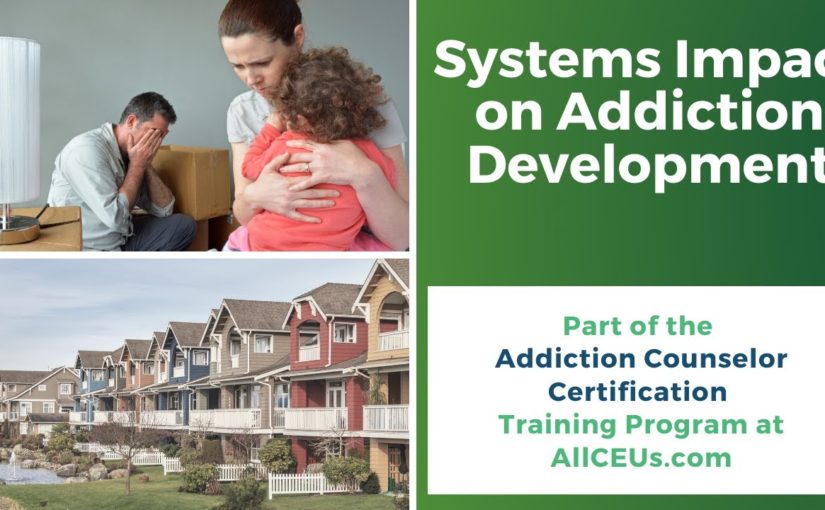
 Is gonna pick up if you are in a household where you know you’re in college and
you’ve got four other roommates and all of your your other roommates tend to be
negative and naysayers you’re either probably going to move or you may that
might start wearing off on you a little bit likewise if they are you know all
kinds of go-getters that can wear off on you too so you know there’s going to be
an impact risk factor is peer and family reinforcement of negative or unhealthy
norms and expectations so if your family says you know people suck they’re
always going to take advantage of you what are you going to take away from
that and is that going to contribute to you probably having difficulties with
trusting and maybe developing depression possibly so we want to look at what kind
of messages is the peer group or family sending to the individual that may
contribute to the development of mood or anxiety disorders early sexual activity
among peers could communicate that well this is the norm so everybody’s doing it
ties to deviant peers and gang involvement you know especially at that
particular group there’s a lot of pressure to conform or there’s a
negative consequences family members who don’t spend much time together and this
could be because parents work a lot this could be because everybody’s you know
involved in all kinds of other stuff but they found that
when families are disengaged the parents tend to miss out on subtle cues when
families are disengaged even if they don’t have children in the mix that
there tends to be a weakening of those bonds supportive bonds so people
are at higher risk for development of depression and anxiety because they
don’t have that you know everybody’s behind me sort of feeling parents who
have trouble keeping track of youth can indicate that the youth may be at risk
for developing substance or more mood disorders lack of clear rules and
consequences you think about even just being at work when there’s a lack of
clear rules and consequences you don’t exactly know what you’re supposed to do
I know for me that creates doodles of anxiety I like manuals and to date
pretty much every job I’ve ever taken I’ve walked in and there hasn’t been a
manual and I’ve been like okay there must be a manual written and that’s been
my first thing now I’m kind of on the structured side so I don’t expect
everybody is that way but most of us tend to experience a little bit of
anxiety about failure about acceptance if we don’t know what’s expected so it’s
important whether it’s a family or a job situation to make sure there’s clear
rules and consequences you know what’s expected and what’s going to happen if
you mess up or if you don’t meet this expectation there also needs to be
consistent expectations and limits you know when people especially children but
a lot of us tested our limits when we were kids and even as adults you know I
know you know going back to working in organizations I would have staff who
would test limits and see how long they could go without turning in a progress
note before I’d be knocking on their door going paperwork it’s natural for
people to kind of test limits especially with stuff they don’t want to do stuff
that’s not rewarding family conflict and abuse can cause a high risk of depression
and anxiety whether adults or children I mean if there’s a
a lot of conflict and chaos it’s exhausting and it can cause a lot of
dysphoric emotions and loss of employment that’s kind of
self-explanatory protective factors close family relationships so as
clinicians we can encourage people to identify who they consider their family
it may not be their blood relatives or their family who are there for them
who can they call it 2:00 in the morning and how can they nurture those
relationships encourage people to develop relationships with peers that
are involved in pro-social activities like hiking or volunteering in the
community consistency of parenting is important in terms of producing children
who are who are stronger healthier more resilient encouraging education and
parents who are actively involved can help prevent future depression because
they’re creating children who can join the workforce and have that
individual capital to prevent depression and anxiety and cope with stress
positively and this is a family protective factor and a peer for
protective factor why because we learn from observation so if our peers cope
with stress positively by prayer or exercise or whatever it is they do and
our family has other positive ways of coping with stress and we’re going to
have a greater venue of stuff to choose from supportive relationships with
caring for adults beyond the immediate family is encouraged so we want
children to grow up being able to interact with teachers coaches with
you know Scout leaders whomever and start seeing that people outside of the
nuclear family are trustworthy sharing and family responsibilities including
chores and decision making and that’s true for children teenagers and even
adults you know if you’re living in the same household it
important that everybody feels like they have a say in what’s happening
and participates in the upkeep of the family environment and family
members are nurturing and support each other and this is one where I tend to
stop and I do a love languages little mini class to help people remember that
we don’t always experience nurturance in the same way so understanding one
another’s love language is really important to be able to nurture in a
way that’s meaningful to that other person peer and family interventions are
designed to identify norms goals and expectations in the family foster family
problem-solving skills so there’s not just one person always fixing it develop
structure and consistency within the family unit promote healthy
relationships and engage peers and family of choice in the recovery process
so if somebody’s already depressed we need to be able to hopefully engage
everybody that’s involved in this person’s immediate environment in
helping them move towards recovery and you know preferably not dragging them
back down so we want to engage them and make sure that people have a supportive
others school and work risk factors lack of clear expectations both academic or
performance-wise and behavioral lack of commitment or sense of belonging at
school or at work if you just kind of go and you feel like a number you punch in
punch out that may not make you feel appreciated which can contribute
to depression and you know just bad feelings high numbers of students
failing academically at school and work translates to high amounts of
turnover if you never know who’s going to get laid off it increases stress and
anxiety and parents and community members who are not actively involved
in keeping kids in school and helping make sure that the workforce workforce
is strong but we want to make sure that people have access to how
when it’s needed we want to make sure that people have access to tutoring in
school if they need it to prevent failing school they have access to
transportation to get to work now those are things those are meta concepts that
are more on the community level but it’s important that as a community member you
know we look at different things that we may be able to participate in advocacy
and say you know it’s really important to get a bus system going I live out
about 30 miles east of Nashville and we must have the
the train that goes from my city out to Nashville so people have
access to more jobs so that was important for us to get past the City
Commission protective factors school and work positive attitudes gotta find a
reason why you’re doing this you know and sometimes it’s hard to find a reason
for algebra but we need to help kids find a reason for that we need to help
adults find a reason for why they’re going to work why are they doing what
they’re doing regular attendance shows you know it is associated with higher
mood less less risk of mood or addictive disorders because you’re able to get up
and do it and interface with people and get that social support hopefully from
your colleague’s high expectations are communicated effectively in setting
and positive social development is encouraged you know whether it’s at work
or at school, there are goals there are things you’ve got to accomplish there
are performance objectives but we also want to encourage morale and positive
social bonding whatever the setting having a positive instructional climate
again whether at work or school, I know we learn things when we’re on the
job we learn things and I don’t want people to feel like they’re having
difficulty like they’re stupid I want people to feel like anything that we
teach them as a challenge and something that may be beneficial down the road
leadership and decision-making opportunities are really important again
for students or employees to prevent burnout keep morale up reduce
anxiety and increase a sense of personal empower
and connection and active involvement for everybody is fostered and the school or
organization is responsive to the student’s needs making sure that in
school in the case of school they have access to tutoring resources it’s a safe
environment for them to be in and the children that are going to that school
have enough food in their bellies you know they can’t learn if they’re
hungry all the time workplace is a little bit different but we still need
to be responsive to people’s needs in terms of you know family requirements
whether they need to if they’re going back to school
shifting schedules a little bit we need to try to work with people instead of
being completely rigid and it’s my way or the highway when possible to
promote the best mental health characteristics of settings in which
relationships are often associated with the development of mood disorders and
addictive behaviors so we want to look at the characteristics of schools that are
they safe are they positive environments are they cheering squads or are they
places where people know they’re gonna go and get thrown under the bus
same thing with workplaces you know when you walk into a place you get most of
we get a sense and you’re either like oh this is a cool place to work or oh I
can’t wait til I can get out of here you know we want to go toward the
other end and neighborhoods when you go into a neighborhood – people take care
of their environment do they or do they have trash strewn all over their lawn
all of these things communicate how people feel about their environment and
generally how they feel about themselves and whether they have the energy to take
care of stuff or they just feel completely disenfranchised and don’t
care more about community risk factors no sense of
connection to the community neighborhood disorganization rapid changes high
unemployment a lack of strong social institutions lack of monitoring of youths
activities imbalanced media portrayals of safety health and appropriate
behavior misleading advertising and alcohol or drugs readily available
a lot of stuff we do we’re not going to be able to affect on the community level
so much but we’re gonna hit them real quick we want to improve the climate
process and policies within community schools and workplaces to make it safe and
promote positive health behaviors prevention strategies are designed to
reduce social isolation reduce and address stigma increase awareness of
local recovery models you know who’s out there that has recovered and can serve
as a role model improve economic and housing opportunities so people have a
house a safe roof over their head and they can you know earn money and feel
good about themselves increasing the accuracy and improving the positivity of
media messages and increasing physical and financial ability availability of
recovery so like I said I live in a little town so it’s nice that we have
a community mental health center here so people don’t have to rely on going into
Nashville but also making sure that services are financially available
whether you have a free clinic once a month or you know make sure you’ll you
take Medicaid but there are still a lot of people who have no insurance so where do
they go the socio-ecological model identifies
how the end the individual impacts and is impacted by not only his own
characteristics but also those of family peers community and culture prevention
takes the form of preventing the problem preventing the worsening of the problem and
preventing associated fallout like I said as clinicians a lot of what we’re
going to do is target the individual providing them with resiliency skills to deal
with some of this adversity that might be around them and to help them sort
through some of those media messages and go yeah
that’s not even true you know if I drink this vodka I’m not suddenly going to
have 14 supermodels hanging on me or whatever it is that’s being communicated
so encouraging people to be informed and Wylie consumers any change in the
the system will affect other parts of this system so if it’s a
positive change is probably going to have positive changes negative has
negative changes addressing addictive and mood disorder behaviors require a
the multi-pronged approach we need to look at the individual and you know provide
provide as many skills as possible there because that’s where we’re going to have
a lot of our impact especially in prevention but we also need to
realize that this person resides within a family you know whether they live
alone which sometimes is less problematic or they live in a household
with other people, we need to make sure that where they lay their heads at night
where they spend their non-working hours feel safe and is conducive to recovery
where they work or go to school also needs to feel safe and be conducive to
recovery and that’s part of the community so we need to kind of look at
these areas and if they aren’t safe or they don’t feel safe or aren’t conducive
to recovery, we need to help people how to figure out how they can fix that or
address it like I said they may not be able to move so what can you do to set
some boundaries to create as much safety as you can how can you do this and there
are a lot of different techniques that I’m sure you already have that you used
to help people but it’s important again not to just focus on the individual
because they don’t live in a bubble we need to look at everything right and are
Are there any questions now we have or I have added a Wednesday
class, so you don’t don’t have to come but if you have unlimited
membership same time same station Wednesday so Tuesday Wednesday and
Thursday we have a class from noon.
CST 1 p.m. EST 2 for an hour all righty I will talk to y’all maybe
tomorrow maybe on Thursday have a great day if you enjoy this podcast please like
and subscribe either in your podcast player or on YouTube you can attend and
participate in our live webinars with Doctor Snipes by subscribing at all CEUs
comm slash counselor toolbox this episode has been brought to you in part
by all CEUs com providing 24/7 multimedia continuing education and pre
certification training to counselors therapists and nurses since 2006 use
coupon code consular toolbox to get a 20% discount off your order this month.
As found on YouTube
I thought my anxiety disorder was for life… $49.⁰⁰ But I Discovered How Hundreds Of Former Anxiety Sufferers Melted Away Their Anxiety And Now Live Relaxed, Happy Lives – With No Trace Of Anxiety Or Depression At All!
http://flywait.anxiety4.hop.clickbank.net
We’ve seen so many people go anxiety-free that we have no hesitation in guaranteeing this program. So… If at any time within 60 days of you purchasing ‘Overthrowing Anxiety’, your anxiety hasn’t completely evaporated then you can have all your money back. No questions asked! You can do this for yourself today. You can start making a difference in your life right now. Click on the button below and you’ll receive your copy of Overthrowing Anxiety in just a few minutes. It’ll be one of the best decisions you’ve ever made – guaranteed!
http://flywait.anxiety4.hop.clickbank.net
Is gonna pick up if you are in a household where you know you’re in college and
you’ve got four other roommates and all of your your other roommates tend to be
negative and naysayers you’re either probably going to move or you may that
might start wearing off on you a little bit likewise if they are you know all
kinds of go-getters that can wear off on you too so you know there’s going to be
an impact risk factor is peer and family reinforcement of negative or unhealthy
norms and expectations so if your family says you know people suck they’re
always going to take advantage of you what are you going to take away from
that and is that going to contribute to you probably having difficulties with
trusting and maybe developing depression possibly so we want to look at what kind
of messages is the peer group or family sending to the individual that may
contribute to the development of mood or anxiety disorders early sexual activity
among peers could communicate that well this is the norm so everybody’s doing it
ties to deviant peers and gang involvement you know especially at that
particular group there’s a lot of pressure to conform or there’s a
negative consequences family members who don’t spend much time together and this
could be because parents work a lot this could be because everybody’s you know
involved in all kinds of other stuff but they found that
when families are disengaged the parents tend to miss out on subtle cues when
families are disengaged even if they don’t have children in the mix that
there tends to be a weakening of those bonds supportive bonds so people
are at higher risk for development of depression and anxiety because they
don’t have that you know everybody’s behind me sort of feeling parents who
have trouble keeping track of youth can indicate that the youth may be at risk
for developing substance or more mood disorders lack of clear rules and
consequences you think about even just being at work when there’s a lack of
clear rules and consequences you don’t exactly know what you’re supposed to do
I know for me that creates doodles of anxiety I like manuals and to date
pretty much every job I’ve ever taken I’ve walked in and there hasn’t been a
manual and I’ve been like okay there must be a manual written and that’s been
my first thing now I’m kind of on the structured side so I don’t expect
everybody is that way but most of us tend to experience a little bit of
anxiety about failure about acceptance if we don’t know what’s expected so it’s
important whether it’s a family or a job situation to make sure there’s clear
rules and consequences you know what’s expected and what’s going to happen if
you mess up or if you don’t meet this expectation there also needs to be
consistent expectations and limits you know when people especially children but
a lot of us tested our limits when we were kids and even as adults you know I
know you know going back to working in organizations I would have staff who
would test limits and see how long they could go without turning in a progress
note before I’d be knocking on their door going paperwork it’s natural for
people to kind of test limits especially with stuff they don’t want to do stuff
that’s not rewarding family conflict and abuse can cause a high risk of depression
and anxiety whether adults or children I mean if there’s a
a lot of conflict and chaos it’s exhausting and it can cause a lot of
dysphoric emotions and loss of employment that’s kind of
self-explanatory protective factors close family relationships so as
clinicians we can encourage people to identify who they consider their family
it may not be their blood relatives or their family who are there for them
who can they call it 2:00 in the morning and how can they nurture those
relationships encourage people to develop relationships with peers that
are involved in pro-social activities like hiking or volunteering in the
community consistency of parenting is important in terms of producing children
who are who are stronger healthier more resilient encouraging education and
parents who are actively involved can help prevent future depression because
they’re creating children who can join the workforce and have that
individual capital to prevent depression and anxiety and cope with stress
positively and this is a family protective factor and a peer for
protective factor why because we learn from observation so if our peers cope
with stress positively by prayer or exercise or whatever it is they do and
our family has other positive ways of coping with stress and we’re going to
have a greater venue of stuff to choose from supportive relationships with
caring for adults beyond the immediate family is encouraged so we want
children to grow up being able to interact with teachers coaches with
you know Scout leaders whomever and start seeing that people outside of the
nuclear family are trustworthy sharing and family responsibilities including
chores and decision making and that’s true for children teenagers and even
adults you know if you’re living in the same household it
important that everybody feels like they have a say in what’s happening
and participates in the upkeep of the family environment and family
members are nurturing and support each other and this is one where I tend to
stop and I do a love languages little mini class to help people remember that
we don’t always experience nurturance in the same way so understanding one
another’s love language is really important to be able to nurture in a
way that’s meaningful to that other person peer and family interventions are
designed to identify norms goals and expectations in the family foster family
problem-solving skills so there’s not just one person always fixing it develop
structure and consistency within the family unit promote healthy
relationships and engage peers and family of choice in the recovery process
so if somebody’s already depressed we need to be able to hopefully engage
everybody that’s involved in this person’s immediate environment in
helping them move towards recovery and you know preferably not dragging them
back down so we want to engage them and make sure that people have a supportive
others school and work risk factors lack of clear expectations both academic or
performance-wise and behavioral lack of commitment or sense of belonging at
school or at work if you just kind of go and you feel like a number you punch in
punch out that may not make you feel appreciated which can contribute
to depression and you know just bad feelings high numbers of students
failing academically at school and work translates to high amounts of
turnover if you never know who’s going to get laid off it increases stress and
anxiety and parents and community members who are not actively involved
in keeping kids in school and helping make sure that the workforce workforce
is strong but we want to make sure that people have access to how
when it’s needed we want to make sure that people have access to tutoring in
school if they need it to prevent failing school they have access to
transportation to get to work now those are things those are meta concepts that
are more on the community level but it’s important that as a community member you
know we look at different things that we may be able to participate in advocacy
and say you know it’s really important to get a bus system going I live out
about 30 miles east of Nashville and we must have the
the train that goes from my city out to Nashville so people have
access to more jobs so that was important for us to get past the City
Commission protective factors school and work positive attitudes gotta find a
reason why you’re doing this you know and sometimes it’s hard to find a reason
for algebra but we need to help kids find a reason for that we need to help
adults find a reason for why they’re going to work why are they doing what
they’re doing regular attendance shows you know it is associated with higher
mood less less risk of mood or addictive disorders because you’re able to get up
and do it and interface with people and get that social support hopefully from
your colleague’s high expectations are communicated effectively in setting
and positive social development is encouraged you know whether it’s at work
or at school, there are goals there are things you’ve got to accomplish there
are performance objectives but we also want to encourage morale and positive
social bonding whatever the setting having a positive instructional climate
again whether at work or school, I know we learn things when we’re on the
job we learn things and I don’t want people to feel like they’re having
difficulty like they’re stupid I want people to feel like anything that we
teach them as a challenge and something that may be beneficial down the road
leadership and decision-making opportunities are really important again
for students or employees to prevent burnout keep morale up reduce
anxiety and increase a sense of personal empower
and connection and active involvement for everybody is fostered and the school or
organization is responsive to the student’s needs making sure that in
school in the case of school they have access to tutoring resources it’s a safe
environment for them to be in and the children that are going to that school
have enough food in their bellies you know they can’t learn if they’re
hungry all the time workplace is a little bit different but we still need
to be responsive to people’s needs in terms of you know family requirements
whether they need to if they’re going back to school
shifting schedules a little bit we need to try to work with people instead of
being completely rigid and it’s my way or the highway when possible to
promote the best mental health characteristics of settings in which
relationships are often associated with the development of mood disorders and
addictive behaviors so we want to look at the characteristics of schools that are
they safe are they positive environments are they cheering squads or are they
places where people know they’re gonna go and get thrown under the bus
same thing with workplaces you know when you walk into a place you get most of
we get a sense and you’re either like oh this is a cool place to work or oh I
can’t wait til I can get out of here you know we want to go toward the
other end and neighborhoods when you go into a neighborhood – people take care
of their environment do they or do they have trash strewn all over their lawn
all of these things communicate how people feel about their environment and
generally how they feel about themselves and whether they have the energy to take
care of stuff or they just feel completely disenfranchised and don’t
care more about community risk factors no sense of
connection to the community neighborhood disorganization rapid changes high
unemployment a lack of strong social institutions lack of monitoring of youths
activities imbalanced media portrayals of safety health and appropriate
behavior misleading advertising and alcohol or drugs readily available
a lot of stuff we do we’re not going to be able to affect on the community level
so much but we’re gonna hit them real quick we want to improve the climate
process and policies within community schools and workplaces to make it safe and
promote positive health behaviors prevention strategies are designed to
reduce social isolation reduce and address stigma increase awareness of
local recovery models you know who’s out there that has recovered and can serve
as a role model improve economic and housing opportunities so people have a
house a safe roof over their head and they can you know earn money and feel
good about themselves increasing the accuracy and improving the positivity of
media messages and increasing physical and financial ability availability of
recovery so like I said I live in a little town so it’s nice that we have
a community mental health center here so people don’t have to rely on going into
Nashville but also making sure that services are financially available
whether you have a free clinic once a month or you know make sure you’ll you
take Medicaid but there are still a lot of people who have no insurance so where do
they go the socio-ecological model identifies
how the end the individual impacts and is impacted by not only his own
characteristics but also those of family peers community and culture prevention
takes the form of preventing the problem preventing the worsening of the problem and
preventing associated fallout like I said as clinicians a lot of what we’re
going to do is target the individual providing them with resiliency skills to deal
with some of this adversity that might be around them and to help them sort
through some of those media messages and go yeah
that’s not even true you know if I drink this vodka I’m not suddenly going to
have 14 supermodels hanging on me or whatever it is that’s being communicated
so encouraging people to be informed and Wylie consumers any change in the
the system will affect other parts of this system so if it’s a
positive change is probably going to have positive changes negative has
negative changes addressing addictive and mood disorder behaviors require a
the multi-pronged approach we need to look at the individual and you know provide
provide as many skills as possible there because that’s where we’re going to have
a lot of our impact especially in prevention but we also need to
realize that this person resides within a family you know whether they live
alone which sometimes is less problematic or they live in a household
with other people, we need to make sure that where they lay their heads at night
where they spend their non-working hours feel safe and is conducive to recovery
where they work or go to school also needs to feel safe and be conducive to
recovery and that’s part of the community so we need to kind of look at
these areas and if they aren’t safe or they don’t feel safe or aren’t conducive
to recovery, we need to help people how to figure out how they can fix that or
address it like I said they may not be able to move so what can you do to set
some boundaries to create as much safety as you can how can you do this and there
are a lot of different techniques that I’m sure you already have that you used
to help people but it’s important again not to just focus on the individual
because they don’t live in a bubble we need to look at everything right and are
Are there any questions now we have or I have added a Wednesday
class, so you don’t don’t have to come but if you have unlimited
membership same time same station Wednesday so Tuesday Wednesday and
Thursday we have a class from noon.
CST 1 p.m. EST 2 for an hour all righty I will talk to y’all maybe
tomorrow maybe on Thursday have a great day if you enjoy this podcast please like
and subscribe either in your podcast player or on YouTube you can attend and
participate in our live webinars with Doctor Snipes by subscribing at all CEUs
comm slash counselor toolbox this episode has been brought to you in part
by all CEUs com providing 24/7 multimedia continuing education and pre
certification training to counselors therapists and nurses since 2006 use
coupon code consular toolbox to get a 20% discount off your order this month.
As found on YouTube
I thought my anxiety disorder was for life… $49.⁰⁰ But I Discovered How Hundreds Of Former Anxiety Sufferers Melted Away Their Anxiety And Now Live Relaxed, Happy Lives – With No Trace Of Anxiety Or Depression At All!
http://flywait.anxiety4.hop.clickbank.net
We’ve seen so many people go anxiety-free that we have no hesitation in guaranteeing this program. So… If at any time within 60 days of you purchasing ‘Overthrowing Anxiety’, your anxiety hasn’t completely evaporated then you can have all your money back. No questions asked! You can do this for yourself today. You can start making a difference in your life right now. Click on the button below and you’ll receive your copy of Overthrowing Anxiety in just a few minutes. It’ll be one of the best decisions you’ve ever made – guaranteed!
http://flywait.anxiety4.hop.clickbank.net



 So you know focus on what the person has to say and what their heart has to say to engage, and you know likewise, you may not be written off the pages of Vogue either, but try to present yourself well, try to you know, dress appropriately Don’t show up all disheveled and smelly clothes like looking like you haven’t bathed in a week that that’s not helpful so make sure that you’re presenting your best face and you’re dealing with whatever face the client brings And still trying to build that engagement remember the way a client presents.
This tells us a lot about what’s contributing to their presenting issues: poor social skills, and ADHD pain.
You know there are a variety of things that can contribute to depression, anxiety, and substance use. So try to look at it from that way, even if it’s not your ideal client understand what’s causing this person to be negative and just argumentative and frustrating try to get under there and figure it out.
Why is this person so unhappy? What’s motivating is that first impressions impact engagement, so your professional presentation is promptly courteous and smooth handling paperwork.
If you walk in there with 15 sheets of paper – and you’re shuffling them around and it seems like you, don’t know what you’re doing.
You’re like just a second.
I know I had that form around here somewhere, they’re not going to feel very confident in anything.
You have to say so and put on a good first impression.
Put it together and make sure your paperwork is put together ahead of time.
If you have an electronic medical record, make sure you know how to use it because it’s disturbing to people, even though it happens when you’re, using an electronic medical health record to do a screening and you get stuck and you’ve got To call somebody else in to help you figure out how to get on the next screen make sure the environment is calm, clean and comfortable, not too formal or informal like we talked about it, avoids interruptions and provides the appropriate level of privacy.
You don’t want clients sitting in the waiting room being able to hear other clients that are in the therapy, rooms or screening rooms.
If you’re doing screenings, you may not even be in an office, you may be out at a festival or something so make sure that you’ve got. You know little pull-around screens or something, if appropriate, to give people privacy other people, shouldn’t be hearing their responses to what you are asking them, even if it’s, you know like I said, even if it’s at a Workplace festival or something other people should not hear their answers.
So how can you give them privacy if there’s, no way to do that where they can have auditory privacy put as much as possible on check sheets and forms that they can fill out? And then you can point to something and go so help me understand your answer to this right here.
Most of the time you want to try to do a screening in a private room.
In the initial interview you’re, developing trust and rapport so be empathetic.
They’re nervous, probably or they don’t want to be there or maybe they do want to be there and they’re, just hoping that you can help paraphrase that to them whatever vibe you’re getting off of them, paraphrase that and work With it convey warmth and respect and explores the clients, strengths, and skills, you know you’ve been dealing with this depression or this addiction for a long time.
I’m wondering how you’ve survived until now.
What has helped you deal with it? And keep on keeping on facilitating the clients, understanding the rationale, purpose, and procedures of the screening and assessment exploring the clients, problems, and expectations regarding treatment and recovery, and determining whether a further assessment is needed.
That’s your screening.
So the definition of screening is the process by which the counselor, client, and significant others, when possible, review the current situation, symptoms, and collateral information to determine the probability of a problem.
So we’re going to sit down and we’re going to go okay. What brings you here today? What makes you think you got a problem, you know, and then we’re going to start asking questions or using instruments to try to determine whether we think that there’s a probability that that problem exists screaming is used by all types of Human Service Personnel to determine eligibility and appropriateness of services and needed referrals, so it may be used by a physician by a nurse by a counselor by a caseworker to determine how can we best help this person achieve their goals and their maximum quality of life? It’s not unusual for caseworkers at the Department of Children and Families.
If people are coming in to get their food stamps or EBT that month, or they’re enrolling in the process to do a screening to determine how can we best help this person? You know be able to start earning more money, you know, maybe they just need a better job, or maybe they’re not able to maintain employment because their depression is so oppressive.
So you can see where screening may be used in a lot of different systems and situations to help people figure out how to help their customers.
Screening determines the immediacy of the need.
You know you could be doing a screening with somebody who’s like on the fence, or they don’t think they’ve got a problem and it you know there or their problem is minor, so the immediacy may not be great or you could Be screening somebody who is you know heavily intoxicated was just kicked out of his house is facing three DUIs.
You know they have a much more immediate need for their safety as well as, hopefully, they’re.
More motivated screening needs to be a trance process.
We don’t want to sit there with a clipboard and be asking questions and scribbling things down and going uh huh.
Well, I think you need to go for an assessment that’s not transparent.
The clients like, where did you come up with that I usually use screening instruments, and I talk with people when I’m writing things down. I tell them at the end.
If you want to see anything I wrote down, I would encourage you to know I don’t write well, and I’ve got poor penmanship, but I encourage you to read what I wrote and we’re going to talk about these instruments after you Take them so you know you know why were we asking these particular questions? What does it mean to me as a therapist doing your screening, so they understand how you’re arriving at your conclusions?
Screening does require informed consent.
You know it.
Doesn’t have to be a big thing, but it does have to happen before you start screening somebody you need to go.
You know I’d like to screen you for depression or anxiety, or this is a wellness screening that your agency is offered, but have them ideally have them sign a sheet acknowledging that they know that they’re being screened for whatever and screening identifies Early warning signs and helps provide early intervention, services and resources, so you know think about high blood pressure or diabetes or any of those physical things doctor screens for that regularly, and if they see that there might be a problem creeping in, they can do something right.
Then, to keep it from becoming a full-blown problem.
Mental health screening is the same.
We notice people are under a lot of stress.
We know that that’s probably going to wear them out after a while, and it might lead to depression. So we can start helping them, develop stress management skills, for example.
They may not need to go to treatment, maybe they need to go to psychoeducation and learn about stress management, or maybe you’ve got a book.
You can let them read or something.
But screening is a method of determining what the person needs.
Screening is the first opportunity to engage the client in the therapeutic relationship and treatment process, sometimes based on observations or other circumstances.
People may be referred directly for assessment, for example, if people come into the detoxification unit we kind of bypass screening.
We know there’s a problem and jump straight into assessment, so screening doesn’t always happen, but a lot of times.
It does because of that referral source – you know if you’re an Assessor that person came from somewhere.
You know their lawyer could have screened them.
Their doctor could have screened them whatever, but somebody along the way, probably screen them to determine yeah. You probably need to go over to this facility and talk to an Assessor of the clients.
Internal motivation is the primary reason for engaging in treatment.
So if they’re there because their wife told them they had to be or their boss or the courts that got them there, but to get them actually engaged in treatment and not just going through the motions they have to have internal motivation.
There has to be something in it for them, and that’s, what we want to work on developing throughout the whole process, help them see how this benefits them, what’s in it for them, how can it help them accomplish and get closer to their goals for their life, internal motivation may be fleeting, so rapid engagement is vital.
If you see a spark of interest or a spark of willingness, we kind of need to pounce on that spark and go alright.
It seems like you know you want to get on with this because you’re sick and tired of being sick and tired.
So let’s get you enrolled.
Now, if you have to make an appointment for an assessment that’s six weeks out, you may lose the person.
You know that engagement doesn’t last for long.
The engagement lasts while they’re in your office, and then you know you got to have somebody else, pick it up and keep that momentum going. Screening should be brief.
You know twenty-thirty minutes you don’t want to have somebody in there for three hours, that’s the assessment conducted in a variety of settings by a range of professionals on persons deemed to be at risk.
Some things we do Universal screenings for like domestic violence, other things you may do selected screenings for – and it also depends on your setting and all that kind of thing.
But the take-home point is that screenings are conducted in a variety of settings, whether it be a Health Fair at an employer,’s, a doctor,’s office, sometimes churches will even set up wellness days and do screenings screening represents the first part of a Collaboration among the multidisciplinary team because the screener is going to say, okay, I think I’ve identified that this person probably has an issue with this and needs to be referred to assessment over here, but they also need help with housing and food and affording their Prescriptions, so the screener will kind of link them to other team members in the multidisciplinary team.
Screening needs to be sensitive to racial, cultural, socio, economic, and gender-related concerns, so make sure that you’re, culturally responsive and it needs to be developed from information gathered from multiple sources when possible.
When you’re doing a screening a lot of times, the only person you’ve got to do.
The screening is the person sitting right in front of you, but if you’ve got other information.
When I do screenings on people in the criminal justice system, I want to see their criminal records.
You know that gives me some objective.
Information on you know how many times have they been caught? Dui, whether or not they’ve been convicted? How many times have they been caught DUI, that gives me a little bit more information than just what that person is telling me if they’ve been involved with the Department of Children and Families. I want them to bring their case report, especially if they’ve got an open case going on.
Screening assesses signs and symptoms of intoxication and withdrawal.
Three key elements: we want to verify that the behavior deviates from the norm and rule out all non-drug related causes.
So if somebody is having difficulty focusing or they’re agitated, we want to rule out ADHD and schizophrenia and some other things that might cause that, to rule in, if you will stimulant abuse, for example, you want to verify that there.
This is not how they normally behave.
You know some people are agitated and a little bit more bouncy or fidgety or whatever you want to say most of the time.
If that’s how they are, then you know that’s how they are and it’s not a drug, wants to rule out the drug-related causes, including physical causes.
You know if they’re in chronic pain if you know etc.
There are a lot of reasons somebody could be excessively sleepy have difficulty concentrating be overly agitated.
There are a lot of things that use diagnostic procedures to determine the types of drugs being used. So in screening, we’re going to ask them what they’ve been using.
But ideally, you can also do an on-site drug screening.
You know having a pee in a cup and the on-site.
Screenings are not super reliable, but it gives you something to look at.
You know most cases, it’s anywhere between 60 and 70 percent reliability, which is why, if it comes up positive and the person says, I didn’t use that it needs to be sent off to a lab for mass spectrometry.
To determine what happened, because you can get false positives and you can get false negatives, they may have used something and it doesn’t show up on the test.
So you don’t want to just trust the on sites as being a hundred percent, but it is a good tool to identify whether the person is telling you the truth about how much or what their current, whether they’re currently using or not assess Clients, mental health and trauma history.
You’re not going to get deep into the weeds here, just ask them if they have a history of depression, anxiety, or abuse of any sort and move on to their safety or environmental needs.
Do they have a safe place to sleep? You know if they have an address, you know, do they feel safe in their home? Do they eat well, how’s their nutrition? Do they have any physical health needs that are not getting met? Do they have any other wraparound needs? If they’ve got kids, do they have access to childcare? Are they having problems with transportation? Are they able to afford the medications that they’re already prescribed, etc? So we want to ask them about some basic things like that, and then we’re going to assess the danger to themselves and others.
Are they talking about harming themselves or someone else? And we also want to ask if they’re thinking about hurting themselves or someone else. Screening methods include interviewing the clients and significant others using screening instruments and lab tests like urinalysis that we talked about signs of substance, use disorders or mental health issues.
We want to look for number one, the circumstances of contact.
If the person was referred by the court, then that’s a pretty good sign that there may be a substance use disorder going on if they’re referred because of a DUI.
For example, if they’re referred because of a fight they got into, but they weren’t using at the time their blood alcohol was zero.
We want to look maybe for mental health issues and things like intermittent explosive disorder.
You want to look at the clients, demeanor, and behavior.
Are they acting like they’re under the influence when they come in for the screening? Are they showing signs of acute intoxication or withdrawal? Are there any physical signs of drug use or self-injury? Needle injection marks, if they have a get frequent bloody noses, you know if they get bloody noses, while they’re in your office or if they have signs that they’ve been picking.
Those can be all physical signs of drug use.
Emaciation and malnutrition are also signed some drugs will cause the pupils to be dilated.
Other drugs will cause the pupils to be pinpointed. So you want to know what the signs of different drugs are for drugs of intoxication and different signs that people have been using, especially injection, but, like I said, sometimes, drugs will cause people to pick or itch, and that will show indicate to you that there might Be an underlying issue and information spontaneously offered by the client or significant others can give you information about whether there’s a substance, use or mental health issue, and sometimes the significant other.
Let me just kind of back up: there may be the significance the spouse brought the person in and when you go out to meet them you, the person, the person being interviewed.
Doesn’t want their spouse in there.
They want.
They want to go back by themselves, okay, that’s cool, you go out and meet the person and then, if you can, with permission, bring the spouse back after the screening to give them both the results, and at that point the significant other the spouse may Spontaneously say: oh well, why didn’t you tell them about? You know the DUI you had three years ago or whatever.
So sometimes spouses will just kind of blurt things out because they suspect that the significant other didn’t already say it during the interview.
So if you can get that person in a private place where they have an opportunity to say something wonderful but remember you know you do have to have the client’s permission.
Screening instruments can be developed by the agency or use standardized instruments.
The cage is a common one and you ask a person: have they tried to cut down unsuccessfully, do they feel annoyed when people talk to them about their substance use, do they feel guilty about the substances about using their substances and do they sometimes have to Use first thing: in the morning to kind of wake up we call it an eye opener if they say yes to one or more of those, there’s a chance that they may have a problem.
The gain is another tool that you can use, as is the Michigan alcohol screening test or the Sasi. So all of those are standardized instruments, and some of them cost money.
Others, like Kay, don’t, so it may depend on your agency and what kind of budget you’ve got.
What instruments you’re using any instruments you do use must detail what action should be taken based on received scores.
So if a person takes the cage – and they say yes to one but not any of the others, does that mean they should be sent for a referral if they say yes to two, when at what point should they be sent for a full assessment? You want to screen when screening for mental health you want to screen for acute symptoms such as hallucinations, delusions or depression or anxiety, suicidal thoughts and behaviors, and other mood and thought disturbances.
So you’re going to ask them about time, place, purpose, and person.
Do you know what time it is? Do you know where you are? Do you know why you’re here and do you know who I am you’re going to ask them about short and long-term memory if they can tell you about something from their childhood great, but you’re also going to ask them If they can tell you about what they had for lunch, another thing you want to assess or another way to assess short term memory is to tell them.
I’m going to tell you four words and I want I’m going to.
Ask you in a few minutes to recall those four words for me and then tell them four words: make them easy words like dog cat, bird, and fish.
You know not something hard to remember and then in five or ten minutes.
Ask them what were the four words I told you and see if they can remember you’re going to ask them about prior involvement in mental health treatment. What worked and what didn’t if they have been in treatment? What prescription medications do they use, and this includes all prescriptions because physical health prescriptions can have mental health side effects? Ask them about recent traumas again, don’t get into it, but ask them if they’ve been victimized or experienced any sort of abuse and a family history of mental illness.
If they have a family history of mental illness, the chances of them developing mental illness are a little bit greater.
When screening for mental health, you’re going to use the modified mini screen, the Mental Status exam, the mini Mental Status exam.
The brief symptom inventory, a brief psychiatric rating scale, or the symptom checklist 9 t r.
So those are the ones that you’re, typically going to use a lot of times.
They’re already in your electronic medical record, so you’re not going to have to figure out what to use in terms of you know, knowing what the instruments are for certification and testing purposes.
These are the six that you want to be aware of.
So you can google each one of them and find out more about what each screening test can provide.
Your screening is the initial contact to decide if a person may need a more in-depth assessment.
Screening is brief but requires the person to be engaged in the process to get an accurate result. How well the person is engaged in the screening process is a direct predictor of whether he or she will continue in the process.
If you enjoy this podcast, please like and subscribe either in your podcast player or on YouTube, you can attend and participate in our live webinars with doctor Snipes by subscribing at all CEUs comm slash counselor toolbox.
This episode has been brought to you in part by all CEUs com providing 24 7 multimedia, continuing education, and pre-certification; training to counselors therapists, and nurses, since 2006 use coupon code consular toolbox to get a 20 discount off your order.
This month,
So you know focus on what the person has to say and what their heart has to say to engage, and you know likewise, you may not be written off the pages of Vogue either, but try to present yourself well, try to you know, dress appropriately Don’t show up all disheveled and smelly clothes like looking like you haven’t bathed in a week that that’s not helpful so make sure that you’re presenting your best face and you’re dealing with whatever face the client brings And still trying to build that engagement remember the way a client presents.
This tells us a lot about what’s contributing to their presenting issues: poor social skills, and ADHD pain.
You know there are a variety of things that can contribute to depression, anxiety, and substance use. So try to look at it from that way, even if it’s not your ideal client understand what’s causing this person to be negative and just argumentative and frustrating try to get under there and figure it out.
Why is this person so unhappy? What’s motivating is that first impressions impact engagement, so your professional presentation is promptly courteous and smooth handling paperwork.
If you walk in there with 15 sheets of paper – and you’re shuffling them around and it seems like you, don’t know what you’re doing.
You’re like just a second.
I know I had that form around here somewhere, they’re not going to feel very confident in anything.
You have to say so and put on a good first impression.
Put it together and make sure your paperwork is put together ahead of time.
If you have an electronic medical record, make sure you know how to use it because it’s disturbing to people, even though it happens when you’re, using an electronic medical health record to do a screening and you get stuck and you’ve got To call somebody else in to help you figure out how to get on the next screen make sure the environment is calm, clean and comfortable, not too formal or informal like we talked about it, avoids interruptions and provides the appropriate level of privacy.
You don’t want clients sitting in the waiting room being able to hear other clients that are in the therapy, rooms or screening rooms.
If you’re doing screenings, you may not even be in an office, you may be out at a festival or something so make sure that you’ve got. You know little pull-around screens or something, if appropriate, to give people privacy other people, shouldn’t be hearing their responses to what you are asking them, even if it’s, you know like I said, even if it’s at a Workplace festival or something other people should not hear their answers.
So how can you give them privacy if there’s, no way to do that where they can have auditory privacy put as much as possible on check sheets and forms that they can fill out? And then you can point to something and go so help me understand your answer to this right here.
Most of the time you want to try to do a screening in a private room.
In the initial interview you’re, developing trust and rapport so be empathetic.
They’re nervous, probably or they don’t want to be there or maybe they do want to be there and they’re, just hoping that you can help paraphrase that to them whatever vibe you’re getting off of them, paraphrase that and work With it convey warmth and respect and explores the clients, strengths, and skills, you know you’ve been dealing with this depression or this addiction for a long time.
I’m wondering how you’ve survived until now.
What has helped you deal with it? And keep on keeping on facilitating the clients, understanding the rationale, purpose, and procedures of the screening and assessment exploring the clients, problems, and expectations regarding treatment and recovery, and determining whether a further assessment is needed.
That’s your screening.
So the definition of screening is the process by which the counselor, client, and significant others, when possible, review the current situation, symptoms, and collateral information to determine the probability of a problem.
So we’re going to sit down and we’re going to go okay. What brings you here today? What makes you think you got a problem, you know, and then we’re going to start asking questions or using instruments to try to determine whether we think that there’s a probability that that problem exists screaming is used by all types of Human Service Personnel to determine eligibility and appropriateness of services and needed referrals, so it may be used by a physician by a nurse by a counselor by a caseworker to determine how can we best help this person achieve their goals and their maximum quality of life? It’s not unusual for caseworkers at the Department of Children and Families.
If people are coming in to get their food stamps or EBT that month, or they’re enrolling in the process to do a screening to determine how can we best help this person? You know be able to start earning more money, you know, maybe they just need a better job, or maybe they’re not able to maintain employment because their depression is so oppressive.
So you can see where screening may be used in a lot of different systems and situations to help people figure out how to help their customers.
Screening determines the immediacy of the need.
You know you could be doing a screening with somebody who’s like on the fence, or they don’t think they’ve got a problem and it you know there or their problem is minor, so the immediacy may not be great or you could Be screening somebody who is you know heavily intoxicated was just kicked out of his house is facing three DUIs.
You know they have a much more immediate need for their safety as well as, hopefully, they’re.
More motivated screening needs to be a trance process.
We don’t want to sit there with a clipboard and be asking questions and scribbling things down and going uh huh.
Well, I think you need to go for an assessment that’s not transparent.
The clients like, where did you come up with that I usually use screening instruments, and I talk with people when I’m writing things down. I tell them at the end.
If you want to see anything I wrote down, I would encourage you to know I don’t write well, and I’ve got poor penmanship, but I encourage you to read what I wrote and we’re going to talk about these instruments after you Take them so you know you know why were we asking these particular questions? What does it mean to me as a therapist doing your screening, so they understand how you’re arriving at your conclusions?
Screening does require informed consent.
You know it.
Doesn’t have to be a big thing, but it does have to happen before you start screening somebody you need to go.
You know I’d like to screen you for depression or anxiety, or this is a wellness screening that your agency is offered, but have them ideally have them sign a sheet acknowledging that they know that they’re being screened for whatever and screening identifies Early warning signs and helps provide early intervention, services and resources, so you know think about high blood pressure or diabetes or any of those physical things doctor screens for that regularly, and if they see that there might be a problem creeping in, they can do something right.
Then, to keep it from becoming a full-blown problem.
Mental health screening is the same.
We notice people are under a lot of stress.
We know that that’s probably going to wear them out after a while, and it might lead to depression. So we can start helping them, develop stress management skills, for example.
They may not need to go to treatment, maybe they need to go to psychoeducation and learn about stress management, or maybe you’ve got a book.
You can let them read or something.
But screening is a method of determining what the person needs.
Screening is the first opportunity to engage the client in the therapeutic relationship and treatment process, sometimes based on observations or other circumstances.
People may be referred directly for assessment, for example, if people come into the detoxification unit we kind of bypass screening.
We know there’s a problem and jump straight into assessment, so screening doesn’t always happen, but a lot of times.
It does because of that referral source – you know if you’re an Assessor that person came from somewhere.
You know their lawyer could have screened them.
Their doctor could have screened them whatever, but somebody along the way, probably screen them to determine yeah. You probably need to go over to this facility and talk to an Assessor of the clients.
Internal motivation is the primary reason for engaging in treatment.
So if they’re there because their wife told them they had to be or their boss or the courts that got them there, but to get them actually engaged in treatment and not just going through the motions they have to have internal motivation.
There has to be something in it for them, and that’s, what we want to work on developing throughout the whole process, help them see how this benefits them, what’s in it for them, how can it help them accomplish and get closer to their goals for their life, internal motivation may be fleeting, so rapid engagement is vital.
If you see a spark of interest or a spark of willingness, we kind of need to pounce on that spark and go alright.
It seems like you know you want to get on with this because you’re sick and tired of being sick and tired.
So let’s get you enrolled.
Now, if you have to make an appointment for an assessment that’s six weeks out, you may lose the person.
You know that engagement doesn’t last for long.
The engagement lasts while they’re in your office, and then you know you got to have somebody else, pick it up and keep that momentum going. Screening should be brief.
You know twenty-thirty minutes you don’t want to have somebody in there for three hours, that’s the assessment conducted in a variety of settings by a range of professionals on persons deemed to be at risk.
Some things we do Universal screenings for like domestic violence, other things you may do selected screenings for – and it also depends on your setting and all that kind of thing.
But the take-home point is that screenings are conducted in a variety of settings, whether it be a Health Fair at an employer,’s, a doctor,’s office, sometimes churches will even set up wellness days and do screenings screening represents the first part of a Collaboration among the multidisciplinary team because the screener is going to say, okay, I think I’ve identified that this person probably has an issue with this and needs to be referred to assessment over here, but they also need help with housing and food and affording their Prescriptions, so the screener will kind of link them to other team members in the multidisciplinary team.
Screening needs to be sensitive to racial, cultural, socio, economic, and gender-related concerns, so make sure that you’re, culturally responsive and it needs to be developed from information gathered from multiple sources when possible.
When you’re doing a screening a lot of times, the only person you’ve got to do.
The screening is the person sitting right in front of you, but if you’ve got other information.
When I do screenings on people in the criminal justice system, I want to see their criminal records.
You know that gives me some objective.
Information on you know how many times have they been caught? Dui, whether or not they’ve been convicted? How many times have they been caught DUI, that gives me a little bit more information than just what that person is telling me if they’ve been involved with the Department of Children and Families. I want them to bring their case report, especially if they’ve got an open case going on.
Screening assesses signs and symptoms of intoxication and withdrawal.
Three key elements: we want to verify that the behavior deviates from the norm and rule out all non-drug related causes.
So if somebody is having difficulty focusing or they’re agitated, we want to rule out ADHD and schizophrenia and some other things that might cause that, to rule in, if you will stimulant abuse, for example, you want to verify that there.
This is not how they normally behave.
You know some people are agitated and a little bit more bouncy or fidgety or whatever you want to say most of the time.
If that’s how they are, then you know that’s how they are and it’s not a drug, wants to rule out the drug-related causes, including physical causes.
You know if they’re in chronic pain if you know etc.
There are a lot of reasons somebody could be excessively sleepy have difficulty concentrating be overly agitated.
There are a lot of things that use diagnostic procedures to determine the types of drugs being used. So in screening, we’re going to ask them what they’ve been using.
But ideally, you can also do an on-site drug screening.
You know having a pee in a cup and the on-site.
Screenings are not super reliable, but it gives you something to look at.
You know most cases, it’s anywhere between 60 and 70 percent reliability, which is why, if it comes up positive and the person says, I didn’t use that it needs to be sent off to a lab for mass spectrometry.
To determine what happened, because you can get false positives and you can get false negatives, they may have used something and it doesn’t show up on the test.
So you don’t want to just trust the on sites as being a hundred percent, but it is a good tool to identify whether the person is telling you the truth about how much or what their current, whether they’re currently using or not assess Clients, mental health and trauma history.
You’re not going to get deep into the weeds here, just ask them if they have a history of depression, anxiety, or abuse of any sort and move on to their safety or environmental needs.
Do they have a safe place to sleep? You know if they have an address, you know, do they feel safe in their home? Do they eat well, how’s their nutrition? Do they have any physical health needs that are not getting met? Do they have any other wraparound needs? If they’ve got kids, do they have access to childcare? Are they having problems with transportation? Are they able to afford the medications that they’re already prescribed, etc? So we want to ask them about some basic things like that, and then we’re going to assess the danger to themselves and others.
Are they talking about harming themselves or someone else? And we also want to ask if they’re thinking about hurting themselves or someone else. Screening methods include interviewing the clients and significant others using screening instruments and lab tests like urinalysis that we talked about signs of substance, use disorders or mental health issues.
We want to look for number one, the circumstances of contact.
If the person was referred by the court, then that’s a pretty good sign that there may be a substance use disorder going on if they’re referred because of a DUI.
For example, if they’re referred because of a fight they got into, but they weren’t using at the time their blood alcohol was zero.
We want to look maybe for mental health issues and things like intermittent explosive disorder.
You want to look at the clients, demeanor, and behavior.
Are they acting like they’re under the influence when they come in for the screening? Are they showing signs of acute intoxication or withdrawal? Are there any physical signs of drug use or self-injury? Needle injection marks, if they have a get frequent bloody noses, you know if they get bloody noses, while they’re in your office or if they have signs that they’ve been picking.
Those can be all physical signs of drug use.
Emaciation and malnutrition are also signed some drugs will cause the pupils to be dilated.
Other drugs will cause the pupils to be pinpointed. So you want to know what the signs of different drugs are for drugs of intoxication and different signs that people have been using, especially injection, but, like I said, sometimes, drugs will cause people to pick or itch, and that will show indicate to you that there might Be an underlying issue and information spontaneously offered by the client or significant others can give you information about whether there’s a substance, use or mental health issue, and sometimes the significant other.
Let me just kind of back up: there may be the significance the spouse brought the person in and when you go out to meet them you, the person, the person being interviewed.
Doesn’t want their spouse in there.
They want.
They want to go back by themselves, okay, that’s cool, you go out and meet the person and then, if you can, with permission, bring the spouse back after the screening to give them both the results, and at that point the significant other the spouse may Spontaneously say: oh well, why didn’t you tell them about? You know the DUI you had three years ago or whatever.
So sometimes spouses will just kind of blurt things out because they suspect that the significant other didn’t already say it during the interview.
So if you can get that person in a private place where they have an opportunity to say something wonderful but remember you know you do have to have the client’s permission.
Screening instruments can be developed by the agency or use standardized instruments.
The cage is a common one and you ask a person: have they tried to cut down unsuccessfully, do they feel annoyed when people talk to them about their substance use, do they feel guilty about the substances about using their substances and do they sometimes have to Use first thing: in the morning to kind of wake up we call it an eye opener if they say yes to one or more of those, there’s a chance that they may have a problem.
The gain is another tool that you can use, as is the Michigan alcohol screening test or the Sasi. So all of those are standardized instruments, and some of them cost money.
Others, like Kay, don’t, so it may depend on your agency and what kind of budget you’ve got.
What instruments you’re using any instruments you do use must detail what action should be taken based on received scores.
So if a person takes the cage – and they say yes to one but not any of the others, does that mean they should be sent for a referral if they say yes to two, when at what point should they be sent for a full assessment? You want to screen when screening for mental health you want to screen for acute symptoms such as hallucinations, delusions or depression or anxiety, suicidal thoughts and behaviors, and other mood and thought disturbances.
So you’re going to ask them about time, place, purpose, and person.
Do you know what time it is? Do you know where you are? Do you know why you’re here and do you know who I am you’re going to ask them about short and long-term memory if they can tell you about something from their childhood great, but you’re also going to ask them If they can tell you about what they had for lunch, another thing you want to assess or another way to assess short term memory is to tell them.
I’m going to tell you four words and I want I’m going to.
Ask you in a few minutes to recall those four words for me and then tell them four words: make them easy words like dog cat, bird, and fish.
You know not something hard to remember and then in five or ten minutes.
Ask them what were the four words I told you and see if they can remember you’re going to ask them about prior involvement in mental health treatment. What worked and what didn’t if they have been in treatment? What prescription medications do they use, and this includes all prescriptions because physical health prescriptions can have mental health side effects? Ask them about recent traumas again, don’t get into it, but ask them if they’ve been victimized or experienced any sort of abuse and a family history of mental illness.
If they have a family history of mental illness, the chances of them developing mental illness are a little bit greater.
When screening for mental health, you’re going to use the modified mini screen, the Mental Status exam, the mini Mental Status exam.
The brief symptom inventory, a brief psychiatric rating scale, or the symptom checklist 9 t r.
So those are the ones that you’re, typically going to use a lot of times.
They’re already in your electronic medical record, so you’re not going to have to figure out what to use in terms of you know, knowing what the instruments are for certification and testing purposes.
These are the six that you want to be aware of.
So you can google each one of them and find out more about what each screening test can provide.
Your screening is the initial contact to decide if a person may need a more in-depth assessment.
Screening is brief but requires the person to be engaged in the process to get an accurate result. How well the person is engaged in the screening process is a direct predictor of whether he or she will continue in the process.
If you enjoy this podcast, please like and subscribe either in your podcast player or on YouTube, you can attend and participate in our live webinars with doctor Snipes by subscribing at all CEUs comm slash counselor toolbox.
This episode has been brought to you in part by all CEUs com providing 24 7 multimedia, continuing education, and pre-certification; training to counselors therapists, and nurses, since 2006 use coupon code consular toolbox to get a 20 discount off your order.
This month,