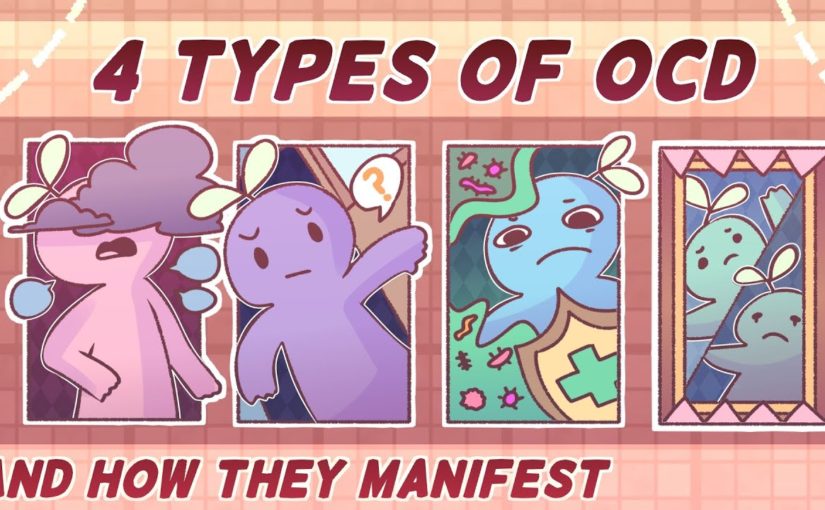
 Someone with those CDs may check an email they’ve written over and over.
For any imperfections and fear, they may have written something wrong or will offend someone.
Could you imagine writing an email to your boss only to check it for minutes on end all due to fear, you may have written something that could come across as inappropriate and therefore lose your job.
As a result, We all generally need our jobs.
So while this fear may seem to derive from an irrational place, those checking their email for the hundredth time are often afraid of losing something important to them.
This is a common fear for those suffering from OCD, In the sense that they love or value something.
So much so that they will strongly feel the need to act out these compulsions to protect what they love And since what you, love and value can often change in your life.
Ocd will grab a hold of what it is.
You’re enjoying and valuing and trying to manipulate it. Inside of your mind, according to your fears, This is one of the many dark features of OCD Number three Contamination or Mental Contamination Among those with OCD.
There are generally two types of contamination obsessions.
One is simply labeled, as contamination Contamination is often characterized by the strong fear of being dirty or contracting germs from objects or people.
Someone may not like to shake hands, as they have an obsession with contracting a virus from someone else or someone may be excessively brushing their teeth or scrubbing their hands for minutes on end out of fear of not feeling clean enough or feeling just right.
A lot of physical damage can occur due to these compulsions.
Mental contamination is an area of OCD.
Researchers are just recently starting to get an understanding of this.
It can be evoked when someone feels as if they’ve been treated badly or if someone makes an abusive remark to them.
The person will engage in compulsions to wash away this bad feeling, such as showering or acting out other compulsions And number four Symmetry and Orderliness.
This type of OCD manifests in different ways such as organizing one’s, books or DVDs, making sure everything is neat, or clothes, folded perfectly and hanging the same way, While a lot of us may simply like symmetry, those with OCD focused on symmetry and order Are obsessed about it and did not gain any enjoyment out of organizing to ensure it feels just right, Remember what may look organized and clean to someone who doesn’t have OCD may feel wrong to someone with OCD because it’s about the feeling. Logically, they know their books are neatly stacked and their closet is fairly organized, but they can’t shake the strong feeling that it isn’t just right.
This feeling may even pester them throughout the entire day, which is why they so strongly feel the need to act out the compulsion With OCD.
The compulsion often only provides relief for literally a second.
The thoughts and obsessions play on a loop, leaving a repetitive cycle and compulsions are an urge to simply be free of fear and, if, for only just a second to feel right.
Fortunately, there is good news and hope in some of this.
Some therapists do understand and specialize in treating OCD.
Some of those affected by OCD have seen productive results through cognitive behavioral therapy from a therapist who does understand the condition.
If you suspect you or someone else may have OCD, we highly recommend you seek professional help.
So, do you now understand OCD a little bit more Thanks for watching and learning more about mental illness and psychology Psych2Goers. Did you learn something new about OCD? Are you or someone you know diagnosed with OCD Feel free to share with us in the comments and engage with others who may suffer from the same type as you. It can help to understand your mental illness more and make you feel less alone in the process, because you’re not alone, no matter what you’re, going through, A bit of support could be the first step into feeling just a little bit better.
If you found this video helpful, don’t forget to click the like button and share it with someone who might need it Subscribed to Psych2Go and hit the notification bell icon for more content like this, and as always, thanks for watching.
As found on YouTube
ꜱʟɪᴍᴄʀʏꜱᴛᴀʟ The World’s Only Slimming Crystal Water Bottles! The unique combination of crystals is so powerful that it has been used for decades by crystal healing experts to help thousands of men and women change their lives for the better ➯➱ ➫ ➪➬ ᴛʏᴘᴇ ᴏʀ ᴘᴀꜱᴛᴇ ʏᴏᴜʀ ᴄᴏɴᴛᴇɴᴛ ʜᴇʀᴇ [Official] ᵘᵖᵗᵒ ⁷⁰% ᵒᶠᶠ ᵗᵒᵈᵃʸ!
Someone with those CDs may check an email they’ve written over and over.
For any imperfections and fear, they may have written something wrong or will offend someone.
Could you imagine writing an email to your boss only to check it for minutes on end all due to fear, you may have written something that could come across as inappropriate and therefore lose your job.
As a result, We all generally need our jobs.
So while this fear may seem to derive from an irrational place, those checking their email for the hundredth time are often afraid of losing something important to them.
This is a common fear for those suffering from OCD, In the sense that they love or value something.
So much so that they will strongly feel the need to act out these compulsions to protect what they love And since what you, love and value can often change in your life.
Ocd will grab a hold of what it is.
You’re enjoying and valuing and trying to manipulate it. Inside of your mind, according to your fears, This is one of the many dark features of OCD Number three Contamination or Mental Contamination Among those with OCD.
There are generally two types of contamination obsessions.
One is simply labeled, as contamination Contamination is often characterized by the strong fear of being dirty or contracting germs from objects or people.
Someone may not like to shake hands, as they have an obsession with contracting a virus from someone else or someone may be excessively brushing their teeth or scrubbing their hands for minutes on end out of fear of not feeling clean enough or feeling just right.
A lot of physical damage can occur due to these compulsions.
Mental contamination is an area of OCD.
Researchers are just recently starting to get an understanding of this.
It can be evoked when someone feels as if they’ve been treated badly or if someone makes an abusive remark to them.
The person will engage in compulsions to wash away this bad feeling, such as showering or acting out other compulsions And number four Symmetry and Orderliness.
This type of OCD manifests in different ways such as organizing one’s, books or DVDs, making sure everything is neat, or clothes, folded perfectly and hanging the same way, While a lot of us may simply like symmetry, those with OCD focused on symmetry and order Are obsessed about it and did not gain any enjoyment out of organizing to ensure it feels just right, Remember what may look organized and clean to someone who doesn’t have OCD may feel wrong to someone with OCD because it’s about the feeling. Logically, they know their books are neatly stacked and their closet is fairly organized, but they can’t shake the strong feeling that it isn’t just right.
This feeling may even pester them throughout the entire day, which is why they so strongly feel the need to act out the compulsion With OCD.
The compulsion often only provides relief for literally a second.
The thoughts and obsessions play on a loop, leaving a repetitive cycle and compulsions are an urge to simply be free of fear and, if, for only just a second to feel right.
Fortunately, there is good news and hope in some of this.
Some therapists do understand and specialize in treating OCD.
Some of those affected by OCD have seen productive results through cognitive behavioral therapy from a therapist who does understand the condition.
If you suspect you or someone else may have OCD, we highly recommend you seek professional help.
So, do you now understand OCD a little bit more Thanks for watching and learning more about mental illness and psychology Psych2Goers. Did you learn something new about OCD? Are you or someone you know diagnosed with OCD Feel free to share with us in the comments and engage with others who may suffer from the same type as you. It can help to understand your mental illness more and make you feel less alone in the process, because you’re not alone, no matter what you’re, going through, A bit of support could be the first step into feeling just a little bit better.
If you found this video helpful, don’t forget to click the like button and share it with someone who might need it Subscribed to Psych2Go and hit the notification bell icon for more content like this, and as always, thanks for watching.
As found on YouTube
ꜱʟɪᴍᴄʀʏꜱᴛᴀʟ The World’s Only Slimming Crystal Water Bottles! The unique combination of crystals is so powerful that it has been used for decades by crystal healing experts to help thousands of men and women change their lives for the better ➯➱ ➫ ➪➬ ᴛʏᴘᴇ ᴏʀ ᴘᴀꜱᴛᴇ ʏᴏᴜʀ ᴄᴏɴᴛᴇɴᴛ ʜᴇʀᴇ [Official] ᵘᵖᵗᵒ ⁷⁰% ᵒᶠᶠ ᵗᵒᵈᵃʸ! 4 Types of OCD & How They Manifest
Upbeat music, Narrator, Hey Psych2Goers, Welcome back to our channel. We wanted to let you know that every one of your comments likes and shares helps support this channel and our goal to spread awareness about psychology and mental health.
You help us make psychology and mental health more accessible to everyone.
So thank you so much for your support.
Before we begin, we would also like to remind you that this video is for educational purposes only and is not intended to be used as a diagnosis.
So please do not self-diagnose If you suspect you or someone else might have OCD.
We advise you to seek professional help With that said, let’s continue.
Obsessive-compulsive disorder or OCD is a mental illness that is exhibited by repetitive, unwanted, or intrusive thoughts.
The obsessions are Often followed by an urge to do something repeatedly, The compulsions.
It is a very serious mental illness that causes a great deal of suffering to those who have it.
But did you know that there can be many different ways in which OCD manifests itself to help you get a better understanding of OCD? Here are four different types of OCD and how they manifest Number one Intrusive Thoughts and Ruminations. When someone with OCD suffers from intrusive thoughts, it’s, not the occasional, disturbing thought now and then it can be normal for people to have an intrusive thought as they go about their day, They may think of something worrisome or unpleasant and brush the thought.
Aside.
With OCD, it’s a different story When someone with OCD has intrusive thoughts, they’re repetitive and often constant.
They can obsess over the thought for minutes or even hours.
These thoughts can range in topic and be anything, but some common ones are violent.
Intrusive thoughts, which involve a fear of harming yourself or a loved one sexual intrusive thoughts, which can involve unwanted thoughts of causing sexual harm to someone or obsessively questioning one’s, sexuality, And others can involve obsessions with religion and the fear of sinning.
Analyzing.
One’s relationship excessively and magical thinking, intrusive thoughts, in which one fears that simply thinking about a thought can make it more likely to happen.
These thoughts are often followed by rituals or compulsion to make the bad thing not happen or to simply assure oneself that they don’t feel a certain way about it.
A negative thought. Ruminations in OCD are when one dwells upon a question or a theme that is unproductive and likely to lead nowhere, dwelled upon for an excessive amount of time more than your average philosopher.
These are often different from intrusive thoughts as they can be indulged in rather than resisted.
Someone with OCD may excessively ruminate about life after death, visualizing every scenario to the detail, leaving them detached and preoccupied from what is going on around them, as they’re attending.
To the thoughts in their mind, Number-checking OCD can present itself in the need to check on something This act, as compulsion Checking is often enacted out of a fear that something bad will happen, such as a fire, a burglary, or harm to loved ones.
This can display itself in a variety of ways.
Someone may check in with their family members to gain reassurance about their fears, or maybe they feel an unrelenting need to check the door repeatedly to make sure it’s locked out of fear of a burglary.
Someone with OCD may even try to recall memories to make sure they felt a certain way or didn’t cause someone harm.
For example, someone with OCD may be obsessing on their thoughts, questioning their sexuality When they know outside of obsessing, what their sexual preference is.
The individual may check or pay attention to their body for arousal, But because they’re focused on not wanting this response.
The body may automatically generate feelings of arousal. As research has shown, our bodies often react to what is actually relevant and not always what we desire and value Or another example.
Someone with those CDs may check an email they’ve written over and over.
For any imperfections and fear, they may have written something wrong or will offend someone.
Could you imagine writing an email to your boss only to check it for minutes on end all due to fear, you may have written something that could come across as inappropriate and therefore lose your job.
As a result, We all generally need our jobs.
So while this fear may seem to derive from an irrational place, those checking their email for the hundredth time are often afraid of losing something important to them.
This is a common fear for those suffering from OCD, In the sense that they love or value something.
So much so that they will strongly feel the need to act out these compulsions to protect what they love And since what you, love and value can often change in your life.
Ocd will grab a hold of what it is.
You’re enjoying and valuing and trying to manipulate it. Inside of your mind, according to your fears, This is one of the many dark features of OCD Number three Contamination or Mental Contamination Among those with OCD.
There are generally two types of contamination obsessions.
One is simply labeled, as contamination Contamination is often characterized by the strong fear of being dirty or contracting germs from objects or people.
Someone may not like to shake hands, as they have an obsession with contracting a virus from someone else or someone may be excessively brushing their teeth or scrubbing their hands for minutes on end out of fear of not feeling clean enough or feeling just right.
A lot of physical damage can occur due to these compulsions.
Mental contamination is an area of OCD.
Researchers are just recently starting to get an understanding of this.
It can be evoked when someone feels as if they’ve been treated badly or if someone makes an abusive remark to them.
The person will engage in compulsions to wash away this bad feeling, such as showering or acting out other compulsions And number four Symmetry and Orderliness.
This type of OCD manifests in different ways such as organizing one’s, books or DVDs, making sure everything is neat, or clothes, folded perfectly and hanging the same way, While a lot of us may simply like symmetry, those with OCD focused on symmetry and order Are obsessed about it and did not gain any enjoyment out of organizing to ensure it feels just right, Remember what may look organized and clean to someone who doesn’t have OCD may feel wrong to someone with OCD because it’s about the feeling. Logically, they know their books are neatly stacked and their closet is fairly organized, but they can’t shake the strong feeling that it isn’t just right.
This feeling may even pester them throughout the entire day, which is why they so strongly feel the need to act out the compulsion With OCD.
The compulsion often only provides relief for literally a second.
The thoughts and obsessions play on a loop, leaving a repetitive cycle and compulsions are an urge to simply be free of fear and, if, for only just a second to feel right.
Fortunately, there is good news and hope in some of this.
Some therapists do understand and specialize in treating OCD.
Some of those affected by OCD have seen productive results through cognitive behavioral therapy from a therapist who does understand the condition.
If you suspect you or someone else may have OCD, we highly recommend you seek professional help.
So, do you now understand OCD a little bit more Thanks for watching and learning more about mental illness and psychology Psych2Goers. Did you learn something new about OCD? Are you or someone you know diagnosed with OCD Feel free to share with us in the comments and engage with others who may suffer from the same type as you. It can help to understand your mental illness more and make you feel less alone in the process, because you’re not alone, no matter what you’re, going through, A bit of support could be the first step into feeling just a little bit better.
If you found this video helpful, don’t forget to click the like button and share it with someone who might need it Subscribed to Psych2Go and hit the notification bell icon for more content like this, and as always, thanks for watching.
As found on YouTube
ꜱʟɪᴍᴄʀʏꜱᴛᴀʟ The World’s Only Slimming Crystal Water Bottles! The unique combination of crystals is so powerful that it has been used for decades by crystal healing experts to help thousands of men and women change their lives for the better ➯➱ ➫ ➪➬ ᴛʏᴘᴇ ᴏʀ ᴘᴀꜱᴛᴇ ʏᴏᴜʀ ᴄᴏɴᴛᴇɴᴛ ʜᴇʀᴇ [Official] ᵘᵖᵗᵒ ⁷⁰% ᵒᶠᶠ ᵗᵒᵈᵃʸ!
Someone with those CDs may check an email they’ve written over and over.
For any imperfections and fear, they may have written something wrong or will offend someone.
Could you imagine writing an email to your boss only to check it for minutes on end all due to fear, you may have written something that could come across as inappropriate and therefore lose your job.
As a result, We all generally need our jobs.
So while this fear may seem to derive from an irrational place, those checking their email for the hundredth time are often afraid of losing something important to them.
This is a common fear for those suffering from OCD, In the sense that they love or value something.
So much so that they will strongly feel the need to act out these compulsions to protect what they love And since what you, love and value can often change in your life.
Ocd will grab a hold of what it is.
You’re enjoying and valuing and trying to manipulate it. Inside of your mind, according to your fears, This is one of the many dark features of OCD Number three Contamination or Mental Contamination Among those with OCD.
There are generally two types of contamination obsessions.
One is simply labeled, as contamination Contamination is often characterized by the strong fear of being dirty or contracting germs from objects or people.
Someone may not like to shake hands, as they have an obsession with contracting a virus from someone else or someone may be excessively brushing their teeth or scrubbing their hands for minutes on end out of fear of not feeling clean enough or feeling just right.
A lot of physical damage can occur due to these compulsions.
Mental contamination is an area of OCD.
Researchers are just recently starting to get an understanding of this.
It can be evoked when someone feels as if they’ve been treated badly or if someone makes an abusive remark to them.
The person will engage in compulsions to wash away this bad feeling, such as showering or acting out other compulsions And number four Symmetry and Orderliness.
This type of OCD manifests in different ways such as organizing one’s, books or DVDs, making sure everything is neat, or clothes, folded perfectly and hanging the same way, While a lot of us may simply like symmetry, those with OCD focused on symmetry and order Are obsessed about it and did not gain any enjoyment out of organizing to ensure it feels just right, Remember what may look organized and clean to someone who doesn’t have OCD may feel wrong to someone with OCD because it’s about the feeling. Logically, they know their books are neatly stacked and their closet is fairly organized, but they can’t shake the strong feeling that it isn’t just right.
This feeling may even pester them throughout the entire day, which is why they so strongly feel the need to act out the compulsion With OCD.
The compulsion often only provides relief for literally a second.
The thoughts and obsessions play on a loop, leaving a repetitive cycle and compulsions are an urge to simply be free of fear and, if, for only just a second to feel right.
Fortunately, there is good news and hope in some of this.
Some therapists do understand and specialize in treating OCD.
Some of those affected by OCD have seen productive results through cognitive behavioral therapy from a therapist who does understand the condition.
If you suspect you or someone else may have OCD, we highly recommend you seek professional help.
So, do you now understand OCD a little bit more Thanks for watching and learning more about mental illness and psychology Psych2Goers. Did you learn something new about OCD? Are you or someone you know diagnosed with OCD Feel free to share with us in the comments and engage with others who may suffer from the same type as you. It can help to understand your mental illness more and make you feel less alone in the process, because you’re not alone, no matter what you’re, going through, A bit of support could be the first step into feeling just a little bit better.
If you found this video helpful, don’t forget to click the like button and share it with someone who might need it Subscribed to Psych2Go and hit the notification bell icon for more content like this, and as always, thanks for watching.
As found on YouTube
ꜱʟɪᴍᴄʀʏꜱᴛᴀʟ The World’s Only Slimming Crystal Water Bottles! The unique combination of crystals is so powerful that it has been used for decades by crystal healing experts to help thousands of men and women change their lives for the better ➯➱ ➫ ➪➬ ᴛʏᴘᴇ ᴏʀ ᴘᴀꜱᴛᴇ ʏᴏᴜʀ ᴄᴏɴᴛᴇɴᴛ ʜᴇʀᴇ [Official] ᵘᵖᵗᵒ ⁷⁰% ᵒᶠᶠ ᵗᵒᵈᵃʸ! 


 They might need Number three hey. Let’s go for a walk, we can talk about it or we can just get some fresh air.
A change of environment is a choice tool for interrupting the cycle of anxiety.
It distracts the brain from its worries Focusing on the world around, helps, create distance between the person and their thoughts, which ultimately makes it easier to talk about and to let go If they don’t feel like talking at least they’ll have something else To occupy their mind with Number four: is it okay? If I hug you, Consent is key, Even when it comes to hugs hands, holding, and other innocent touches.
They can all be triggering to someone with anxiety.
Plus there are a lot of people who just don’t like to be touched, So it’s always important to ask first.
Sometimes a hug can be incredibly comforting during a difficult time like a physical reminder that you’re not alone.
During extreme anxiety, though, being touched, can make one feel trapped and claustrophobic, So it’s always appreciated when someone asks before going in for a hug, It reminds them that they’re in control of the conversation Number five, I’m here, for you, no matter what is happening If you’re, going to offer to be there for someone who battles anxiety, be honest about what you’re, able to do or be ready to be open to whatever comes your way, It’s nice to hear that someone is On their side, but it can’t help if the encouragement is conditional To promise support only to disappear when things get tough, can make it difficult to trust those who make this pledge.
It can make them wary of such promises in the future when they have ample evidence backing their hesitations.
Authentic support is especially reassuring when you’re able to give it unconditionally building their trust and self-esteem.
Number six would be advice, be helpful, or should I just listen Hugging joking, and advice, giving might be your first instinct when you see someone you love in distress, but people with anxiety sometimes feel overwhelmed and even intimidated by the constant fire of suggestions, And they can react Intensely when someone starts spouting out suggestions before they’ve even had a chance to finish talking, It might be hard, but you have to fight the urge to be a friend sometimes Instead, asking this question puts the person with anxiety in control of what happens next, Which in itself may relieve some of their anxious edge And number seven, I don’t know what to say, but I’m here, for you Honesty is always the best policy. Anxiety can be a difficult subject matter, So it’s.
Okay, if you don’t know what to say or how to react Honestly, sometimes even they don’t know what to say, but it’s refreshing and reassuring to be genuine.
During such a vulnerable conversation, Friends and family have admitted that they fear, saying the wrong thing or making situations worse, but that the important thing for them – isn, ‘t always what you say but to let them know that you’re there for them.
No matter what We hope, we were able to give you a little insight into some of the ways that you can show your support to those living with anxiety.
If you suffer from anxiety, how do you feel about the points mentioned in this video? Let us know in the comments below, If you found this video insightful, be sure to hit the like and subscribe button and share it with someone who might benefit from it too.
As always thanks so much for watching and we’ll see you soon.
They might need Number three hey. Let’s go for a walk, we can talk about it or we can just get some fresh air.
A change of environment is a choice tool for interrupting the cycle of anxiety.
It distracts the brain from its worries Focusing on the world around, helps, create distance between the person and their thoughts, which ultimately makes it easier to talk about and to let go If they don’t feel like talking at least they’ll have something else To occupy their mind with Number four: is it okay? If I hug you, Consent is key, Even when it comes to hugs hands, holding, and other innocent touches.
They can all be triggering to someone with anxiety.
Plus there are a lot of people who just don’t like to be touched, So it’s always important to ask first.
Sometimes a hug can be incredibly comforting during a difficult time like a physical reminder that you’re not alone.
During extreme anxiety, though, being touched, can make one feel trapped and claustrophobic, So it’s always appreciated when someone asks before going in for a hug, It reminds them that they’re in control of the conversation Number five, I’m here, for you, no matter what is happening If you’re, going to offer to be there for someone who battles anxiety, be honest about what you’re, able to do or be ready to be open to whatever comes your way, It’s nice to hear that someone is On their side, but it can’t help if the encouragement is conditional To promise support only to disappear when things get tough, can make it difficult to trust those who make this pledge.
It can make them wary of such promises in the future when they have ample evidence backing their hesitations.
Authentic support is especially reassuring when you’re able to give it unconditionally building their trust and self-esteem.
Number six would be advice, be helpful, or should I just listen Hugging joking, and advice, giving might be your first instinct when you see someone you love in distress, but people with anxiety sometimes feel overwhelmed and even intimidated by the constant fire of suggestions, And they can react Intensely when someone starts spouting out suggestions before they’ve even had a chance to finish talking, It might be hard, but you have to fight the urge to be a friend sometimes Instead, asking this question puts the person with anxiety in control of what happens next, Which in itself may relieve some of their anxious edge And number seven, I don’t know what to say, but I’m here, for you Honesty is always the best policy. Anxiety can be a difficult subject matter, So it’s.
Okay, if you don’t know what to say or how to react Honestly, sometimes even they don’t know what to say, but it’s refreshing and reassuring to be genuine.
During such a vulnerable conversation, Friends and family have admitted that they fear, saying the wrong thing or making situations worse, but that the important thing for them – isn, ‘t always what you say but to let them know that you’re there for them.
No matter what We hope, we were able to give you a little insight into some of the ways that you can show your support to those living with anxiety.
If you suffer from anxiety, how do you feel about the points mentioned in this video? Let us know in the comments below, If you found this video insightful, be sure to hit the like and subscribe button and share it with someone who might benefit from it too.
As always thanks so much for watching and we’ll see you soon.
 Imagine trying to accomplish these things
when you are in a state of panic. In such a scenario, it is the panic
that can endanger people’s lives. In other words, your fear is the thing
to most be concerned over when you are lost in the woods. This is not only the case with the example
provided, but in reality, fear is usually the biggest factor in anxiety and panic
attacks. And that’s why using Dr. Weekes’ suggestion
can be so effective for anxiety. You can stop doing whatever it is that you’re
doing, stop exacerbating the situation, and your sense of control returns because you
are no longer feeding your anxiety and you begin to enable yourself to think more clearly. Then you will be in a more rational state
to respond to the challenge you are facing. Allow yourself to think about the worst-case
scenario when it comes to a panic attack. What would happen if you stopped doing whatever
it is you’re doing when you feel a panic attack coming on? Many people at first believe that they’ll
spiral out of control.
However, this is not the case. Rather, by not feeding your anxiety, you will
begin to feel better and regain the feeling of control that you never really did lose
but you felt like you were losing. Like anything, this technique requires practice. However, over time you can demonstrate for
yourself how effective this approach can be and realize that you don’t have to get stuck
in a pattern that makes your emotions worse. Best of all, while this suggestion can be
very beneficial for anxiety and panic attack sufferers, it extends more broadly to other
emotions that many people experience from time to time.
Our videos are designed for those suffering
from anxiety, panic attacks, and agoraphobia. However, anyone can benefit from them. To ensure you benefit from all of the information
that we share regularly, you can visit our website, and sign up for our free
email newsletter. Please visit our website at PanicAttackRecovery.com.
Imagine trying to accomplish these things
when you are in a state of panic. In such a scenario, it is the panic
that can endanger people’s lives. In other words, your fear is the thing
to most be concerned over when you are lost in the woods. This is not only the case with the example
provided, but in reality, fear is usually the biggest factor in anxiety and panic
attacks. And that’s why using Dr. Weekes’ suggestion
can be so effective for anxiety. You can stop doing whatever it is that you’re
doing, stop exacerbating the situation, and your sense of control returns because you
are no longer feeding your anxiety and you begin to enable yourself to think more clearly. Then you will be in a more rational state
to respond to the challenge you are facing. Allow yourself to think about the worst-case
scenario when it comes to a panic attack. What would happen if you stopped doing whatever
it is you’re doing when you feel a panic attack coming on? Many people at first believe that they’ll
spiral out of control.
However, this is not the case. Rather, by not feeding your anxiety, you will
begin to feel better and regain the feeling of control that you never really did lose
but you felt like you were losing. Like anything, this technique requires practice. However, over time you can demonstrate for
yourself how effective this approach can be and realize that you don’t have to get stuck
in a pattern that makes your emotions worse. Best of all, while this suggestion can be
very beneficial for anxiety and panic attack sufferers, it extends more broadly to other
emotions that many people experience from time to time.
Our videos are designed for those suffering
from anxiety, panic attacks, and agoraphobia. However, anyone can benefit from them. To ensure you benefit from all of the information
that we share regularly, you can visit our website, and sign up for our free
email newsletter. Please visit our website at PanicAttackRecovery.com.




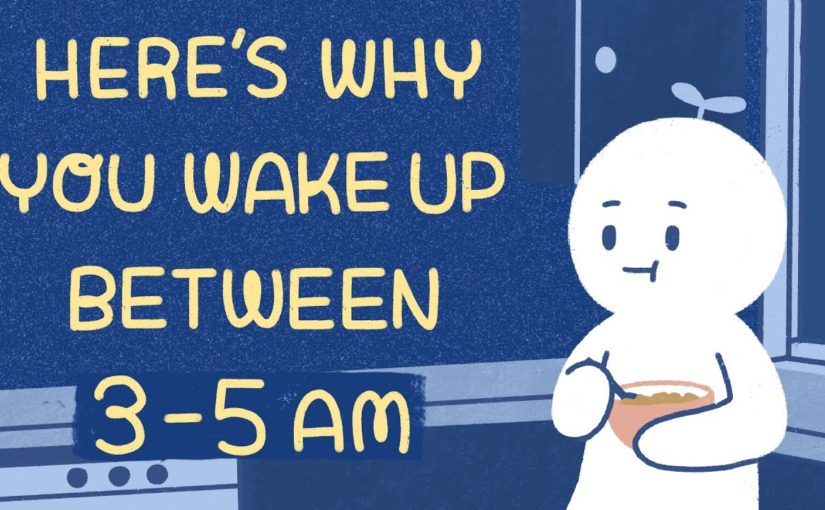
 Number three, low blood sugar. Did you know that low
blood sugar can cause your brain to wake you up
in the middle of the night? Your brain is very active during the night as it regenerates, repairs, and converts your short-term memories into long-term memories while you sleep. However, since it’s so
active during the night, it also uses up a lot
of your energy reserves. If you suffer from low blood sugar levels, your brain will consume
most of your energy reserves and think that you’ve run out of fuel. As a result, your brain
will release cortisol to make you hungry and wake you up so you can go get something to eat. If you find yourself routinely waking up and going to the kitchen to root around for a midnight snack, you may have low blood sugar levels and this might be the cause
of your sleep disturbances.
If you’re having trouble
sleeping through the night and waking up at odd hours do you now have a better sense of why this is happening to you? What are other reasons
you think could be waking you up at 3:00 am and 5:00 am? Share your thoughts with
us in the comments below. Please like and share this
video if it helped you and you think it could
help someone else too.
The studies and references used are listed in the description below. Don’t forget to hit the subscribe button for more Psych2go videos
and thank you for watching. We’ll see you next time.
Number three, low blood sugar. Did you know that low
blood sugar can cause your brain to wake you up
in the middle of the night? Your brain is very active during the night as it regenerates, repairs, and converts your short-term memories into long-term memories while you sleep. However, since it’s so
active during the night, it also uses up a lot
of your energy reserves. If you suffer from low blood sugar levels, your brain will consume
most of your energy reserves and think that you’ve run out of fuel. As a result, your brain
will release cortisol to make you hungry and wake you up so you can go get something to eat. If you find yourself routinely waking up and going to the kitchen to root around for a midnight snack, you may have low blood sugar levels and this might be the cause
of your sleep disturbances.
If you’re having trouble
sleeping through the night and waking up at odd hours do you now have a better sense of why this is happening to you? What are other reasons
you think could be waking you up at 3:00 am and 5:00 am? Share your thoughts with
us in the comments below. Please like and share this
video if it helped you and you think it could
help someone else too.
The studies and references used are listed in the description below. Don’t forget to hit the subscribe button for more Psych2go videos
and thank you for watching. We’ll see you next time.