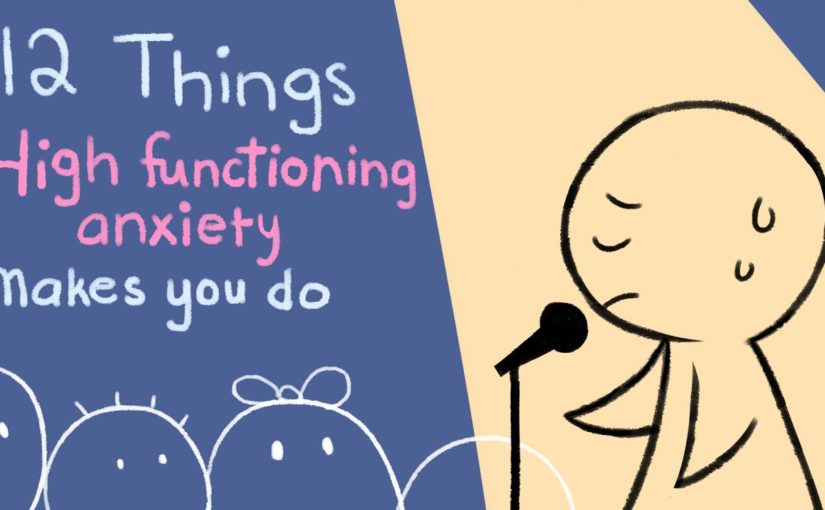
Do you think you might have anxiety or know someone who does if not What’s the first image you have and you imagine someone with diagnosed anxiety? The popular comical image may have popped into your head with the frazzled jittery expression unkempt hair and profuse sweating the truth is some people go on to be successful and accomplish great things despite their battle against this mental illness This is known as high functioning anxiety isn’t a diagnosable condition And so it can be difficult to identify because those who have it don’t appear anxious However, the calm appearance doesn’t make it any less real serious or painful for those who have it Wondering now if you might fit in with this category Here are 12 things.
You may not realize you’re doing this because of your high functioning anxiety 1 you turn down things you want to go to You eagerly await events and get-togethers with friends, but when the day finally comes you often decide not to go at the very last minute sound familiar Even though you were looking forward to it for so long You’ve talked yourself out of attending because the thought of going out leaves you wracked with worry and dread – you dislike having to meet new people When someone says to you, there’ll be so many new people you can network with.
How do you feel? Mingling and social functions just aren’t your thing not due to shyness or introversion. You just don’t want to meet new people Sticking to your close-knit group of friends is comfortable and happy for you Introducing yourself or being introduced to someone else makes you feel self-conscious and worried about making a good first impression This worry is so intense that it sucks any enjoyment or intrigue out of meeting Someone new 3 you’re uncomfortable with slow responses The moment you send someone a text or leave them a voice message Do you start counting the seconds waiting for a response and the longer you wait? The more you feel anxious you overthink about why they haven’t replied yet and somehow take it to mean that you did something wrong Take a breath they probably like you just fine and their phone might be on mute For you get very little sleep We hear eight hours of sleep is required Can you remember the last time you got eight hours of sleep? We mean all at once not spread out over a few days You may be able to look at anxiety as the reason it may wake you up early and keep you from having a deep and relaxed sleep and also keep you up at night with thoughts racing through your mind Being shortchanged on both ends is why sleep deprivation is such a common complaint amongst those of us who suffer from high functioning anxiety Five you fixate on the tiniest details Is there any little thing you think about what’s keeping you up at night and depriving you of sleep Like how you said you to to the waiter when they told you to enjoy your meal? Or maybe why that person replied to your long text simply, okay? Logically, you realize this isn’t going to hugely impact your life.
The waiter won’t remember you and that other person was probably just busy Still you examine it this fixation is a common feature for people with high-functioning Anxiety you tend to obsess over trivial things Especially social interactions you analyze everything and spend hours and hours wondering what it could all mean and why? Six you get hung up on old conversations Speaking of social interactions. Do you find yourself playing back old social scenarios in your head thinking about different actions? You could have taken or Not Taken Things like maybe I shouldn’t have texted him or maybe I should have given that witty reply High-functioning anxiety makes you overthink every single social interaction You’ve ever had big or small and it’s not unusual for people who struggle with it to get hung up on the past regardless of how long ago it was 7 your unforgiving to yourself Do you feel upset at yourself when you make a mistake? Mulling over it and scolding yourself for months even years Well high functioning anxiety can often resemble perfectionism With one of its most problematic characteristics being that it turns us against ourselves whenever we mess up Your anxiety makes that mistake bigger in your point of view than it was in reality.
So getting over it feels difficult Eight you constantly compare yourself to others It’s normal to occasionally compare yourself to others but those with high-functioning anxiety. Take it to an extreme Are you overly concerned with how you measure up against your peers? Do you constantly worry that you’re not fulfilling your full potential? No matter how much you accomplish. Do you never feel like it’s enough? If so, you might be struggling with high-functioning anxiety 9 You’re a constant people pleaser Do you work hard to make others feel happy, even if it comes at the cost of your well-being Do you feel like you’ll never be good enough until you attain it? Everyone’s approval If you have high-functioning anxiety you may have convinced yourself that the only way others will ever accept you is if you go above and beyond what everyone expects of You all the time. 10 You need to keep yourself busy all the time Now we’re not talking about creating great Renaissance artworks or intricate business plans We just mean busy not necessarily productive If you’re not busy you feel Restless and tense.
So you try to occupy yourself with just about anything during your nails. Yes Alphabetizing your games. Okay, cleaning your perfectly working computer fan with a toothbrush It’s sure the truth is you don’t mind doing anything as long as it helps distract yourself from your thoughts and worries 11 You get very anxious whenever you think about the future What does the future mean to you for many in the future is the light of possibility something to eagerly look forward to? then for some, it can feel like Scrooge and that last spirit of Christmas who looked like the Grim Reaper if You’re not feeling hope but terror and dread for what’s to come This could be a sign of high-functioning anxiety can paralyze you with fear about the unknown and what’s not in your control it can keep you from truly living your life to the fullest because you always expect the worst to happen and 12 you always focus on the worst-case scenario Do you like to prep my prep? We mean do you say to yourself? Okay, so this is the worst possible outcome I’ll be ready for it.
If I’m ready for it. I can handle anything else. Do you then continue to expect the worst-case scenario? They might be high-functioning anxiety laying the plans This might lead people to misjudge you as a pessimist because ultimately you may try to share with them your preparations Where you see anticipating and being proactive they see a downer Unfortunately being so prepared often doesn’t allow you to just enjoy the moment Do you relate to any of the things listed here living with high-functioning anxiety is never easy? But most people may not see the emotional toll it can have on a person if you’re starting to feel overwhelmed with your anxiety There are many professional certified resources to reach out to Please like share and subscribe to the site to go for more psychology content.
We hope to see you in the next video and as always Thanks so much for watching.
As found on YouTubeSeanCooper🗯 The Shyness & Social Guy ⇝ The 3 WORST Mistakes You Must AVOID If You Want To Overcome Shyness (PLUS: 1 weird trick that targets the root biological cause of shyness so you can stop being nervous, awkward, and quiet around people…) By Sean Cooper, The Shyness & Social Anxiety Guy. The fact that you’re reading this article tells me you may have already reached a point where you feel your shyness is NOT going away on its own… or you fear it’s getting worse and worse. And I don’t want you to waste one more day living a life where you feel left out, bored, or depressed because you don’t have the relationships which would make you happy. That’s why I’ve put together this page to help you avoid the worst mistakes that keep many people stuck with shyness for years… http://flywait.darekw.hop.clickbank.net/ often giving up hope of ever improving as you watch other people have interesting “normal” lives without you. Yet this doesn’t have to happen.
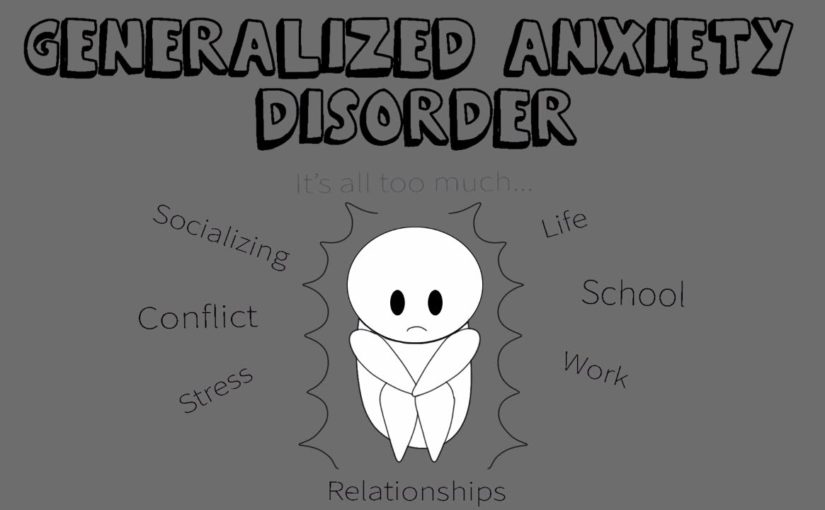
[Music] hi everyone we it’s like to go would love to thank you for making us a digital family of more than 2 million it’s with your continued support that we’re able to bring you new content regularly our mission is to help everyone become more self aware of the various psychological factors that affect our lives one such factor that we hear about on a daily basis is anxiety but it’s important to know when it’s anxiety only and wanted to become something more so let’s find out anxiety in general is our normal reaction to stress in fact it can be a good thing anxiety motivates you to accomplish your assignments to study harder for a test and it can warn you when you’re in a dangerous situation it informs you to be extra vigilant about your environment the fight or flee generalized anxiety disorder or GED on the other hand is a full-fledged anxiety disorder that involves intense and excessive anxiety as a key factor along with other debilitating symptoms differentiating between normal anxiety and generalized anxiety disorder or di D can be tricky how do you know especially if you’re a little more anxious than others whether or not your anxiety is significant enough to qualify as a disorder so let’s begin with an introduction to the main concepts revolving around the – one normal anxiety is more of a friend than a foe according to the anxiety and depression Association of America anxiety is a normal and often healthy emotion which is characterized by feelings of tension worried thoughts and physical changes like increased blood pressure when we face potentially harmful or worrying triggers feelings of anxiety are not only normal but necessary for survival since the earliest days the approach of predators an incoming danger set off alarms in the body and allowed evasive action these alarms were in the form of a raised heartbeat sledding and increased sensitivity to surroundings danger causes a rush of adrenaline a hormone in the brain which in turn triggers the anxious reactions in a process called the fight-or-flight response this prepares humans to physically confront or flee any potential threats to sea all these are classic characteristics of normal anxiety such traits came in handy for our predecessors but we don’t have to be in a constant state of fight-or-flight anymore so running from larger animals is a less pressing concern in present times than it would have been for early humans anxieties now revolve around work money family life health and other crucial issues that demand a person’s attention without necessarily requiring the fight-or-flight reaction the nervous feeling before an important life event are during a difficult situation is a natural echo of the original fight-or-flight reaction it can still be essential to survival anxiety about being hit by a car when crossing the street for example means that a person will instinctively look both ways to avoid danger when the duration or severity of an anxious feeling is out of proportion to the original trigger or stressor physical symptoms such as increased blood pressure and nausea may also develop these responses are what moved normal anxiety beyond into gid generalized anxiety disorder GA D is when the trouble starts generalized anxiety disorder involves persistent and excessive worry that interferes with daily activities people with symptoms of GA D tend to always expect disaster and can stop worrying about health money family work or school in people with GID the worry is often unrealistic or out of proportion from the situation daily life becomes a constant state of worry fear and dread eventually the anxiety so dominates the person’s thinking that it interferes with daily functioning including work school social activities and relationships there are several key differences that make them distinguishable here are a few ways you can tell the two apart one presence of a stressor usually a normal anxiety occurs in response to a stressor such as an exam an upcoming interview a fight with a friend or a new job when you struggle with GID you’re anxious most or almost all of the time even when you can’t spot the source of the stress for instance people a generalized anxiety disorder can have a difficult time just getting through the day even seemingly small responsibilities like paying the bills make them feel anxious – intensity and length gid produces intense and excessive emotional responses even if you’re reacting to a stressor your anxiety is disproportionate to that stressor many people are on the edge before an exam but a person with jad might be anxious several weeks beforehand and will experience intense symptoms right before and during the exam also normal anxiety is fleeting while gid is ongoing and the feelings can last weeks or months three physical symptoms of jad excessive anxiety and wary aren’t the only symptoms that accompany GID there are physical symptoms – dizziness lightheadedness sweating trembling heart pounding headaches and nausea you feel like you can’t breathe can’t talk or have to go to the bathroom frequently people at jad also report feeling detachment and disconnected from reality they feel like they can’t think straight and have difficulty concentrating psychological symptoms are also present individuals experience racing or negative thoughts and are unable to concentrate and have worries about day to day things or impairment when you struggle with GID it affects your entire life it impairs or interferes with your schoolwork job and daily life avoidance is a symptom of jad and can be quite debilitating in other words excessive anxiety can cause you to avoid normal activities you might skip class miss a test stop going to work procrastinate grocery shopping or avoid anything that makes you feel anxious and 5 no control most people can reduce and control their anxiety through a variety of coping techniques and the ability to calm oneself however people at GID have significant difficulty finding relaxation calm and time away from their worries if you have more difficulty than other people you know in controlling your anxiety it may be more than normal anxiety did you often find yourself confused about these two conditions do these factors easier to differentiate between the two do let us know in the comments below if you are struggling with overwhelming anxiety and you can relate to some of these factors don’t hesitate to seek help from a mental health professional and subsequent treatment also remember to share this video with someone you think might benefit from these as well don’t forget to click the like button and subscribe for more content as always thanks for watching
As found on YouTubeSeanCooper🗯 The Shyness & Social Guy ⇝ The 3 WORST Mistakes You Must AVOID If You Want To Overcome Shyness (PLUS: 1 weird trick that targets the root biological cause of shyness so you can stop being nervous, awkward, and quiet around people…) By Sean Cooper, The Shyness & Social Anxiety Guy. The fact that you’re reading this article tells me you may have already reached a point where you feel your shyness is NOT going away on its own… or you fear it’s getting worse and worse. And I don’t want you to waste one more day living a life where you feel left out, bored, or depressed because you don’t have the relationships which would make you happy. That’s why I’ve put together this page to help you avoid the worst mistakes that keep many people stuck with shyness for years… often giving up hope of ever improving as you watch other people have interesting “normal” lives without you. Yet this doesn’t have to happen.
Sadhguru speaks at the UNESCO Headquarters in Paris on International Day of Yoga. Imbibe Sadhguru’s timeless wisdom, participate in a special guided meditation, and watch Sadhguru answer poignant questions from the audience.
Join Livestream:
9.00 am ET
3.00 pm CEST
6.30 pm IST
9.00 pm SGT
Get 14-day free access to Sadhguru Exclusive, the largest video catalog on Mysticism & Spirituality.
Only On Sadhguru App
*T&C Applied
Visit: https://isha.co/Sgx-SM
Official YouTube Channel of Sadhguru
Considered among India’s 50 most influential people, Sadhguru is a yogi, mystic, bestselling author, and poet. Absolute clarity of perception places him in a unique space, not only in matters spiritual but in business, environmental, and international affairs, and opens a new door to all that he touches.
Inner Engineering
Inner Engineering is a comprehensive course for personal growth that brings about a shift in the way you perceive and experience your life, your work, and the world that you live in.
https://innerengineering.sadhguru.org/
Isha Life products for everyday health and well-being. Buy online at
https://bit. ly/3L0gTar
Save Soil Movement
Launched by Sadhguru, Save Soil is the world’s largest people’s movement, reaching 3.91 billion people to address impending soil extinction by supporting governments to create policies for soil revitalization.
https://savesoil.org/
Sadhguru app
Accelerate your spiritual journey with transformative guided meditations, daily wisdom, and Yogic tools.
http://onelink.to/sadhguru__app➯➱ ➫ ➪➬
↯
Athletes’ foot is the result of a fungus that lurks in college showers and gyms. If your feet get near this contagious disease, you may catch it! Videos: http://College.Healthguru.com/?yt
#Sadhguru #Wisdom #Phone #Addiction #socialmedia
Get 14-day free access to Sadhguru Exclusive, the largest video catalog on Mysticism & Spirituality.
Only On Sadhguru App
*T&C Applied
Visit: https://isha.co/Sgx-SM
Official YouTube Channel of Sadhguru
Considered among India’s 50 most influential people, Sadhguru is a yogi, mystic, bestselling author, and poet. Absolute clarity of perception places him in a unique space, not only in matters spiritual but in business, environmental, and international affairs, and opens a new door to all that he touches.
Inner Engineering
Inner Engineering is a comprehensive course for personal growth that brings about a shift in the way you perceive and experience your life, your work, and the world that you live in.
https://innerengineering.sadhguru.org/
Isha Life products for everyday health and well-being. Buy online at https://bit.ly/3L0gTar
Save Soil Movement
Launched by Sadhguru, Save Soil is the world’s largest people’s movement, reaching 3.91 billion people to address impending soil extinction by supporting governments to create policies for soil revitalization.
https://savesoil.org/
Sadhguru app
Accelerate your spiritual journey with transformative guided meditations, daily wisdom, and Yogic tools.
http://onelink.to/sadhguru__app
Get 14-day free access to Sadhguru Exclusive, the largest video catalog on Mysticism & Spirituality.
Only On Sadhguru App
*T&C Applied
Visit: https://isha.co/Sgx-SM
Official YouTube Channel of Sadhguru
Considered among India’s 50 most influential people, Sadhguru is a yogi, mystic, bestselling author, and poet. Absolute clarity of perception places him in a unique space, not only in matters spiritual but in business, environmental, and international affairs, and opens a new door to all that he touches.
Inner Engineering
Inner Engineering is a comprehensive course for personal growth that brings about a shift in the way you perceive and experience your life, your work, and the world that you live in.
https://innerengineering.sadhguru.org/
Isha Life products for everyday health and well-being. Buy online at https://bit.ly/3L0gTar
Save Soil Movement
Launched by Sadhguru, Save Soil is the world’s largest people’s movement, reaching 3.91 billion people to address impending soil extinction by supporting governments to create policies for soil revitalization.
https://savesoil.org/
Sadhguru app
Accelerate your spiritual journey with transformative guided meditations, daily wisdom, and Yogic tools.
http://onelink.to/sadhguru__app
The Lord’s Loving Response to Grief | David Wilkerson
Video
https://youtu.be/B5unCXpegAw
Music
Forever & Amen | Cody Carnes, Kari Jobe
–
Love is patient, love is kind
and is not jealous;
love does not brag and is not arrogant,
does not act unbecomingly
it does not seek its own, is not provoked,
does not take into account a wrong suffered,
does not rejoice in unrighteousness,
but rejoices with the truth
bears all things, believes all things,
hopes all things, endures all things.
Love never fails.
1 Corinthians 13 4:8
 So getting over it feels difficult Eight you constantly compare yourself to others It’s normal to occasionally compare yourself to others but those with high-functioning anxiety. Take it to an extreme Are you overly concerned with how you measure up against your peers? Do you constantly worry that you’re not fulfilling your full potential? No matter how much you accomplish. Do you never feel like it’s enough? If so, you might be struggling with high-functioning anxiety 9 You’re a constant people pleaser Do you work hard to make others feel happy, even if it comes at the cost of your well-being Do you feel like you’ll never be good enough until you attain it? Everyone’s approval If you have high-functioning anxiety you may have convinced yourself that the only way others will ever accept you is if you go above and beyond what everyone expects of You all the time. 10 You need to keep yourself busy all the time Now we’re not talking about creating great Renaissance artworks or intricate business plans We just mean busy not necessarily productive If you’re not busy you feel Restless and tense.
So you try to occupy yourself with just about anything during your nails. Yes Alphabetizing your games. Okay, cleaning your perfectly working computer fan with a toothbrush It’s sure the truth is you don’t mind doing anything as long as it helps distract yourself from your thoughts and worries 11 You get very anxious whenever you think about the future What does the future mean to you for many in the future is the light of possibility something to eagerly look forward to? then for some, it can feel like Scrooge and that last spirit of Christmas who looked like the Grim Reaper if You’re not feeling hope but terror and dread for what’s to come This could be a sign of high-functioning anxiety can paralyze you with fear about the unknown and what’s not in your control it can keep you from truly living your life to the fullest because you always expect the worst to happen and 12 you always focus on the worst-case scenario Do you like to prep my prep? We mean do you say to yourself? Okay, so this is the worst possible outcome I’ll be ready for it.
If I’m ready for it. I can handle anything else. Do you then continue to expect the worst-case scenario? They might be high-functioning anxiety laying the plans This might lead people to misjudge you as a pessimist because ultimately you may try to share with them your preparations Where you see anticipating and being proactive they see a downer Unfortunately being so prepared often doesn’t allow you to just enjoy the moment Do you relate to any of the things listed here living with high-functioning anxiety is never easy? But most people may not see the emotional toll it can have on a person if you’re starting to feel overwhelmed with your anxiety There are many professional certified resources to reach out to Please like share and subscribe to the site to go for more psychology content.
So getting over it feels difficult Eight you constantly compare yourself to others It’s normal to occasionally compare yourself to others but those with high-functioning anxiety. Take it to an extreme Are you overly concerned with how you measure up against your peers? Do you constantly worry that you’re not fulfilling your full potential? No matter how much you accomplish. Do you never feel like it’s enough? If so, you might be struggling with high-functioning anxiety 9 You’re a constant people pleaser Do you work hard to make others feel happy, even if it comes at the cost of your well-being Do you feel like you’ll never be good enough until you attain it? Everyone’s approval If you have high-functioning anxiety you may have convinced yourself that the only way others will ever accept you is if you go above and beyond what everyone expects of You all the time. 10 You need to keep yourself busy all the time Now we’re not talking about creating great Renaissance artworks or intricate business plans We just mean busy not necessarily productive If you’re not busy you feel Restless and tense.
So you try to occupy yourself with just about anything during your nails. Yes Alphabetizing your games. Okay, cleaning your perfectly working computer fan with a toothbrush It’s sure the truth is you don’t mind doing anything as long as it helps distract yourself from your thoughts and worries 11 You get very anxious whenever you think about the future What does the future mean to you for many in the future is the light of possibility something to eagerly look forward to? then for some, it can feel like Scrooge and that last spirit of Christmas who looked like the Grim Reaper if You’re not feeling hope but terror and dread for what’s to come This could be a sign of high-functioning anxiety can paralyze you with fear about the unknown and what’s not in your control it can keep you from truly living your life to the fullest because you always expect the worst to happen and 12 you always focus on the worst-case scenario Do you like to prep my prep? We mean do you say to yourself? Okay, so this is the worst possible outcome I’ll be ready for it.
If I’m ready for it. I can handle anything else. Do you then continue to expect the worst-case scenario? They might be high-functioning anxiety laying the plans This might lead people to misjudge you as a pessimist because ultimately you may try to share with them your preparations Where you see anticipating and being proactive they see a downer Unfortunately being so prepared often doesn’t allow you to just enjoy the moment Do you relate to any of the things listed here living with high-functioning anxiety is never easy? But most people may not see the emotional toll it can have on a person if you’re starting to feel overwhelmed with your anxiety There are many professional certified resources to reach out to Please like share and subscribe to the site to go for more psychology content.
 We hope to see you in the next video and as always Thanks so much for watching.
As found on YouTube
SeanCooper🗯 The Shyness & Social Guy ⇝ The 3 WORST Mistakes You Must AVOID If You Want To Overcome Shyness (PLUS: 1 weird trick that targets the root biological cause of shyness so you can stop being nervous, awkward, and quiet around people…) By Sean Cooper, The Shyness & Social Anxiety Guy. The fact that you’re reading this article tells me you may have already reached a point where you feel your shyness is NOT going away on its own… or you fear it’s getting worse and worse. And I don’t want you to waste one more day living a life where you feel left out, bored, or depressed because you don’t have the relationships which would make you happy. That’s why I’ve put together this page to help you avoid the worst mistakes that keep many people stuck with shyness for years… http://flywait.darekw.hop.clickbank.net/ often giving up hope of ever improving as you watch other people have interesting “normal” lives without you. Yet this doesn’t have to happen.
We hope to see you in the next video and as always Thanks so much for watching.
As found on YouTube
SeanCooper🗯 The Shyness & Social Guy ⇝ The 3 WORST Mistakes You Must AVOID If You Want To Overcome Shyness (PLUS: 1 weird trick that targets the root biological cause of shyness so you can stop being nervous, awkward, and quiet around people…) By Sean Cooper, The Shyness & Social Anxiety Guy. The fact that you’re reading this article tells me you may have already reached a point where you feel your shyness is NOT going away on its own… or you fear it’s getting worse and worse. And I don’t want you to waste one more day living a life where you feel left out, bored, or depressed because you don’t have the relationships which would make you happy. That’s why I’ve put together this page to help you avoid the worst mistakes that keep many people stuck with shyness for years… http://flywait.darekw.hop.clickbank.net/ often giving up hope of ever improving as you watch other people have interesting “normal” lives without you. Yet this doesn’t have to happen.