
Hi, I m Lynette from PanicAttackRecovery com. We are a collaboration of former sufferers who are helping current sufferers of anxiety, panic attacks, and agoraphobia.
If you are a consumer of caffeine and a panic, attack, or anxiety sufferer, then you might consider this video to be an important one, To begin with.
What are the effects of caffeine, Caffeine s effects include stimulation of the central nervous system, CNS, and stimulation of the cardiac muscle.
It has been suggested that caffeine can lead to jitters, headaches, irritability, confusion, muscle, aches, heartburn, increased blood pressure, and other effects on the body.
However, you might be asking the following question: is there any real connection between caffeine and anxiety, Authors of an article in the Journal of Caffeine Research completed a thorough literature review. The authors indicated that their review showed that caffeine produces behavioral and physiological effects similar to those produced by other drugs of dependence.
The article points out that caffeine consumption has been associated with several negative health consequences, including anxiety, insomnia, hypertension, myocardial infarction, bladder instability, gastroesophageal reflux spontaneous abortion, and reduced fetal growth.
So should you consume caffeine, You might be able to consume caffeine in moderation.
However, it s important to become aware of all of the foods and drinks that contain caffeine and to consider the level of caffeine in each of these foods and drinks, For instance, consider the following caffeine levels: according to the Mayo Clinic Brewed cup 8 oz of coffee 95 200 mg Cola, 30 40 mg, Black tea, 14 61 mg Energy drinks, such as Red Bull, 80 mg.
The Mayo Clinic indicates that you might consider reducing your intake of caffeine if you are consuming more than 500 mg of caffeine per day.
However, ultimately, we would suggest that you may want to determine your tolerance levels to caffeine. We certainly don t recommend that you quit caffeine or cold turkey.
If you are trying to quit, If you are trying to cut back, you should gradually reduce your caffeine intake levels.
Instead of making big changes all of a sudden, You should remember that caffeine is a drug, so you may initially go through some withdrawal symptoms when levels are reduced.
Withdrawal symptoms have been reported, such as headache, irritability, sleeplessness, confusion, nausea, restlessness, tremor palpitations, and raised blood pressure.
You might be asking how to kick the caffeine habit or reduce the amount of coffee you consume.
We would suggest you may want to think about two things.
1 Become aware of all your sources of caffeine by taking an inventory of all of your caffeine levels and 2.
Consider substituting green tea in place of all or some of your daily coffee.
Why green tea? Although green tea, has some caffeine? It s not nearly as much as coffee As mentioned, while a brewed 8 oz cup of coffee can have about 95 200 mg of caffeine.
Green tea has about 14 40 mg of caffeine. Only In addition to subscribing to our YouTube channel, you can visit our website and Sign up for our free email newsletter, Obtain a range of articles about panic, attacks, anxiety, and agoraphobia, and Follow us on Twitter and Facebook.
By taking advantage of these options, you can be assured that you will not be missing out on any of our resources.
Please visit our website at PanicAttackRecovery com.
.
As found on YouTube
This solution reverses kidney disease! Guaranteed to be effective or your money back: Beat kidney disease. Just by following a simple treatment plan, you can reverse kidney disease. No matter how old you are! Just listen to what people who have tried this solution have to say. “Thank God I came across your solution by accident! Dad’s kidney function decreased from 36% to 73% in just two months. He’s 90 years old! His doctor said people his age shouldn’t have kidneys that efficient!” Graeme Asham, QLD, Australia, And this… “No more dizzy spells! My creatinine has gone down from a staggering 1800 to 1100. My blood count has greatly improved and I’ve been taken off my blood pressure medication. Your solution works! ” Joe Taliana, 55, Malta Simply follow the scientifically backed solution and restore your kidneys, fast! => This solution reverses kidney disease! ← https://www.facebook.com/100000332115031/videos/590895892954739/ яαℓρн ℓєαмαи
this episode was pre-recorded
as part of a live continuing education webinar on-demand CEUs are
still available for this presentation through all CEUs registered at all
CEUs comm slash counselor toolbox I’d like to welcome everybody today to the
presentation love me doesn’t leave me addressing fears of abandonment the purpose of this
presentation is really to help us help clients increase their awareness of their story including
beliefs about behavioral reactions to situations that trigger their fear of abandonment so how
do we do that well the first thing we need to figure out is what fear of abandonment is and how
can we identify it in a clinical set setting then we’re going to explore the concept of schemas or
core beliefs and these are things that are formed in early childhood you know if you remember
prior classes we’ve talked about early childhood cognition is generally very dichotomous in children
young children don’t have the ability to look at that gray area so these schemas if they’ve gone
unchecked can lead to some very extreme belief patterns which lead us into common traps in
thinking reacting and relationships if your schemas are based on all-or-nothing you either
love me or you’re going to leave me hence the name of the book then your reactions are going to
tend to be more extreme and more all-or-nothing which increases anxiety because then anytime
a person who perceives any amount of disapproval obviously is going to go to that extreme so we
want to talk about bringing it more toward the middle line and helping people learn to appreciate
and love themselves for themselves while they may not approve of the behaviors of other people they can
still love other people so just because somebody doesn’t approve of your behavior doesn’t mean
necessarily that they’re going to abandon you so we’re going to talk about that and then we’ll
learn skills necessary to help people accept their past as part of their story maybe they do
have a lot of abandonment issues and you know some people do and it really is painful it cuts
to the core especially when those abandonment issues occur in early childhood when kids going
what that does so we’re going to talk about that and help people learn how to integrate it into
their present and we’ll learn the skills necessary to acknowledge that their past does not have to
continue to negatively impact them in the present so if they were abandoned when they were a child
you know we need to deal with that however if they continue to expect that every significant person
in their life will abandon them notice I use the word every because we’re still in those extremes
then they’re going that the past is negatively impacting them in the present so we’ll talk about
how to sort of moderate those belief systems how does this impact recovery whether you’re talking
about addiction or mental health issues connection is a basic human need we are not meant for the
most part to be Hermits in the middle of the woods there are introverts and in my husband’s an
introvert he has a couple of really good friends he needs quiet time each day he doesn’t need to
be surrounded by people and he’s fine but I mean we’ve got human connection he’s not going to be
one that’s just going to you know move out to the middle of nowhere I’m an extrovert on the other
hand and I tend to have a lot of acquaintances and a lot of friends I draw energy from
being around other people so just because someone doesn’t have 150 acquaintances doesn’t
necessarily mean they don’t need connections so we want to recognize that connection is a basic
human need when infants are born they are put on their mother’s chest when we embrace each
other whether it’s mother and child or friends or whatever a chemical called oxytocin is released
and it’s our bonding chemical we are programmed we are hardwired for connection and oxytocin is a
very rewarding chemical so we want to recognize this that if people are so afraid of abandonment
that they push everybody away what are they losing as far as quality of life as infants and children
survival is dependent upon the relationship with the primary caregiver so if mom or dad wasn’t
happy if mom or dad was rejecting the young child was pretty much helpless to think about a child
who’s growing up in a family that’s just riddled with addiction and mental health issues and the
primary caregiver or caregivers are completely emotionally unavailable they may be physically
there but they may be so high or so depressed or so psychotic that they cannot attend to the
children’s need what does that communicate to the child feels abandoned the child
feels a sense of neglect for people’s beliefs about other people and relationships were formed largely
based on their interactions with their caregivers so if this child was going mom I’m hungry and
nothing happened or worse yet child was going mom I’m terrified and nothing happened or they
were just given a pacifier and told to shut up then that is they were told they were communicated
to that their beliefs their feelings their wants and their needs were not important so they were
being rejected healthy relationships serve up as a buffer against stress so even if they had all
these negative experiences in early childhood teenage years you know maybe up until
they walked into your office it doesn’t mean it has to continue and how much can they gain from
having healthy relationships with a lot of clients that I work with who have pretty significant
abandonment issues can’t even fathom trusting someone enough to be in a healthy relationship so
we’re going to talk about how to sort of ease into that because you’re not going to say don’t let
your past influence your future and we’ll wave a magic wand and they’re ready to trust people
even once you point out that what happened in the past was largely not their fault or maybe not
even their fault at all they’re still going to have difficulty not accepting responsibility
and going everybody leaves me so what talk about that addressing beliefs that formed as a result
of these relationships the past dysfunctional relationships we can help people create a
new understanding of events was mom or dad or caregiver really being rejecting were you being
abandoned emotionally and physically because of you or because mom or dad just was able to do what
they needed to do to be a caregiver at that point in time they were doing the best they could with
the tools they had but it wasn’t enough to meet your needs so we want to talk about alternate
explanations for why parents and caregivers may have behaved in that way if you have a young child well
an adult now but who was put up for adoption or abandoned by their caregivers at a young age the
a young child was probably very confused because one moment their caregiver was there in the
next moment they were in the system so they were trying to figure out what did they do wrong and why
doesn’t that person love me anymore it must be me because children really can’t see well you
know mom is not able to function as a parent right now or dad is having difficulty coping we
want to help people better understand themselves in their reactions so that when they start getting
this urge to just cut all ties and be like you know what fine you know I’ll take my ball and go
home no problem what does that mean at there’s a certain point in all relationships in all healthy
relationships that you know sometimes people have to distance themselves from one another because
it’s becoming dysfunctional but for the most part, people will in relationships encounter
hiccups will encounter disagreements but in healthy relationships, they can work through
them in relationships with people who fear abandonment there are going to be two extremes
there’s going to be complete compliance and please don’t leave me or complete disengagement
and whatever I don’t care the final thing we want to do is help make people more conscious of
what they’re doing so they can make healthy decisions in their current relationships so when
they get that urge to either comply or disengage is that a healthy normative reaction right now
or are you reacting out of your past experiences the abandonment experience in childhood survival
depends on caregivers a four-year-old left alone for five days is not going to do so well you
know they may be able to scavenge food but once the food runs out where do they get it you
know there’s only so much that a child can do an infant can’t even get their own food
so survival depends on their caregivers and if their caregivers fail to meet those needs there are
high levels of anxiety and I will refer regularly to caregivers who are emotionally unavailable
and emotionally absent in addition to physically unavailable or absent because some parents and I
worked in the field of co-occurring disorders for over two decades and some parents just they are so
overwhelmed and so paralyzed by life itself they can’t even attend to anything else that’s going
on they’re doing good just to be breathing but if they have a child and that child’s needs are
getting neglected and fear of abandonment is a natural survival response when your food source goes away
what happens you start to freak the freak out so this is normal we look at this and say that that’s
that’s natural if a child thinks about the first time you take a child to kindergarten or pre-k
or daycare or whatever it is and you drop the child off even if they’re securely attached what
do they cry because they’re afraid that mom or dad won’t come back and they’re afraid of
this new situation that’s changed securely attached children will you know adjust and then be happy to
see mom or dad when they come back but the point is there’s that initial oh crap reaction meeting
biological needs and safety are key triggers for anxiety at any age so we’re talking about housing
we’re talking about safety we’re thinking about Maslow’s hierarchy if somebody is not meeting the
child’s needs or if the person is not getting their needs met then they may have high levels
of anxiety and I add to the safety concept not only physical safety but also emotional safety
people need to feel safe in their own heads and they need to be free from emotional abuse when
focused on survival people can’t focus elsewhere so if they’re not getting their physical needs
met guess what you know if you take somebody who is in pain who is sick who is hungry and who is
homeless are they going to work on self-esteem are they going to work on relationship skills
no, they’re focused on survival they need to have those basic needs met they need to have a certain
sense of security if they are in a situation that is dangerous physically obviously they’re not
going to be focusing on how can I better myself when they’re worried about somebody coming in
and hurting them physically likewise it’s hard to focus on how can I better myself when everywhere
they turn they perceive someone telling us you’re not okay you’re stupid you’re lazy you’re bad
you were the worst decision I ever made in my life they can’t focus on personal growth when
all they’re getting is these verbal beatdowns all the time so people need to have acceptance if
they don’t have acceptance kind of the opposite of acceptance is abandonment two kinds of extremes
again we’ll bring it back to the middle every stressful situation becomes a crisis the in
securely attached child now you can go back to and read Bowlby’s work on secure and all that kind
of stuff great reading but for the short version of this presentation remember that certs securely
attached children feel anxiety when their parents leave but then they can adjust and they’re happy
to see the parents return in securely attached children feel a great amount of anxiety when
their parents leave and are terrified that mom or dad won’t come back and then when mom or dad does
come back it’s your very very clingy or very very rejecting so with this child that’s in securely
attached it’s just like one to a hundred as soon as something happens that they think they may be
abandoned you see this pattern again in adults who are still struggling with these abandonment issues
that schema that they’ve formed and I’m getting a little ahead of myself that schema that they form
says if you let this person at your site or if this person disagrees with you or if this person
criticizes you they’re rejecting you and they’re going to abandon you so we want to you know check
in with those cognitions and look for trying to make those thoughts a little bit more helpful in
infancy or early childhood if caregivers were away for long periods of time because of work because
of military, if they were in jail if they just chose to be away or if they passed away children
may experience some abandonment issues now if the parents are away because a parent is a way
because of work or military or even jail and the other parent can help the child work through it
there’s much less drama if you will there’s much less issue with abandonment issues in totality
now if it’s whatever parent it is if the pay, if the father happened to be the one, went away
that person may have some residual issues with adult figures in their life that they need to deal
with but they may not know I’m not saying that every child of a soldier or a service person
is going to have abandonment issues that are so not true however if the experiences of the time
apart was not handled in a way where the child felt secure then it could have consequences that
are going into present-day if in early childhood caregivers were inconsistently or unpredictably
physically or emotionally present so think about a parent who has major recurrent major depressive
disorder addiction or is just ill-equipped to deal with a child when I was working at the treatment
center in Florida I had 14 15 16-year-old young women coming in and having babies and you know
what does a 14-year-old know about giving birth and raising a child so it’s not that they weren’t
necessarily trying you know they didn’t have great role models raising them in most cases and so they
don’t have anything to work with they don’t know how to be a parent they’ve never been taught so
it’s not always I don’t want to pathologize or make the parents look like bad people because
I believe that people do the best they can with the tools they have at any given time parents
don’t choose to be sucky parents sometimes it happens but I really don’t believe they choose to
anyhow off my soapbox in later childhood as the child becomes elementary school middle school
age if they’re a poor family fit or they feel like they’re the black sheep they just don’t
have the same beliefs that the other people do they don’t seem to have the same interest that
their family does they may not feel accepted especially if the family’s going no that’s wrong
to believe and invalidate them so going back to that psychological safety if they’re constantly
being told their ideas are stupid they’re wrong they have the wrong point of view and they can
feel very isolated something can happen that ruptures the relationship with the primary care
giver whether it’s abuse or you know some kind of other trauma and introduction of a new less
an emotionally or physically safe caregiver can also lead to abandonment if the child feels like the
biological caregiver chose a new spouse over him or her say if you see where I’m going with that
because if this new person comes in and is less safe is abusive in some way emotionally physically
sexually it doesn’t matter the child is going to feel like they didn’t have a voice the child
is going to feel like the biological caregiver didn’t care and brought this other person in
any way which leads to feelings of rejection and abandonment so what are the reactions
fight-or-flight whenever there’s a threat we fall back to fight or flight or freeze but we’ll
talk about that when there’s a threat our anxiety goes up and we say in the past in these kinds of
situations, if I fought, did I succeed if so then we’ve got fights in the past did I succeed and if
the answer’s no then the response is to flee pretty simply so anger towards someone who’s unavailable
if they got angry and felt like it got them some sort of acceptance from somewhere that might
be the prevailing reaction sadness when someone goes away a sense of helplessness this person
just left me shame or self-anger about feeling needy or about pushing someone away fears related
to rejection and isolation, nobody will ever love my loss of control or the unknown everybody
always leaves see how I’m using these extreme words again and fear of failure I can’t maintain
a relationship nobody wants to be with me because I’m not good enough so the questions for clients
in these situations what caused these fears as a child so when someone starts to have these fears
about a relationship if the relationship starts to get rocking first question is what is it that
you’re afraid of in this situation if you stay together what is it that you’re afraid of if this
the person leaves what is it you’re afraid of and how likely is it that this person is going to leave
based on whatever is going on right now so let’s get some objective evidence here and another
the tool you can use is the challenging questions worksheet in cognitive processing therapy if
you google it challenging questions worksheet CPT or cognitive processing therapy really helps
people walk through the logic in some of their cognitions and identify some know unhelpful
distortions so then after you figure out kind of what the fear is then we say what caused that as
a child in the past when you felt like this what caused that and how was this reasonable or helpful
you know in the past when you felt like this and you reacted in anger what was the outcome and
how was it helpful in some sort of way you know did it get somebody to pay attention to you did
it gets somebody to come comfort you, okay so you were identifying the function of the current
behaviors and then we want to say what causes these fears now a lot of times it’s the same symp
or similar stuff but we could say how are these reactions now unhelpful because as independent you
know adult-type people we can fend for ourselves we can put food on the table we can go to work we
can do we can function independently whereas this is a child we couldn’t you know there were just
some barriers to that does that mean again that we should live in isolation and say well
I don’t need anybody no that’s not what I’m saying what I’m saying is is these fears that
are overwhelming about abandonment that causes people to push others away or cling on like you
know whatever clings on uh are these reactions helpful in the present day you know do you still
need to hold on to people like there’s no tomorrow temperament based on their temperament children
need different types and amounts of caregiver interaction um some children are wide open and
easily overstimulated you know my son was that way when he was born well to this very day um
when he’s awake he is like the Energizer Bunny on methamphetamine I’m he’s just going going
going and talking and talking to himself and he needed a lot of structure and he would get
overstimulated easily but we were able to help him figure out how to handle that instead of
getting mad at him for what seemed to be acting out we were able to help him channel and figure
out when he needed to take a break the introvert may not need as much one-on-one attention with
the caregiver may need a comforting word here and there but they may not need the amount of
the attention that an extrovert may need an extrovert tends to need more interaction with parents with
family with other people because they draw energy and they think while they talk and they think
while they talk with other people so they feel a lot more isolated if they are isolated so we
want to understand the person’s temperament and how they may or may not have gotten their needs
met how they may have been told they were wrong and invalidated when they were younger and you
can hear some of this is kind of going towards Linda hands DBT environment um but what we want to
look at what do you need now how can we create an environment that’s accepting and welcoming
to you now based on their needs and caregivers’ reactions children form schemas or core beliefs
about the world and others so if they state their opinion and it’s squashed or it’s ridiculed then
they’re going to form this core belief that it is not safe ever to share my opinions because I am
always wrong now we’re talking about children here but a lot of times think back for yourself there I
think most of us have at least some all-or-nothing dichotomous thoughts that come in every once in
a while and you know we can catch them but if these dichotomies go unaddressed the person starts
feeling very lost and very abandoned because it’s all-or-nothing important points about children
under 7 from 8 to 12 children are developing alternative cognitive skills they’re
starting to be able to think abstractly they’re starting to be able to see the gray area and
alternate explanations but even you know during that period so zero to 12 children are having
difficulty envisioning all the possibilities so anything that happens before that we want to
encourage them to look at the schemas that were formed and challenge them to examine whether they
are currently accurate and helpful children think dichotomously when they’re that young it’s all
or nothing it’s good or bad it’s not kind of sort of something it is what it is I mean even think
about thinking back to grades that we would get it was satisfactory or unsatisfactory there was
no ABCD F when we were in elementary school and I don’t remember middle school then it was a
dichotomous grading scale you either did it or you didn’t children are egocentric so whatever happens
they say what was it about me that made this happen if mom’s in a bad mood what did I do if
you know Mom is rejecting well that was stupid I’m stupid children are very egocentric so you take
all or nothing combined with all about me and you can see we’re creating the perfect storm of children
can only focus on one aspect at a time when I work with adult clients you know they come in and they
tell me that they had an interaction with their boss he was walking down the hall and he was in a
bad mood and I just knew I did something and so we talked about that and I’m like how do you know
that because he had it he had angry look on his face okay what are some other possibilities what
else might have been going on with him at that point in time and a lot of times we can brainstorm
ideas about a call he just got or where they just left a meeting that didn’t go so well or who
knows what else in this day and time when we’ve got our cell phones and PDAs and everything
there are a lot of things that can trigger a mood besides just whoever you pass in the hallway
children can’t think about those other things that might have triggered the mood they see somebody
unhappy and they’re like I’m sorry um so we want to encourage as adults we want to encourage them
to say all right what are the other possibilities even as children I try to work with my kids
to encourage them to look at alternate reasons why somebody may be acting a certain way children
can’t think abstractly and consider those possible options um even with kids you know knee-high
to a grasshopper, if you’re in a situation and maybe in a store and somebody behaves not kindly
to you, you can talk about that later with the kids and say you know that was kind of unpleasant to go
through what you think might have caused that and brainstorm three ideas my favorite number is
three I don’t know why but brainstorm three ideas for alternate explanations for why that person
may have been in an unpleasant mood if children learn to do this when they’re younger it’s a
a lot easier to transition to as adults schemas are a broad way of perceiving things based on
memories feelings and thoughts basically it’s our go-to perception of what something’s going
to be like we have schemas about everything if you go to church you have a schema about what’s
going to happen when you go to your mother’s house you have a schema about how mom’s going to
behave and what’s going to happen we form these it’s our brain’s short shortcut instead of having
to analyze every situation it says oh I remember this been here before it’s probably going to be
like X Y Z unfortunately sometimes things change and one of the things we see in addictions
treatment as is as caregivers into recovery and really get a hold on it and start working that
a new way of life and sobriety and all that stuff old family members or family members still expect
that old behavior they have that schema that when Jane comes in this is what’s going to happen
because they’re remembering how she behaved and acted in her addictive self so we want to help
people identify their schemas and check them sometimes they’re still accurate sometimes not so
much schemas that trigger abandonment fear center around the cell acceptability is this person going
to like me which is one of the reasons we do a lot of self-esteem work in reducing abandonment fears
because we want to reduce the need for people to solicit external validation we want them to say
I’m all that and a bag of chips and I would love to play with you but if you don’t want to play
I’m okay with that love ability if they were told they were unlovable if they perceived
they were unlovable then in the present they may fear isolation they may fear that they’re not
lovable so they will try to do whatever they can or likewise they will build a lead wall that is 5
feet thick all the way around them so nobody can hurt them they may have fears about their own
the competence you know thinking back to Erikson you never thought some of these theorists from the
past would keep coming up even in current practice but they do if a child going through that period
of industry versus inferiority Erik Erikson’s stages of psychosocial development and they felt
like a failure, all the time or they were never good enough the parents never recognized their
positive achievements then they may question their own competence and feel like a failure if they
feel like a failure they may feel they may believe that nobody wants to be around them so they will
leave so if I fail they will leave and fears may center around adaptability some people are not
able to tolerate any loss of control they’re just like that they’re holding on with a death grip to
the relationship to anything that’s going on and it starts to go wonky they are going to freak out
so we want to look at what it means if you’re not in control of everything what does it mean
if you trust that this person is going to do the next right thing if you are doing the next right
thing as well schemas that trigger abandonment fears can also be sent around center around others
if someone is rejecting distant cold or is unable to handle the person’s needs then the person may not
feel acceptable so if they are in relationships with people like this then we need to look at is
Is it you who’s not acceptable or is something else going on with that person that may be making
them unable to deal with anybody else’s stuff right now the person may feel isolated if other
people are absent if people fail to keep promises they may feel like nobody’s ever there for them
competence if other people are always critical then the person will question their own competence
and if others are unpredictable a lot of the time when people who have anxiety about abandonment
they come from situations where other people have not been predictable or if they were they were
unpredictably absent and relationship of self to others if they are afraid about their ability to
relate with others if they’re afraid of rejection if they’re afraid that if they start to love they
will be rejected and then they will be isolated forever if they are afraid of the unknown and they
I just want consistency more than anything and as soon as consistency starts to waver a little
a bit because as we grow things change and people with abandonment issues don’t like things to
change because that’s not predictable and that’s not consistent so they may have difficulty if one
the person starts to change what they do I see this a lot not saying that it’s an abandonment issue
necessarily but when law enforcement officers retire you know because they can retire after
20 years so they may start a new career and that causes a lot of change schedule changes
they’re not law enforcement anymore and the spouse sometimes has culty adjusting to it as
does the retired officer but controllability if the person holds on to relationships and
everything in their life with white knuckles because they’re so afraid if they let go of
control that they are going to disappear or disintegrate then if something seems like it’s not
in their control, it’s going to be a catastrophe so attachment Styles secure if there’s an
emotionally available caregiver the child will seek the caregiver for comfort and guess
what the caregiver will be there and will more often than not meet the need for comfort with the
the correct type of comfort so hungry cold scared kind of following the child’s upset when the caregiver
leaves especially in new situations but the child gets over it it’s not a child that’s going to sit
there and cry for eight hours and then the child’s happy when the caregiver returns in this kind of
attachment the child learns to trust others will be responsive to their needs and validate their
needs a child learns to be self-reliant and try new things but if they fail they know they can
return to the home base they can go out and go well that didn’t go as planned and the caregiver will be
there to say alright let’s figure out what to do next not you are such a failure the child learns
to adapt to a variety of situations because when they’ve been faced with something that’s a little
scary caregivers been there to kind of coach them on and go you got this it’s scary I got it but
you can do it the child learns to deal with stress because the caregivers are there to coach them
or to process it with them afterward because the caregiver is not always physically there but if
you’ve got children you know sometimes they’ll come home from school and they’ve had a really
bad day and you’d pull them aside and go you know what’s going on let’s talk about it so in this way
the child learns to deal with stress and the child learns to have accurate expectations of others
in the secure attachment, emotionally available situation remember children are egocentric so
if mom’s upset the child goes what did I do or oh my gosh I hope mom’s not going to leave in
a secure situation sometimes the parent has to say something like mommy had a really bad day at
work today has nothing to do with you I need to go take a timeout that helps a child understand
that you know what it’s not all about me and I can understand that sometimes moms upset for
something besides me and I can understand that if moms up said it doesn’t mean she’s going to
leave so obviously this is the ideal situation avoidant attachment styles the rejecting or harsh
caregiver the person depends less on the caregiver for security because every time they go saying, mom
mom, I had a nightmare can I come into bed with you they’re met with going back to your own bed and the
caregiver rolls over it’s not oh I’m sorry you had a nightmare let me walk you back to your room
when the child is separated from the caregiver there’s little response when the caregiver leaves
or returns because the kids like what uses that person to me the child learns not to depend on
a caregiver for comfort connection or security now imagine yourself a four-year-old child or a
six-year-old child thinking I can’t count on my caregivers for comfort connection or security
that must be a terrifying place to be and I can see why you would develop some pretty strong
defense mechanisms the ambivalent relationship between the cave caregiver is inconsistent or can bow can’t
talk caregiver is inconsistent or chaotic this is really true in a lot of homes where there are
at least one parent who is battling some sort of addiction or mental health issue so the parent
may or may not be available you don’t know what the good days are going to be you don’t know what
the bad days are going to be so the child may be anxious and afraid to try new things or explore
because they’re like things are going good right now I don’t want to top will be an applecart just
going to sit here and ride it out a child may be clinging and demanding trying to elicit a response
remembering negative attention is better than no attention at all and the child is upset when the
caregiver leaves but also inconsolable when the caregiver returns because you know I was upset
I was scared you went away but you came back and that’s good but I don’t know when you’re going
to go away again and if you’re going to come back so it’s this constant anxiety of abandonment
core abandonment beliefs all people leave so we want to challenge that by identifying exceptions
mistrust people will hurt reject take advantage of me or just not be there when I need them you
know what that’s true sometimes because people have their own stuff so when this happens let’s
look at whether it’s happening all the time and/or let’s also look at what else might be going on
with that person that caused them to hurt reject take advantage or not be there when you needed
the emotional deprivation I never get the love I need nobody understands me cares about me or even
ever tries to meet my needs here how dramatic and extreme that is so one of the things as clinicians
we can do is say if you are getting the love you needed what would it look like what
would be different what is it that you need that you’re not getting once we identify
then we can create a plan to get it but a lot of times other people don’t understand or may not
be able to interpret what you need so let’s help let’s try to figure out how to make this happen
nobody understands me alright let’s talk about why that might be and you know let’s look at some
people who’ve kind of gotten a grasp sometimes with clients with abandonment beliefs nobody
understands me translates to I don’t give a buddy a chance and I cut them off as soon as they become
confused and because they associate confusion with the rejection so we might talk about communication
skills we might work on what it is that people don’t understand and how to better communicate
that and where to find people who have similar interests nobody ever even tries to meet my needs
you know here I would really look for exceptions but I would also challenge the person and I would
say when do you meet your needs what do you do to take care of yourself a lot of times
clients with abandonment beliefs are so freaked out and afraid of being abandoned that they’re
not taking care of themselves either they’re just living and are paralyzed going back to fight
flee or freeze they’re living a paralyzed state of I want to be loved but if I love I’m gonna get
hurt and I don’t know what to do they don’t even love themselves so we want to start talking about
if you had your best friend you know create this best friend persona what would he or she say to
you what would he or she do right now let’s try to help you understand yourself with mindfulness exercises
are really good here because a lot of times these clients don’t understand themselves they’ve got
so much anxiety they’re so afraid and they don’t know where it’s coming from because a lot of
it has been going on for so long defectiveness if people knew me they would reject me you know
not everybody’s going to like you why do you need everybody to like you why is it important that
everybody likes you and failure I don’t measure up and I’m not able to succeed I usually put pull
out the obnoxious quote that if you haven’t failed you haven’t tried and we talked about what it
means to get outside your comfort zone and you’re not going to be perfect at everything you’re not
going to be Michael Phelps you’re not going to be the president of the United States that doesn’t
mean that you’re a failure that definitely doesn’t mean you’re a failure so what things are you
good at what can you and have you succeeded at and go back and look over things like you graduated
high school, not everybody does that you know raised a family not everybody does that so we
want to challenge all nothing’ languages we want to look for exceptions and we want to look
for in what ways can you provide yourself the validation so you don’t fear abandonment you don’t
need other people to tell you you’re okay because guess what you’re telling yourself I’m okay and
before I go on to unhelpful reactions I do want to point out that if we tell people to tell
themselves you know I’m okay that sounds great but if they don’t believe it if it’s not supported
with evidence, it’s actually probably going to slow their growth because they’re sitting there going
telling themselves I’m okay and in the back of their head going you know you’re not so we need
to get that internal critical voice to kind of hush up by providing the person with the objective
evidence of why they’re okay why they’re good enough and that’s a slow process it’s not going
to happen overnight but encourage people to figure out why they believe what they believe and then
you can work from there okay unhelpful reactions fighting with someone you don’t want to leave
me because so the person may engage in dominant sort of posturing behavior aggression hostility
blaming and criticizing trying to tear down the other person to say you know what I don’t care
and you should be grateful that I’m in your life recognition seeking to get attention validation
or approval so if they feel something’s going wrong in a relationship they may start trying to
do something to gain recognition to prove that they’re worthy of a relationship for what they do
versus who they are manipulation and exploitation said lying justifying I did this because you made
me so sometimes we all occasionally do things that aren’t the nicest people who fear abandonment
have difficulty saying you know what I screwed up and they’re more likely to go you made me do
I wouldn’t have done it if you would have X Y & Z people again who are worried about a relationship
is going to fall apart and may also make excuses for other people’s inappropriate behavior it’s like
you know I really hate what this person does but if I don’t make excuses for it if I condemn it
then this person is going to leave in counseling we can talk about the difference between loving a
person and loving a person’s behavior you know I love my kids to death there is no question about
that but some of their behavior makes me want to climb a wall I’m very clear to separate from them
the difference between the behavior that I dislike and them because you know like I said I love them
to pieces and we want to help people start making this differentiation if they don’t do it already
and clinging and chasing is the other fight reaction stalking and messaging somebody 47 times on
Facebook in an hour all these kinds of behaviors and even online bullying those sorts of things can
be fight reactions in response to feeling like there’s a threat of abandonment flight is more
of the I don’t care if you leave so the person will withdraw physically and emotionally and
maybe even numb themselves with some sort of addictive behavior or distract themselves with
something completely different or find a new person just proof that you know what I didn’t
need you because I’ve got this new person now questions for clients about core beliefs
all people leave okay so what does it look like if somebody’s available to you if they
don’t abandon you who in your past left you or was unavailable emotionally now a lot of
I find it helpful for mental health and addiction clients to have them write an
autobiography because then we can go back and kind of review it and identify the core
people at certain stages in a person’s life what did the person who left you do to make you
feel rejected or abandoned in retrospect you know it was hard to see the difference what
was going on back then because you were a kid in retrospect what are the alternate explanations
for why this may have happened was it really you or was it more about them who in your past
has been available to you emotionally most of the time people can point to one maybe two people
who have generally been there it’s unreasonable to expect someone to always be there who in your
present is available to you emotionally you know maybe they’ve only been in your life for six
months or a year but they are available and I say emotionally because you know not everybody can
be available physically all the time we’ve got jobs kids all that kind of stuff but can you pick
up the phone and call them or text them and say hey you know what I’m really struggling right now
what do you do in your current relationships that cause people to leave do you push them away if so
how what are alternatives to pushing them away cutting all ties and just saying fine be that way
I wipe my hands off you if you cling how do you do this in what ways do you perceive yourself as
being clinging and what are some alternatives to holding on with all desperation and mistrust people
will hurt reject or take advantage of me or just not be there when I need them so again what does
it looks like when somebody’s or what does it feel like when someone is trustworthy and safe who in
your past was untrustworthy or unsafe what do they do they taught you this and what are alternate
explanations who in your past has been trustworthy and safe who in your present is available and
trustworthy what do you do to yourself that is unsafe or dishonest that’s one of those tricky
questions you’re there talking about other people other people then it’s like what
do you do to yourself how do you lie to your self or how are you mean and hateful to yourself
how does your distrust of other people or even yourself impact your current relationships some
people distrust their own internal intuition so much that they don’t want to make friends with
other people they’re like I can’t tell who’s going to hurt me and who won’t so just yeah I’m
going to wipe my hands of it all what could you do differently what do you think you could do
in order to start building trust and what does it look like to build trust because Trust doesn’t
just appear it builds gradually emotional deaths deprivation I don’t get the love I need nobody
understands me so again what does it look like when somebody understands you and meets your
needs who in the past failed to meet your needs emotionally and how can you deal with that now
you know it may have been mom it may have been ex-husband it may have been you know who knows
how can you deal with it now yourself so you can put it to rest who in your past is understood
you who in your present understands you how can you start again better understanding yourself
because it’s hard for other people to understand us when we don’t even understand ourselves and
what can you do to start getting your needs met you one of the things was starting to get your own
needs met is to figure out what your needs are and this is one of the exercises I have people do as
a homework assignment they keep track of what is it they want on a daily basis keep a log and then
let’s talk about what common themes were seeing if people knew me they would reject me okay so how
do you know when you’re accepted or acceptable to someone who when you’re past may make you feel
defective are there alternate explanations and how can you silence those old tapes because
that person that statement stays as a heckler in the gallery we need to hush the heckler what
can you do part of it could be talking back and saying you know what I’m not going to listen
or I don’t have time for this right now who’s been accepting and supportive who is in your life
that’s accepting and supportive and how can you start accepting yourself and being compassionate
so some compassion focus training mindfulness work to help people understand themselves and start
being compassionate with themselves understanding their vulnerabilities and cutting themselves some
slack I don’t measure up I’m not able to succeed okay that’s a pretty big success you know what
is what success means success means different things to different people so what does it look
like to you to be successful let’s kind of hammer that out what is it if you are successful what
would be different what in your past has made you feel like a failure what are some alternate
ways of viewing it such as a learning experience or something I had to go through to grow or you
know brainstorming alternate explanations for why people fail they don’t have a response to
sometimes I ask them to kind of take on a flip role and say pretend you’re a parent and
your child comes home and they’ve tried out for the football team and they didn’t make the team
they failed what are you going to tell on what have you succeeded at doing in the past what are
you good at in the present and we really want to pay attention to minimization here because a
a lot of our clients are not good at identifying their strengths what does being successful mean in
terms of your relationship with others do you have to be successful in order to be loved and be a
the good relationship you know obviously you’re going to be successful in a relationship if you’re
but do you have to be financially successful and powerful all whatever you define success as in
order to be in healthy relationships who are three successful people you know and what makes
them successful in your eyes does success equal happiness you can do a whole group on that and
what do your kids need to do to be successful in life you know we want our kids to succeed in us
want our kids to be happy so what is it that I envision my child’s life to be 10 to 15 years from
now triggering relationships the abandoner is unpredictable unstable and unavailable the
an abusive relationship is untrustworthy and unsafe the deprived err depriving relationship the
a person is detached or withholding the Devastator is always judgmental rejecting and critical and
the critic is critical and narcissistic usually a lot of times people replay their past to try to
kind of get it right the second time so we want to look at do you have a habit of getting into
relationships with people who are not safe we can also ask them how do you exhibit these behaviors
in what ways are these behaviors present your current relationships and in what ways were these
present and your primary caregiver relationships behavioral triggers abandonment and mistrust
if somebody starts acting differently they change their behavior in some way a person who fears
abandonment goes oh that’s not good if they’re not getting constant reassurance that’s
that external validation can trigger abandonment fears so again we want to work
on internal validation and why is it that you feel you need constant reassurance from the other
person’s relationships feel threatening so work relationships those sorts of things the
a person who has abandonment issues won’t want their significant other around other people
and they become hyper-vigilant to rejection and disconnection even if it’s just somebody
going I had a really bad day I need 20 minutes and go into the room and shut the door
the person with abandonment issues will likely have a high level of anxiety so we want to ask
how these behaviors have threatened them in the past what are alternate explanations for why this
is happening with this person right now and what would be a helpful reaction to these behaviors
now so this is happening what would be a helpful reaction instead of assuming that the sky is
going to fall defectiveness and failure so if somebody is critical if they have unexplained time
apart there’s absent or inconsistent reassurance or if the person tells them they’re a failure
these or they fail at something these could all be behavioral triggers they could be like I
failed at something I’m not getting reassurance that this relationship fixing to end question how
is this threatened you in the past alternate explanations and what would be a helpful
reaction to this particular situation right now envisioning activity what does a healthy
the relationship looks like presence versus abandonment acceptance versus rejection emotional support
versus emotional unavailability trustworthy versus untrustworthy and safe versus harmful
these are extremes what does it look like to be a middle ground there are going to be exceptions
you know things are going to happen so what does a healthy relationship look like and how to do you
deal with exceptions if somebody’s not always present how can you create this relationship with
yourself that’s the big one and then how can you create this relationship with others’ mindfulness
questions what am I feeling what’s triggering it am I safe right now and if not what do I need to
is this bringing up something from the past if so how is this different how am I different
then I was when I was six or four and how can I silence my inner critic finally what
would be a helpful reaction that would move me more toward my goals and toward a positive
emotional experience summary core beliefs about the self and others are formed in early
life due to children’s lack of knowledge of other experiences and primitive cognitive abilities
these core beliefs are often very dichotomous core beliefs can be formed around events or
experiences outside of the conscious memory identifying and being mindful of abandonment
triggers in the present can help people choose alternate more helpful ways of responding in
the present in secure and loved me don’t leave me are two really excellent books
there are google previews if you want to look at them to see if it’s something that you like
but they do take what we talked about in this presentation and expand upon it a whole bunch
more if you enjoy this podcast please like and subscribe either in your podcast player or on
YouTube you can attend and participate in our live webinars with doctor Snipes by subscribing
at all CEUs comm slash counselor toolbox, this episode has been brought to you in part by all
CEUs com provides 24/7 multimedia continuing education and pre-certification training to
counselors therapists and nurses since 2006 used coupon code consular toolbox to get
a 20% discount off your order this month you
As found on YouTube
This solution reverses kidney disease! Guaranteed to be effective or your money back: Beat kidney disease. Just by following a simple treatment plan, you can reverse kidney disease. No matter how old you are! Just listen to what people who have tried this solution have to say. “Thank God I came across your solution by accident! Dad’s kidney function decreased from 36% to 73% in just two months. He’s 90 years old! His doctor said people his age shouldn’t have kidneys that efficient!” Graeme Asham, QLD, Australia, And this… “No more dizzy spells! My creatinine has gone down from a staggering 1800 to 1100. My blood count has greatly improved and I’ve been taken off my blood pressure medication. Your solution really works! ” Joe Taliana, 55, Malta Simply follow the scientifically backed solution and restore your kidneys, fast! => This solution reverses kidney disease! ← https://www.facebook.com/100000332115031/videos/590895892954739/ яαℓρн ℓєαмαи
1 Minute Weight Loss – Forget the exercise regimes For years, you were taught that “dieting” and busting your butt at the gym several times per week were the only REAL ways to get fit. Well, there is scientific evidence that suggests that suggests continuous strenuous exercise can cause inflammation in your muscles, which can actually slow down the process of shedding those difficult-to-lose pounds. If you have a few minutes, watch this controversial video that reveals how you only truly need a few minutes per day to lose weight. LeRoyM∅c∅! Is it Possible to Lose Weight With Just 1 Minute Per Day? There is no doubt that High-Intensity Interval Training H.I.I.T. is a trend worth watching in the exercise world. So many people talk about it these days and there is a buzz in all types of media. It is also sometimes called the one-minute weight loss routine because you alternate those periods of all-out activity with work that is at about 50 percent. Here we will explore what people are saying about H.I.I.T. in terms of effectiveness and the results that they have obtained. ᶜˡⁱᶜᵏ ᵗʰᵉ ˢⁿᵒʷᵐᵃⁿ ☃ In “Reader’s Digest”, they have some before and after pictures with people doing these workouts https://hop.clickbank.net/?affiliate=flywait&vendor=1minweight&pid=text&pop=1. If you look at the pictures, the results seem to speak for themselves. Some of the participants toned down, and some of them look like they lost a person. Most of these people seem to have done H.I.I.T. the right way. They talk about boot camp, which is notorious for getting in shape. Others regale their group fitness sessions. With exercises such as walking lunges and medicine ball slams, there’s no wonder that these people were about to shed pounds. Another popular exercise cited was the suicide run. This is where you run as fast as you can for certain amounts of time. This may bring back memories of racing in the gym in school to certain lines, touching them, then racing back. That early invention of intervals has fully caught on in the adult world now. Even a personal trainer in the story used it to lose a dress size. People 😁 who tout success with this regime seem to get help to ensure that they are doing it right. However, if you are doing it on your own, then studies show that too much of a good thing can be bad. Aside from the build-up of too much lactic acid, which can lead to muscle fatigue, you might also be putting your body into fight or flight mode. You might also be releasing too much cortisol, which can be detrimental to your body. For this reason, researchers suggest that thirty to forty minutes a week of high intensity is the maximum. And their definition of high intensity is that where you work at 90% above your heart rate. If you bump it down to 85%, then forty to fifty minutes is your new allowance. For this reason, you should be careful about how much high intensity you are actually doing. If you tend to be the type of person who has no holds barred, you could actually be going too hard. Another critical component to the success of H.I.I.T., according to the experts, is your actual recovery time. This is actually another important part of this workout. The recovery time is when all the good stuff happens, and circumventing this can actually impede your results. Some people want to do the 1-minute weight loss routine thirty times in one session. This is fine, as long as you don’t reach H.I.I.T. the rest of the week. Usually, experts recommend a day off of a certain muscle group to allow it to recover. If you’re doing intervals, you could follow the same maxim. There’s no hard and fast rule except that you shouldn’t overdose on the one-minute weight loss routine in the same week. And after you’ve tried a H.I.I.T. workout, ᶜˡⁱᶜᵏ ᵖˡᵉᵃˢᵉ ㋡ you might not even want to. The suicide run might have you feeling a little sore next door. Make sure for this reason that you warm up and cool down before each workout. You’ve probably seen your favorite YouTuber or celebrity slamming that medicine ball on their Instagram or in their videos. Your view of the kettlebell has probably forever changed- that is if you even had one before. But actually delving into this workout will require a trainer, a class, or boot camp if you want to really get an introduction for yourself. You also might want to invest in a Polar A370 watch with an H10 chest strap or something of that nature if you want to really measure your heart rate. And then, get ready to immerse yourself in this workout revolution. Just don’t forget to take your before and after photos. Click Here To Get Started Now! FairsandFestivals.net Where art and fun mean business ꜱɪɢɴᴜᴘ ꜰᴏʀᴍᵈᵒⁿᵉ ᶠᵒʳ ʸᵒᵘ ᵗ⁻ˢʰⁱʳᵗ ᵇᵘˢⁱⁿᵉˢˢ ².⁰ Have a great day, яαℓρн ℓєαмαи
Some people don’t even realize that they are having anxiety attacks until they know what the definition of one is. An anxiety attack is a strong sensation that creates fear in oneself, as the symptoms can seem like you are actually dying. If you are someone who suffers from these kinds of attacks, it is important to know as much as you can about them to help control them. Thus the more you learn and know the quicker you can begin to control your anxiety attacks.
The cause of anxiety attacks can vary from person to person. They may be caused by an upsetting event in someone’s life or a fear of something they have experienced growing up. Stress is a big contributor to anxiety attacks, but the possibilities are truly endless. Medication is a known trigger of an anxiety attack, and being less than active is known to be a contributor as well. In reality, there is not a particular known reason for people who experience these attacks, they are in short a body’s way of dealing with an overwhelming feeling in one way or another.
One of the main symptoms of anxiety attacks is extreme fear. Now, fear may be acknowledged as a symptom of anxiety, but in reality, it is just the end result of the real symptoms. Before fear sets in, you are likely to experience one or more symptoms of anxiety, which lead you to fear. Chest pain due to a racing heart, shortness of breath, and dizziness are all symptoms you may experience before the fear sets in. In the end, any uncomfortable sensation that is realized which makes you become fearful for your life is considered a symptom of anxiety, and therefore should be treated as such until you can confirm your suspicions.
Because so many symptoms that are realized during an anxiety attack are similar if not exactly like those of some other kind of condition, it is almost impossible to determine if what you have been feeling is due to anxiety attacks, or another condition. This is why it’s important to see a doctor and explain your symptoms so that your physician can run the necessary tests in determining whether you have an underlying medical condition that needs to be dealt with or whether it is more than likely anxiety you are dealing with at which point you can work with your doctor in finding ways to control it.
Once you and your doctor have worked together you can be on the way to resolving your trouble. If it is an anxiety attack there are many approaches you can take to help. Discuss your approach with your doctor. In many cases, awareness is the first step you can take to stop your anxiety. Check back, as I will be posting other articles on anxiety and will include some of my own experiences.
I have posted a link at the top of my website for a book and audio clips that have helped many people to overcome their anxiety and stress. It strongly recommends this guide.
Feel free to visit some of my sites Stop Anxiety Now and Stop Panic Attacks
Sometimes life is hard and can cause you to feel out of control. Does anyone know what I’m talking about? Things are going well for a while and then it seems like out of nowhere comes something hard and unexpected that throws you into an anxiety attack. I have had this experience all too many times in my adult life, but it wasn’t until recently that I began to be aware of the symptoms before they hit so that I could counteract the anxiety attacks. Anxiety attacks are brought on by many different things and can affect people in vastly different ways. An event that may send someone into an anxiety attack may be handled with ease by another person. There is no telling what will or will not cause an anxiety attack to occur. We can, however, learn our bodies and responses so that we can be better prepared when anxiety attacks occur. For me, anxiety attacks seem the most likely when I am dealing with health issues with myself or my family. For some reason, I have always felt anxious about health-related issues and potential health problems in the people I care about most. My husband, on the other hand, takes health-related issues in stride yet finds himself dealing with anxiety attacks over financial issues that threaten our family. I am so thankful that while anxiety attacks are a normal part of life, not everyone deals with them the same or gets them at the same time. Can you even imagine a world like that? I have learned myself pretty well over the years so now I know how to counteract anxiety attacks. The biggest thing that I need to do is to get away and get alone. This could mean walking into another room or getting outside for a walk or run. I know that my anxiety attacks are made worse when I am forced to deal with them in front of people. Another key for me in counteracting anxiety attacks is to get active. Taking time regularly to exercise is one of the best methods of stress control and hence anxiety attack prevention for me. The more active I am, the less the little things seem to stress me out. Figure out the things that cause anxiety attacks in you and look for good ways to counteract them. Your life will be a lot more manageable if you can learn to take things in stride and not let small things lead to big anxiety attacks. Talk with a doctor or a counselor for more advice.
Trade Command Center ⇝ [VIP free webinar] “How to use nothing more than your phone to make the biggest gains of your life”
By:
[VIPfree webinar] ➯➱ ➫ ➪➬ Bigger profits – less time! “How to use nothing more than your phone to make the biggest gains of your life” *It’s not an app. *It’s not a system. *It’s not Warren Buffett’s signals. Hey, I tried, but he’s a greedy bastard. It is something even better, more reliable, and much more profitable. It’s having one of the best traders alive trading for you. The ONLY person on earth to ever win the world’s biggest trading competition not once, not twice, but an amazing three times in a row… With a monthly gain of an astounding 651.5% in a single month. Want to share with you how he makes monster-size gains consistently… Register here for a free webinar where he will show you exactly how to start taking ONLY the most profitable trades starting TODAY: http://flywait.trprof.hop.clickbank.net No one makes that kind of money. Except for this guy… His name is Toshko Raychev, and he wants to tell you what to trade when to trade it, and how to trade it. He is going to allow you to look over his shoulder and take the same high probability big profit trades he takes. So you can start making the kind of money trading that most traders can only dream about. Look this has a win rate of almost 95%. A win rate of 70% is out-of-this-world amazing and can make you rich. This could make you private jet rich before the end of the year: http://flywait.trprof.hop.clickbank.net All the best rà¦fïé ¦èvéñ™ P.S. Realize that seats to this private webinar are limited and by invitation only. With the amazing profit secrets he is about to disclose, it will fill up fast. Register now while you are thinking about it: http://flywait.trprof.hop.clickbank.net Information, charts, or examples contained in this email is for illustration and educational purposes only. It should not be considered as advice or an endorsement to purchase or sell any security or financial instrument. We do not and cannot give any kind of financial advice. No employee or persons associated with us is registered or authorized to give financial advice. We do not trade on anyone’s behalf, and we do not recommend or receive any payments from any broker. On certain occasions, we have a material link to the product or service mentioned in the email. This may be in the form of compensation or remuneration ↯ “The UVALDE scenario” Coincidence? …not really
Traffic Xtractor ☃☂ Brought To You By Art Flair, Alex Krulik & Declan Mc! “traffic Xtractor Ultimate” Is Something That You’ll Be Able To Finally Generate As Much Free Traffic As You Want, With A Few Clicks Of Your Mouseꆛシ➫ https://de87b7zk8-themasuxlcjyad3u.hop.clickbank.net/
The Anti-anxiety Recipe Plan ☃☂ The Mental Health Market Is On Fire! Evergreen! Top-selling Offer Capitalizes On Recipes To Promote Mental Health & Wellnessꆛシ➫ http://flywait.mindbodytr.hop.clickbank.net/
New For 2021 Lifecoder: ‘life Without Anxiety’
Online Video Workshop ☃☪ This Powerful 3-part Online Self-help Video Workshop Helps Those Suffering From Anxiety Disorders With Life-changing Tools To Reprogram And Self-regulate Anxiety And Panic In Just 10 Days. Delivered With 40+ Topics Videos Over 4+ Hours Of Content.
AFFIRM – SOFW – HypnosisEzy (97.⁰⁰) ☃☂ Learn how you can find completeness, happiness, and prosperity by taking control of the 3 areas of your life that are responsible for 95% of the misery and unhappiness that all humans face. Here is How To “UNLOCK The NEW YOU” In 30 Days Or Lessꆛシ➫ http://flywait.Hypnosisez.hop.clickbank.net AFFIRM – SOFW – WealthBible $67.⁰⁰ ☃☂ The best solution for creating wealth using the “Law of Attraction”. The WealthBible is an eBook / audio package. This package is full of techniques and tips compiled over several years of researchꆛシ➫ http://flywait.moneybible.hop.clickbank.net AFFIRM – SOFW – SubliminalEzy $37.⁰⁰ ☃☂ SubliminalEzy is a subliminal messaging software program that runs in the background while you use your PC in its usual way. Plus these 5 FREE Bonus Gifts: FREE Gift #1 – “Quick Start Affirmation Course”: Whatever your goals in lifeꆛシ➫ http://flywait.Sublimeezy.hop.clickbank.net Affirmations Software – Sculptor3➬ Affirmations Software – Sculptor3 $97.⁰⁰ Affirmation Goal Setting Motivational Software, For Improved Mental/physical Health, Personal Growth. The Most Complete Success Systemꆛシ➫ http://flywait.affirmware.hop.clickbank.net Have a great day, яαℓρн ℓєαмαи
Abby Tang: How are you feeling? Graham Flanagan: I
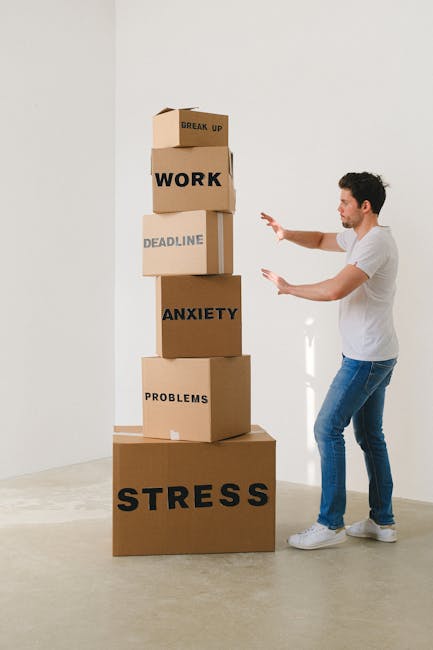
played that song, ♪ You had a bad day ♪ Alex Appolonia: I wrote down some points because my brain is like mush lately. Fran Lam: Sad, worried, stressed. Victoria Barranco: Physically, like all of the negative emotions. Abby: This probably sounds super familiar, and that’s because a lot of us are feeling stressed right now. But this isn’t normal stress. This is pandemic stress, and it is messing with our
brains in a particular way. When you get stressed, it
triggers a chain reaction that starts in the amygdala, your emotional-processing headquarters. Your eyes and ears send
info to the amygdala, and it determines if what you’re seeing and hearing is stressful. If it is, it sends a signal to your command center, the hypothalamus. It’s in charge of getting the word out to the rest of your body by way of the autonomic nervous system. The adrenal glands get the message first and pump adrenaline into your bloodstream. Your heart beats faster; you breathe more rapidly because your muscles need extra blood and your brain needs extra oxygen.
They’re preparing to
react to whatever threat is causing your stress response. All of this happens in
the blink of an eye. It’s like how people can
jump out of the way of a car without really thinking about it. The emotional amygdala overrides
your prefrontal cortex, the part of your brain
where all the logic happens. So you don’t get a chance
to think things through; you just react. Once the threat dies down, though, the parasympathetic
nervous system takes over and returns all those
heightened reactions to normal. But if the brain still detects danger after the initial adrenaline rush, the hypothalamus sends out another message to the rest of the HPA axis.
This triggers another series of hormones that lead to the release of cortisol, which signals to the body that it needs to stay on high alert and keep
pumping out stress hormones. Right now for a lot of us, that threat is still very much alive. The amygdala is still overriding
the prefrontal cortex, which is in charge of
decision-making and planning. So those feelings of
forgetfulness and tiredness, they’re likely a product
of this stress response that won’t turn off. Stress hormones and the
accompanying bodily responses are super helpful in the short term, but our bodies aren’t
meant to function in this heightened state for
weeks or months at a time. And over time, your brain will burn out. When it does, it can lead to allostatic load, the cumulative wear, and tear
that happens to your body when you’re dealing with chronic stress.
A high, prolonged cortisol level can mess with a lot of stuff. It’s even been seen to decrease the volume of your hippocampus, the area responsible
for learning and memory, and a reduced hippocampus
is more often seen in people with depression than those without. So all this is to say that the extra stress is probably not doing your brain or your body any favors. And humans are historically
bad at making decisions when they don’t know
what’s going to happen?
So, what can you do to
reduce the allostatic load? Reduce stress. Eating well, exercising, and maintaining a regular sleep schedule cannot be overlooked. Exercising alone can
reduce stress hormones, even with just a 20-minute walk. And a different way of
thinking could also help us: an idea called model-free learning. It’s trial and error. Instead of basing your risk assessment on similar examples from the past or envisioning future scenarios, you just take it one step at a time. This way, you reassess and
update your estimate of what’s happening and how to prepare. We’re dealing with a new virus, constantly changing policies, and likely a completely different schedule and maybe even environment. Our brain is on high alert at all times to identify potential threats.
This means that even if you’re spending most of your time laying around, your brain isn’t, so try not to beat yourself up for feeling tired or fuzzy, or unmotivated. You just don’t need anything
else to stress about. Now that you know all of this, how are you feeling? Alex: To be honest, I
do still feel the same. Fran: I think I’m feeling a
bit better after watching it. Victoria: It’s
my body is exhausted from feeling things and being under stress all day, all the time. Graham: Whenever I feel
that allostatic load starting to weigh down on me, you know, I can put a
name on it, a face on it, and it makes it a lot
easier to deal with it.
As found on YouTubeAnimationStudio ꆛ☣ꐕ Be The “Middle Man” And Profit With AnimationStudio Agency License. Here’s How You Can Earn $100, $200, or even $300 For Every Video You Create With AnimationStudio… Activate Your Profit Machine With The Agency License … $197/month For Just $67 One Time Payment
my head is aching my legs
are shaking I can’t sleep studies keep piling up in a heap of restlessness
and irritability prevails I’m worried will I fail lack of sleep just mounts oh I’m so
stressed out we’re living through stressful times and stress has become our constant companion
but do you know what exactly happens inside our body when we are stressed in today’s
In the video we are going to talk about three things one is the science of stress in our brain and body
two five very effective solutions to beat stress and finally two bonus tips right at the end
so don’t get stressed and let’s get going hey everyone this is Chetna and you’re watching
chet chat there are two kinds of stress one is use stress or good stress this gives us an extra
a burst of energy and focus when we are playing a competitive sport or giving a presentation and two
the second is distress or bad stress this is the continuous stress which makes us feel burdened
how stress affects the brain now you’ve perhaps been stressed for the past few months thinking
about your future or even your family’s health, this emotion of stress activates the hypothalamus
pituitary-adrenal axis the hpa axis the hypothalamus via the pituitary glands activate the
adrenal glands which are situated atop the kidneys in response the adrenal glands secrete a hormone
called cortisol the stress hormone the body thinks of this as a warning sign as though we’re about to
get eaten up by a bear the cortisol first raises the activity level in the amygdala the fear center
of the brain this gives rise to feelings of anger this is the reason why we tend to lash out when we
are stressed if you want to know by the way more about the signs of anger then watch this video and
I will share a link for you in the description box below have you ever found yourself saying I’m
so stressed I can’t think straight while the amygdala is working overtime cortisol travels
to its next destination the pre-frontal cortex located at the front of our head’s prefrontal
cortex is the thinking and planning part of the brain excess cortisol sustained for long periods
of time causes this region to shrink thereby blurring our rational thinking now another thing
What happens when we are very worked up that we can’t seem to remember where we’ve kept our phone
or our keys even if it’s right in front of us let’s see why that happens the cortisol now
reaches the hippocampus the memory center of our brain excess cortisol lowers the production
of brain cells in this region that is why we tend to forget everything we’ve studied if
we feel very stressed out during an exam now where is this cortisol reached in his
journey to the very cells of the brain too much stress will slow down your response
systems have as well seen someone looking very numb after they’ve encountered major stress but
the worst damage of stress is that over time it can change our cell structure right down to our
DNA shortens the telomeres the shoelace tips of chromosomes which measure a cell’s age do you
know the shorter the telomeres become the shorter their lifespan now not all stress is bad
remember we spoke about eustress or good stress and the experiment conducted by the University of
Wisconsin shows that moderate amounts of cortisol can improve memory while no stress which is
zero milligrams of cortisol or too much stress which is about 40 milligrams of cortisol will
not help you remember what you’ve studied or where you’ve kept your phone but just the right
amount of stress about 20 milligrams of cortisol will help you remember faster so be alert but
not burnt out before we talk about how stress affects the body I would like to give a shout
out to only ladies outfits whose amazing message got a huge number of likes from you and
if you want a shout-out in my next video then leave me a comment below with the hashtag
chet chatters now you must be thinking that if all this is going on inside the brain how am i
feeling stress in my body you’re right to stress affects all body systems and let’s see
how to remember that the body is still thinking of us being attacked by a bear so it believes that
the muscles need oxygen to fight or to run now an amazing sequence of events takes place the
the heart pumps faster increasing blood pressure causing hypertension this huge volume of blood
starts going through our lungs to get oxygenated which means we start panting and getting
breathless to inhale more oxygen now imagine our arteries like pipes which suddenly have high
speed blood gushing inside them the pipes could burst so the body begins to thicken these arteries
by accumulating a sticky substance called plaque which in turn attracts cholesterol and fats extra
thick walls mean that sometimes the openings of the arteries become too narrow and now the heart
has to work doubly hard to push blood through them and all these blocked arteries could lead
to heart attacks did you know that over 60 patients suffering from irritable bowel syndrome
have psychiatric disorders and chronic anxiety another thing you might have noticed people tend
to stress eat before an important occasion you’ll see that since the muscles require quick oxygen
cortisol increases our appetite and signals the body to consume more energy-rich food like carbs
the problem is that there is no actual bear so we are neither running nor fighting and all these
sugars get accumulated as belly fat but don’t get all stressed out hearing this take a deep breath
because I have some tried and tested methods to bust your stress keep calm and meditate on
mindful meditation and yoga regulate breathing reduce heart rate and decrease cortisol levels
in our body stress causes us to breathe faster so we are forcing our body to slow down and do some
reps to de-stress exercise also reduces the levels of the body’s stress hormones adrenaline and
cortisol stimulates and produces endorphins the body is a natural painkiller and mood elevator
so try some home workouts or go for a walk or jog in the fresh air surrender and acceptance
this is my secret sauce to remain stress-free one big cause of stress is us trying to control
In every aspect of our lives practice acceptance surrender and gratitude together and you will
experience the calm flow through your veins and good vibes only you might have heard that confidence is
the key well it’s the key to unlocking some stress people with higher self-esteem are
said to perform better because they have lower cortisol responses to acute stress so they belief in
yourself and repeat I can do it and if you want to know how to increase your self-confidence then
check out this video and I’ll drop a link for you below headphones in stress out listening to your
favorite tracks especially mellow music have a beneficial effect on our body it slows the pulse
and the heart rate down it lowers blood pressure and decreases the levels of stress hormones and
now for the bonus tip dark chocolate, this is my favorite one eating a bar of dark chocolate
helps to keep stress at bay because it contains antioxidants which help in reducing cortisol
levels overthinking is over friendly wizard newt Scamander said my philosophy is that
worrying means you suffer twice we can all learn from him and stop worrying
about situations beyond our control remember just live in the moment so stay
calm peaceful and safe and happy learning
As found on YouTubeAnimationStudio ꆛ☣ꐕ Be The “Middle Man” And Profit With AnimationStudio Agency License. Here’s How You Can Earn $100, $200, or even $300 For Every Video You Create With AnimationStudio… Activate Your Profit Machine With The Agency License … $197/month For Just $67 One Time Payment
So, welcome back, this is the next lecture
on stress tensors. So in the last lecture, we have categorically seen
what is Cauchy’s stress, sigma. And we have seen that the definition of sigma
indicates what is the internal force that gets developed within a plane or a body
at a point due to some action of external forces. Now, what is sigma?
In
fact sigma is a stress tensor. So, Cauchy stress can be considered a
tensor. So, now we are going to define a new term what is known as a tensor. If you want to study or
if you want to do modeling in continuum mechanics, as the complexity of the problem increases, it
is always convenient to define what is known as a tensor. And we have already stated stress
is a tensor quantity. Now, what is a tensor? We know what are scalars, and we know what are
vectors. So tensor is also a similar kind of quantity. So why tensor, because it is very
convenient to express stress as a tensor. In short stress itself is a tensor. In
simple terms, we can say that tensor can be defined as a quantity with
magnitude and multiple spatial directions. So, possibly you will think like what is the
difference between a tensor and a vector. Vector also has a magnitude and a direction,
but we will see that vector has magnitude, but it will have only one direction whereas in
the case of tensor multiple directions are there. So that is the essential difference
and tensor is a more general term. And the subsets of the tensor are scalar, vector, and
any other tensor of higher order.
So different tensors which are popularly used are yes, that is
what I told the first one is scalar the simplest tensor is scalar and it is called zero-order
tensor. A quantity which has only magnitude and zero direction, scalar we all of us know that it
does not have any direction it has only magnitude. So we call it zero direction. And zero order
tensor which is a scalar that has three raised to zero, where zero represents the number of
directions. So three raises to zero are equal to one element and that is true, it is merely a number
that shows the magnitude. Scalar is a zero-order tensor.
The second one is a vector, which is the
first-order tensor. A vector is a quantity, which has magnitude and one direction you
can see that vector has only one direction. Accordingly, the number of elements will be three
raised to one which is equal to three elements. So if you have an x y z axis you have a vector in
three different directions. So that is possible. So that is what it means it has three
elements. So it has one direction every vector is associated with only one direction. And it
has three raised to one which is three elements and specifically, Cauchy stress is
known as a second order tensor. Why does Cauchy stress sigma have magnitude and two
directions? Now, what are these two directions? Now we will see specifically how these two
directions come into the picture when you define a stress component and it is very easy also if you
remember Cauchy stress, we represent it as sigma xx or sigma xy.
So there are two symbols
associated and that is why it is always associated with two directions it is associated
with which plane it acts, which means the normal to that particular plane.
It is also dependent on, which direction that particular traction acts. So we will
discuss that a bit later, only to specify here is Cauchy stress is a second-order tensor.
It has magnitude and it has two directions. So this is a second-order tensor and it has three
squares equal to nine elements which we have already seen in the Cauchy stress tensor.
There
are nine elements and the second order tensor linearly maps to vectors that also we have seen.
We have seen that t is sigma transpose of n. So it linearly transforms
to vectors, that is Cauchy’s formula. Now, some aspects of tensor to be very specific,
may not be useful, but then this is important to understand the tensor. Let us say two, there
are two vectors u and v a tensor T is a second order tensor if it linearly maps vector v to u
as can be shown here and the second order tensor satisfies the properties of linear transformation.
So this is what has been written, t maps v to u or there is a linear mapping of v to u.
If you compare this with Cauchy’s formula, it is more or less the same thing that is how we define
The Cauchy stress tensor is a second-order tensor. Having said that, now the next job is to interpret
the components of the Cauchy stress tensor.
We know that there are nine elements. Now, what are
these nine elements? What does it represent? So, for that, we need to define the Cartesian
coordinate. So you have a Cartesian coordinate x y and z. And to make it simple a
control volume is also shown, control volume is a very common terminology that
is used in continuum mechanics or any other form of mechanics. The con this control volume
is not required, but to make things simple and for one to understand it has been shown.
So we have a Cartesian coordinate x y z, this is positive x direction, this is positive
y and this is positive z which is also important here.
So you can consider a positive x plane, now
x is an axis which is meant by x plane. It means the plane on which x direction is the
normal to that plane that is what is written here the plane whose normal is in the positive
x direction. So it is called the positive x plane. So what will be the negative x plane?
The negative x plane will be here because the outward normal to this plane is in the
negative x direction. So this is the negative x plane. So you need to understand this very
carefully. Consider positive x planes, so we are talking about this particular plane.
That is a positive x plane because why because normal to this particular plane x this is the y z plane,
this is y, this is z.
So this plane is y z plane. Now for this y z plane, the normal is in the
direction of x. So that is what it means. So x plane means, positive x plane means, y
z plane which is shown here so, positive x, negative x plane both are there. Now we will
come back to Cauchy’s formula and cauchys stress sigma. So now, the normal vector to x
plane¬ this positive x direction. Please understand the normal vector
to x plane¬. So this is the x plane. The normal is x. So you can easily write
what is the normal vector. So this is the normal vector. So for the x
direction, it is one zero. So n T is given in this manner and similarly, for y
it will be zero one zero, and for z zero one. So normal vector to x plane is
defined that is n transpose is given. Now, what are the components of traction vector
tx, ty, and tz?
You already have this to be, that is tx, ty, tz is equal to sigma and n.
So if you substitute the value of n that is for positive x plane one zero here, so it will
be one zero, and do the matrix operation, you will see that t x is equal to sigma xx, ty
will be equal to sigma xy. So this is sigma xx, sigma xi. So ty will be equal to sigma x y and
t z is equal to sigma x z. So what does it mean, it means that the components which are present
in cauchys stress tensor are components of traction vector in a given direction.
So if you see, you can see that sigma xx is the x
component of traction vector on x plane.
So there are two references which are coming and that
is why we said that there are two directions. It is the x component that is the traction vector
in the x direction and it is acting on the x plane. So there are two things which are coming.
Similarly, you have sigma xy. Sigma XY is the y component of the traction vector acting on the x plane.
Similarly, you have the z component of the traction vector acting on the x plane. Similarly, other components of
Cauchy stress tensor can be identified based on Cauchy’s formula. So that is what is the meaning
of each of the terms which are present in the Cauchy stress, it is nothing but the components
of the traction vector acting in a specific direction. So, the component of the Cauchy stress
tensor, in general, is sigma ij, it is the j component of the traction vector it can be
x, it can be y, and it can be z. So it is a j component of traction vector
acting on the ith plane. So the first index I show which plane it is associated
with. Which plane means, which is the normal and j is the direction of that component, direction
of the component of traction vector. So i is the plane on which traction is considered,
and j is the direction in which the traction component is considered.
So we can see the overall
representation of the Cauchy stress tensor. So first is stresses acting on x
plane. Now which is the x plane, this is the x plane. So there are two
x planes, this is negative x and this is positive x. So what are the
stresses which are acting, we have sigma xx in the direction of x?
So, all of them are acting on x plane. Then we have sigma XY and sigma xz. Similarly,
on the other side of another plane which is a negative x plane we have sigma XY, sigma xz, and sigma xx.
It is identical but it is on the other side. Then we have stressed on y plane.
Now what is
meant by y plane, a plane with y direction as the normal. So you are talking about this and this.
So you have positive y and this is negative y. Similarly, in this, you have
sigma yy, sigma yy, which is the direction, in the direction
of y and you have sigma y x, sigma yz, similarly sigma y x and sigma yz. Then
we have stresses acting on the z plane, what are the stresses acting on the z plane, and
what is the z plane, this is the positive z plane and this is the negative z plane and
this stress is acting as sigma zz, sigma zx, sigma zy. Similarly, here also
you have sigma zz, sigma zx, and sigma zy. So these are the representation of the components
of Cauchy stress on a given control volume. So, all these stress components are acting at
a point. Now we need to keep in mind that I have shown a control volume in the figure, and
that is only for understanding how the stresses are oriented. Otherwise, it does not serve
any purpose. We need to still understand that whatever stress components are there in
the Cauchy stress tensor, it is acting at a point and the control volume, the cuboid is shown only
to indicate the plane on which it is acting. So that’s that notion we should not forget.
So it is stress acting at a point. Now having said that, we need to now define some
sort of sign convention of the Cauchy stress tensor.
So the given sign conventions are the traction
components on the positive plane. So now we have already marked what is a positive plane.
So the traction component on the positive plane acting in the positive direction means the
direction of x y z which is in the positive direction, so is positive. So you have a positive
plane and the traction component is acting in the positive direction, so it is positive.
Similarly, if you have a positive plane and the traction component is acting in
a negative direction, so it is negative. For the negative plane, if the plane is negative
and the traction component is acting in a negative direction, so it is positive.
And the final case
is negative plane traction component direction is a positive direction, it is negative. So this is
one sign convention, you can see that numerous sign conventions are available, and uh one may use them at his convenience, but if you follow one sign convention,
you need to follow it throughout. So this is one convenient way of uh defining sign
convention, there are assigned conventions that are available based on movement also, and sometimes
it may be difficult to understand. So this is very easy and very easy to define as well, one example
is given here.
So this is the positive x plane, and the stresses acting are sigma xx, sigma
XY and sigma xz. If you consider sigma xx, this is acting on a positive x plane.
And sigma xx is in acting in the positive x direction. So that is why it is positive,
similarly to sigma XY and sigma xz. Now consider the case of the negative x plane, if you consider sigma
XY, this is a negative plane, negative x plane whereas, this is acting in the positive y direction.
So negative plane positive y direction, so it is negative.
Similarly, all the stress
component signs can be assigned. So this is the sign convention of the Cauchy stress tensor. So what
is the summary that we have understood till now? There are three normal
components or normal stresses, sigma xx, sigma yy, and sigma oz. You can
see that in this figure, you have sigma x x, sigma yy, and sigma zz, these are acting in
the same direction as that normal. So there are three normal components or normal
stresses sigma xx, sigma yy, sigma zz or it is merely stated as sigma x, sigma
y, sigma z which is a common terminology, which we normally use in mechanics.
There are six shear components or shear stresses to be very specific all indices
were I not equal to j, here it is I equal to, here I not equal to j.
So these are shear
components of traction or shear stresses, it is written either in sigma form or in tau
form. Cauchy stress tensor a second-order tensor quantifies the internal force distribution in a
body at a given position and time corresponding to a given deformation.
Why time is important is because we are considering the condition
corresponding to a given deformation. And internal forces, which that gets developed
followed the basic laws of mechanics. Now one particular aspect of why stress
at a point that information is needed is to, define the equilibrium equation. So it is an
application of why you need to know stress at a point.
Now stress at a point is
very important to define the equilibrium equation as we have seen in the beginning, you have seen
that certain requirements need to be satisfied like the equilibrium condition,
the compatibility condition, and so on. Now for defining the equilibrium condition, we
need to specify the equilibrium equation. I will not go into the derivation of this equilibrium
equation it is very basic and is mostly seen by most of you. So by considering a given
control volume, the equilibrium equation can be represented as follows. And you can see that the
components of equilibrium equations are the stress tensor components, the only new term is gamma.
Where gamma is a self-weight of the gravity stress which acts in the z-direction or the vertical
direction and to be very specific stresses are in terms of total stresses in this particular
equation, it is invariably necessary to know stress at a point for defining
equilibrium condition.
Now based on equilibrium, we can say that tau yx is equal to tau XY, tau
yz is equal to zy and tau zx is equal to tau xz. Therefore, the stress tensor is represented
by six independent stress components, there are nine components in the Cauchy
stress tensor just because of this condition, we have six independent stress components, and
they are three normal stresses, sigma x, sigma y, sigma z, and three shear stresses tau XY, tau
yz and tau Zx, where tau XY is equal to tau yx. So this is what it is. So that is how it boils
down to six independent stress components. So the final summary of what
we learned in this particular lecture is Cauchy stress, sigma is a second-order
tensor. The element of stress tensor represents components of traction acting on three orthogonal
planes according to a given Cartesian coordinate. Sigma I j means j component of traction vector
acting on the ith plane. Stress tensor sigma has three normal stress components and six shear
stress components.
But based on equilibrium, there are six independent stresses
three normal and three shear stresses. All the stress components are acting at a
point that is very relevant and which is very important. The components
of sigma depend on the coordinate axis, please note here as such sigma
is not dependent on the coordinate axis, but the components of sigma, I mean to say
sigma x, sigma xy those are the components or the traction vector components, they
are dependent on the coordinate axis. So there is a distinction that needs to be
very clear, one should not get confused with sigma as a whole and the components of sigma.
Sigma as a whole is not dependent on any axis, but the components of sigma keep changing, but
the overall sigma representation of internal force remains the same depending on the reference axis,
and the component’s magnitude value keeps changing. Stress tensor sigma at any point in the body
defines the internal force distribution of a body. So this is all about this particular
lecture, which we will see in the next lecture.
As found on YouTubeAnimationStudio ꆛ☣ꐕ Be The “Middle Man” And Profit With AnimationStudio Agency License. Here’s How You Can Earn $100, $200, or even $300 For Every Video You Create With AnimationStudio… Activate Your Profit Machine With The Agency License … $197/month For Just $67 One Time Payment