5 PANIC ATTACK MYTHS | Kati Morton


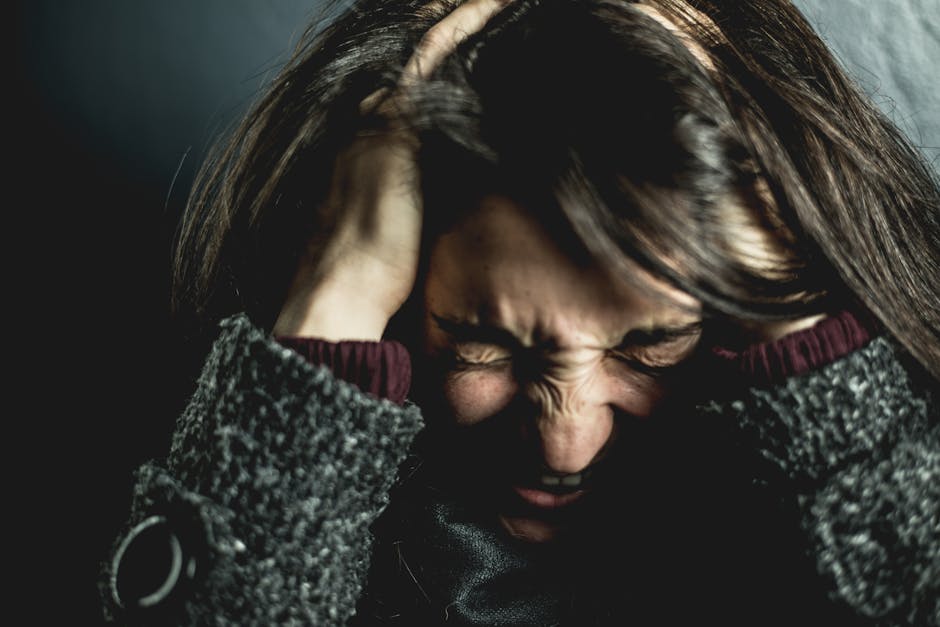
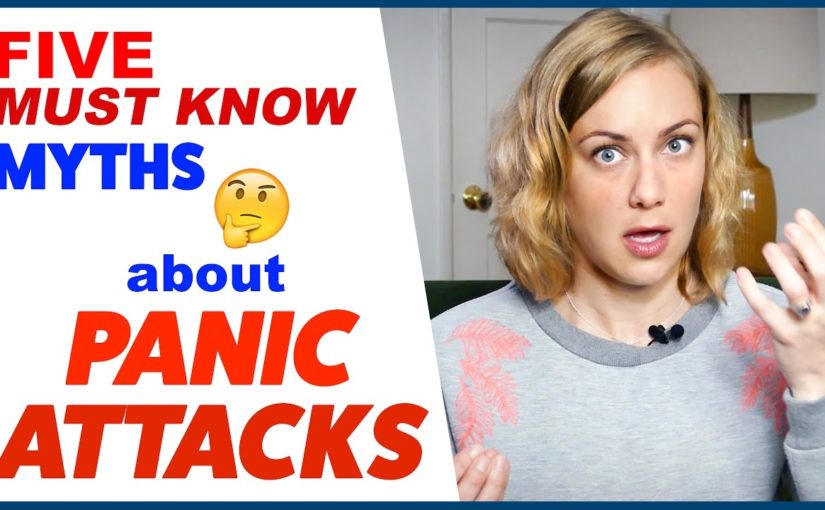
Hey everybody! Today we're gonna be talking about the five myths of panic attacks. So let's get into them. *intro music* Now the first myth is that they're caused by stress and anxiety. If you yourself have ever suffered with a panic attack you know that they come out of nowhere we don't even know what necessarily triggers us, something may not even trigger us. It's not necessarily something that environmental or something that's occurring right now. Panic attacks honestly happen because our system gets overwhelmed and overloaded and sends us into a fight or flight response, AKA, a panic! I also don't like this myth because it implies that we have control over it like we can stop our panic attacks if we just change our environment and the truth is the panic attacks will happen in a wide variety of places for a wide variety of reasons those of which we aren't even privy too.


We don't even know why they happen. And the second myth is that they're going to make us go crazy. Panic attacks, if they happen for too long we're just gonna go insane. I've heard a lot of my clients say this, that it feels like they're losing their mind and they wonder if it can cause other mental illnesses to occur and the truth is the panic attacks usually happen because we have some underlying mental illness, whether it be another anxiety disorder or depressive disorder, any kind of mood disorder can be a lot of different components that can lead us to having panic attacks and being more predisposed for panic.


The truth is that panic attacks in no way affect the functioning of our brain as a whole in the hormones, like dopamine, norepinephrine or any kind of neurotransmitter that could cause another mental illness or psychosis or quote, unquote, make us go crazy. The third myth about panic attacks is that having a severe one is going to cause us to go into cardiac arrest. I've heard from a lot of my clients that because a racing heart is one of the symptoms that they experience most with panic attacks, or even the build-up to a panic attack, they'll start feeling their heart race and they worry that if they're in a really extreme or intense panic attack for a sustained period of time, let's say for an hour, that they're going to go into cardiac arrest and this is going to be how they're going to die and it sends them into panic even more quickly and keeps them there longer.


But the truth is and this is something important to kind of note and to tell yourself, maybe when you're, you feel those symptoms happening is that our heart is extremely strong it can beat at over 200 beats per minute for days, if not weeks especially if we're young, it can be four weeks at that rate without sustaining any damage. I just want to take a second to let that sink in. We can essentially be in panic for a really really long period of time without our heart ever being hurt or even potentially considering it going into cardiac arrest or having any kind of malfunction.


Therefore on average, panic attacks last from three to ten minutes so a three to ten minute panic attack is not in any way going to harm your heart or cause a heart attack. The fourth myth is that they're used as a way to get out of something we just don't want to do. Uh, if we hear that one more time. Am I right? For those of you who don't understand what a panic attack is or what can cause a panic attack, like I stated earlier, they come out of nowhere. They are not triggered by our environment, it's not due to an over reaction by up if usually a result of another underlying mental illness and these feel like they come out of nowhere, happen quickly and can stay and they're extremely uncomfortable, so if you found yourself having these attacks anytime you went into the grocery store, then you would start to not want to go to the grocery store or whenever you're in a crowded place, like I've had a lot of clients are like, "If I'm ever in a busy thing like a club or a concert or even like a really busy day at the mall," they've had panic attacks, we don't really know why but they're then attaching busyness and a lot of people with panic attacks therefore if someone's going to call you, if a friends going to ask you to go out to a party, and you think it's going to be a small group you're like sure, then later you find out there's going to be like 50 people there, you're like I'm gonna have to say no.



But we need to understand that panic attacks and panic disorder is a real diagnosable mental illness and because we don't know what triggers them and they come out of nowhere we fear the next one may be just around the corner. So of course we're going to limit the amount of things that we do until we can get them more under control. And the fifth and final myth about panic attacks is that there is nothing that we can do to treat them. Meeh. That's wrong, there are a lot of things we can do to treat them. Yay! Number one, and something that I've been reading because if any of you follow me or have been on the live streams or follow me on snapchat or Instagram, I have been working very hard at your anxiety workbook and I'm super excited for it to come out, but the thing that I learned through all the research I've been doing, is that progressive relaxation, you know like clench your feet, relax your feet, clench your calves, relax your calves, that type of exercise, doing that 20 to 30 minutes a day can calm our system down to such an amount that those who struggle with panic disorder may rarely, if never again, if they continue to do the progressive relaxation each day, they may never have the symptoms again.


They're still doing more studies on it but progressive relaxation is, surprising to me, but it's so amazing and been so helpful and beneficial. And the other is that CBT, so cognitive behavioral therapy, is also helpful with panic disorder and those of us who struggle with panic attacks because a lot of times we build up the panic and our system's fight-or-flight response by worrying about all of those things like it's going to cause a heart attack, I'm going to be super embarrassed, I'm going to go crazy, I may fall over or faint, all those worries and kind of falsely held beliefs that we have, CBT can really help us challenge those.


Also medications have been shown to be extremely beneficial SSRIs, SNRIs, and benzodiazepine have been shown to be extremely helpful for those of us who struggle with panic disorder and I know that not all of you are interested in taking medication this is another option that's available and if you're out there and you're struggling with panic attacks and you feel like they're happening with more frequency, it's controlling the way you live your life please reach out, please talk to someone. There are different professionals and a ton of help available, we just have to ask for it and we just have to reach out and I know it's scary to do the first reach out, but know that we're used to managing it we can handle it. We are kind, calm, wonderful people and maybe bring an extra supportive person with you to that first appointment or maybe they make the call and set up the appointment for you.


Find ways, use your resources to get the support and help that you need. Please share this video, I think a lot of people talk poorly about panic attacks or don't understand and I also put some in here, if you didn't notice for those of us who struggle and the myths that we tell ourselves about panic attack because I think both are really important to note, and leave in the comments what are some myths that you've heard. What is the way that you talk back to that, so that we have as a community are raising the stigma associated with mental health. I love you all and I will see you next time. Bye!.


As found on YouTube
Discover the First-To-Market Revolutionary SPR “Static” Conversion Tech Which Dramatically Speeds Up & Secures Existing WordPress Sites & Cloud Affiliate Pages With Just A Few Clicks

Guided Meditation for Stress Relief | My Peace of Mindfulness


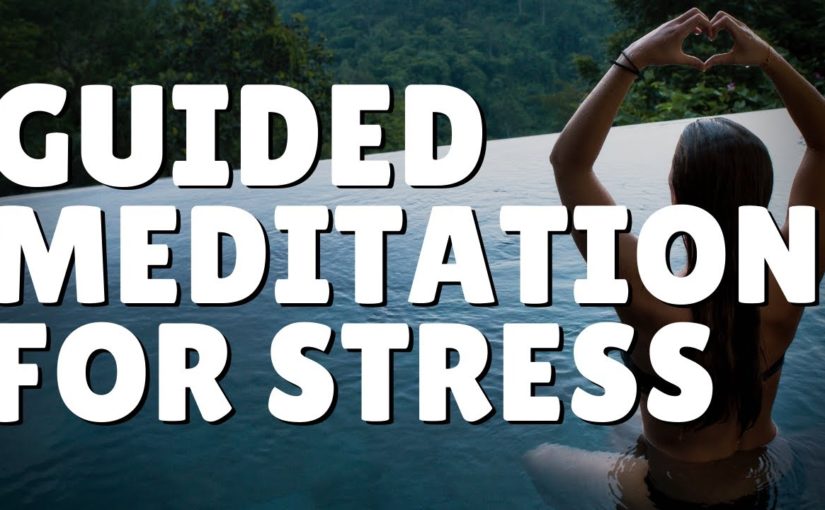
Guided Meditation for Stress Relief | My Peace of Mindfulness welcome to this relaxing session that guides you out of anxiety and into the Sea of Tranquility sometimes our anxious thoughts can carry us away to feeling emotions that are not desirable these feelings can end up keeping us awake for hours on end when we are laying down to rest this is because we tend to fight them wanting nothing more than to not feel anxious rather than honoring them so let's begin by getting into a comfortable position on your back ensuring you will not be distracted for the duration of this session this time is for you you have nowhere else to be right now and no one needs you gaze in front of you and allow your eyes to find a spot to fixate on and do not look away in a moment as I count down from ten you will slowly blink your eyes with each number I say when I reach zero allow your eyes to close and remain that way for the rest of the recording ten blink your eyes nine blink eight seven six five four three two one and zero lay your eyes closed feel a gentle wave of relaxation sweep over your entire body good now allow your focus to become centered on your breath when you think about your breathing you usually take a big deep breath in filling your body with oxygen as you take another full breath in notice how your body expands when you exhale pay close attention to how your body contracts on the next breath in imagine that the oxygen is filled with a calming effect and as you exhale feel tension in the body relax and melt away inhale serenity exhale any stress now bring your hands up to the very center of your chest and lay them on top of one another breathe in slowly and deeply and strain your spine making your head aligned with your body when you exhale imagine there is a special point of contact the size of a golf ball in the very middle of your chest slowly apply some pressure to the center point of your chest if you notice any worrisome thoughts pop into your mind be aware of them and acknowledge them then take a nice full breath in focusing on how breathing deeply feels notice how the stress is intertwined with the tension and connected to restricted breathing breathing in now feeling your body expanding breathe out applying this comforting pressure feel the worries rise and then drift away breathe in and say I acknowledge that I feel anxious it's just a passing moment the more I try to hide my stress the more it causes tension lay your breath flow naturally now and just watch it what does your breath want to do and how is it behaving if you notice your breath becomes stagnant or restricted inhale very slowly and fully and say to yourself I let this go as you exhale nice now one more big deep breath in let go of the pressure but keep your hands here on your chest imagine that you are breathing in the power of relaxation and exhale feeling this heart point which naturally releases anxiety from deep within you repeat this one more time keeping your spine aligned inhale lifeforce exhale and release wonderful let your hands fall back down by your sides and become aware of your hands can you feel a gentle tingling sensation or a slight warmth beginning to grow in your hands noticing these sensations relaxes you making you feel cozy and safe can you allow this relaxing warmth to increase feel the tingling sensation grow and expand Oh now notice how those same sensations are in your feet let the warmth grow and expand do you have any anxieties right now I bet not you are so focused on this beautiful sensation that your mind cannot worry or stress you I'm going to count down once more but this time I want you to imagine that you are walking down a beautiful flight of stairs these are the stairs of relaxation with each number I say you become more and more relaxed with each step you take ten stepping off the first step feeling that lovely wave of relaxation 9 allowing your level of relaxation to double 8 feeling safe and secure 7 comfortable and cozy 6 you have nowhere to be right now except your bed five more and more deeply relaxed for each step feels like a long relaxing bath three each step takes you further in to tranquility two one and zero you are more relaxed than you have ever been how you feel right now is your natural resting state that you should always return to automatically if you find yourself being carried away by the worries of life remember to acknowledge your true feelings and then breathe deeply into the anxieties melting them away the pressure point on your chest is referred to as CV 17 in acupuncture but also called The Sea of Tranquility it got this name simply because of how much bliss a person can experience after having this release in their body and mind so the next time you find yourself anxious or stressed remember point CV 17 the Sea of Tranquility is always there for you to place your hands upon good you have probably heard the phrase life is a journey not a competition not only should we stop competing with each other but also competing with ourselves the more we deny how we feel deep within the more we hinder our journey towards authentic success you have the power to feel completely relaxed and at ease upon command simply honor yourself and breathe deeply as you enjoy this relaxation you have achieved today let your mind drift and float to thoughts of beautiful places such as beaches with turquoise water Oh Mountains with crisp skies and deep forests with majestic trees the sound of my voice gently fades away and you find yourself fully ready for a long night's sleep allow yourself the rest you deserve good night


As found on YouTube

Discover the First-To-Market Revolutionary SPR “Static” Conversion Tech Which Dramatically Speeds Up & Secures Existing WordPress Sites & Cloud Affiliate Pages With Just A Few Clicks

Deep Sleep Music 24/7, Sleep Meditation, Relaxing Music, Delta Waves, Spa, Study Music, Sleep Music

Deep Sleep Music 24/7, Sleep Meditation, Relaxing Music, Delta Waves, Spa, Study Music, Sleep Music – Are you looking for calming music, meditation music, relax music or sleeping music? Body Mind Zone’s relaxing sleep music is specially created with binaural beats to help you sleep, beat insomnia and encourage lucid dreams. Our music to help you sleep makes use of binaural beats and delta waves to ensure that our music can be used for a variety of music genres, such as deep sleep music, healing music, peaceful music, soft music, stress relief music, spa music, yoga music, zen music, study music and more. We have a range of relaxing music for sleep meditation and lucid dreams that will help you achieve a good night’s sleep and achieve a state of zen. Our relaxing sleep music and healing music is beneficial, whether you want peaceful music for a power nap, calming music as sleep meditation music or soft music to study to. Body Mind Zone’s sleep relaxing music for stress relief is ambient music to help you with meditation and sleep. It can also be used as yoga music or zen music for yoga practice or in a spa. When engaging in meditation for sleep, use this music to help you sleep. It may remind you of spa music, allowing you to use it as stress relief music after a long day. Our music to help you sleep, with its embedded delta waves, is essential deep sleep music for a insomnia. In need of some calm music or sleep music? If you require calming music to improve your sleep, use this sleeping music in the background as relaxing music and soothing music in your home or spa, or as sleep meditation music after long hours of study. Our beautiful deep sleep music is soft music, ideal as stress relief music to achieve soothing relaxation and meditation for sleep. This soft music can also be used as zen music for yoga and many people find it useful as study music to help them study. Body Mind Zone’s calm music is effective as sleep music, deep sleep music, relaxing music for stress relief, healing music, study music, spa music, relaxing meditation music for meditation and as yoga music. Want to feel as if you are relaxing in a spa, achieve a state of zen or escape stress with the help of binaural beats embedded in soothing music? Use our relaxing music for meditation, meditation for sleep or yoga. Can’t Sleep? Use this music for sleep as soothing relaxation to help you achieve zen and a great night’s sleep, allowing you to say goodbye to insomnia. Whether it is Zen music, sleep music, relaxing music for stress relief, calm music or soothing music that you need, you’ve come to the right channel. Body Mind Zone’s music for sleep videos have been specifically created as relaxing sleep music videos with peaceful music to help listeners relax and go to sleep. Use our music to help you sleep and aid sleep meditation. You can use the sleep music for stress relief, meditation, yoga and sleep relaxation. Body Mind Zone’s deep sleeping music is composed to beat insomnia. If you struggle to go to sleep then our insomnia music, using delta waves, is the answer. Incorporating new age breakthroughs with binaural beats and isochronic tones, our soothing music will aid sleep. Moreover, the 432hz healing frequency and 528hz benefits of our healing sleep will lead you to experiencing restorative sleep. This calm music for sleep supports sleep meditation practices such as lucid dreaming and astral projection by using binaural beat frequencies. Our sleeping music is ideal music for stress relief, with the peaceful music relaxing and soothing your tiredness and tension as you unwind to our calming music. Body Mind Zone’s music for sleep is relaxing music for stress relief that helps to reduce anxiety and restore inner peace, especially when used in conjunction with meditation for sleep at home or in a spa. Our spa music and relax music uses nature sounds and ambient instrumental music to bring about soothing relaxation for body and mind, making it ideal Zen music, yoga music and stress relief music. Use our sleeping music for autogenic training to ensure whole-body sleep relaxation or as part of your sleep meditation practice. Our relaxing sleep music will help you enter the dream state gently and without anxiety. This makes it excellent study music to help prevent anxiety while you study. Let our deep sleep music and healing music, with delta waves and ambient instrumental music, help you to relax and reach a state of deep sleep. Subscribe to Body Mind Zone to enjoy our relaxing music and be notified of new uploads: https://bit.ly/2qVHQV7. To listen to Body Mind Zone’s music offline, purchase our music on iTunes: https://apple.co/2V7GbrG Thanks for watching our sleeping music video! Comment below to let us know what you like about the video, and if there’s anything you’d like to see us do differently. #sleepmusic #deepsleepmusic #sleepingmusic #peacefulmusic #relaxationmusic

Sadhguru Shows Us How He Stays Fit For Life #FitnessChallenge

Sadhguru responds to the #FitnessChallenge from Col. Rajyavardhan Singh Rathore, and shows us a few processes that he puts his system through to stay fit for life! Download Sadhguru App 📲 http://onelink.to/sadhguru__app Yogi, mystic and visionary, Sadhguru is a spiritual master with a difference. An arresting blend of profundity and pragmatism, his life and work serves as a reminder that yoga is a contemporary science, vitally relevant to our times. Subscribe to our channel here: https://www.youtube.com/user/sadhguru?sub_confirmation=1 Official Sadhguru Website http://www.isha.sadhguru.org Official Social Profiles of Sadhguru https://facebook.com/sadhguru Free Online Guided Meditation by Sadhguru http://www.ishafoundation.org/Ishakriya Free Onlilne 5 minute Upa Yoga Practices http://isha.sadhguru.org/5-min-practices/

Oxford Handbook of Psychiatry

The Oxford Handbook of Psychiatry is directed at medical students, doctors coming to psychiatry for the first time, psychiatric trainees, and other professionals who may have to deal with patients with psychiatric problems. It is written by a group of experienced psychiatrists and is designed to provide easy access to the information required by psychiatry trainees on the wards or on-call. It closely follows the familiar format of the other Oxford Handbooks, andprovides coverage that is comprehensive, evidence based and practical. The content of the handbook is written in the concise, note-based style characteristic of the series, with single topics confined to single pages.

GBS_insertEmbeddedViewer(“i4Q9vm411LwC”, 500,400);

Don’t Let Fear of Suffering Limit Your Possibility – Sadhguru

Most humans, Sadhguru says, never walk full stride, but take only half-steps due to the fear of suffering. If you go against the natural aspiration to be as much as you can be simply out of fear, then the immense possibility of being human is lost. He discusses inner management and how to handle thoughts and emotions. Tamil version – https://youtu.be/abb28UvTxQk **************************************** Download Sadhguru App 📲 http://onelink.to/sadhguru__app Yogi, mystic and visionary, Sadhguru is a spiritual master with a difference. An arresting blend of profundity and pragmatism, his life and work serves as a reminder that yoga is a contemporary science, vitally relevant to our times. More Videos & Blogs on Website http://www.isha.sadhguru.org Subscribe to our channel here: https://www.youtube.com/user/sadhguru?sub_confirmation=1 Free Guided Meditation by Sadhguru at http://www.ishafoundation.org/Ishakriya Free Yoga Tools For Transformation at http://isha.sadhguru.org/5-min-practices/ Official Facebook Page of Sadhguru https://www.facebook.com/sadhguru Official Twitter Profile of Sadhguru

Cognitive Behavioural Therapy for Dummies

“We all have aspects of ourselves that we would like to change, but many of us believe that a leopard can’t change its spots – if that’s you, stop there! Cognitive Behavioural Therapy for Dummies will help identify unhealthy modes of thinking – such as “a leopard can’t change it’s spots”! – that have been holding you back from the changes you want. CBT can help whether you’re seeking to overcome anxiety and depression, boost self-esteem, lose weight, beat addiction or simply improve your outlook in your professional and personal life.”

GBS_insertEmbeddedViewer(“eHOe9B5sdTcC”, 500,400);

Descriptive Psychopathology

In order to accurately describe and diagnose psychiatric illness, practitioners require in-depth knowledge of the signs and symptoms of behavioral disorders. Descriptive Psychopathology provides a broad review of the psychopathology of psychiatric illness, beyond the limitations of the DSM and ICD criteria. Beginning with a discussion of the background to psychiatric classification, the authors explore the problems and limitations of current diagnostic systems. The following chapters then present the principles of psychiatric examination and diagnosis, described with accompanying patient vignettes and summary tables, and related to different diagnostic concerns. A thought-provoking conclusion proposes a restructuring of psychiatric classification based on the psychopathology literature and its validating data. Written for psychiatry and neurology residents, clinical psychologists, behavioral neurologists, clinical psychology students and psychiatric nurse practitioners, it is invaluable to anyone who accepts the responsibility for the care of patients with behavioral syndromes.

GBS_insertEmbeddedViewer(“jEUhAwAAQBAJ”, 500,400);

Neurosis in Society

Neurosis in Society

GBS_insertEmbeddedViewer(“zEBdDwAAQBAJ”, 500,400);

6 Common Causes of Anxiety

According to a recent survey by the National Institute of Mental Health (2017), Anxiety is the most common mental illness, with over 40 million adults in the US alone being diagnosed every year. The American Psychological Association (2013) defines anxiety as a future-oriented concern that may lead people to avoid situations that trigger or worsen their distress. Do you have experience with anxiety? Do you know someone who is often anxious? What other symptoms of anxiety do you recognize? There are in fact many types of anxiety disorders, including generalized anxiety disorder, Obsessive-compulsive Disorder (OCD), Panic Disorder, Post-Traumatic Stress Disorder (PTSD) and Social Phobia or Social Anxiety Disorder. You can watch the video here: https://youtu.be/IzaNQAh3NiY #anxiety #anxietydisorders Credits Script Writer: Chloe Avanasa Script Editors: Kelly Soong VO: Amanda Silvera Animator: Napiart YouTube Manager: Cindy Cheong Our sources: National Institute of Mental Health. (November 2017). What Are Anxiety Disorders?. Retrieved from nimh.nih.gov/health/statistics/any-anxiety-disorder.shtml Nolen-Hoeksema, S. (2000). The role of rumination in depressive disorders and mixed anxiety/depressive symptoms. Journal of abnormal psychology, 109(3), 504. Laux, L., & Krohne, H. W. (Eds.). (1982). Achievement, stress, and anxiety. Hemisphere Publishing Corporation. Caplan, S. E. (2006). Relations among loneliness, social anxiety, and problematic Internet use. CyberPsychology & behavior, 10(2), 234-242. Stearns, P. N. (2012). American fear: The causes and consequences of high anxiety. Routledge. Greenson, R. R. (1959). Phobia, anxiety, and depression. Journal of the American Psychoanalytic Association, 7(4), 663-674. Reiss, S. (1991). Expectancy model of fear, anxiety, and panic. Clinical psychology review, 11(2), 141-153. Kinsey, S. G., Bailey, M. T., Sheridan, J. F., Padgett, D. A., & Avitsur, R. (2007). Repeated social defeat causes increased anxiety-like behavior and alters splenocyte function in C57BL/6 and CD-1 mice. Brain, behavior, and immunity, 21(4), 458-466.