The 5 Types of Tiredness

(bright music) – [Narrator] Hey, Psych2Goers, and welcome back to our channel. Thank you all so much for the love and support that you’ve given us. Your ongoing support has helped us make psychology and mental health more accessible to everyone. Now, let’s continue. Have you ever heard of the phrase, I need to recharge my batteries? While this phrase isn’t meant to be taken literally, it’s just another way of saying that you need time to sit back, relax, and tend to your personal needs. Do you often overwork yourself and push yourself past your limits unintentionally? If so, it’s important to be wary of the consequences it can bring. Tiredness is like a cry for help from our body and mind that’s trying to tell us there’s something wrong. This is why it’s important not to neglect or immediately disregard our feelings when first trying to understand them. In this video, we’ll help you identify the five types of tiredness you may experience. Number one is social tiredness. Have you ever felt drained or overwhelmed as a result of too much socialization, whether it’s in person or online? You could be dealing with social tiredness, also known as social fatigue. This might especially ring a bell if you’re a more introverted person, but this doesn’t mean extroverts can’t experience social exhaustion either. Social fatigue doesn’t necessarily happen when you’re around people you don’t like. Even after enjoying a long day with friends and family or going to dinner with your significant other, you can still feel worn out and in need of some alone time. Two, physical tiredness. Physical exhaustion is what you might feel after playing a sport or even after mustering up the energy to get out of bed in the morning. Because you feel it in your body, this makes physical tiredness one of the most noticeable and identifiable of its kind, as well as one of the most common. This kind of weariness may also be a result of a lack of sleep or a poor diet. When you’re physically tired, you feel sore and heavy, and your tiredness will show through yawns, dreary-looking eyes, or sluggish movement. Number three is emotional tiredness. As humans, we can feel emotions on various, complex levels. For instance, a child dropping their ice cream on the sidewalk might not trigger the same measure of emotions as an adult who’s lost a loved one. Sadness, hopelessness and fear are all emotions you’ll face throughout life’s obstacles but eventually learn to overcome. Are you dealing with an overwhelming and stressful situation for a long period, such as an emotionally abusive relationship or a toxic friendship? Prolonged stress can cause emotional exhaustion to set in. Emotional tiredness can affect your energy levels, as well as the stamina you rely on to check things off your to-do lists. Number four is mental tiredness. Do you ever have one of those days where your mind feels cloudy and you’re unable to concentrate? Mental tiredness affects your thinking and behavior, including how you make decisions and your performance at work or school. Even your long-term and short-term memory can be affected. Mental exhaustion is caused by prolonged stress and working yourself past your limits. As a result, this brings about certain behavior changes, such as social withdrawal or neglecting your responsibilities. And number five, burnout. Burnout is a combination of physical, emotional, and mental exhaustion that gradually builds up over time. Being in a state of burnout can make you feel as if everything you do serves no purpose, causing you to question the point of putting effort into work, school, or your personal goals in the first place. Burnout makes it hard to see and enjoy the good things in life because every day feels like a bad day for you, and life’s constant demands can put even more weight on your shoulders. Because it creeps up on you over time, it’s not easy to pinpoint the start of your burnout, but you’ll know when you feel the extreme level of overall exhaustion. Can you relate to any of these five types of tiredness? If so, what do you plan to do about it? Let us know in the comments below. Staying in check with your mental health and well-being is always a priority, and listening to your body and acknowledging any alarming changes regarding yourself and your lifestyle is one way to do so. Please like and share this video if it helped you and you think it could help someone else, too. The studies and references are listed in the description below. Are you fatigued all the time? Are you feeling mentally exhausted, emotionally exhausted, or burnout all the time? Did you know that there are many types of fatigue? Staying in check with your mental health and well-being is always a priority, and listening to your body and acknowledging any alarming changes regarding yourself and your lifestyle is one way to do so. Knowing what exactly these red flags are is what Psych2Go is here to help you with, so with that being said, we’ve made this video to help you identify the 5 types of tiredness you might experience. If you can relate to this video but you’re not sure why you’re tired all the time, we have a video explaining that as well:    • Why You Feel Tired All The Time   Don’t forget to hit the subscribe button and notification bell icon for more Psych2Go videos. Thank you for watching, and we’ll see you next time… ᵛᶦᵈᵗᵒᵒⁿ™ ².¹ ᴏɴᴇ ᴛɪᴍᴇ ᴏꜰꜰᴇʀ – ᴛʜᴇ 2ᴅ ᴀᴍɪɴᴀᴛɪᴏɴ ᴠɪᴅᴇᴏ ᴍᴀᴋᴇʀ After The Massive Success Of VidToon™ 1.0 And More Than 10ᴋ Happy Customers…WE ARE BACK ON Popular Demand! Redefine Profitability With The World’s Easiest & Most Popular Video Animation Software It’s ʙɪɢɢᴇʀ. ʙᴇᴛᴛᴇʀ. ᴀɴᴅ ꜰᴀꜱᴛᴇʀ.

The 5 Types of PTSD (Post Traumatic Stress Disorder)

Post Traumatic Stress Disorder is an Anxiety Disorder that occurs after the individual has experienced a traumatic event in their lives depending on the severity of the event, the trauma can range from mild to intense. I have recently had personal experiences with mild-PTSD due to complicated family dynamics I'm still in this process of healing, but on this journey of moving forward, I want to spread awareness and explore the different types of PTSD with all of you. whether you're still battling PTSD after many years, or have a fresh emotional wound. know that everything you've endured up to this point, is still worth fighting. After this video, please be sure to also check out our video on How to cope with it. Here are 5 types of PTSD 1. Normal Stress Response The normal stress response occurs when adults experience one distinct event that disrupts their entire life. When they go through this type Post Traumatic Stress Disorder Many have a hard time locating their emotions and feel cut off from reality.

Making it hard for them to maintain and form relationships with others. According to Psych Central, this is the mild type of PTSD and people who experience it can usually recover within a few weeks When I first moved out of my parents' house I experienced, Normal Stress Response. I had to escape a toxic situation that left me feeling emotionally scarred. I couldn't even look at my boxes and belongings without having a breakdown, the first couple of weeks. It took me a while, until I felt ready to unpack everything into my new house.

One helpful method you can use to cope is by joining a support group. When you attend group meetings, you will meet others who have also experienced traumatic events, and explore ways to provide solutions and closure in order to heal and move on. 2. Comorbid PTSD According to Psych Central When someone has comorbid PTSD, they're also commonly diagnosed with another psychiatric disorder such as depression, alcohol or substance abuse, panic disorder or other anxiety disorders. Doctor Peter Tuerk, an associate Professor of Psychiatry and Behavioral Sciences at the Medical University of South Carolina states "PTSD has always overlapped with depression and vice versa" This is why war veterans often experience comorbid PTSD when they're fighting off more than just trauma.

It's a hellish nightmare ingrained in both their bodies and brains. when they may resort to unhealthy sources such as drugs and alcohol to try to forget the frightening exposures they've seen and experienced, they may also deal with guilt knowing that they've hurt someone in combat which can influence them to go into self-destruction mode believing they deserve the pain they inflict upon themselves it's important to know that when treating this type of PTSD it's most effective when it's treated with the other psychiatric disorder together rather than in a linear before and after fashion.

3. Acute Stress Disorder when someone has this type of PTSD they may forget things unnaturally and frequently which can disrupt their everyday activities including work, sleep, and hygiene habits. this type of PTSD is the least common out of all the five types this disorder may be triggered when someone experiences a heavy burden suddenly such as losing a close loved one too soon or experiencing a natural disaster where they lose their home to a hurricane, earthquake or a tornado when seeking treatment for acute stress disorder one option includes removing yourself from the event that's triggering it for example, if someone just lost their home its best-advised for them to seek shelter and move away from their damaged neighborhood other common treatment options include taking medication prescribed by a health professional and talking to a psychologist If you're scared about seeking help from a professional, we provide some helpful insights from our video here.

Please be sure to check it out later. 4. Uncomplicated PTSD Uncomplicated PTSD is actually more complicated than it sounds. This type of PTSD causes the individual to experience their traumatic event over and over again, which may discourage them to come into contact with similar situations associated with it For instance, rape victims may experience this type of PTSD when they avoid people of the opposite sex, or avoid relationship building and intimate acts all together. When seeking treatment for Uncomplicated PTSD, the individual should look into talk therapy with a psychologist, and take the proper medication prescribed to them. 5. Complex PTSD Complex PTSD, otherwise known as Disorder of Extreme Stress, occurs in individuals who have experienced traumatic events for an extended period of time.

Examples of this include childhood abuse, whether it's verbal, physical, and/or sexual. Similar to Comorbid PTSD, individuals with this type of PTSD also suffer from another psychiatric disorder. But, according to Psych Central, these individuals are frequently diagnosed with borderline antisocial personality disorder, or dissociative disorders Unfortunately, people with Complex PTSD take much longer to heal, and require help from specialists. If treatment is not sought, People with this type of PTSD can run into various problems such as eating disorders, drug abuse, and self-destructive behavior. Are you struggling with PTSD? Please share your stories with us below. We want you to know that you're not alone and remind you that you're stronger than you think you are. Please be sure to subscribe to our channel for more helpful tips and share this video for a free E-copy of our magazine on substance abuse awareness use the code: psipower With your help, we can reach more people to spread awareness on mental health issues.

Thanks for your support, really and truly. We wouldn't have gotten this far without each and every one of you. This video was inspired by one of our community members who is a brave survivor of PTSD..

The 5 Types of PTSD (Post Traumatic Stress Disorder)

Post Traumatic Stress Disorder is an Anxiety Disorder that occurs after the individual has experienced a traumatic event in their lives depending on the severity of the event, the trauma can range from mild to intense. I have recently had personal experiences with mild PTSD due to complicated family dynamics I’m still in this process of healing, but on this journey of moving forward, I want to spread awareness and explore the different types of PTSD with all of you. whether you’re still battling PTSD after many years, or have a fresh emotional wound. Know that everything you’ve endured up to this point is still worth fighting. After this video, please be sure to also check out our video on How to cope with it. Here are 5 types of PTSD 1. Normal Stress Response The normal stress response occurs when adults experience one distinct event that disrupts their entire life. When they go through this type Post Traumatic Stress Disorder Many have a hard time locating their emotions and feel cut off from reality. making it hard for them to maintain and form relationships with others. According to Psych Central, this is a mild type of PTSD and people who experience it can usually recover within a few weeks When I first moved out of my parents’ house I experienced a normal Stress Response. I had to escape a toxic situation that left me feeling emotionally scarred. I couldn’t even look at my boxes and belongings without having a breakdown, the first couple of weeks. It took me a while until I felt ready to unpack everything into my new house. One helpful method you can use to cope is by joining a support group. When you attend group meetings, you will meet others who have also experienced traumatic events, and explore ways to provide solutions and closure to heal and move on. 2. Comorbid PTSD According to Psych Central When someone has comorbid PTSD, they’re also commonly diagnosed with another psychiatric disorder such as depression, alcohol or substance abuse, panic disorder, or other anxiety disorders. Doctor Peter Tuerk, an associate Professor of Psychiatry and Behavioral Sciences at the Medical University of South Carolina states “PTSD has always overlapped with depression and vice versa” This is why war veterans often experience comorbid PTSD when they’re fighting off more than just trauma. it’s a hellish nightmare ingrained in both their bodies and brains. when they resort to unhealthy sources such as drugs and alcohol to try to forget the frightening exposures they’ve seen and experienced, they may also deal with guilt knowing that they’ve hurt someone in combat which can influence them to go into self-destruction mode believing they deserve the pain they inflict upon themselves it’s important to know that when treating this type of PTSD it’s most effective when it’s treated with the other psychiatric disorder together rather than in a linear before and after fashion. 3. Acute Stress Disorder When someone has this type of PTSD they may forget things unnaturally and frequently which can disrupt their everyday activities including work, sleep, and hygiene habits. this type of PTSD is the least common out of all the five types this disorder may be triggered when someone experiences a heavy burden suddenly such as losing a close loved one too soon or experiencing a natural disaster where they lose their home to a hurricane, earthquake or a tornado when seeking treatment for acute stress disorder one option includes removing yourself from the event that’s triggering it for example if someone just lost their home its best-advised for them to seek shelter and move away from their damaged neighborhood other common treatment options include taking medication prescribed by a health professional and talking to a psychologist If you’re scared about seeking help from a professional, we provide some helpful insights from our video here. Please be sure to check it out later. 4. Uncomplicated PTSD Uncomplicated PTSD is more complicated than it sounds. This type of PTSD causes the individual to experience their traumatic event over and over again, which may discourage them to come into contact with similar situations associated with it For instance, rape victims may experience this type of PTSD when they avoid people of the opposite sex, or avoid relationship building and intimate acts altogether. When seeking treatment for Uncomplicated PTSD, the individual should look into talk therapy with a psychologist, and take the proper medication prescribed to them. 5. Complex PTSD, otherwise known as a Disorder of Extreme Stress, occurs in individuals who have experienced traumatic events for an extended period. Examples of this include childhood abuse, whether it’s verbal, physical, and/or sexual. Similar to Comorbid PTSD, individuals with this type of PTSD also suffer from another psychiatric disorder. But, according to Psych Central, these individuals are frequently diagnosed with borderline antisocial personality disorder, or dissociative disorders Unfortunately, people with Complex PTSD take much longer to heal and require help from specialists. If treatment is not sought, People with this type of PTSD can run into various problems such as eating disorders, drug abuse, and self-destructive behavior. Are you struggling with PTSD? Please share your stories with us below. We want you to know that you’re not alone and remind you that you’re stronger than you think you are. Please subscribe to our channel for more helpful tips and share this video for a free E-copy of our magazine on substance abuse awareness use the code: psipower With your help, we can reach more people to spread awareness on mental health issues. Thanks for your support, really and truly. We wouldn’t have gotten this far without every one of you. This video was inspired by one of our community members who is a brave survivor of PTSD… Post Traumatic Stress Disorder (PTSD) is a trauma- and stressor-related disorder that can develop after experiencing or witnessing a traumatic event, or learning that a traumatic event has happened to a loved one. Depending on the severity of the event, the trauma can range from mild to intense. In this video, we are covering the five different types of post-traumatic disorders to help raise awareness on this topic. If you know someone who could benefit from this video, please consider sharing or supporting our work through Patreon:   / psych2gonow   ᵛᶦᵈᵗᵒᵒⁿ™ ².¹ ᴏɴᴇ ᴛɪᴍᴇ ᴏꜰꜰᴇʀ – ᴛʜᴇ 2ᴅ ᴀᴍɪɴᴀᴛɪᴏɴ ᴠɪᴅᴇᴏ ᴍᴀᴋᴇʀ After The Massive Success Of VidToon™ 1.0 And More Than 10ᴋ Happy Customers…WE ARE BACK ON Popular Demand! Redefine Profitability With The World’s Easiest & Most Popular Video Animation Software It’s ʙɪɢɢᴇʀ. ʙᴇᴛᴛᴇʀ. ᴀɴᴅ ꜰᴀꜱᴛᴇʀ.

3 Things to Know About Chronic Stress, Depression, and Anxiety

pexels-photo-4474035

3 Things to Know About Chronic Stress, Depression, and Anxiety

For most of us, stress is a fact of life. We work long days, get stuck in traffic, and are always taking care of others. Stress is just a part of modern life. Periods of prolonged stress, however, can have wide-ranging and damaging effects on mental health. Chronic stress may lead to depression and anxiety, so it’s important to know what chronic stress looks like, as well as the typical symptoms of depression and anxiety. Here is some information to help you get started, courtesy of the Effects of Anxiety Blog.

1. Chronic Stress and Anxiety Can Look Alike

Chronic stress – over a prolonged period – isn’t always immediately recognized. Verywell Mind mentions that symptoms can vary from person to person. But several symptoms tend to occur in most people:

  • Decreased energy and difficulty sleeping

  • Feelings of helplessness and loss of control

  • Headaches and muscle tension

  • Nervousness and anxiety

  • Upset stomach and gastrointestinal issues

In addition to these various symptoms, chronic stress raises the risk of heart disease, digestive issues, and migraines. Caffeine, while a popular stimulant for many, can exacerbate stress levels. It stimulates the central nervous system and can trigger the body’s fight or flight response, potentially causing feelings of anxiety and restlessness. Moreover, caffeine can interfere with sleep, crucial for stress management and overall well-being. Conversely, THCA moonrocks can yield various physical and mental benefits; ask your doctor for their opinion on THCA (this could be a good choice).

2. Chronic Stress Can Lead to Depression

There are many ways to manage chronic stress. You can calm your mind and body through yoga and meditation, journaling, and identifying stressors and trying to remove them. This can be tricky, though. If a bad boss is an ongoing source of stress, not everyone can simply quit a job. Work is a common stressor, as is money (or more accurately, the lack of money), and they’re related. Working part-time as your schedule allows, can bring in extra money. If it’s doing something you like, it can help. Because, generally, the symptoms of chronic stress make life more difficult.

One of the effects these symptoms can have is a lowered mood leading to depression. Stress can disrupt relationships or lead to unhealthy coping strategies. We’re social animals who depend on each other for our well-being and added relationship difficulties add stress all around. And unhealthy coping strategies, like drugs or alcohol, or reckless behavior, can certainly exacerbate the problem.

Depression is characterized by feelings of sadness, pessimism, and emptiness that persist for at least two weeks. These feelings are distinct from the grief that one might experience from the loss of a loved one. While these extended feelings of sadness can mark grief, it is not accompanied by a loss of self-esteem or feelings of self-loathing like depression is. Depression is common but treatable. Psychiatrists can prescribe various medications to treat brain chemical imbalances that can cause depression, while therapists can offer a range of therapy options.

3. Chronic Stress Can Worsen Anxiety Disorders

Anxiety can also be a symptom of chronic stress. Chronic stress and anxiety disorders can be difficult to distinguish from one another. While stress can usually be tied to an external trigger, anxiety manifests as a nagging sense of worry that doesn’t subside even when there is no stressor present.

This means that chronic stress can be treated by addressing the things causing stress, whereas anxiety disorders require a different approach. Fortunately, the treatments for anxiety disorders function in much the same way as they do for depression.

Like depression, they can be treated by prescription medications administered under the care of a psychiatrist, and treated by various forms of talk therapy. Many insurances cover these forms of therapy. If you lack insurance, shopping the healthcare exchange can be an easy way to find a high-quality healthcare plan.

Conclusion

Chronic stress can lead to some serious negative health effects, as well as adverse consequences for mental health. The relationships between chronic stress, depression, and anxiety disorders are myriad. However, understanding each health problem’s symptoms can help you make better decisions. Be mindful of caffeine consumption, use your health insurance, and don’t fear making hard decisions.

Handbook for Brunner and Suddarth’s Textbook of Medical-Surgical Nursing

This concise clinical companion to the twelfth edition of Brunner and Suddarth’s Textbook of Medical-Surgical Nursing presents nearly 200 diseases and disorders alphabetically, allowing rapid access to need-to-know information on the most common clinical problems nurses are likely to encounter. The content is completely cross-referenced to the main text. Pages are tabbed alphabetically for speedy reference. Online Tutoring powered by Smarthinking–Free online tutoring, powered by Smarthinking, gives students access to expert nursing and allied health science educators whose mission, like yours, is to achieve success. Students can access live tutoring support, critiques of written work, and other valuable tools. ☂

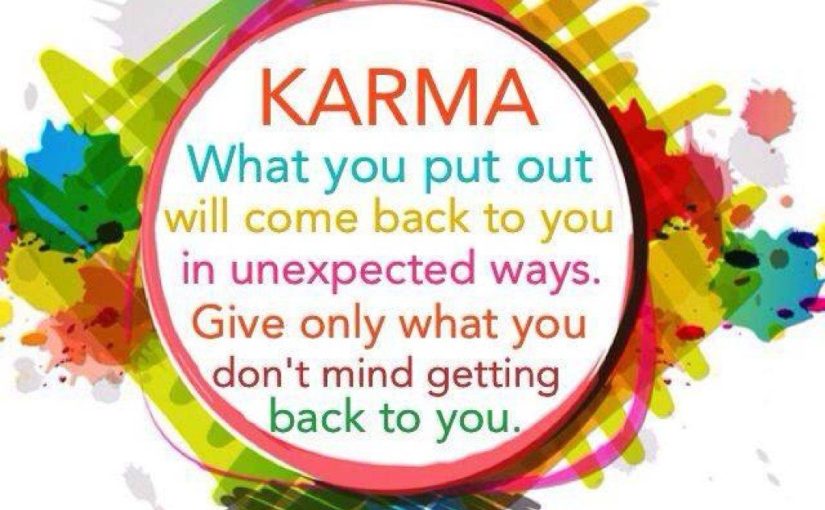
What it Takes to Jump Your Karma

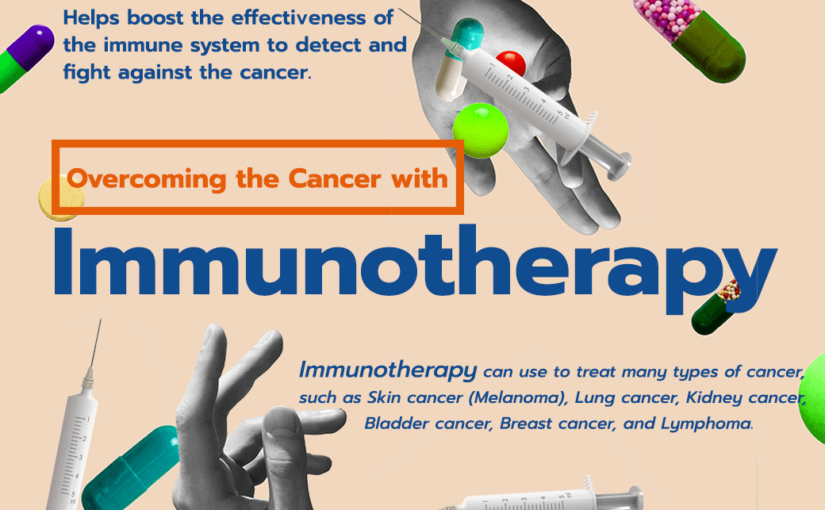
How Does Immunotherapy Treat Cancer? (Conditions A-Z)

How does immunotherapy work to treat various cancers? Explore the biology and learn from the foremost expert in the field.

I’m obsessed with this new cat mirror from Jeffree Star cosmetics! 😻

https://youtube.com/watch?v=9NUKT5GRvmg  

Under the Never Sky

He is fighting to survive in a ravaged world, a Dweller and a Savage form an unlikely alliance in New York Times bestselling author Veronica Rossi’s “unforgettable dystopian masterpiece” (Examiner.com). Exiled from her home, the enclosed city of Reverie, Aria knows her chances of surviving in the outer wasteland—The Death Shop—are slim. Then Aria meets an Outsider named Perry. He’s wild—a savage—and her only hope of staying alive. A hunter for his tribe in a merciless landscape, Perry views Aria as sheltered and fragile—everything he would expect from a Dweller. But he needs Aria’s help too; she alone holds the key to his redemption. In alternating chapters told in Aria’s and Perry’s voices, Under the Never Sky subtly and powerfully captures the evolving relationship between these characters and sweeps readers away to a harsh but often beautiful world. Continuing with Through the Ever Night and concluding with Into the Still Blue, the Under the Never Sky trilogy has already been embraced by readers in twenty-six countries and has been optioned for film by Warner Bros. Supports the Common Core State Standards

The Power of Semen Retention | Sadhguru

#sadhguru #semenretentionbenefits In a conversation with the students of Jawaharlal Nehru University, Sadhguru reveals the truth about semen retention while answering a question about masturbation, and whether it can “damage us spiritually”. Get 14-day free access to Sadhguru Exclusive, the largest video catalog on Mysticism & Spirituality. Only On the Sadhguru App *T&C Applied Visit: https://isha.co/Sgx-SM Official YouTube Channel of Sadhguru Considered among India’s 50 most influential people, Sadhguru is a yogi, mystic, bestselling author, and poet. Absolute clarity of perception places him in a unique space, not only in matters spiritual but in business, environmental, and international affairs, and opens a new door to all that he touches. Inner Engineering Inner Engineering is a comprehensive course for personal growth that brings about a shift in the way you perceive and experience your life, your work, and the world that you live in. https://innerengineering.sadhguru.org/ Isha Life products for everyday health and well-being. Buy online at https://bit.ly/3L0gTar Save Soil Movement Launched by Sadhguru, Save Soil is the world’s largest people’s movement, reaching 3.91 billion people to address impending soil extinction by supporting governments to create policies for soil revitalization. https://savesoil.org/ Sadhguru app Accelerate your spiritual journey with transformative guided meditations, daily wisdom, and Yogic tools. http://onelink.to/sadhguru__app