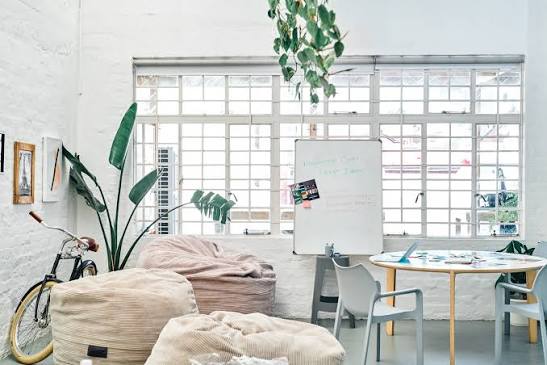
How to Create a Flexible Wellness Room That Reduces Anxiety at Home
For busy parents juggling work, kids, and a crowded home, anxiety management can feel impossible when stress triggers are baked into daily life: clutter that never ends, harsh lighting, noise spillover, and no clear place to decompress. Many homes have rooms that technically exist but don’t function as stress reduction spaces, so the brain stays on alert even during “downtime.” A multipurpose wellness room, shaped through thoughtful home remodeling for mental health, creates a steady anchor without demanding a perfect routine. With the right wellness room design, one flexible space can support calm in small, repeatable moments.
Quick Summary: Flexible Wellness Room Essentials
- Plan a flexible layout that supports multiple calming activities without feeling crowded.
- Add effective storage solutions that keep essentials handy and visual clutter out of sight.
- Choose anxiety-soothing lighting that layers soft ambient, task, and adjustable options.
- Select wellness-friendly materials that feel comfortable, durable, and easy to maintain.
- Create a space that adapts day to day while promoting a calmer mood at home.
Budget for Peace of Mind When Upgrades Trigger Surprise Repairs
Once you’ve mapped out the big layout, storage, lighting, and materials choices, it helps to plan for the less-visible systems that keep your wellness room feeling steady and comfortable. A multipurpose wellness space tends to get used more consistently than a spare room, and that can mean your home’s heating, cooling, and electrical systems work a little harder over time. Between workouts, recovery sessions, and quiet wind-down routines, normal wear and tear can add up, and breakdowns rarely arrive on a convenient timeline.
That’s why some homeowners consider a home warranty as part of the budget: a home warranty service agreement can help cover the repair or replacement of essential home systems that support how the room functions day to day. Instead of an unexpected, high out-of-pocket repair cost derailing your plans, a warranty can add more predictability to what it takes to keep the space running smoothly; you can
get the key details to see what that kind of coverage may include. With your comfort systems protected, you can move on to shaping the room into clear zones for movement, recovery, and unwinding, without clutter.
Set Up Calm Zones for Movement, Recovery, and Rest
This process helps you turn one room into three clear, calming zones for fitness, recovery, and relaxation, without making it feel crowded. For most households, the biggest anxiety-reducer is knowing exactly what happens where, so you can switch modes fast and keep visual noise low.
- Define your “wellness” goal and rules: Write one sentence for each zone, such as “I stretch here” or “I read and breathe here,” then pick 2 to 3 simple room rules like “no work items” and “everything resets in 5 minutes.” The designated space for health, mindfulness, and relaxation matters because clear intent makes it easier to hold boundaries when life gets busy.
- Tape out three zones with calm buffers: Use painter’s tape on the floor to mark a fitness corner, a recovery setup, and a relaxation layout, leaving a small “empty strip” between them as a visual buffer. Keep your walk path open so you never have to squeeze past equipment, which can spike stress. Stand in each taped zone and check sightlines to doors, mirrors, and windows, then adjust until it feels visually quiet.
- Build the fitness corner around one anchor piece: Start with one primary item you will actually use, like an adjustable bench, yoga mat rack, or compact bike, then add only the minimum accessories for your top two workouts. Choose adaptive wellness furniture that folds, stacks, or rolls so the room can shift quickly from active to calm. Store small gear in one lidded bin to reduce “gear spread” that makes the room feel chaotic.
- Create a recovery setup that is easy to enter: Place a comfortable chair or floor cushion where you can sit down within 10 seconds of finishing movement, then keep one small surface nearby for water, a towel, and a timer. If heat therapy is part of your routine, plan it safely and realistically, since 69.1% of respondents named using a sauna as a recovery practice they want to try or increase. The goal is a soothing “downshift” station that does not require extra decisions.
- Set a relaxation layout with a fast reset routine: Choose one calming focal point, such as a soft lamp, plant, or artwork, then arrange seating so you can face it without turning your head toward clutter. Assign every item a home using closed storage, a basket, or a tray, and practice a 3-minute reset so the room always returns to neutral. Confirm the zones still feel separate by doing a quick loop: move, recover, relax, then tidy.
Wellness Room Q&A: Light, Sound, Space, Materials
Q: How can I make a wellness room work in a small space?
A: Choose one foldable “main” item and keep everything else wall-mounted or lidded. Leave one clear corner or a slim strip of open floor so the room never feels packed. If you can reset it in three minutes, it will feel usable even on anxious days.
Q: What should I do if sunlight or mirrors create harsh glare?
A: Add light-control first: cordless blackout shades or linen-look curtains that diffuse brightness. Swap shiny frames and glossy paint for matte finishes, and angle mirrors so they reflect a wall, not a window. A warm, dimmable lamp gives you a gentle default setting.
Q: How do I reduce noise if I share walls or have loud floors?
A: Start with soft layers: a thick rug pad, heavy curtains, and a fabric-upholstered chair to absorb sound. Weatherstrip the door and use a white-noise machine or fan for consistent background audio.
Q: What materials tend to feel “safe” and calming for anxiety?
A: Many people settle best with low-shine, soft-touch surfaces like matte paint, natural textiles, and rounded-edge furniture. The idea behind a
wellness design philosophy is that small sensory choices can shape mood and energy, so prioritize what feels steady in your body.
Q: Can I keep the room flexible without it turning into clutter storage?
A: Yes, but only if every category has a single “home.” Use two closed bins labeled “move” and “recovery,” and one tray for relaxation items so nothing spreads across the room. If something does not fit, it is a signal to edit, not to stack.
Designing a Flexible Wellness Room for Calmer Days at Home
When anxiety is already draining, even “simple” home choices can feel loud, permanent, and hard to get right. A flexible room planning mindset, anchored in thoughtful home design that prioritizes comfort and adjustability, keeps the focus on what supports the body and mind, not perfect aesthetics. Over time, the benefits of a wellness room show up as steadier mental and physical well-being: fewer sensory surprises, easier downshifts, and a space that adapts as needs change. A wellness room works best when it’s flexible, gentle, and easy to return to.
info@outspiration.net
Outspiration.net